
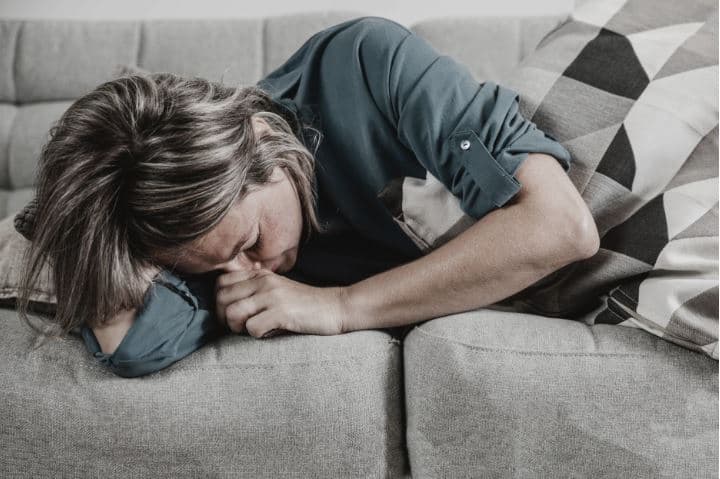
억울한 일을 참고 또 참다 보니 어느새 가슴이 꽉 막히고, 뜨거운 것이 목까지 치밀어 오릅니다. 한숨이 절로 나오고 밤에는 잠이 오지 않습니다. 참아 온 화가 몸의 병이 된 것, 화병입니다.
화병 한눈에 보기
- 화병은 억울함과 분노를 오래 참으면서 가슴 답답함, 열감, 치밀어 오름, 한숨 같은 증상이 몸으로 나타나는 병입니다.
- 중년 여성의 병으로 알려져 있지만, MZ세대 조사에서도 36.3%가 화병에 해당해 세대를 가리지 않습니다.
- 우울증·불안장애와 겹치는 경우가 많아, 억눌린 감정과 함께 수면과 자율신경의 균형을 다스려야 합니다.
- 치료후기 8건
- 의료진 칼럼 1편
- 건강정보 1편
- 온라인 상담 3건
화병이란?
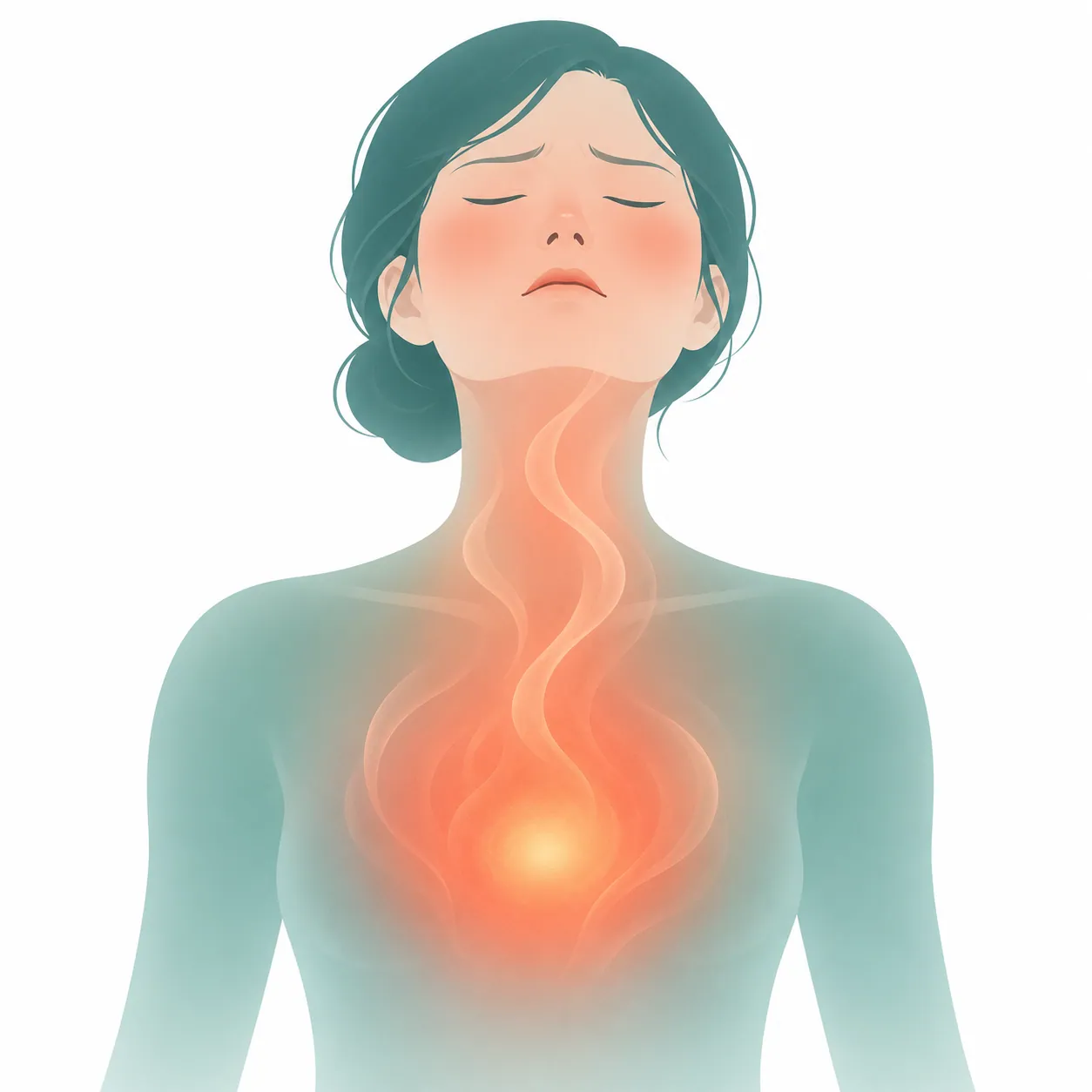
화병(火病)은 말 그대로 "불의 병"입니다. 억울한 일을 겪고도 관계를 지키려고 분노를 참다 보면 그 마음이 쌓여 울화가 되고, 환자들은 이를 몸속의 뜨거운 덩어리처럼 느낍니다. 화병은 우리나라에서 먼저 알려졌고, 1994년 미국 정신질환 진단 편람(DSM-IV) 부록의 문화 관련 증후군 목록에 올랐습니다[1].
옛 농촌 조사에서는 인구의 4.1%가 화병이었고 중년 이후 여성에게 많았습니다[1]. 하지만 이제는 젊은 세대의 문제이기도 합니다. MZ세대 449명을 조사한 연구에서 36.3%가 화병에 해당했는데, 화병이 진단되는 병이라는 것을 아는 사람은 44.5%에 그쳤습니다[2].
이런 증상이 있나요?
- 억울하고 분한 일이 자꾸 떠오른다
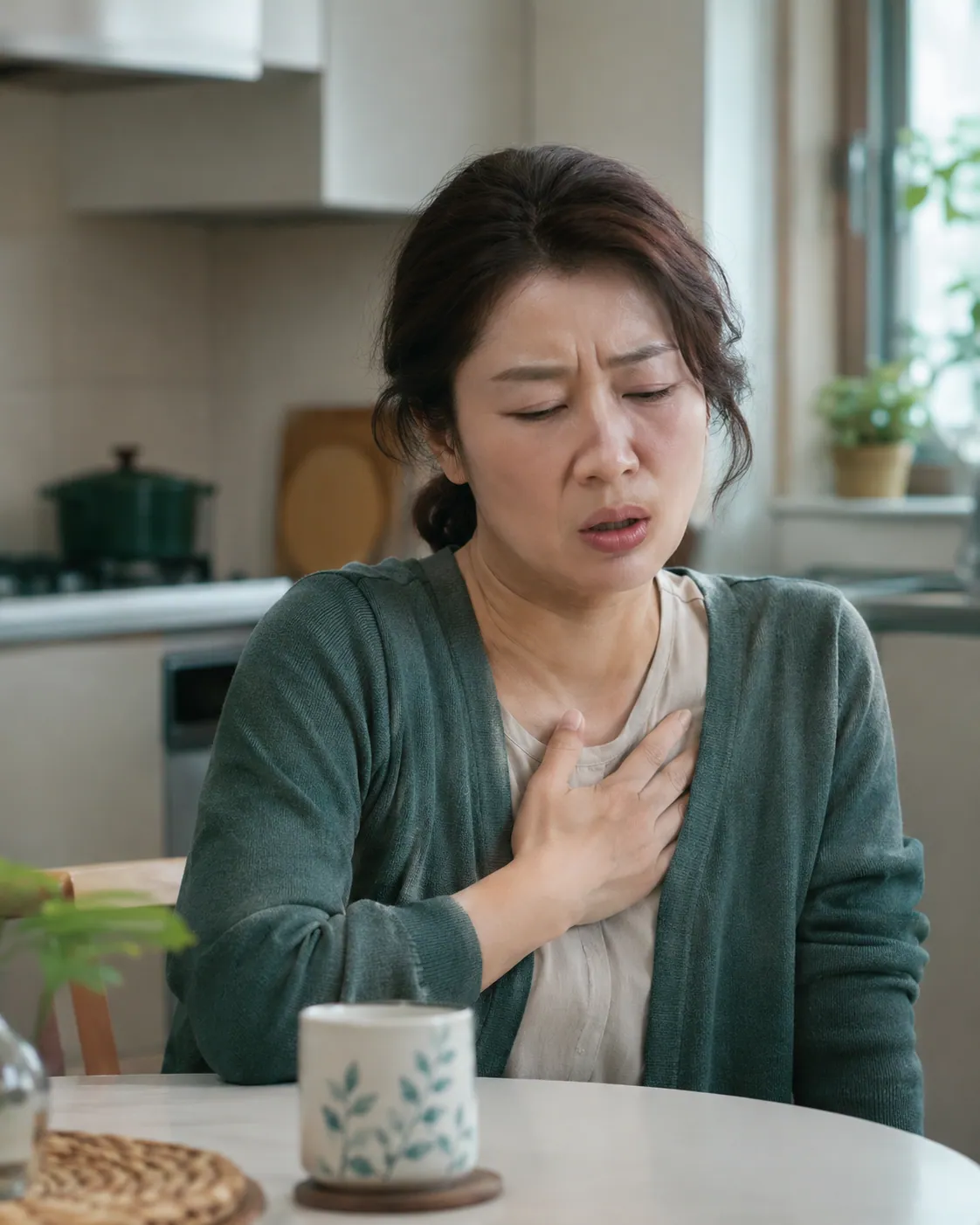
- 가슴이 답답하고 꽉 막힌 것 같다
- 뜨거운 것이 가슴에서 목, 얼굴로 치밀어 오른다
- 얼굴과 몸에 열이 오르고 입이 마른다
- 한숨이 저절로 나오고, 답답해서 밖으로 뛰쳐나가고 싶다
- 명치에 덩어리가 걸린 것 같다
- 가슴이 두근거리고 잘 놀라며, 생각이 많아 잠들기 어렵다
화병은 혈액검사나 영상검사보다 어떤 일을 얼마나 참아 왔는지, 몸에 어떤 증상이 나타나는지 듣는 것이 진단의 중심입니다. 억울함, 분노, 열감, 치밀어 오름, 한숨은 우울감과 별개로 나타나는 화병의 특징적인 증상입니다[3]. 다만 혼자 오는 경우는 드뭅니다. 화병으로 진단된 환자 183명 가운데 화병만 있는 경우는 47명이었고, 우울증과 범불안장애가 함께 있는 경우가 가장 많았습니다[4].
화병은 왜 생기나요?
- 부부 갈등, 시댁 갈등 같은 가족 내 스트레스
- 직장에서의 부당한 대우, 감정노동
- 배신, 사기, 경제적 손실 같은 억울한 일
- 화를 표현하지 못하고 혼자 삭이는 습관
- 오랜 돌봄과 희생
화병은 화를 많이 내서가 아니라 화를 내지 못해서 생기는 병입니다. 위험 요인으로는 부부 갈등과 시댁 갈등이 대표적으로 꼽힙니다[5]. 환자들의 경험을 모은 연구에서는 분노가 되살아나고 탓하는 마음이 이어지다가, 몸과 감정이 내 뜻대로 조절되지 않는다고 느끼는 과정이 공통으로 나타났습니다[6].
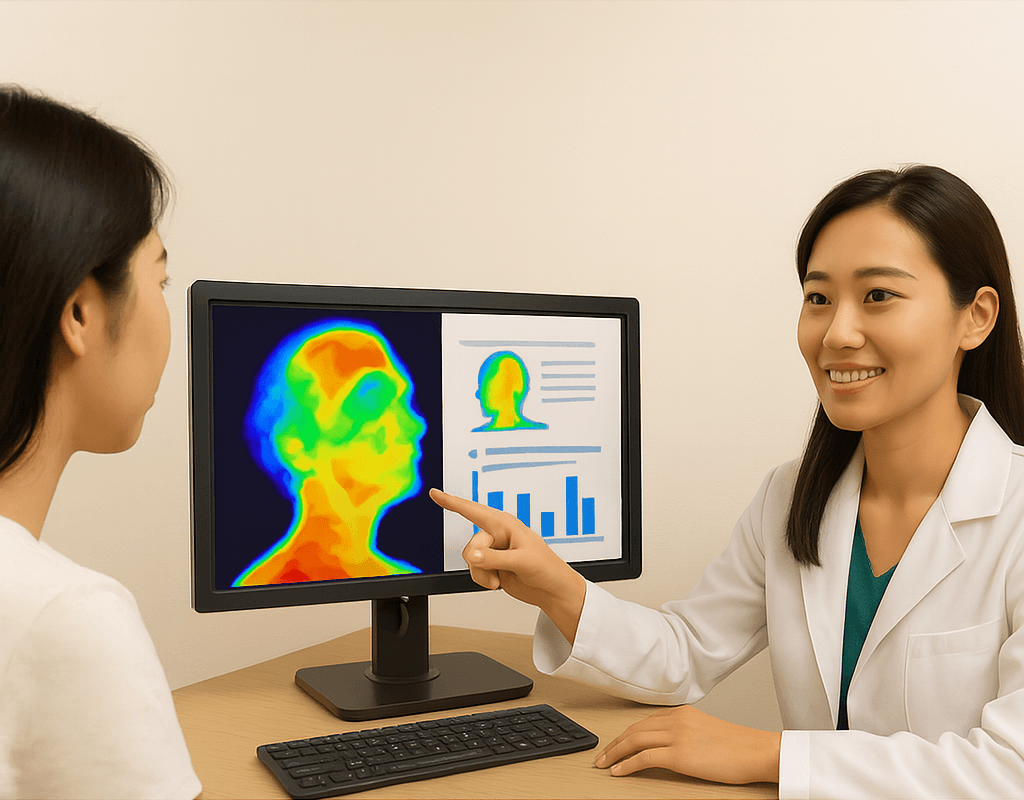
문제는 참는 동안 몸은 계속 긴장한다는 것입니다. 화병 환자의 체온을 적외선으로 찍어 보면 앞가슴 가운데가 가장 뜨거웠습니다[1]. "가슴에 불이 있는 것 같다"는 말이 단순한 비유만은 아닌 셈입니다.
화병의 표준 치료
화병에는 정신건강의학과의 상담과 약물치료, 함께 있는 우울·불안의 치료가 쓰입니다. 명상, 이완, 미술치료 같은 심신 치료도 화병 점수를 낮췄습니다[7]. 다만 마음을 다스려도 가슴의 답답함과 열감, 불면이 남아 있다면 몸의 치료가 함께 필요합니다.
화병은 마음에서 시작하지만 증상은 몸에 있습니다. 한의학은 몰린 열과 뭉친 기운을 풀어 몸이 먼저 편해지게 하고, 그 힘으로 마음을 돌볼 여유를 되찾도록 돕습니다.
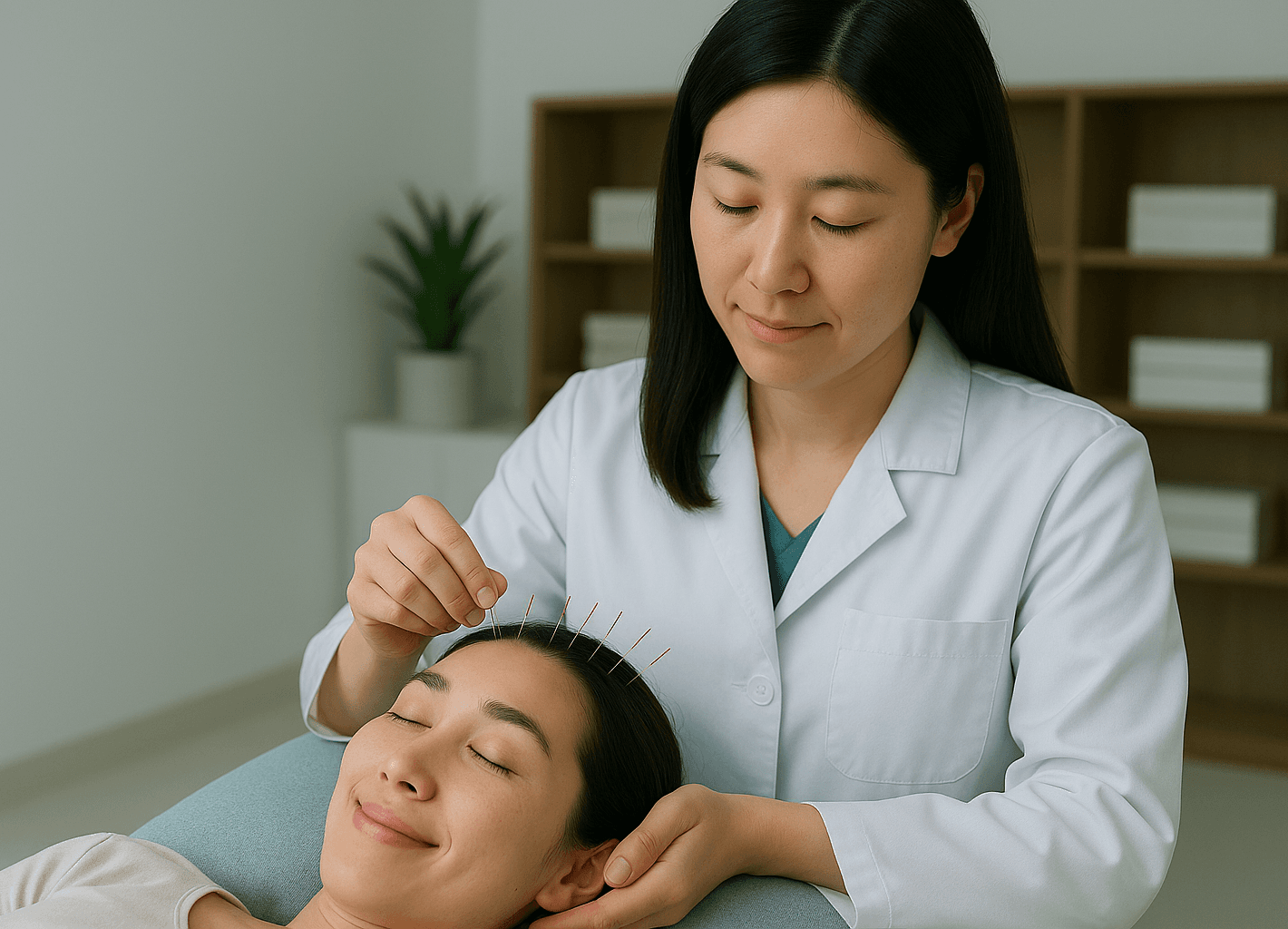
연구도 있습니다. 화병 환자를 대상으로 한 무작위 대조 연구에서 황련해독탕은 7일 만에 위약보다 불면 점수를 낮췄습니다(신체 증상 점수는 차이 없음)[8]. 침 치료도 가슴 답답함과 열감 같은 주요 증상에서 가짜 침보다 좋은 경향을 보였습니다(15명 예비 연구)[9].
해움한의원은 이렇게 치료합니다
해움한의원은 가슴에 쌓인 이야기를 듣는 것에서 치료를 시작합니다.
1단계. 쌓인 이야기를 듣고 몸 상태를 확인합니다
언제부터 무엇을 참아 왔는지, 몸에 어떤 증상이 왔는지 충분히 듣습니다. 심박변이도와 적외선 체열검사로 자율신경의 긴장과 가슴·얼굴로 몰린 열을 확인합니다. 우울이나 불안이 심하면 정신건강의학과 진료도 안내해 드립니다.
2단계. 뭉친 가슴을 풉니다
침과 약침으로 가슴과 명치, 목·어깨에 뭉친 긴장을 풀고, 몸이 쉬는 상태로 돌아가도록 자율신경의 균형을 돕습니다.
3단계. 올라온 열을 내리고 회복을 돕습니다
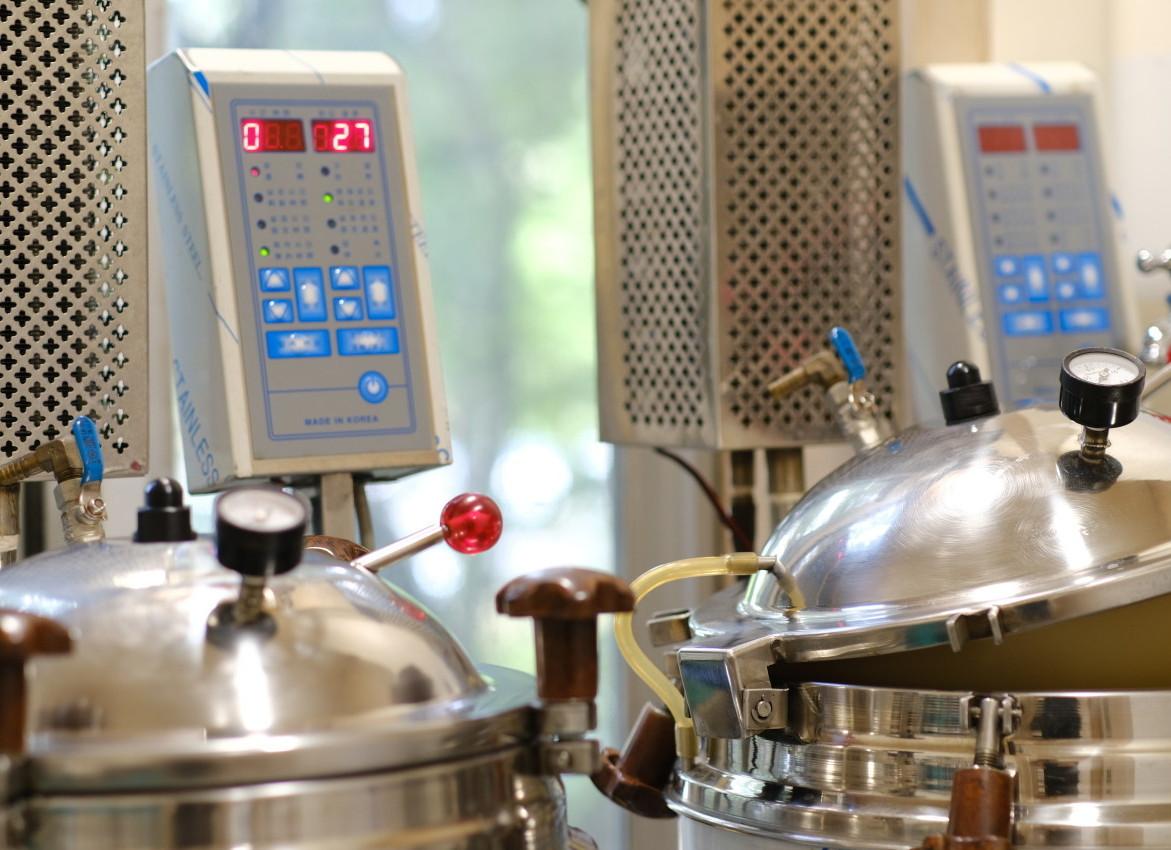
체질과 상태에 맞춰 한약을 짓습니다. 상담을 함께 이어가며 감정을 쌓아 두지 않는 방법을 찾아갑니다.
4만 건의 처방 사례가 말해주는, 한방 맞춤 치료의 힘
화병 치료후기 총 8건
환자분들이 남긴 치료후기입니다. 본문은 로그인 후 보실 수 있습니다.
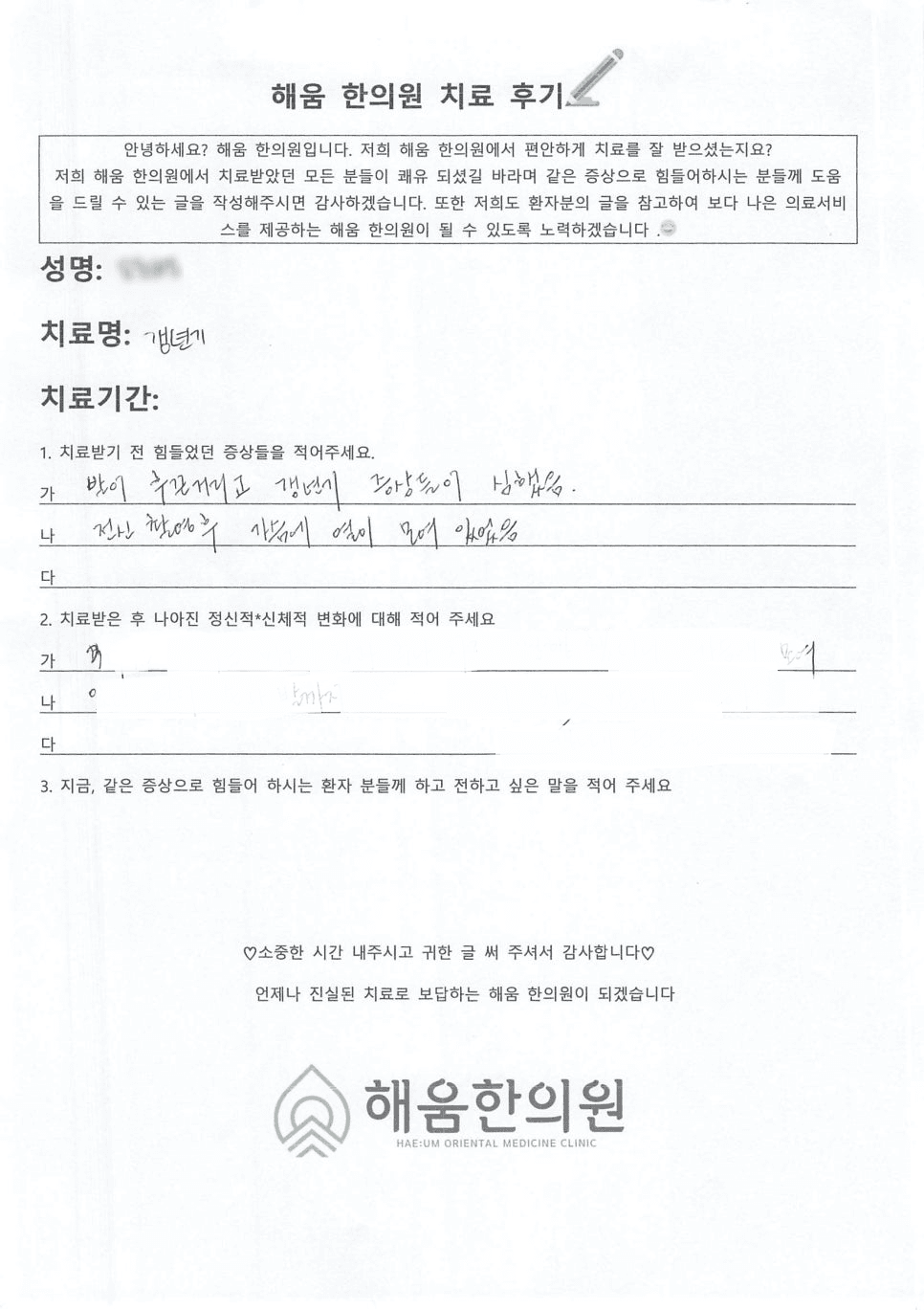
갱년기인 줄 알았는데 화병이었습니다 발후끈거림 홧병
2026. 01. 30.
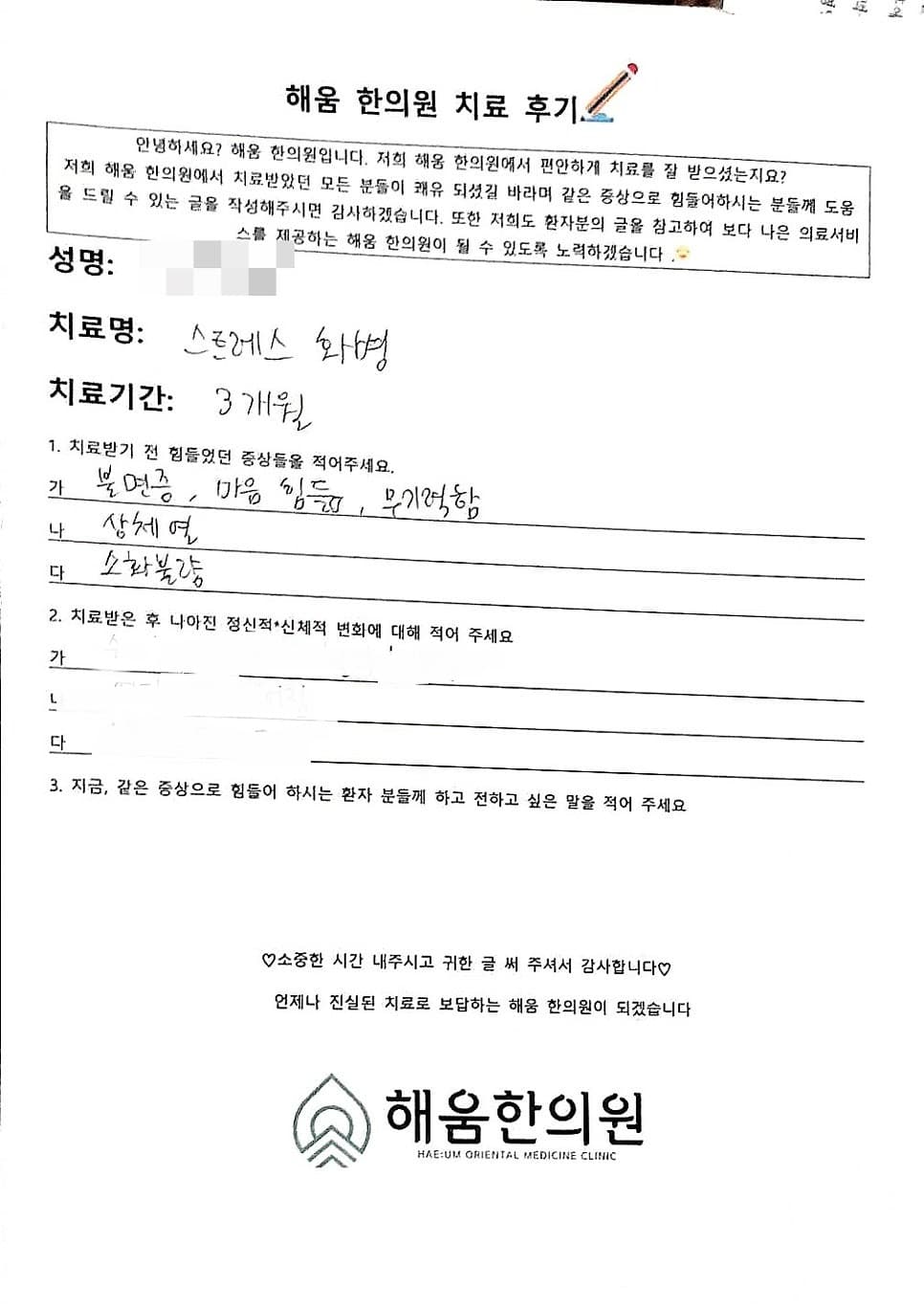
스트레스로 인한 자율신경 문제가 불러온 화병, 불면증
2024. 06. 28.
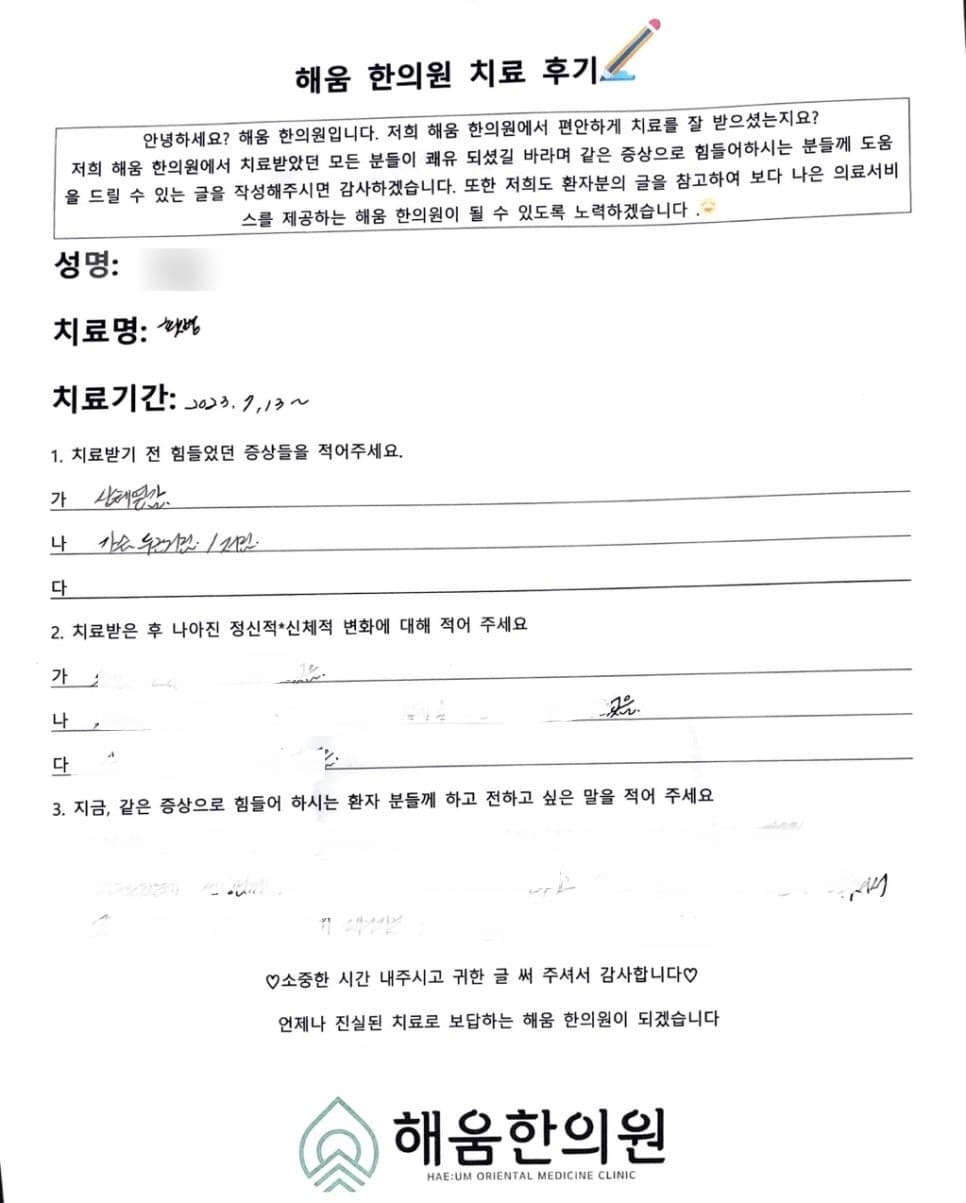
홧병으로 두근거리고 심장저림까지 있던 환자분 사례
2023. 12. 09.
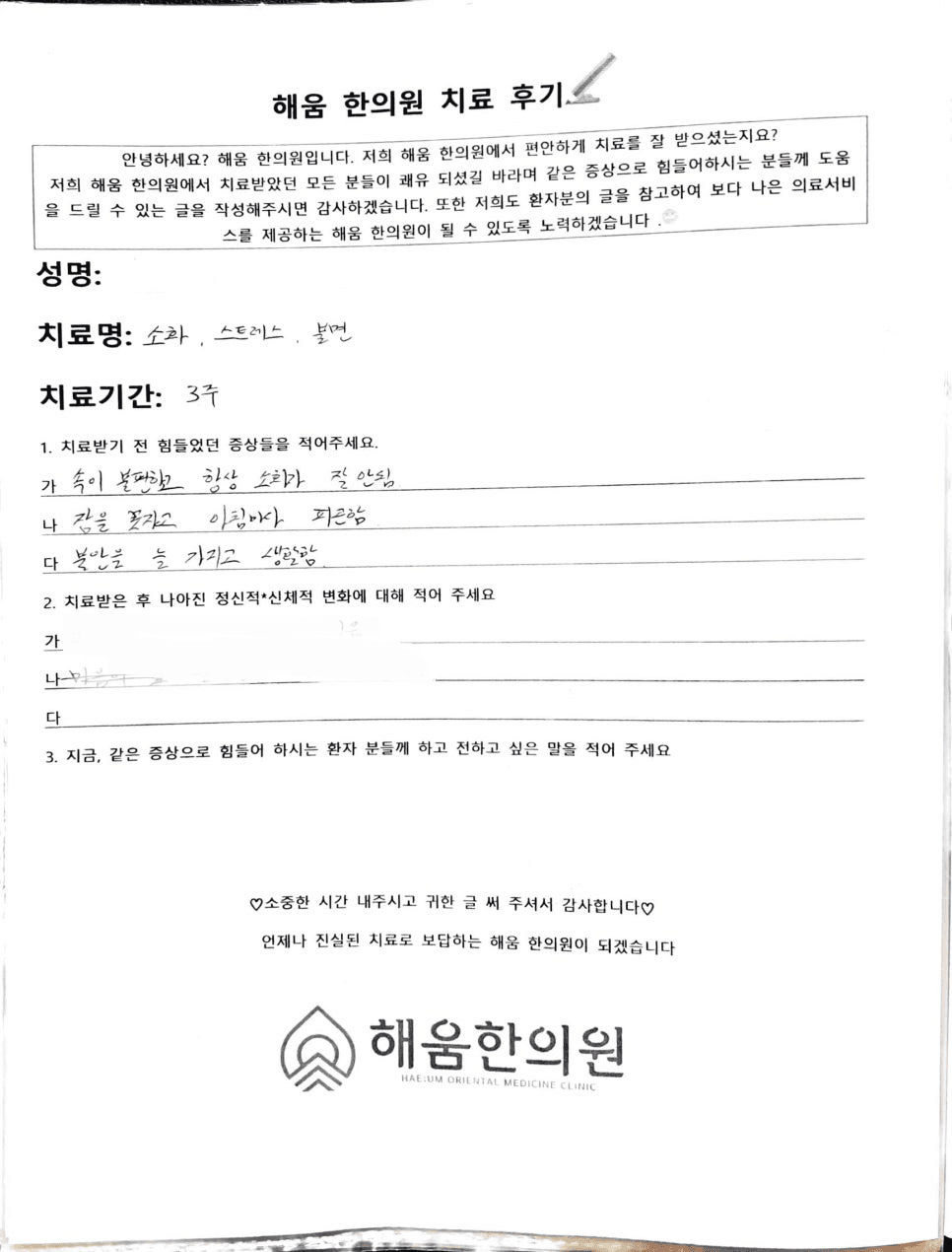
3주만에 좋아졌어요 스트레스로 인한 소화불량, 불면증
2022. 05. 19.
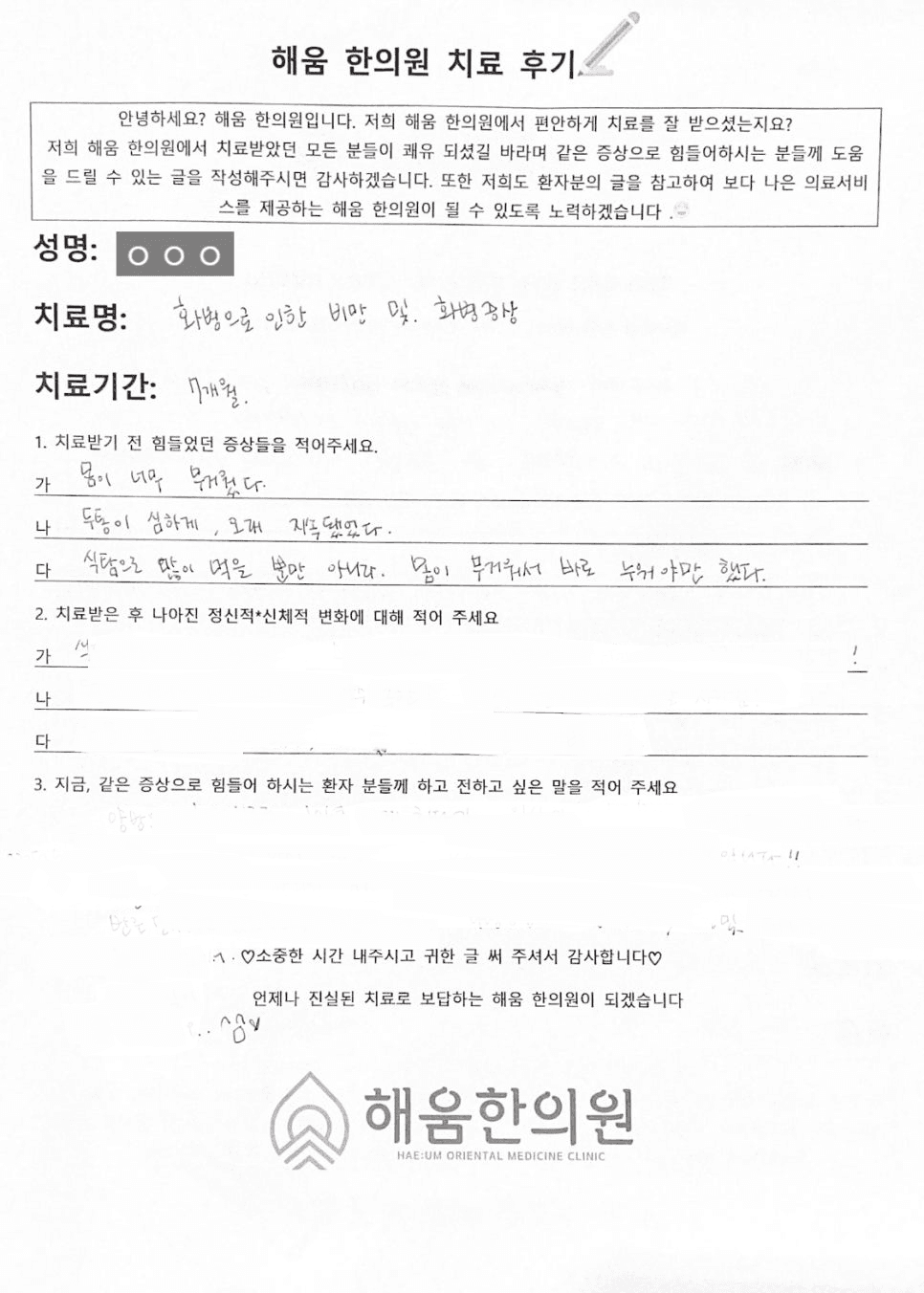
10kg 감량! 스트레스로 인한 체중증가, 한약으로 화병과 비만 둘다 관리할 수 있답니다
2021. 10. 15.
 관련 후기
자궁내막증식증, 한약 먹어도 되나요? 수술 전후 자궁혈액순환 컨디션 관리 사례
2022. 04. 08.
다른 증상으로 내원하신 분들의 후기 중 ‘화병’이 증상으로 함께 언급된 기록
화병, 누가 진료하나요?
담당 의료진
대표원장 박재은
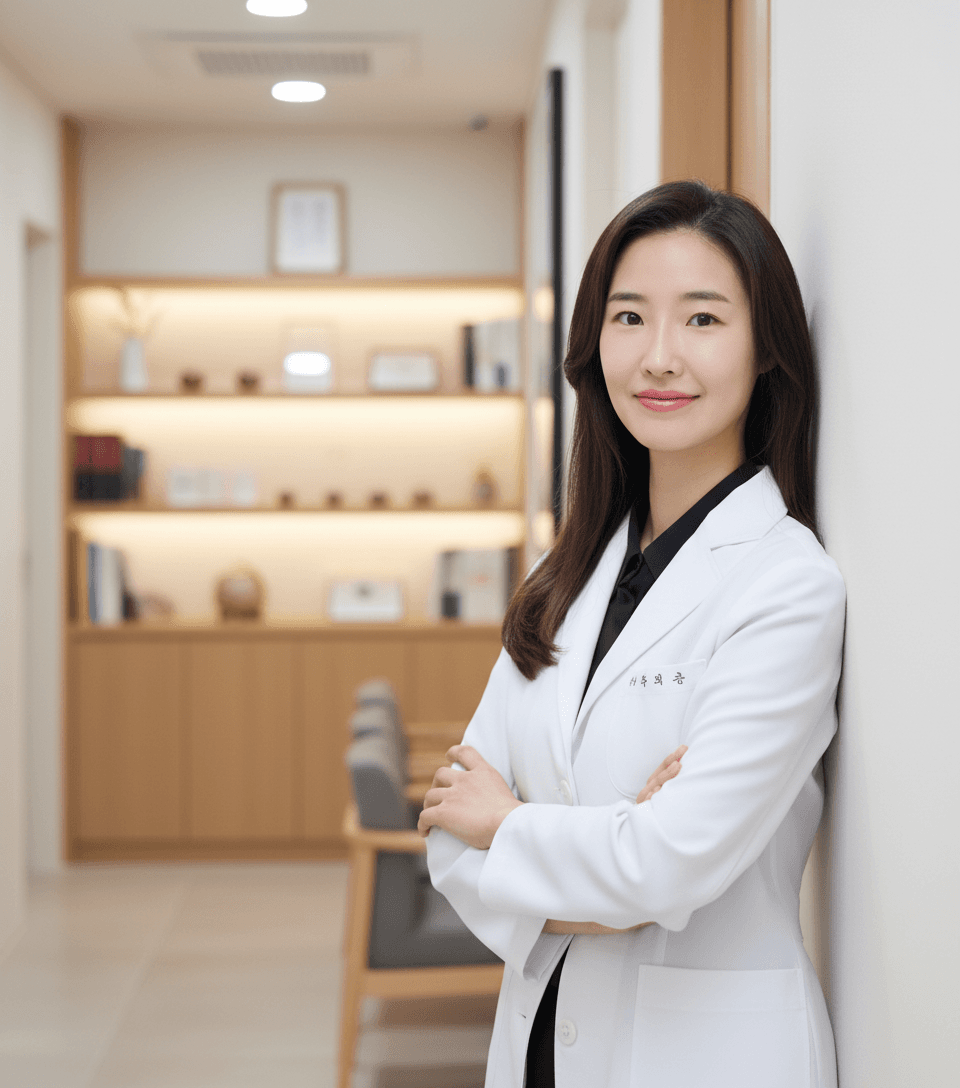
“병이 아니라 그 뒤의 사람을 봅니다”
경희대학교 한의학박사이자 여한의사입니다. 심리상담사 1급 자격, 20만명 차트분석과 4만건 이상의 한약 처방 경험을 바탕으로 진료합니다.
의료진 소개 더보기화병, 자주 묻는 질문
화병이라는 병이 정말 있나요?
화병과 우울증은 어떻게 다른가요?
화병은 여성만 걸리나요?
정신건강의학과 약과 한방치료를 같이 받아도 되나요?
한의원 진료 기록이 남으면 불이익이 있나요?
치료 기간은 얼마나 걸리나요?
집에서 화를 다스리려면 어떻게 해야 하나요?
해움한의원에서 화병을 진료하나요?
화병으로 내원하려면 어떻게 하나요?
화병으로 내원하면 어떤 검사를 하나요?
화병이 심할 때는 어떻게 해야 하나요?
화병에 관해 알아두면 좋은 정보
1건화병과 관련해 정리한 건강정보입니다.
화병, 질문 있어요
3건환자분들이 남긴 온라인 상담 질문과 의료진 답변입니다.
이런 경우에는 바로 진료를 받으세요
아래 상황은 화병만의 문제가 아닐 수 있습니다. 해당한다면 지체하지 말고 응급실이나 전문 진료를 먼저 찾으세요.
- 죽고 싶다는 생각이나 자해 생각이 든다: 자살예방 상담전화 109(24시간) 또는 가까운 응급실
- 처음 겪는 가슴 통증이 20분 넘게 이어지거나 식은땀·팔이나 턱으로 뻗치는 통증이 함께 온다: 119
- 숨이 차서 말을 잇기 어렵거나 의식이 흐려진다: 119
- 분노를 조절하기 어려워 다른 사람을 해칠 것 같다
- 잠을 거의 못 자고 식사를 못 하는 상태가 며칠째 이어진다
참고문헌 9편
[1]Min SK. Clinical correlates of hwa-byung and a proposal for a new anger disorder. Psychiatry Investig. 2008;5(3):125-141. doi:10.4306/pi.2008.5.3.125. PMID: 20046356.
요약 화병 연구를 정리한 리뷰입니다. 화병은 억울한 일로 생긴 분노를 관계를 지키려고 참다가 생기고, 1994년 DSM-IV 부록의 문화 관련 증후군 목록에 올랐습니다. 농촌 지역 역학 조사에서 인구의 4.1%가 화병이었고, 중년 이후 여성에게 많다고 정리합니다. 적외선 체열 연구에서는 화병 환자의 체온이 앞가슴 가운데에서 가장 높았습니다.원문은 출판사 저작권 자료로, 위 링크에서 확인하실 수 있습니다.
[2]Kwon CY, Kim JY, Park SY. Hwa-Byung (Anger Syndrome) in the MZ Generation of Republic of Korea: A Survey. J Clin Med. 2024;13(22):6667. doi:10.3390/jcm13226667. PMID: 39597811.
초록 (Abstract)
Background/Objectives: : Hwa-byung (HB), traditionally observed in middle-aged Korean women, was investigated among the MZ generation in Republic of Korea to investigate its prevalence, associated factors, and perceptions. Methods: An online survey was conducted with 449 Korean adults in the Republic of Korea born between 1980 and 2005. The participants completed questionnaires that assessed HB symptoms, emotional labor, psychological distress, and HB perceptions. Data were analyzed using Chi-squared tests, t-tests, and bivariate logistic regression. Results: The prevalence of HB in the MZ generation was 36.3%. Significant HB predictors included female sex (odds ratio [OR] = 2.314), poor subjective health (OR = 3.207), higher HB trait scores (OR = 1.155), depression (OR = 1.145), and state anger (OR = 1.087). Only 44.54% of the participants were aware that HB is a diagnosed mental disorder and 34.97% knew that it could be treated at traditional Korean medicine (TKM) clinics. Despite the limited awareness, 49% expressed interest in TKM treatment for HB, in which acupuncture, herbal medicine, and mind–body medicine are the preferred modalities. Conclusions: This study revealed a high HB prevalence among the MZ generation in the Republic of Korea, which challenges traditional perceptions of this syndrome. These findings highlight the need to reevaluate HB conceptualization and treatment approaches for younger generations. Future research should focus on longitudinal studies, qualitative investigations of the evolving HB cultural context, and the development of targeted awareness and intervention programs to address this significant mental health issue in contemporary Korean society.
결과 (Results)
3.1. Baseline Participant Characteristics: A total of 449 participants met the inclusion criteria, including 163 individuals with HB and 286 without HB (Figure 1). The mean age of the participants was 34.67 ± 7.46 years, and the percentage of women was 46.55%. No significant differences were observed in sex, age, generation (M or Z), region, or marital status between the HB and non-HB groups (p > 0.05 for all). However, there was a significant difference in subjective health state between the two groups; the HB group was more disadvantaged (p < 0.001). HB traits were significantly higher in the HB group (39.07 ± 7.95) compared to the non-HB group (29.48 ± 7.77, p < 0.001). All aspects of emotional labor were significantly higher in the HB group (p < 0.001 for all subscales). Depression, anxiety, and stress scores of the DASS-21 were significantly higher in the HB group (p < 0.001 for all). All STAXI components were significantly higher in the HB group (p < 0.001 for most subscales and p = 0.005 for anger-control) (Table 1).
3.2. Factors Associated with Hwa-Byung Presence: The regression analysis revealed that female sex (odds ratio [OR] = 2.314, 95% CI: 1.123–4.767, p = 0.023) was a significant predictor of HB presence compared to male sex. Participants who reported ‘bad or very bad’ subjective health states had a higher OR of HB (OR = 3.207, 95% CI: 1.020–10.084, p = 0.046) compared to those reporting ‘good or very good’. In addition, the HB trait score (OR = 1.155, 95% CI: 1.085–1.230, p < 0.001), depression (OR = 1.145, 95% CI: 1.018–1.287, p = 0.024), and anger states (OR = 1.087, 95% CI: 1.005–1.176, p = 0.038) were significant predictors of HB presence (Table 2, Figure 2).
3.3. Participant Perceptions and Attitudes Toward Hwa-Byung: Among the respondents, 44.54% (200/449) were aware that HB is a diagnosed mental disorder, with a significantly higher proportion of HB group participants being aware compared to the non-HB group (χ2 = 6.995, p < 0.05). Similarly, 34.97% (157/449) knew that HB could be treated at TKM clinics; the HB group had significantly higher awareness (χ2 = 8.307, p = 0.005). Regarding HB perceptions, participants generally agreed that it has a significant impact on an individual’s mental health (mean = 4.18 ± 0.82 on a 5-point Likert scale). They also viewed HB as an important public mental health issue comparable to depression (mean = 3.89 ± 0.80). Participants agreed that HB is more common in older adults; the highest agreement for its occurrence was in people in their 40s and 50s (mean = 3.88 ± 0.84), followed by those older than 60 years (mean = 3.73 ± 0.92) (Table 3).
When asked about TKM for potential treatment, 49.00% (220/449) of the participants indicated they would consider TKM treatment for HB, whereas 36.75% (165/449) were unsure. The main reasons for choosing TKM treatment were perceived effectiveness (49.55%, 109/220) and the variety of treatments available (38.64%, 85/220). The preferred TKM treatments for HB included acupuncture (54.55%, 120/220), herbal medicine (52.27%, 115/220), and mind–body medicine (50.91%, 112/220). Participant expectations from TKM treatment primarily focused on symptom improvement and overall health enhancement (57.91%, 260/449), as well as a comfortable and stable atmosphere (49.44%, 222/449). However, concerns about TKM treatment included uncertainty or lack of evidence regarding effectiveness (63.47%, 285/449) and the high cost of services (48.55%, 218/449). Regarding areas for improvement in TKM treatment, participants emphasized the need to accumulate evidence on the effectiveness of TKM services (61.69%, 277/449), reduce costs (45.43%, 204/449), and promote TKM services (42.32%, 190/449) (Table 3).
원문 발췌 · Kwon CY, Kim JY, Park SY, J Clin Med 2024 · CC BY 4.0 라이선스에 따라 수정 없이 인용했습니다(본문 속 인용 번호는 생략).
[3]Min SK, Suh SY, Song KJ. Symptoms to use for diagnostic criteria of hwa-byung, an anger syndrome. Psychiatry Investig. 2009;6(1):7-12. doi:10.4306/pi.2009.6.1.7. PMID: 20046367.
요약 스스로 화병이라고 여기는 정신건강의학과 환자 89명을 분석한 연구입니다. 억울함, 분노, 열감, 치밀어 오름, 입마름, 한숨은 분노와는 관련이 있었지만 우울감과는 관련이 없었습니다. 저자들은 화병이 증상 면에서 우울 증후군과 다르다고 결론지었습니다.원문은 출판사 저작권 자료로, 위 링크에서 확인하실 수 있습니다.
[4]Min SK, Suh SY. The anger syndrome hwa-byung and its comorbidity. J Affect Disord. 2010;124(1-2):211-214. doi:10.1016/j.jad.2009.10.011. PMID: 19880191.
요약 정신건강의학과 환자 280명을 구조화 면담으로 진단한 연구입니다. 183명이 화병으로 진단되었고, 그중 47명만 화병 단독이었습니다. 나머지는 다른 진단이 함께 있었으며 주요우울장애와 범불안장애가 가장 많았습니다.원문은 출판사 저작권 자료로, 위 링크에서 확인하실 수 있습니다.
[5]Lee J, Wachholtz A, Choi KH. A Review of the Korean Cultural Syndrome Hwa-Byung: Suggestions for Theory and Intervention. Asia Taepyongyang Sangdam Yongu. 2014;4(1):49. doi:10.18401/2014.4.1.4. PMID: 25408922.
요약 화병에 관한 리뷰입니다. 화병은 분노장애, 범불안장애, 주요우울장애와 자주 함께 나타나고, 부부 갈등과 시댁 갈등 같은 심리사회적 스트레스가 위험 요인으로 꼽힙니다.원문은 출판사 저작권 자료로, 위 링크에서 확인하실 수 있습니다.
[6]Suh HW, Lee KB, Chung SY, Park M, Jang BH, Kim JW. How Suppressed Anger Can Become an Illness: A Qualitative Systematic Review of the Experiences and Perspectives of Hwabyung Patients in Korea. Front Psychiatry. 2021;12:637029. doi:10.3389/fpsyt.2021.637029. PMID: 34122172.
초록 (Abstract)
Background: In the clinical field, anger has generally been studied in terms of aggressive behavior. However, in Asians, anger suppression is more common than anger expression. Hwabyung is a culture-related anger syndrome in Korea and is known to occur due to the continued repression of anger. Investigating Hwabyung should lead to a better understanding of the multiple dimensions of anger. To explore Hwabyung patients' experiences and perspectives, a meta-aggregation approach was used to conduct a systematic review and a qualitative synthesis.
Methods: A systematic search was conducted in MEDLINE/PubMed, EMBASE, Allied and Complementary Medicine Database (AMED), Cumulative Index to Nursing and Allied Health Literature (CINAHL), PsycARTICLES, and four Korean databases [Korean Medical Database (KMbase), Korean Studies Information Service System (KISS), National Digital Science Library (NDSL), and Oriental Medicine Advanced Searching Integrated System (OASIS)] in September 2020. Studies were included if they collected and analyzed qualitative data from Hwabyung patients. Qualitative research findings on the experiences and perspectives of Hwabyung patients in Korea were critically appraised and synthesized using the Joanna Briggs Institute methodology.
Results: Seven eligible studies were included. The findings from those studies (i.e., theme or subtheme of qualitative research) were aggregated into categories (a group of similar findings) and synthesized findings (a group of categorized findings). Ultimately, 116 findings were aggregated into 15 categories. Finally, four synthesized findings were derived from the 15 categories: (i) anger arousal, (ii) blame, (iii) uncontrollable physical and emotional symptoms, and (iv) compromise and temporary coping.
Conclusions: Patients with Hwabyung experience chronic anger through the complex cognitive processes involved in blame. Hwabyung negatively affects patients' physical, psychological, and social functions. Because Hwabyung patients feel as if they are losing control, due to emotional dysregulation and physical symptoms, professional support should be provided to facilitate their coping strategies. Further studies on Hwabyung can serve as a new model of pathological anger.
결과 (Results)
Study and Participant Characteristics: An electronic search yielded 1,318 articles. A total of 731 potential articles remained after the duplicates were removed. After screening the titles and abstracts, 27 articles were selected for full-text analysis. Finally, seven studies were included and synthesized in this review (Figure 1). The overall characteristics and extracted findings of the included studies are summarized in Tables 1 and 2, respectively.
This review included 51 participants. Most of the studies included only Hwabyung patients. Song included two participants who believed they had Hwabyung but did not meet the diagnostic criteria. Park et al. included two family members of patients. All participants with complaints of Hwabyung symptoms (clinical or non-clinical) were women.
Participant eligibility was primarily determined using the Hwa-Byung Diagnostic Interview Schedule (HBDIS) or the structured clinical interview for the modified HBDIS in four studies. Chae used two items: unpublished diagnostic criteria provided by a psychiatrist and invalidated diagnostic criteria reported by a doctor in traditional Korean medicine. Park et al. used a questionnaire to determine which patients had Hwabyung. Park et al. included patients who were diagnosed by a doctor in traditional Korean medicine, without any presentation of standardized diagnostic criteria.
All included qualitative studies were conducted in Korea. Five of the seven studies did not include interventions. Kim recruited participants among patients who had visited a doctor of traditional Korean medicine seeking treatment for upper limb arthropathy. A qualitative research was conducted along with treatment. Suh conducted a qualitative research as part of a clinical trial and included those who had completed the trial.
Quality of Included Studies: All included studies met at least seven of the ten criteria of the JBI critical appraisal checklist for qualitative research : Chae and Suh met all the criteria. Choi and Park et al. met nine criteria. Kim and Song met eight criteria, and Park et al. met seven criteria. Among the items, Q1 was met by five studies, Q6 by three studies, and Q7 by four studies. The remaining criteria were satisfied by all the studies. Overall, the methodological quality of the studies was good because they met the majority of the predetermined criteria. No studies were excluded from the synthesis because they were all found to be of good quality (Table 3).
Summary of Findings and ConQual Assessment: One hundred twenty-one findings were extracted from seven studies. One hundred and twelve findings were appraised as being unequivocal, and four were appraised as credible. Five findings were unsupported and excluded. After exclusion of the unsupported findings, 116 extracted findings were aggregated into 15 categories. The four synthesized findings were derived from the 15 categories: (i) anger arousal, (ii) blame, (iii) uncontrollable physical and emotional symptoms, and (iv) compromise and temporary coping. Illustrative quotations are presented in Supplementary Table 2.
Among the synthesized findings, blame, uncontrollable physical and emotional symptoms, and compromise and temporary coping received moderate ConQual scores, whereas anger arousal received low ConQual scores (Table 4).
Synthesized Finding 1: Anger Arousal: This synthesis was based on 23 findings aggregated into five categories (Figure 2). Hwabyung patients experienced frequent anger arousal induced by repeated and chronic life stress. Specific events were highly associated with interpersonal problems and involved physical or psychological violence, marital conflicts, financial issues, and frustration regarding their children.
Category 1: Victimization: Hwabyung patients reported that they were beaten and mistreated by their husbands or were in constant conflict with their in-laws. Although they had worked hard and performed their best for their families, they were not rewarded. Thus, they felt victimized and mortified. In some cases, Hwabyung patients were bullied by neighbors, so they felt lonely and unjust.
Category 2: Estrangement: Hwabyung patients try to communicate with their husbands but fail and eventually stop trying. Whenever they would make a claim, the husband would insult them or harshly refute the claim. Some patients reported that their relationships with their spouses lacked understanding and affection, and that there was no communication between them. There have also been reports of husbands having extramarital affairs. The patients condemned their husbands for the affairs because they had not rejected their husbands sexually.
Category 3: Hardship: Most Hwabyung patients encounter overwhelming life obstacles, such as poverty. Sometimes, the patients, instead of their husbands, were responsible for earning money. Because of these hardships, they felt tired and unhappy.
Category 4: Frustration: Some Hwabyung patients experienced frustration over disappointments regarding their children. For example, their children's academic or career failures would upset them. Besides disappointment, heartbreak over their children's illnesses also causes emotional suffering.
Category 5: Repeated and Chronic Stress: Hwabyung patients reported that stressful life events frequently provoked anger.
Synthesized Finding 2: Blame: This synthesis was based on 24 findings aggregated into four categories (Figure 3). Hwabyung patients suffered from abusive or uncooperative family environments, but they did not leave their families for many reasons. Instead, they felt that they faced a dilemma. During stressful situations, patients attempted to cope, suppressed anger, and sacrificed themselves. However, they still experienced a sense of helplessness and were preoccupied with negative thoughts and self-blame. They were overwhelmed by negative emotions toward themselves, as well as others who were the source of their stress. They undermined social networks through self-abandonment and passive aggressive behaviors.
Category 1: Endurance: Hwabyung patients had the desire to escape from reality, but they did not. There were two main reasons why these patients persevered: First, many believed their destinies were inevitable and that it was their duty to uphold the values of their culture. Although the main cause of stress for many of the patients was their husbands, they had a compulsory tendency to follow Korea's patriarchal system. They believed that they were unable to change their situation or society, so they obeyed their husbands and maintained their families instead of getting divorced. Second, one of the primary goals was to raise their children well. Therefore, they sacrificed their own happiness for their children. They devoted themselves to their children and suppressed their anger, even to the point of illness.
Category 2: Negative Thoughts: Hwabyung patients had negative thought patterns, such as rumination and personalization. The patients repeatedly focused on the same thoughts related to the past. These thoughts usually trigger negative emotions and other or self-blame. In some cases, the patient had an irrational belief that all her bad experiences were her own fault.
Category 3: Negative Emotions: Hwabyung patients experienced various negative emotions, including anger and nervousness. When the patients looked back on their lives, they expressed more complex emotions, such as regret, a sense of nihility, deep sorrow or grief (“Haan”), and painful feelings, such as burning in the soul.
Category 4: Inward or Passive Aggression: Hwabyung patients engage in inappropriate behaviors that weaken their interpersonal relationships (particularly with their spouses or neighbors). Some patients neglect their self-care and withdraw from social activities. Other patients ignored their husbands out of revenge (believing that the husband had not treated them fairly) or to avoid conflicts.
Synthesized Finding 3: Uncontrollable Physical and Emotional Symptoms: This synthesis was based on 23 findings aggregated into three categories (Figure 4). Hwabyung patients experience uncontrollable physical symptoms and sudden rushes of anger and thoughts. They could not effectively regulate their anger and instead had emotional outbursts or suppressed their feelings. Patients also showed passive and limiting attitudes toward recovery attempts.
Category 1: Uncontrollable Symptoms: Patients with Hwabyung reported physical and psychological symptoms. The patients experienced physical symptoms, such as heat sensations, palpitations, and chest tightness. They also found it difficult to block excessive emotions and negative thoughts. They appeared unstable and imperfect. During the recovery process, they are still sensitive and irritable to stimuli.
Category 2: Expressions of Anger: Most Hwabyung patients either expressed their anger through emotional outbursts or suppressed it, and they had difficulty changing this pattern and regulating their emotions. The manner in which anger was expressed seemed to be linked to personality traits.
Category 3: Perspectives on Recovery: The patient's perspective on recovery from the disorder was affected by the extent to which they blamed the external environment and their attitude toward self-regulation. Patients who thought the effects of external stress were absolute seemed to show a passive and pessimistic attitude. On the other hand, patients who thought self-regulation was important showed a relatively active attitude. However, they also had the limitation of avoiding direct problem-solving. Patients demonstrated different expectations regarding professional help, especially psychotherapy, based on their willingness to change. Some looked forward to the effects of counseling, but others thought that Hwabyung had no therapeutic options, or that treatment was useless because symptoms recurred even after counseling sessions. Overall, the patients were less confident about controllability.
Synthesized Finding 4: Compromise and Temporary Coping: This synthesis was based on 47 findings aggregated into three categories (Figure 5). Generally, coping strategies are categorized as: problem-focused (active), emotional, social, and meaning-focused. During stressful daily life, Hwabyung patients tried to compromise with their affliction (e.g., abusive partner, financial difficulties, or problem children). They sometimes used active coping strategies to protect themselves or maintain their values. If the coping strategies were adaptive, the patients experienced improvements in physical symptoms, emotions, cognitions, and relationships. If not, they would attain only temporary relief.
Category 1: Active: Specific active coping strategies differed according to the source of distress. For example, Hwabyung patients who suffered from domestic abuse divorced their husbands. Some have sought new solutions to resolve their conflicts. Patients who needed to make life changes took on this responsibility and worked hard to improve their situations and, consequently, their symptoms.
Category 2: Distancing: Distancing is an emotion-focused coping strategy. Hwabyung patients commonly used distancing as a coping strategy because they believed that nothing could be done to improve their symptoms.
Category 3: Support: Support coping includes all efforts to seek emotional and instrumental support. Hwabyung patients experienced improvement when they received support, encouragement, and comfort from family, friends, or neighbors. It was also found that taking medication or seeing a doctor was helpful in relieving symptoms.
Category 4: Positive Cognitive Restructuring: Positive cognitive restructuring is a meaning-focused strategy. Some Hwabyung patients focused on the positive aspects of their lives and themselves. Some developed new hopes or goals or chose to undergo a process of loving kindness (e.g., understanding, acceptance, and forgiveness). In other cases, they found support through religion.
Category 5: Changes in Physical Symptoms, Emotions, Cognition, and Relationships: Patients who recovered from Hwabyung recognized improvements in various aspects of their lives. Physical symptoms decreased. Emotions can be regulated and stabilized, even when patients are confronted with the same stressors experienced before recovery. Negative thoughts turned into positive. Interpersonal conflicts subsided, and the relationships improved.
원문 발췌 · Suh HW, Lee KB, Chung SY, Park M, Jang BH, Kim JW, Front Psychiatry 2021 · CC BY 4.0 라이선스에 따라 수정 없이 인용했습니다(본문 속 인용 번호는 생략).
[7]Kwon CY, Lee B. Effectiveness of mind-body medicine for Hwa-Byung (a Korean cultural diagnosis of suppressed anger): A systematic review of interventional studies. Complement Ther Med. 2024;80:103016. doi:10.1016/j.ctim.2024.103016. PMID: 38185401.
요약 명상, 이완, 미술치료 등 심신의학 치료를 다룬 연구 9편을 모은 체계적 문헌고찰입니다. 치료 전후를 비교한 연구 7편 모두에서 화병 척도 점수가 좋아졌고, 미술치료는 대기 대조군보다 화병 척도가 7.74점 낮았습니다.원문은 출판사 저작권 자료로, 위 링크에서 확인하실 수 있습니다.
[8]Choi Y, Kim Y, Kwon O, Chung SY, Cho SH. Effect of herbal medicine (Huanglian-jie-du granule) for somatic symptoms and insomnia in patients with Hwa-byung: A randomized controlled trial. Integr Med Res. 2021;10(2):100453. doi:10.1016/j.imr.2020.100453. PMID: 33145164.
요약 화병 환자 44명에게 황련해독탕 과립 또는 위약을 7일간 투여한 무작위 대조 연구입니다. 불면 점수(ISI)는 황련해독탕 군이 위약보다 2.56점 낮았습니다. 신체 증상 점수(PHQ-15)는 두 군의 차이가 없었습니다.원문은 출판사 저작권 자료로, 위 링크에서 확인하실 수 있습니다.
[9]Choi Y, Park IH, Kim JE, Kwon O, Kim AR, Park HJ, et al. Acupuncture for Psychosomatic Symptoms of Hwa-byung, an Anger Syndrome: A Feasibility Randomized Controlled Trial. Front Psychol. 2021;12:651649. doi:10.3389/fpsyg.2021.651649. PMID: 34630196.
초록 (Abstract)
Objectives: Emerging studies found the potential effects of acupuncture for treating chronic pain and mental disorders, namely, depressive and anxiety disorders. Acupuncture is widely used for treating culture-related anger syndrome, Hwa-byung. This pilot trial aimed to investigate the feasibility of a clinical trial testing acupuncture for the psychosomatic symptoms of Hwa-byung.
Methods: A total of 26 patients with Hwa-byung planned to be randomly assigned to the acupuncture or sham acupuncture groups. About 10 treatment sessions were applied over 4 weeks. The 100-mm visual analog scale was used to measure the six major Hwa-byung symptoms: stuffiness in the chest, heat sensations, pushing-up in the chest, feeling a mass in the throat, feelings of unfairness, and hard feelings. The criteria for assessing the success of this pilot trial were defined as improvement in three or more of the six Hwa-byung symptoms after treatment, with an effect size >0.2.
Results: A total of 15 patients were finally included and randomly assigned to the acupuncture group (n = 7) or the sham acupuncture group (n = 8). After 10 treatment sessions, the Cohen's d effect sizes for acupuncture compared to sham acupuncture were >0.2 for each one of the six major Hwa-byung symptoms, which met our a priori criteria for success. Also, the effect size for the somatic symptoms of “stuffiness in the chest” was 0.81 (95% CI −0.40, 2.20), referring to a large effect size.
Conclusions: Our results suggest that acupuncture treatment would be regarded as an acceptable intervention for a full-scale study of psychosomatic symptoms in patients with Hwa-byung.
Trial Registration: cris.nih.go.kr, identifier: KCT0001732.
결과 (Results)
Participant Flow and Baseline Characteristics: Figure 1 shows the flow of participants. From January 2016 to December 2016, 18 participants were screened, and 15 participants were included. Three patients who failed to meet the diagnostic criteria of Hwa-byung were excluded. The 15 eligible participants were randomly allocated to the acupuncture group (n = 7) and the sham acupuncture group (n = 8). No baseline demographic or characteristic showed a significant difference between the groups (Table 1). The pattern of the Hwa-byung was also distributed in balance between the two groups, and the liver-qi stagnation pattern was the most frequent pattern in both groups, followed by non-interaction between the heart and the kidney patterns. This pilot trial ended before recruiting a planned number of 26, due to budget and time limit, after recruiting participants for 1 year.
Acceptability of Acupuncture in Potential Effect: The criteria for assessing the success of this pilot trial were defined as three or more major symptoms of Hwa-byung to be improved after the 4-week acupuncture treatment compared to sham, with an effect size >0.2. The effect sizes of acupuncture for the major Hwa-byung symptoms at week 4 (posttreatment) are presented in Table 2. Every VAS of the six Hwa-byung symptoms showed the Cohen's d effect size >0.2. The Cohen's d effect size of acupuncture for VAS of “stuffiness in the chest” was 0.81 (95% CI −0.40, 2.20), which was >0.8, referring to the large effect size. Symptoms of “pushing-up in the chest,” “feeling mass in throat,” and “feeling of unfairness” showed Cohen's d >0.5, which means moderate effect size (Cohen, ).
Acceptability of Acupuncture in Potential Safety: Concerning the criteria of safety, no severe adverse events occurred throughout the study in either group (Supplementary Table 1). Five adverse events were reported in each group. Of the total 10 adverse events reported, only one adverse event (fatigue in the acupuncture group) was determined to be possibly related to the intervention. Fatigue, which may have the potential to occur from acupuncture treatment, was naturally and completely resolved after removing the acupuncture needle. There was no noticeable difference observed in the occurrence of adverse events between the two groups (total number of intervention-related adverse events/total number of interventions: 1/69 in the acupuncture group and 0/76 in the sham acupuncture group, p = 0.4759).
Clinical Outcomes Candidates and Sample Size Calculation: The mean changes from baseline of clinical outcomes measured at week 0, week 2, week 4, and week 8 are shown in Figure 2, Supplementary Figure 1. The somatization subscale of the SRI-SF seemed to gradually decrease during the treatment sessions in the acupuncture group. The results of repeated measure ANOVA are presented in Supplementary Table 2. As post-hoc tests, simple main effects of the group at each time point and results of pairwise comparisons at each time point are presented in Supplementary Tables 3, 4, respectively. There was an interaction between group and time in explaining the VAS of “stuffiness in the chest” [F(3, 39) = 3.83, p = 0.0170]. Simple main effect of the group was observed at week 2 (p = 0.0330). Pairwise comparison showed that the difference at week 2 between the two groups was −39.19 (95% CI −69.81 to −8.55). In the somatization subscale of SRI-SF, the pairwise comparison showed that the difference at week 4 (posttreatment) between the two groups was −8.46 (95% CI −15.55 to −1.38) and the Cohen's d effect size was 1.46 (95% CI 0.32–5.50), which referring to large effect size. In the anger subscale of SRI-SF, the pairwise comparison showed that the difference at week 8 (follow-up) between the two groups was −7.29 (95% CI −11.06 to −3.51).
Based on the Cohen's d effect size at week 4 (Table 2), the sample size required for a definitive trial can be calculated. If VAS of “stuffiness in the chest” is selected for the primary outcome, the required sample size in each group for a definitive trial with a significance level of 0.05 and power of 0.9 is 33.02. In the case of the somatization subscale of SRI-SF, the required number per group is 10.92.
Recruitment Rate and Compliance to Intervention: A total of 83.33% (95% CI 60.78–94.16) of screened participants were eligible for the study, based on the inclusion and exclusion criteria. During the 60-week recruiting period, 15 participants were enrolled in the study in one Korean medicine hospital, and the recruitment rate was 1.25 (95% CI 0–2.69) participants per month. Mean compliances for receiving the intervention were 98.57% (95% CI 95.08–100) in the acupuncture group and 95.00% (95% CI 88.68–100) in the sham acupuncture group. All included participants completed the study with a compliance rate of over 80%, and the adherence rate and completion rate were 100% (95% CI 79.61–100) in total participants (Supplementary Table 7).
Blinding Index: The new blinding index was 0.857 (95% CI 0.598–1.000) in the acupuncture group, indicating that the participants thought that they had received classical acupuncture treatment. In the sham acupuncture group, it was −0.625 (95% CI −1.000 to −0.143), meaning that the participants also thought that they had received classical acupuncture treatment. This is one of the ideal blinding scenarios, therefore, blinding was well-maintained in the sham acupuncture control group throughout the study period (Bang et al., ) (Supplementary Table 8).
원문 발췌 · Choi Y, Park IH, Kim JE, Kwon O, Kim AR, Park HJ, Lee JH, Kim JH, Front Psychol 2021 · CC BY 4.0 라이선스에 따라 수정 없이 인용했습니다(본문 속 인용 번호는 생략).