

일어설 때마다 눈앞이 캄캄해지고, 걸을 때는 땅이 푹신하게 꺼지는 것 같습니다. 이비인후과에서도 신경과에서도 이상이 없다는데 머리는 늘 붕 떠 있습니다. 원인을 몰라 더 불안해지는 증상, 어지럼증입니다.
어지럼증 한눈에 보기
- 어지럼증은 귀, 혈압, 뇌, 빈혈, 자율신경 등 원인이 다양합니다. 병명이 아니라 증상을 기반으로 원인부터 가려야 합니다.
- 같은 어지럼증 같아 보여도, 빙글 도는 현훈, 눈앞이 캄캄해지는 어지럼증, 몸이 붕 뜨고 휘청거리는 어지럼증은 원인과 치료가 다릅니다.
- 검사가 정상인데 석 달 넘게 이어지는 어지럼증은 기능성 어지럼증일 수 있고, 불안·수면·목의 긴장과 자율신경을 함께 다스려야 합니다.
- 치료후기 20건
- 의료진 칼럼 1편
- 건강정보 14편
- 온라인 상담 3건
어지럼증이란?
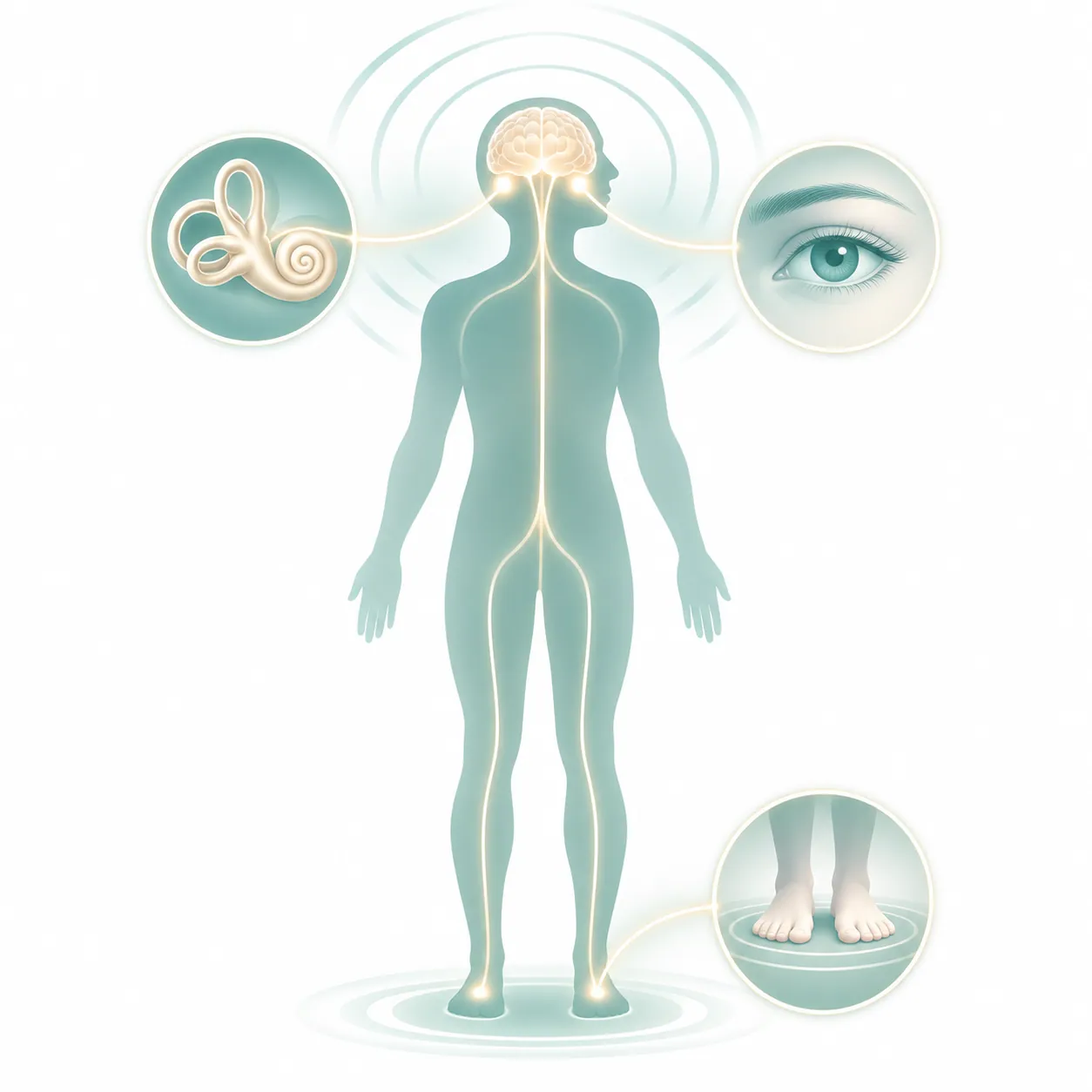
우리 몸의 균형은 귀 속 전정기관, 눈, 다리와 목의 감각이 보내는 정보를 뇌가 종합해 유지합니다. 이 가운데 어딘가 어긋나면 어지럼증이 생깁니다. 뇌로 가는 혈류가 잠깐 줄었을 때도 우리는 어지럼증을 느낍니다. 그래서 어지럼증은 하나의 병이 아니라 여러 원인에서 나타나는 증상입니다.
- 빙글빙글 도는 어지럼증(현훈): 귀의 전정기관 문제가 많습니다. 이석증, 전정신경염, 메니에르병 등
- 눈앞이 캄캄해지는 어지럼증: 일어설 때 혈압이 떨어지는 기립성 저혈압, 빈혈, 탈수 등
- 몸이 붕 뜨고 휘청거리는 어지럼증: 균형 감각 저하, 기능성 어지럼증, 긴장과 불안 등
어지럼증은 병원을 찾는 흔한 이유입니다. 일차 진료 방문의 최대 15.5%가 어지럼증 때문이었고, 원인은 귀의 문제부터 심혈관, 신경, 심리적 원인까지 매우 다양했습니다[1]. 프랑스 성인 조사에서도 어지럼증은 전정 질환보다 훨씬 흔했고, 70%는 여러 형태가 섞여 나타났습니다[2].
이런 증상이 있나요?

- 앉았다 일어설 때 눈앞이 캄캄해지거나 핑 돈다
- 땅이 꺼지는 듯, 구름 위를 걷는 듯 몸이 붕 뜬다
- 사람 많은 곳, 마트 진열대, 움직이는 화면을 보면 심해진다
- 서 있거나 걸을 때 더 어지럽고, 누우면 나아진다
- 뒷목이 뻣뻣하고 머리가 무거우며, 고개를 돌리면 어지럽다
- 피곤하거나 잠을 못 잔 날, 긴장한 날 더 심해진다
- 검사는 다 정상이라는데 어지럼증이 몇 달째 이어진다
검사가 정상인데 어지럼증과 휘청거림이 석 달 넘게 대부분의 날에 이어지고, 서 있거나 복잡한 장면을 볼 때 심해진다면 지속적 체위-지각 어지럼증(PPPD)일 수 있습니다. 이석증이나 전정신경염, 심한 스트레스 뒤에 시작되기도 하며, 구조적 이상도 정신질환도 아닌 기능성 질환으로 분류됩니다[3].
어지럼증은 왜 생기나요?
- 이석증, 전정신경염, 메니에르병 같은 귀 질환
- 기립성 저혈압, 빈혈, 탈수, 저혈당
- 목과 어깨의 긴장: 목의 감각 정보가 흐트러지는 경추성 어지럼증
- 편두통: 어지럼증과 편두통은 서로 깊이 연관되어 있습니다[2]
- 여러 가지 약을 함께 복용하는 경우: 복용 약이 많을수록 어지럼증이 늘었습니다[2]
- 수면 부족과 과로, 오래 이어진 스트레스
불안과 호르몬 변화도 중요한 원인입니다. 갱년기 여성 471명을 분석한 연구에서 35.7%가 일주일에 한 번 이상 어지러웠고, 여러 요인 가운데 불안만이 어지럼증과 독립적으로 관련되어 있었습니다[5]. 어지럼증이 불안을 부르고, 불안이 다시 어지럼증을 키우는 고리가 생기기 쉽습니다.
어지럼증의 표준 치료
이석증처럼 원인이 분명한 어지럼증은 정복술 같은 원인 치료를 하고, 만성 어지럼증에는 균형 감각을 다시 훈련하는 전정재활을 합니다. 이러한 치료들이 기능성 어지럼증 환자의 삶의 질을 높인다고 하나, 만약 불안과 우울이 있는 경우에는 효과가 뚜렷하게 떨어졌습니다[6].
어지럼증이 오래간다면 귀만이 아니라 몸의 바탕을 함께 봐야 한다는 뜻입니다. 긴장한 자율신경과 부족한 기력, 굳은 목을 그대로 두면 재활 효과도 오래가기 어렵습니다. 한의학 치료는 이 바탕을 다스립니다.
해움한의원은 이렇게 치료합니다

해움한의원은 검사에서 드러나지 않는 어지럼증의 원인을 몸 전체에서 찾아 치료합니다.
1단계. 어떤 어지럼증인지부터 가립니다
언제, 어떤 자세에서, 얼마나 오래 어지러운지 혈압 변화와 함께 자세히 살펴봅니다. 위험 신호가 있거나 귀·뇌 검사가 필요하면 먼저 안내해 드립니다. 심박변이도와 뇌파, 적외선 체열검사로 자율신경의 균형과 머리·목의 상태를 확인합니다.
2단계. 머리를 맑게 하고 기운을 채웁니다
체질과 상태에 맞춰 한약을 짓습니다.
3단계. 목의 긴장을 풀고 균형 감각을 되찾습니다
침과 약침, 도침, 추나로 목과 어깨의 긴장을 풉니다. 어지러울까 봐 움직임을 피하면 균형 감각이 더 약해지므로, 시선과 몸을 천천히 움직이는 생활 속 운동을 안내하고, 불안이 크면 상담을 함께 진행합니다.
4만 건의 처방 사례가 말해주는, 한방 맞춤 치료의 힘




어지럼증 치료후기 총 20건
환자분들이 남긴 치료후기입니다. 본문은 로그인 후 보실 수 있습니다.
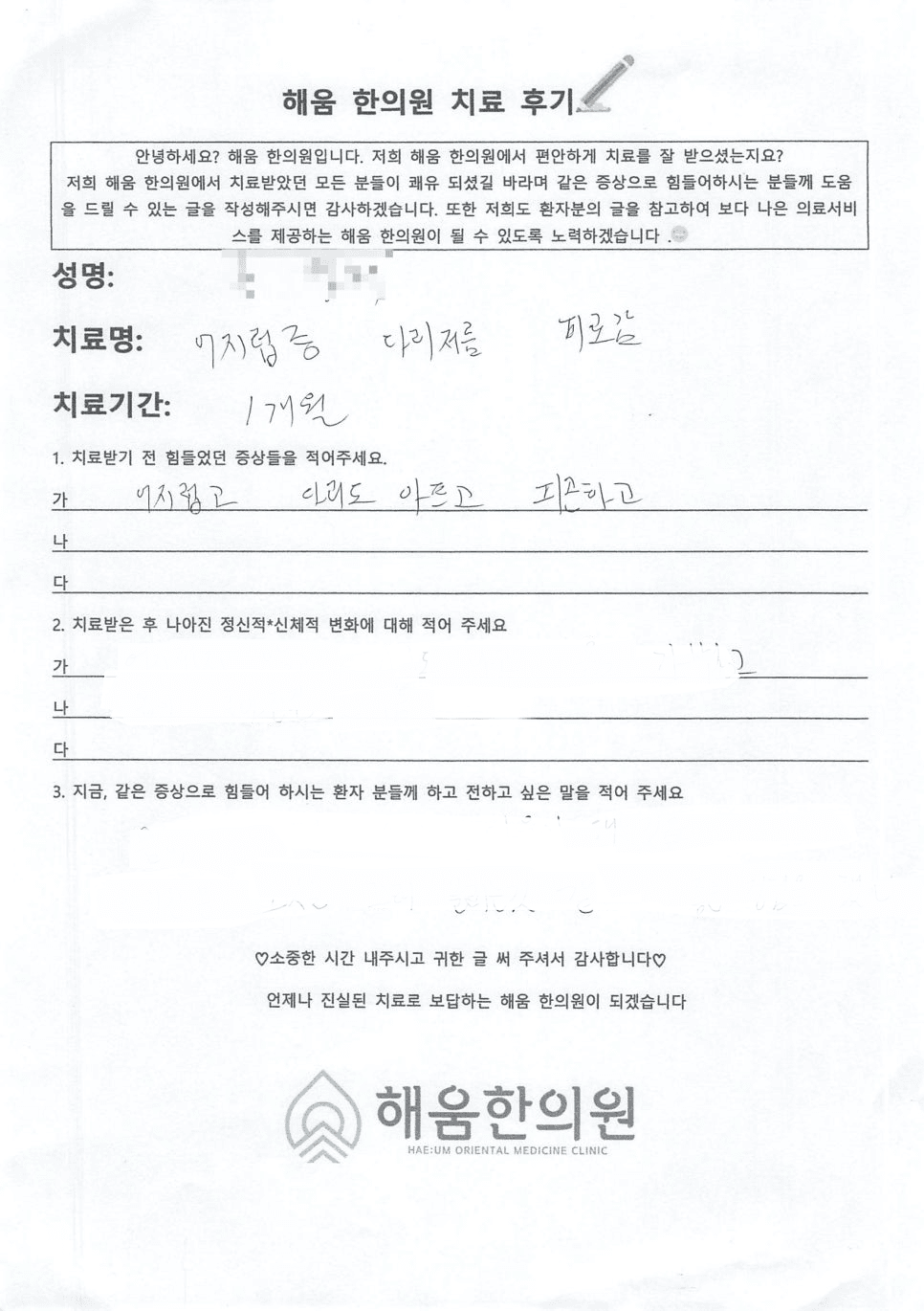
갑자기어지럽고식은땀이 흐른다구요?
2026. 04. 25.

브레인포그, 어지럼증, 인지 기능 저하, 젊은이 치매
2024. 07. 20.
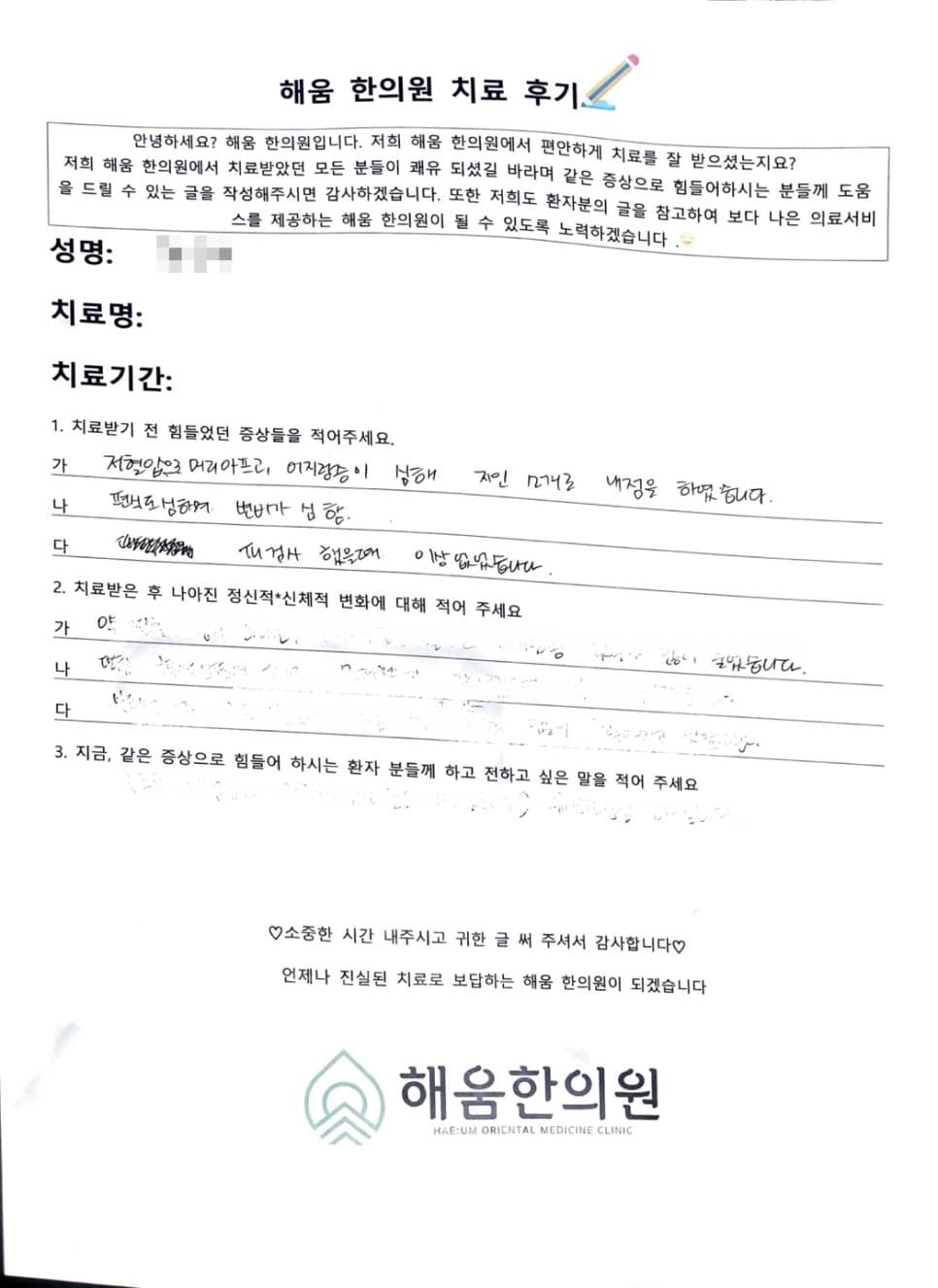
저혈압과 함께 어지러움이 심한 학생
2024. 05. 22.
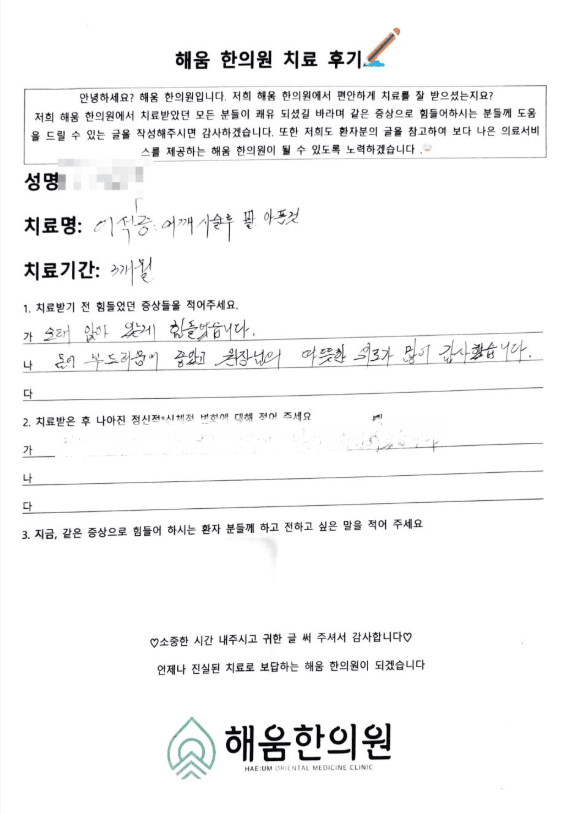
어깨 수술 후 악화된 이석증 어지러움 한약 치료 후기
2024. 05. 21.
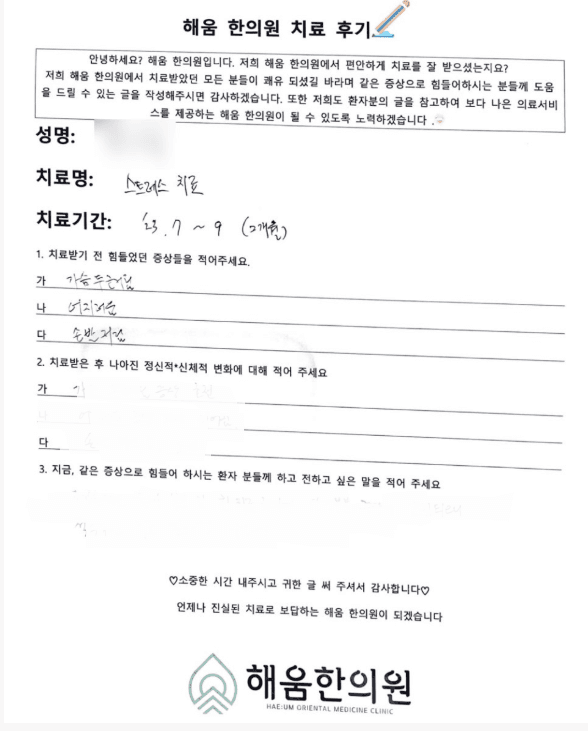
아내와 사별후 찾아온 갑자기 가슴두근거림 손발저림 어지러움증
2023. 12. 22.
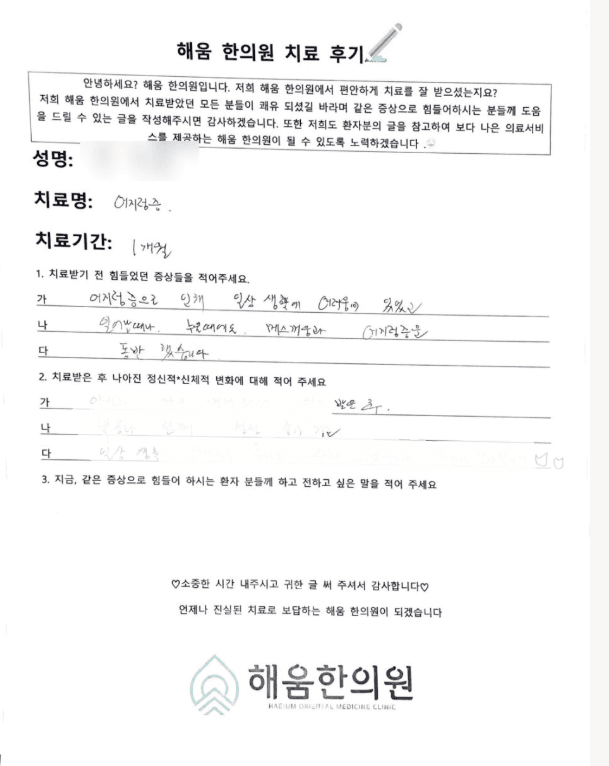
어지럼증원인을 몰라 타이레놀까지? 갑자기 생긴 어지럼증 환자
2023. 01. 16.
치료후기 3건 더 보기접기
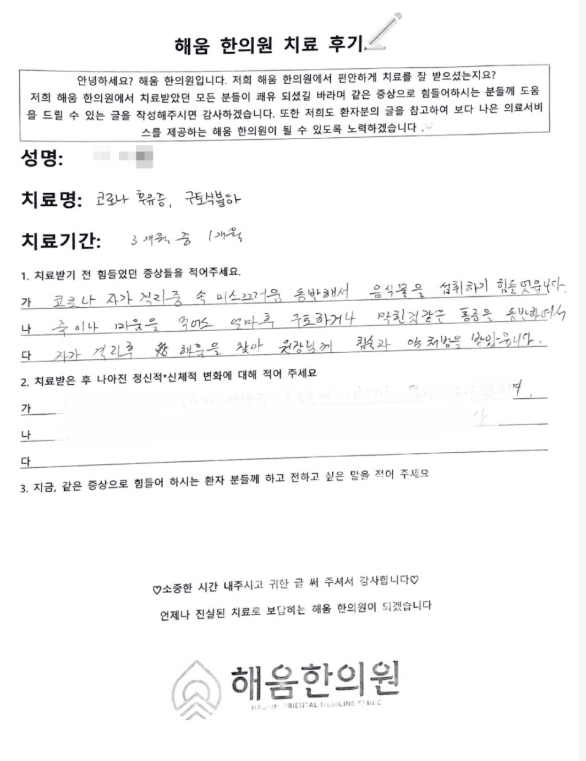
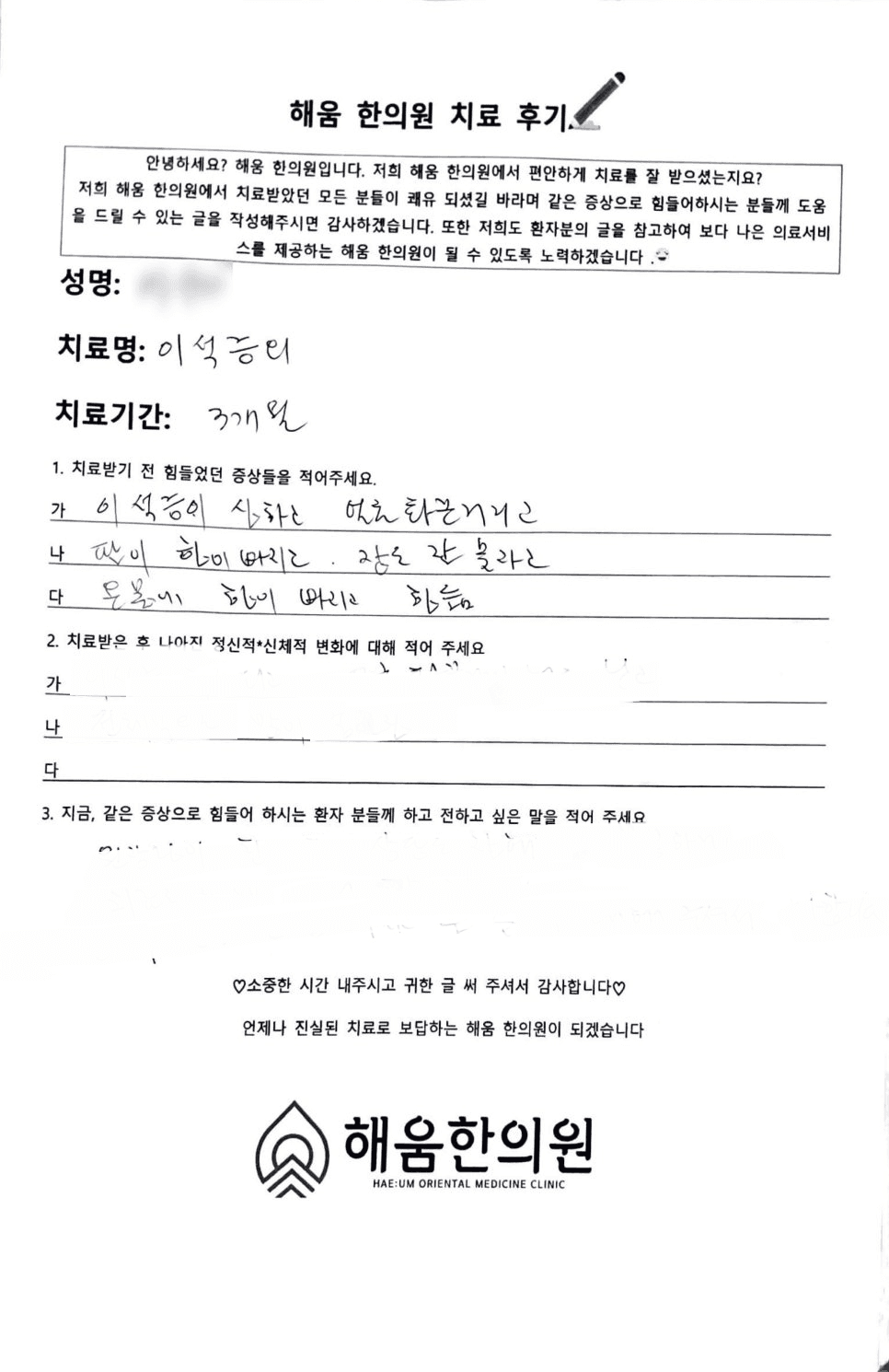
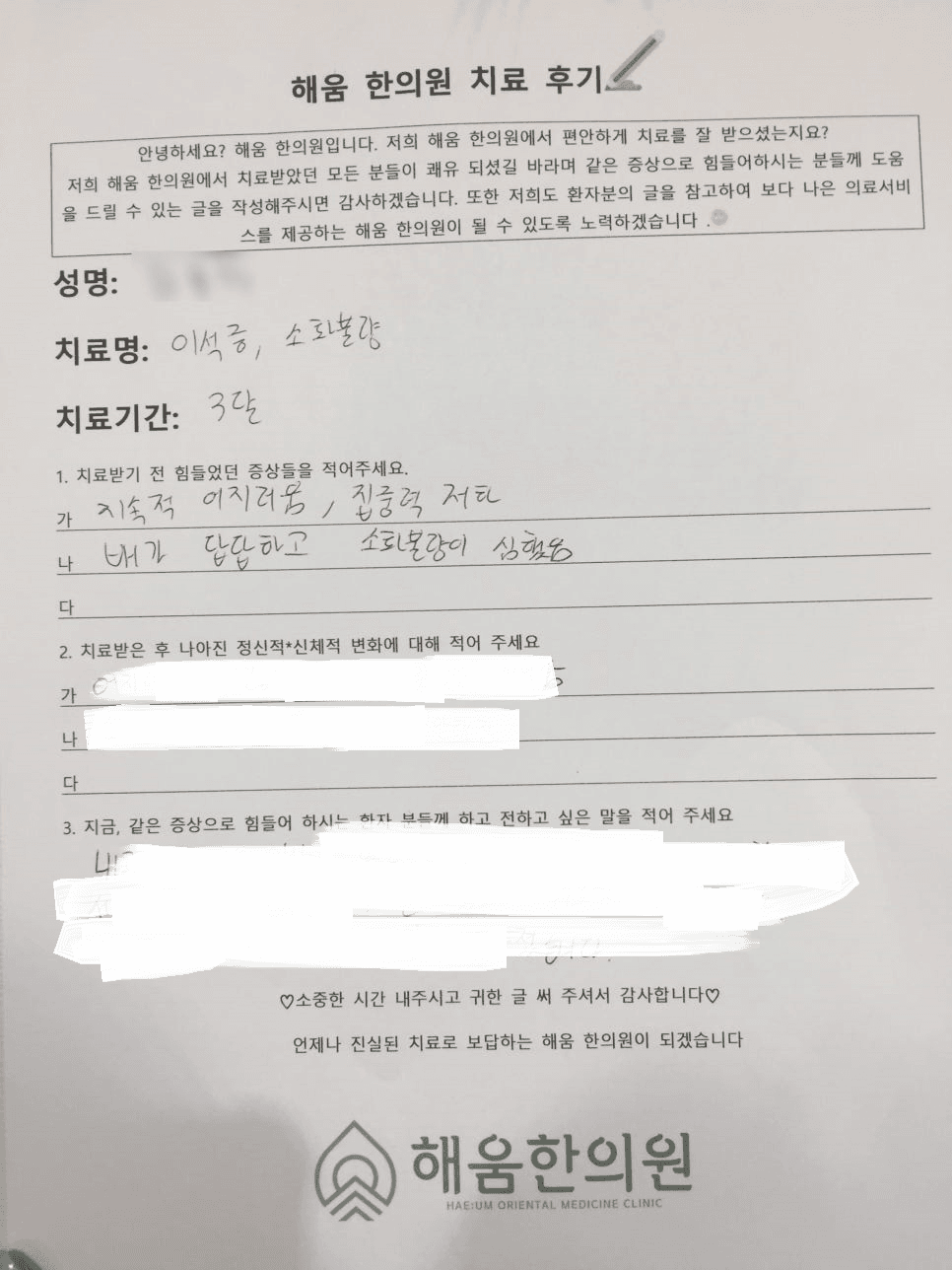
다른 증상으로 내원하신 분들의 후기 중 ‘어지럼증’이 증상으로 함께 언급된 기록
- 입대 전 갑자기 발생한 과민성대장증후군, 한의원에서 치료가 될까요?2026. 06. 01.
- 코로나 백신 맞고 기억이 안날 때는? 머리가 멍해요. 코로나 브레인포그 후유증 브레인포그 극복 혈관성 치매 한의원 후기2026. 05. 04.
- 스트레스로 인한 자율신경 문제가 불러온 화병, 불면증2024. 06. 28.
- 코로나 후유증 브레인포그2024. 06. 05.
- 내시경 검사상 아무 문제 없는 속쓰림, 위경련 통증, 소화불량2024. 04. 20.
- 안하던 생리를 3일만에 시작했어요! 생리통 생리불규칙 무월경 몸이 가뿐해졌다는 환자 사례2023. 12. 23.
- 생리전증후군인가요? 진통제를 하루 8알씩.. 심각한 생리통 편두통 변비 한약 먹고 좋아진 사례2023. 12. 13.
- 평생을 달고 살아온 소화불량, 노인 우울증 한약 1달반 먹고 좋아진 사례2022. 08. 02.
- 소화불량이 두통과 눈침침함을 유발하는 이유? 몇년 된 증상 2개월만에2022. 05. 17.
- 공황장애와 공황발작의 차이? 두근거림,이명,두통,불안감 한의원 1달2022. 03. 21.
어지럼증, 누가 진료하나요?
담당 의료진
대표원장 박재은

“병이 아니라 그 뒤의 사람을 봅니다”
경희대학교 한의과대학에서 석사·박사 과정을 마쳤습니다. 심리상담사 1급 자격과 4만 건 이상의 한약 처방 경험을 바탕으로 진료합니다.
의료진 소개 더보기어지럼증, 자주 묻는 질문
귀 검사도 뇌 검사도 정상인데 왜 어지러운가요?
일어설 때 핑 도는 것은 왜 그런가요?
빈혈이 있으면 어지러운가요?
어지러울 때 가만히 누워 있는 게 좋은가요?
치료 기간은 얼마나 걸리나요?
어지럼증에 도움이 되는 생활 습관이 있나요?
해움한의원에서 어지럼증을 진료하나요?
어지럼증으로 내원하려면 어떻게 하나요?
어지럼증에 관해 알아두면 좋은 정보
14건어지럼증과 관련해 정리한 건강정보입니다.
돌발성난청 스테로이드 치료 후에도 남는 증상, 왜일까요?
“갑자기 귀가 안 들리고, 다시 반복될까 불안해요”갑자기 한쪽 귀가 먹먹해지면서소리가 멀어진 것처럼 들릴 때, 정말 당황스럽습니다.조금 지나면 괜찮아질 줄 알았는데이명까지 들리고, 어지러움까지 동반되면불안감은 더 커

기립성저혈압 기절과 쓰러짐, 단순 어지럼증이 아닐 수 있습니다
“일어설 때마다 눈앞이 깜깜해져요… 또 쓰러질까 무섭습니다”가만히 앉아 있다가, 혹은 누워 있다가 몸을 일으키는 순간갑자기 눈앞이 흐려지고 세상이 멀어지는 듯한 느낌이 들 때가 있습니다.조금만 버티면 괜찮아질 줄 알

미주신경성실신 병원 치료 약 고민 중이라면, 재발 방지까지 함께 봐야 합니다.
“갑자기 어지럽더니 정신을 잃었어요… 왜 이런 일이 생길까요?”평소에는 큰 병 없이 지내다가도,어느 날 갑자기 눈앞이 흐려지고 식은땀이 나면서맥이 풀리듯 주저앉는 일을 겪는 분들이 있습니다.처음에는 단순한 피로라고

눈앞이 빙글 도는 느낌, 이석증전조증상일 수 있습니다
“갑자기 세상이 빙글 도는 느낌, 괜찮은 걸까요?”가만히 있다가 고개를 돌리거나누웠다 일어나는 순간“눈앞이 빙글빙글 돌아요”“몸이 휘청거려서 넘어질 것 같아요”이런 증상이 반복된다면단순 피로나 어지럼증이 아니라이석증

누울때어지러움, 반복된다면 단순 피로가 아닐 수 있습니다
“누우려고만 하면 세상이 빙글 돌고, 일어나면 더 무서워집니다”몸을 눕히는 순간 천장이 빙글 도는 것 같고,자세를 바꾸면 속이 울렁거리면서 금방이라도 토할 것 같은 느낌이 드는 분들이 있습니다.어떤 분들은 잠자리에

스트레스성공황장애 증상 어지러움, 약 부작용이 걱정될 때 꼭 봐야 할 이야기
“갑자기 죽을 것 같고, 숨이 막히고, 어지러우면 누구라도 겁이 납니다”멀쩡하게 출근하던 길이었는데,갑자기 가슴이 조여 오고 숨이 턱 막히는 느낌이 들 때가 있습니다.사람 많은 엘리베이터 안, 붐비는 지하철, 복잡한

뒷목뻐근 두통 어지러움, 자율신경균형이 핵심입니다
“그냥 두통이겠지…” 하고 넘기고 계신가요?뒷목이 뻐근하면서 머리가 지끈거리고, 때로는 어지러움까지 동반되는 경험. 한 번쯤은 있으셨을 거예요.특히 스트레스를 받는 날이면목이 딱딱하게 굳고, 머리가 무겁고, 눈앞이

자꾸 어지러움증, 메니에르병일까요?
“가만히 있어도 빙글빙글 도는 느낌…”일상생활을 하다가 갑자기∙ 세상이 도는 듯한 어지러움∙ 귀가 먹먹한 느낌∙ 소리가 잘 안 들리는 증상이 반복된다면 단순 피로나 컨디션 문제로 보기 어렵습니다.특히 충분히 쉬어도

머리가아프고어지러워요, 두통과 어지럼증 반복된다면 자율신경을 확인하세요
진통제를 먹어도 낫지 않는 두통, 이유를 찾지 못해 답답하셨나요?머리가 무겁고 어지럽습니다.가만히 있어도 멍한 느낌이 들고, 심할 때는 속이 울렁거리거나 중심을 잡기 어려울 정도로 어지럽습니다.처음에는 피곤해서 그런

갑자기 식은땀과 어지러움이 함께 나타난다면 공황장애를 의심해야 할까요?
갑자기 식은땀이 나고 어지럽다면 단순한 컨디션 문제만은 아닐 수 있습니다갑자기 식은땀이 흐르고 숨이 가빠지면서 어지러움이 몰려온 적 있으신가요?심장이 빠르게 뛰고, 금방이라도 쓰러질 것 같은 불안감까지 함께 찾아온다

원인을 찾지 못한 여러 증상, 자율신경실조증치료법이 필요한 이유
이유 없이 아픈 곳이 늘어나는데 검사에서는 정상이라고 한다면머리도 아프고, 가슴도 답답하며 숨쉬기조차 불편합니다.소화도 잘되지 않고 어지러움까지 반복되는데 병원에서 여러 검사를 받아봐도 특별한 이상이 없다는 이야기를

머리가계속어지러워요, 혹시 아래 증상도 함께 있으신가요?
"어지럽다"는 말만으로는 원인을 알기 어렵습니다진료실에서 환자분들이 가장 많이 하는 말 가운데 하나가 있습니다."머리가계속어지러워요."그런데 같은 어지럼증이라도누군가는 세상이 빙글빙글 돌고,누군가는 눈앞이 캄캄해지며

메니에르희귀병, 어지럼증만 잡아서는 좋아지기 어려운 이유
치료를 받고 있는데 왜 또 어지러울까요?갑자기 세상이 빙글빙글 도는 듯한 어지럼증이 시작되고, 귀에서는 "삐-" 하는 이명이 들리며 소리가 잘 들리지 않는 경험을 반복한다면 일상은 금세 무너지기 쉽습니다.처음에는 단

누웠다일어날때어지러움 , 원인부터 정확히 확인하세요
“일어나는 순간, 세상이 빙글 도는 느낌”누워 있다가 일어날 때“눈앞이 캄캄해져요”“몸이 휘청거려서 중심을 못 잡겠어요”이런 경험, 한 번쯤 있으셨죠?처음엔 단순 피로라고 넘기기 쉽지만이 증상이 반복된다면“몸의 균형

어지럼증, 질문 있어요
3건환자분들이 남긴 온라인 상담 질문과 의료진 답변입니다.
이런 경우에는 바로 응급실로 가세요
아래 증상이 어지럼증과 함께 나타나면 뇌졸중 같은 위급한 질환일 수 있습니다. 한의원보다 응급실(119)을 먼저 찾으세요.
- 말이 어눌해지거나, 한쪽 팔다리에 힘이 빠지거나 저린다
- 물체가 둘로 보이거나 얼굴 한쪽이 처진다
- 혼자 서거나 걷지 못할 정도로 휘청거린다
- 갑자기 극심한 두통이 함께 온다
- 가슴 통증이나 심한 두근거림과 함께 쓰러질 것 같거나 정신을 잃었다
- 갑자기 한쪽 귀가 들리지 않는다
참고문헌 7편
[1]Bösner S, Schwarm S, Grevenrath P, Schmidt L, Hörner K, Beidatsch D, et al. Prevalence, aetiologies and prognosis of the symptom dizziness in primary care - a systematic review. BMC Fam Pract. 2018;19(1):33. doi:10.1186/s12875-017-0695-0. PMID: 29458336.
초록 (Abstract)
Background: Dizziness is a common reason for consulting a general practitioner and there is a broad range of possible underlying aetiologies. There are few evidence-based data about prevalence, aetiology and prognosis in primary care. We aimed to conduct a systematic review of symptom-evaluating studies on prevalence, aetiology or prognosis of dizziness in primary care.
Methods: We systematically searched MEDLINE and EMBASE. Two independent researchers screened titles and abstracts according to predefined criteria. We included all studies evaluating the symptoms ‘dizziness’ or ‘vertigo’ as a reason for consultation in primary care. We extracted data about study population and methodology and prevalence, aetiology and prognosis. Two raters independently judged study quality and risk of bias. We investigated the variation across studies using forest plots, I2 and prediction intervals. Since we anticipated a great amount of clinical and unexplained statistical heterogeneity, we provided qualitative syntheses instead of pooled estimates.
Results: We identified 31 studies (22 on prevalence, 14 on aetiology and 8 on prognosis). Consultation prevalence differs between 1,0 and 15,5%. The most common aetiologies are vestibular/peripheral (5,4-42,1%), benign peripheral positional vertigo (4,3-39,5%), vestibular neuritis (0,6-24,0%), Menière’s disease (1,4-2,7%), cardiovascular disease (3,8-56,8%), neurological disease (1,4-11,4%), psychogenic (1,8-21,6%), no clear diagnosis (0,0-80,2%). While studies based on subjective patient assessment reported improvement rates from 37 to 77%, these findings could not be confirmed when applying instruments that measure symptom severity or quality of life.
Conclusion: There is a broad variety of possible underlying diseases for the symptom dizziness. There exist only few methodologically sound studies concerning aetiology and prognosis of dizziness.
Electronic supplementary material: The online version of this article (10.1186/s12875-017-0695-0) contains supplementary material, which is available to authorized users.
결과 (Results)
Search result and study selection: Our initial search identified 1598 references in EMBASE and 903 in PUBMED. The snowball search identified eleven references. After extraction of 332 duplicates, 2501 unique references remained. The title and abstract screening of these references detected 120 studies as potential appropriate. Finally, the full text analysis of these trials produced 31 studies, which met the inclusion criteria. Further details are given in a flow chart (Fig. 1).Fig. 1Flow chart
Included studies: Data accrue mainly from Europe (21 studies) and USA (five studies). Time of publications varied between 1972 and 2014. Twenty three studies took place in general practice, five in primary health care centres and the remaining three in hospital based primary care centres. Studies varied widely concerning the number on included patients with dizziness ranging from 30 to 10,871. The percentage of women included was mentioned in 16 studies ranging from 58 to 80%. Nineteen of the included studies recruited patients prospectively during the consultations; the other studies were based on chart review and routine data. Further details of the included studies are shown in Table 1.Table 1Brief description of the included studiesStudiesTime of recruitmentCountrySettingNumber of dizzy patientsMean Age of study sample (range)Female (%)Data collectionInclusion criteriaExclusion criteriaAnswered research questionsbBEACH 2014 04/2013 - 03/2014Australia959 general practitioners993n.r.n.r.prospectiveall patients contacts ICPC: Reason for encounter vertigo/ dizziness1Bird 1998 08/1993 - 071995Great Britain3 general practices503median 58 (3-99)n.r.retrospectivecomplaining of symptoms allied to dizziness ➔ stratified sample was studied in more detailpatients had seen their GP about the same problem within the past 12 months1,2CONTENT 2007 04/2005 - 12/2006Germany17 general practices607n.r.70.8aprospectiveall patients contacts ICPC: Reason for encounter N17 – vertigo/ dizziness1DNSGP-2 2010 01/2001 - 12/2001Netherlands96 family practices399076.1 (SEM 0.11) (65+)65.9prospectivedatabase with presented symptoms recorded as freetext: Dutch synonyms for dizziness1,2Ekvall 2004 1998 and 2000Sweden2 health care centres (14 GPs)311range 12-9474.9aretrospectiveICD9/10: 780.4 / R 42 and 386 / H811Ekvall 2005 01/2003 - 12/2003Sweden6 primary health care centresprev: 197 aet: 38prev: range 65-99 aet: Median 83 (65-94)prev: 70.1a aet: 65.8aprev: retrospective aet: prospectiveprev: 65 years or older diagnosis R42 (ICD 10) aet: study participants; ICD 10 Code R 421,2Fink 2007 10/1989 - 09/1999Austria1 general practitioner408an.r.n.r.prospectiveall Episodes of Cares: dizziness as reason for encounter1Garrigues 2008 11/2003 - 11/2004Spain6 primary care centres19155.8 (SD 17.6) (range 10+)68.6prospectivevertigo crisis (illusion of unequivocal rotary movement)under 10 years1Gerber 1992 15 monthsUSAgeneral internal medicine group practice (4 general internists)46range 18+n.r.prospectiveall physical complaints reported complaint of dizziness1Hanley 2002 10/1999 - 03/2000Ireland13 general practitioners70n.r.n.r.prospectivevertigo (do you see the world spin around you as if you had got off a playground roundabout)2Harding 1980 n.r.Colombia, India, Sudan, Philippinesprimary health facilities90range 16+n.r.prospectivereason for encounter of all patients aged 16 or older: dizzinessso seriously ill or required such urgent medical care that it would be unreasonable to administer the research questionnaires pat. Who refused to take part pat. Who had already attended once1Hopkins 1989 1981 - 1982Great Britain48 general practices (143 doctors)n.r.n.r.n.r.unclearpatients consulting for ICD 9: 780.4 and 3861Jayarajan 2003 08/2000 - 07/2001Great Britain53 general practitioners62,6 average (3318)range 5+ 5-20: 1.3% 20-40: 13.5% 40-60: 24.7% 60-80: 40.5% > 80: 20%n.r.retrospectivedizziness1Kroenke 1989 08/1984 – 07/1987USAInternal Medicine clinic at Brooke Army Medical Center (primary care)55n.r.n.r.retrospectivedizziness (new complaint or recurrent complaint that prompted a new diagnostic workup)chronic dizziness1,2,3Kroenke 1998 n.r.USAWalter Reed Army Medical Center general medicine walk-in clinic30adultsn.r.prospectiveadult outpatients presenting with physical complaints (excl. Upper respiratory infection) dizziness3Kwong 2005 02/2001 – 01/2003Canada1 family practice center50range 65-91 < 80: 38% > = 80 62%58retrospectiveICD 9 code of “780” (dizziness) 65 years of age or older random sample of eligible chartsPatients who are discharged from service or died2Lawson 1999 a 3 month periodGreat Britaingeneral practitioners from 4 practices5074 (61-78)74aprospectivepatients presenting with dizziness more than 60 years of age1,2Maarsingh 2010 06/2006 - 01/2008Netherlands45 family physicians in 24 family practices41778.5 (65-95)74prospectivedizziness being present for at least 2 weeks main reason for consultation 65 years or olderinability to speak Dutch or English, severe cognitive impairment, severe visual impairment (i.e. corrected visual acuity of less than 3/60 for the best eye), severe hearing impairment (i.e. verbal communication impossible), wheelchair dependency2,3Mash 2012 n.r.South Africa240 health workers (nurses saw 86,1% of the patients) in mobile clinics, fixed clinics and community health centres299n.r.n.r.prospectiveall patients contacts ICPC: Reason for encounter N17 – vertigo/ dizziness1MedViP 2008 04/2001 - 12/2002Germany138 primary care practices10,8715967.2retrospectiveICD 10 Codes (H81, H82, A88, R42) dizziness medication synonyms for dizziness diagnoses1,2Morrell 1972 1 yearGreat Britain1 general practice (3 doctors)740-4: 1.4a % 5-14: 10.8a % 15-24: 17.6a % 25-44: 21.6a % 45-64: 25.7a % > 65: 23.0a %70.3aprospectivepatients with a new symptom (which had not been presented to any doctor in the previous 12 months) disturbance of balance1,2NAMCS 1989 1981 and 1985USAfamily physicians, general practitioners and general internists53161.3 (25+)66.7prospectiveall patients contacts Reason for encounter: S225.0 vertigo – dizziness1PCD 1994 01-06 and 08-10 1991USA4 family group practices, 1 internal medicine group practice, 1 university family practice center, 1 solo general internist, 1 solo family physician, 1 county hospital emergency department14258.6 (17-90) > 60: 59.2% < 60: 40.8%71.8prospectivedizziness as chief complaint or part of a symptom complex that represented the principal reason for visit at least 18 years2,3Rieger 2014 01/2008 - 12/2008Germanygeneral practitioners489598arange 18-74n.r.retrospectiveICD H81, H82, R42, A88.1, E53.8, F45.8, G11.8, G43.1, G45.0-, G62, G63, G90.3, H55, H83.0– 2, I95.1, N95.1 and R26 without R26.11Sicras 2007 2006Spain5 primary health care centers6504n.r.n.r.retrospectiveICPC diagnosis N17 vertigo/ dizziness1Sczepanek 2011 n.r.Germany21 primary care practices6976.19 (SD 6.64) (range 65-95)69.6prospectiveincident dizziness (less than six months) as main reason for encounter age at least 65 yearsinsufficient command of the German language, dementia, terminal diseases2,3Transition Project 2012 1995 - 2005Netherlands, Malta, Serbia59 general practices (69 doctors)n.r.n.r.n.r.prospectiveall patients contacts ICPC: Reason for encounter N17 – vertigo/ dizziness1Wun 2000 12/1997 - 03/1998China28 commune clinics = general practice clinics (42 primary care doctors)133160.8 (SD 13.5)n.r.prospectiveall patients contacts ICPC: Reason for encounter N17 – vertigo/ dizziness1Yardley 1998 n.r.Great Britain10 general practicesaet: 143 prog: 76aet: 59.8a(18+) prog: 59.6aaet: 80.4a prog: 82.9aaet: retrospective prog: prospectivestudy participants 18 years and older with a complaint of dizziness patient still symptomaticnon-vestibular cause for dizziness performance of vigorous head or body movements during exercise therapy was contraindicated multiple, life-threatening or progessive central disorders2,3Yardley 2004 2001 - 2002Great Britain20 general practicesaet: 170 prog: 87aet: 61.9a(18+) prog: 61.0 SD 14.42aet: 71 prog: 71aet: retrospective prog: prospectivestudy participants 18 years and older with a complaint of dizzinessPatients no longer found to be dizzy duration of dizziness less than 2 months during the past 2 years nonlabyrinthine cause of dizziness in patient records, none of the rehabilitation exercises provoked dizziness, medical contraindications for making required head movements serious comorbid conditions2,3Yardley 2012 10/2008 - 07/2009Great Britain35 general practices11258.2 (18 +)75prospectivestudy participants 18 years and older with a complaint of dizziness during the past two yearspatients who were no longer dizzy, non vestibular causes of dizziness, dizziness was not aggravated by rapid head movements, contraindications to treatment by vestiublar rehabilitation inability to speak English3aData not directly available in publication, but could be calculatedbFirst research question: Prevalence of the consulting reason dizziness at general practiceSecond research question: Aetiology of the consulting reason dizziness at general practiceThird research question: Prognosis of the consulting reason dizziness at general practicen.r Not reported, prev Prevalence, aet Aetiology, prog Prognosis, BEACH Bettering the Evaluation and Care of Health, CONTENT CONTinuous morbidity registration Epidemiologic NeTwork, DNSGP-2 Second Dutch National Survey of General Practice, MedViP Medizinische Versorgung in der Praxis, NAMCS National Ambulatory Medical Care Survey, PCD Primary Care Dizziness Study
Quality of included studies: Quality assessment happened for four distinctive domains. For domain A (selection of patients and GPs), 14 studies had a low, three an unclear and 12 a high risk of bias. For domain B (data collection and patient flow), 19 studies had a low, one an unclear and ten a high risk of bias. For domain C (assessment of aetiology), two studies had a low, two an unclear and ten a high risk of bias. For domain D (assessment of prognosis), five studies had a low, two an unclear and one a high risk of bias. Table 2 summarizes the quality assessment of all included studies.Table 2Risk of biasStudyDomain A: selection of patients and GPsDomain B: Data collection and patient flowDomain C. diagnostic work-upDomain D: prognostic work-upBEACHlowlown.r.n.r.Bird 1998??highn.r.CONTENTlowlown.r.n.r.DNSGP-2lowlowhighn.r.Ekvall 2004highhighn.r.n.r.Ekvall 2005highhighhighn.r.Fink 2007highlown.r.n.r.Garrigues 2008lowlown.r.n.r.Gerber 1992highlown.r.n.r.Hanley 2002lowlow?n.r.Harding 1980lowlown.r.n.r.Hopkins 1989highhighn.r.n.r.Jayarajan 2003highhighn.r.n.r.Kroenke 1989highhighhighhighKroenke 1998lowlown.r.?Kwong 2005?highhighn.r.Lawson 1999 – prev.?lown.r.n.r. Lawson 1999 – aet. lowlowlown.r.Maarsingh 2010lowlowlowlowMash 2012lowlown.r.n.r.MedViP –prev.lowhighn.r.n.r. MedViP –aet. highhighhighn.r.Morrell 1972?lowhighn.r.NAMCSlowlown.r.n.r.PCDlowlow??Rieger 2014highhighn.r.n.r.Sczepanek 2011lowlowhighlowSicras 2007highhighn.r.n.r.Transition Projectlowlown.r.n.r.Wun 2000lowlown.r.n.r.Yardley 1998highhighhighlowYardley 2004 – aet.highhighhighn.r. Yardley 2004 – prog. highlown.r.lowYardley 2012highlown.r.lowRisk of bias was rated as low, high or unclear (?)n.r Not relevant, because the respective study provided no data in regard to aetiologies and/ or prognosisprevalence, aet Aetiology, prog Prognosis
Prevalence of the symptoms “dizziness” and “vertigo” in primary care: Twentry two studies commented on prevalence data, nine of them had a low risk of bias. Depending on numerator and denominator, results for prevalence can be grouped in four categories. Four studies describe the number of patients who have contacted a physician at least once because of dizziness/vertigo in relation to all listed patients. Prevalence ranges from 0,8% to 7,9% (DNSGP-2). Seven studies describe the number of patients with dizziness in relation to all patients seen in consultation. Prevalence ranges from 1,2% to 8,1%. Five studies describe the number of consultations due to the symptom dizziness in relation to all consultations (e.g. if the same patient has more than one consultation he is here counted more than one time). Prevalence ranges from 1,0% (BEACH) to 15,5%. In four of the five studies results are below 2%, only the study done by Wun et al. represents with 15,5% an outlier. 50% of the patients seen in this study suffered from hypertension. The authors assume that patients utilized the symptom “dizziness” as a kind of entrance card to get their blood pressure monitored. Finally, four studies describe the number of consultations due to the symptom dizziness in relation to all reasons for encounter. Prevalence ranges from 0,7% (BEACH) to 9,9%. Forest plots and measures of heterogeneity are presented in Additional file 3.
Aetiologies of the symptoms “dizziness” and “vertigo” in primary care: We identified 14 studies assessing data on the aetiology of dizziness and/or vertigo. The most common categories for dizziness were cardiovascular (3,8-56,8%) and otologic peripheral (5,4-42,1%) problems including Benign Positional Paroxysmal Vertigo (BPPV) and vestibular neuritis. Frequent reasons for vertigo were as well otologic peripheral causes, BPPV and vestibular neuritis, whereas cardiovascular disease did not play any role. It is noteworthy that 13 out of 14 studies used a category like “no specific diagnosis possible” and that up to 80% of cases were assigned to that category. Table 3 summarizes the results for several differential diagnoses separated for the symptoms dizziness and vertigo. Forest plots and measures of heterogeneity are presented in Additional file 4.Table 3Aetiologies of dizziness and vertigo (all studies)DizzinessAetiologyNumber of studiesNumber of patientsResults (range)Heterogeneity I2 (95% CI)/prediction intervalOtologic peripher1010,6585,4-42,1%95.5% (93.4-96.9%)7.7-51.6%BPPV (subcategory)679564,3-39,5%93.2% (88.0-96.2%)0.5-73.8%Vestibular neuritis (subcategory)679560,6-24,0%98.4% (97.6-98.9%)0.0-98.6%Ménière’s disease (subcategory)478021,4-2,7%0.0% (0.0-0.0%)1.4-2.8%Cardiovascular830113,8-56,8%98.5% (98.0-98.9%)0.4-89.1%Neurological central910,6201,4-11,4%78.7% (60.0-88.7%)2.1-12.7%Psychogenic830161,8-21,6%88.5% (79.7-93.5%)1.1-31.2%No specific diagnosis1110,7130,0-80,2%99.4% (99.3-99.5%)1.6-90.5%VertigoAetiologyNumber of studiesNumber of patientsResults (range)Heterogeneity I2 /prediction intervalOtologic peripher338327.3-92.9%96.2% (91.8-98.2%)0.0-100.0%BPPV (subcategory)33834.9-42.9%96.4% (92.5-98.3%)0.0-100.0%Vestibular neuritis (subcategory)33838.4-40.0%94.3% (86.8-97.6%)0.0-100.0%Ménière’s disease(subcategory)33834.2-10.0%43.5% (0.0-83.1%)0.0-94.1%Cardiovascular0Neurological central1704.3%n/aPsychogenic1701.4%n/aNo specific diagnosis33831.4-72.7%92.3% (80.7-96.9%)0.0-100.0%
We could identify only two studies with a low risk of bias. Both looked at older patients with the symptom dizziness and identified cardiovascular disease as main aetiology followed by peripheral vestibular disease (see Table 4).Table 4Aetiology of dizziness (only studies with low risk of bias)Maarsingh 2010Lawson 1999Peripheral vestibular14.4% [11.2; 18.2]34.0% [21.6; 48.9]BPPV8.0% [2.6; 20.1]Vestibular neuritis24.0% [13.5; 38.5]Morbus Meniere–2.0% [0.1-12.0]Cardiovascular56.8% [51.9; 61.6]a48.0% [33.9; 62.4]Neurological central2.9% [1.6; 5.1]b10.0% [3.7; 22.6]Cerebrovascular–4.0% [0.7; 14.9]Psychogenic9.8% [7.2; 13.2]–Musculosceletal3.6% [2.1; 6.0]4.0% [0.7; 14.9]Other internistic diseases0.7% [0.2; 2.3]–Drug effects2.4% [1.2; 4.5]–Other1.2% [0.4; 2.9]–No specific diagnosis8.2% [5.8; 11.3]22.0% [12.0; 36.3]aincl. Cerebrovascular; bexcl. cerebrovascular
Prognosis of the symptoms “dizziness” and “vertigo” in primary care: Prognostic parameters were assessed in eight studies (two of them with a low risk of bias) using different end-points. Three studies all conducted by Yardley et al. used the short form of the vertigo symptom scale (ranging from 0 to 60 points). All studies were intervention studies in the field of vestibular rehabilitation. In none of the studies, the respective control groups showed a significant change of 3 points (5%) at the end of the one-year follow up period.
Five studies looked with the help of different instruments like the dizziness handicap inventory, the vertigo handicap questionnaire or the SF 36 (short version) at changes in quality of life. All studies only showed slight improvement, which was in most instances regarded as clinically non-significant.
Five studies measured subjective patient assessment. Patients reported subjective improvement in al studies ranging from 37% to 77%.
원문 발췌 · Bösner S, Schwarm S, Grevenrath P, Schmidt L, Hörner K, Beidatsch D, Bergmann M, Viniol A, Becker A, Haasenritter J, BMC Fam Pract 2018 · CC BY 4.0 라이선스에 따라 수정 없이 인용했습니다(본문 속 인용 번호는 생략).
[2]Bisdorff A, Bosser G, Gueguen R, Perrin P. The epidemiology of vertigo, dizziness, and unsteadiness and its links to co-morbidities. Front Neurol. 2013;4:29. doi:10.3389/fneur.2013.00029. PMID: 23526567.
초록 (Abstract)
Vertigo, dizziness, and unsteadiness (VDU) are common symptoms traditionally considered to result from different kinds of vestibular and non-vestibular dysfunctions. The epidemiology of each symptom and how they relate to each other and to migraine, agoraphobia, motion sickness susceptibility (MSS), vaso-vagal episodes (VVE), and anxiety-depression was the object of this population-based study in north-eastern France. A self-administered questionnaire was returned by 2987 adults (age span 18–86 years, 1471 women). The 1-year prevalence for vertigo was 48.3%, for unsteadiness 39.1%, and for dizziness 35.6%. The three symptoms were correlated with each other, occurred mostly (69.4%) in various combinations rather than in isolation, less than once per month, and 90% of episodes lasted ≤2 min. The three symptoms were similar in terms of female predominance, temporary profile of the episodes, and their link to falls and nausea. Symptom episodes of >1 h increase the risk of falls. VDU are much more common than the known prevalence of vestibular disorders. The number of drugs taken increase VDU even when controlling for age. Each VDU symptom was correlated with each co-morbidity in Chi-squared tests. The data suggest that the three symptoms are more likely to represent a spectrum resulting from a range of similar – rather than from different, unrelated – mechanisms or disorders. Logistic regressions controlling for each vestibular symptom showed that vertigo correlated with each co-morbidity but dizziness and unsteadiness did not, suggesting that vertigo is certainly not a more specific symptom than the other two. A logistic regression using a composite score of VDU, controlling for each co-morbidity showed a correlation of VDU to migraine and VVE but not to MSS and not to agoraphobia in men, only in women.
결과 (Results)
Of the 3035 questionnaires returned 2987 (1471 women) were included, after rejecting those with too many missing or unusable data. The average age (y) was 45.6 for men and 46.2 for women with a similar distribution.
Global prevalence of vestibular symptoms: At least one VDU symptom had occurred at least once in the last 12 months in 59.2% of participants, vertigo (48.3%) was followed by unsteadiness (39.1%) and dizziness (35.6%). About 90% of each symptom episodes were of short (≤2 min) duration and occurred less than once per month (Table 1). The histogram according to frequency and duration for the three symptoms are similar (Figure 1 displays the example of vertigo).
Most participants (69.4%) with symptoms experienced more than one type in various combinations (Table 2). The three symptoms were significantly correlated, as were those with short and long durations.
The risk for falls and severe unsteadiness was significantly increased if symptoms came in combinations rather than in isolation, particularly if the combination included unsteadiness.
The risk of nausea was similarly increased for each VDU symptom – and still further in case of symptom combinations.
Balance-related falls and severe unsteadiness were about three times more frequent if the symptoms lasted >1 h rather than ≤1 h, and this was true for all three symptoms.
Gender and age effect: In women the symptoms were more frequent than in men in most age groups except for ≥70 years. The prevalence was similar across the various age groups except that in women VDUacute was lower for age group 40–49 years (Table 3).
Medication and VDU: Leaving aside contraception, 55.4% took no medication and 4.4% more than six drugs. The number of drugs increased with age. The prevalence of VDUshort and VDUacute increased significantly with the number of drugs, independently of age and gender (Table 4). The risk for VDUshort and VDUacute decreased with age when controlling for drug intake. Balance-related falls increased strongly with five or more drugs but were also mildly increased with exactly one drug. Each VDU symptom was significantly correlated to drug intake in Chi-squared tests, but in a logistic regression controlling age and gender and for each VDU symptom, unsteadiness was the best explanatory factor.
VDU and co-morbidities: The global prevalence of migraine was 17.90% with the typical female predominance and decrease over age 50 years, which is similar to European figures (Stovner and Andree, ).
The average agoraphobia score was 4.1 which is comparable with data from the literature (Mizes and Crawford, ). Prevalence of moderate or severe MSS in men was 3.9% and in women 11.2%, in a study using the same tool (Bosser et al., ) in a population of students <30 years, the prevalence were 6.0% for men and 15.7% for women, which is also comparable considering that MSS tends to decrease with age.
Each VDU symptom was highly correlated with every co-morbidity in Chi-squared tests (p < 0.001). Table 5 sets out the results of the logistic regression analysis testing the correlation of the co-morbidities with each VDU symptom, controlling for age, gender, and the other VDU symptoms. In this model migraine is correlated with each VDU symptom, VVE and AD with vertigo and dizziness, MSS and agoraphobia only with vertigo.
Anxiety-depression and female gender significantly increased the risk for VDUshort, VDUacute, and all co-morbidities except AD for VVE. A separate multivariate regression analysis was therefore conducted in men and women with and without AD (Table 6).
Migraine increased the risk for VDUshort in men and women and for VDUacute in women, independently of AD.
Vaso-vagal episodes increased the risk for VDUshort in men with and without AD, in women without AD, and for VDUacute in AD women.
In the global analysis the highest OR for MSS were found for female gender 2.53 (CI 1.92–3.34), followed by AD (OR 2.04; CI 1.51–2.76) and migraine (OR 1.48; CI 1.10–1.98). When controlling for AD and gender, migraine was not significant in men but still in non-AD women, MSS did not increase the risk for VDUshort or VDUacute.
In the global analysis the highest risks for agoraphobia were AD (OR 3.48; CI 2.63–4.61) and female gender OR 2.36 (CI 1.78–3.11). When the data were controlled for gender and AD, agoraphobia was found to increase the risk for VDUshort, VDUacute in non-AD women. In men the only factor was the combination of AD and MSS.
원문 발췌 · Bisdorff A, Bosser G, Gueguen R, Perrin P, Front Neurol 2013 · CC BY 3.0 라이선스에 따라 수정 없이 인용했습니다(본문 속 인용 번호는 생략).
[3]Staab JP, Eckhardt-Henn A, Horii A, Jacob R, Strupp M, Brandt T, et al. Diagnostic criteria for persistent postural-perceptual dizziness (PPPD): Consensus document of the committee for the Classification of Vestibular Disorders of the Bárány Society. J Vestib Res. 2017;27(4):191-208. doi:10.3233/VES-170622. PMID: 29036855.
요약 바라니학회가 정한 지속적 체위-지각 어지럼증(PPPD)의 진단 기준입니다. 어지럼증·휘청거림이 석 달 이상 대부분의 날에 이어지고, 서 있을 때, 몸을 움직일 때, 복잡하게 움직이는 장면을 볼 때 심해지는 것이 특징입니다. 전정 질환이나 다른 병, 심리적 스트레스 뒤에 시작될 수 있으며, 구조적 질환도 정신질환도 아닌 만성 기능성 전정 질환으로 분류합니다.원문은 출판사 저작권 자료로, 위 링크에서 확인하실 수 있습니다.
[4]Kerber KA, Brown DL, Lisabeth LD, Smith MA, Morgenstern LB. Stroke among patients with dizziness, vertigo, and imbalance in the emergency department: a population-based study. Stroke. 2006;37(10):2484-2487. doi:10.1161/01.STR.0000240329.48263.0d. PMID: 16946161.
요약 어지럼증으로 응급실을 찾은 45세 초과 환자 1,666명을 분석한 미국 인구 기반 연구입니다. 뇌졸중이나 일과성 허혈 발작이 진단된 사람은 3.2%였고, 다른 신경 증상 없이 어지럼증만 있었던 사람에서는 0.7%였습니다. 어지럼증만 단독으로 있을 때는 뇌혈관 질환이 아닐 가능성이 높고, 균형을 잡지 못하는 증상은 뇌졸중을 시사하는 신호였습니다.원문은 출판사 저작권 자료로, 위 링크에서 확인하실 수 있습니다.
[5]Terauchi M, Odai T, Hirose A, Kato K, Akiyoshi M, Masuda M, et al. Dizziness in peri- and postmenopausal women is associated with anxiety: a cross-sectional study. Biopsychosoc Med. 2018;12:21. doi:10.1186/s13030-018-0140-1. PMID: 30559834.
초록 (Abstract)
Background: Although dizziness is one of the most common symptoms of menopause, the underlying mechanism is not precisely known. Therefore, this study aimed to investigate the prevalence of, and the factors associated with, dizziness in peri- and postmenopausal women.
Methods: We conducted a cross-sectional study in which we analyzed the first-visit records of 471 Japanese women aged 40 to 65 years who enrolled in a health and nutrition education program at a menopause clinic. The prevalence of dizziness was estimated according to the participants’ responses to the Menopausal Health-Related Quality of Life Questionnaire. The background characteristics of age, menopause status, body composition, cardiovascular parameters, basal metabolism, and physical fitness; other menopausal symptoms, including vasomotor, insomnia, depression, and anxiety symptoms; and lifestyle characteristics were assessed for their associations with dizziness.
Results: The percentage of women who suffered from dizziness once a week or more frequently was 35.7%. Compared to the women without dizziness, those with the symptom were younger; had a higher body weight, body mass index, body fat percentage, muscle mass, and waist-to-hip ratio; had higher systolic pressure; were slower in reaction time; had higher physical and psychological symptom scores of menopause; exercised less regularly; and consumed less alcohol. A multivariate logistic regression analysis revealed that the anxiety symptom, which was evaluated by the Hospital Anxiety and Depression Scale, was the sole factor that was independently associated with dizziness (adjusted odds ratio 1.14; 95% confidence interval 1.08–1.20).
Conclusions: Dizziness is highly prevalent in Japanese peri- and postmenopausal women and it is associated with anxiety. The treatment of anxiety in this population might improve the symptom.
결과 (Results)
The average age of the participants was 51.2 ± 5.0 years (mean ± standard deviation). The rates (0–1 times per month, 1–2 times per week, 3–4 times per week, and almost every day) of dizziness among the 471 women screened are shown in Table 1. The percentage of women who complained of dizziness once a week or more frequently was 35.7%.
The variables that significantly differed (p < 0.20) at the univariate level between the women with (n = 168) and without (n = 303) dizziness were as follows: age (y); body weight (kg); BMI (kg/cm2); body fat (%); muscle mass (kg); waist-to-hip ratio (%); systolic pressure (mmHg); reaction time (cm); the vasomotor, insomnia, depression, and anxiety symptom scores; the habit of regular exercise; and alcohol consumption. Compared to the women without dizziness, those with the symptom were younger; had a higher body weight, BMI, body fat percentage, muscle mass, and waist-to-hip ratio; had higher systolic pressure; were slower in reaction time; had higher physical and psychological symptom scores of menopause; exercised less regularly; and consumed less alcohol (Table 2).
Of these variables, body weight and body fat had significant multicollinearity with the BMI (Pearson’s r/p: 0.906/< 0.05 and 0.917/< 0.05, respectively), and they were excluded from the following multivariate logistic regression analysis. Of the remaining factors, the HADS’ anxiety score was revealed to be the sole factor that was independently associated with dizziness (adjusted odds ratio 1.14; 95% confidence interval 1.08–1.20) (Table 3).
A multivariate logistic regression analysis using a stepwise variable selection procedure was performed to identify the independent risk factors.
원문 발췌 · Terauchi M, Odai T, Hirose A, Kato K, Akiyoshi M, Masuda M, Tsunoda R, Fushiki H, Miyasaka N, Biopsychosoc Med 2018 · CC BY 4.0 라이선스에 따라 수정 없이 인용했습니다(본문 속 인용 번호는 생략).
[6]Alahmari KA, Alshehri S. Evaluating the efficacy of vestibular rehabilitation therapy on quality of life in persistent postural-perceptual dizziness: the role of anxiety and depression in treatment outcomes. Front Neurol. 2025;16:1524324. doi:10.3389/fneur.2025.1524324. PMID: 39968458.
초록 (Abstract)
Background: Persistent Postural-Perceptual Dizziness (PPPD) is a chronic disorder that significantly affects the quality of life (QoL) and daily living. Vestibular rehabilitation therapy (VRT) has emerged as a promising treatment option, yet its effectiveness, particularly in relation to symptom duration, anxiety, and depression, remains underexplored.
Methods: This cross-sectional study assessed the effect of VRT on the QoL in 188 PPPD patients, as well as the correlation between the duration of symptoms and dizziness severity and the role of anxiety and depression in the treatment response. QoL was assessed using the EuroQol-5 Dimension (EQ-5D), and dizziness-related handicap using the Dizziness Handicap Inventory (DHI) and anxiety and depression using the Hospital Anxiety and Depression Scale (HADS).
Results: Ninety three patients were included in the analysis. QoL was significantly improved post-VRT with a greater mean EQ-5D score (EQ-5D post-VRT 0.72; EQ-5D pre-VRT 0.61, p = 0.032). Age was also found to correlate with increased dizziness severity (p < 0.001), although this was not as strong as the correlation of symptom duration (longer duration correlating with increased dizziness severity; p < 0.01), anxiety (r = −0.45, p = 0.002) and depression (r = −0.51, p < 0.001) (both significantly associated with poorer outcomes especially with reference to VRT) emerging as independent correlates of reduced effectiveness of treatment.
Conclusions: This study revealed the benefit of VRT in patients with PPPD on QoL and indicates the importance of identifying and treating psychological factors to improve the success of treatment for PPPD.
결과 (Results)
The demographic and clinical characteristics of the VRT and retrospective non-VRT observational groups are presented in Table 1. The retrospective non-VRT observational group served as an observational cohort for comparison. Although they did not undergo VRT, baseline characteristics, and clinical outcomes were assessed to evaluate the relative effectiveness of VRT. The groups were comparable in terms of age and gender distribution, with no significant differences observed (p > 0.05). However, a higher proportion of participants in the VRT group had a symptom duration of < 1 year compared to the retrospective non-VRT observational group (54.26% vs. 48.94%, p = 0.023). Clinically, the VRT group showed significantly lower mean DHI, HADS Anxiety, and HADS Depression scores compared to the retrospective non-VRT observational group (p < 0.01 for all), indicating less severe dizziness-related handicap and better mental health outcomes. Additionally, the VRT group had a higher mean EQ-5D score, reflecting better QoL (p = 0.032).
The comparison of EQ-5D scores between the VRT and Retrospective non-VRT observational groups showed a statistically significant difference in favor of the VRT group (Table 2; Figure 1). Patients who underwent vestibular rehabilitation therapy had a higher mean EQ-5D score of 0.72 compared to 0.61 in the Retrospective non-VRT observational group (p = 0.032). This indicates that the VRT group experienced a better QoL, as reflected by higher EQ-5D scores. The 95% confidence intervals for the VRT group were between 0.70 and 0.74, while for the Retrospective non-VRT observational group, they ranged from 0.58 to 0.64. This further supports the effectiveness of VRT in improving QoL in patients with PPPD.
Patients with PPPD symptoms for more than 1 year had significantly higher DHI scores compared to those with symptoms lasting < 1 year (Table 3; Figure 2). Specifically, the >1 year group had a mean DHI score of 45.62, while the < 1 year group had a mean score of 30.42 (p < 0.01). This indicates that a longer symptom duration is associated with a greater dizziness-related handicap, suggesting that patients with more chronic symptoms experience more severe impairments in daily functioning. The ANOVA results showed a significant effect of symptom duration on DHI scores, with an F-value of 15.67.
The subgroup analyses revealed significant differences in DHI and EQ-5D scores based on symptom duration, anxiety, and depression levels (Table 4). Patients with symptom durations of < 1 year had lower DHI scores (mean = 30.42, SD = 7.54) and higher EQ-5D scores (mean = 0.81, SD = 0.12) compared to those with symptoms persisting for more than 1 year (mean DHI = 45.62, SD = 9.31; mean EQ-5D = 0.61, SD = 0.10). Similarly, lower levels of anxiety and depression were associated with better outcomes, as patients with low HADS Anxiety (0–7) and HADS Depression (0–7) scores demonstrated lower DHI scores (mean = 28.45, SD = 6.75; mean = 29.34, SD = 6.85) and higher EQ-5D scores (mean = 0.85, SD = 0.11; mean = 0.84, SD = 0.10) than those with high anxiety (mean DHI = 48.23, SD = 10.34; mean EQ-5D = 0.62, SD = 0.15) or high depression (mean DHI = 49.78, SD = 9.45; mean EQ-5D = 0.60, SD = 0.14). Regression analyses confirmed that higher anxiety and depression levels and longer symptom duration were significantly associated with worse DHI and EQ-5D outcomes, with regression coefficients ranging from −0.20 to −0.55 (p < 0.05).
The correlation and regression analysis revealed that both anxiety and depression were significantly associated with dizziness severity and functional outcomes in patients undergoing VRT (Table 5; Figure 3). HADS Anxiety and HADS Depression scores showed moderate negative correlations with DHI scores (r = −0.45 and r = −0.51, respectively), indicating that higher anxiety and depression were associated with worse dizziness-related handicap. Similarly, these variables were negatively correlated with EQ-5D scores, reflecting poorer QoL. In the adjusted regression models, both anxiety and depression remained significant independent predictors of DHI and EQ-5D outcomes, with depression showing a slightly stronger impact (p < 0.001). These findings suggest that addressing mental health factors is crucial in improving the effectiveness of VRT for PPPD patients. At 12 weeks post-therapy, the improvements in EQ-5D and DHI scores observed immediately post-VRT were largely sustained, with mean EQ-5D scores remaining at 0.71 and mean DHI scores showing a slight decline to 39.12 (p = 0.052). The adjusted regression model showed that depression had a slightly stronger effect on DHI outcomes (B = −0.44, adjusted R2 = 0.35, p < 0.001) compared to anxiety (B = −0.38, adjusted R2 = 0.28, p = 0.002).
원문 발췌 · Alahmari KA, Alshehri S, Front Neurol 2025 · CC BY 4.0 라이선스에 따라 수정 없이 인용했습니다(본문 속 인용 번호는 생략).
[7]Lystad RP, Bell G, Bonnevie-Svendsen M, Carter CV. Manual therapy with and without vestibular rehabilitation for cervicogenic dizziness: a systematic review. Chiropr Man Therap. 2011;19(1):21. doi:10.1186/2045-709x-19-21. PMID: 21923933.
초록 (Abstract)
Background: Manual therapy is an intervention commonly advocated in the management of dizziness of a suspected cervical origin. Vestibular rehabilitation exercises have been shown to be effective in the treatment of unilateral peripheral vestibular disorders, and have also been suggested in the literature as an adjunct in the treatment of cervicogenic dizziness. The purpose of this systematic review is to evaluate the evidence for manual therapy, in conjunction with or without vestibular rehabilitation, in the management of cervicogenic dizziness.
Methods: A comprehensive search was conducted in the databases Scopus, Mantis, CINHAL and the Cochrane Library for terms related to manual therapy, vestibular rehabilitation and cervicogenic dizziness. Included studies were assessed using the Maastricht-Amsterdam criteria.
Results: A total of fifteen articles reporting findings from thirteen unique investigations, including five randomised controlled trials and eight prospective, non-controlled cohort studies were included in this review. The methodological quality of the included studies was generally poor to moderate. All but one study reported improvement in dizziness following either unimodal or multimodal manual therapy interventions. Some studies reported improvements in postural stability, joint positioning, range of motion, muscle tenderness, neck pain and vertebrobasilar artery blood flow velocity.
Discussion: Although it has been argued that manual therapy combined with vestibular rehabilitation may be superior in the treatment of cervicogenic dizziness, there are currently no observational and experimental studies demonstrating such effects. A rationale for combining manual therapy and vestibular rehabilitation in the management of cervicogenic dizziness is presented.
Conclusion: There is moderate evidence to support the use of manual therapy, in particular spinal mobilisation and manipulation, for cervicogenic dizziness. The evidence for combining manual therapy and vestibular rehabilitation in the management of cervicogenic dizziness is lacking. Further research to elucidate potential synergistic effects of manual therapy and vestibular rehabilitation is strongly recommended.
결과 (Results)
The electronic searches returned 658 hits, which included 335 duplicate records and 323 unique citations. After removing duplicate records and screening titles and abstracts to discard obviously irrelevant citations, a total of 42 potentially eligible studies were identified. A hand search revealed four additional studies that were not captured by the electronic search. Thus, a total of 46 potentially eligible studies were evaluated for inclusion in this systematic review. Thirty-one studies did not meet the inclusion criteria and were excluded from this review. See Additional file 2 for a list of excluded studies including reasons for exclusion. Figure 1 contains a flow diagram of the study selection process. Two articles reported data from the same RCT, and the results from one cohort study were published in two separate articles Thus, this review included reports from a total of thirteen unique investigations. See Table 1 for a description of included studies.
The included studies comprised five RCTs and eight prospective, non-controlled, cohort studies, with samples sizes ranging from 12 to 168. One study did not report on the gender distribution of recruited participants, however all but one of the remaining studies included more females, ranging from 52% to 88%.
Six studies, including two RCTs, used only spinal manipulation or mobilisation, or both, as the intervention. The remaining seven investigations, including three RCTs utilised a multimodal approach consisting of several different interventions (e.g. spinal manipulation and mobilisation, soft tissue therapy, electrotherapy, and medications) and home exercise programs. However, none of the included studies used manual therapy in conjunction with vestibular rehabilitation.
Twelve studies, including all five RCTs, reported improvements in dizziness and associated symptoms (e.g. neck pain) following manual therapy intervention. The remaining study measured skull spatial offset repositioning ability, and found a significant improvement following soft tissue manipulation. In addition to reduction in dizziness and associated symptoms, two RCTs reported significant changes in vertebrobasilar artery blood flow velocity post-treatment, and a further two RCTs found improvement in balance performance measured with posturography.
The methodological quality of the included studies was generally poor to moderate. However, one study was found to be of good methodological quality. Not surprisingly, there was a trend towards more robust study designs (i.e. RCTs) and more recently published studies attaining higher quality scores. Overall, common methodological weaknesses included: lack of control group; failure to provide information allocation concealment and participant, provider, and assessor blinding; omitting performing appropriate statistical analysis; omitting reporting on patient compliance and drop-outs; and including long-term follow-up measurements. A tabulated overview of methodological quality scores is provided in Additional file 3.
Only three studies commented on adverse reactions. Two RCTs reported no adverse reactions, and one prospective cohort study found minor adverse reactions associated with the interventions in eight of nineteen participants.
원문 발췌 · Lystad RP, Bell G, Bonnevie-Svendsen M, Carter CV, Chiropr Man Therap 2011 · CC BY 2.0 라이선스에 따라 수정 없이 인용했습니다(본문 속 인용 번호는 생략).