
양천구 목동 구강건조증 한의원
구강건조증
물을 마셔도 금세 입안이 끈적이고, 말을 오래 하면 혀가 붙는 것 같습니다. 밤에는 입이 말라 깨기도 합니다. 나이 탓으로 넘기기 쉬운 이 불편함이 구강건조증입니다.
구강건조증 한눈에 보기
- 구강건조증은 입안이 마르는 증상으로, 침이 줄었거나 줄지 않아도 마르게 느끼는 상태입니다.
- 인구의 약 5~46%가 겪고, 가장 흔한 원인은 복용 중인 약입니다.
- 약과 질환을 살핀 뒤, 스트레스와 긴장으로 예민해진 자율신경, 수면을 함께 돌봐야 합니다.
- 치료후기 1건
- 건강정보 1편
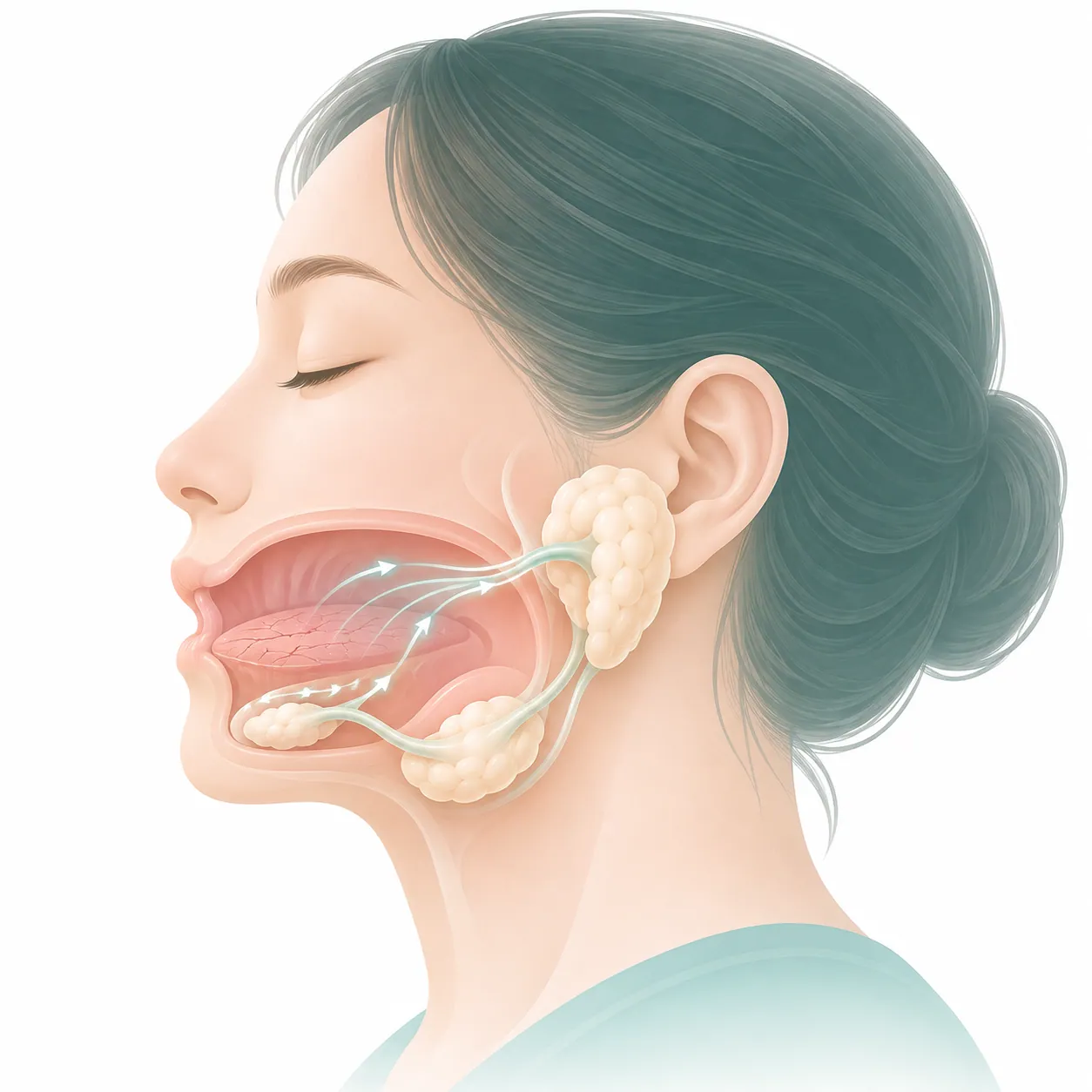
이런 증상이 있나요?
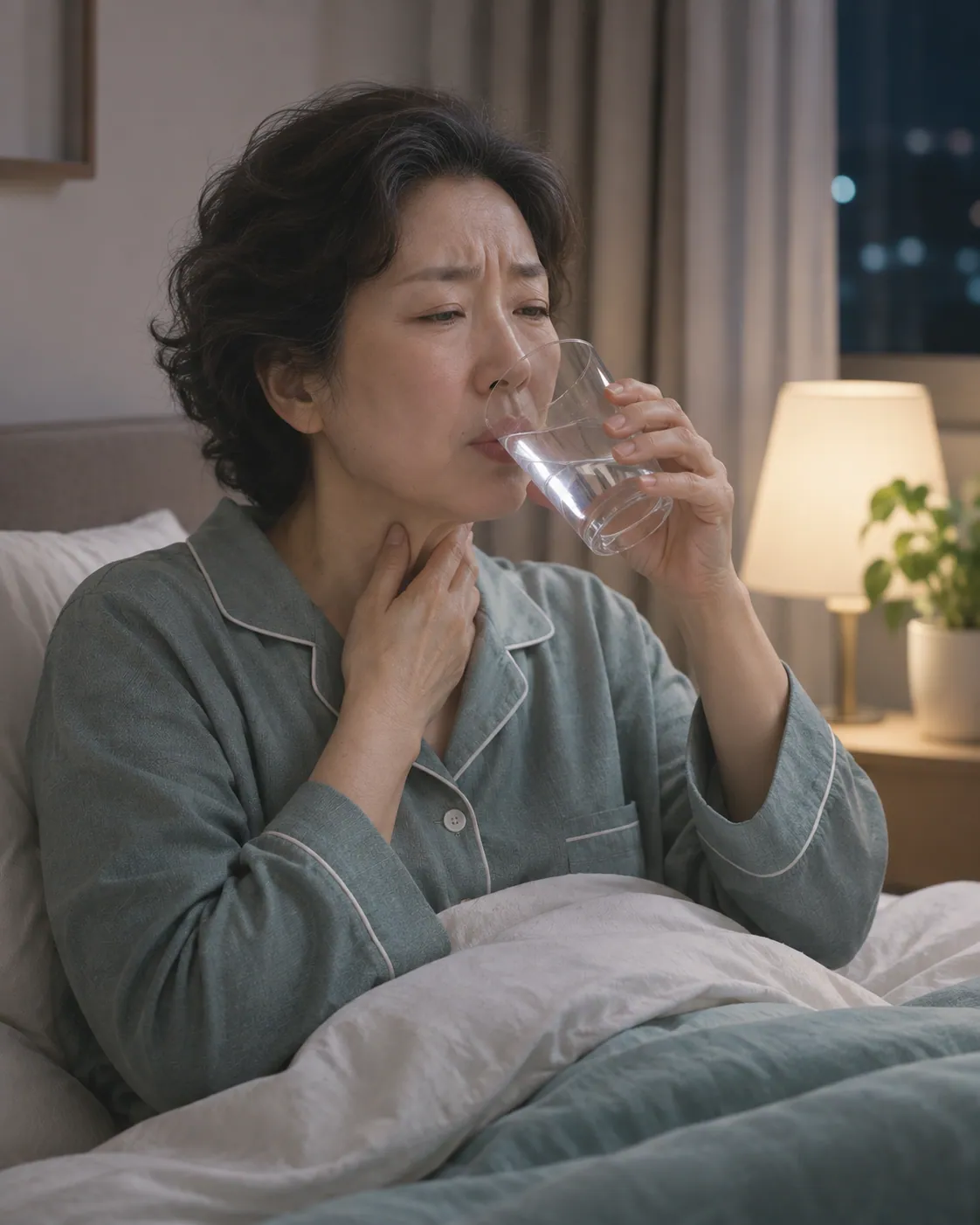
- 물을 자주 마셔도 입이 마른다
- 입안이 끈적이고 혀가 입천장에 붙는다
- 밤에 입이 말라 잠에서 깬다
- 마른 음식을 삼키기 힘들다
- 입 냄새가 나거나 입에서 쓴맛이 난다
- 혀가 따갑거나 입안이 화끈거린다
- 충치가 부쩍 늘었다
구강건조증은 증상과 복용 약을 자세히 듣고, 입안을 살핀 뒤 필요하면 침 분비량을 잽니다. 눈까지 마르거나 갈증이 심하면 쇼그렌증후군과 당뇨를 먼저 확인해야 합니다.
구강건조증은 왜 생기나요?
- 복용 약(항우울제, 혈압약, 당뇨약 등)
- 여러 가지 약을 함께 먹는 경우
- 머리·목 방사선 치료
- 쇼그렌증후군, 당뇨
- 스트레스, 불안, 우울
- 입으로 숨 쉬는 습관, 코막힘
침이 줄어드는 가장 흔한 원인은 약입니다[1]. 약을 임의로 끊지 말고 처방의와 상의하는 것이 좋습니다.
스트레스도 꼭 살펴봐야 합니다. 긴장하면 교감신경이 앞서 침이 줄고, 쉴 때 부교감신경이 침을 늘립니다. 만성 스트레스가 클수록 입마름을 더 강하게 느꼈는데, 실제 침의 양은 줄지 않은 연구도 있습니다[2]. 검사가 정상이어도 입이 마른 분에게 자율신경을 함께 살피는 이유입니다.
구강건조증의 표준 치료
표준 치료는 원인이 되는 약을 조정하고, 인공 타액으로 입안을 적시며, 필요하면 침 분비를 늘리는 약을 쓰는 것입니다. 방사선 치료나 쇼그렌증후군에는 필로카르핀이 가장 좋은 약입니다. 입안을 적시는 제품은 효과가 오래가지 않습니다[3].
원인을 찾지 못했거나 약을 끊을 수 없을 때는 물을 마시며 버티는 분이 많습니다. 입안만이 아니라 몸의 진액과 긴장된 자율신경을 함께 봐야 합니다. 한의학 치료는 이 바탕을 다스립니다.
연구도 있습니다. 두경부암 방사선 치료 환자에서 침 치료를 받은 군은 1년 뒤 심한 입마름이 34.6%로, 일반 관리군(55.1%)보다 적었습니다[4]. 암 환자의 입마름에서도 한약은 입마름 정도를 줄였습니다[5]. 노인의 육미지황탕 연구에서는 입마름 점수 전체의 차이는 없었지만 입안 수분은 좋아졌습니다[6].
해움한의원은 이렇게 치료합니다
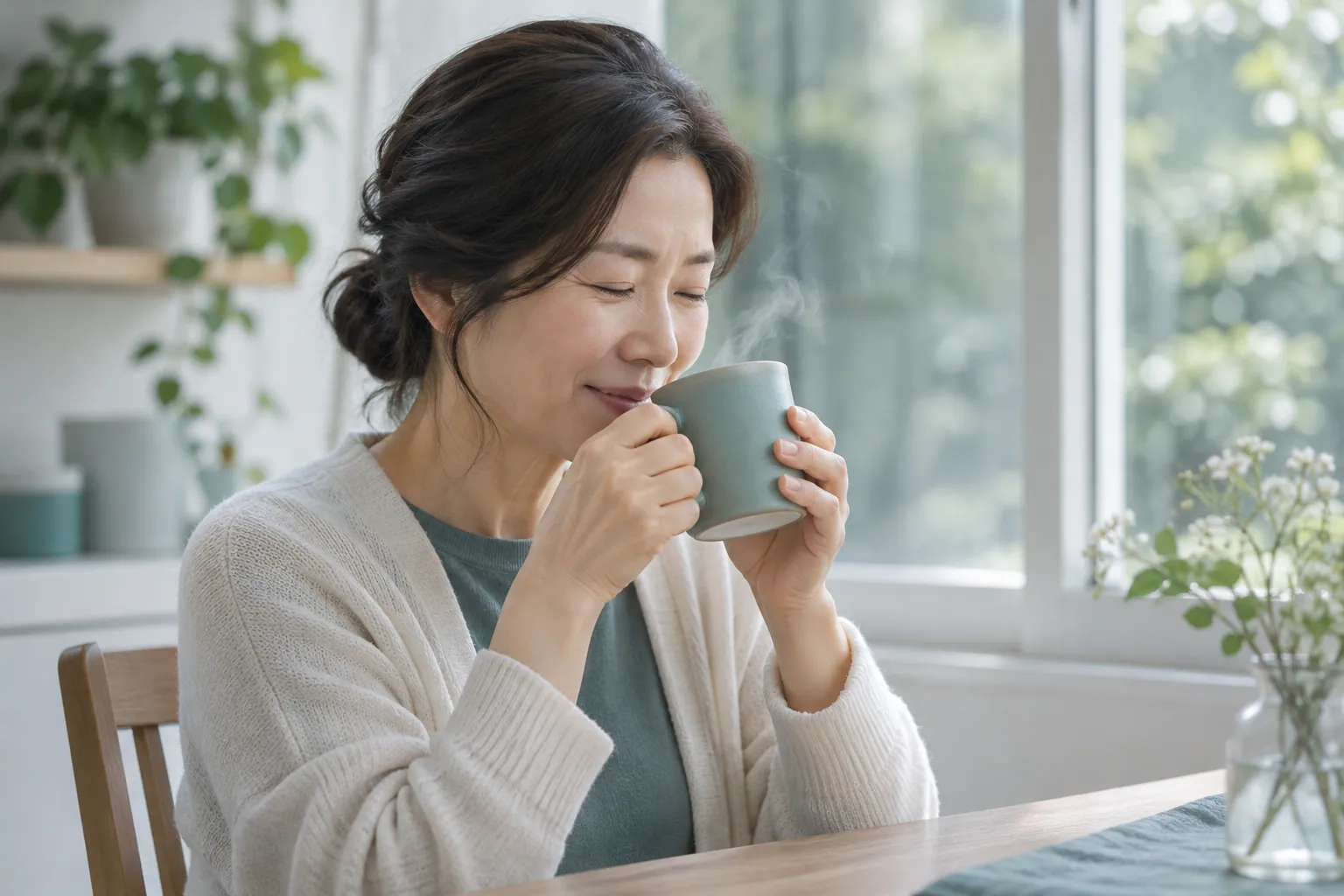
해움한의원은 마른 입만이 아니라, 침을 줄이는 약과 질환, 긴장된 자율신경, 수면을 함께 살핍니다.
1단계. 입마름의 원인을 가립니다
복용 약과 지병, 코막힘, 수면, 스트레스를 자세히 살펴봅니다. 쇼그렌증후군이나 당뇨가 의심되면 검사를 먼저 안내해 드립니다. 심박변이도 검사로 자율신경 상태를 확인합니다.
2단계. 긴장을 풀고 침샘 주변을 돕습니다
침과 약침으로 턱과 목의 긴장을 풀고, 자율신경의 균형을 돕습니다.
3단계. 유형에 맞춰 바탕을 다스립니다
체질과 상태에 맞춰 한약을 짓습니다. 수분 섭취와 코 호흡, 수면, 구강 관리를 함께 살핍니다.
4만 건의 처방 사례가 말해주는, 한방 맞춤 치료의 힘

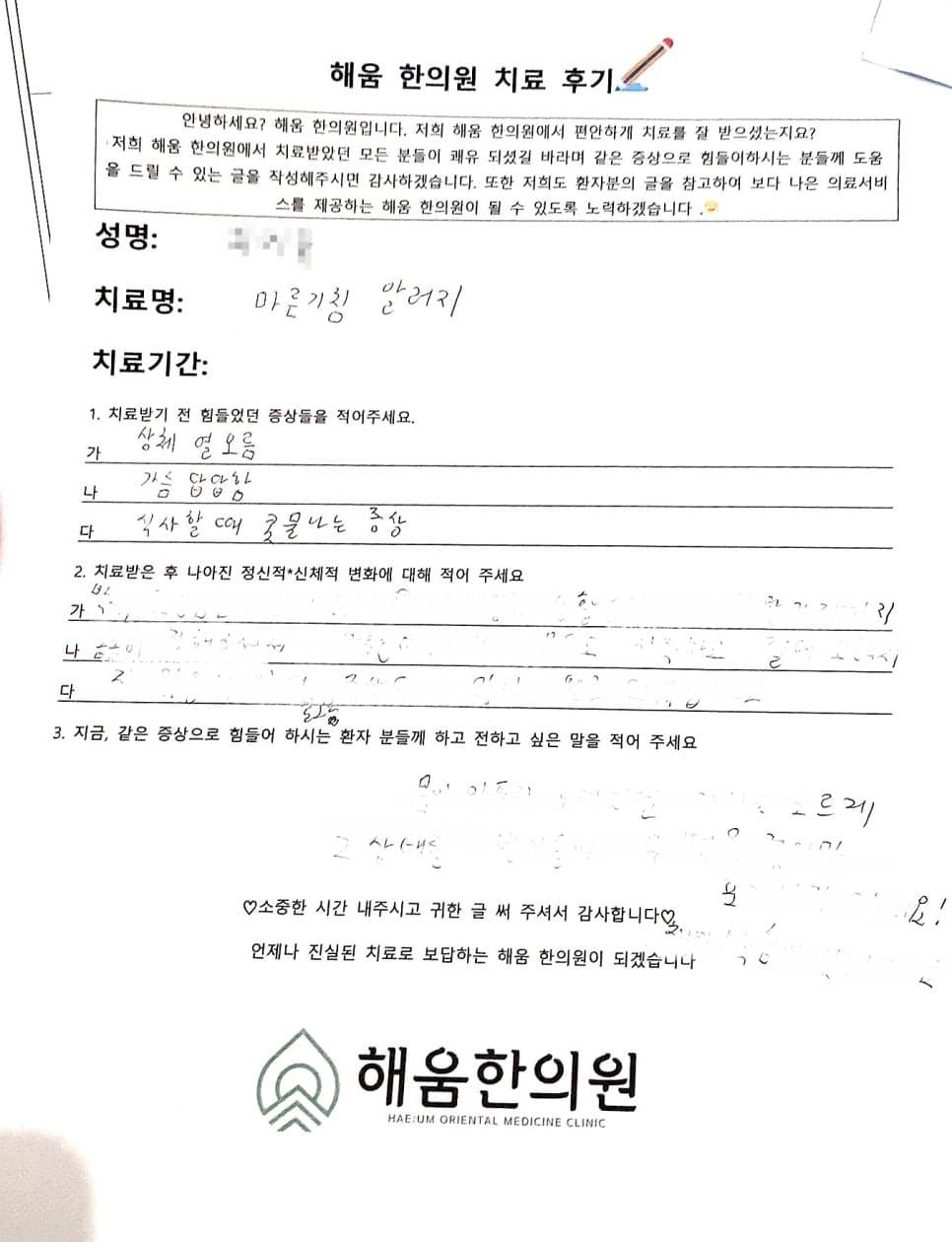
구강건조증 치료후기 총 1건
환자분들이 남긴 치료후기입니다. 본문은 로그인 후 보실 수 있습니다.
구강건조증, 누가 진료하나요?
담당 의료진
대표원장 박재은

“병이 아니라 그 뒤의 사람을 봅니다”
경희대학교 한의학박사이자 여한의사입니다. 심리상담사 1급 자격, 20만명 차트분석과 4만건 이상의 한약 처방 경험을 바탕으로 진료합니다.
의료진 소개 더보기구강건조증, 자주 묻는 질문
물을 많이 마시면 나아지나요?
자고 일어나면 입이 바짝 마르는 이유는 뭔가요?
먹는 약 때문에 입이 마를 수도 있나요?
양약과 한약을 같이 먹어도 되나요?
치료 기간은 얼마나 걸리나요?
생활에서 어떻게 관리해야 하나요?
해움한의원에서 구강건조증을 진료하나요?
구강건조증으로 내원하려면 어떻게 하나요?
구강건조증에 관해 알아두면 좋은 정보
1건구강건조증과 관련해 정리한 건강정보입니다.
이런 경우에는 미루지 말고 진료를 받으세요
아래 증상은 다른 질환이 숨어 있을 수 있습니다. 내과나 치과, 이비인후과 진료를 먼저 받으세요.
- 눈도 모래가 낀 듯 마르고 관절이 아프다
- 갈증이 심하고 소변이 늘며 체중이 줄었다
- 턱 아래나 귀 앞 침샘이 붓고 아프거나 열이 난다
- 입안 궤양이나 하얀 막이 2주 넘게 낫지 않는다
- 음식이나 물을 삼키기 어렵다
참고문헌 6편
[1]Villa A, Connell CL, Abati S. Diagnosis and management of xerostomia and hyposalivation. Ther Clin Risk Manag. 2015;11:45-51. doi:10.2147/tcrm.s76282. PMID: 25653532.
요약 구강건조증 종설입니다. 인구의 5.5~46%가 겪고 나이가 들수록 늘어납니다. 침이 줄어드는 가장 흔한 원인은 약물이고, 머리·목 방사선 치료, 쇼그렌증후군, 우울, 불안, 스트레스도 관련됩니다. 충치, 칸디다 감염, 맛 변화, 입 냄새, 입안 화끈거림이 함께 올 수 있습니다.원문은 출판사 저작권 자료로, 위 링크에서 확인하실 수 있습니다.
[2]Bulthuis MS, Jan Jager DH, Brand HS. Relationship among perceived stress, xerostomia, and salivary flow rate in patients visiting a saliva clinic. Clin Oral Investig. 2018;22(9):3121-3127. doi:10.1007/s00784-018-2393-2. PMID: 29520470.
초록 (Abstract)
Objective: This aimed to assess the potential role of chronic stress in saliva secretion, xerostomia, and oral health in a population attending a saliva clinic.
Materials and methods: Data of 114 patients who met the inclusion criteria and completed all questionnaires were analyzed in this study. Participants completed several validated questionnaires, including the Perceived Stress Scale, the Oral Health Impact Profile (OHIP-14), Xerostomia Inventory (XI), and Bother xerostomia Index (BI). Subsequently, the unstimulated, chewing-stimulated, and citric acid-stimulated saliva secretion rates were determined gravimetrically. Data were evaluated using Spearman’s correlation analysis and the Mann–Whitney U test.
Results: A significant correlation was observed between perceived stress and XI score (r = 0.312, p = 0.001), as well as between perceived stress and BI score (r = 0.334, p = 0.001). Stress levels also were significantly associated with OHIP-14 scores (r = 0.420, p < 0.001), but an association between experienced stress and salivary flow rate could not be established.
Conclusion: In this population, perceived chronic stress seems to be related to several aspects of dry mouth, including the perception of dry mouth, suffering from dry mouth, and the impact on quality of life. These effects were independent of the use of psychotropic medication. No actual reduction in salivary flow was found. Further studies to explore the causal linkage of stress with xerostomia seem warranted.
Clinical relevance: Perceived chronic stress seems to be related with several aspects of dry mouth. This finding might be relevant in future prevention and treatment of xerostomia.
결과 (Results)
Of the 177 patients who visited the saliva clinic, 42 were excluded because of the use of psychotropic medication, 5 because they had undergone radiation therapy in the head/neck region, and 16 because they did not complete all items of the PSS. This resulted in a study population of 114 patients, of which characteristics are summarized in Table 1.
Of this study population, salivary flow rates and XI score were available for all patients, the BI score was available for 110 patients, and 104 patients completed the OHIP-14 questionnaire.
The median unstimulated salivary secretion rate in this population was 0.18 mL/min (IQR 0.08–0.33), the median chewing-stimulated secretion rate was 0.81 mL/min (IQR 0.38–1.33), and the median acid-stimulated secretion rate was 1.95 mL/min (IQR 1.05–2.86). Forty-one patients had an unstimulated salivary flow rate less than 0.1 mL/min. Causes of this hyposalivation were Sjögren’s syndrome (n = 18; according to AECG criteria ), medication-induced hyposalivation (n = 4), or miscellaneous or not specified (n = 19).
The PSS ranged between 0 (no stress) and 40 (extremely high experienced stress), with a median value in the study population of 13 (IQR 9–19). The bootstrapped correlations between PSS score and secretion rate, XI score, BI score, and OHIP-14 score are presented in Table 2. The statistically significant correlations are shown in Fig. 1a–c.
Participants who reported relatively high stress levels (PSS ≥ 13) were compared with those who reported relatively low stress (PSS < 13). Those who experienced high stress had significantly higher BI scores (Mdn = 6, IQR 2–8 vs Mdn = 2.5, IQR 1–7; p = 0.017) and XI scores (Mdn = 29, IQR 19–41 vs Mdn = 23, IQR 17–34; p = 0.041) than participants with low stress. The scores for the different items of the OHIP-14 questionnaire, as well as the summed score of the 14 items, are presented in Table 3. Participants who experienced high stress levels had lower unstimulated flow rates (Mdn = 0.18 mL/min, IQR 0.06–0.28) in comparison with those with low stress levels (Mdn = 0.22 mL/min, IQR 0.08–0.36), but this difference did not reach statistical significance.
원문 발췌 · Bulthuis MS, Jan Jager DH, Brand HS, Clin Oral Investig 2018 · CC BY 4.0 라이선스에 따라 수정 없이 인용했습니다(본문 속 인용 번호는 생략).
[3]Gil-Montoya JA, Silvestre FJ, Barrios R, Silvestre-Rangil J. Treatment of xerostomia and hyposalivation in the elderly: A systematic review. Med Oral Patol Oral Cir Bucal. 2016;21(3):e355-66. doi:10.4317/medoral.20969. PMID: 27031061.
요약 26개 임상시험의 체계적 고찰입니다. 방사선 치료나 쇼그렌증후군의 입마름에는 필로카르핀이 가장 좋은 약이었습니다. 입안을 적시는 제품은 증상을 줄이지만 효과는 오래가지 않았습니다.원문은 출판사 저작권 자료로, 위 링크에서 확인하실 수 있습니다.
[4]Garcia MK, Meng Z, Rosenthal DI, Shen Y, Chambers M, Yang P, et al. Effect of True and Sham Acupuncture on Radiation-Induced Xerostomia Among Patients With Head and Neck Cancer: A Randomized Clinical Trial. JAMA Netw Open. 2019;2(12):e1916910. doi:10.1001/jamanetworkopen.2019.16910. PMID: 31808921.
초록 (Abstract)
This randomized clinical trial examines the efficacy of true or sham acupuncture vs standard care in the treatment of radiation-induced xerostomia among patients in the United States and China.
결과 (Results)
Enrollment: Of 680 patients screened (300 patients at Fudan and 380 patients at MD Anderson), 60 patients from Fudan and 221 patients from MD Anderson were excluded, mainly owing to not meeting eligibility criteria (eg, having previously received acupuncture, not having intact parotids), already being part of a different randomized clinical trial, being unwilling to consent, or being unable to accommodate the study schedule. The larger number excluded at MD Anderson was mainly due to challenges in accommodating schedules. This was less of an issue at Fudan because radiation therapy was delivered as an inpatient procedure. The remaining 399 eligible participants (58.7%) consented to participate and were randomized. There was a total of 132 patients in the TA group, including 79 patients at Fudan and 53 patients at MD Anderson; 134 patients in the SA group, including 81 patients at Fudan and 53 patients at MD Anderson; and 133 patients in the SCC group, including 80 patients at Fudan and 53 patients at MD Anderson (Figure 1).
Patient Characteristics: There were no group differences in age, sex, disease stage, mean tumor dose, or type of treatment (Table 1). At baseline, there were no differences between institutions or groups in expectations of acupuncture’s effect on RIX symptoms. Likewise, there were no changes in expectations of acupuncture’s effect on xerostomia symptoms over time (eTable 4 in Supplement 2). There were group differences in mean (SD) XQ scores at baseline between institutions but not within institutions (Fudan: TA, 0.6 [2.3]; SA, 0.4 [1.3]; SCC, 0.5 [1.5]; MD Anderson: TA, 5.9 [11.2]; SA, 9.0 [15.3]; SCC, 8.4 [11.5]) (Table 2).
Missing Data and Dropouts: Adherence to acupuncture treatments (3 times per week for 6-7 weeks of radiation therapy) was very high in both groups (95.9%). Participants were included in the analysis if they had a baseline XQ assessment and at least 1 follow-up XQ assessment (Figure 1). Of 399 patients randomized, 339 patients (212 patients at Fudan and 127 patients at MD Anderson) completed the 1-year follow-up assessment. The mean (SD) age of these patients was 51.3 (11.7) years (range, 21-79 years), and 258 (77.6%) were men. Although we estimated a 25% dropout rate, our actual dropout rate at 12 months was lower, at 15%. We compared the baseline demographic and medical characteristics of 339 patients with and 60 patients without XQ outcomes at the 12-month assessment. There were no group differences on any variable except that the group with missing data had a greater proportion of stage IV cancer at study entry.
Xerostomia: In the analysis of covariance controlling for baseline XQ score and institution, the adjusted least square mean (SD) XQ score in the TA group (26.6 [17.7]) was significantly lower than in the SCC group (34.8 [18.7]) (P =.001; ES = −0.44) and marginally lower than in the SA group (31.3 [18.6]) but not significantly so (P =.06; ES = −0.26), and there was no difference between the SA and SCC groups (P =.16). In secondary analysis, the acupuncture groups (TA and SA) were combined and compared with SCC, revealing significantly lower adjusted least square mean (SD) XQ scores for acupuncture (28.3 [18.7] vs 34.0 [18.9]; P =.008). All analyses were also conducted controlling for baseline XQ, age, sex, stage, treatment type (induction and concurrent chemotherapy), and radiation therapy dose, and the results remained the same. There were no group differences when comparing dose sparing to both sides, 1 side, or neither side.
Exploratory mixed-model analysis of variance controlling for baseline XQ score revealed a significant center-by-group effect showing that for the patients in China, there were significant differences in adjusted least square mean (SD) XQ scores between the TA group (20.8 [21.0]) and the SCC group (29.6 [18.3]) (P =.005; ES = −0.48) and between the TA group and the SA group (29.9 [18.3]) (P =.004; ES = −0.5) but not between SA and SCC groups (P =.92). For patients in the United States, there was a marginal but not significant difference in adjusted least square mean (SD) XQ scores between the TA group (34.7 [17.7]) and SCC group (42.2 [17.6]) (P =.07; ES = −0.42) and a significant difference between the SA group (31.8 [17.6]) and the SCC group (P =.01; ES = −0.59) but not between the TA and SA groups (P =.44). The incidence of clinically significant xerostomia followed a similar pattern as did changes over time since the end of radiation therapy (Table 3; Figure 2).
In the mixed-model analyses of repeated measures (Figure 2), the time effect (parameter estimate [SE], −2.6 [0.38]; P <.001) and the quadratic time effect (parameter estimate [SE], −0.06 [0.02]; P =.007) were statistically significant. These findings suggest that XQ scores improved through time (time main effect) and that the rate of improvement decreased through time (quadratic time effect). There was no significant group by time or group by quadratic time interaction. The group main effect was significant (adjusted least square mean XQ [SE] score: TA, 36.5 [1.45]; SA, 40.5 [1.40]; SCC, 45.4 [1.46]; P <.001). Post hoc 2-by-2 comparisons revealed statistically significant differences between TA and SCC groups (estimated difference [SE] score, −9.0 [2.0]; P <.001), SA and SCC groups (estimated difference [SE] score, −4.9 [2.0]; P =.01), and TA and SA groups (estimated difference [SE] score, −4.0 [2.0], P =.046). In a separate mixed model, we found a significant interaction between group and institution (F = 4.0; P =.02). Post hoc comparisons revealed a significant difference between TA and SCC groups at both institutions, but TA was significantly different from SA only at Fudan (estimated difference [SE]: TA vs SCC, −9.9 [2.5]; P <.001; SA vs SCC, −1.7 [2.5]; P =.50; TA vs SA, −8.2 [2.5]; P =.001), and SA was significantly different from SCC only at MD Anderson (estimated difference [SE]: TA vs SCC, −8.1 [3.4]; P =.016; SA vs SCC, −10.5 [3.3]; P =.002; TA vs SA, 2.4 [3.2]; P =.45). The results from multiple imputation analyses using the MIANALYZE procedure in SAS were the same.
Adverse Events: No adverse events reported at MD Anderson were related to acupuncture, and only 1 adverse event reported at Fudan was related to acupuncture (pain from needling at 1 site in the ear). Overall, there were no differences in adverse events reported between groups or institutions, with 185 adverse events reported at Fudan, including 33 in the TA group, 27 in the SA group, and 38 in the SCC group, and 185 adverse events reported at MD Anderson, including 24 in the TA group, 39 in the SA group, and 24 in the SCC group.
Expectancy: Assessments of expectations, a measure of credibility, were measured at baseline for all patients and after 4 sessions and at the end of acupuncture treatment for the 2 treatment groups. The assessment revealed no group differences or differences between sites at any time point (eTable 4 in Supplement 2).
원문 발췌 · Garcia MK, Meng Z, Rosenthal DI, Shen Y, Chambers M, Yang P, Wei Q, Hu C, Wu C, Bei W, Prinsloo S, Chiang J, Lopez G, Cohen L, JAMA Netw Open 2019 · CC BY 4.0 라이선스에 따라 수정 없이 인용했습니다(본문 속 인용 번호는 생략).
[5]Park B, Noh H, Choi DJ. Herbal Medicine for Xerostomia in Cancer Patients: A Systematic Review of Randomized Controlled Trials. Integr Cancer Ther. 2018;17(2):179-191. doi:10.1177/1534735417728336. PMID: 28870110.
요약 암 환자의 입마름에 쓴 한약 연구 25편, 1,586명의 체계적 고찰입니다. 처방 24개 중 5개가 침 분비량을 유의하게 늘렸고, 대부분이 입마름 정도를 줄였습니다.원문은 출판사 저작권 자료로, 위 링크에서 확인하실 수 있습니다.
[6]Han G, Ko SJ, Kim J, Oh JY, Park JW, Kim J. A randomized, double-blind, placebo-controlled trial of a traditional herbal formula, Yukmijihwang-tang in elderly subjects with xerostomia. J Ethnopharmacol. 2016;182:160-169. doi:10.1016/j.jep.2016.02.014. PMID: 26902832.
요약 60~80세 입마름 환자 96명의 위약 대조 연구입니다. 8주 뒤 입마름 점수는 육미지황탕과 위약이 비슷하게 줄어 전체 차이는 없었습니다(22.04 대 23.58). 입안 수분은 육미지황탕 군에서 좋아졌고, 체질량지수가 29.37 미만인 사람에서는 입마름이 호전되었습니다.원문은 출판사 저작권 자료로, 위 링크에서 확인하실 수 있습니다.