

먹고 누우면 가슴이 타는 듯하고, 신물이 목까지 올라옵니다. 약을 먹을 때는 괜찮다가 끊으면 다시 시작되고, 목에는 뭔가 걸린 듯합니다. 약을 달고 사는 식도염, 왜 자꾸 되풀이될까요?
식도염 한눈에 보기
- 역류성식도염은 위산이 식도로 거슬러 올라와 가슴 쓰림, 신물, 목 이물감이 되풀이되는 질환입니다.
- 세계 인구의 약 14%가 겪고, 매일 위산억제제를 먹어도 절반 이상은 증상이 남는다는 조사가 있습니다.
- 식습관과 함께 스트레스, 수면, 위장 기능이 얽혀 있어, 위산을 누르는 것과 함께 위가 편안히 내려보내는 힘을 되찾아야 합니다.
- 치료후기 10건
- 의료진 칼럼 2편
- 건강정보 1편
- 온라인 상담 5건
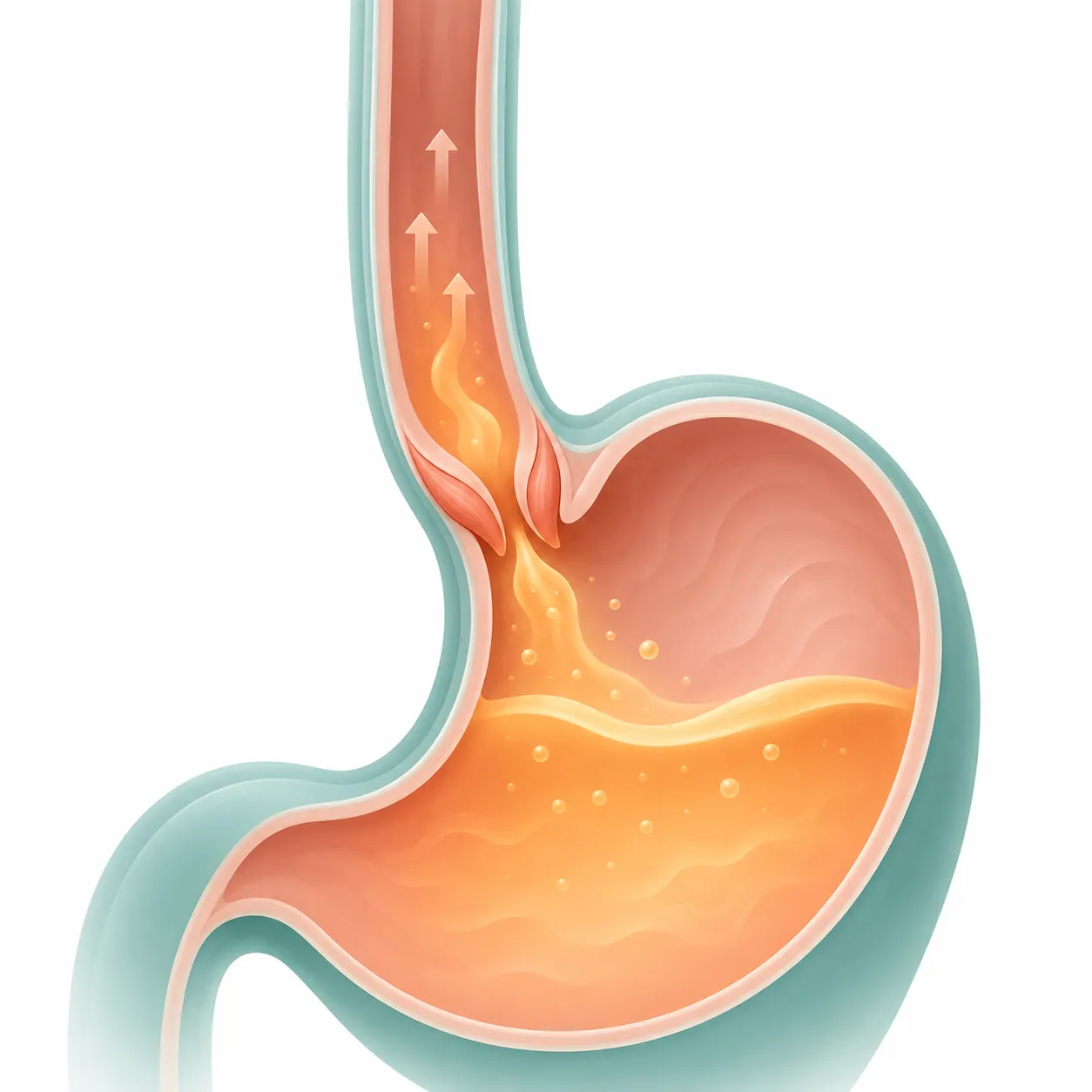
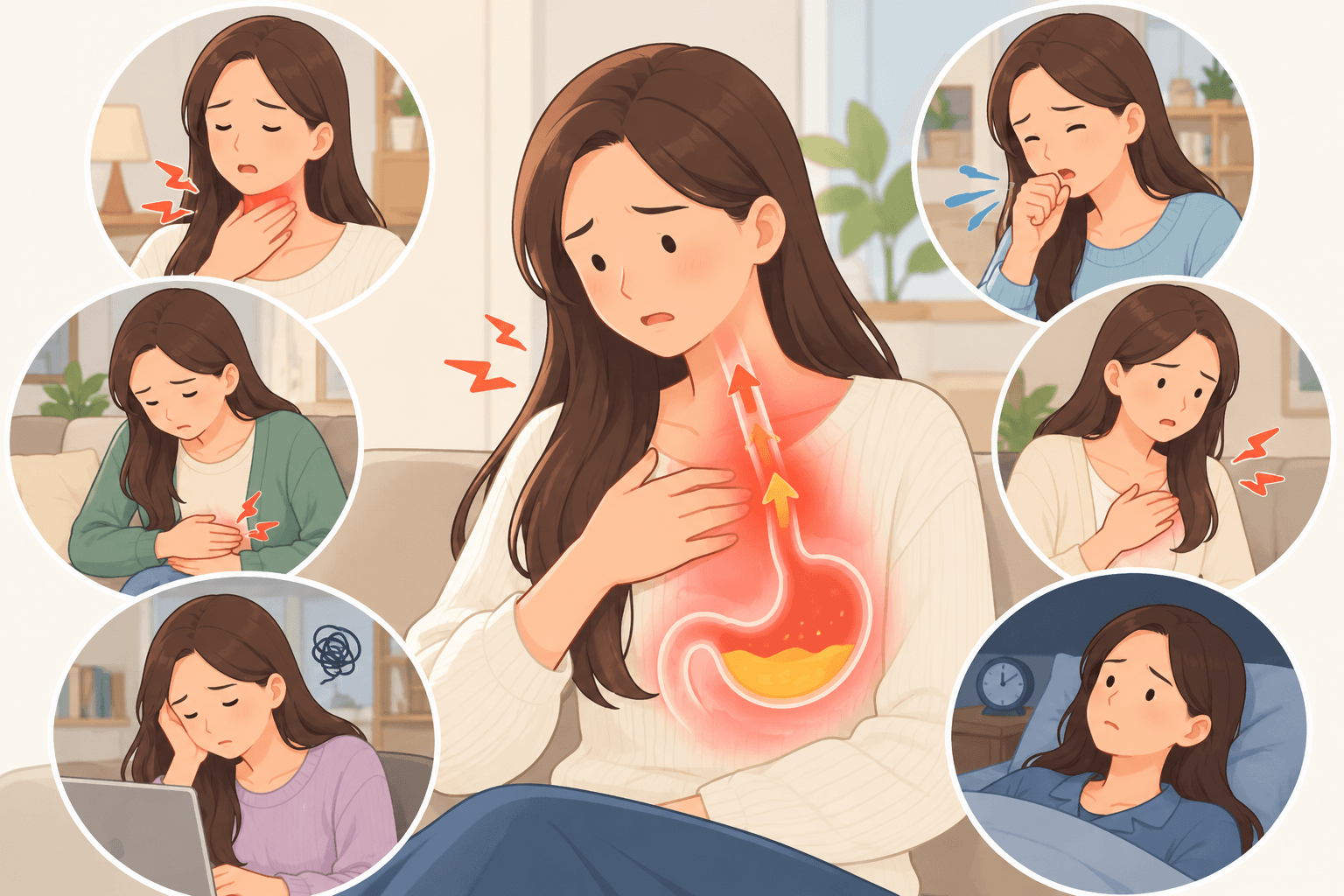
이런 증상이 있나요?

- 가슴이 타는 듯 쓰리다
- 신물이나 쓴물이 목까지 올라온다
- 목에 뭔가 걸린 듯하고 헛기침이 난다
- 식후나 누웠을 때 더 심해진다
- 트림이 잦고 속이 더부룩하다
- 자다가 속이 쓰려 깬다
- 위산억제제를 끊으면 바로 다시 시작된다
역류성식도염은 증상으로 먼저 판단하고, 내시경으로 식도 점막의 상태를 확인합니다. 특히 증상이 오래되었거나 위험 신호가 있으면 내시경이 필요합니다.
식도염은 왜 생기나요?
- 과식, 야식, 먹고 바로 눕는 습관
- 기름진 음식, 술, 커피, 담배
- 복부비만
- 스트레스와 긴장
- 수면 부족
- 위가 잘 내려보내지 못하는 약해진 위장 기능
이 중에서도 스트레스는 꼭 살펴봐야 합니다. 긴장하면 위의 움직임이 떨어지고 식도가 작은 자극에도 예민해집니다. 마음과의 고리도 뚜렷합니다. 우리나라 건강보험 자료에서 우울증이 있는 사람은 위식도역류질환이 2.01배 많았고, 위식도역류질환이 있는 사람은 우울증이 1.48배 많았습니다[3].
식도염의 표준 치료
표준 치료는 위산을 줄이는 약(PPI, P-CAB)입니다[4]. 식습관을 바꾸고, 잘 때 침대 머리 쪽을 높이는 것도 도움이 됩니다[5].
위산억제제는 효과가 좋은 약이지만, 약을 매일 복용하는 분 중에 54.1%는 증상이 계속 남아 있었습니다[6]. 특히 위가 음식을 잘 내려보내지 못하거나 스트레스로 식도가 예민해진 상태라면 위산을 줄이는 것만으로는 부족한데요. 이럴 때 한의학 치료가 위장 기능과 자율신경의 균형을 함께 다스려 식도염 해결에 도움이 될 수 있습니다.
관련 연구를 살펴보면, 위산억제제로 좋아지지 않는 환자에게 육군자탕을 더한 일본 연구에서 증상 개선은 위산억제제를 두 배로 늘린 군과 비슷했습니다[7]. 사역좌금탕을 다룬 13개 연구, 966명의 분석에서도 위장약에 한약을 더했을 때 위장약만 쓴 경우보다 유효율이 1.16배 높았습니다[8].
해움한의원은 이렇게 치료합니다

해움한의원은 위산만 억제하지 않고, 위가 제대로 내려보내는 힘과 긴장된 자율신경을 함께 살핍니다.
1단계. 위험 신호와 유형을 가립니다
증상이 심해지는 때와 식습관, 복용 중인 약, 스트레스를 자세히 살펴봅니다. 위험 신호가 있으면 내시경 검사를 먼저 안내해 드립니다. 심박변이도 검사로 자율신경의 긴장 상태를 확인합니다.
2단계. 굳은 명치와 가슴을 풉니다
침과 약침, 추나로 명치와 가슴, 등의 긴장을 풀어 위가 편하게 움직이도록 돕습니다.
3단계. 유형에 맞춰 바탕을 다스립니다
체질과 상태에 맞춰 증상의 원인을 해결하는 한약을 짓습니다. 식사 시간과 수면 습관을 함께 바로잡고, 위산억제제를 줄여 가는 과정도 함께합니다.
4만 건의 처방 사례가 말해주는, 한방 맞춤 치료의 힘



식도염 치료후기 총 10건
환자분들이 남긴 치료후기입니다. 본문은 로그인 후 보실 수 있습니다.
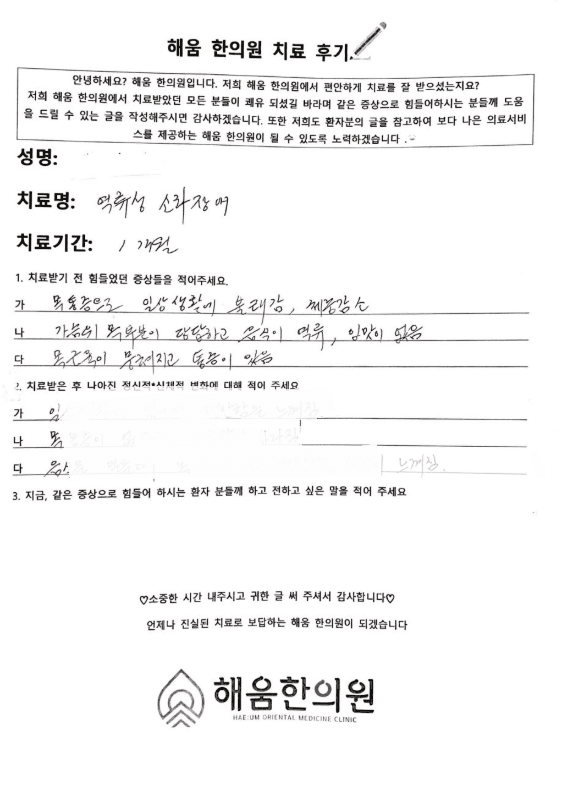
한약 치료 왈칵왈칵 역류하는 위산으로 목구멍이 아프고 따갑던 환자 이야기
2022. 03. 30.
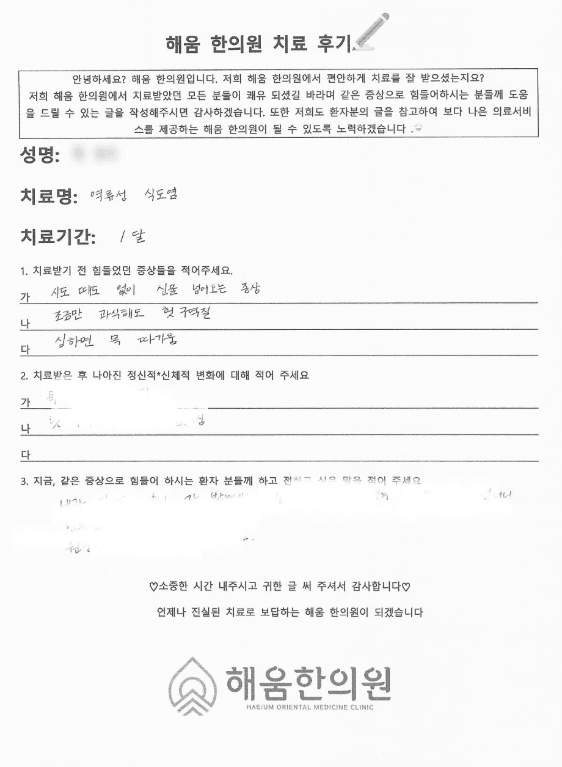
내과약이 효과없던 소화불량으로 헛구역질과 신물로 고생하시던 환자 한약치료후기
2021. 07. 29.
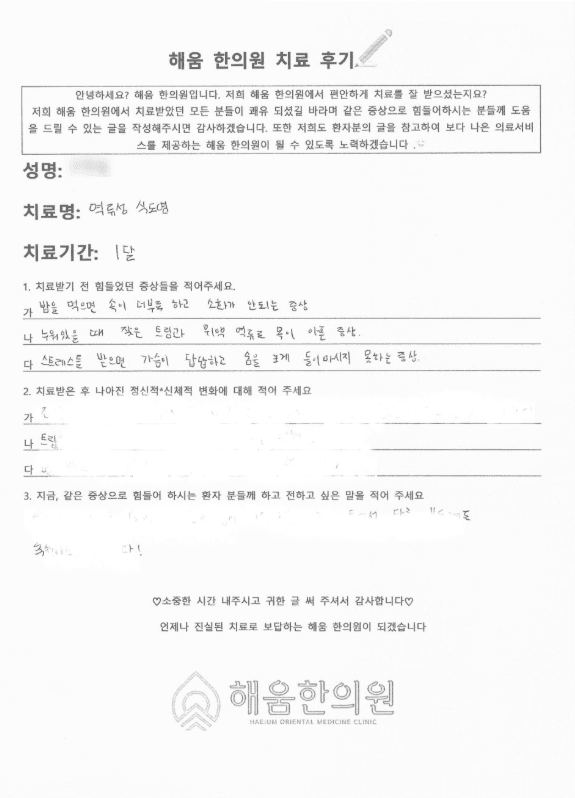
어떤 검사로도 원인을 알 수 없던 호흡곤란과 역류성식도염 한방 치료후기
2021. 07. 19.
 관련 후기
검사는 이상 없는데 복통이 심해요..제가 예민한 걸까요?
2026. 01. 09.
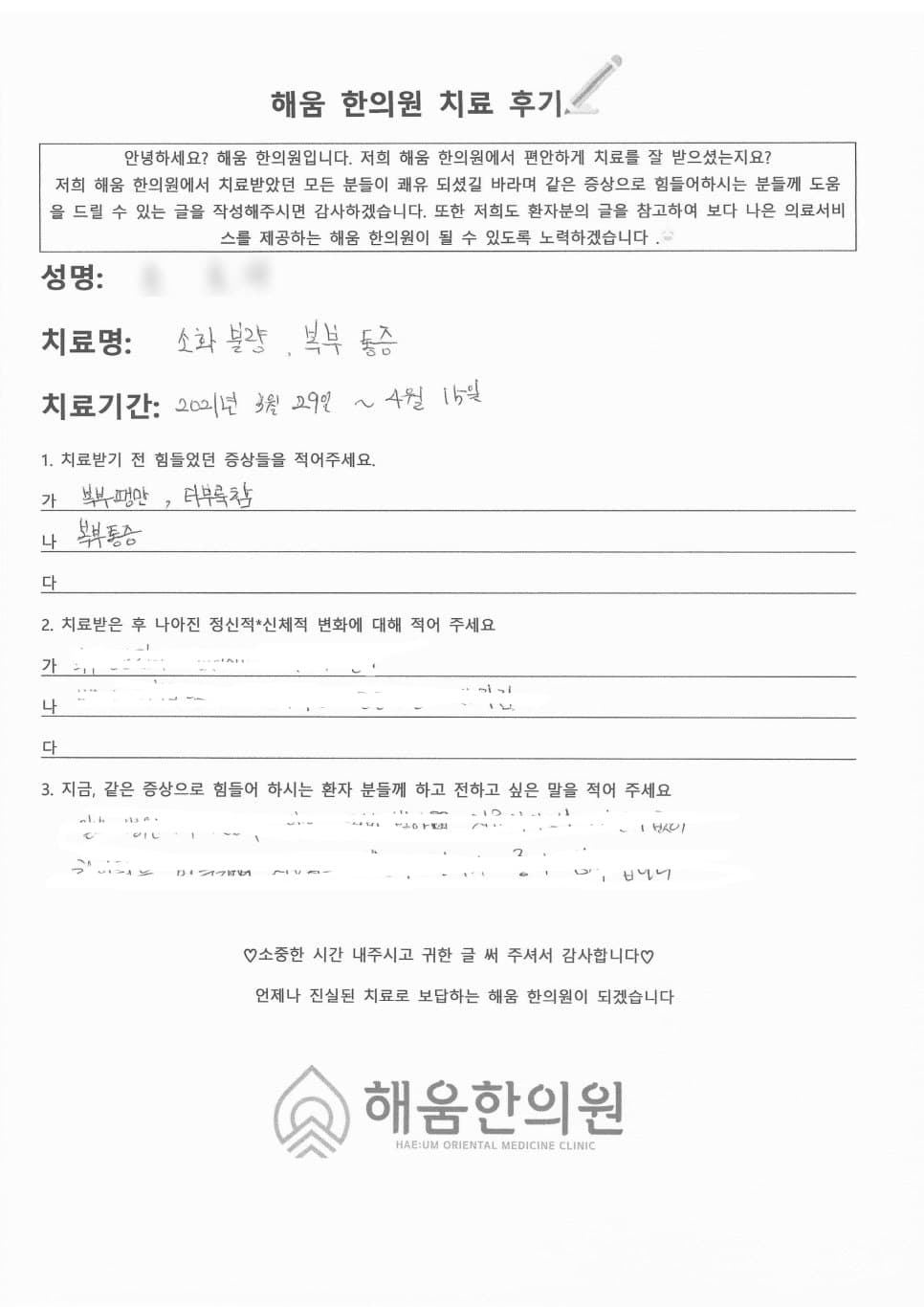 관련 후기
간이 너무 뚱뚱해도 소화불량이 올 수 있어요 갑작스러운 복부 팽만감, 체함, 소화불량 추나 침치료로 좋아진 사례
2025. 07. 17.
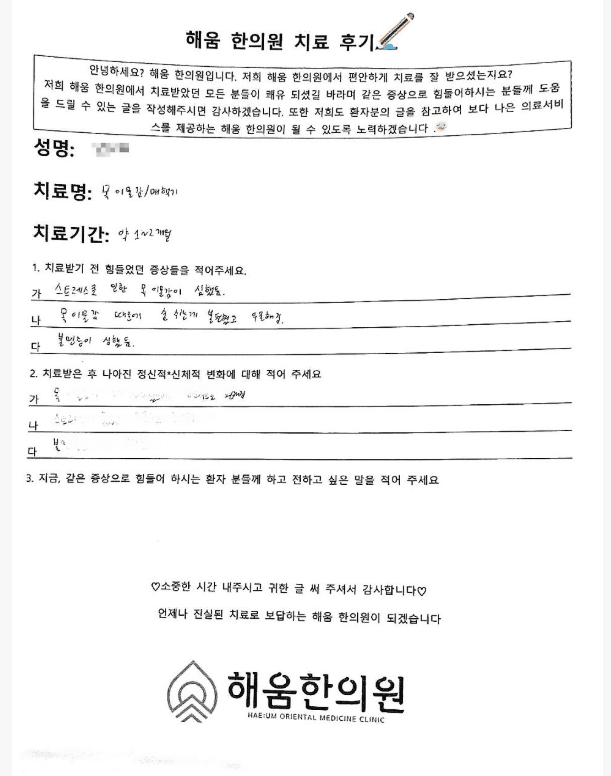 관련 후기
목넘김이물감 매핵기증상 호흡곤란
2024. 12. 28.
식도염, 누가 진료하나요?
담당 의료진
대표원장 박재은

“병이 아니라 그 뒤의 사람을 봅니다”
경희대학교 한의과대학에서 석사·박사 과정을 마쳤습니다. 심리상담사 1급 자격과 4만 건 이상의 한약 처방 경험을 바탕으로 진료합니다.
의료진 소개 더보기식도염, 자주 묻는 질문
위산억제제를 끊으면 왜 다시 심해지나요?
목에 뭔가 걸린 느낌도 식도염 때문인가요?
위산억제제와 한약을 같이 먹어도 되나요?
치료 기간은 얼마나 걸리나요?
생활에서 어떻게 관리해야 하나요?
해움한의원에서 식도염을 진료하나요?
식도염으로 내원하려면 어떻게 하나요?
식도염에 관해 알아두면 좋은 정보
1건식도염과 관련해 정리한 건강정보입니다.

식도염, 질문 있어요
5건환자분들이 남긴 온라인 상담 질문과 의료진 답변입니다.
이런 경우에는 미루지 말고 진료를 받으세요
아래 증상이 있다면 식도염이 아니라 다른 질환일 수 있습니다. 지체하지 말고 응급실이나 소화기 진료를 먼저 찾으세요.
- 가슴 통증이 20분 넘게 이어지거나 식은땀·팔이나 턱으로 뻗치는 통증이 함께 온다: 119
- 음식을 삼키기 어렵거나 삼킬 때 아프다
- 피를 토하거나 변이 검게 나온다
- 이유 없이 체중이 줄고 있다
- 50세 이후 증상이 새로 생겼다
참고문헌 8편
[1]Nirwan JS, Hasan SS, Babar ZU, Conway BR, Ghori MU. Global Prevalence and Risk Factors of Gastro-oesophageal Reflux Disease (GORD): Systematic Review with Meta-analysis. Sci Rep. 2020;10(1):5814. doi:10.1038/s41598-020-62795-1. PMID: 32242117.
초록 (Abstract)
Although gastro-oesophageal reflux disease (GORD) is a common medical complaint, there is currently no consensus on the global prevalence of GORD. The aim of this study was to conduct a systematic review and meta-analysis on GORD prevalence and risk factors at a global level. MEDLINE, EMBASE, CINAHL, Scopus, Cochrane library, and Google Scholar were systematically searched, without language restrictions, for studies on the prevalence and risk factors of GORD. Data were pooled using a random effects model (95% confidence interval), and the odds ratio and relative risk for each risk factor were calculated. Out of 34,355 search results, 96 records reporting the results from 102 studies fulfilled the inclusion criteria, representing 37 countries and all regions of the UN geoscheme. The global pooled prevalence of GORD was 13.98% and varied greatly according to region (12.88% in Latin America and the Caribbean to 19.55% in North America) and country (4.16% in China to 22.40% in Turkey). Using the United Nations 2017 Revision of World Population Prospects, the estimated number of individuals suffering from GORD globally is 1.03 billion. Multiple risk factors associated with a significant increase in the risk of GORD were also identified. This systematic review and meta-analysis revealed that although a substantial proportion (13.98%) of the global population suffers from GORD, there are significant variations between regions and countries. Risk factors for GORD were also identified which may allow clinicians to recognise individuals most at risk.
결과 (Results)
Search results: A total of 34,355 records were retrieved from the databases after implementing the search strategy. Of these, 15,122 duplicates were excluded as well as 19,009 records excluded based on titles or abstracts. Therefore, 224 records were eligible for full-text review, of which 96 records reporting the results from 102 studies fulfilled the inclusion criteria representing 37 countries and included 469,899 participants (Fig. 1). The main reasons for exclusion were the use of an unsuitable definition for GORD (28 studies) and the inclusion of a non-representative population (23 studies). 5 studies were translated into English using an in-kind support of native speakers (2 from Persian and 1 each from Russian, Spanish and French). The details of the included studies are provided in Table S2.
Prevalence of GORD according to geographical location: From the 102 included studies (96 records), 63,394 subjects were diagnosed with GORD giving an overall pooled prevalence of 13.98% (95% CI 12.47%–15.56%). Using the UN 2017 Revision of World Population Prospects, the estimated number of individuals suffering from GORD globally is 1.03 billion. A funnel plot representing all of the studies included in this systematic review is depicted in Fig. S1 and also showed significant publication bias. Forest plots of the pooled prevalence of GORD stratified by country and UN region are shown in Figs. S2–S16. The distribution of the prevalence of GORD according to geographical location is shown in Table 1 and is visually depicted in Figs. 2–4. Upon visual analysis, Fig. 2 reveals substantial variations in the prevalence of GORD globally with the lowest GORD prevalence being reported in a study from China (2.5%) and the highest being reported in a study conducted in Saudi Arabia (45.4%) (Table S2). This was in agreement with the findings revealed in the review conducted by El-Serag et al. who also found the highest and lowest prevalence of GORD reported in studies from Saudi Arabia and China, respectively. However, as the data was not pooled according to country, their review did not report the overall prevalence of GORD in each country. The current review identified the countries with the highest and lowest pooled prevalence of GORD as Turkey (22.40% (95% CI 18.53%–126.53%)), and China (4.16% (95% CI 3.35%–15.05%)), respectively. This also highlighted the disparity in the prevalence of GORD between sub-regions within the same continent which was especially evident in Asia which contained the sub-region with the lowest GORD prevalence (East Asia) as well as the highest GORD prevalence (Middle East) (Fig. 3). Furthermore, to highlight countries with a particularly high prevalence of GORD, Fig. 4 displays the countries with a GORD prevalence greater than and less than the global pooled GORD prevalence.
Prevalence of GORD according to risk factors: Table 2 displays the prevalence of GORD according to risk factors. The OR and RR of risk factors for GORD are shown in Tables S3 and S4, respectively. Forest plots of the pooled prevalence of GORD stratified by risk factors are presented in Figs. S17–S34. The prevalence of GORD according to gender was reported in 50 studies. The pooled prevalence of GORD in females (17.17% (95% CI 14.22%–120.33%)) was moderately higher than in males (15.69% (95% CI 13.15%–118.42%)). The OR (1.18 (95% CI 1.15–1.20; p < 0.0001)) and RR (1.15 (95% CI 1.13–1.17; p < 0.0001)) in females compared to males showed that females are slightly more at risk of suffering from GORD.
The pooled prevalence of GORD according to age groups displayed an increase with increasing age between the age groups of 18–34 years (8.70%; 95% CI 4.39%–114.23%) and 35–59 years (14.53% (95% CI 11.09%–118.33%)). However, there was a slight decrease between the age groups of 35–59 years and ≥60 years (13.12% (95% CI 9.59%–117.11%)). The OR (1.17 (95% CI 1.11–1.24; p < 0.0001) in those aged 35–59 years compared with those aged 18–34 years; 1.20 (95% CI 1.12–1.28; p < 0.0001) in those aged ≥60 years compared with those aged 18–34 years; 1.03 (95% CI 0.98–1.08; P = 0.2896) in those aged ≥60 years compared with those aged 35–59 years) was extremely modest. This was also the case in the RR (1.15 (95% CI 1.09–1.20; p < 0.0001) in those aged 35–59 years compared with those aged 18–34 years; 1.17 (95% CI 1.11–1.24) in those aged ≥60 years compared with those aged 18–34 years; 1.02 (95% CI 0.98–1.07; P = 0.2892) in those aged ≥60 years compared with those aged 35–59 years).
The pooled prevalence of GORD according to alcohol intake showed a similar GORD prevalence in those who do not drink alcohol or have a low intake of alcohol (15.95% (95% CI 11.01%–121.60%)) compared with those who have a moderate to high intake of alcohol (15.56% (95% CI 11.63%–119.93%)). The OR and RR of GORD in those with a moderate to high intake of alcohol compared with those who do not drink alcohol or have a low intake of alcohol was also not significantly different (OR = 1.07 (95% CI 1.02–1.12; P = 0.0044), and RR = 1.06 (95% CI 1.02–1.11; P = 0.0044)).
Stratified pooled prevalence of GORD by BMI showed an increase in GORD prevalence as BMI increased. The lowest prevalence of GORD was for those with a BMI < 18.5 (6.64% (95% CI 3.40%–110.82%)), whereas the highest prevalence of GORD was seen in those with a BMI ≥30.0 (22.63% (95% CI 17.33%–128.41%)). This positive correlation between prevalence of GORD and BMI was also shown by a significant increase in OR and RR in subjects with a higher BMI compared with subjects with a lower BMI.
The pooled prevalence of GORD according to education level was also investigated. The prevalence of GORD was highest in subjects with low education level (16.78% (95% CI 12.32%–121.77%)), followed by those with medium education level (11.52% (95% CI 7.33%–116.48%)), and the lowest GORD prevalence was seen in those with a high education level (8.98% (95% CI 5.56%–113.09%)). The impact of education level on the prevalence of GORD was also shown in the OR and RR of GORD in those with low education level compared with those with medium and high education level (OR = 2.11 (95% CI 1.99–2.24; p < 0.0001) and 1.75 (95% CI 1.64–1.87; p < 0.0001), respectively; RR = 1.95 (95% CI 1.85–2.06; p < 0.0001) and 1.64 (95% CI 1.55–1.74; p < 0.0001), respectively). However, this was not supported by the OR and RR of GORD in those with medium education level compared with those with high education level (OR = 0.82 (95% CI 0.77–0.89; p < 0.0001) and RR = 0.84 (95% CI 0.77–0.90; p < 0.0001)).
When the pooled prevalence of GORD was stratified according to marriage status, the highest prevalence of GORD was found in divorced/separated/widowed individuals (22.95% (95% CI 13.19%–134.38%)) followed by married individuals (15.98% (95% CI 10.48%–122.35%)), and the lowest GORD prevalence was seen in single individuals (12.85% (95% CI 6.59%–120.71%)). The OR and RR in divorced/separated/widowed and married individuals were also significantly greater when compared with single individuals.
The pooled prevalence of GORD according to NSAIDs/aspirin use showed a significantly greater prevalence of GORD in subjects using NSAIDs/aspirin (24.47% (95% CI 18.17%–131.35%)) compared with those who do not (17.34% (95% CI 13.36%–121.72%)). The OR and RR in those using NSAIDs/aspirin was 1.46 (95% CI 1.33–1.60; p < 0.0001) and 1.36 (95% CI 1.27–1.47; p < 0.0001), respectively.
The area of domicile also had a significant effect on the prevalence of GORD. The pooled prevalence of GORD in subjects living in an urban area was the highest (13.43% (95% CI 6.68%–121.95%)) followed by subjects living in a rural area (11.70% (95% CI 6.26%–118.46%)). The OR and RR in subjects living in an urban area compared with those living in a rural area was OR = 2.227 (95% CI 2.04–2.43; p < 0.0001) and RR = 2.05 (95% CI 1.90–2.22; p < 0.0001)). Only 2 studies reported the prevalence of GORD in individuals living in a suburban area, therefore, meta-analysis was not conducted on this sub-group (Table 2).
The pooled prevalence of GORD according to smoking habits showed that subjects who currently smoke had a higher prevalence of GORD (18.40% (95% CI 14.57%–122.57%)) compared with ex-smokers (16.83% (95% CI 7.49%–128.72%)) and non-smokers (15.55% (11.63%-19.91%)). However, the OR and RR in current smokers compared with non-smokers was insignificant (OR = 1.04 (95% CI 1.00–1.09; P = 0.0652) and RR = 1.04 (95% CI 1.00–1.08; P = 0.0650)).
Subjects with a low income had a significantly higher prevalence of GORD (11.69% (95% CI 4.74%–120.96%)) than those with a medium income (8.42% (95% CI 1.54%–119.12%)) and those with a high income (7.68% (95% CI 3.86%–112.58%)). The OR and RR of GORD in those with a low income compared with medium income level was 1.29 (95% CI 1.33–1.47) and 1.27 (95% CI 1.12–1.44), respectively. However, the OR and RR in those with a low income compared with a high income was insignificant (OR = 1.06 (95% CI 0.88–1.27); RR = 1.05 (95% CI 0.89–1.25)), and subjects with a medium income actually had low OR and RR compared with those with a high income (OR = 0.82 (95% CI 0.67–0.99); RR = 0.83 (95% CI 0.69–0.99)).
The effect of dietary intake of certain food and drinks (spicy food, sweet food, meat/fish, carbonated drinks, fatty food, fried food, and coffee/tea) on the pooled prevalence of GORD was also investigated. However, a limited number of studies have been conducted on the effects of spicy food, sweet food, meat/fish, fatty food and fried food, therefore, meta-analysis was not conducted on these sub-groups (Table 2).
Subjects with a moderate/high intake of carbonated drinks had a higher pooled prevalence of GORD than those with low/none intake (18.60% (95% CI 9.55%–129.68%) vs 14.54% (95% CI 6.49%–124.91%), respectively). The OR and RR associated with a moderate/high intake of carbonated drinks was 1.29 (95% CI 1.14–1.46; P = 0.0001) and 1.24 (95% CI 1.12–1.37; p < 0.0001), respectively.
Pooling prevalence of GORD according to intake of coffee/tea revealed a higher GORD prevalence in subjects with a moderate/high intake of coffee/tea (21.02% (95% CI 16.32%–126.13%)) than those with a low/none intake (16.92% (95% CI 12.69%–121.61%)). The OR and RR in those with a moderate/high intake of coffee/tea was 1.47 (95% CI 1.36–1.59) and 1.38 (95% CI 1.29–1.47), respectively.
Prevalence of GORD according to study design parameters: Potential sources of heterogeneity were investigated by stratifying pooled prevalence of GORD by study design parameters including criteria used to define GORD, duration of symptoms investigated, instrument used for data collection, and method of data collection. The results of these analyses are shown in Table 3 and the forest plots of pooled prevalence of GORD stratified by study design parameters are presented in Figs. S35–S58. The majority of studies used a definition of at least weekly heartburn and/or acid regurgitation to define GORD (66 studies). From these studies, the pooled prevalence of GORD was 13.45% (95% CI 11.79%–115.20). The lowest prevalence of GORD was achieved when the Montreal definition was used (12.07% (95% CI 7.53%–117.46%)), and a definition of GERDQ score ≥8 produced the highest prevalence (17.03% (95% CI 9.24%–126.52%)).
The majority of studies assessed GORD symptoms during the previous 12 months (38 studies). The highest prevalence of GORD was also seen in studies which assessed GORD symptoms during the previous 12 months (15.23% (95% CI 13.25%–117.32%)), and the lowest prevalence was observed in studies which assessed GORD symptoms during the previous 1 month (5.20% (95% CI 1.51%–110.64%)).
The pooled prevalence of GORD according to the instrument used for data collection ranged from 5.17% (95% CI 2.46%–18.76%) in studies using the Reflux Disease Questionnaire (RDQ), to 26.90% (95% CI 25.24%–128.69%) in studies using the Quality of life and Utility Evaluation Survey Technology (QUEST).
The most frequently used method of data collection were face-to-face interviews (31 studies) which gave a pooled GORD prevalence of 16.98% (95% CI 13.74%–120.49%). This was also the highest prevalence of GORD when stratified by method of data collection. The lowest GORD prevalence was seen when telephone interviews were used to collect data (9.57% (95% CI 7.80%–111.49%)).
원문 발췌 · Nirwan JS, Hasan SS, Babar ZU, Conway BR, Ghori MU, Sci Rep 2020 · CC BY 4.0 라이선스에 따라 수정 없이 인용했습니다(본문 속 인용 번호는 생략).
[2]El-Serag HB, Sweet S, Winchester CC, Dent J. Update on the epidemiology of gastro-oesophageal reflux disease: a systematic review. Gut. 2014;63(6):871-880. doi:10.1136/gutjnl-2012-304269. PMID: 23853213.
요약 위식도역류질환의 역학을 정리한 체계적 문헌고찰입니다. 유병률은 북미 18.1~27.8%, 유럽 8.8~25.9%, 동아시아 2.5~7.8%였고, 1995년 이후 늘어나는 추세였습니다.원문은 출판사 저작권 자료로, 위 링크에서 확인하실 수 있습니다.
[3]Kim SY, Kim HJ, Lim H, Kong IG, Kim M, Choi HG. Bidirectional association between gastroesophageal reflux disease and depression: Two different nested case-control studies using a national sample cohort. Sci Rep. 2018;8(1):11748. doi:10.1038/s41598-018-29629-7. PMID: 30082758.
초록 (Abstract)
The purpose of this study is to evaluate the associations between gastroesophageal reflux disease (GERD) and depression using a national sample cohort of the Korean population. Data were collected from individuals ≥20 years old in the Korean National Health Insurance Service-National Sample Cohort between 2002 and 2013. We designed two different nested case-control studies. In study I, 60,957 participants with depression were matched at a 1:4 ratio with 243,828 controls, and their previous histories of GERD were analyzed. In study II, 133,089 participants with GERD were matched at a 1:2 ratio with 266,178 controls, and their previous histories of depression were analyzed. Crude and adjusted odds ratios (ORs) were analyzed using unconditional logistic regression analyses, and 95% confidence intervals (CIs) were calculated. Subgroup analyses were performed according to age and sex. The adjusted OR for GERD was 2.01 (95% CI = 1.96–2.07) in the patients with depression (study I). The adjusted OR for depression was 1.48 (95% CI = 1.43–1.52) in the patients with GERD (study II). The results of the subgroup analyses were consistent. GERD and depression displayed bidirectional associations.
결과 (Results)
Study I: The rate of GERD was higher in the depression group (16.3% [9,959/60,957]) than in the control I group (9.0% [21,963/197,904], P < 0.001, Table 1). The general characteristics (age, sex, income, region of residence, and histories of hypertension, diabetes, and dyslipidemia) of the participants were exactly the same after matching (P = 1.000). Higher rates of ischemic heart disease and cerebral stroke were observed in the depression group (all, P < 0.05).
The crude and adjusted odds ratios (ORs) for GERD were 1.97 (95% confidence interval (CI) = 1.92–2.02) and 2.01 (95% CI = 1.96–2.07), respectively, in the depression group (P < 0.001, Table 2).
In the subgroup analyses, higher crude and adjusted ORs for GERD were observed in the depression group (P < 0.05, Table 3). The adjusted ORs were 2.35 (95% CI = 2.10–2.63) in men <40 years old; 2.05 (95% CI = 1.91–2.21) in women <40 years old; 2.17 (95% CI = 2.03–2.33) in men 40–59 years old; 1.99 (95% CI = 1.90–2.09) in women 40–59 years old; 1.99 (95% CI = 1.85–2.15) in men ≥60 years old; and 1.90 (95% CI = 1.81–2.01) in women ≥60 years old.
Study II: A higher rate of depression was observed in the GERD group (5.7% [7,625/133,089]) than in the control II group (3.9% [10,474/266,178], P < 0.001, Table 1). The general characteristics (age, sex, income, region of residence, and histories of hypertension, diabetes, and dyslipidemia) of the participants were exactly the same after matching (P = 1.000). Higher rates of ischemic heart disease and cerebral stroke were observed in the GERD group (all, P < 0.05).
The crude and adjusted ORs for depression were 1.48 (95% CI = 1.44–1.53) and 1.48 (95% CI = 1.43–1.52), respectively, in the GERD group (P < 0.001, Table 4).
In the subgroup analyses, higher crude and adjusted ORs for depression were recorded in the GERD group (P < 0.001, Table 5). The adjusted ORs were 1.44 (95% CI = 1.27–1.63) in men <40 years old; 1.64 (95% CI = 1.50–1.78) in women <40 years old; 1.51 (95% CI = 1.40–1.64) in men 40–59 years old; 1.47 (95% CI = 1.40–1.55) in women 40–59 years old; 1.39 (95% CI = 1.26–1.53) in men ≥60 years old; and 1.43 (95% CI = 1.34–1.52) in women ≥60 years old.
원문 발췌 · Kim SY, Kim HJ, Lim H, Kong IG, Kim M, Choi HG, Sci Rep 2018 · CC BY 4.0 라이선스에 따라 수정 없이 인용했습니다(본문 속 인용 번호는 생략).
[4]Iwakiri K, Fujiwara Y, Manabe N, Ihara E, Kuribayashi S, Akiyama J, et al. Evidence-based clinical practice guidelines for gastroesophageal reflux disease 2021. J Gastroenterol. 2022;57(4):267-285. doi:10.1007/s00535-022-01861-z. PMID: 35226174.
초록 (Abstract)
In Japan, with the increasing prevalence of gastroesophageal reflux disease (GERD) and growing public interest, the Japanese Society of Gastroenterology issued Evidence-based Clinical Practice Guidelines for GERD (1st edition) in 2009 and a revised 2nd edition in 2015. A number of studies on GERD were subsequently conducted in Japan and abroad, and vonoprazan, a potassium-competitive acid blocker (P-CAB), became available for the first time in Japan in February 2015. The revised 3rd edition (Japanese edition), which incorporates new findings and information, was published in April 2021. These guidelines are summarized herein, particularly sections related to the treatment of GERD. The important clinical issues addressed in the present revision are (i) the introduction of treatment algorithms that classify GERD into reflux esophagitis and non-erosive reflux disease, (ii) the clarification of treatment algorithms based on to the severity of reflux esophagitis, and (iii) the positioning of vonoprazan in the treatment for GERD. The present guidelines propose vonoprazan as the initial/maintenance treatment for severe reflux esophagitis. They also recommend vonoprazan or PPI as an initial treatment for mild reflux esophagitis and recommended PPI and proposed vonoprazan as maintenance treatment. These updated guidelines offer the best clinical strategies for GERD patients in Japan and hope that they will be of global use for the diagnosis and treatment for GERD.
원문 발췌 · Iwakiri K, Fujiwara Y, Manabe N, Ihara E, Kuribayashi S, Akiyama J, Kondo T, Yamashita H, Ishimura N, Kitasako Y, Iijima K, Koike T, Omura N, Nomura T, Kawamura O, Ohara S, Ozawa S, Kinoshita Y, Mochida S, Enomoto N, Shimosegawa T, Koike K, J Gastroenterol 2022 · CC BY 4.0 라이선스에 따라 수정 없이 인용했습니다(본문 속 인용 번호는 생략).
[5]Albarqouni L, Moynihan R, Clark J, Scott AM, Duggan A, Del Mar C. Head of bed elevation to relieve gastroesophageal reflux symptoms: a systematic review. BMC Fam Pract. 2021;22(1):24. doi:10.1186/s12875-021-01369-0. PMID: 33468060.
초록 (Abstract)
Background: Overuse of proton pump inhibitors (PPIs) – frequently used for relieving symptoms of gastroesophageal reflux disease (GORD) – raises long-term safety concerns, warranting evidence-based non-drug interventions. We conducted a systematic review to evaluate the effect of head-of-bed elevation on relieving symptoms of GORD in adults.
Methods: We included controlled trials comparing the effect of head-of-bed elevation interventions to control in adults with GORD. Two independent reviewers screened articles, extracted data, and assessed quality of included studies. Primary outcomes were changes in GORD symptoms and use of PPIs.
Results: We screened 1206 records; and included five trials (four cross-over and one factorial) comprising 228 patients. All five included trials were judged to be at high-risk of performance bias and four of selection bias. Of five included trials, two used ‘bed blocks’ under the bed legs; one used ‘sleeping on a wedge’ pillow, and two used both. High heterogeneity in outcome measures and reported outcomes data precluded meta-analyses. The four studies that reported on GORD symptoms found an improvement among participants in the head-of-bed elevation; a high-quality crossover trial showed a clinical important reduction in symptom scores at 6 weeks (risk ratio of 2.1; 95% CI 1.2 to 3.6). These results are supported by the observed improvement in physiological intra-oesophageal pH measurements.
Conclusions: Methodological and reporting limitations in available literature preclude definitive recommendations. However, head-of-bed elevation could be still considered as a cheap and safe alternative to drug interventions with unfavourable safety profiles.
Protocol registration: Open Science Framework: http://osf.io/2hz3j
Supplementary Information: The online version contains supplementary material available at 10.1186/s12875-021-01369-0.
결과 (Results)
We identified 1256 records through database searching and 356 through forward-backward citation analysis for a total of 1206 records to screen after deduplication. We excluded 1181 records after screening titles and abstracts and obtained 25 records for full-text screening. We excluded 20 full-text articles with reasons for exclusion recorded. (Fig. 1) We also screened 36 clinical trial registries and found one relevant trial that we already identified in database searches. We included five studies in the narrative synthesis. Fig. 1PRISMA flow diagram of included articles
Characteristics of included studies: Of all the five included randomised controlled trials, two were conducted in the United Kingdom, with the others in the United States, Taiwan, and Columbia (Table 1). Three studies were published in the 1970s and 1980s, with the two most recent published in 2019 and 2020. All studies were small, with total number of participants ranging from 14 to 71, and were of short-term duration, with the longest intervention being for 6 weeks. Four studies were cross-over trials and one was a factorial RCT. All trials had participants with gastroesophageal reflux symptoms, with one trial conducted among participants who had previously had oesophageal cancer and undergone esophagectomy and gastric tube reconstruction. All included studies were reported in English except for one reported in Spanish, which was also reported in English in clinicaltrials.gov (NCT02706938). Table 1Characteristics of included studies (n = 5)Study author, year, country, study designParticipants, condition or symptom, setting, ageInterventionComparisonCo-interventionsOutcomes assessed in this reviewMorales et al., 2020, Columbiacross-over RCT 65 participants with GORD-associated sleep disturbance recruited from a hospital outpatient unit with mean age of 56 yearsBed blocks + PPIs and/or sodium alginateHead-of-bed elevation for 6 weeks at home using 20 cm wooden blocks under bedLying flatNo Head-of-bed elevation as clinically indicated.PPIs and/or sodium alginateGastroesophageal reflux symptomsPatient preferencesAdverse EventsHuang et al., 2019, Taiwan,cross-over RCT 14 participants with oesophageal cancer and nocturnal reflux symptoms or reflux esophagitis, recruited from hospital database, with mean age of 62 yearsSleeping on a Wedge + PPIsUsing a 20 cm high wedge-shaped pillow at home (with an elevation angle of 20 degree) for 2 weeks + PPIsPPIs onlyNot using the pillow for 2 weeksOne pillow of ≤8 cm highGastroesophageal reflux symptomsHamilton et al., 1988, United States, cross-over RCT 15 participants with chronic reflux symptoms and endoscopic evidence of erosive esophagitis, recruited from hospital outpatients, aged between 51 and 74 yearsSleeping on a WedgeUsing a 25 cm high foam wedge (with an elevation angle of 22 degree) for one night.Bed blocksHead-of-bed elevated using 20 cm high metal cones under the bed legs for one night.Lying flatOne pillow on a standard hospital bed for one night. bAll anti-reflux medications stopped. Other chronic medications allowed.Intra-oesophageal pH measurement (Acid exposure/reflux episodes/acid clearance time)Patient preferencesHarvey et al., 1987, United Kingdom, factorial RCTa 71 participants with severe gastro-oesophageal reflux, recruited from a hospital, with a median age of 59 yearsBed blocksHead-of-bed raised on 20 cm blocks (with 10% elevation slope) for 6 weeks at home.Lying flatNo bed elevationAntacid tablets as neededGastroesophageal reflux symptomsAdverse EventsStanciu et al., 1977, United Kingdom, cross-over trial 63 participants with typical symptoms of Gastroesophageal reflux, recruited within a hospital, with mean age of 49 yearsBed blocksHead-of-bed elevated with 28 cm blocks during part of the nightSleeping on a WedgeSitting propped up during part of the nightLying flatOne or two pillows during part of the nightNoneGastroesophageal reflux symptomsIntra-oesophageal pH measurement (Acid exposure/reflux episodes/acid clearance time)aFactorial RCT – 2 factors ranitidine and head-of-bed elevation. bAll groups in hospital and for each group a pillow was allowed
In terms of intervention details (i.e. how elevation was achieved), two trials used ‘bed blocks’ (i.e. 20 cm blocks under the legs of the head of the bed), one trial used ‘sleeping on a wedge’ (i.e. sleeping on a 20 cm wedge-shaped pillow), and two trials used both interventions i.e. 20-28 cm ‘bed blocks’ and ‘sleeping on a wedge’ (as two separate intervention arms). None of the included studies evaluated the left lateral sleep position as an intervention.
Risk of bias assessment: All five included studies were judged to be at high risk in two or more of the domains of risk of bias. All five studies were judged to be at high risk of performance bias (either blinding of patients and personnel or outcome assessors), and four at high or unclear risk for selection bias (either random sequence generation or allocation concealment) (Fig. 2). Fig. 2Risk of bias assessment in included studies both in individual studies and domains (left) and in summary (right)
Main findings: Heterogeneity, especially of outcome measures and the reporting of outcome data, precluded meta-analyses of the primary and secondary outcomes. Therefore, we reported the results narratively grouped for each outcome (Table 2). Table 2Main results reported in included studies (n = 5)StudiesPatient-reported gastroesophageal reflux symptomsIntra-oesophageal pH measurementPreferencesAdverse eventsMorales, 2020, Columbiacross-over RCT Outcome measures (validated)Reflux Disease Questionnaire Score, a 6-point score, with a higher score meaning a worse outcome and a change of ≥0.6 points considered clinically meaningfulFindings (improved)Mean difference (MD) in change scores at 6 weeks of 1.327, 95% CI 0.626 to 2.027.27 of 39 [69.2%] participants in the head-of-bed elevation group were more likely to report a clinically meaningful change of ≥10% in their symptom scores at 6 weeks compared to 13 [33.3%] in the control group. Risk ratio (RR) of 2.08; 95% CI 1.19 to 3.61).NR63.2% (95% CI 50.6 to 75.7%) of the 57 participants preferred the head of bed elevation to control.39 of 63 participants in head-of-bed elevation group reported adverse events at 14 weeks compared to none on the control group (of 54): 20 bed slipping; 4 bed unsteadiness; 10 varicose vain pain; 7 musculoskeletal pain; and 1 sexual activity interference and headache each.Huang, 2019, Taiwan,cross-over RCT Outcome measures (validated)Modified Dysfunction after Upper Gastrointestinal Surgery, a 30-point score, with higher scores means better outcomes.Findings (improved)MD in change scores at 2 weeks − 5.1, 95% CI − 7.6 to − 2.6NRNRNRHamilton, 1988, United States, cross-over RCT NROutcome measuresAcid exposure, defined as percent of total time intra-oesophageal pH remained ≤4; Reflux episodes, defined as drop of intra-oesophageal pH to < 4; Acid clearance time, defined as the total time that intra-oesophageal pH < 4 by the number of reflux episodes.Findings (improved)A reduction in acid exposure in both sleeping on a wedge (mean% 14.8, 95% CI 12.2 to 17.5 vs control: 21.2, 95% CI 18.4 to 23.7) and head-of-bed elevation groups (mean% 15.3, 95% CI 11.7 to 18.8 vs control: 21.2, 95% CI 18.4 to 23.7) compared to the control. A non-statistically significant reduction in the number of reflux episodes and acid clearance time in any of the two groups compared to the control.60% (9 of 15) preferred head-of-bed elevation, 33.3% (5 of 15) preferred sleeping on wedge, and 6.7% (1 of 15) preferred neither.NRHarvey, 1987, United Kingdom, factorial RCT Outcome measuresAn overall improvement in symptoms and a 4-point-sclae of gastroesophageal reflux, retrosternal pain, epigastric pain, and dysphagia.Findings (improved)23 of 32 [71.9%] participants in the head-of-bed elevation group are more likely to report an overall improvement in symptoms at 6 weeks compared to 17 of 31 [54.8%] - unadjusted OR 2.1, 95% CI 0.74 to 5.99; adjusted OR 3.1, X2 = 4, p < 0.005.A statistically significant reduction in symptom scores of gastroesophageal reflux and retrosternal pain but not epigastric pain and dysphagia.NRNR2 of 32 participants in the head-of-bed elevation group reported adverse events both resolved and neither discontinued: 1 bed slipping and 1 sexual activity interference.Stanciu, 1977, United Kingdom, cross-over trial Outcome measuresNumber of reflux symptoms (i.e. heartburn or acid regurgitation)Findings (improved)Compared to control group, a statistically significant reduction in the number of reflux symptoms during the intervention (6 h) in the head-of-bed elevation group (2.0 ± 1.2 vs. 3.0 ± 2.4) and sleeping on a wedge groups (2.4 ± 1.4 vs. 3.4 ± 2.2).Outcome measuresAcid exposure, defined as percent of total time that intra-esophageal pH remained < 4; Reflux episodes, defined as a drop in intra-esophageal pH by 2; Acid clearance time, defined as the total duration of reflux by the number of reflux episodes.Findings (improved)A statistically significant reductions in acid exposure and reflux episodes in the head-of-bed elevation group (acid exposure: 6.7 ± 7.6; reflux episodes per participant: 3.7 ± 1.9) compared to control group (acid exposure: 14.0 ± 15.3; reflux episodes per participant: 6.2 ± 3.9) but no significant difference in sleeping on a wedge group compared to control group in terms of acid exposure (7.7 ± 11.7 vs 8.9 ± 9.7) and reflux episodes (5.4 ± 3.8 vs. 4.8 ± 3.2).NRNRAbbreviations: NR Not reported, RCT Randomized controlled trial, CI Confidence interval, RR Risk ratio, OR Odds ratio
Gastroesophageal reflux symptoms: All the four (of the five included) studies that we identified evaluating the impact of head of bed elevation on patient-reported gastroesophageal reflux symptoms found an improvement among participants in the head-of-bed elevation intervention arm.
A crossover randomized trial analysed the change in GORD symptoms among 39 participants (out of the 65 enrolled participants) at 6 weeks using a 6-point scale, the Reflux Disease Questionnaire Score, with a higher score meaning a worse outcome and a change of ≥0.6 points considered clinically meaningful. The trial found that participants in the head-of-bed elevation group were more likely to report a clinically meaningful change of ≥10% in their symptom scores at 6 weeks compared to the participants in the control group (27 [69%] versus 13 [33%], risk ratio of 2.1; 95% CI 1.2 to 3.6); with a mean difference in change scores of − 1.3, 95% CI − 2.0 to − 0.6).
A crossover trial of 63 participants, evaluating the effect of head-of-bed elevation using ‘bed blocks’ or ‘sleeping on a wedge’, found a reduction in the number of reflux symptoms (i.e. heartburn or acid regurgitation) reported during the intervention (i.e. half-night) in the head-of-bed elevation arm (mean difference in ‘bed blocks’ -1, 95% CI − 2.2 to − 0.1; and ‘sleeping on a wedge’ -1, 95% CI − 1.9 to − 0.01) compared to the control group.
A factorial RCT, evaluating the effect of ranitidine and head-of-bed elevation among 71 participants, found that participants in the head-of-bed elevation group were more likely to report an overall improvement in their symptoms at 6 weeks compared to the control group (72% [23 of 32] vs. 55% [17 of 31]; unadjusted odds ratio 2.1, 95% CI 0.7 to 6.0; odds ratio adjusted for ranitidine use 3.1, p < 0.005). It also found a reduction in the reported scores, measured on a 4-point-scale, of gastroesophageal reflux and retrosternal pain symptom in the head-of-bed elevation group compared to the control group. There was no statistically significant difference in overall improvement of symptoms reported by adults receiving the head-of-bed elevation only compared to adults receiving ranitidine only (59% [10 of 17] head-of-bed elevation only vs. 77% [13 of 17] ranitidine only; RR 0.8, 95% CI 0.5 to 1.2).
Another crossover trial measured the change in GORD symptoms among 14 post-esophagectomy participants at 2 weeks on a 30-point score, the modified Dysfunction after Upper Gastrointestinal Surgery scale, with a higher score meaning a worse outcome. It found a statistically significant improvement in GORD symptoms in the head-of-bed elevation group compared to the control group (mean difference in change scores − 5.1, 95% CI − 7.6 to − 2.6).
Intra-oesophageal pH measurement: We identified two trials evaluating the impact of head-of-bed elevation using ‘bed blocks’ or ‘sleeping on a wedge’ on the intra-oesophageal pH measurement (i.e. reported as the number of reflux episodes; percent of total time pH remained < 4; and acid clearance time).
A cross-over RCT of 15 participants, found a statistically significant reduction in acid exposure (defined as percent of total time intra-oesophageal pH remained ≤4) in both groups (mean % of total time: ‘sleeping on a wedge’ 15, 95% CI 3 to 26; ‘bed blocks’ 15, 95% CI 0 to 31; control 21, 95% CI 10 to 33); but not in the number of reflux episodes (defined as the total number of occasions of intra-oesophageal drop to < 4) and acid clearance time (defined as the total time that intra-oesophageal pH remained < 4 by the number of reflux episodes) in any of the two groups compared to the control group.
In addition to measuring GORD symptoms, participants in the ‘bed blocks’ arm in a cross-over study had statistically significant reductions in acid exposure (mean difference in % of total time that intra-oesophageal pH remained < 4, − 7.3, 95% CI − 13.9 to − 0.7) and reflux episodes (mean difference in number of drops in intra-oesophageal pH by two per participants, − 2.5, 95% CI − 4.2 to − 0.8) compared to participants in the control arm. But there were no statistically significant reductions neither in acid exposure (mean difference in % of total time, 1.2, 95% CI − 3.9 to 6.3) nor in reflux episodes (mean difference in number of episodes per participants, − 0.6, 95% CI − 2.3 to 1.1) among participants in the ‘sleeping on a wedge’ compared to the control.
Patient preferences: We identified two studies that measured patient preferences for head-of-bed elevation using ‘bed blocks’ or ‘sleeping on a wedge’. In a crossover trial, 36 of the 57 participants (63, 95% CI 51 to 76%) preferred the head-of-bed elevation to control intervention. Of the 15 participants included in another trial, 9 (60%) preferred ‘bed blocks’; 5 (33%) preferred ‘sleeping on a wedge’; and one (7%) preferred neither.
Adverse events: We identified two trials reporting adverse events associated with the intervention. A 2020 crossover RCT found that 39 of 63 participants (62%) in head-of-bed elevation group reported largely minor adverse events at 14 weeks compared to no one in the control group (24 bed-related e.g. bed slipping and unsteadiness; and 15 others e.g. varicose vain pain, musculoskeletal pain, and sexual activity interference). A factorial RCT found that two of 32 participants in the head-of-bed elevation group reported adverse events (one bed slipping and one sexual activity interference); both resolved and neither discontinued the intervention.
원문 발췌 · Albarqouni L, Moynihan R, Clark J, Scott AM, Duggan A, Del Mar C, BMC Fam Pract 2021 · CC BY 4.0 라이선스에 따라 수정 없이 인용했습니다(본문 속 인용 번호는 생략).
[6]Delshad SD, Almario CV, Chey WD, Spiegel BMR. Prevalence of Gastroesophageal Reflux Disease and Proton Pump Inhibitor-Refractory Symptoms. Gastroenterology. 2020;158(5):1250-1261.e2. doi:10.1053/j.gastro.2019.12.014. PMID: 31866243.
요약 미국 성인 71,812명 조사입니다. 매일 위산억제제(PPI)를 먹는 3,229명 가운데 54.1%가 역류 증상이 계속되었습니다. 젊은 사람, 여성, 과민성대장증후군이 있는 사람에게서 많았습니다.원문은 출판사 저작권 자료로, 위 링크에서 확인하실 수 있습니다.
[7]Tominaga K, Iwakiri R, Fujimoto K, Fujiwara Y, Tanaka M, Shimoyama Y, et al. Rikkunshito improves symptoms in PPI-refractory GERD patients: a prospective, randomized, multicenter trial in Japan. J Gastroenterol. 2012;47(3):284-292. doi:10.1007/s00535-011-0488-5. PMID: 22081052.
요약 위산억제제로 좋아지지 않는 환자를 대상으로 한 일본의 무작위 연구입니다. 4주 동안 표준 용량 위산억제제에 육군자탕을 더한 군은 증상 점수가 17.6점에서 12.0점으로 줄어, 위산억제제를 두 배로 늘린 군과 비슷했습니다.원문은 출판사 저작권 자료로, 위 링크에서 확인하실 수 있습니다.
[8]Li S, Huang M, Wu G, Huang W, Huang Z, Yang X, et al. Efficacy of Chinese Herbal Formula Sini Zuojin Decoction in Treating Gastroesophageal Reflux Disease: Clinical Evidence and Potential Mechanisms. Front Pharmacol. 2020;11:76. doi:10.3389/fphar.2020.00076. PMID: 32174826.
초록 (Abstract)
Background: Based on 122 cases reported in China, data mining indicated that Sini Powder (SNP) and the Zuojin Pill (ZJP) are both widely used as the basic recipe for treating Gastroesophageal Reflux Disease (GERD).
Objectives: To evaluate the intervention effects of Sini Zuojin Decoction (SNZJD) in patients with GERD.
Methods: A comprehensive collection of randomized controlled trials (RCTs) using SNZJD in patients with GERD that were published in domestic and foreign journals was made by computer retrieval. RevMan 5.3 software was used for meta-analysis and bias risk assessment, Stata 14.0 software was used for sensitivity analysis, GRADE profiler 3.6 was used to evaluate the level of evidence, and trial sequential analysis (TSA), employed to control for random errors, was performed to assess the main outcomes. Network pharmacology analysis was applied to preliminarily study the mechanisms of action of SNZJD on GERD.
Results: Thirteen articles were eventually included, covering a total of 966 patients. Meta-analysis indicated that: ① the SNZJD plus traditional stomach medicines (SPTSM) group was more effective than the traditional stomach medicines (TSM) group (RR = 1.16, 95% CI [1.04, 1.29], P = 0.009); ② the experimental group with SNZJD was significantly better than TSM controls in improving heartburn, substernal chest pain, acid regurgitation, and food regurgitation symptoms (P < 0.0001); ③ SPTSM could significantly decrease total symptom scores with substantial effectiveness (P < 0.00001). The recurrence rate and adverse effects of SNZJD treatment were significantly reduced (P < 0.05). TSA showed that the effective rate of meta-analysis might be reliable, but the recurrence and safety results were still uncertain. According to the evaluation by the GRADE method, the quality of evidence was low. Besides, SNZJD might treat GERD by acting on related targets and pathways such as inflammation, hormone regulation, and so on.
Conclusions: SNZJD might be useful in the treatment of GERD, but its long-term effects and specific clinical mechanisms are unclear. Due to the poor quality of the evidence, more samples and high-quality clinical studies should be tested and verified in the future.
결과 (Results)
Retrieval Results and Baseline: A total of 126 articles were detected initially, and 16 articles were removed through eliminating duplication. A subset of 97 articles was excluded after reading the abstract carefully, including three conference papers, 67 articles where treatment was combined with other prescriptions or only one basic prescription was mentioned, three studies where treatment was combined with acupuncture, five basic theoretical studies, and 11 non-randomized trials. After reading the full text, two articles, which were animal experiments and other diagnoses, were screened out ( Figure 2 ). Thirteen RCTs were selected (;;;;;;;;;;;; ), all of which were in the Chinese literature. The treatment group included SNZJD and its combination therapy. The control group included PPI, GPA, MPA, or combination therapy. A total of 966 patients were included. The basic characteristics of the included studies are shown in Table 1. The components of SNZJD and their addition and subtraction with symptoms are shown in Table 2.
Inclusion of Research Quality Assessment: 1) Thirteen studies included were consistent in the baseline, all studies referred to RCTs, and five studies (;;;; ) mentioned random reference by the “random number table” method or mechanical random grouping. 2) All studies clearly had no “distribution hidden” method. 3) The “blind method” of all research designs was unknown. Six studies (;;;; ) reported “follow-up.” 4) One study reported cases of loss of follow-up. 5) There were too few indicators in some of included studies, raising doubts about selective reporting. The included studies were thus low-quality studies ( Figure 3 ).
Evaluation of Outcome Measures / Clinical Effective Rate / SNZJD versus TSM: Six studies (;;;;; ) with a total of 453 patients provided the data for SNZJD used alone that were compared with the data of TSM. As low heterogeneity was found in this meta-analysis (Chi2 = 6.37, P = 0.27, I2 = 21%), a model of fixed effects was conducted for meta-analysis to estimate the relative risk (RR). There was a statistically significant difference in clinical effective rate between the SNZJD alone group and the TSM group, which showed favorable effects of the experimental group with SNZJD on the clinical effective rate (RR = 1.14, 95% CI [1.05, 1.22], P = 0.0007, Figure 4A ) compared with the control group. However, since the inconsistency consisted of the experimental and control groups, owing to their different types of treatments, a subgroup analysis was also performed between different TSM groups, which comprised three subgroups: SNZJD versus PPI+GPA, SNZJD versus GPA+MPA, and SNZJD versus PPI. There was a statistically significant difference in clinical effective rate in SNZJD versus PPI but no statistically significant difference in SNZJD versus PPI+GPA (RR = 1.50, 95% CI [1.02, 2.21], P = 0.04; RR = 1.08, 95% CI [1.00, 1.17], P = 0.06, Figure 4A ). Another result showed that treatment was more effective in the SNZJD alone group than in the GPA+MPA group and also that SNZJD+PPI+GPA had a better therapeutic effect compared with PPI+GPA (RR = 1.21, 95% CI [1.02, 1.42], P = 0.02, Figure 4A ).
SPTSM versus TSM: Three studies (;; ) compared the effect of SPTSM with the effect of TSM in 192 patients with GRED. Low heterogeneity was found (Chi2 = 2.11, P = 0.35, I2 = 5%). Thus, a model of fixed effects was conducted, showing that there was a significant difference between the SPTSM group and the TSM group (RR = 1.16, 95% CI [1.04, 1.29], P = 0.009, Figure 4B ). A subgroup analysis indicated that there was no statistically significant difference in SNZJD+PPI+GPA versus PPI+GPA (RR = 1.04, 95% CI [0.86, 1.25], P = 0.69, Figure 4B ) but that there was a statistically significant difference in SNZJD+PPI versus PPI (RR = 1.22, 95% CI [1.06, 1.40], P = 0.005, Figure 4B ).
Heartburn, Substernal Chest Pain, Acid Regurgitation, and Food Regurgitation: Four trials (;;; ) evaluated values on the changes of heartburn, substernal chest pain, acid regurgitation, and food regurgitation. ① Due to a moderate homogeneity in heartburn (Chi2 = 4.77, P = 0.19, I2 = 37%), we set a fixed-effects model. As shown in Figure 5A, the experimental group with SNZJD was superior in easing a heartburn symptom (MD = -0.87, 95% CI [-0.95, -0.80], P < 0.0001). A subgroup analysis indicated that there was a statistically significant difference in SNZJD versus PPI+GPA and SNZJD+PPI versus PPI (MD = -0.87, 95%; CI [-0.95, -0.79], P < 0.0001; MD = -1.59, 95% CI [-2.82, -0.36], P = 0.01, Figure 5A ). ② Analysis of substernal chest pain showed that the overall heterogeneity test was Chi2 = 0.45, P = 0.93, I2 = 0%, indicating low heterogeneity. With a fixed-effects model, the experimental group with SNZJD had an advantage in relieving pain (MD = -1.05, 95% CI [-1.12, -0.98], P < 0.0001, Figure 5B ). A subgroup analysis that compared the effect of SNZJD used alone with the effect of TSM showed a significant difference (MD = -1.05, 95% CI [-1.12, -0.98], P < 0.0001, Figure 5B ). ③ However, there was a high statistical heterogeneity and statistically significant difference in acid regurgitation assessment (Chi2 = 9.05, P = 0.03, I2 = 67%, MD = -0.72, 95% CI [-0.95, -0.49], P < 0.0001, Figure 5C ). A subgroup analysis also showed an obvious difference in efficacy between the SNZJD alone group and control group (MD = -0.70, 95% CI [-0.94, -0.45], P < 0.0001, Figure 5C ). ④ In food regurgitation of RDQ, low statistical heterogeneity was indicated between trials (Chi2 = 0.54, P = 0.9, I2 = 0%). The experimental group could effectively alleviate food regurgitation symptoms (MD = -0.43, 95% CI [-0.48, -0.37], P < 0.0001, Figure 5D ). The meta-analysis demonstrated that there was a significant difference in SNZJD versus PPI+GPA but no significant difference in SNZJD+PPI versus PPI (MD = -0.43, 95% CI [-0.48, -0.37], P < 0.00001; MD = -0.72, 95% CI [-2.08, -0.64], P = 0.003, Figure 5D ).
Symptom Total Score / SNZJD versus TSM: Four studies (;;; ), with a total of 283 patients, compared the effect of SNZJD used alone with the effect of traditional gastric drugs by estimating the reduction of total symptom score. The studies manifested a large heterogeneity in results (Chi2 = 35.78, P < 0.00001, I2 = 92%). Performing a random-effects model, we found that there was no significant difference between the two groups (MD = -1.88, 95% CI [-4.28, 0.53], P = 0.13, Figure 6A ). In the subgroup analysis, there was also no significant difference in SNZJD versus PPI and SNZJD versus PPI+MPA (MD = -2.31, 95% CI [-8.85, 4.22], P = 0.49; MD = -1.56, 95% CI [-4.39, 1.27], P = 0.28, Figure 6A ).
SPTSM versus TSM: Two studies (; ) reported the comparison of the total symptom score of GRED patients between SPTSM and TSM groups. The studies reported a slight effect on the results (Chi2 = 0.62, P = 0.43, I2 = 0%). Thus, with a fixed-effects model, there was a significant difference in SNZJD+PPI versus PPI (MD = -4.32, 95% CI [-6.09, -2.55], P < 0.00001, Figure 6B ) The overall results showed that SPTSM helped to improve adverse symptoms overall to a certain extent.
Recurrence Rate and Adverse Effects: Recurrence rate after withdrawal was reported in four trials (;;; ) and showed a low heterogeneity (Chi2 = 2.29, P = 0.51, I2 = 0%). With a fixed-effects model, we found that the reduction of recurrence rate in the SNZJD group was greater than that in some stomach medicine groups (RR = 0.29, 95% CI [0.18, 0.48], P < 0.00001, Figure 7 ). A subgroup analysis was conducted to evaluate results that were as homogeneous as possible. Meta-analysis showed that symptoms were significantly reduced by SNZJD alone or SNZJD plus PPI (RR = 0.37, 95% CI [0.17, 0.80], P = 0.01; RR = 0.25, 95% CI [0.13, 0.48], P < 0.0001, Figure 7 ). Adverse effects were reported in two studies (; ), including dizziness, insomnia, constipation, diarrhea, and rash. The results advised that SNZJD was more likely to have fewer side effects than some other TSM (RR = 0.24, 95% CI [0.09, 0.70], P = 0.008, Figure 8 ). However, because there were only two reports in the RCTs, the safety of SNZJD remains still unknown.
Publication Bias and Sensitivity Analysis: If the number of studies included is less than 10, a funnel plot is of little significance, so publication bias risk assessment would not be carried out. Because of the high heterogeneity in the total symptom score, we conducted a sensitivity analysis in Figure S1. By excluding each study, we observed whether the outcome indicators changed significantly. The results demonstrated that the model was stable and the results were reliable.
TSA for the Effect of SNZJD: Based on the results of the effective rate meta-analysis, TSA calculations were performed on the effectiveness of SNZJD versus TSM and SPTSM versus TSM. The results were shown in Figures S2A and S2B; the converted Z-value penetrates the traditional threshold and TSA threshold in the first three studies. The SNZJD versus TSM group eventually passed through the expected vertical line RIS information volume, indicating that the amount of existing clinical research data could fully prove the efficacy of SNZJD in the treatment of GRED.
According to the meta-analysis of the recurrence rate, the recurrence rates of SNZJD versus TSM and SPTSM versus TSM were calculated by TSA. The results were shown in Figure S2C and S2D. The cumulative Z-value curves of both graphs crossed the traditional threshold but did not the TSA threshold. The accumulated amount of information was insufficient, indicating that the traditional meta-analysis might have a false positive result. According to the meta-analysis of the occurrence of side effects, the TSA calculation of the side effects of SNZJD versus TSM was performed: the results were shown in Figure S2E. The cumulative Z-value curve crossed the traditional boundary value but did not cross the TSA threshold line. The amount of information was insufficient, indicating that the traditional meta-analysis might have a false positive conclusion. Accordingly, further experiments were required to confirm efficacy.
GRADE Evidence for the Effect of SNZJD: Evidence in the GRADE system for the effect of SNZJD is shown in ( Table S4 ). However, due to the poor methodological quality, heterogeneity, and small sample size effect, the quality of evidence was very low. Besides, because there was no evaluation of health economics, patients' willingness, and values of SNZJD, it generally, in clinical contexts, depended on doctors' medical practice, health policies, and patients' willingness to use it.
Network Pharmacology Results of SNZJD / Active Compounds Screening Results of SNZJD: According to the screening rules, a total of 74 active ingredients were retrieved from the TCMSP database, including two in Bupleuri Radix, nine in Aurantii Fructus Immaturus, seven in Paeoniae Radix Alba, 42 in Glycyrrhizae Radix et Rhizoma, nine in Euodiae Fructus, and five in Coptidis Rhizoma. The duplicate components naringenin and Mairin were removed, and a total of 72 were left.
Networks of Active Ingredient–Target and GERD–Target: Among the 72 potential active components, 95 protein targets in 63 unambiguous active components ( Table 3 ) were retrieved from the TCMSP database. 1878 GERD-related targets were obtained through the OMIM database and the GeneCards database. After matching the SNZJD active ingredient targets with the GERD-related targets, a total of 42 potential SNZJD targets for GERD were obtained. Cytoscape 3.7.0 software was used to construct compound–target–disease networks ( Figure 9 ).
Key Targets Identified Through the STRING Database: By uploading 42 potential targets to the STRING online database and setting the highest confidence protein participation score to more than 0.950, a protein interaction data network was obtained to get 22 related protein targets ( Figure 10 ), of which the top 20 key proteins are shown in Table S5.
GO and KEGG Enrichment Analysis of the Key Targets: To further investigate the interaction network, R 3.6.2 software was used to find that, in the GO enrichment analysis of key targets for SNZJD treatment of GERD, 82 GO entries were obtained, mainly including regulation of biosynthesis and receptor activation, such as phosphatase binding, protein phosphatase binding, neurotransmitter receptor activity, and so on. In the KEGG enrichment analysis of key targets for SNZJD treatment of GERD, a total of 129 signal pathways were identified, which were mainly found in the TNF signaling pathway, Estrogen signaling pathway, IL-17 signaling pathway, VEGF signaling pathway, and so on ( Figure 11 ).
원문 발췌 · Li S, Huang M, Wu G, Huang W, Huang Z, Yang X, Ou J, Wei Q, Liu C, Yu S, Front Pharmacol 2020 · CC BY 4.0 라이선스에 따라 수정 없이 인용했습니다(본문 속 인용 번호는 생략).