
양천구 목동 집중력 저하 한의원
집중력 저하
책상에 앉았는데 같은 줄만 몇 번째 읽고 있습니다. 해야 할 일은 쌓여 있는데 생각은 자꾸 다른 곳으로 흘러갑니다. 의지의 문제 같지만, 집중력 저하에는 대개 몸과 마음의 이유가 있습니다.
집중력 저하 한눈에 보기
- 집중력 저하는 한 가지 일에 주의를 오래 두기 어려워 학업과 업무에 지장이 생기는 상태입니다.
- 성인 ADHD는 2.58%로 드물지 않지만, 많은 경우는 수면, 스트레스, 불안, 우울과 관련됩니다.
- 뇌는 쉬어야 집중할 수 있기 때문에 수면과 자율신경의 긴장을 함께 살펴야 합니다.
- 치료후기 2건
- 건강정보 3편

이런 증상이 있나요?

- 같은 문장을 여러 번 읽어도 머리에 안 들어온다
- 앉아 있어도 금방 딴생각이 든다
- 실수가 늘고 깜빡하는 일이 많아졌다
- 머리가 멍하고 맑지 않다
- 오후가 되면 쉽게 지치고 졸린다
- 시험이나 발표 앞에서 머리가 하얘진다
언제부터 그랬는지가 가장 중요합니다. 어릴 때부터 이어졌다면 ADHD를, 최근에 시작되었다면 수면과 스트레스, 우울, 빈혈, 갑상선 같은 다른 원인을 먼저 살핍니다.
집중력 저하는 왜 생기나요?
집중력 저하의 표준 치료
치료는 원인에 따라 다릅니다. ADHD로 진단되면 메틸페니데이트 같은 약이 위약보다 증상을 줄였습니다[8]. 우리나라에서도 성인 ADHD 진단은 10년 사이 10.1배 늘었고, 성인 환자의 61.84%가 다른 정신건강 질환을 함께 가지고 있었습니다[9]. 우울증과 불안은 그에 맞는 치료를 하고, 빈혈과 갑상선 질환은 혈액검사로 확인합니다. 규칙적인 운동도 실행 기능을 높입니다[10].
검사에서 뚜렷한 진단이 나오지 않는데 집중이 안 되는 경우도 많습니다. 긴장과 피로, 얕은 잠은 그대로인데 의지만으로 버티기는 어렵습니다. 한의학 치료는 이 바탕을 다스립니다.
집중력 저하에 대한 침과 한약 연구는 아직 많지 않습니다. 청소년 ADHD의 한약 연구 12편을 살핀 고찰도 같은 결론이었습니다[11].
해움한의원은 이렇게 치료합니다

해움한의원은 집중이 안 되는 이유를 먼저 찾습니다. 그다음 뇌가 쉬고 회복할 수 있도록 몸을 함께 치료합니다.
1단계. 집중력이 떨어진 이유를 찾습니다
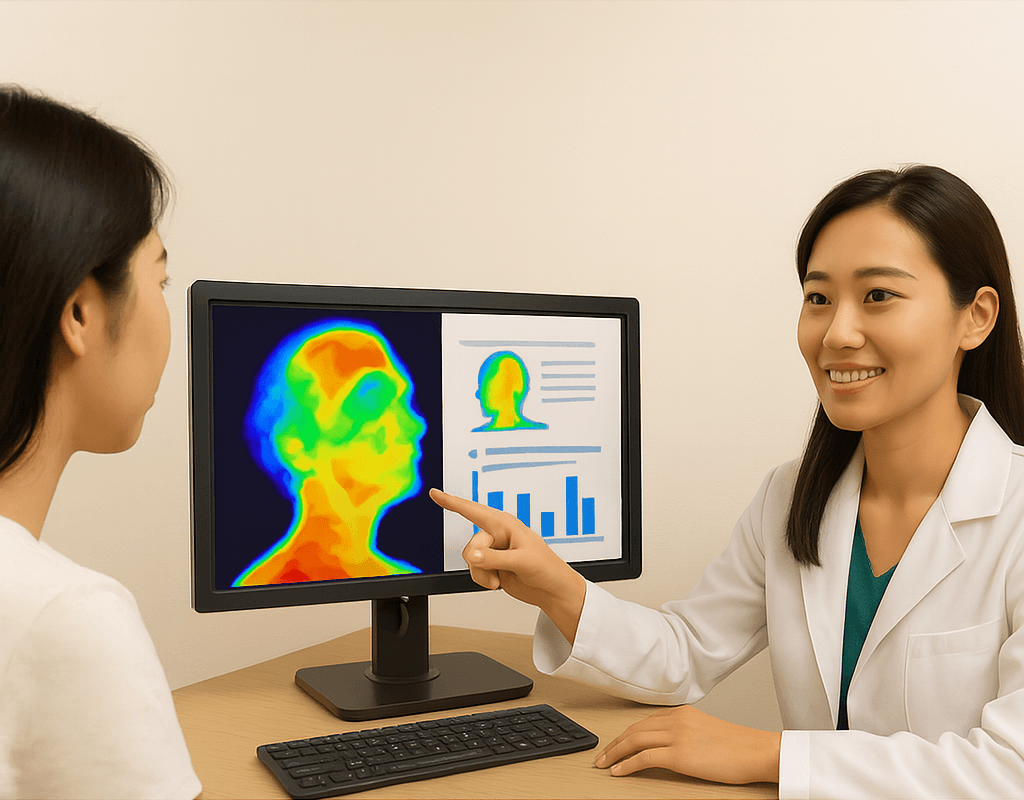
언제부터 그랬는지, 수면과 식사, 스마트폰 사용, 시험과 업무 스트레스를 자세히 살펴봅니다. ADHD나 우울증, 빈혈이 의심되면 필요한 검사를 안내해 드립니다. 심박변이도와 뇌파 검사로 긴장 상태를 확인합니다.
2단계. 긴장과 피로를 풉니다
침과 약침으로 머리와 목, 어깨의 긴장을 풉니다. 수험생은 시험 일정에 맞춰 치료 시기를 잡습니다.
3단계. 유형에 맞춰 바탕을 다스립니다
체질과 상태에 맞춰 한약을 짓습니다. 수면과 식사, 공부 시간과 쉬는 시간의 리듬을 함께 살핍니다.
4만 건의 처방 사례가 말해주는, 한방 맞춤 치료의 힘

집중력 저하 치료후기 총 2건
환자분들이 남긴 치료후기입니다. 본문은 로그인 후 보실 수 있습니다.

집중력 저하, 누가 진료하나요?
담당 의료진
대표원장 박재은

“병이 아니라 그 뒤의 사람을 봅니다”
경희대학교 한의학박사이자 여한의사입니다. 심리상담사 1급 자격, 20만명 차트분석과 4만건 이상의 한약 처방 경험을 바탕으로 진료합니다.
의료진 소개 더보기집중력 저하, 자주 묻는 질문
집중이 안 되면 ADHD인가요?
브레인포그와 어떻게 다른가요?
수험생은 언제 치료를 시작하면 좋나요?
ADHD 약과 한약을 같이 먹어도 되나요?
치료 기간은 얼마나 걸리나요?
생활에서 어떻게 관리해야 하나요?
해움한의원에서 집중력 저하를 진료하나요?
집중력 저하로 내원하려면 어떻게 하나요?
집중력 저하에 관해 알아두면 좋은 정보
3건집중력 저하과 관련해 정리한 건강정보입니다.
성인ADHD검사비용, 얼마가 적당할까요? 검사부터 치료까지 한 번에 정리
“집중이 안 되고 계속 산만한데… 검사 받아봐야 할까요?”해야 할 일은 쌓여 있는데,막상 앉으면 집중이 안 됩니다.중요한 일을 미루고,사소한 실수를 반복하고,감정도 쉽게 흔들립니다.“내가 원래 이런 성격인가?”“아니
브레인포그 증상과 영양제, 그런데 왜 쉽게 낫지 않을까요?
“머리가 멍하고 생각이 잘 안 돼요… 이것도 병일까요?”분명 잠도 잤고, 해야 할 일도 알고 있는데머릿속이 뿌옇게 흐려진 것처럼 정리가 안 될 때가 있습니다.말하려던 단어가 갑자기 떠오르지 않고,아까 들은 내용이 금
계속 멍하고 집중이 안 된다면? 브레인포그극복의 첫걸음
쉬어도 머리가 맑아지지 않는다면 다른 원인을 찾아야 합니다"분명 충분히 잤는데 머리가 멍해요.""방금 하려던 말을 잊어버렸어요.""책을 읽어도 같은 문장을 여러 번 읽게 됩니다."이런 경험이 반복된다면 단순한 피로나

이런 경우에는 미루지 말고 진료를 받으세요
아래 증상은 다른 질환일 수 있어 신경과나 정신건강의학과 등의 진료가 먼저 필요합니다. 말이 어눌하거나 팔다리 힘이 갑자기 빠지면 바로 응급실로 가세요.
- 기억력과 판단력이 몇 주 사이에 빠르게 나빠진다
- 머리를 다친 뒤 집중력이 떨어졌다
- 두통이나 구토, 시야 변화가 함께 있다
- 심한 우울감으로 아무것도 할 수 없다
- 갑작스러운 체중 변화나 심한 피로가 함께 있다
참고문헌 11편
[1]Killingsworth MA, Gilbert DT. A wandering mind is an unhappy mind. Science. 2010;330(6006):932. doi:10.1126/science.1192439. PMID: 21071660.
요약 스마트폰으로 일상의 생각과 감정을 수집한 연구입니다. 사람들은 지금 하는 일만큼이나 자주 다른 생각을 했고, 그럴 때 대체로 덜 행복했습니다.원문은 출판사 저작권 자료로, 위 링크에서 확인하실 수 있습니다.
[2]Arnsten AF. Stress signalling pathways that impair prefrontal cortex structure and function. Nat Rev Neurosci. 2009;10(6):410-422. doi:10.1038/nrn2648. PMID: 19455173.
요약 전전두엽은 스트레스에 가장 민감한 뇌 부위입니다. 가벼운 스트레스에도 인지 능력이 빠르게 떨어지고, 오랜 스트레스는 신경 구조까지 바꿉니다.원문은 출판사 저작권 자료로, 위 링크에서 확인하실 수 있습니다.
[3]Lim J, Dinges DF. A meta-analysis of the impact of short-term sleep deprivation on cognitive variables. Psychol Bull. 2010;136(3):375-389. doi:10.1037/a0018883. PMID: 20438143.
요약 70개 논문을 모은 분석입니다. 짧은 수면 박탈은 여러 인지 기능을 떨어뜨렸고, 단순 주의력이 끊기는 영향이 가장 컸습니다.원문은 출판사 저작권 자료로, 위 링크에서 확인하실 수 있습니다.
[4]Rock PL, Roiser JP, Riedel WJ, Blackwell AD. Cognitive impairment in depression: a systematic review and meta-analysis. Psychol Med. 2014;44(10):2029-2040. doi:10.1017/s0033291713002535. PMID: 24168753.
요약 우울증 환자는 실행 기능, 기억, 주의력이 떨어졌고, 우울 증상이 좋아진 뒤에도 실행 기능과 주의력의 저하가 남았습니다.원문은 출판사 저작권 자료로, 위 링크에서 확인하실 수 있습니다.
[5]Song P, Zha M, Yang Q, Zhang Y, Li X, Rudan I, et al. The prevalence of adult attention-deficit hyperactivity disorder: A global systematic review and meta-analysis. J Glob Health. 2021;11:04009. doi:10.7189/jogh.11.04009. PMID: 33692893.
초록 (Abstract)
Background: Adult attention-deficit hyperactivity disorder (ADHD) has recently attracted much attention, however, an up-to-date estimation on the prevalence of adult ADHD is lacking. In this study, we aimed to assess the global prevalence of adult ADHD in the general population through a systematic review and meta-analysis.
Methods: PubMed, Medline, Embase and PsycINFO were searched to identify relevant articles published from January 2000 onwards. Population-based studies that were conducted in the general adult population and quantified the prevalence of adult ADHD were included.
Results: The prevalence of persistent adult ADHD (with a childhood onset) and symptomatic adult ADHD (regardless of a childhood onset) both decreased with advancing age. By adjusting for the global demographic structure in 2020, the prevalence of persistent adult ADHD was 2.58% and that of symptomatic adult ADHD was 6.76%, translating to 139.84 million and 366.33 million affected adults in 2020 globally.
Conclusions: This study provides an up-to-date estimation of the global prevalence of both persistent and symptomatic adult ADHD. A well-defined strategy for diagnosing adult ADHD and large-scale investigations on the epidemiology of adult ADHD are needed.
결과 (Results)
Study selection and characteristics: Literature database searches identified 2346 records. After removal of duplicates, 1085 records were screened by title and abstract, resulting in 164 potentially eligible articles for full-text review. Finally, 40 unique articles, covering 30 countries, were included in this systematic review and meta-analysis, among which 20 reported prevalence data on symptomatic adult ADHD, 19 on persistent adult ADHD, and one on both (Figure 1). The geographic locations, characteristics, and quality assessments of the included articles are listed in Figure S1, Tables S4-S5 in the Online Supplementary Document.
All the diagnosis tools in the 40 articles were based on different versions of DSM. The majority (n = 35, 87.5%) of the 40 articles were published in the last decade (2010-2019), conducted in urban and rural mixed settings (n = 31, 77.5%), or with a quality score of six or above (n = 35, 87.5%). In addition, more than half of the included articles reported the sex-specific prevalence (n = 24, 60.0%), were with a sample size of >1000 (n = 25, 62.5%), or were conducted in HICs (n = 23, 57.5%). Moreover, almost half of the 40 articles provided age-specific prevalence of adult ADHD (n = 17, 42.5%), or were conducted in EUR (n = 17, 42.5%).
Pooled and stratified prevalence of adult ADHD: As shown in Table 1, the prevalence of persistent adult ADHD was reported in 20 articles involving 107 282 individuals. The pooled prevalence by random-effects meta-analysis was 4.61% (95% CI = 3.41-5.99), with high between-study heterogeneity (I2 = 98.8%; P < 0.001). By removing a single data point at one time in the sensitivity analysis, the pooled prevalence ranged from 4.22% (95% CI = 3.26-5.29) to 4.88% (95% CI = 3.69-6.22), and no studies were identified as potential outliers. The Egger's test provided evidence of small studies effect (P = 0.01) (see Figures S2-S4 in the Online Supplementary Document for more details). The prevalence of persistent adult ADHD was also estimated according to diagnostic tool, DSM version, sex, setting, investigation period, WHO region, and WB region, and it was revealed the prevalence of persistent adult ADHD was significantly lower in HICs (3.25%, 95% CI = 2.14-4.57) than in LMICs (8.00%, 95% CI = 3.79-13.57).
For symptomatic adult ADHD, the pooled prevalence was 8.83% (95% CI = 7.23-10.57) form 21 included articles involving 50 098 individuals. The between-study heterogeneity was also high (I2 = 97.6%; P < 0.001). According to the leave-one-out sensitivity analysis, the pooled prevalence varied from 8.25% (95% CI = 6.75-9.88) to 9.19% (95% CI = 7.52-10.99), no single study significantly influenced the overall pooled prevalence. Potential publication bias was suggested by funnel plot, Egger's test and Begg's test, respectively (Figures S5-S7 in Online Supplementary Document). According to the results of sub-group meta-analyses, the prevalence of symptomatic adult ADHD differed significantly across the six WHO regions.
Age-specific prevalence and the number of cases of adult ADHD in 2020: The relation between age and adult ADHD prevalence was established using multi-level mixed-effects meta-regression (Figure 2). By adjusting for the global demographic structure, the prevalence of persistent adult ADHD and symptomatic adult ADHD was 2.58% (95% CI = 1.51-4.45) and 6.76% (95% CI = 4.31-10.61) respectively in 2020 (Table 2 and Figure 3). Generally, the prevalence of persistent and symptomatic adult ADHD both decreased as age increased. The decreasing trend of prevalence with advancing age was more pronounced in persistent adult ADHD, where the prevalence in adults ranged from. 5.05% (95% CI = 3.12-8.07) at 18-24 years of age to 0.77% (95% CI = 0.3-1.96) at ≥60 years. For symptomatic adult ADHD, the estimated prevalence decreased from 8.99% (95% CI = 6.12-13.03) in people aged 18-24 years to 4.51% (95% CI = 2.15-9.32) in those aged 60 years and above. In 2020, a total of 139.84 million (95% CI = 81.64-240.99) people were affected by persistent adult ADHD, and 366.33 million (95% CI = 233.75-574.85) were by symptomatic adult ADHD. The age group that contributed the most adult ADHD cases was 18-24 years.
원문 발췌 · Song P, Zha M, Yang Q, Zhang Y, Li X, Rudan I, Global Health Epidemiology Reference Group (GHERG), J Glob Health 2021 · CC BY 4.0 라이선스에 따라 수정 없이 인용했습니다(본문 속 인용 번호는 생략).
[6]Cook RL, O'Dwyer NJ, Parker HM, Donges CE, Cheng HL, Steinbeck KS, et al. Iron Deficiency Anemia, Not Iron Deficiency, Is Associated with Reduced Attention in Healthy Young Women. Nutrients. 2017;9(11):E1216. doi:10.3390/nu9111216. PMID: 29113086.
초록 (Abstract)
Women of reproductive age are at increased risk for iron deficiency (ID) and iron deficiency anemia (IDA), with both implicated in decreased cognitive function (CF). Obesity may complicate this association via inflammatory-mediated ferritin elevation. This cross-sectional study examined the association between hematological iron status (iron replete (IR), ID or IDA) and CF in healthy, young (18–35 years) women of normal-weight (NW: BMI 18.5– 24.9 kg/m2) or obese-weight (OB: BMI >30 kg/m2). Participants completed a validated, computer-based cognition assessment evaluating impulsivity, attention, information processing, memory and executive function; CF reported as z-scores (mean ± SD). Iron status and CF were compared between groups via ANOVA, with adjustment for potential confounders (BMI, physical activity, C-reactive protein) via ANCOVA. A total of 157 NW and 142 OB women (25.8 ± 5.1 years) participated. Prevalence of ID and IDA were 14% and 6% respectively, with no significant difference between NW and OB groups. Women with IDA scored significantly lower on attention (although within normal range; ±1 z-score), compared to ID (IDA: −0.75 ± 1.89; ID: 0.53 ± 1.37; p = 0.004) but not IR (0.03 ± 1.33, p = 0.21) groups; there were no significant differences between ID and IR groups (p = 0.34). Adjustment for confounders did not significantly alter these results. In conclusion, women with IDA showed significantly reduced attention compared to women with ID.
결과 (Results)
3.1. Participant Characteristics: A total of 300 women were recruited to the study. All except one completed both study visits (NW: n = 157; OB: n = 142); complete data (blood, cognition results, BMI, PA and CRP) were available for 285 participants. All participants completing the study confirmed compliance to pre-testing conditions. The flow of participant recruitment is summarized in Figure 1. Major reasons for exclusion included: BMI outside of study limits (32%); depression or anxiety medications (15%); time constraints or geographical location (11%); current iron supplementation (6%); refusal of blood testing (5%); pregnancy or breastfeeding (5%); and age outside of study limits (4%).
Participant characteristics are summarized in Table 1. Average age was 25.8 ± 5.1 years, with OB women significantly older by approximately 2 years compared to NW women (p < 0.001). Overall mean years of education was 16.2 ± 2.2 years, with NW women reporting slightly but significantly longer duration of education than OB women. Over half of the participants had completed university education. The distribution of the highest qualification was significantly different between groups (p = 0.018), with more completing university in the NW and more completing technical college in the OB group.
The mean BMI of the OB group was significantly higher than the NW group (p < 0.001). Most (55%) of the OB women had BMIs consistent with Obese Class I (30.0–34.9 kg/m2), with lower proportions classified as Class II (BMI 35.0–39.9 kg/m2) and Class III (BMI 40.0 kg/m2). Waist circumference in 97% of the OB participants was above the recommended guidelines (80 cm) for reducing risk of metabolic disorders and cardiovascular disease. Furthermore, 85% of OB women had a waist measure above the threshold for very high risk of chronic disease (>88 cm). Total PA levels were significantly lower in the OB group (p < 0.001).
3.2. Iron and Inflammatory Status: Using the raw ferritin values, ID and IDA prevalence was 14% (n = 41) and 6% (n = 18), respectively. The proportion of participants with ID and IDA was not significantly different between the NW and OB groups (Table 2). After correction for inflammation, the percentage of women with ferritin levels consistent with ID increased to 20% (n = 60), with more in the OB than the NW group (NW: 14%; OB: 27%; p = 0.010). Total body iron was similar between NW and OB groups (Table 2) using both the raw and corrected serum ferritin levels. Comparison of inflammatory markers showed significantly higher mean CRP and α1GP levels in the OB group. Furthermore, a larger proportion of OB women showed elevated CRP and/or α1GP levels (Table 2).
3.3. Iron Status and Cognition: The cognitive function of the three groups based on iron status (IR, ID and IDA) was assessed across five domains: impulsivity, attention, information processing, memory and executive function. Complete data (blood, cognition, and confounders PA, BMI and CRP) were available and analyzed for 285 participants; of these, 80% were classified as IR, 14% ID and 6% IDA. Mean z-scores for each cognitive domain were within normal range (±1 z-score) for all iron status groups (Figure 2), with little difference between groups except in the attention domain. The z-scores for ID were similar to the IR group. Repeated measures ANOVA showed no overall group difference but there was a significant group × domain interaction (p < 0.01). Post-hoc analyses showed a significantly lower z-score on the attention domain in the IDA compared to ID group (p = 0.004) but not the IR group. Univariate analyses of the three groups also showed a significant effect for attention (p = 0.005). In light of the differences between groups in the standard errors for attention (Figure 2), non-parametric tests also were applied and confirmed the differences shown by the parametric tests, with IDA lower than ID (p = 0.012) but not IR.
3.4. Influence of Covariates on Iron Status and Cognition: Analysis of covariance was conducted to determine the potential influence of BMI, chronic inflammation (CRP) and PA (total MET-min/week) on cognitive function. The three covariates were similar between the three iron status groups (BMI: p = 0.074; CRP: p = 0.17; PA: p = 0.28).
The effect of each covariate on cognitive performance was first examined individually in separate ANCOVA models and then all three covariates were included in a single model to assess their overall effect on cognition. There were no overall group effects (p ≥ 0.18), but significant group × cognitive domain interactions were seen after adjusting for BMI (p < 0.001), CRP (p < 0.01) and PA (p < 0.01) separately and combined (p < 0.001). Post-hoc tests again showed significant differences between ID and IDA groups in the attention domain, after individual adjustment for each of the three covariates (BMI: p = 0.004; CRP: p = 0.004; IPAQ: p = 0.004) and combined adjustment (p = 0.004), but not between the IDA and IR (p ≥ 0.20) or ID and IR (p ≥ 0.32) groups. Univariate analysis of each cognitive domain across the three groups was significant in the attention domain after individual adjustment for each covariate (BMI: p = 0.002; CRP: p = 0.006; IPAQ: p = 0.005) and combined adjustment of all covariates in one ANCOVA model (p = 0.001). Therefore, the ANCOVAs did not change the overall finding of a significantly lower (but still in the normal range) attention domain z-score for the IDA group when compared with the ID group, but not compared to the IR group.
3.5. Corrected Ferritin Analysis: Reclassification of ID based on inflammatory status added 19 more participants with ID and yielded a similar pattern of results to the unadjusted ID data. Repeated measures ANOVA again showed no significant overall group difference across the five cognition domains (p = 0.54) and a significant group × domain interaction (p < 0.01), but the post-hoc test on the attention domain was now borderline (p = 0.063). The univariate test was still significant for IDA vs. ID on the attention domain (p = 0.03), as was the nonparametric test (p = 0.045). All ANCOVAs (using BMI, CRP, PA, individually and combined) showed precisely this same pattern of results.
3.6. Four-Variable Marker Model of Iron Status: Using the four-variable marker model resulted in the classification of 33 participants as ID without correction for inflammation and 42 after correction for inflammation (IDA was not defined by this method). Repeated measures analyses indicated no differences between ID and IR groups for any cognitive domain, regardless of ferritin-correction or adjustment for confounders (all p > 0.05).
3.7. Participant Location: Participants from metropolitan and regional locations were similar in age (p = 0.59) and BMI (p = 0.44). Their iron status also was similar, whether based on raw (p = 0.29) or corrected (p = 0.27) ferritin levels. Cognitive performance across all domains was equivalent in metropolitan and regional participants (p = 0.41).
원문 발췌 · Cook RL, O'Dwyer NJ, Parker HM, Donges CE, Cheng HL, Steinbeck KS, Cox EP, Franklin JL, Garg ML, Rooney KB, O'Connor HT, Nutrients 2017 · CC BY 4.0 라이선스에 따라 수정 없이 인용했습니다(본문 속 인용 번호는 생략).
[7]Kim SG, Park J, Kim HT, Pan Z, Lee Y, McIntyre RS. The relationship between smartphone addiction and symptoms of depression, anxiety, and attention-deficit/hyperactivity in South Korean adolescents. Ann Gen Psychiatry. 2019;18:1. doi:10.1186/s12991-019-0224-8. PMID: 30899316.
초록 (Abstract)
Background: Excessive smartphone use has been associated with numerous psychiatric disorders. This study aimed to investigate the prevalence of smartphone addiction and its association with depression, anxiety, and attention-deficit hyperactivity disorder (ADHD) symptoms in a large sample of Korean adolescents.
Methods: A total of 4512 (2034 males and 2478 females) middle- and high-school students in South Korea were included in this study. Subjects were asked to complete a self-reported questionnaire, including measures of the Korean Smartphone Addiction Scale (SAS), Beck Depression Inventory (BDI), Beck Anxiety Inventory (BAI), and Conners-Wells’ Adolescent Self-Report Scale (CASS). Smartphone addiction and non-addiction groups were defined using SAS score of 42 as a cut-off. The data were analyzed using multivariate logistic regression analyses.
Results: 338 subjects (7.5%) were categorized to the addiction group. Total SAS score was positively correlated with total CASS score, BDI score, BAI score, female sex, smoking, and alcohol use. Using multivariate logistic regression analyses, the odds ratio of ADHD group compared to the non-ADHD group for smartphone addiction was 6.43, the highest among all variables (95% CI 4.60–9.00).
Conclusions: Our findings indicate that ADHD may be a significant risk factor for developing smartphone addiction. The neurobiological substrates subserving smartphone addiction may provide insights on to both shared and discrete mechanisms with other brain-based disorders.
결과 (Results)
Among the 5051 students recruited for the study, 539 were excluded due to incomplete responses. Thus, a total of 4512 students (45.1% male, n = 2034; 54.9% female, n = 2478) were included in this study. The mean age of the subjects was 15.15 (SD = 1.62). The sociodemographic characteristics of the subjects are summarized in Table 1. For reference, 4060 students (87.8%) were smartphone owners (84.2% of male, n = 1718 of 2041; 90.6% of female, n = 2342 of 2584) among the 4625 students who responded to the question of smartphone ownership (426 did not respond).Table 1Demographic characteristics of the subjects (n = 4512) n %Age (mean ± SD)15.15 ± 1.62Sex Male203445.1 Female247854.9Grade year 7th89119.7 8th99422 9th68915.3 10th74916.6 11th77617.2 12th4139.2SES High121927 Middle255156.5 Low74216.4Family structure Both parents393987.3 Single parent49110.9 Other821.8SD standard deviation, SES socio-economic status
Table 2 shows clinical characteristics between smartphone addiction and normal groups. Of the 4512 participants, 338 (7.5%) were categorized to the addiction group, while 4174 belonged to the normal group. The mean age in the addiction group and normal group was 15.15 ± 1.63 and 15.09 ± 1.44, respectively, with no statistical difference between the groups (t = 0.744, p = 0.458). Furthermore, socio-economic status and family structure had no statistical difference between the groups (χ2 = 3.912, p = 0.141; χ2 = 0.685, p = 0.710). Apart from age, socio-economic status, and family structure, all other variables showed statistically significant differences between the addiction group and the normal group. These include: female sex (OR 1.75, 95% CI 1.38–2.21), depression (OR 4.15, 95% CI 3.26–5.28), anxiety (OR 4.41, 95% CI 3.43–5.64), cigarette smoking (OR 2.06, 95% CI 1.44–2.96), and alcohol use (OR 1.62, 95% CI 1.22–2.16). The largest difference among all variables was noted with ADHD symptoms. Compared to 26.0% of addiction group also belonging to the ADHD group, only 3.4% in the normal group were in the ADHD group. The odds ratio for smartphone addiction in ADHD group compared to non-ADHD was 10.14 (χ2 = 335.003, p < 0.001).Table 2Comparison of clinical characteristics between the addiction and normal groupVariablesTotal (n = 4512)Addiction group (n = 338)Normal group (n = 4174) χ 2 OR95% CIn (%)n (%)n (%)Sex22.108***1.751.38–2.21 Male2034 (45.1)111 (32.8)1923 (46.1) Female2478 (54.9)227 (67.2)2251 (53.9)SES3.912 High1219 (27.0)83 (24.6)1136 (27.2) Middle2551 (56.5)187 (55.3)2364 (56.6) Low742 (16.5)68 (20.1)674 (16.1)Family structure0.685 Both parents3939 (87.3)292 (86.4)3647 (87.4) Single parent491 (10.9)38 (11.2)453 (10.9) Other82 (1.8)8 (2.4)74 (1.8)Depression153.003***4.153.26–5.28 Yes622 (13.8)122 (36.1)500 (12.0) No3890 (86.2)216 (63.9)3674 (88.0)Anxiety157.998***4.413.43–5.64 Yes528 (11.7)111 (32.8)417 (10.0) No3984 (88.3)227 (67.2)3757 (90.0)ADHD335.269***10.147.54–13.63 Yes228 (5.1)88 (26.0)140 (3.4) No4284 (94.9)250 (74.0)4034 (96.6)Smoking16.12***2.061.44–2.96 Yes279 (6.2)38 (11.2)241 (5.8) No4233 (93.8)300 (88.8)3933 (94.2)Alcohol11.354**1.621.22–2.16 Yes598 (13.3)65 (19.2)533 (12.8) No3914 (86.7)273 (80.8)3641 (87.2)SES socio-economic status, ADHD Attention-Deficit Hyperactivity Disorder, OR odds ratio, CI confidence interval** p < 0.01, *** p < 0.001
Table 3 shows the Pearson correlation coefficients of smartphone addiction with other variables. Total smartphone addiction score showed greatest correlation with total CASS score (r = 0.427, p < 0.001). The total SAS score was also associated with total BDI score, total BAI score, female sex, smoking group, and alcohol use group in a statistically significant manner.Table 3Pearson’s correlations of variables12345671. Sex12. SAS0.127**13. BDI0.145**0.327**14. BAI0.100**0.320**0.654**15. CASS− 0.037**0.427**0.539**0.559**16. Smoking group− 0.186**0.090**0.071**0.087**0.142**17. Alcohol group− 0.124**0.078**0.092**0.115**0.137**0.407**1Sex, smoking group and alcohol group was used as dummy variable (female = 1, smoking group = 1, alcohol group = 1)SAS smartphone addiction scores, BDI Beck Depression Inventory, BAI Beck Anxiety Inventory, CASS Conners-Wells’ Adolescent Self-Report Scale** p < 0.01
To identify the variables associated with smartphone addiction, multivariate logistic regression analyses were performed. All variables showing statistically significant difference between addiction group and normal group were entered and analyzed using backward method. In the goodness-of-fit test of the regression analysis model, the − 2 log likelihood was 2110.304 and statistically significant (p < 0.001). In the first model tested, alcohol use had no statistically significant effect on smartphone addiction (B = 0.161, OR = 1.174 p = 0.375, 95% CI 0.823–1.675) and was, thus, removed from the final model. Table 4 shows the final model of the analysis; the odds ratio for smartphone addiction of female sex to males was 2.01 (95% CI 1.54–2.61). Odds ratio of ADHD group compared to non-ADHD group for smartphone addiction was 6.43, highest among all variables (95% CI 4.60–9.00).Table 4Multivariate binary logistic regression B SEWaldOR95% CIFemale0.7000.13427.3202.01***1.54–2.61Depression group0.6440.15417.5441.90***1.40–2.57Anxiety group0.6280.16115.2131.87***1.36–2.56ADHD group1.8620.171118.1996.43***4.60–9.00Smoking group0.7170.2111.7052.04**1.35–3.09All variables was used as dummy variable (female = 1, depression group = 1, anxiety group = 1, ADHD group = 1, smoking group = 1)ADHD Attention-Deficit Hyperactivity Disorder, OR odds ratio, CI confidence interval** p < 0.01, *** p < 0.001
원문 발췌 · Kim SG, Park J, Kim HT, Pan Z, Lee Y, McIntyre RS, Ann Gen Psychiatry 2019 · CC BY 4.0 라이선스에 따라 수정 없이 인용했습니다(본문 속 인용 번호는 생략).
[8]Cortese S, Adamo N, Del Giovane C, Mohr-Jensen C, Hayes AJ, Carucci S, et al. Comparative efficacy and tolerability of medications for attention-deficit hyperactivity disorder in children, adolescents, and adults: a systematic review and network meta-analysis. Lancet Psychiatry. 2018;5(9):727-738. doi:10.1016/s2215-0366(18)30269-4. PMID: 30097390.
초록 (Abstract)
Background: The benefits and safety of medications for attention-deficit hyperactivity disorder (ADHD) remain controversial, and guidelines are inconsistent on which medications are preferred across different age groups. We aimed to estimate the comparative efficacy and tolerability of oral medications for ADHD in children, adolescents, and adults.
Methods: We did a literature search for published and unpublished double-blind randomised controlled trials comparing amphetamines (including lisdexamfetamine), atomoxetine, bupropion, clonidine, guanfacine, methylphenidate, and modafinil with each other or placebo. We systematically contacted study authors and drug manufacturers for additional information. Primary outcomes were efficacy (change in severity of ADHD core symptoms based on teachers' and clinicians' ratings) and tolerability (proportion of patients who dropped out of studies because of side-effects) at timepoints closest to 12 weeks, 26 weeks, and 52 weeks. We estimated summary odds ratios (ORs) and standardised mean differences (SMDs) using pairwise and network meta-analysis with random effects. We assessed the risk of bias of individual studies with the Cochrane risk of bias tool and confidence of estimates with the Grading of Recommendations Assessment, Development, and Evaluation approach for network meta-analyses. This study is registered with PROSPERO, number CRD42014008976.
Findings: 133 double-blind randomised controlled trials (81 in children and adolescents, 51 in adults, and one in both) were included. The analysis of efficacy closest to 12 weeks was based on 10 068 children and adolescents and 8131 adults; the analysis of tolerability was based on 11 018 children and adolescents and 5362 adults. The confidence of estimates varied from high or moderate (for some comparisons) to low or very low (for most indirect comparisons). For ADHD core symptoms rated by clinicians in children and adolescents closest to 12 weeks, all included drugs were superior to placebo (eg, SMD −1·02, 95% CI −1·19 to −0·85 for amphetamines, −0·78, −0·93 to −0·62 for methylphenidate, −0·56, −0·66 to −0·45 for atomoxetine). By contrast, for available comparisons based on teachers' ratings, only methylphenidate (SMD −0·82, 95% CI −1·16 to −0·48) and modafinil (−0·76, −1·15 to −0·37) were more efficacious than placebo. In adults (clinicians' ratings), amphetamines (SMD −0·79, 95% CI −0·99 to −0·58), methylphenidate (−0·49, −0·64 to −0·35), bupropion (−0·46, −0·85 to −0·07), and atomoxetine (−0·45, −0·58 to −0·32), but not modafinil (0·16, −0·28 to 0·59), were better than placebo. With respect to tolerability, amphetamines were inferior to placebo in both children and adolescents (odds ratio [OR] 2·30, 95% CI 1·36–3·89) and adults (3·26, 1·54–6·92); guanfacine was inferior to placebo in children and adolescents only (2·64, 1·20–5·81); and atomoxetine (2·33, 1·28–4·25), methylphenidate (2·39, 1·40–4·08), and modafinil (4·01, 1·42–11·33) were less well tolerated than placebo in adults only. In head-to-head comparisons, only differences in efficacy (clinicians' ratings) were found, favouring amphetamines over modafinil, atomoxetine, and methylphenidate in both children and adolescents (SMDs −0·46 to −0·24) and adults (−0·94 to −0·29). We did not find sufficient data for the 26-week and 52-week timepoints.
Interpretation: Our findings represent the most comprehensive available evidence base to inform patients, families, clinicians, guideline developers, and policymakers on the choice of ADHD medications across age groups. Taking into account both efficacy and safety, evidence from this meta-analysis supports methylphenidate in children and adolescents, and amphetamines in adults, as preferred first-choice medications for the short-term treatment of ADHD. New research should be funded urgently to assess long-term effects of these drugs.
Funding: Stichting Eunethydis (European Network for Hyperkinetic Disorders), and the UK National Institute for Health Research Oxford Health Biomedical Research Centre.
결과 (Results)
The literature search, study selection, and data extraction were done between Jan 11, 2014, and Sept 9, 2017, and data analysis was done from Sept 10, 2017, to Feb 24, 2018. The study selection process is shown in figure 1; a list of excluded studies, with reasons for exclusion, and a list of retained studies is provided in the appendix (pp 26–272). 133 studies were retained for the network meta-analysis, 81 in children and adolescents, 51 in adults, and one including children, adolescents, and adults. In total, 14 346 children and adolescents and 10 296 adults were included. For 83% of studies, additional data and information not reported in the full-text paper were used. The appendix (pp 283–381) reports the main characteristics of included studies. The risk of bias was rated overall low in 23·5% of studies in children and adolescents, unclear in 65·4%, and high in 11·1%. The risk of bias was overall low in 27·5% of studies in adults, unclear in 56·8%, and high in 15·7% (appendix pp 382–458).
Figure 2 shows the network plots for the primary outcomes closest to 12 weeks. Network plots for secondary outcomes are reported in the appendix (pp 624–29). Results of the pairwise meta-analyses and related heterogeneity are reported in the appendix (pp 459–71). Results of the network meta-analyses of primary outcomes at 12 weeks are shown in figure 3, Table 1, Table 2, and the appendix (pp 472, 473). Table 1, Table 2 also show the confidence of estimates for every comparison. Figure 4 summarises data for efficacy (in 10 068 children and adolescents and 8131 adults) and tolerability (in 11 018 children and adolescents and 5362 adults).
With respect to ADHD core symptoms rated by clinicians in children and adolescents, all drugs were superior to placebo (figure 3, table 1). In adults, amphetamines, methylphenidate, bupropion, and atomoxetine were superior to placebo, but modafinil was not superior to placebo; no data were available for guanfacine and clonidine. In children, adolescents, and adults, amphetamines were significantly superior to modafinil, atomoxetine, and methylphenidate (table 1). Additionally, in children and adolescents, amphetamines were superior to guanfacine and methylphenidate was superior to atomoxetine. In adults, methylphenidate, atomoxetine, and bupropion were superior to modafinil. By contrast, according to teachers' ratings of children's ADHD core symptoms, only methylphenidate and modafinil were superior to placebo (no data were available for amphetamines and clonidine; table 1).
With respect to tolerability, in children and adolescents, only guanfacine and amphetamines were less well tolerated than placebo (figure 3, table 2). In adults, modafinil, amphetamines, methylphenidate, and atomoxetine were inferior to placebo (no data were available for guanfacine and clonidine). No differences in tolerability were noted between active drugs, in children, adolescents, and adults.
In children and adolescents, the common heterogeneity SD for efficacy (teachers' and clinicians' ratings) and tolerability was 0·355, 0·188, and 0·268, respectively. In adults, the common heterogeneity SD for efficacy rated by clinicians and tolerability was 0·178 and 0·282, respectively. The test of global inconsistency did not show any significant difference for the primary outcomes. Additional details are reported in the appendix (p 474).
Parents' ratings of their child's ADHD core symptoms and adults' self-ratings of their own ADHD core symptoms, with respect to efficacy of active drugs versus placebo, were similar to clinicians' ratings. Exceptions were guanfacine, which was not superior to placebo according to parents' ratings (SMD −0·23, 95% CI −0·90 to 0·45), and bupropion, which was not superior to placebo with respect to parents' ratings (0·24, −0·44 to 0·92) and adults' self-reports (−0·30, −0·61 to 0·01; appendix pp 475–76).
In children and adolescents, all compounds were superior to placebo on the CGI-I scale, except for clonidine (OR 2·78, 95% CI 0·91–8·53). In adults, amphetamines (4·86, 3·30–7·17), bupropion (3·43, 1·45–8·14), and methylphenidate (3·08, 2·04–4·65) were superior to placebo on the CGI-I scale (appendix p 476).
Weight was decreased significantly by amphetamines (in children and adolescents, SMD −0·71, 95% CI −1·15 to −0·27; in adults, −0·60, −1·03 to −0·18), methylphenidate (in children and adolescents, −0·77, −1·09 to −0·45; in adults, −0·74, −1·20 to −0·28), atomoxetine (in children and adolescents, −0·84, −1·16 to −0·52), and modafinil (in children and adolescents, −0·93, −1·59 to −0·26), compared with placebo (appendix pp 476, 477). Systolic blood pressure was increased with use of amphetamines (SMD 0·09, 95% CI 0·01–0·18) and atomoxetine (0·12, 0·02–0·22) in children and adolescents, and with use of methylphenidate (0·17, 0·05–0·30) in adults, compared with placebo (appendix p 477). Use of amphetamines (0·21, 0·12–0·31), atomoxetine (0·28, 0·18–0·37), and methylphenidate (0·24, 0·14–0·33) in children and adults, and atomoxetine (0·19, 0·08–0·30) and methylphenidate (0·20, 0·08–0·32) in adults, significantly increased diastolic blood pressure compared with placebo (appendix p 478).
For acceptability, compared with placebo, methylphenidate (OR 0·69, 95% CI 0·52–0·91) in children and adolescents and amphetamines (0·68, 0·49–0·95) in adults were significantly better (appendix p 478).
In subgroup and sensitivity analyses, data were sufficient to assess the effect of study length, comorbidities, IQ, crossover design, unfair dose comparisons, and data imputation. Findings of these analyses were generally robust (appendix pp 479–91). Because of a paucity of data, we could not assess the effect of gender, age (children vs adolescents), low risk of bias, medication status, and industry sponsorship. Sensitivity analyses investigating the effect of different maximum doses confirmed the results of the primary dose analysis (appendix pp 492–575).
Post-hoc analyses separating lisdexamfetamine from other amphetamines highlighted some differences. In children, lisdexamfetamine was less well tolerated compared with placebo (OR 2·69, 95% CI 1·40–5·16), whereas tolerability of the other amphetamines was slightly better (1·83, 0·84–4·02); in adults, the opposite pattern emerged (vs placebo: lisdexamfetamine, 2·74, 0·80–9·30; other amphetamines, 3·66, 1·36–9·87). Network meta-analyses heterogeneity for the dose and post-hoc analyses are reported in the appendix (pp 576–78).
Data for network meta-analyses inconsistency and SUCRA and mean rank are reported in the appendix (pp 579–85). Empirical heterogeneity variance for continuous outcomes for drug versus placebo comparisons was 0·05 (50% percentile) and 0·24 (75% percentile); for binary outcomes it was 0·12 (50% percentile) and 0·34 (75% percentile). Funnel plots are shown in the appendix (pp 630–32). We retained only a few studies—all in adults—with reported outcomes closest to 26 weeks or 52 weeks (appendix pp 586–88); therefore results for outcomes at these timepoints were deemed not informative.
Of 42 mixed comparisons (ie, combining direct and indirect evidence), the confidence in estimate for primary outcome comparisons was rated as very low in 13 comparisons, low in 18, moderate in ten, and high in one. Of 59 indirect comparisons, the confidence in estimate was very low in 37 comparisons, low in 20, and moderate in two (appendix pp 589–623, 633–43).
원문 발췌 · Cortese S, Adamo N, Del Giovane C, Mohr-Jensen C, Hayes AJ, Carucci S, Atkinson LZ, Tessari L, Banaschewski T, Coghill D, Hollis C, Simonoff E, Zuddas A, Barbui C, Purgato M, Steinhausen HC, Shokraneh F, Xia J, Cipriani A, Cipriani A, Lancet Psychiatry 2018 · CC BY 4.0 라이선스에 따라 수정 없이 인용했습니다(본문 속 인용 번호는 생략).
[9]Seo JC, Jon DI, Shim SH, Sung HM, Woo YS, Hong J, et al. Prevalence and Comorbidities of Attention Deficit Hyperactivity Disorder Among Adults and Children/Adolescents in Korea. Clin Psychopharmacol Neurosci. 2022;20(1):126-134. doi:10.9758/cpn.2022.20.1.126. PMID: 35078955.
요약 우리나라 건강보험 자료 분석입니다. 2008~2018년 성인 ADHD 진단은 10.1배 늘었고, 성인 환자의 61.84%가 다른 정신건강 질환을 함께 가지고 있었습니다.원문은 출판사 저작권 자료로, 위 링크에서 확인하실 수 있습니다.
[10]Singh B, Bennett H, Miatke A, Dumuid D, Curtis R, Ferguson T, et al. Effectiveness of exercise for improving cognition, memory and executive function: a systematic umbrella review and meta-meta-analysis. Br J Sports Med. 2025;59(12):866-876. doi:10.1136/bjsports-2024-108589. PMID: 40049759.
요약 체계적 고찰 133편을 모은 분석입니다. 운동은 전반적 인지 기능, 기억, 실행 기능을 높였고 어린이와 청소년에서 기억·실행 기능의 효과가 더 컸습니다.원문은 출판사 저작권 자료로, 위 링크에서 확인하실 수 있습니다.
[11]Wong YW, Kim DG, Lee JY. Traditional Oriental Herbal Medicine for Children and Adolescents with ADHD: A Systematic Review. Evid Based Complement Alternat Med. 2012;2012:520198. doi:10.1155/2012/520198. PMID: 23346205.
초록 (Abstract)
Objective. To evaluate the efficacy of traditional Oriental herbal medicines (TOHM) for children and adolescents with ADHD. Methods. Randomized clinical trials published from January 1, 1990, to December 31, 2010, in English, Chinese, Japanese, or Korean language which evaluated the use of TOHM on ADHD subjects of 18 years old or below, diagnosed based on DSM-IV, were searched from MEDLINE, EMBASE, PsyINFO, Cochrane Library, and 10 other databases. Results. Twelve studies involving 1189 subjects met the inclusion criteria. In general, the included studies claimed that TOHM has similar efficacy to methylphenidate and at the same time has fewer side effects compared to methylphenidate. Some studies also suggested that the effect of TOHM sustained better than methylphenidate. However, solid conclusions could not be drawn because the included studies were not of high quality. Risk of bias issues such as randomization, allocation, concealment and blinding were not addressed in most of the studies, and the risk of publication bias could not be ruled out. Conclusion. Currently, there is not strong evidence to say that TOHM is effective in treating the core symptoms of ADHD.
결과 (Results)
The search came up with 1240 results, and 12 studies involving 1189 subjects were included in this review (see Figure 1 for included studies selection).
All of the studies included in this review were conducted in China as single-centre trials. Five results in Japanese and eighteen results in Korean were identified. Only one Japanese article was about a clinical trial; however the trial was not a randomized trial and was therefore not selected.
Among the twelve included studies, none included the information on how sample size was derived and whether the study was statistically powered. The length of study ranged from 4 weeks to 24 weeks. Six studies had follow-up observation on subjects, ranging from 2 weeks to 12 months after finishing treatment, to evaluate whether the intervention sustained effectiveness after treatment is stopped while the other six studies did not report if follow-up observations were conducted. Ten of the included studies reported homogeneity of baseline characteristics, but only seven showed relevant descriptive statistical data. Two studies did not report if baseline characteristics of subjects were homogenous. Only one of the studies specified the subtype of ADHD subjects included in the study. Characteristics of included studies are summarized in Table 1.
3.1. Assessment of Risk of Bias: In general, the risk of bias in the included articles is unclear. Very limited information was revealed in the studies to enable the reviewers to tell if the included studies were at risk of bias.
Only one of the included studies described how randomization was done, but the study used two randomization methods where part of the subjects were randomized using a random number table while part were allocated to the treatment or control groups by their patient record numbers. The allocation concealment issue was not addressed in any of the included studies.
The blinding method was also not addressed in most of the studies, and only two of the included studies claimed to be a double-blind trial. Li et al. (1999) described the blinding method, which was to include a placebo resembling methylphenidate in the treatment group and a placebo that looked like the corresponding TOHM in the control group. Wang et al. (2003) did not describe how blinding was done.
Most of the studies indicated no missing data. However, Ma et al. (2007) did not specify the initial number of subjects so it could not be determined if there was any participant drop-out. Ma et al. (2007) reported seven drop-outs but no explanations were provided, and it was unclear whether the drop-outs were from the treatment group or the control group. In another study, three subjects were excluded and there were five drop-outs, but the reasons were not sufficiently provided. Among those eight subjects, it is only known that four of the drop-outs were reported to have terminated the study due to adverse effect of methylphenidate. Those three studies were considered to have unknown risk of bias on incomplete outcome data.
Study protocols were not available for any of the included studies, therefore it could not be discerned whether all pre-specified outcomes were reported. Lai and Li (2006) did not report the baseline score before treatment and score after treatment. Xu (2005) did not report the baseline score of rating. The two studies were considered to have high risk of reporting bias.
The risk of bias graph and summary are presented in Figures 2 and 3, respectively.
3.2. Diagnosis and Assessment of the Disorder: Although all included studies specified the diagnostic criteria and method to assess treatment effect, only one study specified who completed the rating questionnaire or did the rating assessment. None of the studies addressed under which setting the assessment was done. Also, the language of assessment tools was not specified. It was not clear if the assessment tools were validated in cases where they were translated into another language.
3.3. Treatment Effectiveness: The herbal formulae used in the included twelve studies varied, and dosage forms of decoction, granules, oral liquids, pill, and so forth were used. Nine studies provided the ingredients of the formulae, but among them five did not specify the amount of each herb used in the formula, and therefore there was very little information on drug to extract ratio. Three studies did not provide the formula at all. None of the studies mentioned how the herbal medicines used were standardized. The details of the herbal ingredients used in the included studies, their dosage form, and daily dose are presented in Table 2.
Among the twelve studies, there were ten 2-arm studies that compared the effectiveness of TOHM to methylphenidate, and one 3-arm study which included a TOHM treatment group, a TOHM control group, and methylphenidate control group. These studies claimed that TOHM had no significant difference on effectiveness compared to methylphenidate. However, seven of them did not conduct statistical analyses to demonstrate whether there was significant efficacy compared to the baseline.
The remaining one of the twelve included studies evaluated the net effect of TOHM by having a combined treatment group of TOHM and methylphenidate, and a methylphenidate control group. The study reported that TOHM and methylphenidate worked better in combination than methylphenidate alone, with statistically significant differences when comparing the rate of effectiveness of the two groups.
3.4. Follow-Up Observation on Effectiveness: Among the included studies, six had follow-up observations to evaluate the sustainability of treatment effect of core symptom after stopping medication, while the other six studies did not specify if follow-up observation was done. The follow-up period varied from 2 weeks to 12 months after stopping the treatment. For the six studies with follow-up observation, five compared the treatment effect of TOHM and methylphenidate after stopping medication and all reported the effect of TOHM sustained better compared to methylphenidate. The remaining one only followed up on the effect of the TOHM treatment group.
3.5. Safety and Side Effects: In general, TOHM was claimed to have fewer side effects than methylphenidate. Eight of the included studies discussed side effects. In general, more cases of side effect were reported in the methylphenidate control group than the TOHM treatment group. Two studies reported no cases of side effect in the TOHM treatment group. Cheng et al. (2006) reported that among the side effect cases in their study, dry mouth, sweating, nausea, weight loss, loss of appetite, and headache were significantly fewer in the TOHM treatment group compared to the methylphenidate control group (P < 0.05). Lai and Li (2006) reported that cases of loss of appetite and drowsiness were significantly fewer (P < 0.05). Lin et al. (2007) reported that cases of sleeplessness, dizziness/headache, sweating, dry mouth, nausea, loss of appetite, weight loss, and constipation were significantly fewer in the treatment group than the control group (P < 0.01). Xu (2005) compared the average score of Treatment Emergent Symptoms Scale (TESS) in the treatment group and the control group, and reported that the average score was significantly higher in the control group (P < 0.01). Four other studies also claimed to have used TESS to evaluate side effects but scores were not reported.
Three studies performed liver function tests, renal function tests, and/or ECGs on subjects after treatment and results showed that subjects had no impairment on liver function, renal function, and/or cardiac function after treatment with TOHM and methylphenidate, suggesting that both TOHM and methylphenidate do not cause any significant safety concern on treatment of ADHD, at least in the short term.
원문 발췌 · Wong YW, Kim DG, Lee JY, Evid Based Complement Alternat Med 2012 · CC BY 3.0 라이선스에 따라 수정 없이 인용했습니다(본문 속 인용 번호는 생략).