
양천구 목동 수험생 피로 한의원
수험생 피로
학원에서 돌아오면 가방도 못 내려놓고 눕습니다. 아침에는 일어나기 힘들고, 책상 앞에서는 자꾸 졸고, 작은 말에도 예민해집니다. 시험이 다가올수록 깊어지는 이 지침이 수험생 피로입니다.
수험생 피로 한눈에 보기
- 수험생 피로는 수면 부족과 시험 스트레스가 쌓여 몸과 머리가 함께 지친 상태입니다.
- 우리나라 고등학생의 평일 밤 수면은 평균 6시간이 채 되지 않는다는 조사가 있습니다.
- 카페인으로 버티기보다 수면과 긴장, 소화를 함께 살펴야 시험까지 체력을 유지할 수 있습니다.
- 치료후기 1건
수험생 피로란?
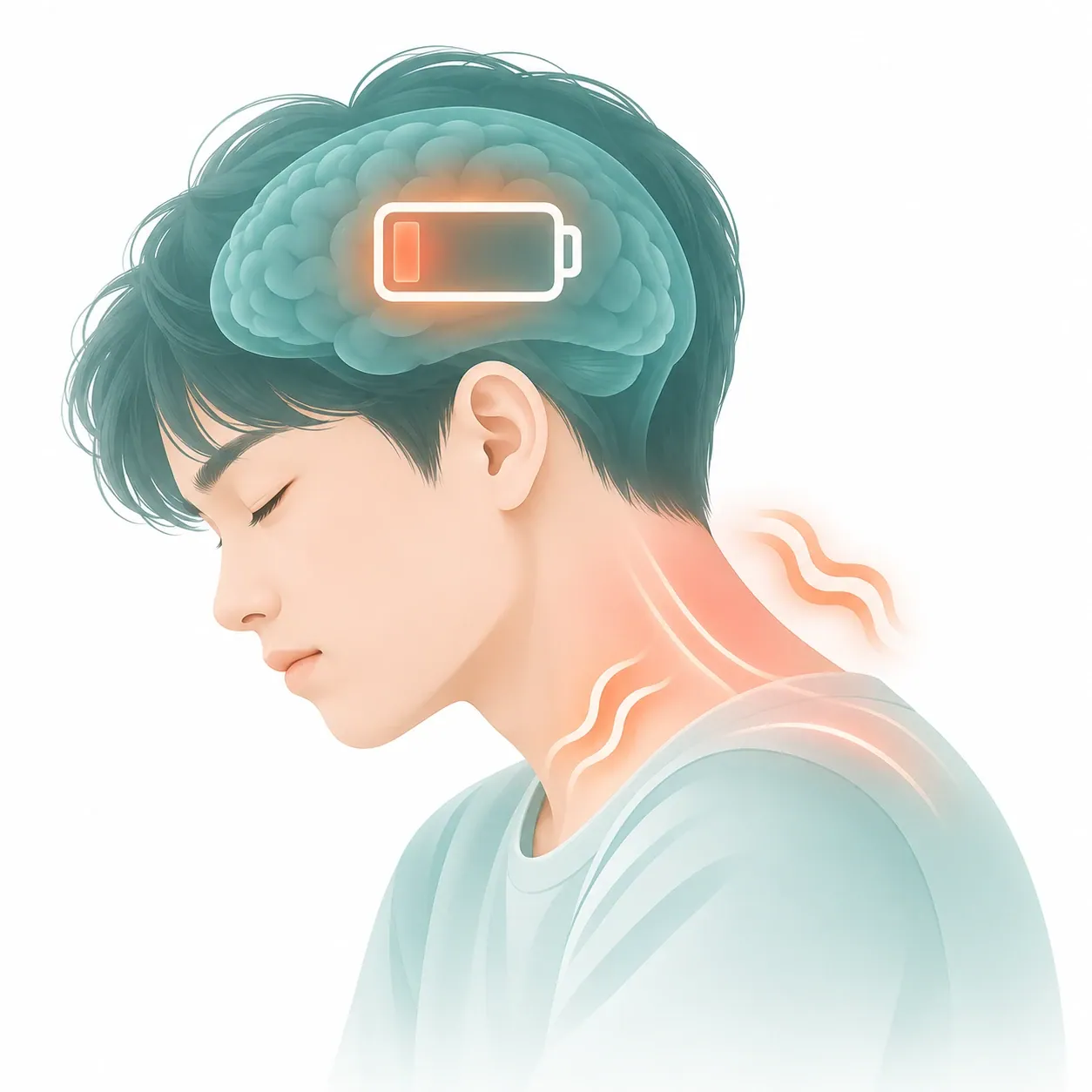
수험생 피로는 병 이름이 아닙니다. 오래 앉아 공부하고, 잠을 줄이고, 시험을 걱정하는 날이 이어지면서 몸과 머리가 함께 지친 상태를 말합니다. 쉬어도 개운하지 않고, 체력과 집중력, 기분이 같이 떨어지는 것이 특징입니다.
우리나라 고등학생은 평일 밤에 평균 5.78시간을 잤고, 낮에 졸릴수록 학교 성적과 정서 상태가 나빴습니다[1]. 잠을 줄여 공부 시간을 늘리는 방식이 오히려 공부의 효율을 떨어뜨릴 수 있습니다.
이런 증상이 있나요?
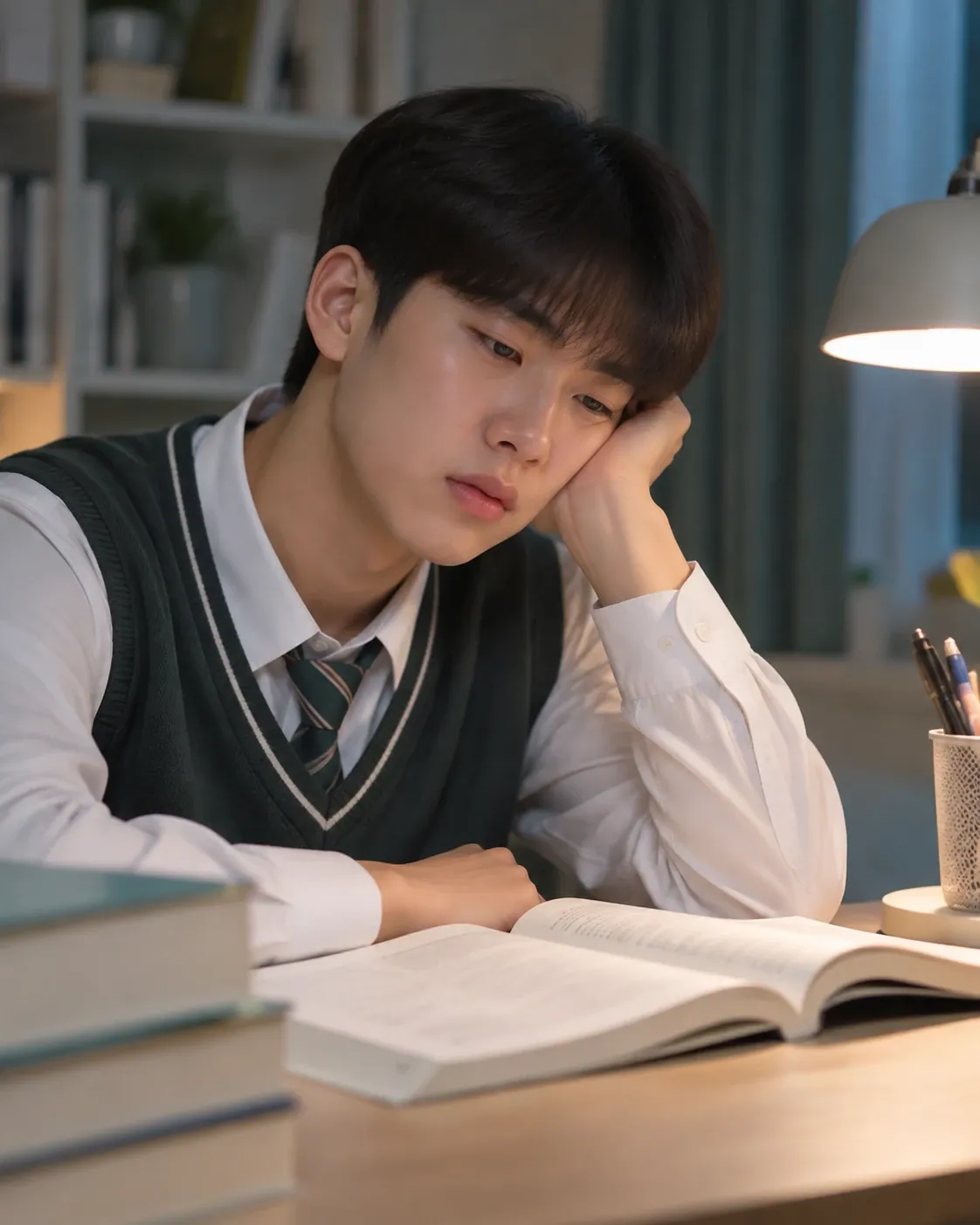
- 자도 개운하지 않고 아침에 일어나기 힘들다
- 책상 앞에 앉으면 자꾸 졸린다
- 집에 오면 아무것도 못 하고 눕는다
- 입맛이 없거나 시험 때마다 배가 아프다
- 작은 일에도 짜증이 나고 예민해진다
- 뒷목과 어깨가 뻐근하고 머리가 무겁다
- 커피나 에너지 음료 없이는 버티기 힘들다
진료에서는 공부 시간과 수면, 식사, 카페인, 시험 일정을 함께 듣습니다. 피로가 몇 주 넘게 이어지거나 체중이 줄면 빈혈, 갑상선 질환 같은 몸의 병도 확인합니다.
수험생 피로는 왜 생기나요?
- 수면 부족과 들쭉날쭉한 수면 시간
- 성적과 시험에 대한 스트레스
- 오래 앉아 있는 자세와 운동 부족
- 불규칙한 식사와 약해진 소화
- 카페인과 에너지 음료
- 늦은 밤의 스마트폰 사용
가장 먼저 살필 것은 잠입니다. 대학생 88명을 추적한 연구에서 시험 전날 하룻밤의 잠은 성적과 관련이 없었고, 시험 전 한 달과 한 주의 수면이 성적과 관련이 있었습니다[2]. 시험 날만 푹 자는 것으로는 부족하다는 뜻입니다.
카페인으로 버티는 습관도 살펴봐야 합니다. 에너지 음료를 일주일에 5번 이상 마시는 청소년은 잠에 불만족할 가능성이 1.64배, 심한 스트레스를 느낄 가능성이 2.23배 높았습니다[3].
수험생 피로의 표준 치료
수험생 피로에 정해진 표준 치료는 없습니다. 몸의 병을 먼저 가리고, 수면과 운동, 식사를 바로잡는 것이 기본입니다. 학업 스트레스가 높을수록 불안과 우울이 높았고, 잠과 운동이 그 사이에 관여했습니다[4].
다만 수험생은 잠과 운동을 마음껏 늘리기 어렵습니다. 그래서 같은 시간을 공부해도 덜 지치는 몸을 만드는 것이 중요합니다. 한의학 치료는 이 바탕을 다스립니다.
귀 지압은 의대생의 시험 불안 점수를 18.4점에서 13.3점으로 낮췄고, 가짜 지압은 변화가 없었습니다[5]. 한 번의 침 치료가 가짜 치료와 차이가 없었던 연구도 있습니다[6]. 인삼은 피로를 줄인 결과가 있었지만 신체 수행력에는 차이가 없었습니다[7].
해움한의원은 이렇게 치료합니다
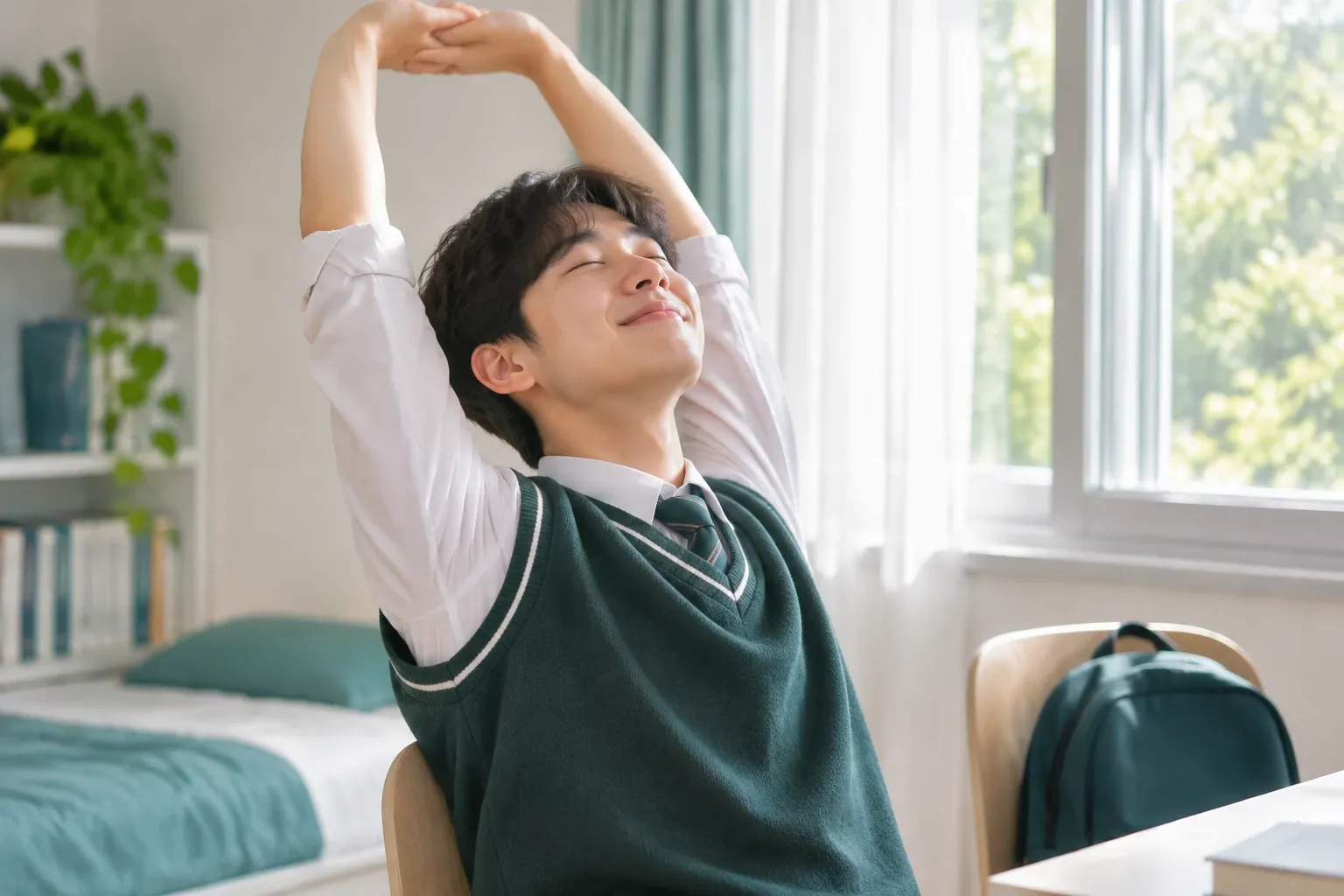
해움한의원은 수험생의 지친 몸만이 아니라, 긴장과 소화, 수면을 함께 살핍니다. 시험 일정에 맞춰 무리가 없도록 치료를 계획합니다.
1단계. 피로의 원인과 시험 일정을 살핍니다
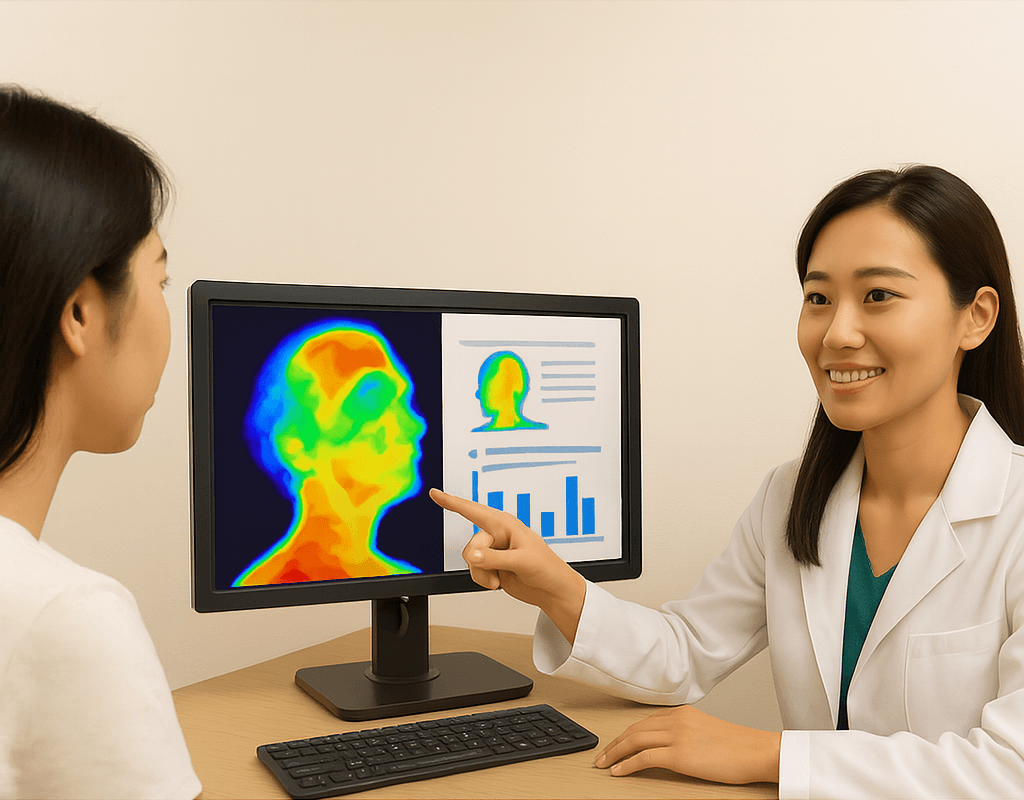
수면과 식사, 카페인, 배변, 시험 일정을 자세히 살펴봅니다. 빈혈이나 갑상선 질환이 의심되면 검사를 먼저 안내해 드립니다. 심박변이도 검사로 자율신경의 긴장 상태를 확인합니다.
2단계. 굳은 몸과 긴장을 풉니다
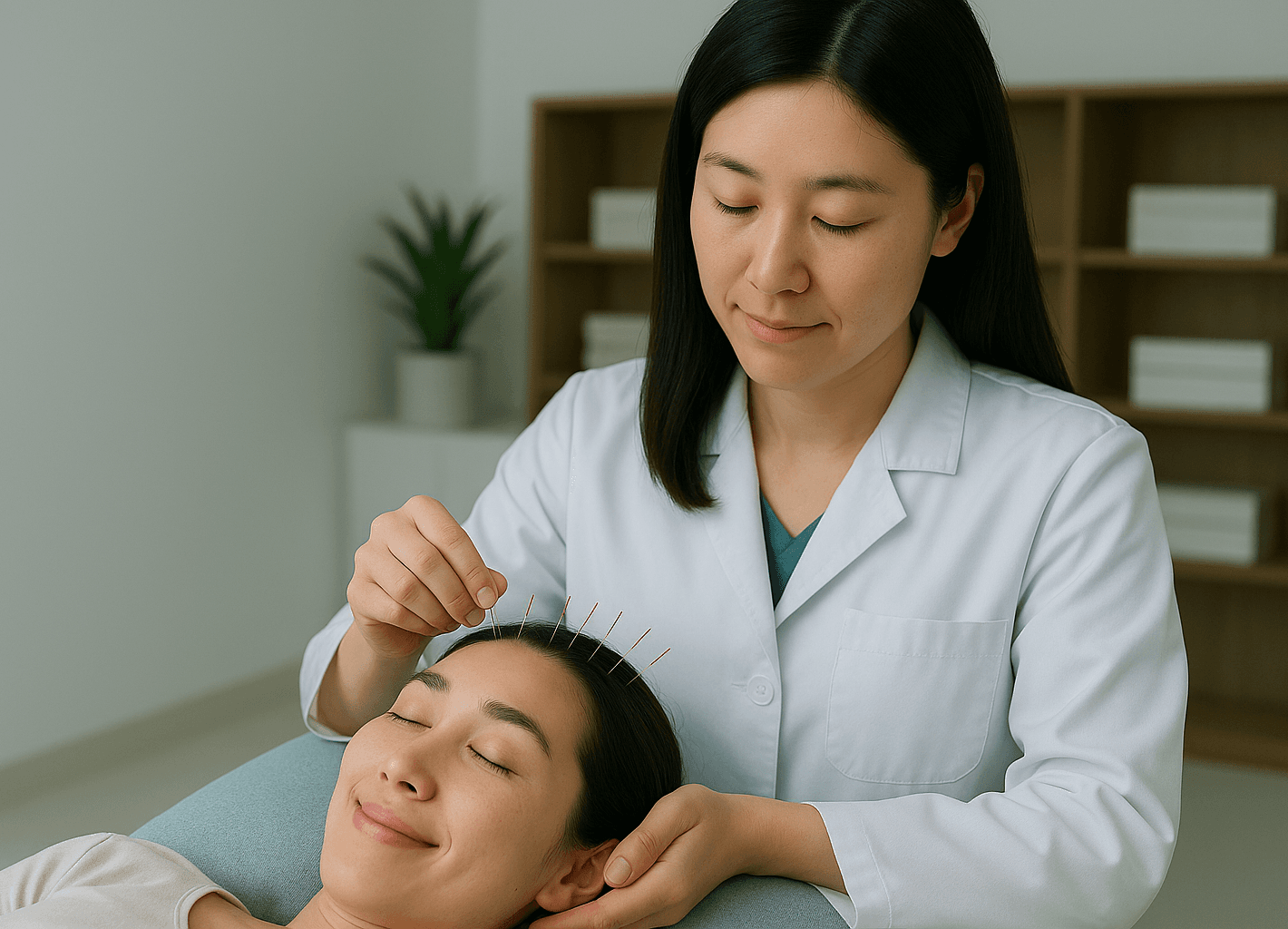
침과 약침으로 뒷목과 어깨의 긴장을 풀고, 자세를 함께 살핍니다. 짧은 시간에 몸을 풀 수 있는 방법도 알려 드립니다.
3단계. 유형에 맞춰 체력을 채웁니다
체질과 상태에 맞춰 한약을 짓습니다. 수면 시간을 일정하게 잡고, 카페인을 줄이고, 시험 시간표에 맞춰 생활 리듬을 옮겨 갑니다.
4만 건의 처방 사례가 말해주는, 한방 맞춤 치료의 힘
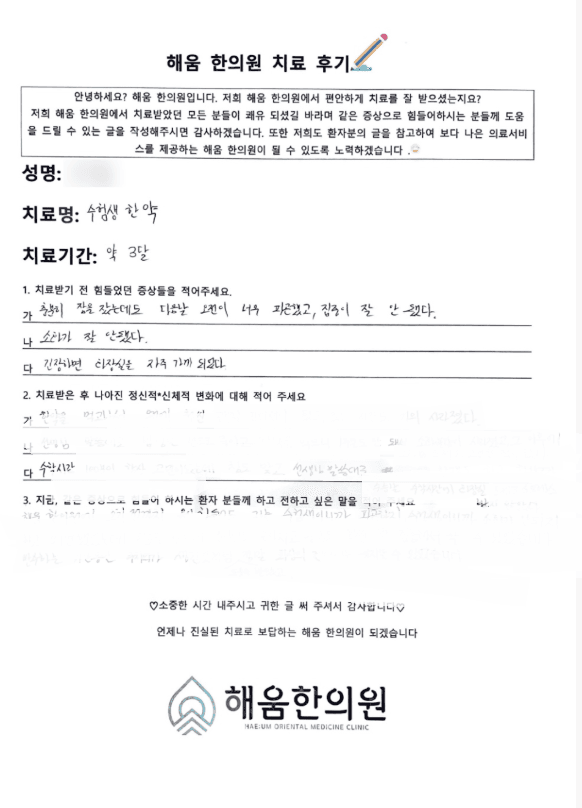
수험생 피로 치료후기 총 1건
환자분들이 남긴 치료후기입니다. 본문은 로그인 후 보실 수 있습니다.
수험생 피로, 누가 진료하나요?
담당 의료진
대표원장 박재은
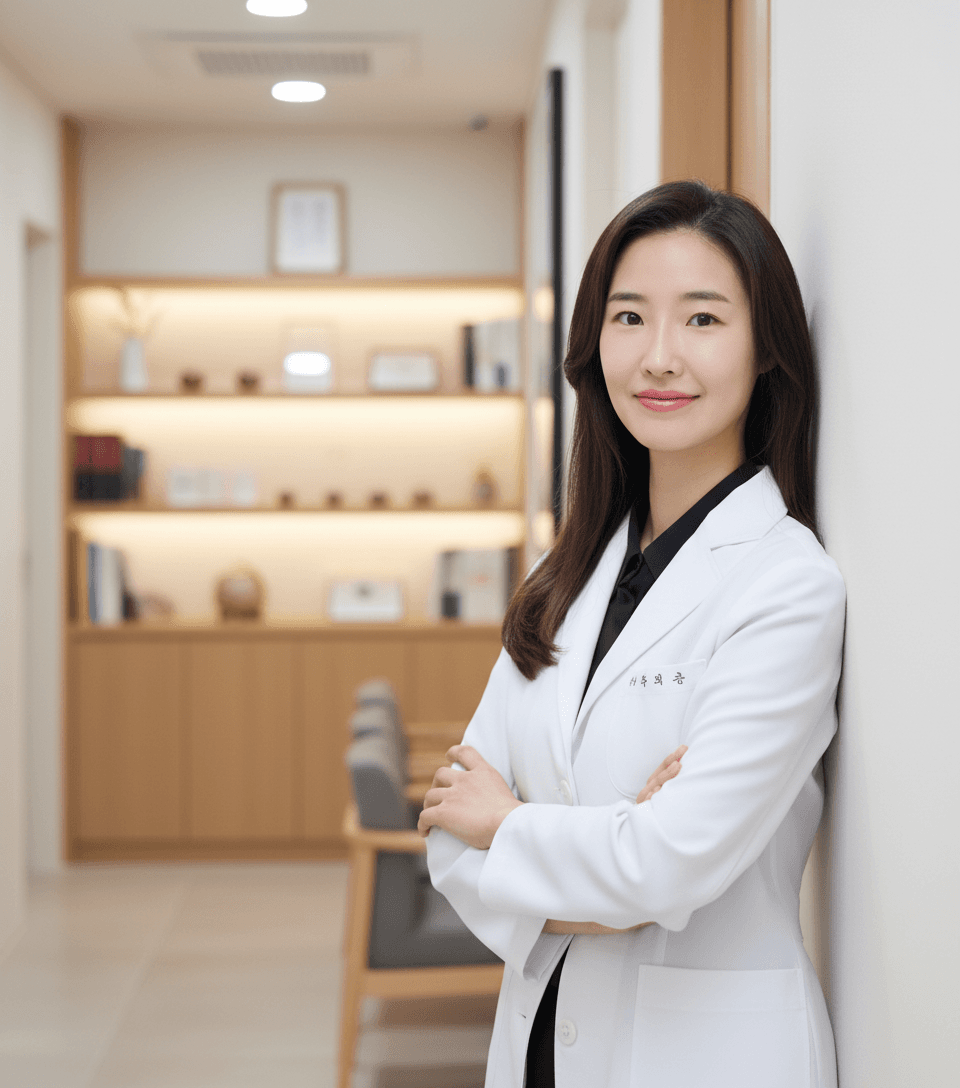
“병이 아니라 그 뒤의 사람을 봅니다”
경희대학교 한의학박사이자 여한의사입니다. 심리상담사 1급 자격, 20만명 차트분석과 4만건 이상의 한약 처방 경험을 바탕으로 진료합니다.
의료진 소개 더보기수험생 피로, 자주 묻는 질문
시험이 코앞인데 지금 한약을 시작해도 되나요?
공진단과 수험생 보약 중 무엇이 좋은가요?
총명탕을 먹으면 머리가 좋아지나요?
커피나 에너지 음료를 마셔도 되나요?
시험 때마다 배가 아픈데 함께 치료할 수 있나요?
수험생이 생활에서 지킬 것은 무엇인가요?
해움한의원에서 수험생 피로를 진료하나요?
수험생 피로로 내원하려면 어떻게 하나요?
이런 경우에는 미루지 말고 진료를 받으세요
아래 증상은 단순한 피로가 아닐 수 있습니다. 시험이 가까워도 미루지 말고 진료를 받으세요.
- 이유 없이 체중이 줄거나 열이 계속된다
- 어지러워 쓰러질 것 같거나 얼굴이 창백하다
- 두 주 넘게 우울하고 아무것도 하기 싫다
- 먹는 것을 거부하거나 먹고 일부러 토한다
참고문헌 7편
[1]Rhie S, Lee S, Chae KY. Sleep patterns and school performance of Korean adolescents assessed using a Korean version of the pediatric daytime sleepiness scale. Korean J Pediatr. 2011;54(1):29-35. doi:10.3345/kjp.2011.54.1.29. PMID: 21359058.
요약 우리나라 초등 5학년~고등 3학년 3,370명 조사입니다. 평일 밤 수면은 고등학생이 평균 5.78시간으로 가장 짧았고, 낮 졸림이 심할수록 학교 성적과 정서 상태가 나빴습니다.원문은 출판사 저작권 자료로, 위 링크에서 확인하실 수 있습니다.
[2]Okano K, Kaczmarzyk JR, Dave N, Gabrieli JDE, Grossman JC. Sleep quality, duration, and consistency are associated with better academic performance in college students. NPJ Sci Learn. 2019;4:16. doi:10.1038/s41539-019-0055-z. PMID: 31583118.
초록 (Abstract)
Although numerous survey studies have reported connections between sleep and cognitive function, there remains a lack of quantitative data using objective measures to directly assess the association between sleep and academic performance. In this study, wearable activity trackers were distributed to 100 students in an introductory college chemistry class (88 of whom completed the study), allowing for multiple sleep measures to be correlated with in-class performance on quizzes and midterm examinations. Overall, better quality, longer duration, and greater consistency of sleep correlated with better grades. However, there was no relation between sleep measures on the single night before a test and test performance; instead, sleep duration and quality for the month and the week before a test correlated with better grades. Sleep measures accounted for nearly 25% of the variance in academic performance. These findings provide quantitative, objective evidence that better quality, longer duration, and greater consistency of sleep are strongly associated with better academic performance in college. Gender differences are discussed.
결과 (Results)
Bedtime and wake-up times: On average, students went to bed at 1:54 a.m. (Median = 1:47 a.m., Standard Deviation (SD) of all bedtime samples = 2 h 11 min, SD of mean bedtime per participant = 1 h) and woke up at 9:17 a.m. (Median = 9:12 a.m., SD of all wake-up time samples = 2 h 2 min; SD of mean wake-up time per participant = 54 min). The data were confirmed to have Gaussian distribution using the Shapiro–Wilks normality test. We conducted an ANOVA with the overall score (sum of all grade-relevant quizzes and exams—see “Procedure”) as the dependent variable and bedtime (before or after median) and wake-up time (before or after median) as the independent variables. We found a main effect of bedtime (F (1, 82) = 6.45, p = 0.01), such that participants who went to bed before median bedtime had significantly higher overall score (X = 77.25%, SD = 13.71%) compared with participants who went to bed after median bedtime (X = 70.68%, SD = 11.01%). We also found a main effect of wake-up time (F (1, 82) = 6.43, p = 0.01), such that participants who woke up before median wake-up time had significantly higher overall score (X = 78.28%, SD = 9.33%) compared with participants who woke up after median wake-up time (X = 69.63%, SD = 14.38%), but found no interaction between bedtime and wake-up time (F (1, 82) = 0.66, p = 0.42).
A Pearson’s product-moment correlation between average bedtime and overall score revealed a significant and negative correlation (r (86) = −0.45, p < 0.0001), such that earlier average bedtime was associated with a higher overall score. There was a significant and negative correlation between average wake-up time and overall score (r (86) = −0.35, p < 0.001), such that earlier average wake-up time was associated with a higher overall score. There was also a significant and positive correlation between average bedtime and average wake-up time (r (86) = 0.68, p < 0.0001), such that students who went to bed earlier tended to also wake up earlier.
Sleep duration, quality, and consistency in relation to academic performance: Overall, the mean duration of sleep for participants throughout the entire semester was 7 h 8 min (SD of all sleep samples = 1 h 48 min, SD of mean sleep duration per participant = 41 min). There was a significant positive correlation between mean sleep duration throughout the semester (sleep duration) and overall score (r (86) = 0.38, p < 0.0005), indicating that a greater amount of sleep was associated with a higher overall score (Fig. 1a). Similarly, there was a significant positive correlation between mean sleep quality throughout the semester (Sleep Quality) and Overall Score (r (86) = 0.44, p < 0.00005). Sleep inconsistency was defined for each participant as the standard deviation of the participant’s daily sleep duration in minutes so that a larger standard deviation indicated greater sleep inconsistency. There was a significant negative correlation between sleep inconsistency and overall score (r (86) = −0.36, p < 0.001), indicating that the greater inconsistency in sleep duration was associated with a lower overall score (Fig. 1b).Fig. 1Correlations between sleep measures and overall score. a Average daily hours slept (sleep duration) vs. overall score for the semester. b Standard deviation of average daily hours of sleep (sleep inconsistency) vs. overall score in class
Timing of sleep and its relation to academic performance: To understand sleep and its potential role in memory consolidation, we examined the timing of sleep as it related to specific assessments. All Pearson correlations with three or more comparisons were corrected for multiple comparisons using false discovery rate.
Night before assessments: We conducted a correlation between sleep quality the night before a midterm and respective midterm scores as well as sleep duration the night before a midterm and respective scores. There were no significant correlations with sleep duration or sleep quality for all three midterms (all rs < 0.20, all ps > 0.05). Similar analyses for sleep duration and sleep quality the night before respective quizzes revealed no correlations (rs from 0.01 to 0.26, all ps > 0.05).
Week and month leading up to assessments: To understand the effect of sleep across the time period while course content was learned for an assessment, we examined average sleep measures during the 1 month leading up to the midterms. We found a significant positive correlation between average sleep duration over the month leading up to scores on each midterm (rs from 0.25 to 0.34, all ps < 0.02). Similar analyses for average sleep duration over one week leading up to respective quizzes were largely consistent with those of midterms, with significant correlations on 3 of 8 quizzes (rs from 0.3 to 0.4, all ps < 0.05) and marginal correlations on an additional 3 quizzes (rs from 0.25 to 0.27, all ps < 0.08).
There was a significant and positive correlation between sleep quality scores averaged over the month leading up to each midterm for all three midterms (rs from 0.21 to 0.38, all ps < 0.05). Similar analyses for average Sleep Quality over one week leading up to respective quizzes revealed a significant correlation on 1 of 8 quizzes (r (86) = 0.42, p < 0.005) and marginal correlations on 3 quizzes (rs from 0.25 to 0.27, all ps < 0.08).
Variance of assessment performance accounted for by sleep measures: In order to calculate how much of the variance on assessment performance was accounted for by the sleep measures, we conducted a stepwise regression on overall score using three regressors: sleep duration, sleep quality, and sleep inconsistency. The relative importance of each variable was calculated using the relaimpo package in R to understand individual regressor’s contribution to the model, which is not always clear from the breakdown of model R2 when regressors are correlated. We found a significant regression (F (3,84) = 8.95, p =.00003), with an R2 of 0.24. Students’ predicted overall score was equal to 77.48 + 0.21 (sleep duration) + 19.59 (Sleep Quality) – 0.45 (sleep inconsistency). While sleep inconsistency was the only significant individual predictor of overall score (p = 0.03) in this analysis, we found that 24.44% of variance was explained by the three regressors. The relative importance of these metrics were 7.16% sleep duration, 9.68% sleep quality, and 7.6% sleep inconsistency.
Gender differences: Females had better Sleep Quality (t (88) = 2.63, p = 0.01), and less sleep inconsistency (t (88) = 2.18, p = 0.03) throughout the semester compared with males, but the two groups experienced no significant difference in sleep duration (t (88) = 1.03, p = 0.3). Sleep duration and sleep quality were significantly correlated in both males (r (41) = 0.85, p < 0.00001) and females (r (43) = 0.64, p < 0.00001), but this correlation was stronger in males (Z = −2.25, p = 0.02) suggesting that it may be more important for males to get a long-duration sleep in order to get good quality sleep. In addition, sleep inconsistency and sleep quality were significantly negatively correlated in males (r (41) = −0.51, p = 0.0005) but not in females (r (43) = 0.29, p > 0.05), suggesting that it may be more important for males to stick to a regular daily sleep schedule in order to get good quality sleep.
Females scored higher on overall score compared with males (t (88) = −2.48, p = 0.01), but a one-way analysis of covariance (ANCOVA) revealed that females and males did not perform significantly different on overall score when controlling for Sleep Quality, F (1, 85) = 2.22, p = 0.14. Sleep inconsistency and overall score were negatively correlated in males (r (41) = −0.44, p = 0.003) but not in females (r (43) = −0.13, p = 0.39), suggesting that it is important for males to stick to a regular sleep schedule in order to perform well in academic performance but less so for females. No other gender differences were detected between other sleep measures and overall score.
원문 발췌 · Okano K, Kaczmarzyk JR, Dave N, Gabrieli JDE, Grossman JC, NPJ Sci Learn 2019 · CC BY 4.0 라이선스에 따라 수정 없이 인용했습니다(본문 속 인용 번호는 생략).
[3]Park S, Lee Y, Lee JH. Association between energy drink intake, sleep, stress, and suicidality in Korean adolescents: energy drink use in isolation or in combination with junk food consumption. Nutr J. 2016;15(1):87. doi:10.1186/s12937-016-0204-7. PMID: 27737671.
초록 (Abstract)
Background: A considerable amount of research suggests that the frequent use of caffeinated energy drinks may be associated with undesirable effects, particularly so in children and adolescents. This study aimed to investigate the associations between energy drink intake and mental health problems, in isolation or in combination with junk food consumption, in a nationally representative sample of Korean adolescents.
Methods: Data from the 2015 Korean Youth Risk Behavior Web-Based Survey, collected from 68,043 adolescents aged 12–18 years (mean age 15.09 ± 1.72 years), were analyzed. Questionnaires were administered to collect information related to dietary behavior including energy drink intake and junk food consumption. Single item measures of sleep dissatisfaction, stress, depression, suicidal ideation, suicide plan, and suicide attempt were also administered. Associations between energy drink intake and sleep dissatisfaction, perceived severe stress, persistent depressive mood, and suicidality were investigated, and a multivariate approach was taken so that additional variance from demographic and lifestyle factors could be controlled for statistically.
Results: Energy drink intake was significantly associated with sleep dissatisfaction (adjusted odd ratios [AORs] = 1.64 and 1.25), severe stress (AORs = 2.23 and 1.38), depressive mood (AOR = 2.59 and 1.51), suicidal ideation (AORs = 3.14 and 1.43), suicide plan (AORs = 4.65 and 1.78), and suicide attempt (AORs = 6.79 and 1.91), with a higher risk for more frequent use of energy drinks (≥5 times/wk) than for less frequent use (1–4 times/wk). The detrimental effect of energy drinks on mental health was particularly prominent in frequent junk food consumers.
Conclusions: Our data suggest that energy drink intake had detrimental effects related to stress, sleep dissatisfaction, mood, and suicidality, in isolation or in combination with junk food consumption, in Korean adolescents. However, the cross-sectional study design prevents our ability to assess causal relationships.
결과 (Results)
The estimated prevalence of highly frequent energy drink intake (≥5 times a week) was 1.4 %, and prevalence of moderately frequent energy drink intake (1–4 times/week) was 10.5 %. Compared to those who had energy drinks less than once a week, those who had energy drinks 5 times or more per week were more likely to be male (OR = 1.79), attend high school (OR = 1.21), live in a rural area (OR = 1.19), achieve higher academic performance (OR = 1.35), eat junk food (OR = 5.70), drink alcohol (OR = 1.35), be physically active (OR = 1.43), and not to live with their family (OR = 3.73). Those whose energy drink intake frequency was between 1–4 times per week showed similar sociodemographic and lifestyle characteristics as those whose energy drink intake was 5 times or more per week, except that they were less likely to achieve higher academic performance compared to those whose energy drink intake was less than once per week (OR = 0.87) (Table 1).
After adjusting for age, gender, school type, area of residence, residential type, academic achievement, junk food and alcohol consumption, and physical activity, participants who used energy drinks frequently were more likely to experience sleep dissatisfaction (adjusted odd ratios [AORs] = 1.64 and 1.25), severe stress (AORs = 2.23 and 1.38), depressive mood (AOR = 2.59 and 1.51), suicidal ideation (AORs = 3.14 and 1.43), suicide plan (AORs = 4.65 and 1.78), and suicide attempt (AORs = 6.79 and 1.91), compared to participants who used energy drinks infrequently or did not use energy drinks, with higher AORs for highly frequent use of energy drinks than for moderately frequent use of energy drinks (Table 2).
In order to further examine the nature of the relationships observed, the frequency of energy drink intake and junk food consumption variables were combined, and the prevalence of mental health problems across the four groups according to frequent/infrequent intake were compared. Compared to the infrequent energy drinks and infrequent junk food group, the frequent energy drinks and/or frequent junk food group were more likely to experience sleep dissatisfaction (AORs = 1.58, 1.32, and 1.30), severe stress (AORs = 1.78, 1.47, and 1.24), depressed mood (AORs = 2.48, 1.55, and 1.39), suicidal ideation (AORs = 2.55, 1.47, and 1.30), suicide plan (AORs = 3.94, 2.96, and 1.65), and suicide attempt (AORs = 5.01, 2.11, and 1.58), with the highest AORs for the frequent energy drinks and frequent junk food group followed by the frequent energy drinks and infrequent junk food group and the infrequent energy drinks and frequent junk food group (Table 3). In particular, the frequent energy drinks and frequent junk food group showed significantly higher risk for depressive mood, suicidal ideation, suicide plan, and suicide attempt compared to the other three groups.
원문 발췌 · Park S, Lee Y, Lee JH, Nutr J 2016 · CC BY 4.0 라이선스에 따라 수정 없이 인용했습니다(본문 속 인용 번호는 생략).
[4]Zhu X, Haegele JA, Liu H, Yu F. Academic Stress, Physical Activity, Sleep, and Mental Health among Chinese Adolescents. Int J Environ Res Public Health. 2021;18(14):7257. doi:10.3390/ijerph18147257. PMID: 34299708.
초록 (Abstract)
The purpose of this study was to examine the impacts of academic stress on physical activity and sleep, and subsequently their impacts on anxiety and depression. Methods: This cross-sectional study collected data from a convenience sample of 1533 adolescents in an eastern province in China. Surveys were used to collect data on academic stress, anxiety, depression, sleep, physical activity, and demographics. Descriptive statistics, correlation analysis, and path analysis were used to analyze data. Results: The participants reported about 6.77 ± 0.89 h of sleep per day and 1.62 ± 1.79 days of 60 min of physical activity each week. Academic stress was positively correlated with anxiety and depression, which were negatively correlated with physical activity and sleep. The path analysis showed that academic stress directly predicted anxiety (β = 0.54) and depression (β = 0.55), and hours of sleep (β = 0.024) and the number of days of 60 min physical activity (β = 0.014) mediated the relation. Conclusion: The results largely supported our hypotheses and supported the need to lessen academic stress experienced by Chinese adolescents, in effort to enhance mental health indices directly, and by allowing for engagement in health-related behaviors such as physical activity and sleep.
결과 (Results)
As shown in Table 1, among the 1533 participants aged between 14 and 19 years old, 15.8% reported moderate to severe levels of general anxiety, and 7.0% reported moderately severe to severe depression. Based on GAD-7 and PHQ-9 data, a vast majority of participants reported minimal to mild anxiety (84.2%) and mild to moderate depression (93.0%). Consistent with the general population, most participants were Han ethnic (97.6%), and about half were female (49.2%). About 7.2% of participants’ parents had graduate or professional degrees, 47.1% had some college or a bachelor’s degree, and 45.7% had high school or less education.
The participants reported relatively low levels of physical activity and hours of sleep. On average, as shown in Table 2, the participants reported about 6.77 ± 0.89 h of sleep per day and 1.62 ± 1.79 days of having the suggested 60 min of daily physical activity each week. The measures of academic stress (ESSA), anxiety (GAD-7), and depression (PHQ-9) showed great internal consistency with Cronbach α values being 0.92, 0.93, and 0.89, respectively. The skewness and kurtosis of the variables are approximately normal. Academic stress was positively correlated with anxiety (r = 0.57) and depression (r = 0.56). As shown in Table 2, average hours of sleep were negatively correlated with anxiety (r = −0.20) and depression (r = −0.18), and the number of days of 60 min physical activity were negatively correlated with anxiety (r = −0.14) and depression (r = −0.10) as well.
The path analysis showed that the data fit the hypothesized model well, χ2 = 995.85, df = 48, CFI = 0.996, NNFI = 0.961, SRMR = 0.019, RMSEA = 0.076 (90% CI: 0.041–0.119). As displayed in Figure 1, hours of sleep and the number of days of 60 min physical activity were negatively associated with anxiety and depression, although the direct path from physical activity to anxiety or depression was not statistically significant (p > 0.05, the dotted lines in Figure 1). Academic stress directly predicted anxiety (β = 0.54), depression (β = 0.55), and hours of sleep (β = 0.024), and the number of days of 60 min physical activity (β = 0.014) mediated the relation (Table 3, indirect paths). Overall, the model explained about 32% of the variances in anxiety and 33% of that in depression.
원문 발췌 · Zhu X, Haegele JA, Liu H, Yu F, Int J Environ Res Public Health 2021 · CC BY 4.0 라이선스에 따라 수정 없이 인용했습니다(본문 속 인용 번호는 생략).
[5]Mosavi Z, Khazaie H, Janatolmakan M, Rezaeian S, Khatony A. Effects of auricular acupressure on test anxiety in medical students: a randomized parallel-group trial. BMC Med Educ. 2023;23(1):835. doi:10.1186/s12909-023-04825-w. PMID: 37936159.
초록 (Abstract)
Background: Test anxiety is a prevalent issue among students, including those in the medical field. The present study aims to examine the impact of auricular acupressure on reducing test anxiety specifically among medical students.
Methods: In this single-blind randomized parallel-group trial, a total of 114 medical students from Kermanshah, Iran, were allocated into two groups: intervention and control. Each group consisted of 57 students. The data collection instruments included a demographic information form and the Sarason Anxiety Inventory. In the intervention group, bilateral auricular acupressure was administered on the Shen Men point for a duration of 10 min. On the other hand, the control group received bilateral auricular acupressure on the Sham point, located in the earlobe, as a placebo, also for 10 min.
Results: The mean test anxiety scores in the Shen Men acupressure group exhibited a significant reduction from 18.4 ± 5.3 before the intervention to 13.3 ± 4.8 after the intervention (P = 0.001). Conversely, in the Sham acupressure group, the mean test anxiety scores showed no significant change, with values of 16.36 ± 6.4 before the intervention and 16.4 ± 6.1 after the intervention (P = 0.963). Prior to the intervention, the majority of participants in both the intervention group (87.7%) and control group (86.0%) exhibited moderate to severe levels of test anxiety. Following acupressure, a significant improvement was observed in the intervention group, with 52.6% of participants experiencing a reduction to mild anxiety levels (P = 0.001); however, no notable change in anxiety levels was observed in the control group. Furthermore, a statistically significant difference in anxiety intensity after the intervention was found between the two groups (P = 0.001).
Conclusion: Shen Men auricular acupressure demonstrates efficacy in reducing test anxiety among medical students. However, to validate its effectiveness, further research using objective measures is warranted.
결과 (Results)
The study included a total of 114 medical students, resulting in a 100% response rate. The mean age of the participants was 21.9 ± 3.1 years. Among the participants, approximately half were male (50.1%, n = 58), and the majority were single (95.6%, n = 109) (Table 1).
In the experimental group, the mean anxiety scores before and after the intervention were 18.4 ± 5.3 and 13.3 ± 4.8, respectively. This difference was found to be statistically significant (P = 0.001), indicating a positive impact of the intervention (Table 2; Fig. 3).
Regarding the severity of test anxiety, the results revealed that 56.1% (n = 32) of the participants experienced moderate anxiety, while 31.6% (n = 18) had severe anxiety prior to the intervention. After the intervention, the number of participants experiencing mild anxiety increased to 52.6% (n = 30), and the number of individuals with severe anxiety decreased to 10.5% (n = 6). The McNemar’s test demonstrated a statistically significant difference in the intensity of test anxiety before and after the intervention (P = 0.001) (Table 3).
In the control group, the mean anxiety scores before and after the intervention were 6.4 ± 16.4 and 6.1 ± 16.4, respectively, indicating no significant change (Table 2; Fig. 3). Prior to the intervention, 59.7% (n = 34) of the participants had moderate test anxiety, while 26.3% (n = 15) experienced severe test anxiety. After the intervention, 29.8% (n = 17) still had severe test anxiety, and 52.6% (n = 30) had moderate anxiety. The McNemar’s test did not reveal a statistically significant difference in the intensity of test anxiety before and after the intervention in the control group. When comparing the intensity of test anxiety before the intervention between the study groups, the chi-square test did not show a statistically significant difference. However, after the study, a statistically significant difference was observed (P = 0.004) (Table 2).
원문 발췌 · Mosavi Z, Khazaie H, Janatolmakan M, Rezaeian S, Khatony A, BMC Med Educ 2023 · CC BY 4.0 라이선스에 따라 수정 없이 인용했습니다(본문 속 인용 번호는 생략).
[6]Fleckenstein J, Krüger P, Ittner KP. Effects of single-point acupuncture (HT7) in the prevention of test anxiety: Results of a RCT. PLoS One. 2018;13(8):e0202659. doi:10.1371/journal.pone.0202659. PMID: 30161153.
초록 (Abstract)
Background: The number of students using neuro enhancement to improve their performance and to prevent test anxiety is increasing. The acupuncture point Heart 7 (HT7) has been described as being prominent in reducing states of anxiety.
Methods: We conducted a randomized placebo-controlled, two-armed pilot trial to investigate the efficacy of a single-point acupuncture treatment at bilateral HT7 compared to sham laser acupuncture on test anxiety. Test anxiety was induced applying the standardised protocol of the Trier Social Stress Test. Outcome measures included saliva samples analysed for cortisol and amylase, anxiety questionnaires and heart rate variability.
Results: Twenty-five male subjects (age 28 ± 5 years) were allocated to either verum acupuncture (n = 12) or sham laser acupuncture (n = 13). Cortisol peaked 20 min after the stress test (2-fold, 18.11 ± 2 nmol/l) and amylase 10 min after (2-fold, 259 ± 49 U/ml) with no difference between groups. There were no differences between groups regarding either anxiety questionnaires or physiological parameters. Compared to reference data (3-fold increase in cortisol), increase in stress hormones and heart rate seemed somewhat reduced.
Conclusions: Acupuncture may be a possible approach for the treatment of anxiety. Due to the lack of a no control treatment group, we cannot determine the magnitude of possible specific needle effects at HT7 to promote specific effects in the neuroendocrine system. Finally this study only examines the efficacy of a single time treatment.
결과 (Results)
Twenty-five male volunteers (mean age 27.9 (SD 4.6) years, height 182.0 (6.5) cm, weight 79.7 (10.1) kg) participated in this study, with no drop-outs (Fig 1). Global test anxiety was reported with 7.4 (1.3) cm VAS (range 6.0–10.0) at baseline. Volunteers were randomized into two groups with 12 subjects allocated to needle acupuncture and 13 subjects to sham laser acupuncture. Groups differed in weight and in regard to their state of anxiety (STAI-T, see Table 1). As both variables are known to influence each other, they were used as covariates in the analysis of the main effects.
The perceived stressfulness of the TSST was rated as 5.3 (1.6) cm VAS (range 3.0–8.0) and the comparability to a medical state exam was valued as 4.0 (2.1) cm VAS (range 1.0–8.0) with no differences observed between groups.
Stress hormones in the sputum at baseline were cortisol = 9.4 (5.9) nmol/l and amylase = 121.6 (104.6) U/ml. The largest magnitude of cortisol was Δ8.7 (11.8) nmol/l at T4 (20 minutes after the stress test; p = 0.001) and of Δ137.4 (161.6) U/ml at T3 (10 minutes after the stress test; p < 0.001).
Time x group analysis of changes to baseline revealed no significant differences in the increase of cortisol (7x2; F(2;12) = 0.5 p = 0.811) or amylase (5x2; F(3;8) = 1.2 p = 0.325) between groups (see Fig 2A and 2B).
Time x group analysis of changes to baseline revealed no significant differences between groups with respect to other psychological outcomes as follows: MDBF (3x2; F(2;4) = 1.4 p = 0.257; Fig 2E), and STAI-S (2x2; F(2;2) = 0.08 p = 0.927; Fig 2F). Changes in PASA did not differ between groups (unpaired t-test p = 0.524 (95%-CI -2.8;5.3))
Time x group analysis of changes to baseline revealed no significant differences with respect to the perceived stress (on a VAS scale) during the experiment (4x2; F(2;6) = 0.4 p = 0.832).
The heart rate (at baseline 76.7 [15.2] min-1) significantly decreased after intervention/resting to 66.9 (12.7) min-1 (p < 0.001), and peaked during the TSST at 89.5 (18.2) min-1 (p < 0.001). The heart rate variability (at baseline was 795.7 [233.3] ms) significantly increased after intervention/resting to 936.6 (174.4) ms (p < 0.001), and was shortened during the TSST (706.6 [152.8] ms, p < 0.001).
Time x group (5x2) analysis of changes to baseline revealed no significant differences between groups with respect to heart rate (F(2;8) = 0.6 p = 0.630) or heart rate variability ((F(2;8) = 0.9 p = 0.499; Fig 2C and 2D).
We performed a credibility assessment according to Vincent, and observed no differences with respect to the four variables at baseline, or at the end of the study (Table 2).
원문 발췌 · Fleckenstein J, Krüger P, Ittner KP, PLoS One 2018 · CC BY 4.0 라이선스에 따라 수정 없이 인용했습니다(본문 속 인용 번호는 생략).
[7]Bach HV, Kim J, Myung SK, Cho YA. Efficacy of Ginseng Supplements on Fatigue and Physical Performance: a Meta-analysis. J Korean Med Sci. 2016;31(12):1879-1886. doi:10.3346/jkms.2016.31.12.1879. PMID: 27822924.
요약 인삼 보충제의 무작위 대조 연구 12편, 630명을 모은 분석입니다. 연구 4편을 합친 결과 피로는 위약보다 줄었고(표준화 평균차 0.34), 신체 수행력은 차이가 없었습니다. 연구가 적어 더 큰 연구가 필요하다고 결론 내렸습니다.원문은 출판사 저작권 자료로, 위 링크에서 확인하실 수 있습니다.