
양천구 목동 외상 후 스트레스 장애 한의원
외상 후 스트레스 장애
사고는 끝났는데 몸은 아직 그날에 머물러 있습니다. 비슷한 소리만 들려도 심장이 뛰고, 잠들면 그 장면이 다시 나타납니다. 큰일을 겪은 뒤 이런 상태가 한 달 넘게 이어지는 것이 외상 후 스트레스 장애입니다.
외상 후 스트레스 장애 한눈에 보기
- 외상 후 스트레스 장애(PTSD)는 큰 사고나 폭력, 재난 같은 충격을 겪은 뒤 그 기억이 되살아나고 몸이 계속 긴장하는 질환입니다.
- 세계 인구의 3.9%가 평생 한 번 겪고, 환자의 절반은 증상이 오래 이어집니다.
- 심리치료가 중심이고, 긴장이 풀리지 않는 몸과 잠을 함께 돌봐야 합니다.
- 치료후기 1건
외상 후 스트레스 장애란?
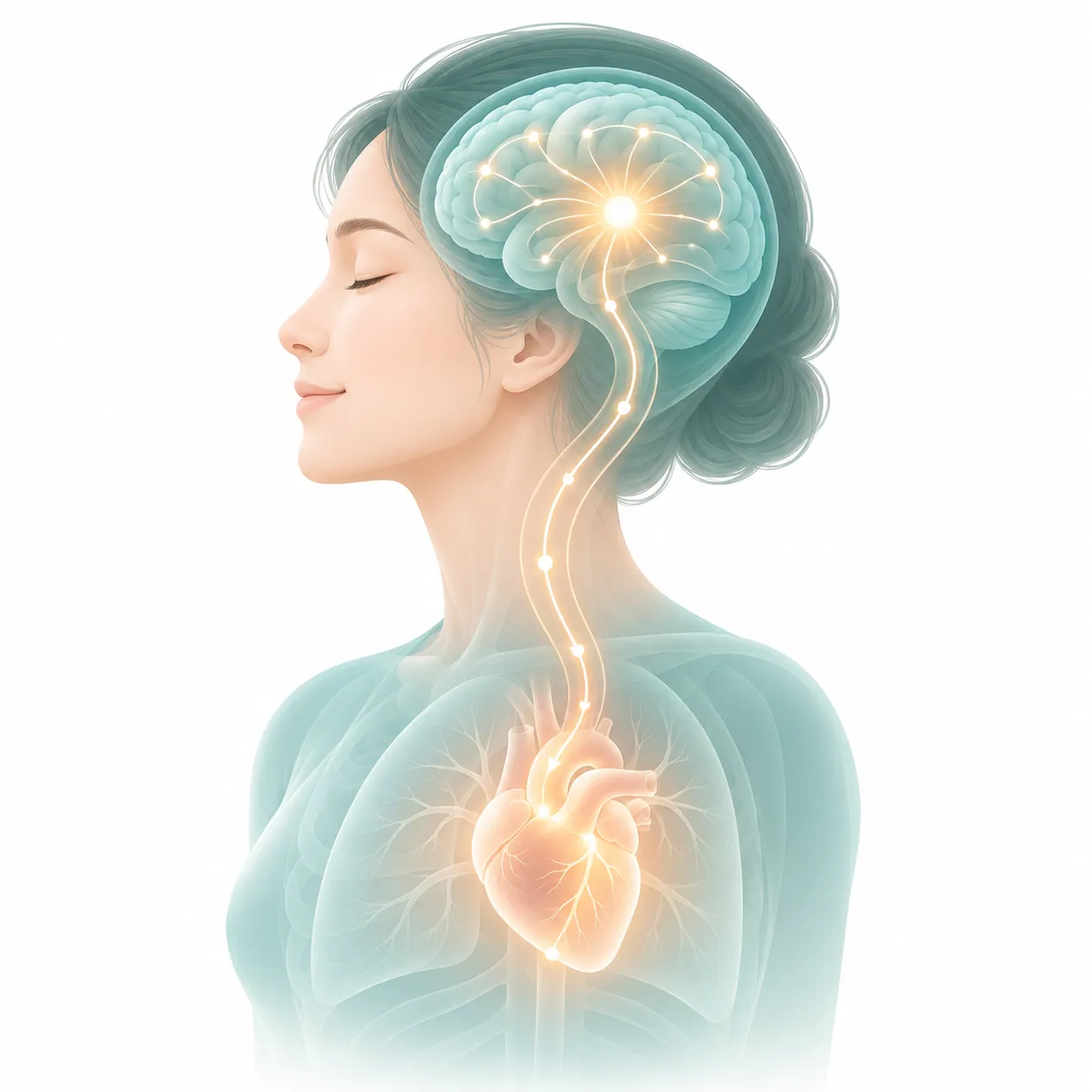
교통사고, 폭력, 재난, 전쟁, 갑작스러운 죽음처럼 생명이 위협받는 일을 겪으면 누구나 놀라고 잠을 못 잘 수 있습니다. 대개는 시간이 지나며 가라앉습니다. 그런데 증상이 한 달 넘게 이어져 일상이 어려우면 외상 후 스트레스 장애로 봅니다. 직접 겪지 않고 가까이에서 지켜본 경우에도 생길 수 있습니다.
세계 조사에서 평생 유병률은 3.9%였고, 외상을 겪은 사람 중에서는 5.6%였습니다. 환자의 절반은 증상이 오래 이어졌습니다[1]. 마음이 약해서 생기는 병이 아닙니다.
이런 증상이 있나요?
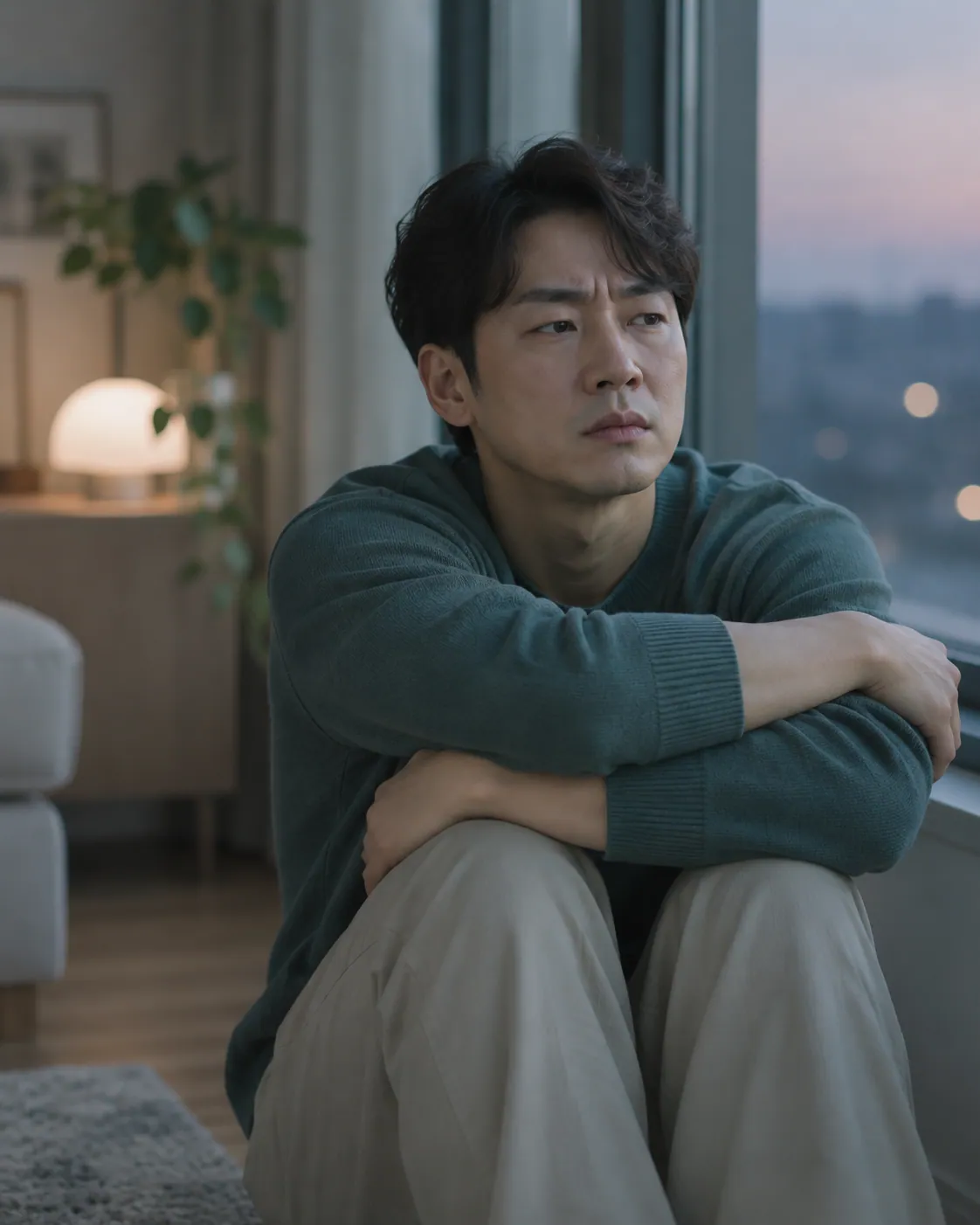
- 그 장면이 갑자기 떠오르거나 악몽을 꾼다
- 그날을 떠올리게 하는 장소와 사람을 피한다
- 작은 소리에 깜짝 놀라고 늘 경계한다
- 잠들기 어렵고 자주 깬다
- 내 탓이라는 생각이 들고 사람들과 멀어진다
- 가슴이 뛰고 숨이 차며 소화가 안 된다
진단은 어떤 일을 겪었는지, 증상이 얼마나 이어졌는지를 듣고 내립니다. 말하기 힘든 일은 천천히, 말할 수 있는 만큼만 나누셔도 됩니다.
외상 후 스트레스 장애는 왜 생기나요?
- 사고, 재난, 폭력, 성폭력
- 전쟁과 직업적 위험(소방, 경찰, 의료)
- 가까운 사람의 갑작스러운 죽음
- 어린 시절의 학대와 방임
- 외상 뒤 주위의 도움을 받지 못한 경우
몸의 경보 장치가 꺼지지 않는 것이 핵심입니다. 우리 몸은 위험할 때 교감신경을 켜고, 위험이 지나면 부교감신경으로 돌아옵니다. PTSD 환자는 쉴 때도 심박수가 높고 심박변이도가 낮아, 쉬게 하는 신경의 활동이 떨어져 있었습니다[2]. 사건은 끝났는데 몸은 아직 위험 속에 있는 셈입니다.
외상 후 스트레스 장애의 표준 치료
표준 치료는 외상에 초점을 둔 인지행동치료와 안구운동 민감소실 재처리(EMDR) 같은 심리치료입니다[3]. 약물은 항우울제(SSRI)를 쓰며 효과는 위약보다 낫지만 크지는 않습니다[4].
심리치료는 기억을 다시 마주해야 해서 힘들어하는 분이 많습니다. 평균 16%가 중도에 그만두었고[5], 군인 연구에서는 약 3분의 2가 치료 뒤에도 진단이 유지되었습니다[6]. 몸이 잔뜩 긴장해 있으면 기억을 마주할 힘도 부족합니다. 한의학 치료는 긴장된 몸과 잠을 돌봐 이 과정을 돕습니다.
침 치료 연구가 나오고 있습니다. 참전 군인 93명의 연구에서 침은 가짜 침보다 PTSD 증상 점수를 7.1점 더 줄였습니다[7]. 다른 연구에서도 효과의 크기가 인지행동치료와 비슷했습니다[8]. 침 연구를 모은 체계적 고찰도 있습니다[9]. 한약 연구는 아직 많지 않습니다.
해움한의원은 이렇게 치료합니다

해움한의원은 억지로 기억을 꺼내게 하지 않습니다. 먼저 몸이 안전하다고 느낄 수 있도록 돕고, 정신건강의학과 치료와 함께합니다.
1단계. 말할 수 있는 만큼만 듣습니다
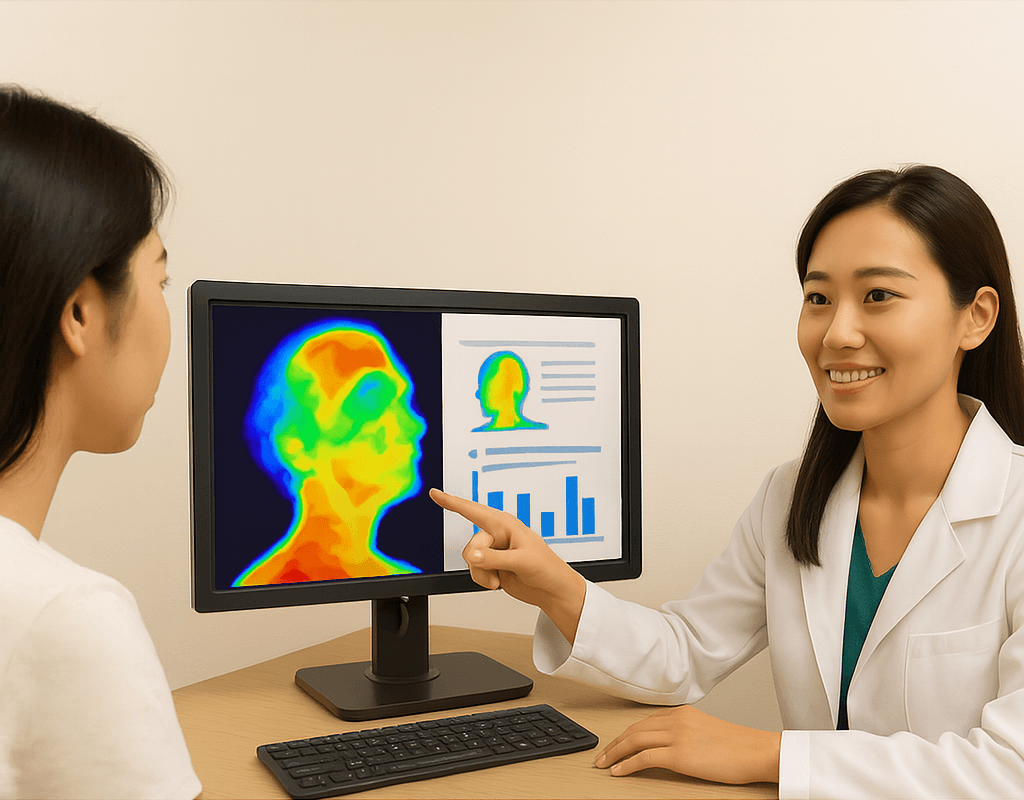
언제부터 어떤 증상이 있었는지, 수면과 소화, 드시는 약을 살핍니다. 심리치료나 약물 치료가 필요하면 정신건강의학과 진료를 안내해 드립니다. 심박변이도 검사로 자율신경의 긴장 상태를 확인합니다.
2단계. 긴장된 몸을 가라앉힙니다
침과 약침으로 가슴과 목, 머리의 긴장을 풉니다. 심리상담으로 불안을 다루는 방법을 함께 찾습니다.
3단계. 유형에 맞춰 바탕을 다스립니다
체질과 상태에 맞춰 한약을 짓습니다. 수면과 호흡, 일상 리듬을 천천히 되찾도록 함께합니다.
4만 건의 처방 사례가 말해주는, 한방 맞춤 치료의 힘

해움한의원 원장이 쓴 외상 후 스트레스 장애 칼럼
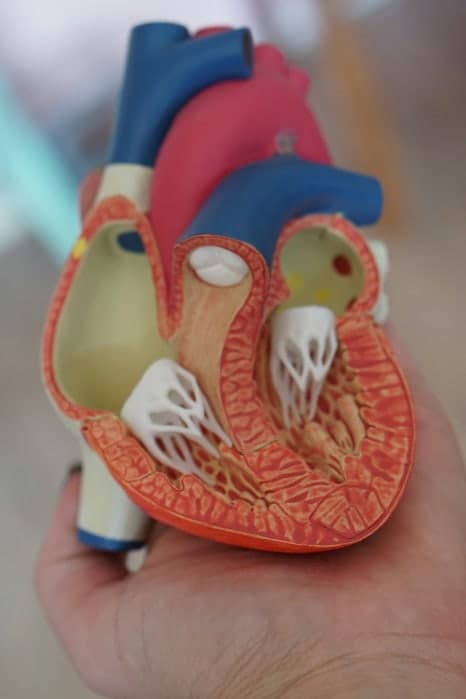
가슴 증상과 자율신경치료: 심장 폐 대체 어디가 문제지?
검사에도 이상없고 치료가 안 되는, 심장 또는 폐내과에서 다루는 심장과 호흡 관련 가슴 증상들에 대한 글입니다.
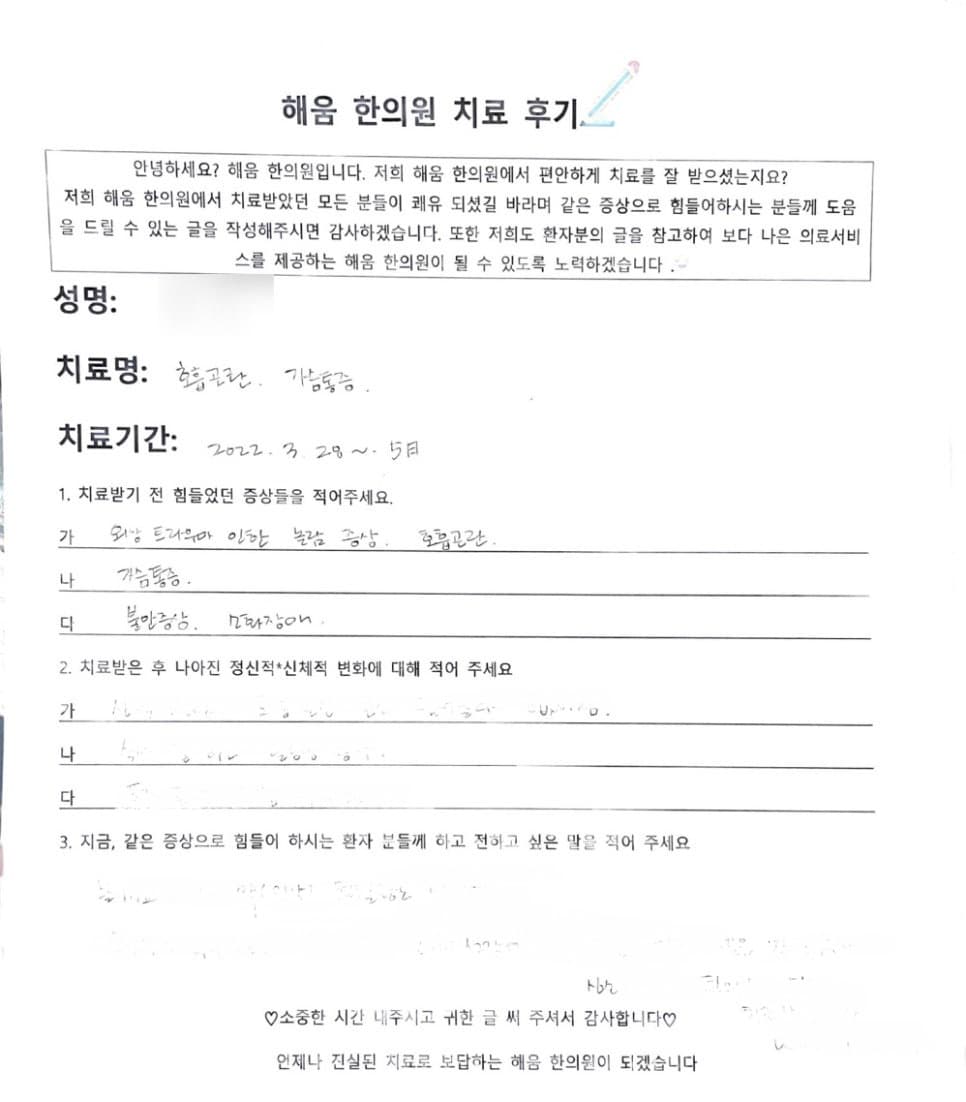
읽어보기외상 후 스트레스 장애 치료후기 총 1건
환자분들이 남긴 치료후기입니다. 본문은 로그인 후 보실 수 있습니다.
외상 후 스트레스 장애, 누가 진료하나요?
담당 의료진
대표원장 박재은

“병이 아니라 그 뒤의 사람을 봅니다”
경희대학교 한의학박사이자 여한의사입니다. 심리상담사 1급 자격, 20만명 차트분석과 4만건 이상의 한약 처방 경험을 바탕으로 진료합니다.
의료진 소개 더보기외상 후 스트레스 장애, 자주 묻는 질문
시간이 지나면 저절로 좋아지나요?
사고를 다시 이야기해야 하나요?
정신과 약과 한약을 같이 먹어도 되나요?
한의원 진료 기록이 남으면 불이익이 있나요?
아이도 외상 후 스트레스 장애가 생기나요?
생활에서 어떻게 관리해야 하나요?
해움한의원에서 외상 후 스트레스 장애를 진료하나요?
외상 후 스트레스 장애로 내원하려면 어떻게 하나요?
외상 후 스트레스 장애로 내원하면 어떤 검사를 하나요?
이런 경우에는 미루지 말고 진료를 받으세요
아래 증상은 정신건강의학과의 빠른 도움이 필요합니다. 자해나 죽고 싶은 생각이 들면 자살예방 상담전화 109(24시간)로 바로 연락하세요. 지금 위험하다면 119로 연락하세요.
- 죽고 싶다는 생각이나 자해 충동이 든다
- 현재도 폭력이나 위험한 환경에 놓여 있다
- 술이나 약 없이는 하루를 버티기 어렵다
- 현실감이 사라지거나 기억이 끊기는 일이 잦다
- 일상과 일을 이어 가기 어렵다
참고문헌 9편
[1]Koenen KC, Ratanatharathorn A, Ng L, McLaughlin KA, Bromet EJ, Stein DJ, et al. Posttraumatic stress disorder in the World Mental Health Surveys. Psychol Med. 2017;47(13):2260-2274. doi:10.1017/s0033291717000708. PMID: 28385165.
요약 26개 조사, 71,083명을 모은 연구입니다. 평생 유병률은 3.9%, 외상을 겪은 사람 중에서는 5.6%였고, 환자의 절반은 증상이 이어졌습니다.원문은 출판사 저작권 자료로, 위 링크에서 확인하실 수 있습니다.
[2]Schneider M, Schwerdtfeger A. Autonomic dysfunction in posttraumatic stress disorder indexed by heart rate variability: a meta-analysis. Psychol Med. 2020;50(12):1937-1948. doi:10.1017/s003329172000207x. PMID: 32854795.
초록 (Abstract)
Background: Changes in autonomic nervous system (ANS) function have been observed in a variety of psychological disorders, including posttraumatic stress disorder (PTSD). Analysis of heart rate variability (HRV) provides insight into the functioning of the ANS. Previous research on PTSD found lower HRV in PTSD patients compared to controls, indicating altered sympathetic and parasympathetic activity, but findings are inconsistent. The purpose of this meta-analysis was to examine differences in HRV indices between individuals with PTSD and healthy controls at baseline and during stress.
Methods: The included primary studies present an aggregate of studies analyzing different HRV indices. Examined HRV indices were standard deviation of the normalized NN-intervals (SDNN), root mean square of successive differences (RMSSD), low-frequency (LF) and high-frequency (HF) spectral components, LF/HF ratio, and heart rate (HR). Moderating effects of study design, HRV and PTSD assessment, and sample characteristics were examined via subgroup-analyses and meta-regressions.
Results: Random-effects meta-analyses for HRV parameters at rest revealed significant group differences for RMSSD and HF-HRV, suggesting lower parasympathetic activity in PTSD. The aggregated effect size for SDNN was medium, suggesting diminished total variability in PTSD. A small effect was found for LF-HRV. A higher LF/HF ratio was found in the PTSD sample as compared to controls. Individuals with PTSD showed significantly higher HR. During stress, individuals with PTSD showed higher HR and lower HF-HRV, both indicated by small effect sizes.
Conclusions: Findings suggest that PTSD is associated with ANS dysfunction.
결과 (Results)
Study selection and study characteristics: The studies included in the meta-analysis span two decades (published between 2000 and 2019). Electronic database search on HRV and PTSD revealed 4145 studies. Title and abstract of these studies were screened to evaluate their suitability for full-text review. Non-matching studies (according to predefined inclusion and exclusion criteria, see ‘Methods’ section) and duplicates (the same article found across multiple search engines) were removed, leading to 186 studies suitable for full-text review. In total, 143 studies were excluded due to missing data on HRV. In total, 43 studies were included in the meta-analysis. Four studies came from unpublished datasets. Correlational and categorical data were included in the meta-analyses. Study characteristics of all primary studies included in the meta-analyses are shown in Tables 1–9. Table 1.Description of moderators and inclusion rateMeta-regressionModeratorDescriptionInclusion rate (%)aAgeMean age83.72GenderPercent female90.68Length of measurementMean recording time (min)81.40ObesityMean BDI (PTSD)18.60Sampling rateSampling frequency (Hz)54.76SmokingPercent smoking status % (PTSD)25.58PTSD severityMean value CAPS (DSM-IV)23.26Subgroup analysisModeratorSubgroupsInclusion rate (%)aControl groupHealthy control / Trauma exposed (no PTSD) / Mixed88.37Comorbidities (in PTSD group)Reported / Not reported25.58DSM measureDSM III / DSM-IVDSM 565.12PTSD measureClinical interview / Self report93.02Type of participantsVeterans / Others / Mixed72.09MedicationReported/ Not reported60.47Presence of stress taskPresent/ Not present93.02Study designLaboratory / Ambulatory assessment90.70Type of traumaInterpersonal / Non-interpersonal / Mixed76.74Recording positionSupine / Sitting51.16Sleep measuresYes / No11.63Dissociative symptomsReported / Not reported6.98aInclusion rate = percent of studies reporting information on the moderator. Table 2.Characteristics of studies included in meta-analysis 1 (RMSSD)StudyNHedges’ gweight%Cl. lbCl. ubAgorastos et al. 15−1.023.3−2.100.07Chang, Shin, Kim, and Chung 23−1.004.3−1.87−0.13DePierro (2015, unpublished data)65−0.206.8−0.630.28Hauschildt, Peters, Moritz, and Jelinek 52−0.496.3−1.040.06Lakusic et al. 68−0.596.8−1.08−0.11Lee and Theus 125−0.567.5−0.95−0.17Liu, Bing, Yong, Xie, and Sen 152−0.178.0−0.490.14Meyer et al. 41−1.005.6−1.65−0.34Minassian et al. 22350.218.80.020.39Moon, Lee, Kim, and Hwang 61−0.646.6−1.16−0.12Norte et al. 35−1.085.2−1.80−0.37Park et al. 141−0.577.9−0.91−0.24Shaikh al arab et al. 21−0.844.2−1.730.06Song et al. 240.424.6−0.401.24Spiller et al. 810.086.8−0.400.56Thome et al. 980.447.40.040.85 Table 3.Characteristics of studies included in meta-analysis 2 (SDNN)StudyNHedges’ gweight%Cl. lbCl. ubAgorastos et al. 15−0.574.7−1.600.47Brady et al. 114−0.287.0−0.650.09Chang et al. 23−0.985.3−1.85−0.11Dennis et al. 227−0.327.2−0.58−0.06DePierro (2015, unpublished data)65−0.176.6−0.660.32Lakusic et al. 68−0.246.7−0.720.24Lee and Theus 125−0.616.9−1.00−0.22Liu et al. 152−2.646.8−3.07−2.20Meyer et al. 41−0.946.1−1.59−0.29Minassian et al. 22350.167.4−0.020.34Moon et al. 61−0.636.5−1.15−0.12Park et al. 141−0.597.1−0.93−0.25Shaikh al arab et al. 21−0.845.5−1.740.05Song et al. 240.335.5−0.481.15Tan et al. 28−0.405.7−1.150.36Tan, Dao, Farmer, Sutherland, and Gevirtz 30−1.845.2−2.74−0.94 Table 4.Characteristics of studies included in meta-analysis 3 (HF-HRV)StudyNHedges’ gweight%Cl. lbCl. ubBlechert, Michael, Grossman, Lajtman, and Wilhelm 55−0.743.2−1.30−0.19Bertram et al. 460.123.0−0.460.70Brady et al. 114−0.145.2−0.510.23Chang et al. 224−0.615.0−0.99−0.24Cohen et al. 39−0.282.5−0.930.38Dennis et al. 227−0.416.9−0.67−0.14DePierro (2015, unpublished data)65−0.333.7−0.820.15Hauschildt et al. 52−0.493.2−1.040.06Jovanovic et al. 78−0.764.0−1.23−0.30Keary et al. 400.432.6−0.191.06Lakusic et al. 68−0.063.9−0.530.42Lee et al. 102−0.434.8−0.82−0.03Liverant (2016, unpublished data)790.101.5−0.780.98Meyer et al. 41−0.142.7−0.750.48Minassian et al. 2235−0.238.3−0.42−0.05Moon et al. 61−0.143.6−0.650.34Park et al. 141−0.715.6−1.05−0.33Shah et al. 416−0.415.2−0.78−0.04Slewa-Younan et al. 35−0.162.2−0.850.54Song et al. 240.141.8−0.670.95Thome et al. 98−0.384.7−0.790.02Tucker, Pfefferbaum, Jeon-Slaughter, Khan, and Garton 450.192.5−0.460.83van Male (2000, unpublished data)300.200.5−1.521.92Wahbeh and Oken 300.342.1−0.381.06Wahbeh and Oken 810.004.1−0.450.45Wisco (2015, unpublished data)10−0.460.8−1.770.85Woodward, Kaloupek, Schaer, Martinez, and Eliez 770.204.2−0.250.64Woodward et al. 350.452.3−0.251.14 Table 5.Characteristics of studies included in meta-analysis 4 (LF-HRV)StudyNHedges’ gweight%Cl. lbCl. ubBrady et al. 114−0.477.0−0.84−0.10Chang et al. 224−0.516.9−0.89−0.14Cohen et al. 39−0.042.9−0.690.61Dennis et al. 227−0.4010.6−0.66−0.13DePierro (2015, unpublished data)65−0.144.7−0.630.34Hauschildt et al. 52−0.643.8−1.20−0.09Keary et al. 400.003.2−0.620.62Lakusic et al. 680.074.9−0.410.54Meyer et al. 41−0.133.2−0.750.49Minassian et al. 2235−0.2414.5−0.43−0.06Moon et al. 61−0.114.4−0.620.39Park et al. 141−0.158.2−0.480.18Shah et al. 416−0.677.1−1.04−0.30Slewa-Younan et al. 35−0.172.6−0.870.53Song et al. 240.591.9−0.241.42Thome et al. 98−0.576.1−0.98−0.16Tucker et al. 450.222.9−0.420.87Wahbeh and Oken 81−0.065.2−0.520.39 Table 6.Characteristics of studies included in meta-analysis 5 (LF/HF)StudyNHedges’ gweight%Cl. lbCl. ubAgorastos et al. 151.145.10.042.24Chang et al. 2240.148.7−0.230.51Clausen, Aupperle, Sisante, Wilson, and Billinger 240.876.30.031.71Kobayashi, Lavela, and Mellman 370.497.3−0.171.15Lakusic et al. 681.298.00.771.81Lee et al. 1020.488.60.080.87Mellman, Knorr, Pigeon, Leiter, and Akay 190.625.9−0.311.54Minassian et al. 22350.089.4−0.110.26Mitani, Fujita, Sakamoto, and Shirakawa 221.875.40.862.89Moon et al. 610.508.0−0.021.01Slewa-Younan et al. 350.347.0−0.361.05Song et al. 240.556.4−0.281.38Tucker et al. 453.505.62.524.48Wahbeh and Oken 81−0.258.3−0.710.20 Table 7.Characteristics of studies included in meta-analysis 6 (HR)StudyNHedges’ gweight%Cl. lbCl. ubAgorastos et al. 151.203.90.082.30Bertram et al. 610.636.20.111.15Cohen et al. 392.444.81.583.29DePierro (2015, unpublished data)650.636.20.631.13Hauschildt et al. 440.355.8−0.250.95Jovanovic et al. 780.756.40.281.21Keary et al. 400.265.8−0.360.88Liu et al. 1522.016.61.622.40Mellman et al. 190.324.7−0.581.23Meyer et al. 410.235.8−0.380.85Norte et al. 350.995.40.281.70Park et al. 1410.506.80.170.84Shaikh al arab et al. 211.524.40.542.50Slewa-Younan et al. 351.775.00.952.59Song et al. 240.225.0−0.591.04Wahbeh and Oken 300.125.4−0.600.83Woodward et al. 770.066.4−0.390.51Woodward et al. 350.615.5−0.091.31 Table 8.Characteristics of studies included in meta-analysis 7 (HR stress activity)StudyNHedges’ gweight%Cl. lbCl. ubCohen et al. 390.7618.90.081.43Jovanovic et al. 780.4242.0−0.040.87Keary et al. 400.3222.2−0.300.95Wahbeh and Oken 300.1016.9−0.620.81 Table 9.Characteristics of studies included in meta-analysis 8 (HF-HRV stress activity)StudyNHedges’ gweight%Cl. lbCl. ubCohen et al. 39−0.1010.1−0.760.55Dennis et al. 219−0.0619.7−0.320.21Jovanovic et al. 78−0.7714.2−1.23−0.30Kamkwalala et al. 540.5111.5−0.071.09Kamkwalala et al. 87−0.4014.7−0.850.04Keary et al. 40−0.6210.5−1.260.01Tucker et al. 45−0.0310.3−0.670.62Wahbeh and Oken 30−0.419.0−1.140.31
Average age of the examined samples was 38.81 years. Thirty studies were laboratory studies, nine studies were ambulatory studies and in four studies information about study design was not available. Thirty-three studies reported the type of trauma, with interpersonal trauma being the most frequently reported trauma type. In the majority of studies, PTSD diagnosis was based on the Diagnostic and Statistical Manual of Mental Disorders, 4th edition (DSM-IV, American Psychiatric Association, ). One study used the Minnesota Multiphasic Personality Inventory (MMPI-PTSD; Keane, Malloy, and Fairbank, ), one study used the Chinese Version of the Modified Schedule of Affective disorder and Schizophrenia-Lifetime (SADSL, Endicott & Spitzer, ) and one study used the International Statistical Classification of Diseases and Related Health Problems (ICD-9). One study utilized the Impact of Event Scale-revised (IES-R, Asukai et al., ) for PTSD diagnosis, using a cut-off score of 18 points. PTSD symptom severity was analyzed through the symptom severity score of the Clinical Administrated PTSD scale for DSM-IV (CAPS; Blake et al., ). Symptom severity scores ranged from 42.0 to 74.59 points, indicating moderate to severe PTSD symptomatology (Weathers, Keane, & Davidson, ). Duration of time passed since the last traumatic event ranged from 2 months to 27.8 years. Fourteen studies reported recording HRV in a sitting position and seven studies in a supine position. Shortest measurement length of HRV was half a minute. Sampling rate ranged from 200 to 1440 Hz. Reported diagnosed psychiatric comorbidities were reported in 11 studies, comprising the following classes of mental disorders: depressive and anxiety disorders, eating disorders, personality disorders, substance-related and addictive disorders and somatic symptom disorders.
Effect sizes at baseline / Meta-analysis 1 – time-domain: root mean square of successive heart beat (RMSSD): Sixteen studies were included in the meta-analysis (n = 3237). RMSSD was reduced in individuals with PTSD as compared to controls [Hedges' g = −0.38 (95% CI −0.62 to −0.13; PI = −1.30 to 0.55), p = 0.003], indicating a small effect size. Two outliers were identified. Exclusion of the outliers led to a slight increase in the effect size [Hedges' g = −0.49 (95% CI −0.68 to −0.29; PI = −1.05 to 0.08), p < 0.001]. Significant Q statistic (Q = 64.91, p < 0.001) indicated heterogeneity. Heterogeneity of the effect size was high (I2 = 76.9%). Evidence for publication bias was revealed through Eggers regression test (p = 0.01). Trim and fill test indicated five missing studies. Adding the missing studies to the right part of the funnel plot changed the effect size substantially [Hedges' g = −0.16 (95% CI −0.40 to 0.08; PI = −1.17 to 0.85), p = 0.19], leading to a non-significant effect. Moderator analysis did not find significant moderators.
Meta-analysis 2 – time-domain: standard deviation of NN intervals (SDNN): Sixteen studies were included in the meta-analysis (n = 3370). The aggregated effect size for SDNN was medium [Hedges' g = −0.64 (95% CI −1.01 to −0.27; PI = −2.17 to 0.88), p < 0.001], indicating that individuals with PTSD had smaller SDNN as compared to controls. Two outliers were found. Exclusion of the outliers lead to a decrease in the effect size [Hedges' g = −0.50 (95% CI −0.69 to −0.31; PI = −1.02 to 0.02), p < 0.001]. High levels of heterogeneity were detected (I2 = 90.6%). Tests for publication bias did not indicate evidence for publication bias. Moderator analysis revealed sampling rate as a possible moderator variable (p = 0.01). Sampling rate ranged from 250 to 1024 Hz. A higher sampling rate was associated with a smaller effect size.
Meta-analysis 3 – frequency-domain: high-frequency HRV (HF-HRV): Twenty-eight studies were included in the meta-analysis (n = 4548). Group differences were also evident in the HF-HRV parameter [Hedges' g = −0.23 (95% CI −0.34 to −0.11; PI = −0.65 to 0.20), p < 0.001]. The aggregated effect size was small. No outliers were detected and heterogeneity was low (I2 = 44.6%). There was no evidence for publication bias. Significant moderators were not detected.
Meta-analysis 4 – frequency-domain: low-frequency HRV (LF-HRV): Eighteen studies were included in the meta-analysis (n = 4006). LF-HRV was smaller in individuals with PTSD as compared to controls. The aggregated effect size was small [Hedges' g = −0.27 (95% CI −0.39 to −0.14; PI = −0.57 to 0.03), p ≤ 0.001]. No outliers were observed. The level of heterogeneity was low (I2 = 27.6%). Evidence for publication bias was not present.
Meta-analysis 5 – frequency-domain: low-frequency/high-frequency ratio (LF/HF): Fourteen studies were included in the meta-analysis (n = 2992). A medium effect size was detected for LF/HF ratio [Hedges' g = 0.72 (95% CI 0.36 to 1.08; PI = −0.69 to 2.08), p < 0.001]. Three outliers were detected. Exclusion of this outlier led to a decrease in the effect size [Hedges' g = 0.66 (95% CI 0.38–0.94; PI = −0.14 to 1.47), p < 0.001]. The level of heterogeneity was high (I2 = 84.2%). Egger's regression test (p < 0.001) revealed evidence of publication bias. Trim and fill test indicated six missing studies. Adding the missing studies to the left part of the funnel plot changed the effect size substantially [Hedges' g = 0.22 (95% CI −0.17 to 0.60; PI = −1.50 to 1.94), p = 0.27], leading to a non-significant effect. Moderator analyses did not lead to a reduction in heterogeneity.
Meta-analysis 6 – heart rate (HR): Eighteen studies were included in the meta-analysis (n = 952). HR was significantly higher in individuals with PTSD compared to controls [Hedges' g = 0.78 (95% CI 0.46 to 1.11; PI = −0.56 to 2.13), p < 0.001]. Two outliers were detected. Exclusion of the outliers led to a slight decrease in the effect size [Hedges' g = 0.56 (95% CI 0.36 to 0.76; PI = −0.01 to 1.14), p < 0.001]. No evidence for publication bias was found. High level of heterogeneity was observed (I2 = 80.8%). Significant moderators were not detected.
Effect sizes during stress / Meta-analyses 7 and 8 – HR and HRV stress activity: Four studies were included in the analysis of HR during stress (n = 187). Individuals with PTSD evidenced higher HR during a stress task as compared to controls [Hedges' g = 0.41 (95% CI 0.11–0.70; PI = −0.24 to 1.05), p < 0.001]. No heterogeneity was observed (I2 = 0.0%). Eight studies were included in the analysis of HF-HRV (n = 592). Individuals with PTSD tended to show lower HF-HRV during the stress task compared to controls [Hedges' g = −0.24 (95% CI −0.50 to −0.03; PI = −1.00 to 0.54), p = 0.089]; however, effect size did not reach significance. Moderate heterogeneity was observed (I2 = 55.3%). Due to the low numbers of included studies in the meta-analyses on stress activity, no moderator analyses were carried out.
원문 발췌 · Schneider M, Schwerdtfeger A, Psychol Med 2020 · CC BY 4.0 라이선스에 따라 수정 없이 인용했습니다(본문 속 인용 번호는 생략).
[3]Lewis C, Roberts NP, Andrew M, Starling E, Bisson JI. Psychological therapies for post-traumatic stress disorder in adults: systematic review and meta-analysis. Eur J Psychotraumatol. 2020;11(1):1729633. doi:10.1080/20008198.2020.1729633. PMID: 32284821.
요약 114개 연구, 8,171명을 모은 분석입니다. 외상 초점 인지행동치료와 안구운동 민감소실 재처리(EMDR)의 효과가 임상적으로 의미 있었습니다.원문은 출판사 저작권 자료로, 위 링크에서 확인하실 수 있습니다.
[4]Hoskins MD, Bridges J, Sinnerton R, Nakamura A, Underwood JFG, Slater A, et al. Pharmacological therapy for post-traumatic stress disorder: a systematic review and meta-analysis of monotherapy, augmentation and head-to-head approaches. Eur J Psychotraumatol. 2021;12(1):1802920. doi:10.1080/20008198.2020.1802920. PMID: 34992738.
요약 115개 연구를 모은 분석입니다. 항우울제(SSRI)는 위약보다 증상을 줄였지만 효과 크기는 작았습니다.원문은 출판사 저작권 자료로, 위 링크에서 확인하실 수 있습니다.
[5]Lewis C, Roberts NP, Gibson S, Bisson JI. Dropout from psychological therapies for post-traumatic stress disorder (PTSD) in adults: systematic review and meta-analysis. Eur J Psychotraumatol. 2020;11(1):1709709. doi:10.1080/20008198.2019.1709709. PMID: 32284816.
요약 심리치료 연구의 중도 탈락률을 모은 분석입니다. 평균 16%였고, 외상 기억을 직접 다루는 치료에서 더 높았습니다.원문은 출판사 저작권 자료로, 위 링크에서 확인하실 수 있습니다.
[6]Steenkamp MM, Litz BT, Hoge CW, Marmar CR. Psychotherapy for Military-Related PTSD: A Review of Randomized Clinical Trials. JAMA. 2015;314(5):489-500. doi:10.1001/jama.2015.8370. PMID: 26241600.
요약 군인과 참전 군인의 심리치료 연구 36편을 살폈습니다. 49~70%가 의미 있게 좋아졌지만, 약 3분의 2는 치료 뒤에도 진단이 유지되었습니다.원문은 출판사 저작권 자료로, 위 링크에서 확인하실 수 있습니다.
[7]Hollifield M, Hsiao AF, Smith T, Calloway T, Jovanovic T, Smith B, et al. Acupuncture for Combat-Related Posttraumatic Stress Disorder: A Randomized Clinical Trial. JAMA Psychiatry. 2024;81(6):545-554. doi:10.1001/jamapsychiatry.2023.5651. PMID: 38381417.
요약 참전 군인 93명의 무작위 대조 연구입니다. 침은 가짜 침보다 PTSD 증상 점수를 7.1점 더 줄였고, 공포 소거 반응도 좋아졌습니다.원문은 출판사 저작권 자료로, 위 링크에서 확인하실 수 있습니다.
[8]Hollifield M, Sinclair-Lian N, Warner TD, Hammerschlag R. Acupuncture for posttraumatic stress disorder: a randomized controlled pilot trial. J Nerv Ment Dis. 2007;195(6):504-513. doi:10.1097/nmd.0b013e31803044f8. PMID: 17568299.
요약 침, 집단 인지행동치료, 대기군을 비교한 예비 연구입니다. 침은 대기군보다 증상을 크게 줄였고 효과의 크기는 인지행동치료와 비슷했습니다.원문은 출판사 저작권 자료로, 위 링크에서 확인하실 수 있습니다.
[9]Kim YD, Heo I, Shin BC, Crawford C, Kang HW, Lim JH. Acupuncture for posttraumatic stress disorder: a systematic review of randomized controlled trials and prospective clinical trials. Evid Based Complement Alternat Med. 2013;2013:615857. doi:10.1155/2013/615857. PMID: 23476697.
요약 4개 무작위 대조 연구와 2개 임상연구를 살핀 고찰입니다. 긍정적인 결과가 있었으나 근거를 확정하려면 더 많은 연구가 필요합니다.원문은 출판사 저작권 자료로, 위 링크에서 확인하실 수 있습니다.