

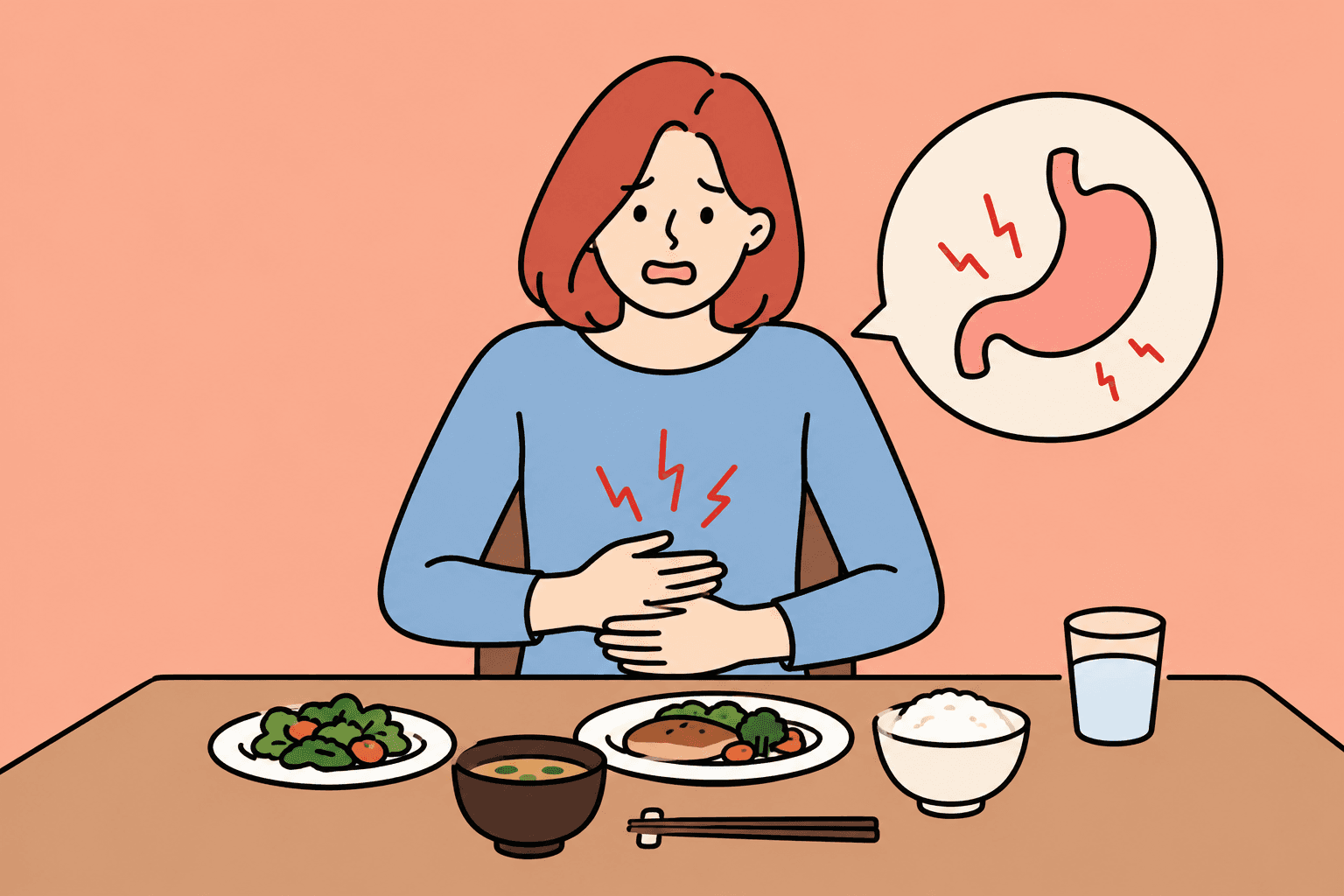
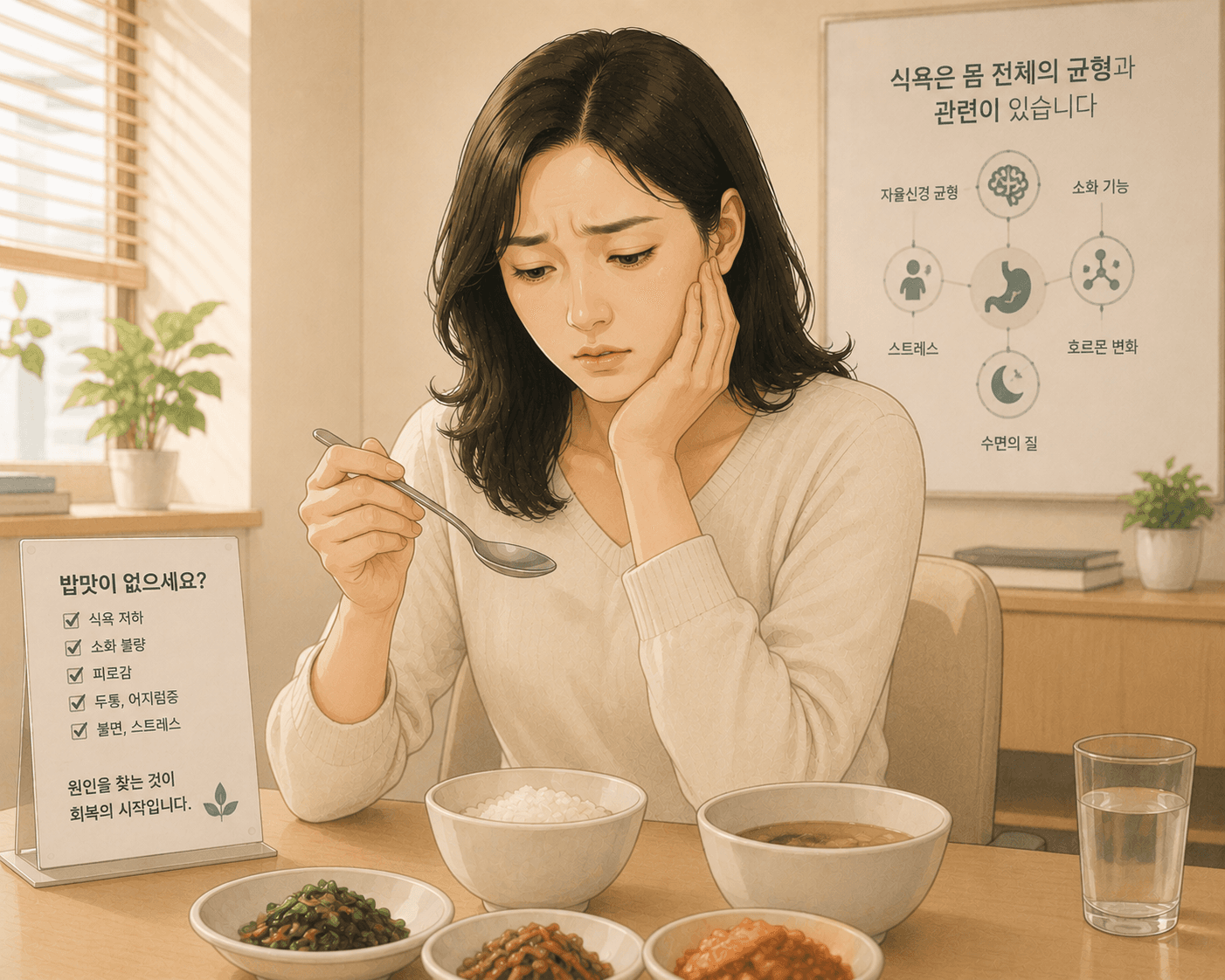
배는 고픈데 이상하게 숟가락이 가지 않습니다. 좋아하던 음식도 맛이 없고, 몇 숟갈만 먹으면 더 넘어가지 않습니다. 몇 주째 이어지는 이 증상이 식욕부진입니다.
식욕부진 한눈에 보기
- 식욕부진은 먹고 싶은 마음이 줄어 식사량이 떨어지는 증상으로, 위장뿐 아니라 뇌와 호르몬, 자율신경이 함께 관여합니다.
- 체중이 빠지거나 몇 주 넘게 이어지면 위장 질환, 우울증, 암 같은 원인을 먼저 확인해야 합니다.
- 검사에 큰 이상이 없다면 소화 기능과 스트레스, 자율신경, 수면을 함께 살핍니다.
- 치료후기 18건
- 건강정보 1편
식욕부진이란?
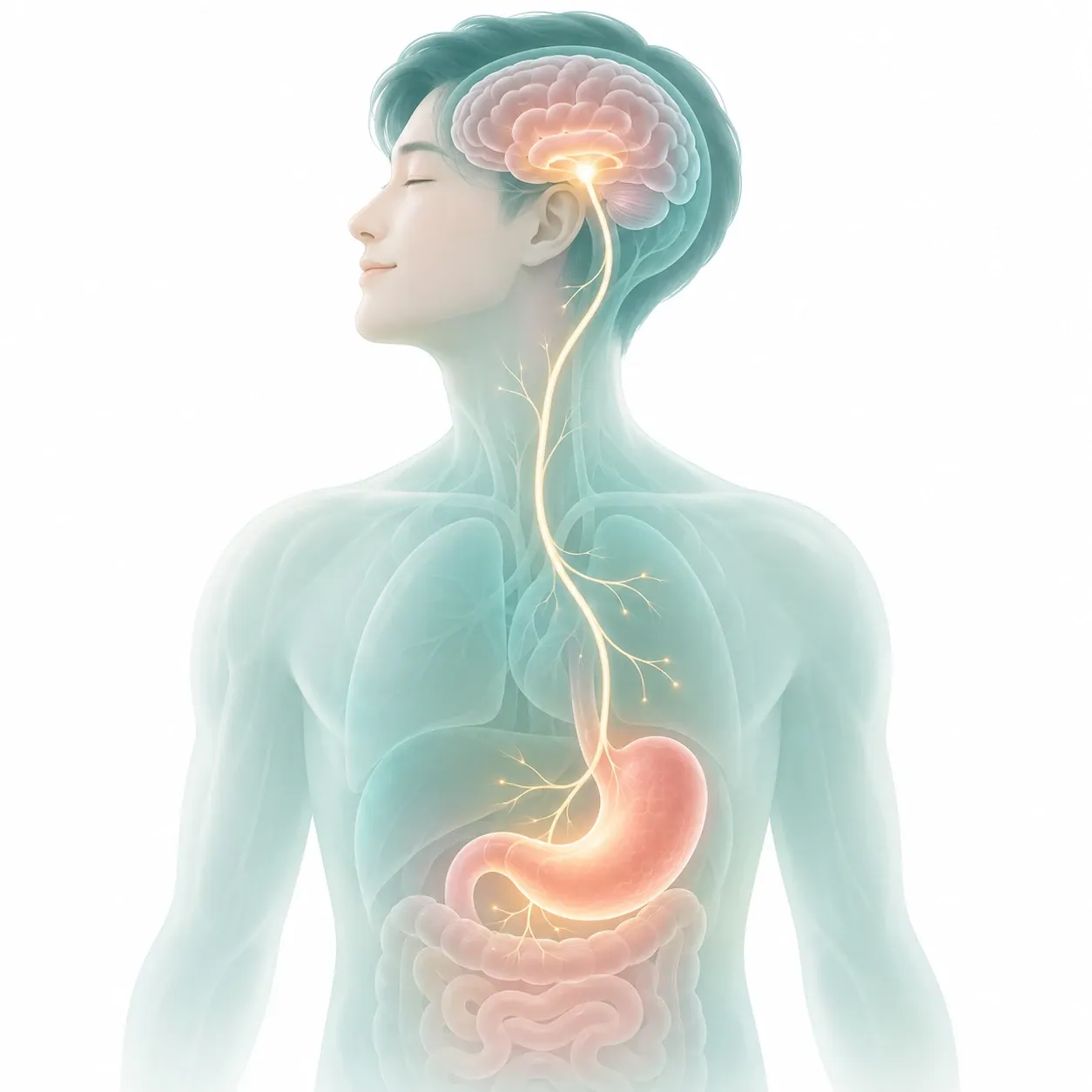
식욕부진은 먹고 싶은 마음이 줄어 식사량이 떨어지는 증상입니다. 우리는 위가 비면 배가 고프다고 생각하지만, 실제 식욕은 뇌와 호르몬, 자율신경, 위장 기능이 함께 만듭니다. 그래서 위장에 큰 병이 없어도 입맛이 떨어질 수 있습니다.
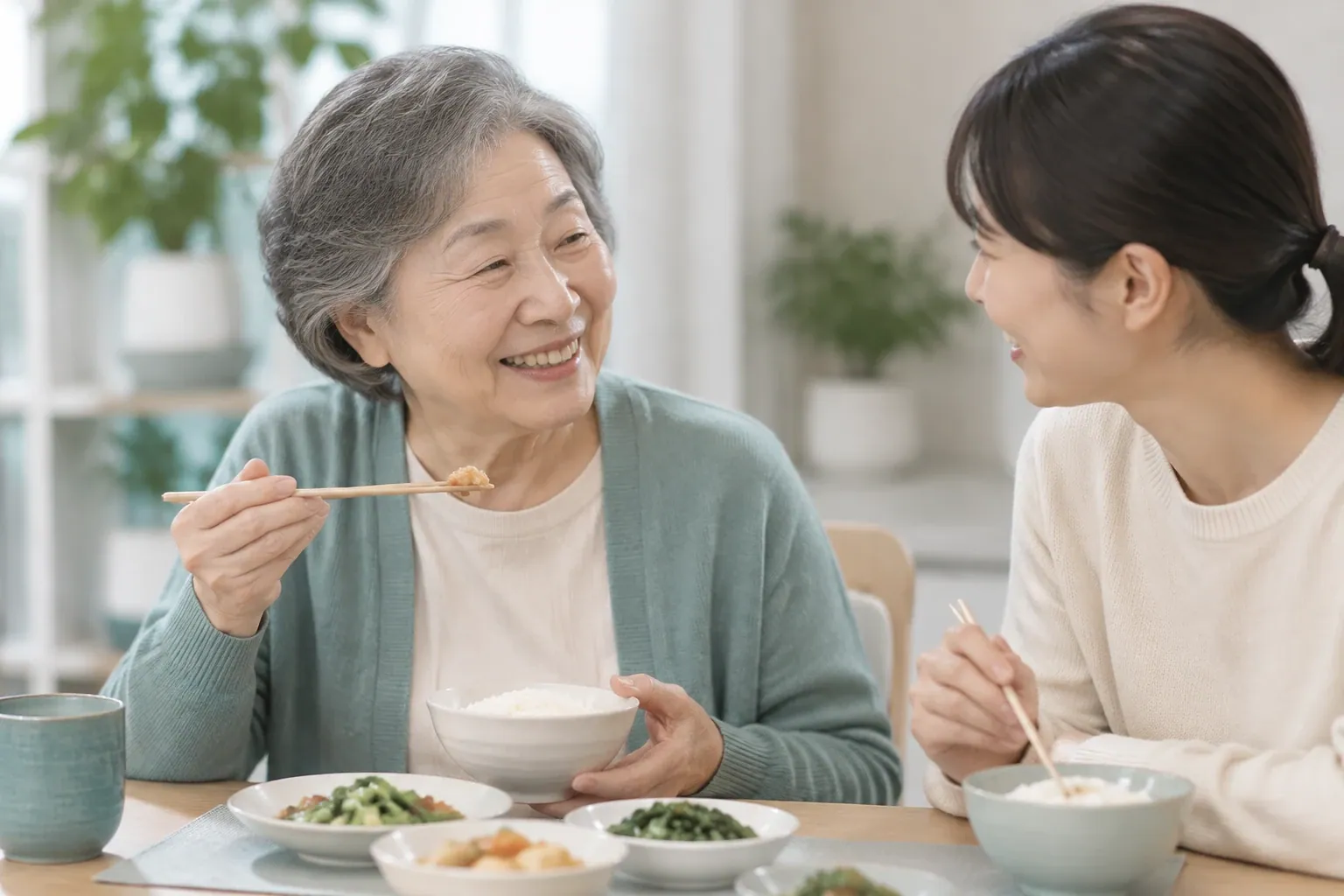
며칠 정도라면 피곤이나 감기의 영향일 수 있습니다. 나이가 들면 더 흔해져, 노년기 식욕부진은 영양 부족과 건강 악화의 주요 원인으로 꼽힙니다[1]. 암 환자의 약 절반도 식욕부진을 겪습니다[2].
살이 찌는 것이 두려워 일부러 먹지 않는 신경성 식욕부진증(거식증)은 다른 질환입니다. 이 글은 입맛이 저절로 떨어지는 증상을 다룹니다.
이런 증상이 있나요?
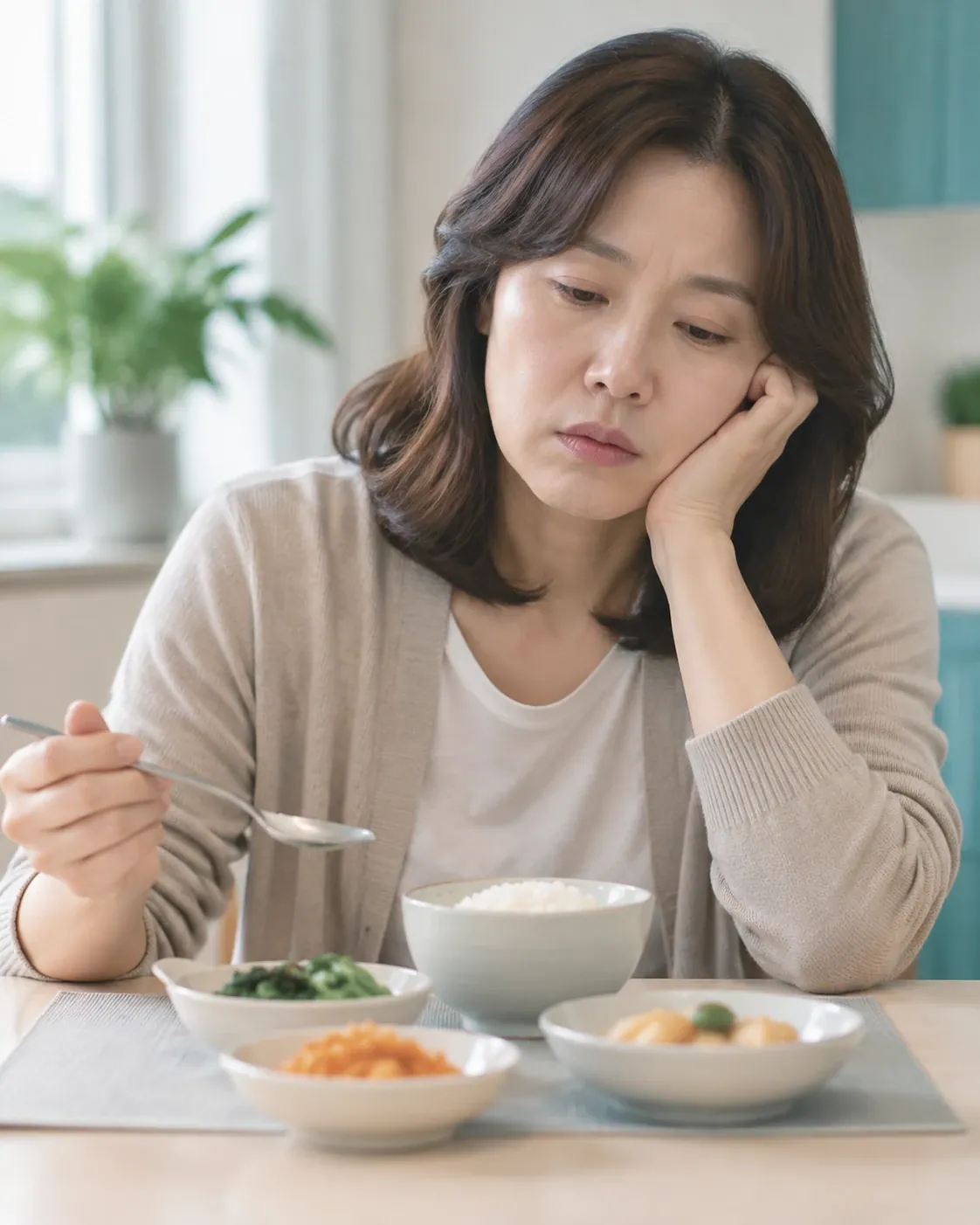
- 배는 고픈데 먹고 싶지 않다
- 좋아하던 음식도 맛이 없다
- 몇 숟갈만 먹어도 더 넘어가지 않는다
- 끼니를 잊거나 건너뛰는 날이 늘었다
- 더부룩함, 변비나 설사가 함께 있다
- 피곤하고 잠을 잘 못 잔다
몇 주 넘게 이어지거나 체중이 줄면 혈액검사와 위내시경으로 원인을 확인하세요. 이유 없는 체중 감소는 대장, 폐, 위·식도, 췌장 등 여러 암과 관련이 있습니다[3].
식욕부진의 표준 치료
치료의 시작은 원인을 찾는 것입니다. 위장 질환, 갑상선 질환, 우울증처럼 원인이 있으면 그 치료를 합니다. 노년기에는 영양 보충제나 식단 조절 같은 간단한 방법으로도 건강과 삶의 질을 높일 수 있습니다[1]. 암 환자에게는 메게스트롤 같은 식욕 촉진제를 쓰기도 합니다[6].
검사가 정상이면 뚜렷한 치료 없이 "잘 챙겨 드세요"라는 말을 듣는 분이 많습니다. 하지만 먹으려 해도 넘어가지 않는 것이 문제입니다. 한의학 치료는 먹을 수 있는 몸의 바탕을 돕습니다.
연구도 있습니다. 육군자탕은 2주 뒤 식욕 호르몬인 그렐린을 늘렸고[7], 위약보다 식후 포만감과 복부 팽만을 줄였습니다[8]. 십전대보탕은 암 환자 32명의 연구에서 식욕이 좋아졌고[2], 암 환자의 한약과 침도 삶의 질이 좋아졌다는 보고가 있습니다[6].
해움한의원은 이렇게 치료합니다
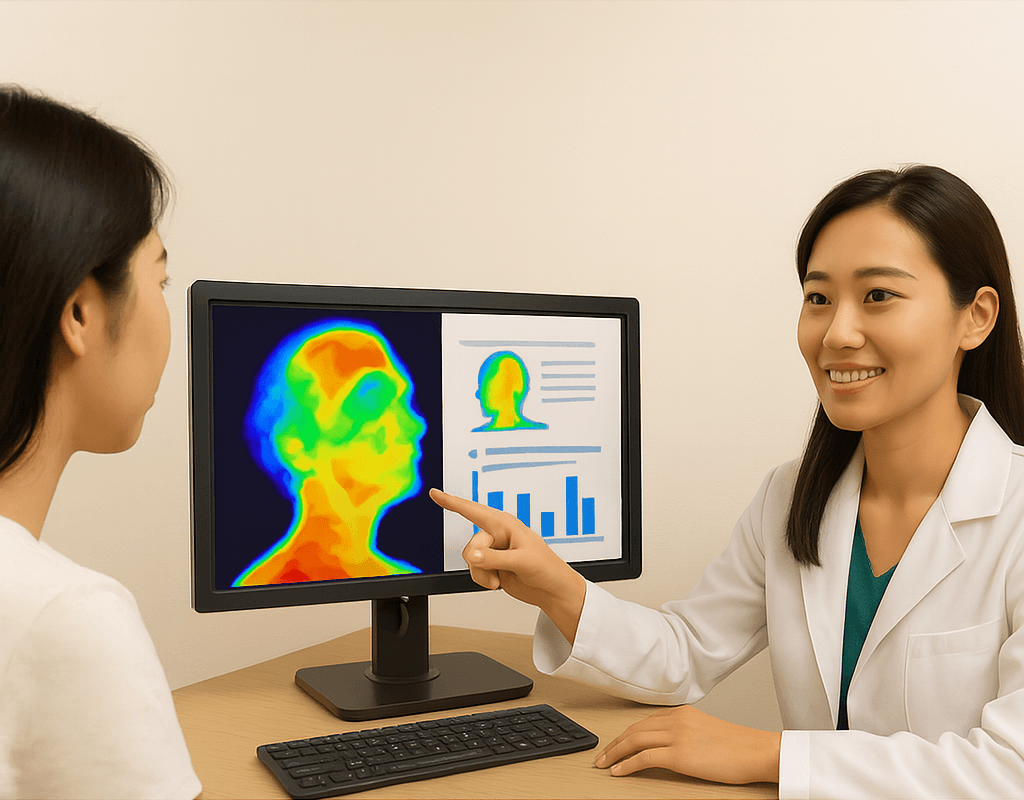
해움한의원은 입맛만 보지 않고, 왜 떨어졌는지, 소화 기능과 스트레스, 자율신경이 어떤 상태인지 함께 살펴 치료합니다.
1단계. 원인과 위험 신호를 가립니다
언제부터 입맛이 떨어졌는지, 체중 변화와 드시는 약, 기분과 수면을 자세히 살펴봅니다. 검사가 필요하면 내과 진료를 먼저 안내해 드립니다. 심박변이도와 체열 검사로 자율신경의 균형을 확인합니다.
2단계. 굳은 배와 위의 움직임을 풉니다
침과 약침으로 복부의 긴장을 풀고, 내장기 추나로 위장의 움직임을 돕습니다.
3단계. 유형에 맞춰 바탕을 다스립니다
식사 시간과 수면, 가벼운 운동을 함께 살핍니다. 체질과 상태에 맞춰 한약을 짓습니다.
4만 건의 처방 사례가 말해주는, 한방 맞춤 치료의 힘

식욕부진 치료후기 총 18건
환자분들이 남긴 치료후기입니다. 본문은 로그인 후 보실 수 있습니다.
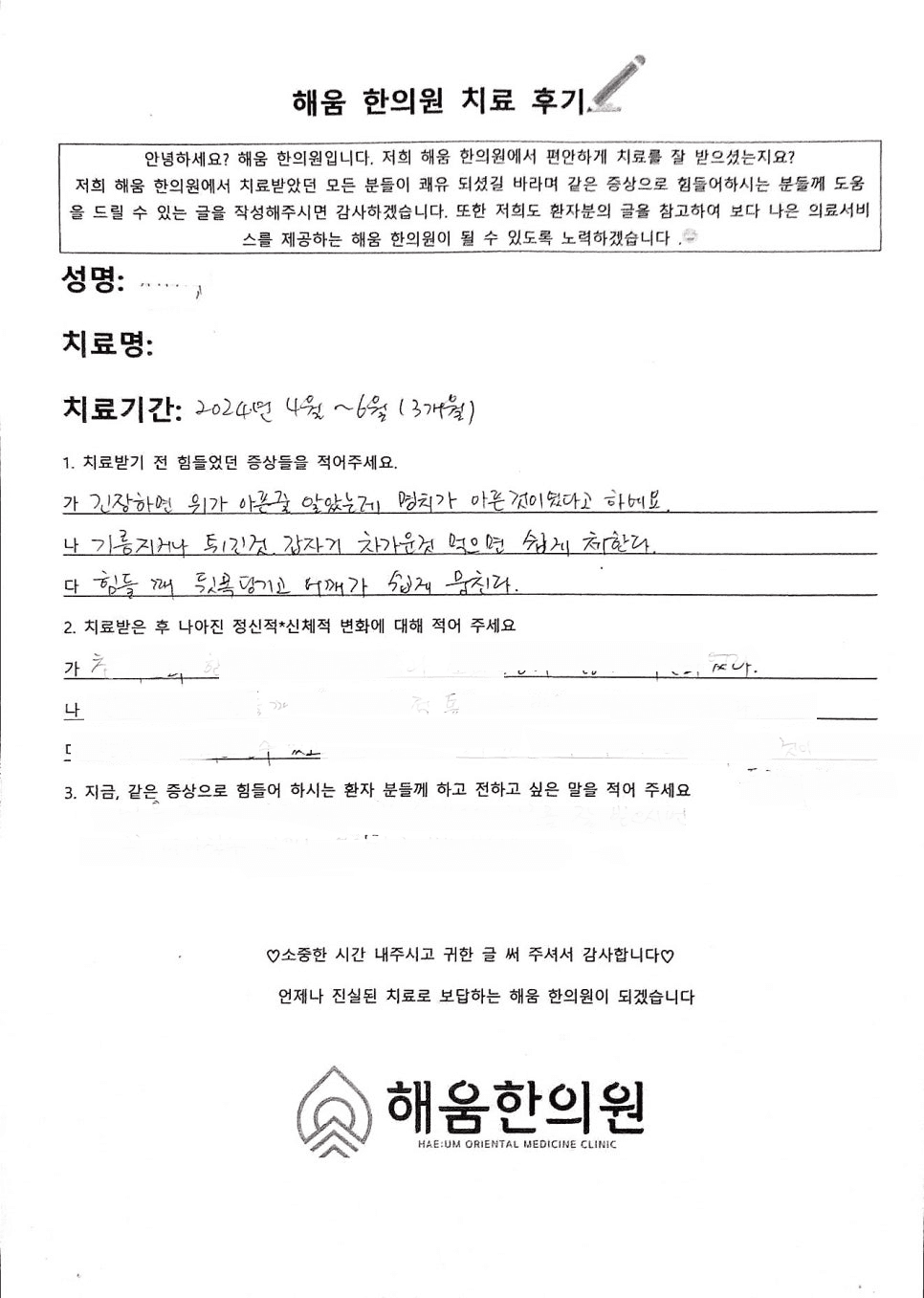 관련 후기
소화불량두통, 체할까 봐 항상 조심스러웠던 마음이 이제는 편해졌어요
2026. 01. 05.
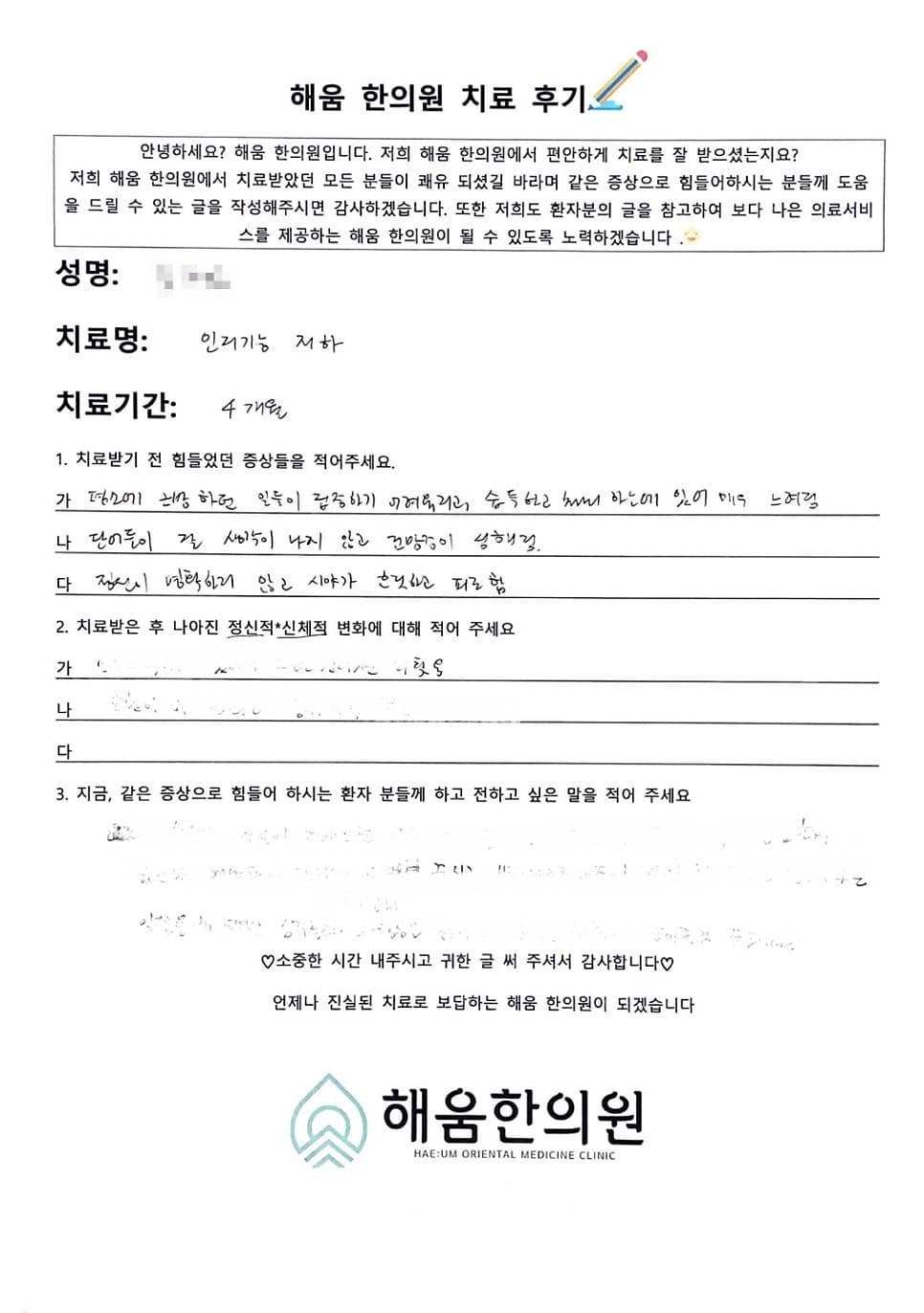 관련 후기
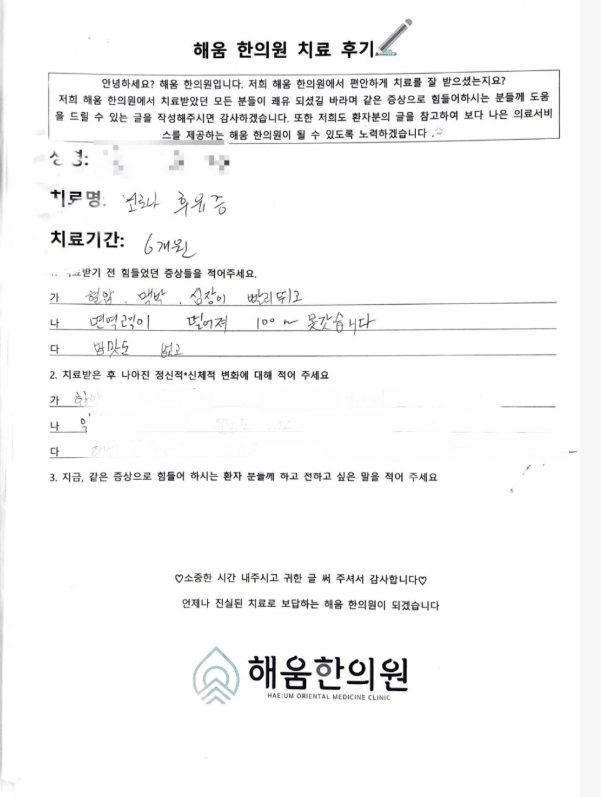
브레인포그, 어지럼증, 인지 기능 저하, 젊은이 치매
2024. 07. 20.
 관련 후기
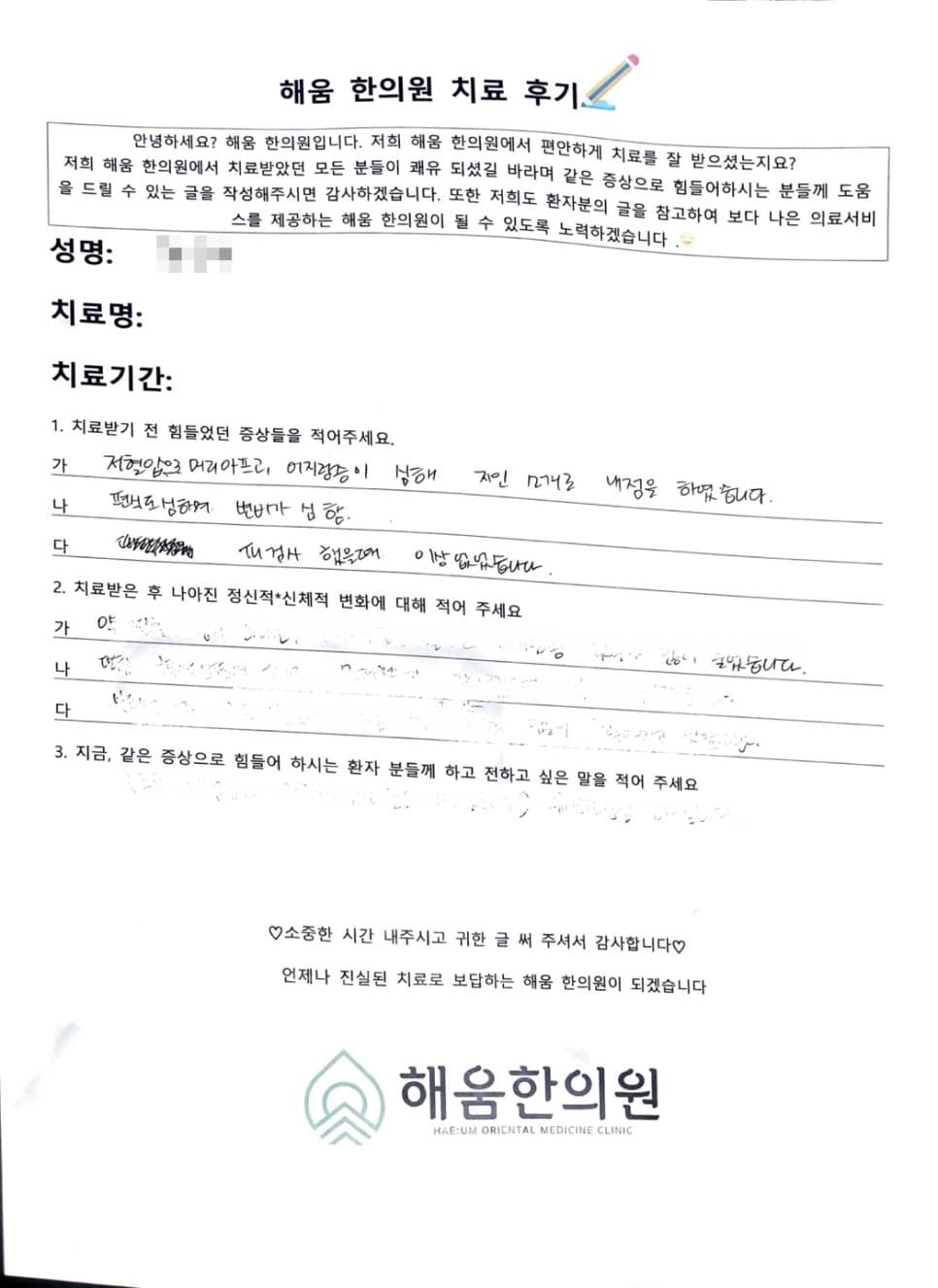
코로나 후유증 가슴두근거림, 불면
2024. 06. 27.
 관련 후기
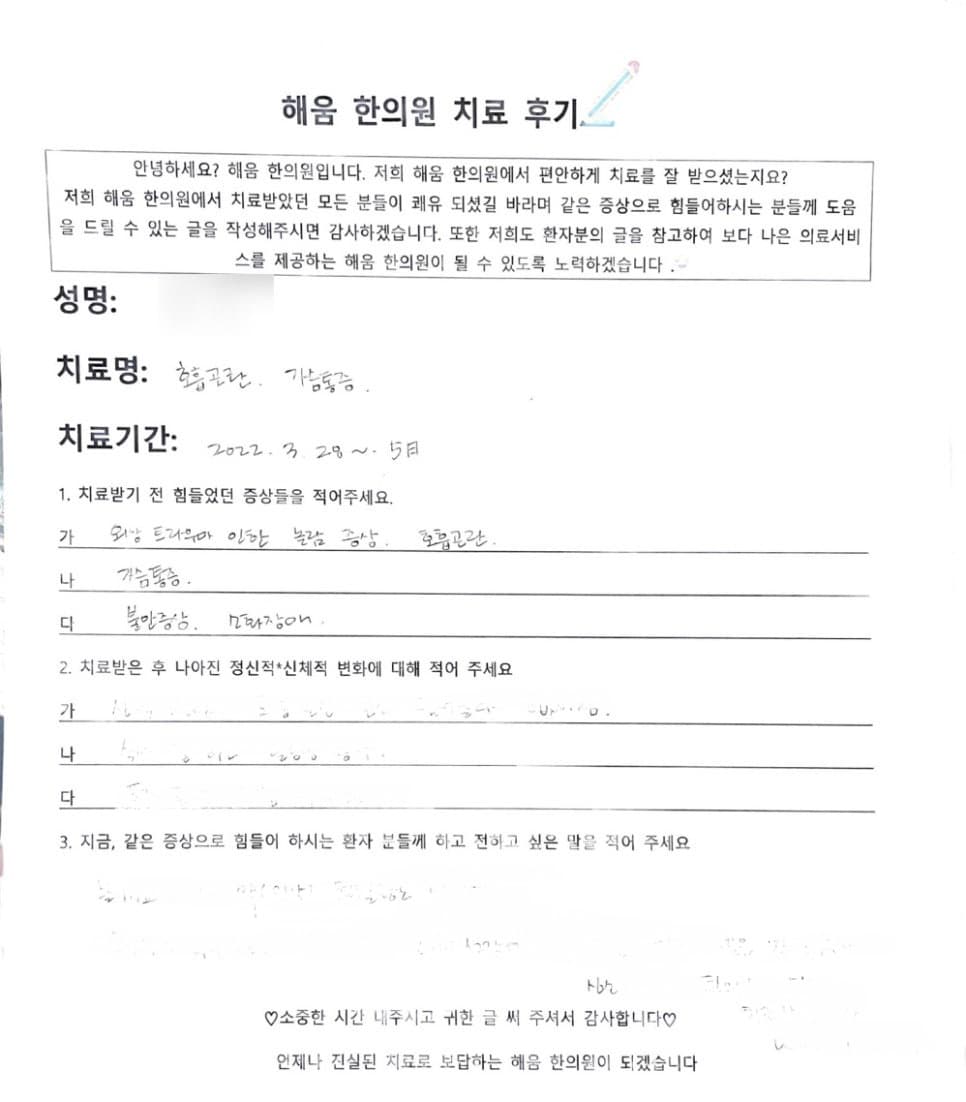
저혈압과 함께 어지러움이 심한 학생
2024. 05. 22.
 관련 후기
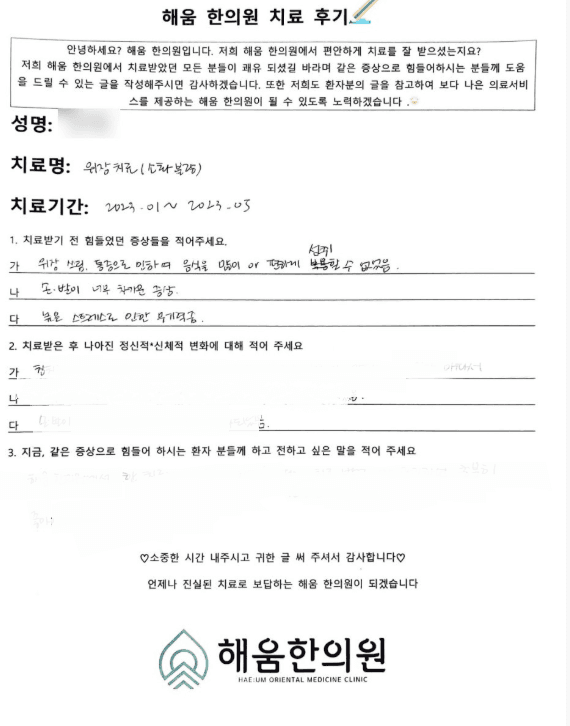
PTSD 외상후스트레스장애 증상으로 찾아온 초등학생, 한약 치료로 두근거림,호흡곤란,불안장애,소화불량이 좋아졌어요
2024. 05. 01.
 관련 후기
내시경 검사상 아무 문제 없는 속쓰림, 위경련 통증, 소화불량
2024. 04. 20.
다른 증상으로 내원하신 분들의 후기 중 ‘식욕부진’이 증상으로 함께 언급된 기록
- 코로나로 악화된 공황장애 분열정동장애 한약 6개월2023. 11. 22.
- 이럴때 보약한재 먹어야해요! 만성피로 편두통 몸살근육통2023. 01. 17.
- 코로나 후유증으로 구토 미식거림 두통 어지러움 연하장애로 고생하신 노인 환자분2023. 01. 03.
- 평생을 달고 살아온 소화불량, 노인 우울증 한약 1달반 먹고 좋아진 사례2022. 08. 02.
- 이유 모르게 토하고 배가 부글거리고 구토 증상2022. 07. 30.
- 신경성소화불량? 담적병? 기능성위장장애? 원인을 못 찾던 위장병, 한약 1달2022. 06. 03.
- 소화불량으로 3개월동안 10kg 빠져서 고생하신 환자분 한약 치료기2022. 05. 12.
- 한약 치료 왈칵왈칵 역류하는 위산으로 목구멍이 아프고 따갑던 환자 이야기2022. 03. 30.
- 만성피로,소화불량,불면.. 사는게 피곤하셨던 환자분 보약 먹고 기운 차리신 얘기2022. 03. 09.
- 이게 담적인가요? 위내시경 후유증으로 명치 가슴이 답답하고 딱딱하게 만져지는 환자분 한약 1달 치료기2021. 11. 24.
식욕부진, 누가 진료하나요?
담당 의료진
대표원장 박재은

“병이 아니라 그 뒤의 사람을 봅니다”
경희대학교 한의학박사이자 여한의사입니다. 심리상담사 1급 자격, 20만명 차트분석과 4만건 이상의 한약 처방 경험을 바탕으로 진료합니다.
의료진 소개 더보기식욕부진, 자주 묻는 질문
입맛이 없을 때 억지로 먹어야 하나요?
검사가 정상인데 왜 입맛이 없나요?
어르신이 입맛이 없다고 하면 어떻게 하나요?
보약을 먹으면 입맛이 돌아오나요?
양약과 한약을 같이 먹어도 되나요?
치료 기간은 얼마나 걸리나요?
해움한의원에서 식욕부진을 진료하나요?
식욕부진으로 내원하려면 어떻게 하나요?
식욕부진에 관해 알아두면 좋은 정보
1건식욕부진과 관련해 정리한 건강정보입니다.
이런 경우에는 미루지 말고 진료를 받으세요
아래 증상은 위장 질환이나 암, 내분비 질환, 우울증 같은 다른 원인일 수 있습니다. 내과나 해당 진료과를 먼저 확인하세요. 물도 마시지 못하거나 의식이 흐려지면 바로 응급실(119)로 가세요.
- 이유 없이 체중이 빠른다
- 음식을 삼키기 어렵거나 계속 토한다
- 검은 변을 보거나 빈혈이 있다는 말을 들었다
- 몇 주째 기분이 가라앉고 아무것도 하기 싫다
- 살이 찌는 것이 두려워 일부러 먹지 않는다
참고문헌 8편
[1]Landi F, Calvani R, Tosato M, Martone AM, Ortolani E, Savera G, et al. Anorexia of Aging: Risk Factors, Consequences, and Potential Treatments. Nutrients. 2016;8(2):69. doi:10.3390/nu8020069. PMID: 26828516.
초록 (Abstract)
Older people frequently fail to ingest adequate amount of food to meet their essential energy and nutrient requirements. Anorexia of aging, defined by decrease in appetite and/or food intake in old age, is a major contributing factor to under-nutrition and adverse health outcomes in the geriatric population. This disorder is indeed highly prevalent and is recognized as an independent predictor of morbidity and mortality in different clinical settings. Even though anorexia is not an unavoidable consequence of aging, advancing age often promotes its development through various mechanisms. Age-related changes in life-style, disease conditions, as well as social and environmental factors have the potential to directly affect dietary behaviors and nutritional status. In spite of their importance, problems related to food intake and, more generally, nutritional status are seldom attended to in clinical practice. While this may be the result of an “ageist” approach, it should be acknowledged that simple interventions, such as oral nutritional supplementation or modified diets, could meaningfully improve the health status and quality of life of older persons.
원문 발췌 · Landi F, Calvani R, Tosato M, Martone AM, Ortolani E, Savera G, Sisto A, Marzetti E, Nutrients 2016 · CC BY 4.0 라이선스에 따라 수정 없이 인용했습니다(본문 속 인용 번호는 생략).
[2]Cheon C, Yoo JE, Yoo HS, Cho CK, Kang S, Kim M, et al. Efficacy and Safety of Sipjeondaebo-Tang for Anorexia in Patients with Cancer: A Pilot, Randomized, Double-Blind, Placebo-Controlled Trial. Evid Based Complement Alternat Med. 2017;2017:8780325. doi:10.1155/2017/8780325. PMID: 29441116.
요약 암 환자의 식욕부진 32명을 십전대보탕과 위약으로 나눈 우리나라 예비 연구입니다. 4주 뒤 식욕과 삶의 질이 좋아졌지만 두 군의 차이는 없었습니다. 암 환자의 약 절반이 식욕부진을 겪는다고 설명합니다.원문은 출판사 저작권 자료로, 위 링크에서 확인하실 수 있습니다.
[3]Nicholson BD, Hamilton W, O'Sullivan J, Aveyard P, Hobbs FR. Weight loss as a predictor of cancer in primary care: a systematic review and meta-analysis. Br J Gen Pract. 2018;68(670):e311-e322. doi:10.3399/bjgp18x695801. PMID: 29632004.
요약 일차 진료의 25개 연구를 모은 메타분석입니다. 체중 감소는 대장, 폐, 위·식도, 췌장 등 10곳의 암과 관련이 있었습니다.원문은 출판사 저작권 자료로, 위 링크에서 확인하실 수 있습니다.
[4]Torres SJ, Nowson CA. Relationship between stress, eating behavior, and obesity. Nutrition. 2007;23(11-12):887-894. doi:10.1016/j.nut.2007.08.008. PMID: 17869482.
요약 스트레스와 식사의 관계를 정리한 종설입니다. 스트레스는 식사량을 줄이기도 늘리기도 하며, 스트레스의 강도가 영향을 줄 수 있다고 설명합니다.원문은 출판사 저작권 자료로, 위 링크에서 확인하실 수 있습니다.
[5]Simmons WK, Burrows K, Avery JA, Kerr KL, Taylor A, Bodurka J, et al. Appetite changes reveal depression subgroups with distinct endocrine, metabolic, and immune states. Mol Psychiatry. 2020;25(7):1457-1468. doi:10.1038/s41380-018-0093-6. PMID: 29899546.
요약 우울증 환자 54명과 건강한 42명을 비교한 연구입니다. 식욕이 줄어든 우울증 환자는 다른 두 군보다 코르티솔이 높았고, 코르티솔이 높을수록 음식 신호에 대한 뇌 보상 영역의 반응이 약했습니다.원문은 출판사 저작권 자료로, 위 링크에서 확인하실 수 있습니다.
[6]Zhang F, Shen A, Jin Y, Qiang W. The management strategies of cancer-associated anorexia: a critical appraisal of systematic reviews. BMC Complement Altern Med. 2018;18(1):236. doi:10.1186/s12906-018-2304-8. PMID: 30092794.
초록 (Abstract)
Background: Cancer-related anorexia remains one of the most prevalent and troublesome clinical problems experienced by patients with cancer during and after therapy. To ensure high-quality care, systematic reviews (SRs) are seen as the best guide. Considering the methodology quality of SRs varies, we undertook a comprehensive overview, and critical appraisal of pertinent SRs.
Methods: Eight databases (between the inception of each database and September 1, 2017) were searched for SRs on the management of cancer-related anorexia. Two researchers evaluated the methodological quality of each SR by using the Revised Assessment of Multiple Systematic Reviews (R-AMSTAR) checklist. Characteristics of the “high quality” SRs were abstracted, included information on relevant studies numbers, study design, population, intervention, control, outcome and result.
Results: Eighteen SRs met the inclusion criteria. The R-AMSTAR scores of methodological quality ranged from 18 to 41 out of 44, with an average score of 30. Totally eight SRs scored ≥31 points, which showed high methodological quality, and would be used for data extraction to make summaries. Anamorelin had some positive effects to relieve cancer anorexia-cachexia syndrome (CACS) and improve the quality of life (QoL). Megestrol Acetate (MA) could improve appetite, and was associated with slight weight gain for CACS. Oral nutritional interventions were effective in increasing nutritional intake and improving some aspects of QoL in patients with cancer who were malnourished or at nutritional risk. The use of thalidomide, Eicosapentaenoic Acid, and minerals, vitamins, proteins, or other supplements for the treatment of cachexia in cancer were uncertain, and there was inadequate evidence to recommend it to clinical practices, the same situation in Chinese Herb Medicine and acupuncture (acupuncture and related therapies were effective in improving QoL) for treating anorexia in cancer patients, warranting further RCTs in these areas.
Conclusions: Anamorelin, MA, oral nutrition interventions, and acupuncture could be considered to be applied in patients with cancer-related anorexia. Future RCTs and SRs with high quality on the pharmaceutical or non-pharmaceutical interventions of anorexia in cancer patients are warranted.
Electronic supplementary material: The online version of this article (10.1186/s12906-018-2304-8) contains supplementary material, which is available to authorized users.
결과 (Results)
Study selection: The review identification and selection procedures are outlined in Fig. 1. Of 1634 initially identified search hits, 159 duplications were excluded, and 1475 records remained for citation screening. After the screening of titles and abstracts, 80 full texts were retrieved for eligibility assessment. Among them, 62 publications were excluded because of the following reasons: irrelevant population (n = 1), irrelevant interventions (n = 11), insufficient studies included (n = 2), inadequate design (n = 44), inadequate form (n = 3), irrelevant language (n = 1). As a result, 18 SRs met the predefined eligibility criteria were included.Fig. 1Flowchart of the systematic review selection procedure
Methodological quality: Results of the critical appraisal for 18 SRs using R-AMSTAR are presented in Table 1. The R-AMSTAR scores of methodological quality ranged from 18 to 41 out of 44, with an average score of 30. Totally 8 SRs (Dewey et al., 2007; Baldwin et al., 2012; Reid et al., 2012; Ruiz et al., 2013; Chung et al., 2016; Lau et al., 2016; Mochamat et al., 2017; Bai et al., 2017) scored ≥31 points, which showed high methodological quality, and would be used for data extraction to make a summary. Most SRs provided “a priori” design, i.e., a protocol, a research question and inclusion criteria (mean: 3.33). In contrast, the criteria of items such as “quality of included studies assessed and documented” (mean: 2.06), “scientific quality used appropriately in formulating conclusions” (mean: 1.22), and “conflict of interest stated” (mean: 2.33) were completely satisfied only by one SR. The items of “list of studies included and excluded”, and “likelihood of publication bias assessed” were also insufficient in several reviews.Table 1Assessment of the methodological quality using R-AMSTARStudyR-AMSTAR itemsScore1. “A priori” design provided?2. Duplicate study selection and data extraction?3. Comprehen-sive literature search?4. Status of publication as an inclusion criterion?5. List of studies (included and excluded)?6. Characteris-tics of the included studies?7. Quality of included studies assessed and documented?8. Scientific quality used appropriately in formulating conclusions?9. Appropriate methods used to combine the findings of studies?10. Likelihood of publication bias assessed?11. Conflict of interest stated?Maltoni et al., 2001 4442141111124Pascual ea. al,2004 3332142141226Yavuzsen et al., 2005 3211141111218Berenstein & Ortiz, 2005 3444142141129Dewey et al., 2007 4444342141334aLesniak et al., 2008 3342143142229Baldwin et al., 2012 3431242144432 aReid et al., 2012 4443442144236 aRuiz et al., 2013 4444444244341 aPayne et al., 2013 3441342121328Reid et al., 2013 3412342132328Solheim et al., 2013 3422342131227Miller et al., 2014 3411242121223Chung et al., 2016 4234342144334 aLau et al., 2016 4334342144335 aBai et al., 2017 3332342144332 aMochamat et al., 2017 3424242431231 aLi et al.,2017 3324312141125Mean3.333.502.892.612.393.832.061.223.282.112.3329.56SD0.490.711.131.241.040.710.640.731.071.410.845.47aR-AMSTAR score ≥ 31 points means a high methodological quality
Summaries of SRs with high methodological quality: Table 2 describes the general characteristics of 8 included SRs with high methodological quality. The management strategies of cancer related anorexia included drugs (n = 3), dietary or nutritional intervention (n = 3), Chinese Herbal Medicine (CHM, n = 1), acupuncture (n = 1).Table 2Characteristics of systematic reviewsSystematic reviewRelevant studies, NoStudy design (No)PopulationInterventionControlOutcomeDewey et al., 2007 5RCT (n = 5)Incurable or advanced cancer patients with either a reported weight loss of 5% and above or cachexiaOral fish oil supplementationPlacebo/ active matched controlAE, BC, CR, EE, Fatigue, FS, NS, PS, QoL, SA, Survival, WCBaldwin et al., 2012 13RCT (n = 13)Adults cancer patients with malnourished or at risk of malnutritionDietary advice, oral nutritional supplements, or bothUsual careNI (ie, weight loss and energy intake), QOL, SurvivalReid et al., 2012 3RCT (n = 3)Advanced or incurable cancer patients with weight loss or cachexiaThalidomide orallyPlacebo/ an alternative experimental treatment modalityAE, BC, Fatigue, FS, GP, PIC, PS, QoL, SurvivalRuiz et al., 2013 35RCT (n = 35)Patients with cancer, AIDS or another underlying pathology related anorexia-cachexiaMegestrol acetatePlacebo/ other active drug treatments/ different dosesAC, AE, MAC, QoL, TSFT, WCChung et al., 2016 14RCT (n = 14)Cancer patients with various types, most in moderate to advanced stageCHM, either in combination with other treatments or used aloneConventional treatment, placebo, or no treatment.Fatigue, paresthesias, dysesthesias, chronic pain, anorexia, insomnia, limbs edema, constipationLau et al., 2016 13RCT (n = 13)Patients with various types of cancer, near half in moderate to advanced stagesAny form of acupuncture and/or related therapiesAny type of interventions without acupuncture or related treatmentsFatigue, paresthesia, dysesthesias, chronic pain, anorexia, insomnia, limb edema, constipation, QoLBai et al., 2017 4RCT (N = 3) Randomized crossover Trial (n = 1)Cancer anorexia-cachexia syndrome (CACS) patientsAnamorelinPlacebo or Anamorelin at various dosesAC, GS, LBM, PS, QoL, Serum biomarkers, WCMochamat et al., 2017 21RCT (n = 17) Prospective studies (n = 3) Crossover study (n = 1)Cancer patients with cachexia or cachexia-related symptomsVitamin, mineral, proteins, or other dietary supplementsNo supplements/ different supplementsAE, AC, LBM, L-carnitine, QoL, Survival, WC,Abbreviations: AC appetite change, AE adverse events, AIDS acquired immune deficiency syndrome, BC body composition, CHM chinese herbal medicine, CR compliance rates, EE energy expenditure, FS functional status, GS grip strength, LBM lean body mass, MAC mid-arm circumference, NS nutritional status, NI nutritional indices, PIC pro-inflammatory cytokines, PS performance status, QoL quality of life, RCT randomized clinical trial, SE side effects, TSFT triceps skin fold thickness, WC weight change
Acupuncture: Compared with conventional interventions, acupuncture and related therapies improved quality of life in patients with gastrointestinal cancer (n = 111, pooled SMD: 0.75, 95% CI: 0.36~ 1.13); Acupuncture and related therapies also showed improvement in anorexia, but there was no statistical significance (n = 50, RR: 2.51, 95%CI: 0.94~ 6.72); Besides, acupuncture and related therapies significantly reduced pain (n = 175, pooled WMD: -0.76, 95% CI: -0.14~ − 0.39) in patients with liver or gastric cancer, and fatigue (n = 57, MD: -0.63, 95% CI: -1.22~ − 0.44) in lung cancer patients; Adverse events of acupuncture and related therapies were infrequent and mild.
Chinese herbal medicine: Qi-ge-kai-wei decoction plus megestrol acetate versus megestrol acetate alone, showed a higher proportion of reported improvement (93.8% vs 87.5%) for treating anorexia in advanced lung cancer patients; However, there was no statistical significance. Tong-tai decoction and chemotherapy showed more improvement than chemotherapy alone in advanced colorectal cancer patients (55.0% vs 45.0%), but again no significance difference was found; CHM could significantly reduced pain (pooled WMD: -0.90, 95% CI: -1.69~ − 0.11), compared with conventional intervention; Adverse events were infrequent and mild.
Eicosapentaenoic acid: There was no sufficient data to establish whether oral Eicosapentaenoic acid (EPA) was better than placebo. Comparisons of EPA combined with a protein energy supplementation versus a protein energy supplementation (without EPA) in the presence of an appetite stimulant (Megestrol Acetate) provided no evidence that EPA could improve symptoms associated with the cachexia syndrome often seen in patients with advanced cancer.
Oral nutritional intervention: Oral Nutritional intervention (ONI) was associated with statistically significant improvements in weight (MD = 1.86 kg, 95% CI = 0.25 ~ 3.47), and energy intake (MD = 432 kcal/d, 95% CI = 172~ 693), compared with routine care; However, after removing the main sources of heterogeneity, there was no statistically significant difference in weight gain or energy intake; In addition, ONI had a beneficial effect on some aspects of QoL (emotional functioning, dyspnea, loss of appetite, and global QoL), but had no effect on mortality (RR = 1.06, 95% CI = 0.92 ~ 1.22).
Vitamins, minerals, proteins, and other supplements: As far as vitamins were concerned, vitamin E in combination with omega-3 fatty acids displayed a significant prolonged survival (no exact number presented, P = 0.01) in one RCT, vitamin D showed improvement of muscle weakness (37%) in a crossover study, and vitamin C supplementation led to significantly higher scores of various quality of life aspects, such as physical, emotional and cognitive, in a sample with a variety of cancer diagnoses; Regarding minerals, only one study examined the use of magnesium with no effect on weight loss; For proteins, a combination therapy of β-hydroxy-β-methylbutyrate (HMB), arginine, and glutamine showed an increase in body weight (2.27 ± 1.17 kg vs 0.27 ± 1.39, P = 0.06) after 24 weeks in a study of advanced solid tumour patients, whereas the same combination did not show a benefit on lean body mass (LBM) in a large sample of advanced lung and other cancer patients after 8 weeks; L-carnitine led to an increase of body mass index (3.4 ± 1.4% vs 1.5 ± 1.4%, P < 0.05) and an increase in overall survival (median 519 ± 50d vs 399 ± 43d, P = ns) in advanced pancreatic cancer patients; Adverse effects of food supplementation were rare and showed mild intensity.
Anamorelin: Compared with placebo, Anamorelin showed statistically significant improvement in LBM (SMD = 0.34, 95% CI = 0.21~ 0.46), body weight (SMD = 1.91, 95% CI = 0.53~ 3.29), Anderson Symptom Assessment Scale (ASAS) score (MD = 8.05, 95% CI = 5.97~ 10.12), insulin-like growth factor-1 level (SMD = 2.51, 95% CI = 0.37~ 4.46), IGF binding protein-3 (SMD = 1.65, 95% CI = 1.13~ 2.18). Three studies reported non-dominant handgrip strength, but there was no significant difference (SMD = 0.30, 95% CI = − 0.12~ 0.72). All the included studies reported adverse events, Anamorelin induced fewer adverse events, but there was no significant difference between the two groups (RR = 0.07, P = 0.35).
Megestrol acetate: Megestrol acetae (MA) showed a benefit compared with placebo, particularly with regard to appetite improvement (RR = 2.57, 95% CI = 1.41~ 3.40) and weight gain (RR = 1.55, 95% CI = 1.06~ 2.26) in cancer, but lack of benefit when compared to other drugs. There was insufficient information to define the optimal dose of MA, but higher doses were more related to weight improvement than lower doses; Quality of life improvement in patients was observed only when comparing MA versus placebo (RR = 1.91, 95% CI = 1.02~ 3.59) but not other drugs in cancer. Oedema, thromboembolic phenomena and deaths were more frequent in patients treated with MA.
Thalidomide: A dearth of large, well conducted trials about thalidomide for the management of cancer cachexia. At present, there was insufficient evidence to refute or support the use of thalidomide for the management of cachexia in advanced cancer patients.
원문 발췌 · Zhang F, Shen A, Jin Y, Qiang W, BMC Complement Altern Med 2018 · CC BY 4.0 라이선스에 따라 수정 없이 인용했습니다(본문 속 인용 번호는 생략).
[7]Arai M, Matsumura T, Tsuchiya N, Sadakane C, Inami R, Suzuki T, et al. Rikkunshito improves the symptoms in patients with functional dyspepsia, accompanied by an increase in the level of plasma ghrelin. Hepatogastroenterology. 2012;59(113):62-66. doi:10.5754/hge11246. PMID: 22260823.
요약 기능성 소화불량 27명을 육군자탕과 돔페리돈으로 나눈 연구입니다. 두 군 모두 증상이 좋아졌고, 육군자탕 군에서 2주 뒤 식욕 호르몬인 활성형 그렐린이 늘었습니다.원문은 출판사 저작권 자료로, 위 링크에서 확인하실 수 있습니다.
[8]Tominaga K, Sakata Y, Kusunoki H, Odaka T, Sakurai K, Kawamura O, et al. Rikkunshito simultaneously improves dyspepsia correlated with anxiety in patients with functional dyspepsia: A randomized clinical trial (the DREAM study). Neurogastroenterol Motil. 2018;30(7):e13319. doi:10.1111/nmo.13319. PMID: 29498457.
요약 일본 56개 병원의 위약 대조 연구입니다. 8주간 육군자탕을 먹은 군은 위약군보다 전반적 효과 평가가 좋았고, 식후 포만감과 복부 팽만이 줄었으며, 불안 개선은 소화 증상의 개선과 함께 움직였습니다.원문은 출판사 저작권 자료로, 위 링크에서 확인하실 수 있습니다.