

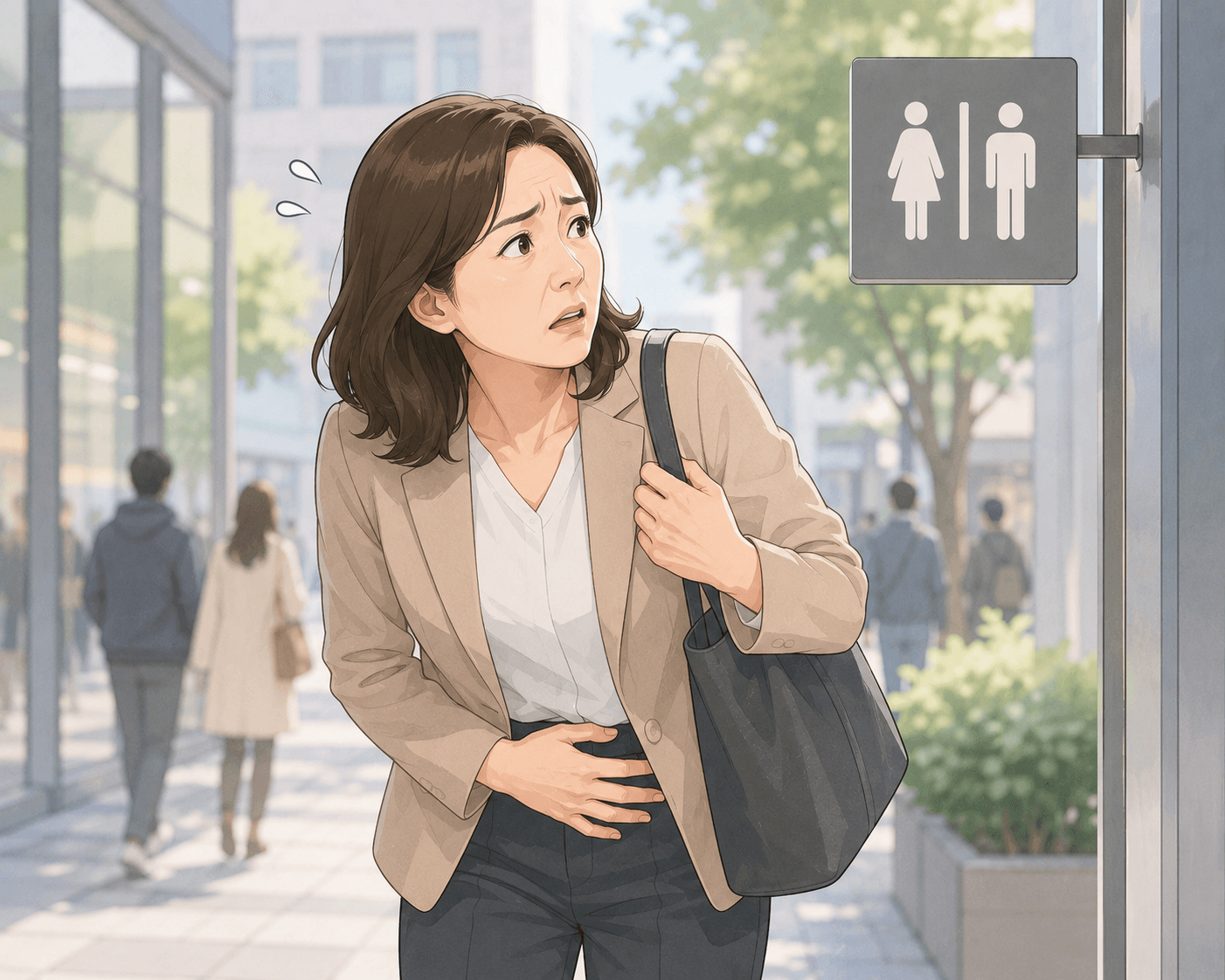
화장실에 다녀온 지 한 시간도 안 됐는데 또 마렵습니다. 회의나 영화관, 장거리 운전 전에는 물을 참게 되고, 어디를 가든 화장실 위치부터 찾습니다. 검사에서 큰 이상이 없다는데도 화장실이 급하게 가고 싶어질까 두렵습니다. 이렇게 소변을 너무 자주 보는 것이 빈뇨입니다.
빈뇨 한눈에 보기
- 빈뇨는 소변을 지나치게 자주 보는 증상으로, 보통 낮에 8번 넘게 화장실에 가는 경우를 말합니다. 병 이름이 아니라 여러 원인에서 나타나는 증상입니다.
- 먼저 방광염, 당뇨, 전립선 문제 같은 원인을 확인하고, 원인 질환이 없으면 방광 훈련과 약으로 치료합니다. 행동 치료만으로 요실금 횟수가 80% 넘게 줄었다는 연구가 있습니다.
- 긴장하면 화장실이 가고 싶어지듯, 방광은 자율신경의 영향을 받습니다. 검사가 정상인 빈뇨는 긴장과 냉증, 피로를 함께 돌보는 것이 중요합니다.
- 치료후기 4건
- 건강정보 1편
- 온라인 상담 1건
빈뇨란?
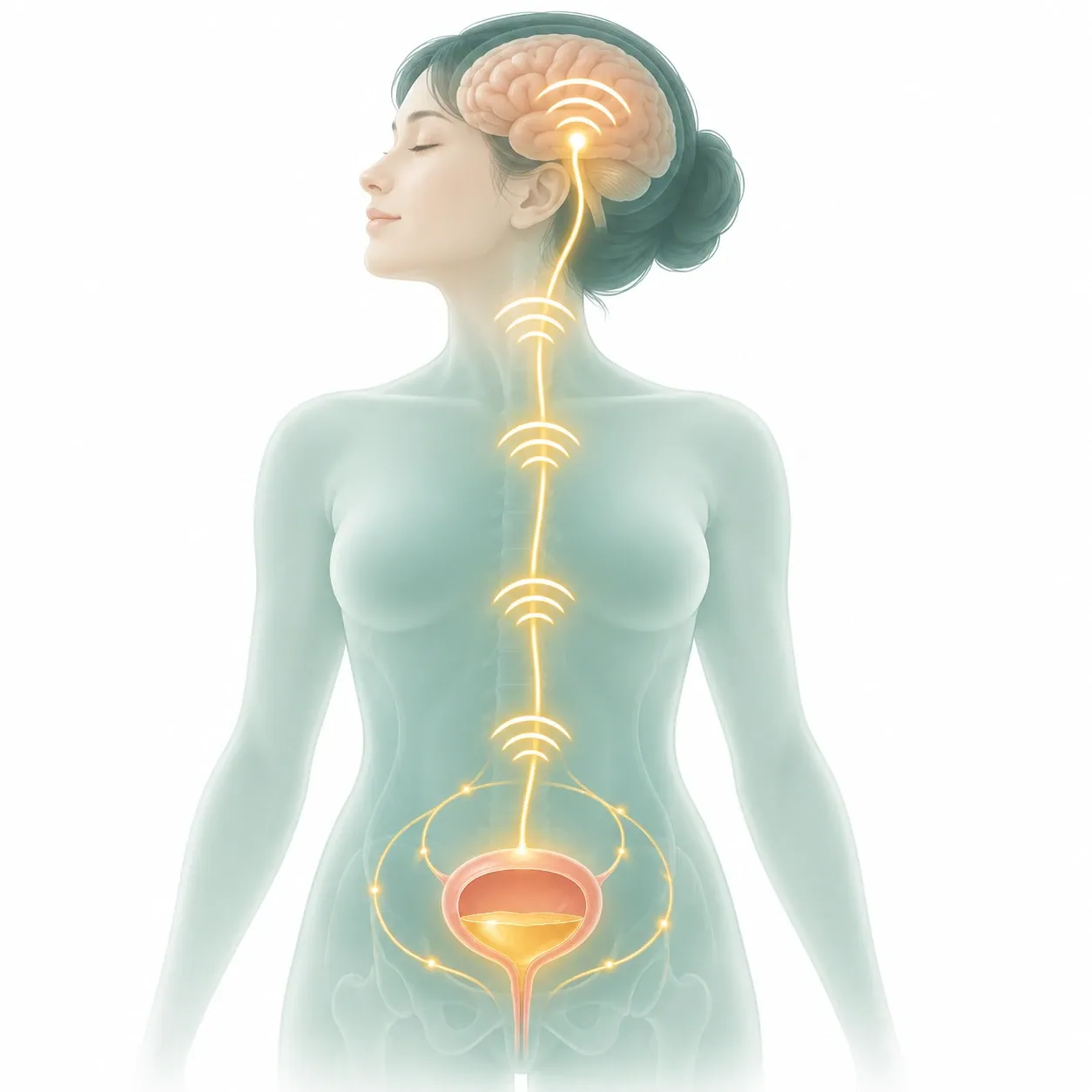
방광은 소변을 모아 두었다가 어느 정도 차면 뇌에 신호를 보내 비우게 하는 주머니입니다. 이 신호가 너무 일찍, 너무 자주 오면 소변이 조금만 차도 화장실에 가고 싶어집니다. 이렇게 소변을 지나치게 자주 보는 것을 빈뇨라고 하며, 흔히 낮에 8번 넘게 소변을 보는 경우를 기준으로 삼습니다. 횟수보다 평소보다 늘었는지, 한 번에 나오는 양이 적은지, 참기 힘든지가 더 중요합니다.
빈뇨는 매우 흔합니다. 과민성방광 증상이 있는 사람 가운데 빈뇨가 85%로 가장 흔한 증상이었습니다[1]. 우리나라 성인 조사에서는 밤에 소변을 보러 깨는 야간뇨가 여성 48.2%, 남성 36.6%에서 있었고, 과민성방광은 12.2%였습니다[2]. 세계적으로 과민성방광은 성인 5명 중 1명꼴이며 여성에게 더 많습니다[3].
이런 증상이 있나요?
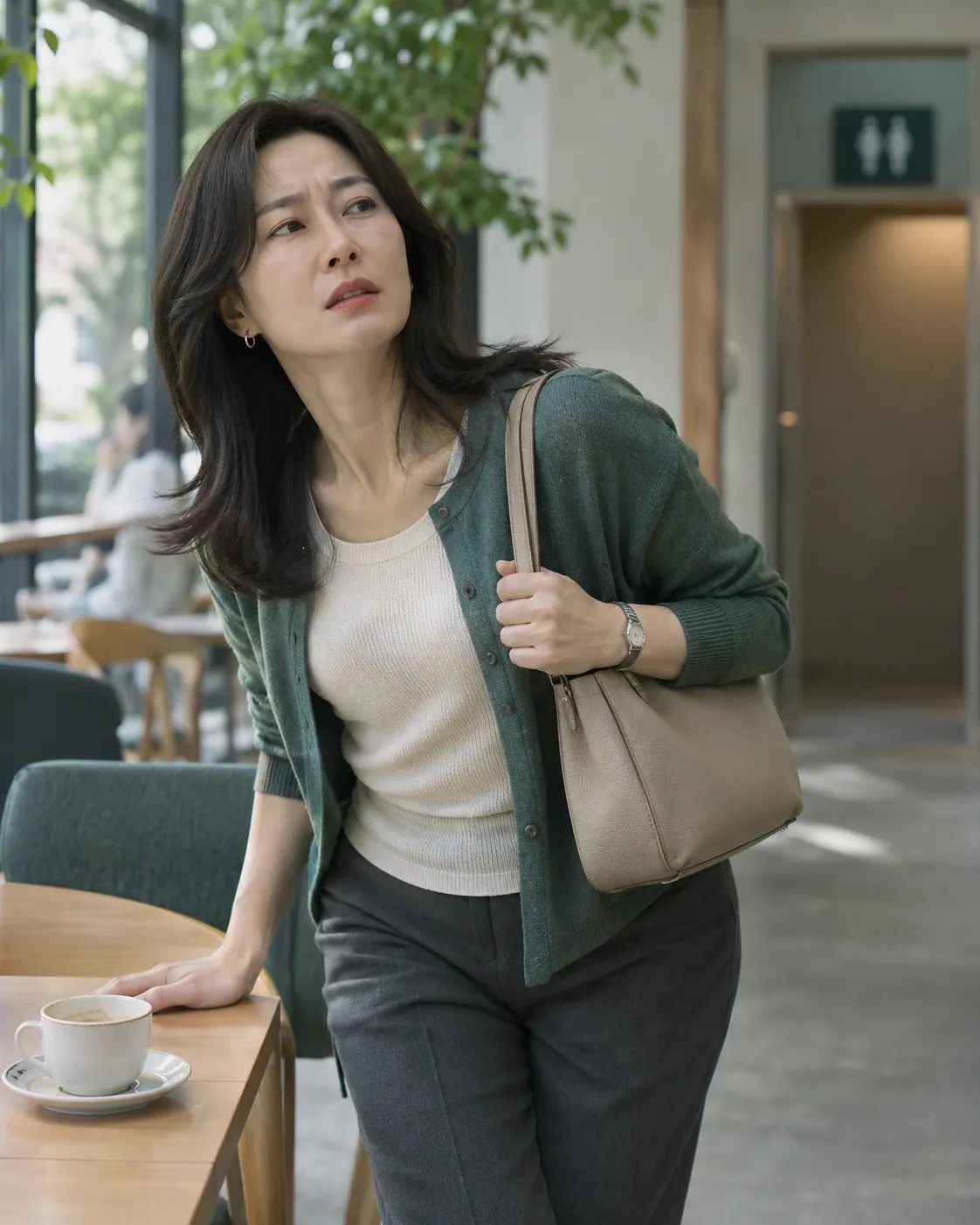
- 낮에 8번 넘게 소변을 본다
- 한 번 볼 때 소변량이 적은데 금방 또 마렵다
- 외출 전에 화장실 위치부터 확인한다
- 긴장하거나 추우면 더 자주 마렵다
- 밤에도 소변 때문에 깬다
- 소변을 보고 나도 개운하지 않다
진료에서는 2~3일 동안 물 마신 양과 소변 본 시간·양을 적는 배뇨일지가 가장 도움이 됩니다. 소변 검사로 염증과 당을 확인하고, 필요하면 혈액 검사, 소변을 본 뒤 남은 소변량(잔뇨) 측정, 초음파를 합니다.
빈뇨는 왜 생기나요?
- 방광염 등 요로감염
- 과민성방광(소변이 조금만 차도 방광이 수축)
- 당뇨(소변량 자체가 늘어남)
- 커피·차·탄산음료·술, 많은 수분 섭취
- 남성의 전립선비대증, 여성의 자궁근종·임신에 의한 압박
- 이뇨제 등 일부 약, 변비
- 긴장·불안·추위
방광은 뇌와 척수, 자율신경의 조절을 받습니다. 시험이나 면접 전에 화장실이 가고 싶어지는 것도 이 때문입니다. 과민성방광 증상으로 불편을 느끼는 사람은 그렇지 않은 사람보다 불안과 우울 점수가 높았습니다[4]. 불안이 빈뇨를 키우고, 빈뇨가 다시 불안을 키우는 고리가 생기기 쉽습니다.
해움한의원은 검사가 정상인데도 빈뇨가 이어진다면 긴장으로 자율신경이 예민해지고 아랫배가 차가워진 바탕을 함께 봅니다. 스트레스가 많은 시기나 추운 날, 잠이 부족한 날에 화장실이 더 잦아지는 분을 진료에서 자주 봅니다.
빈뇨의 표준 치료
방광염이면 항생제, 당뇨면 혈당 조절, 전립선비대증이면 전립선 약처럼 원인 질환을 먼저 치료합니다. 원인 질환이 없는 빈뇨는 마시는 음료를 조절하고, 마려울 때 조금씩 참는 시간을 늘리는 방광 훈련과 골반저근 운동을 합니다. 절박성 요실금이 있는 여성 연구에서 행동 치료는 요실금 횟수를 80.7% 줄여, 약(68.5%)보다 효과가 컸습니다[5]. 그래도 나아지지 않으면 방광을 진정시키는 약을 씁니다.
과민성방광 증상이 있는 사람의 60%가 의사를 만났지만, 지금 치료를 받는 사람은 27%에 그쳤습니다[1]. 약을 먹는 동안 입마름이나 변비로 중단하는 경우도 많고, 긴장하면 다시 잦아지기도 합니다. 그래서 방광만이 아니라 방광을 예민하게 만드는 몸의 바탕을 함께 돌보는 것이 중요합니다. 한의학 치료는 바로 이 바탕을 다스립니다.
가짜 침과 비교한 연구에서 낮 동안의 소변 횟수는 차이가 없었지만, 밤에 소변 보는 횟수는 침 치료에서 더 줄었습니다[6]. 코크란 고찰은 아직 결론을 내리지 않았습니다[7]. 냉증이 있는 배뇨 증상 환자에게 팔미지황환이나 우차신기환을 더한 연구에서는 배뇨 증상과 야간뇨가 줄었습니다[8].
해움한의원은 이렇게 치료합니다

해움한의원은 비뇨기과·산부인과 검사로 원인 질환을 확인하는 것을 먼저 권하고, 필요한 치료와 병행합니다. 검사가 정상인데도 빈뇨가 이어진다면 방광을 예민하게 만드는 긴장과 냉증, 피로를 함께 돌봅니다.
1단계. 배뇨 습관과 몸의 상태를 살핍니다
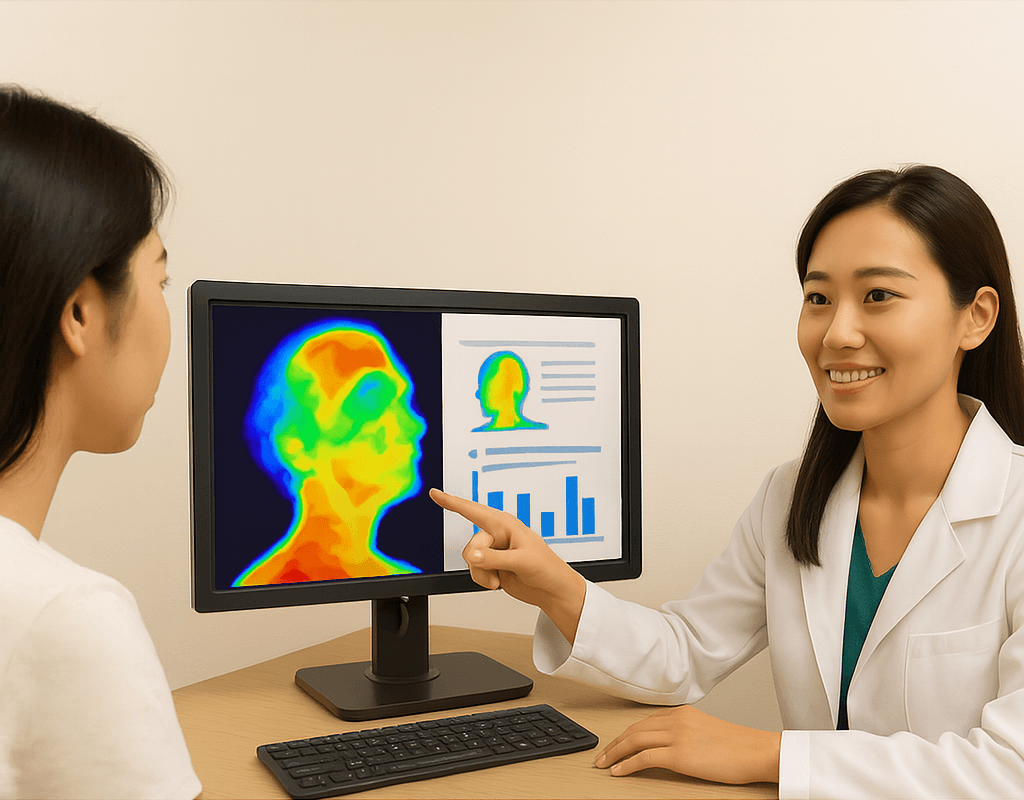
배뇨일지와 검사 결과, 마시는 음료, 수면과 스트레스, 손발과 아랫배의 냉증을 자세히 살펴봅니다. 심박변이도 검사로 자율신경의 균형을 확인합니다.
2단계. 아랫배를 데우고 긴장을 풉니다
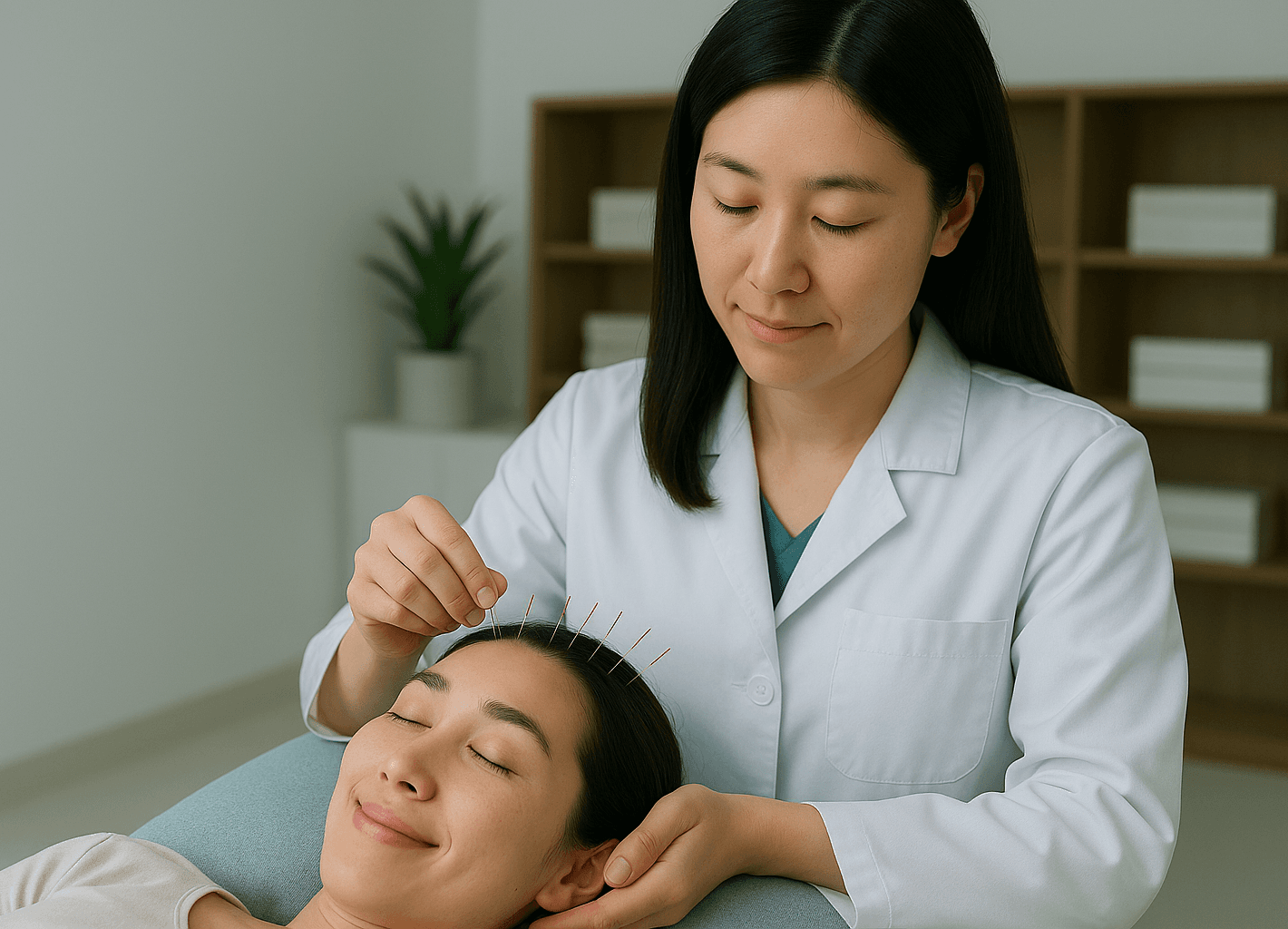
침과 뜸으로 아랫배와 허리의 순환을 돕고 예민해진 자율신경을 가라앉힙니다. 방광 훈련과 골반저근 운동을 함께 안내합니다.
3단계. 유형에 맞춰 바탕을 다스립니다
체질과 상태에 맞춰 한약을 짓습니다.
4만 건의 처방 사례가 말해주는, 한방 맞춤 치료의 힘
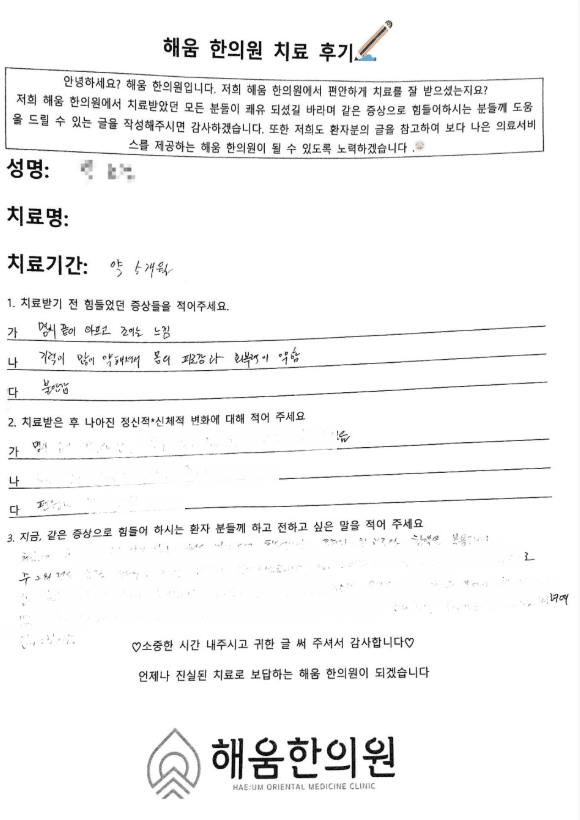
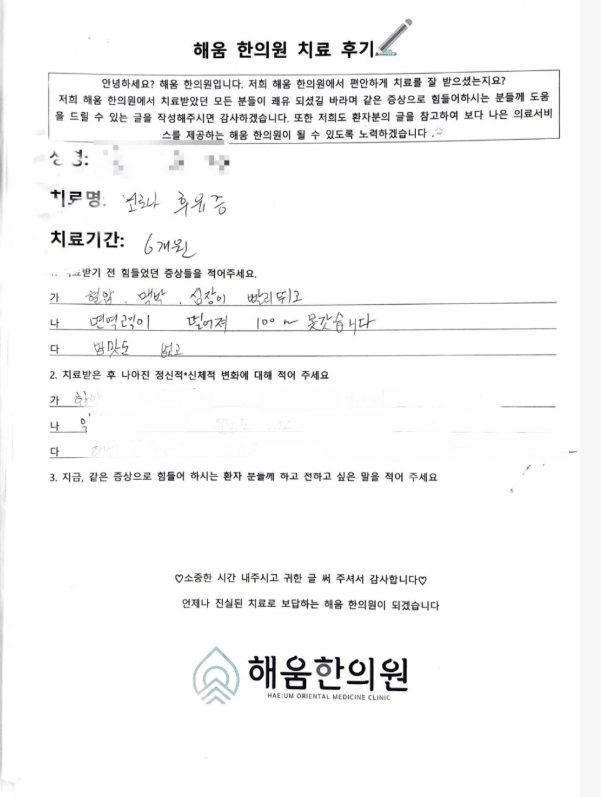
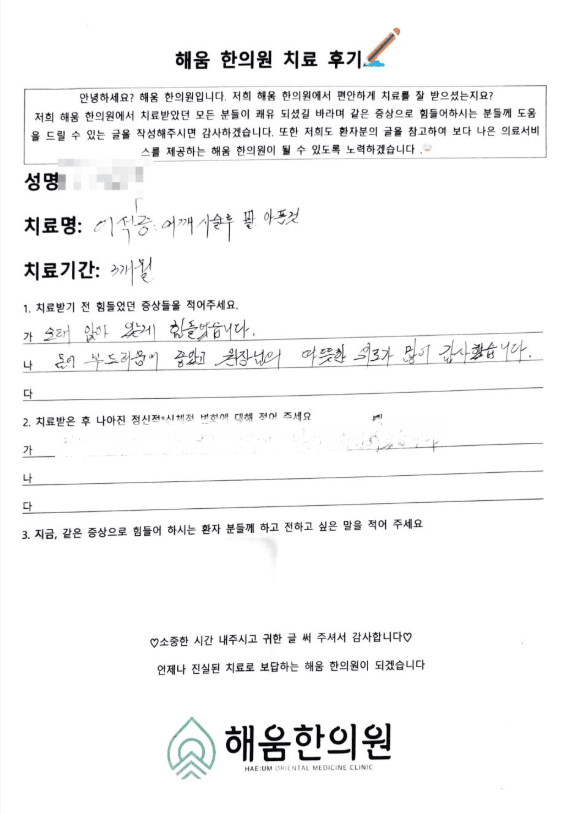
빈뇨 치료후기 총 4건
환자분들이 남긴 치료후기입니다. 본문은 로그인 후 보실 수 있습니다.
빈뇨, 누가 진료하나요?
담당 의료진
대표원장 박재은

“병이 아니라 그 뒤의 사람을 봅니다”
경희대학교 한의학박사이자 여한의사입니다. 심리상담사 1급 자격, 20만명 차트분석과 4만건 이상의 한약 처방 경험을 바탕으로 진료합니다.
의료진 소개 더보기빈뇨, 자주 묻는 질문
하루에 몇 번부터 빈뇨인가요?
물을 덜 마시면 나아지나요?
긴장만 하면 화장실에 가고 싶은데 병인가요?
비뇨기과 약과 한방치료를 같이 받아도 되나요?
치료 기간은 얼마나 걸리나요?
생활에서 어떻게 관리해야 하나요?
해움한의원에서 빈뇨를 진료하나요?
빈뇨로 내원하려면 어떻게 하나요?
이런 경우에는 바로 응급실로 가세요
아래 증상은 콩팥 감염이나 요로 폐색, 신경 손상, 심한 고혈당일 수 있습니다. 지체하지 말고 응급실을 찾으세요.
- 소변이 전혀 나오지 않고 아랫배가 부풀어 아프다
- 높은 열과 오한, 옆구리 통증이 함께 있다
- 소변에 핏덩어리가 섞여 나온다
- 다리에 힘이 빠지거나 엉덩이·사타구니 감각이 둔해졌다
- 심한 갈증과 함께 구토하고 정신이 흐릿하다
참고문헌 8편
[1]Milsom I, Abrams P, Cardozo L, Roberts RG, Thüroff J, Wein AJ. How widespread are the symptoms of an overactive bladder and how are they managed? A population-based prevalence study. BJU Int. 2001;87(9):760-766. doi:10.1046/j.1464-410x.2001.02228.x. PMID: 11412210.
요약 유럽 6개 나라 40세 이상 1만 6,776명을 면담한 인구 조사입니다. 과민성방광 증상(하루 8번 넘는 빈뇨, 급박뇨, 절박성 요실금)이 있는 사람은 16.6%였고, 그중 빈뇨가 85%로 가장 흔했습니다. 증상이 있는 사람의 60%는 의사를 만났지만 지금 치료를 받는 사람은 27%뿐이었습니다.원문은 출판사 저작권 자료로, 위 링크에서 확인하실 수 있습니다.
[2]Lee YS, Lee KS, Jung JH, Han DH, Oh SJ, Seo JT, et al. Prevalence of overactive bladder, urinary incontinence, and lower urinary tract symptoms: results of Korean EPIC study. World J Urol. 2011;29(2):185-190. doi:10.1007/s00345-009-0490-1. PMID: 19898824.
요약 우리나라 18세 이상 성인 2,000명을 전화로 조사한 연구입니다. 하부요로 증상은 61.4%에서 있었고, 소변을 모으는 단계의 증상(빈뇨·급박뇨·야간뇨)이 가장 흔했습니다. 밤에 소변을 보러 깨는 야간뇨가 남성 36.6%, 여성 48.2%로 가장 많았고, 과민성방광은 12.2%(남성 10.0%, 여성 14.3%)였습니다.원문은 출판사 저작권 자료로, 위 링크에서 확인하실 수 있습니다.
[3]Zhang L, Cai N, Mo L, Tian X, Liu H, Yu B. Global Prevalence of Overactive Bladder: A Systematic Review and Meta-analysis. Int Urogynecol J. 2025;36(8):1547-1566. doi:10.1007/s00192-024-06029-2. PMID: 39951109.
초록 (Abstract)
Introduction and Hypothesis: This study aims to systematically estimate the global prevalence of overactive bladder (OAB), identify demographic and regional factors contributing to prevalence variations, and assess trends in prevalence over the past two decades.
Methods: This cross-sectional study was conducted according to the PRISMA (Preferred Reporting Items for Systematic Reviews and Meta-Analyses) guideline. From inception to April 2024, computerized searches for OAB prevalence-related literature were conducted on PubMed, Embase, Web of Science, and Cochrane. Studies of OAB prevalence in the general population were included. Two independent researchers conducted the screening, data extraction, and quality assessment of the included studies.
Results: A total of 53 studies, encompassing 610,438 participants, were ultimately included in the analysis. The meta-analysis determined the global prevalence of OAB to be 20% (95% CI 0.18–0.21). Over the past 20 years, there has been an increase in OAB prevalence, rising from 18.1% (95% CI 0.13–0.23) to 23.9% (95% CI 0.19–0.29). Among women, the prevalence of OAB was 21.9% (95% CI 0.20–0.24), indicating higher rates compared to men (OR = 16.1, 95% CI 0.15–0.18). The study also found higher prevalence rates among overweight and obese individuals (OR = 18.6, 95% CI 0.13–0.24) and those aged 60 years and above (OR = 28.3, 95% CI 0.24–0.33). Middle-income countries exhibited higher prevalence rates compared to high-income countries.
Conclusions: The study highlights higher risks of OAB among obese individuals, women, and the elderly. OAB prevalence has shown an increasing trend over the past 20 years.
결과 (Results)
Study Selection and Characteristics: A preliminary search yielded 8333 articles. Utilizing the predefined inclusion and exclusion criteria, the subsequent entries were omitted: (1) 6733 articles were not relevant; (2) 1539 articles were duplicates; and (3) 52 articles without sufficient information. Ultimately, 53 articles were included for further analysis (PRISMA flow diagram). Furthermore, the bibliographies of the included articles underwent thorough scrutiny, revealing no additional relevant articles.
Table 1 provides a comprehensive overview of the features of the 53 encompassed articles, all of which were cross-sectional studies. All included studies had defined inclusion and exclusion criteria, which generally excluded populations with urinary system symptoms or pelvic organ diseases (either self-reported or clinically diagnosed), as well as individuals undergoing related pharmacological treatments. The sample sizes of these studies varied significantly, ranging from 280 to 226,867 participants, with a total of 610,438 individuals, including 52,064 patients diagnosed with OAB. The reported prevalence of OAB exhibited considerable variation, from 2.1% to 67.0%, with 36 studies (68.0%) providing prevalence data for gender subgroups. Additionally, the majority of these articles were published in the past decade (n = 33, 62.3%). Over half of the studies were conducted in the Western Pacific region (56.6%), and the vast majority were carried out in upper-middle-income countries (90.5%). The studies utilized various questionnaires to assess OAB, with 12 (22.6%) articles not specifying the assessment questionnaire used.
Diagnosis of OAB: Table 1 enumerates the measurement instruments utilized to evaluate OAB in the included studies. Stratified analysis revealed that the prevalence rates across different measurement tools ranged from 8% (95% CI 0.07–0.09) to 44% (95% CI 0.43–0.45), demonstrating substantial heterogeneity (I2 > 90%, P < 0.001) (Appendix Fig. 5). The OABSS questionnaire was utilized for quantitative assessment in 24 articles (45.3%). Devised by Blaivas et al., the OABSS quantifies symptoms of OAB into a unified score, incorporating four inquiries: daytime frequency, nighttime frequency, urgency, and urgency incontinence. Patients assess these symptoms, assigning maximum scores of 2, 3, 5, and 5, respectively. The cumulative score ranges from 0 to 15, with higher scores signifying more pronounced OAB.
Four studies used the 8-item Overactive Bladder Questionnaire (OAB-V8) for assessment. The creators of the OAB-V8 developed a logistic regression model to predict OAB diagnosis based on the recorded scores. They found that after a 2-point increase in male patients’ scores, gender ceased to be a significant predictor. However, the studies showed that this did not adequately differentiate the gender-specific responses to the OAB-V8 or the symptom distress.
Five investigations employed the Overactive Bladder Module of the International Consultation on Incontinence Questionnaire (ICIQ-OAB). This instrument is appropriate for global populations and facilitates the comparison of outcomes across diverse environments. In 2017, the International Consortium for Health Outcomes Measurement (ICHOM) developed the OAB-q SF, a concise questionnaire designed to evaluate symptom burden and quality of life in individuals with OAB. One study validated its reliability and effectiveness. Another study used the OAB-POLL questionnaire, confirming that OAB symptoms negatively impact physical and occupational functioning.
Additionally, two studies used the International Prostate Symptom Score (IPSS) questionnaire for quantitative evaluation. The IPSS is a universally acknowledged instrument for gauging the severity of lower urinary tract symptoms in patients with prostatic hypertrophy, encompassing seven symptom-related items and one item pertaining to quality of life. It is commonly used to evaluate men with lower urinary tract symptoms (LUTS) or benign prostatic hyperplasia (BPH).
Other questionnaires included the Spanish version of the Bladder Control Self-Assessment Questionnaire (CACV), the Dutch King’s Health Questionnaire, the Danish Prostate Symptom Score, the Bristol Female Lower Urinary Tract Symptoms Questionnaire, and a specific questionnaire developed by the Japanese Neurogenic Bladder Society Committee. Each of these was used in a single study.
Quality Assessment of the Literature: All included studies received a quality score of ≥ 5. Detailed quality assessments are provided in Appendix Table 4. Two researchers scored the studies based on the 11 criteria recommended by AHRQ. Of the assessed articles, 18 were deemed of moderate quality, while 35 were classified as high quality. No studies were classified as low quality.
Assessment of OAB Prevalence: The random-effects meta-analysis revealed that the global prevalence of OAB is 20% (95% CI 0.18–0.21) (Fig. 1). Among women, the prevalence is 21.9% (95% CI 0.20–0.24), while among men, it is 16.1% (95% CI 0.15–0.18) (Table 2).
Subgroup Analysis: Owing to significant heterogeneity among the studies, we conducted subgroup analyses based on age, gender, BMI, WB region, publication year, and WHO region to identify potential sources of heterogeneity. Meta-regression showed that OAB prevalence is associated with WHO regions (P = 0.02). The prevalence rates for AFR, AMR, EMR, EUR, and WPR were 34.1% (95% CI 0.13–0.56), 29.3% (95% CI 0.23–0.36), 21.9% (95% CI 0.15–0.29), 20.4% (95% CI 0.08–0.33), and 14.7% (95% CI 0.13–0.16), respectively (Fig. 2).
Our investigation also revealed that the prevalence among individuals aged 60 years and older was higher than that of other age cohorts, standing at 28.3% (95% CI 0.24–0.33). However, there were no statistically significant differences observed across the various age groups (P = 0.07). Women had a higher OAB prevalence than men, at 21.9% (95% CI 0.20–0.24). The incidence among overweight and obese individuals was elevated compared to their normal-weight counterparts, with rates of 16.1% (95% CI 0.12–0.20) and 18.6% (95% CI 0.13–0.24), respectively. Nevertheless, there were no statistically significant disparities across BMI classifications (P = 0.53) (Table 2).
Additionally, the prevalence in LMIC countries was higher than in UMIC and HIC countries, at 27.4% (95% CI 0.14–0.40), but without statistical significance (P = 0.45). Over time, the global prevalence of OAB has generally increased, rising from 18.1% (95% CI 0.13–0.23) in 2000–2005 to 23.9% (95% CI 0.19–0.29) in 2021–2024, though publication year differences were not statistically significant (P = 0.71). Detailed information is provided in Table 2.
Sensitivity Analysis and Publication Bias: After performing the leave-one-out analysis, the worldwide prevalence of OAB was determined to span from 18 to 21% (Appendix Fig. 4). These outcomes correspond with the general prevalence, underscoring the robustness and dependability of the meta-analysis results. Visual scrutiny of the funnel plot and application of Egger’s test were utilized to evaluate publication bias. The conspicuously asymmetrical funnel plot indicates potential publication bias (Appendix Fig. 3), a deduction corroborated by the findings of Egger’s test (Table 2).
원문 발췌 · Zhang L, Cai N, Mo L, Tian X, Liu H, Yu B, Int Urogynecol J 2025 · CC BY 4.0 라이선스에 따라 수정 없이 인용했습니다(본문 속 인용 번호는 생략).
[4]Milsom I, Kaplan SA, Coyne KS, Sexton CC, Kopp ZS. Effect of bothersome overactive bladder symptoms on health-related quality of life, anxiety, depression, and treatment seeking in the United States: results from EpiLUTS. Urology. 2012;80(1):90-96. doi:10.1016/j.urology.2012.04.004. PMID: 22748867.
요약 미국 40세 이상 성인 2만 명의 인터넷 설문입니다. 과민성방광 증상으로 불편을 느끼는 사람은 증상이 없거나 불편이 없는 사람보다 삶의 질이 낮고 불안과 우울 점수가 높았으며, 병원도 더 자주 찾았습니다. 불편을 가장 크게 만든 증상은 갑자기 참기 힘든 요의(급박뇨)였습니다.원문은 출판사 저작권 자료로, 위 링크에서 확인하실 수 있습니다.
[5]Burgio KL, Locher JL, Goode PS, Hardin JM, McDowell BJ, Dombrowski M, et al. Behavioral vs drug treatment for urge urinary incontinence in older women: a randomized controlled trial. JAMA. 1998;280(23):1995-2000. doi:10.1001/jama.280.23.1995. PMID: 9863850.
요약 절박성 요실금이 있는 55~92세 여성 197명을 바이오피드백을 곁들인 행동 치료(방광 훈련 등), 약(옥시부티닌), 위약으로 나누어 8주 동안 비교한 무작위 대조 연구입니다. 요실금 횟수는 행동 치료에서 평균 80.7%, 약에서 68.5%, 위약에서 39.4% 줄어 행동 치료가 약보다 효과가 컸습니다.원문은 출판사 저작권 자료로, 위 링크에서 확인하실 수 있습니다.
[6]Lin ZX, Chan NHT, Kwan YK, Chan YT, Zhang H, Tam KS, et al. A randomized controlled trial to assess the effectiveness and safety of acupuncture for overactive bladder: a study in Hong Kong population. Chin Med. 2020;15:108. doi:10.1186/s13020-020-00388-w. PMID: 33062044.
초록 (Abstract)
Background: Around 15% of the Hong Kong population was found to suffer from overactive bladder (OAB), but the current available treatments, such as medication, behavioral therapy and physical therapy are unsatisfactory. Previous studies have suggested that acupuncture may have promising effect for OAB, but some limitations on the study design render the evidence questionable. This study aimed to evaluate the effectiveness and safety of acupuncture treatment for patients with OAB in Hong Kong.
Methods: One hundred patients with OAB were enrolled. The patients were randomized to receive either active acupuncture or sham needle intervention twice a week for 8 consecutive weeks, and had a follow-up consultation 12 weeks after the completion of acupuncture intervention. The primary outcome assessment was the 3-Day Voiding Diary, which records daytime and night-time urinary frequency and symptoms, at the baseline, the end of the 8-week intervention and 12 weeks after acupuncture intervention. Secondary outcomes included Urine NGF level, Incontinence Impact Questionnaire (IIQ-7) and Urogenital Distress Inventory (UDI-6), as well as Overactive Bladder Symptom Score (OABSS).
Results: After 16 sessions of treatment, when compared with the baseline, both active and sham acupuncture significantly reduced the frequency of urgency urinary incontinence (UUI), daytime and night-time urinary frequency as well as the scores of IIQ-7, UDI-6 and OABSS. Moreover, the treatment effects could last for at least 3 months. However, no significant difference in frequency of UUI and daytime urinary frequency was found between the active and sham acupuncture groups. On the other hand, the night-time urinary frequency decreased more significantly during the treatment and follow-up in the active acupuncture group than in the sham control group after controlling baseline night-time urinary frequency. Urine NGF level could not be detected by ELISA method in our experiments.
Conclusion: This study suggests a beneficial effect of acupuncture on improving OAB symptoms. Both active and sham acupuncture treatment were able to improve the symptoms of frequency of urgency urinary incontinence, and the daytime and night-time urinary frequency, while only mild adverse effects were found. This project was unable to establish the specific effect of acupuncture for OAB. Trial registration Chinese Clinical Trial Registry, ChiCTR-INR-16010048. Registered on 29 Nov 2016.
결과 (Results)
Study flow: A total of 100 patients with OAB were successfully recruited during the period between June 2016 and September 2019 in the CUHK-CMSCCTRC or YOT-CUHKCMCTR. Three promotion articles were posted on the Sky Post in 09/2017, 04/2018 and 11/2018 to augment subject recruitment. We screened 147 participants, and 47 were excluded because they failed to meet the Inclusion criteria. After random allocation, 51 patients received active acupuncture and 49 received sham acupuncture intervention. Totally 4 participants withdrew from the study; among them, 2 participants in the treatment group withdrew before the end of treatment, among whom 1 complained of feeling no improvement and pain during acupuncture treatment and another refused to continue without explanation. In addition, 1 participant in the treatment group was lost to follow up due to feeling no improvement. One participant in the sham control group withdrew before the end of intervention due to skin allergic to the adhesive tape. Figure 1 shows the study flow and reasons for drop-out.
Test of the effectiveness of blinding: We obtained blind evaluation data from 93 out of 100 participants. 97.9% of patients in the real acupuncture group guessed right, and 80.4% of those in the sham group thought they had received real acupuncture or were not sure about the choice.
We calculated the blinding index (BI) as proposed by Bang et al.. Bang’s BI is interpreted as the percentage of unblinding beyond chance. It takes a value between -1 and 1, where 1 corresponds to all correct guesses, whereas − 1 corresponds to all incorrect or opposite guesses. If 50% of patient responses are correct and 50% are incorrect, then BI = 0; this is indicative of random guessing and thus is an ideal blinding scenario. Generally, it is considered as BI ≥ 0.2 for unblinded; − 0.2 < BI < 0.2 for random guesses, and BI ≤ − 0.2 for opposite guesses.
Bang’s BI in the real acupuncture group is 0.96 (95% CI 0.87 to 1.04), and in the sham control group is − 0.59 (95% CI − 0.82 to − 0.36). The result indicated the attainment of effective blinding, where patients tend to believe they received active treatment regardless of actual treatment received, which may reflect patients’ wish to receive active intervention. This finding is consistent with the results of a systematic review of acupuncture trials, which reported the most common scenario in the review was unblinded in the acupuncture group and opposite guess in the sham acupuncture group. Such results could be indeed interpreted as “well-blinded”. It should be noted that in this scenario there may be a psychological phenomenon of “wishful thinking”, and guesses are inflated towards real acupuncture in both groups.
Baseline characteristics: Table 1 shows the baseline characteristics and assessments of the participants in both treatment and control groups. The mean age of the 100 patients was 68.5, and 55 of them (55%) were women. The baseline characteristics and assessments did not differ significantly between the two groups except night-time urinary frequency. The mean night-time urinary frequency was markedly higher in the treatment group (8.08 ± 4.66) than in the control group (5.73 ± 3.54).
Primary outcome: Table 2 and Fig. 2 show the daytime and night-time urinary frequency and frequency of UUI recorded in the 3-Day Voiding Diary in both groups. The frequency of UUI at the completion of the active or sham acupuncture treatment, and at the follow-up decreased significantly when compared to the baseline in both groups (p = 0.0016) (Table 3). However, no significant difference in frequency of UUI after the treatment was found between the two groups after controlling baseline night-time urinary frequency (p = 0.75) (Table 3).
Daytime and night-time urinary frequency at the completion of the acupuncture treatment decreased significantly when compared to the baseline in both groups. The night-time urinary frequency decreased more significantly during the treatment and follow-up in the active acupuncture group than in the sham control group after controlling baseline night-time urinary frequency (p = 0.028) (Fig. 2, Table 4). No significant difference was found in the daytime urinary frequency after treatment and follow-up between the two groups.
Secondary outcomes: Table 5 and Fig. 3 show IIQ-7, UDI-6 (including their subscales) and OABSS in the acupuncture and sham control groups. The scores after treatment and follow-up were significantly decreased when compared to the baseline in both groups. No significant difference was found in IQ-7, UDI-6 and OABSS between the two groups after treatment and follow-up (Tables 6, 7 and 8).
Adverse events: In our study, no severe adverse effect as a result of acupuncture was experienced by the participants. Two out of 100 (2%) patients reported adverse reactions, which included mild uncomfortable feeling towards acupuncture treatment and skin allergic to the adhesive tape. These 2 participants with mild AE also withdrew from the study, with reasons being the treatment effect was not strong enough worthy of continuation.
원문 발췌 · Lin ZX, Chan NHT, Kwan YK, Chan YT, Zhang H, Tam KS, Lai MK, Lee CK, Ngan K, Tsoi SYY, Lau YW, Xian YF, Ching J, Guo Y, Chin Med 2020 · CC BY 4.0 라이선스에 따라 수정 없이 인용했습니다(본문 속 인용 번호는 생략).
[7]Hargreaves E, Baker K, Barry G, Harding C, Zhang Y, Kandala NB, et al. Acupuncture for treating overactive bladder in adults. Cochrane Database Syst Rev. 2022;9:CD013519. doi:10.1002/14651858.CD013519.pub2. PMID: 36148895.
요약 성인 과민성방광의 침 치료를 다룬 15개 연구(1,395명)의 코크란 체계적 고찰입니다. 가짜 침과 비교한 증상 개선은 근거의 확실성이 매우 낮아 결론을 내리지 못했고, 요실금 횟수는 거의 차이가 없었습니다. 중대한 부작용은 보고되지 않았습니다.원문은 출판사 저작권 자료로, 위 링크에서 확인하실 수 있습니다.
[8]Yagi H, Sato R, Nishio K, Arai G, Soh S, Okada H. Clinical efficacy and tolerability of two Japanese traditional herbal medicines, Hachimi-jio-gan and Gosha-jinki-gan, for lower urinary tract symptoms with cold sensitivity. J Tradit Complement Med. 2015;5(4):258-261. doi:10.1016/j.jtcme.2015.03.010. PMID: 26587398.
요약 기존 배뇨 약으로 나아지지 않던 냉증이 있는 하부요로 증상 환자 60명에게 팔미지황환이나 우차신기환을 12주 동안 더한 일본 연구입니다. 배뇨 증상 점수와 밤에 소변 보는 횟수가 줄었고 부작용은 8.3%에서 가볍게 나타났습니다. 대조군이 없는 연구입니다.원문은 출판사 저작권 자료로, 위 링크에서 확인하실 수 있습니다.