

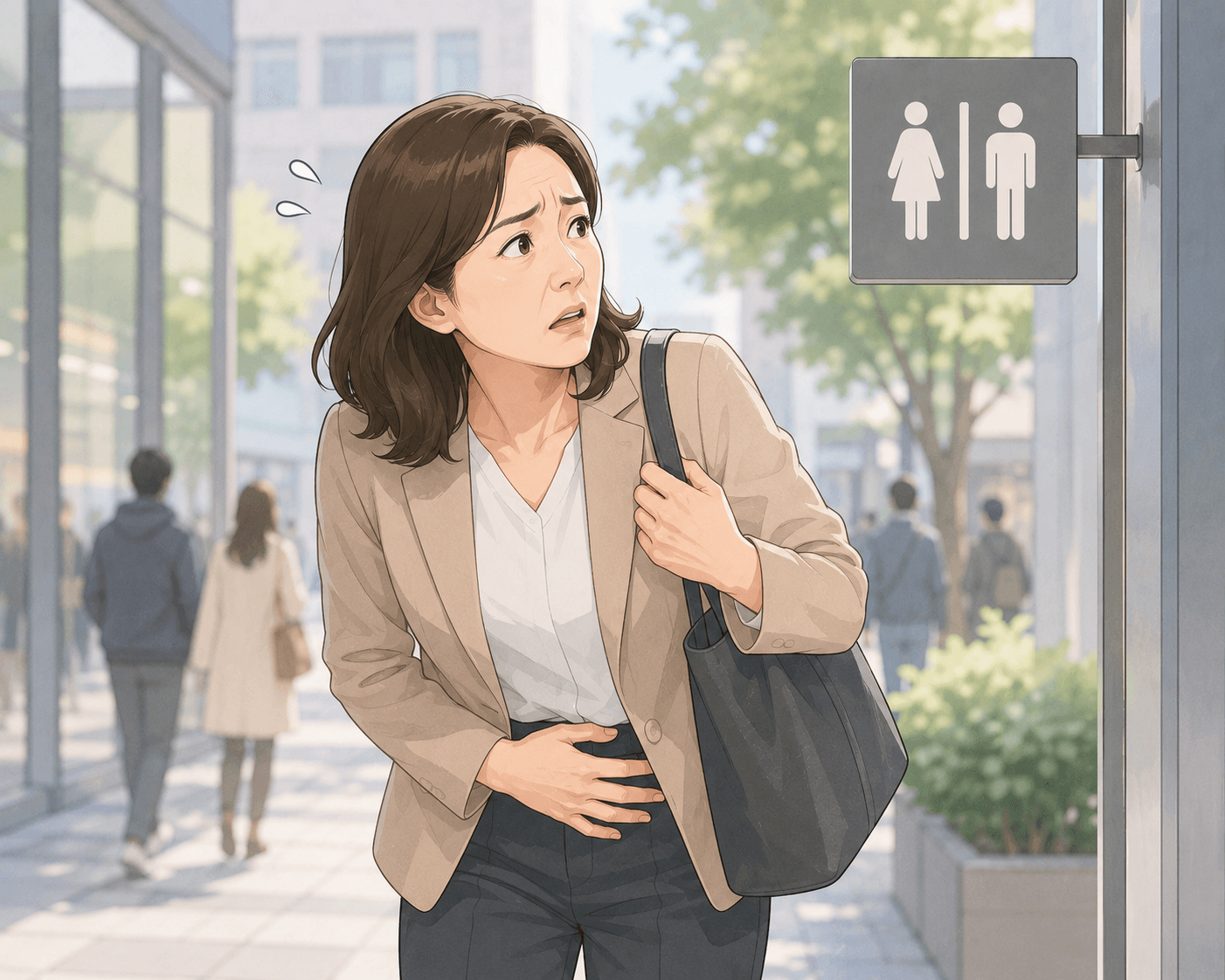
일상생활 중에 갑자기 소변이 급해져 화장실로 뛰어갑니다. 일단 소변 신호가 오면 참기가 너무 힘듭니다. 소변이 조금만 차도 방광이 먼저 반응하는 것을 과민성방광이라고 합니다.
과민성방광 한눈에 보기
- 과민성방광은 방광에 소변이 조금만 차도 갑자기 참기 힘든 요의(급박뇨)가 생기는 상태로, 흔히 빈뇨와 야간뇨가 함께 나타납니다.
- 방광 훈련과 약으로 치료하지만, 약을 1년 넘게 이어 먹는 사람은 3명 중 1명이 채 되지 않습니다.
- 과민성방광은 방광이 찰 때 자율신경 균형이 흔들리는 상태와 관련이 있습니다. 긴장과 냉증, 피로를 함께 돌보는 것이 중요합니다.
- 치료후기 2건
- 건강정보 1편
과민성방광이란?
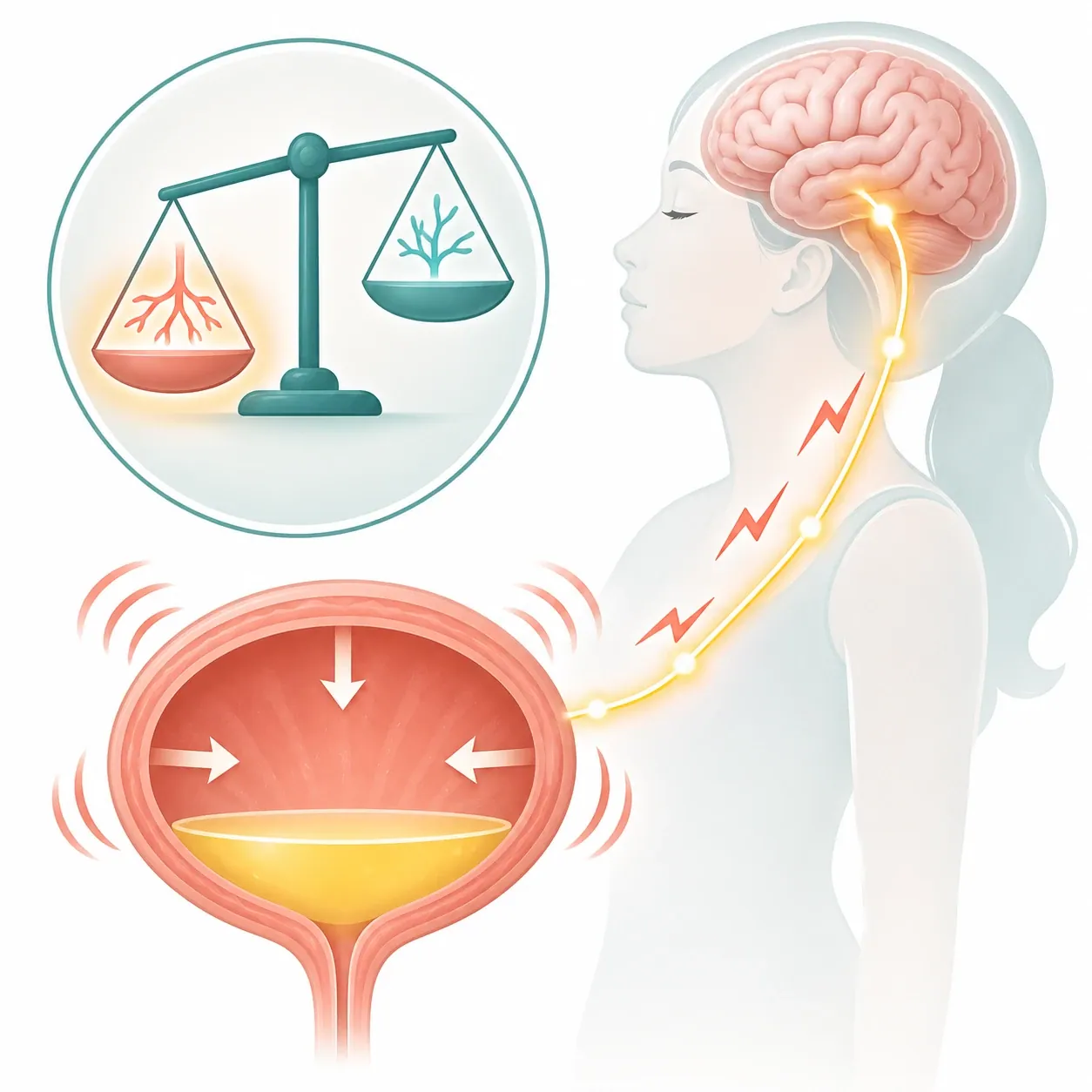
방광은 소변이 찰 때까지 느슨하게 늘어나 있다가, 비울 때가 되면 수축합니다. 과민성방광은 이 근육이 소변이 덜 찼는데도 제멋대로 수축하려 해 갑자기 참기 힘든 요의가 생기는 상태입니다. 이 급박뇨가 핵심 증상이고, 소변을 자주 보는 빈뇨와 밤에 깨는 야간뇨가 흔히 함께 나타납니다. 소변이 새는 절박성 요실금은 있을 수도, 없을 수도 있습니다.
과민성방광은 감염이나 다른 뚜렷한 원인이 없을 때 붙이는 이름입니다. 유럽 5개 나라 조사에서 성인의 11.8%에게 있었고 나이가 들수록 늘었습니다[1]. 우리나라 성인은 12.2%였고 여성이 14.3%로 더 많았습니다[2]. 세계적으로는 성인 5명 중 1명꼴입니다[3].
이런 증상이 있나요?
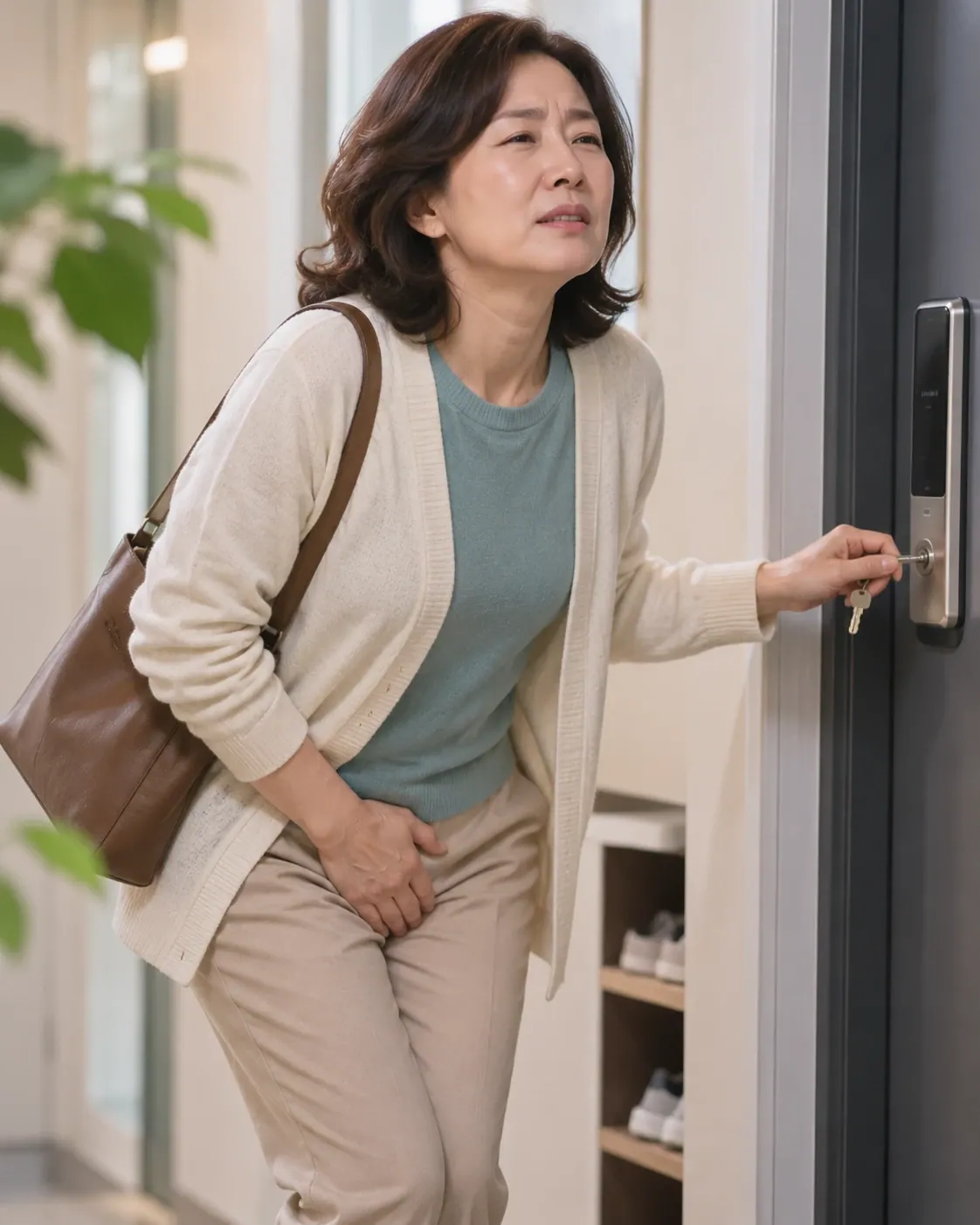
- 갑자기 소변이 급해져 참기 힘들다
- 화장실에 가는 도중이나 문 앞에서 소변이 샌 적이 있다
- 물소리를 듣거나 현관에 들어서면 갑자기 마렵다
- 낮에 8번 넘게 소변을 본다
- 밤에 소변 때문에 1번 넘게 깬다
- 외출, 회의, 운전이 소변 걱정으로 부담스럽다
진료에서는 증상 설문과 2~3일 배뇨일지로 급박뇨가 얼마나 자주 오는지 확인합니다. 소변 검사로 방광염을 먼저 가려내고, 필요하면 소변을 본 뒤 남은 소변량(잔뇨)을 재거나 초음파를 합니다.
과민성방광은 왜 생기나요?
- 나이(방광 근육과 신경 조절의 변화)
- 폐경 뒤 여성호르몬 감소
- 출산 뒤 골반저근 약화
- 비만, 변비
- 커피·탄산음료·술
- 뇌졸중·파킨슨병 등 신경 질환
- 긴장·불안·우울
방광이 언제 늘어나고 언제 수축할지는 자율신경이 조절합니다. 과민성방광 여성은 방광이 찰 무렵 교감신경 활동이 크게 올라가고 부교감신경 활동이 떨어졌습니다[4]. 과민성방광 환자의 27.5%는 우울감이 있었고, 우울감이 있는 사람은 요실금도 더 심했습니다[5].
해움한의원은 검사가 정상인데도 급박뇨가 이어진다면 긴장으로 예민해진 자율신경과 차가워진 아랫배, 떨어진 기력을 함께 봅니다. 바쁜 시기나 추운 날, 잠을 설친 날에 급박뇨가 심해지는 분을 진료에서 자주 봅니다.
과민성방광의 표준 치료
첫 치료는 생활 습관 조절과 방광 훈련입니다. 커피와 탄산음료를 줄이고, 마려울 때 바로 가지 않고 참는 시간을 조금씩 늘리며 골반저근 운동을 합니다. 우리나라 여성 연구에서 방광 훈련만으로 소변 횟수가 25.9% 줄었고, 약과 함께 했을 때 가장 효과가 좋았습니다[6]. 그래도 나아지지 않으면 방광 근육을 진정시키는 약(항무스카린제, 미라베그론)을 쓰고, 효과가 없으면 보톡스 주사나 신경 자극 치료를 합니다.
약을 처음 시작한 사람 가운데 1년 뒤에도 같은 약을 이어 먹는 사람은 14~35%에 그쳤습니다[7]. 입마름과 변비가 흔하고, 55세 이상에서 항무스카린제를 먹은 사람은 치매 위험이 1.18배 높았다는 연구도 있습니다[8]. 그래서 방광만 진정시키는 데 그치지 않고 방광을 예민하게 만드는 몸의 바탕을 함께 돌보는 것이 중요합니다. 한의학 치료는 바로 이 바탕을 다스립니다.
가짜 침과 비교한 연구에서 밤에 소변 보는 횟수는 침 치료에서 더 줄었습니다[9]. 과민성방광 여성에게 우차신기환을 쓴 연구에서는 낮과 밤의 소변 횟수가 줄었습니다[10].
해움한의원은 이렇게 치료합니다

해움한의원은 비뇨기과·산부인과 검사로 방광염 같은 다른 원인을 확인하는 것을 먼저 권하고, 필요한 치료와 병행합니다. 검사가 정상인데도 급박뇨가 이어진다면 방광을 예민하게 만드는 긴장과 냉증, 피로를 함께 돌봅니다.
1단계. 급박뇨의 양상과 몸의 상태를 살핍니다
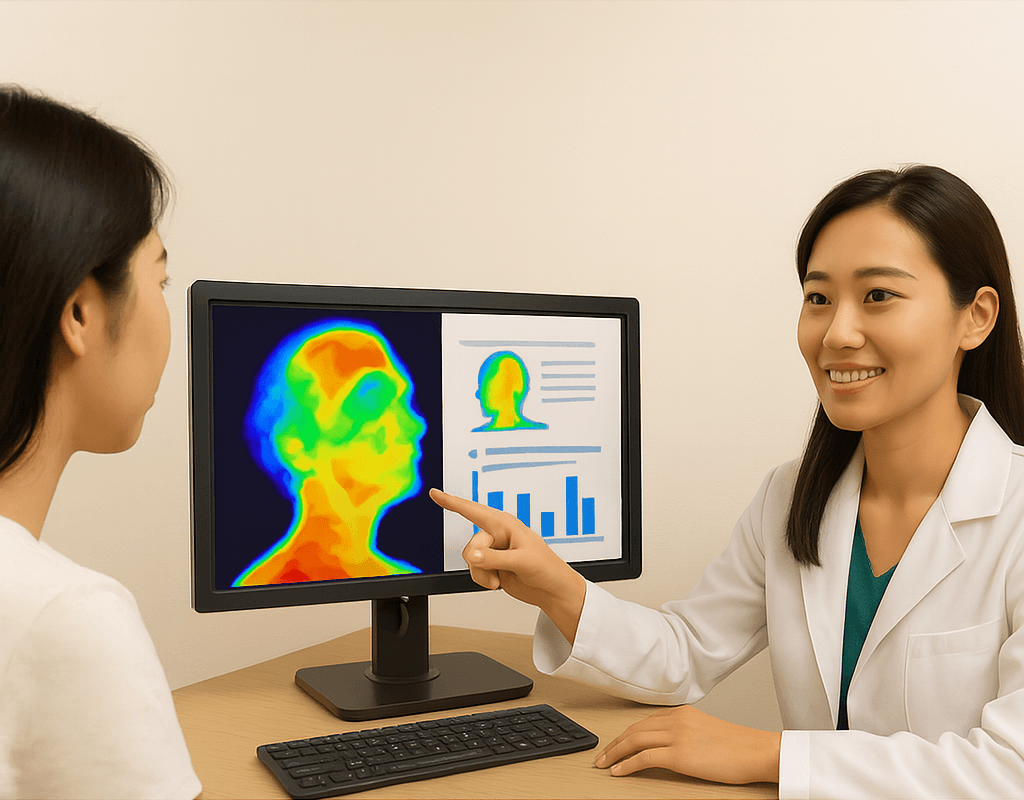
배뇨일지와 검사 결과, 급박뇨가 오는 상황, 마시는 음료, 수면과 스트레스, 아랫배의 냉증을 자세히 살펴봅니다. 심박변이도 검사로 자율신경의 균형을 확인합니다.
2단계. 예민해진 방광과 자율신경을 가라앉힙니다
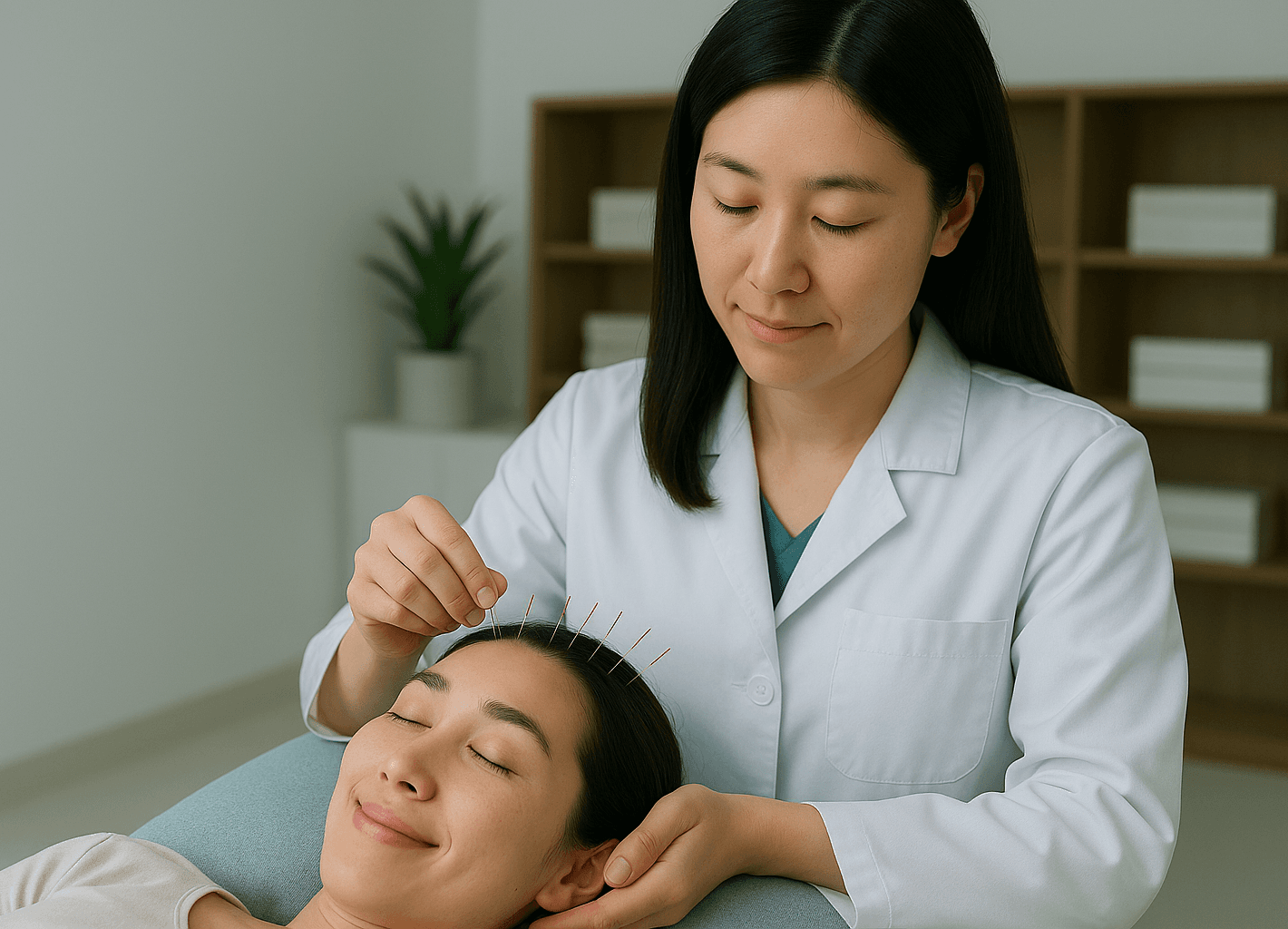
침과 뜸으로 아랫배와 허리의 순환을 돕고 긴장된 자율신경을 풉니다. 방광 훈련과 골반저근 운동을 함께 안내합니다.
3단계. 유형에 맞춰 바탕을 다스립니다
체질과 상태에 맞춰 한약을 짓습니다.
4만 건의 처방 사례가 말해주는, 한방 맞춤 치료의 힘
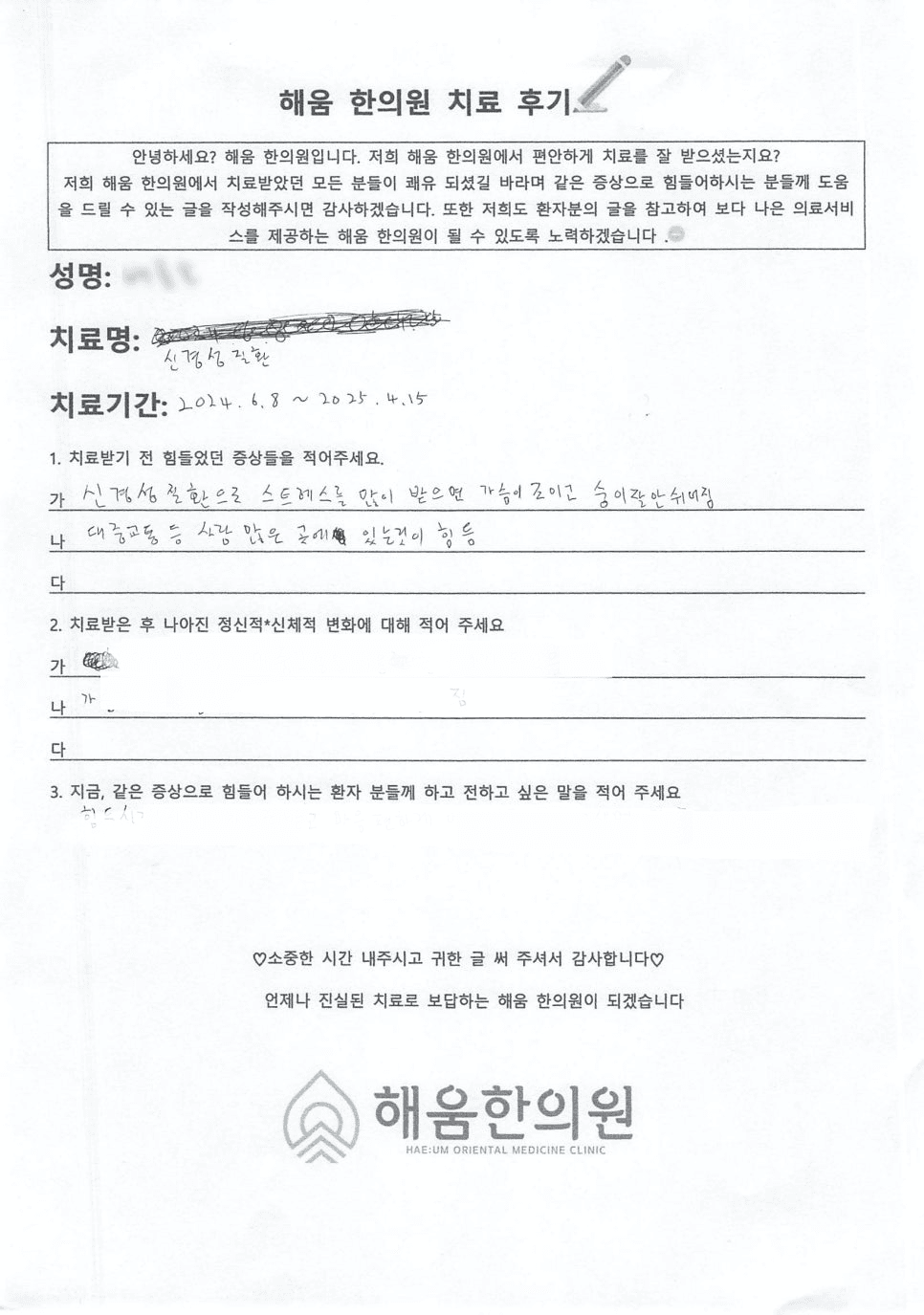
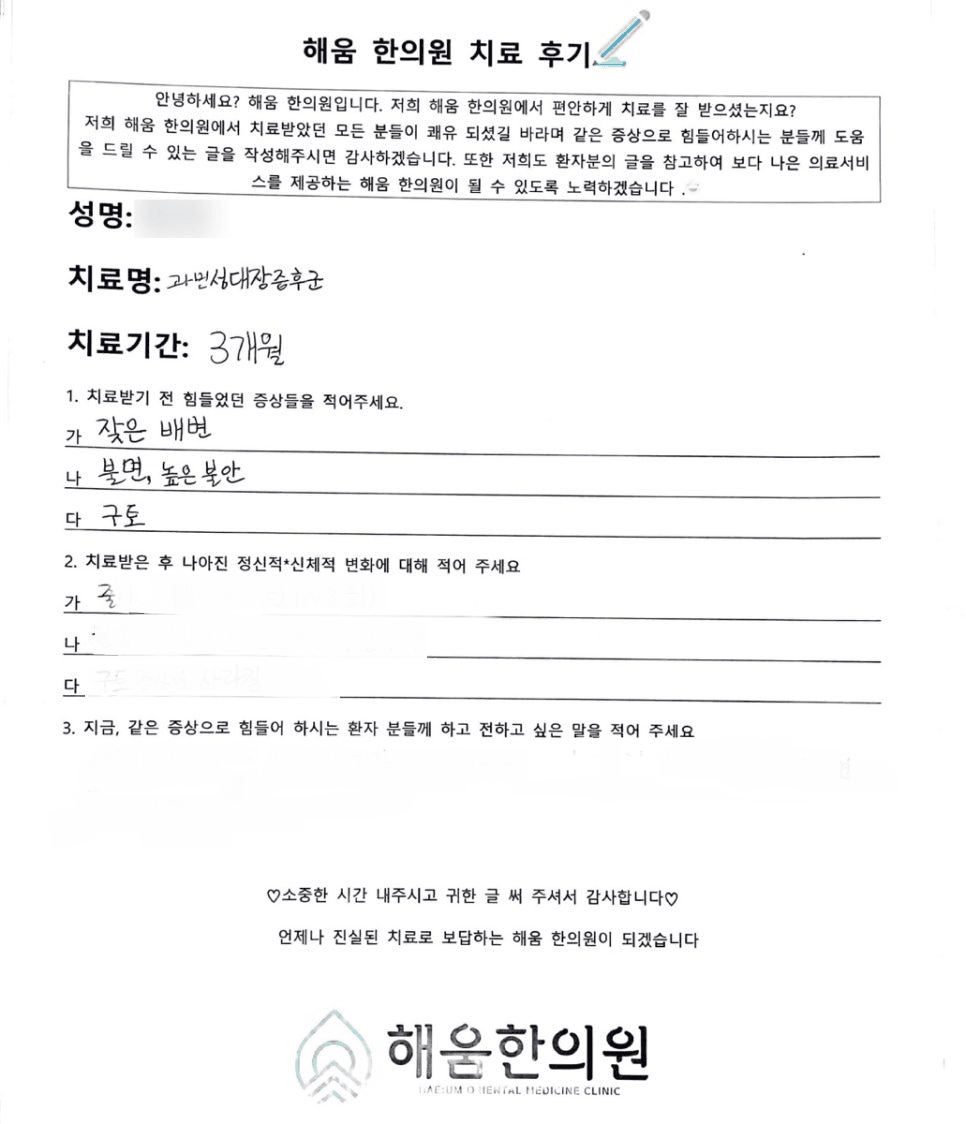
과민성방광 치료후기 총 2건
환자분들이 남긴 치료후기입니다. 본문은 로그인 후 보실 수 있습니다.
과민성방광, 누가 진료하나요?
담당 의료진
대표원장 박재은

“병이 아니라 그 뒤의 사람을 봅니다”
경희대학교 한의학박사이자 여한의사입니다. 심리상담사 1급 자격, 20만명 차트분석과 4만건 이상의 한약 처방 경험을 바탕으로 진료합니다.
의료진 소개 더보기과민성방광, 자주 묻는 질문
과민성방광과 빈뇨는 어떻게 다른가요?
저절로 낫기도 하나요?
방광 약과 한방치료를 같이 받아도 되나요?
치료 기간은 얼마나 걸리나요?
방광 훈련은 어떻게 하나요?
생활에서 어떻게 관리해야 하나요?
해움한의원에서 과민성방광을 진료하나요?
과민성방광으로 내원하려면 어떻게 하나요?
과민성방광에 관해 알아두면 좋은 정보
1건과민성방광과 관련해 정리한 건강정보입니다.
이런 경우에는 바로 응급실로 가세요
아래 증상은 콩팥 감염이나 요로 폐색, 신경 손상일 수 있습니다. 지체하지 말고 응급실을 찾으세요.
- 소변이 전혀 나오지 않고 아랫배가 부풀어 아프다
- 높은 열과 오한, 옆구리 통증이 함께 있다
- 소변에 핏덩어리가 섞여 나온다
- 다리에 힘이 빠지거나 엉덩이·사타구니 감각이 둔해졌다
- 갑자기 말이 어눌해지거나 한쪽 팔다리에 힘이 빠지면서 소변을 못 참는다
참고문헌 10편
[1]Irwin DE, Milsom I, Hunskaar S, Reilly K, Kopp Z, Herschorn S, et al. Population-based survey of urinary incontinence, overactive bladder, and other lower urinary tract symptoms in five countries: results of the EPIC study. Eur Urol. 2006;50(6):1306-1315. doi:10.1016/j.eururo.2006.09.019. PMID: 17049716.
요약 캐나다·독일·이탈리아·스웨덴·영국의 18세 이상 1만 9,165명을 전화로 조사한 연구입니다. 과민성방광은 11.8%에서 있었고 남녀 비슷했으며 나이가 들수록 늘었습니다. 과민성방광은 모든 종류의 요실금을 합친 것(9.4%)보다 흔했습니다.원문은 출판사 저작권 자료로, 위 링크에서 확인하실 수 있습니다.
[2]Lee YS, Lee KS, Jung JH, Han DH, Oh SJ, Seo JT, et al. Prevalence of overactive bladder, urinary incontinence, and lower urinary tract symptoms: results of Korean EPIC study. World J Urol. 2011;29(2):185-190. doi:10.1007/s00345-009-0490-1. PMID: 19898824.
요약 우리나라 18세 이상 성인 2,000명을 전화로 조사한 연구입니다. 하부요로 증상은 61.4%에서 있었고, 소변을 모으는 단계의 증상(빈뇨·급박뇨·야간뇨)이 가장 흔했습니다. 과민성방광은 12.2%(남성 10.0%, 여성 14.3%)였습니다.원문은 출판사 저작권 자료로, 위 링크에서 확인하실 수 있습니다.
[3]Zhang L, Cai N, Mo L, Tian X, Liu H, Yu B. Global Prevalence of Overactive Bladder: A Systematic Review and Meta-analysis. Int Urogynecol J. 2025;36(8):1547-1566. doi:10.1007/s00192-024-06029-2. PMID: 39951109.
초록 (Abstract)
Introduction and Hypothesis: This study aims to systematically estimate the global prevalence of overactive bladder (OAB), identify demographic and regional factors contributing to prevalence variations, and assess trends in prevalence over the past two decades.
Methods: This cross-sectional study was conducted according to the PRISMA (Preferred Reporting Items for Systematic Reviews and Meta-Analyses) guideline. From inception to April 2024, computerized searches for OAB prevalence-related literature were conducted on PubMed, Embase, Web of Science, and Cochrane. Studies of OAB prevalence in the general population were included. Two independent researchers conducted the screening, data extraction, and quality assessment of the included studies.
Results: A total of 53 studies, encompassing 610,438 participants, were ultimately included in the analysis. The meta-analysis determined the global prevalence of OAB to be 20% (95% CI 0.18–0.21). Over the past 20 years, there has been an increase in OAB prevalence, rising from 18.1% (95% CI 0.13–0.23) to 23.9% (95% CI 0.19–0.29). Among women, the prevalence of OAB was 21.9% (95% CI 0.20–0.24), indicating higher rates compared to men (OR = 16.1, 95% CI 0.15–0.18). The study also found higher prevalence rates among overweight and obese individuals (OR = 18.6, 95% CI 0.13–0.24) and those aged 60 years and above (OR = 28.3, 95% CI 0.24–0.33). Middle-income countries exhibited higher prevalence rates compared to high-income countries.
Conclusions: The study highlights higher risks of OAB among obese individuals, women, and the elderly. OAB prevalence has shown an increasing trend over the past 20 years.
결과 (Results)
Study Selection and Characteristics: A preliminary search yielded 8333 articles. Utilizing the predefined inclusion and exclusion criteria, the subsequent entries were omitted: (1) 6733 articles were not relevant; (2) 1539 articles were duplicates; and (3) 52 articles without sufficient information. Ultimately, 53 articles were included for further analysis (PRISMA flow diagram). Furthermore, the bibliographies of the included articles underwent thorough scrutiny, revealing no additional relevant articles.
Table 1 provides a comprehensive overview of the features of the 53 encompassed articles, all of which were cross-sectional studies. All included studies had defined inclusion and exclusion criteria, which generally excluded populations with urinary system symptoms or pelvic organ diseases (either self-reported or clinically diagnosed), as well as individuals undergoing related pharmacological treatments. The sample sizes of these studies varied significantly, ranging from 280 to 226,867 participants, with a total of 610,438 individuals, including 52,064 patients diagnosed with OAB. The reported prevalence of OAB exhibited considerable variation, from 2.1% to 67.0%, with 36 studies (68.0%) providing prevalence data for gender subgroups. Additionally, the majority of these articles were published in the past decade (n = 33, 62.3%). Over half of the studies were conducted in the Western Pacific region (56.6%), and the vast majority were carried out in upper-middle-income countries (90.5%). The studies utilized various questionnaires to assess OAB, with 12 (22.6%) articles not specifying the assessment questionnaire used.
Diagnosis of OAB: Table 1 enumerates the measurement instruments utilized to evaluate OAB in the included studies. Stratified analysis revealed that the prevalence rates across different measurement tools ranged from 8% (95% CI 0.07–0.09) to 44% (95% CI 0.43–0.45), demonstrating substantial heterogeneity (I2 > 90%, P < 0.001) (Appendix Fig. 5). The OABSS questionnaire was utilized for quantitative assessment in 24 articles (45.3%). Devised by Blaivas et al., the OABSS quantifies symptoms of OAB into a unified score, incorporating four inquiries: daytime frequency, nighttime frequency, urgency, and urgency incontinence. Patients assess these symptoms, assigning maximum scores of 2, 3, 5, and 5, respectively. The cumulative score ranges from 0 to 15, with higher scores signifying more pronounced OAB.
Four studies used the 8-item Overactive Bladder Questionnaire (OAB-V8) for assessment. The creators of the OAB-V8 developed a logistic regression model to predict OAB diagnosis based on the recorded scores. They found that after a 2-point increase in male patients’ scores, gender ceased to be a significant predictor. However, the studies showed that this did not adequately differentiate the gender-specific responses to the OAB-V8 or the symptom distress.
Five investigations employed the Overactive Bladder Module of the International Consultation on Incontinence Questionnaire (ICIQ-OAB). This instrument is appropriate for global populations and facilitates the comparison of outcomes across diverse environments. In 2017, the International Consortium for Health Outcomes Measurement (ICHOM) developed the OAB-q SF, a concise questionnaire designed to evaluate symptom burden and quality of life in individuals with OAB. One study validated its reliability and effectiveness. Another study used the OAB-POLL questionnaire, confirming that OAB symptoms negatively impact physical and occupational functioning.
Additionally, two studies used the International Prostate Symptom Score (IPSS) questionnaire for quantitative evaluation. The IPSS is a universally acknowledged instrument for gauging the severity of lower urinary tract symptoms in patients with prostatic hypertrophy, encompassing seven symptom-related items and one item pertaining to quality of life. It is commonly used to evaluate men with lower urinary tract symptoms (LUTS) or benign prostatic hyperplasia (BPH).
Other questionnaires included the Spanish version of the Bladder Control Self-Assessment Questionnaire (CACV), the Dutch King’s Health Questionnaire, the Danish Prostate Symptom Score, the Bristol Female Lower Urinary Tract Symptoms Questionnaire, and a specific questionnaire developed by the Japanese Neurogenic Bladder Society Committee. Each of these was used in a single study.
Quality Assessment of the Literature: All included studies received a quality score of ≥ 5. Detailed quality assessments are provided in Appendix Table 4. Two researchers scored the studies based on the 11 criteria recommended by AHRQ. Of the assessed articles, 18 were deemed of moderate quality, while 35 were classified as high quality. No studies were classified as low quality.
Assessment of OAB Prevalence: The random-effects meta-analysis revealed that the global prevalence of OAB is 20% (95% CI 0.18–0.21) (Fig. 1). Among women, the prevalence is 21.9% (95% CI 0.20–0.24), while among men, it is 16.1% (95% CI 0.15–0.18) (Table 2).
Subgroup Analysis: Owing to significant heterogeneity among the studies, we conducted subgroup analyses based on age, gender, BMI, WB region, publication year, and WHO region to identify potential sources of heterogeneity. Meta-regression showed that OAB prevalence is associated with WHO regions (P = 0.02). The prevalence rates for AFR, AMR, EMR, EUR, and WPR were 34.1% (95% CI 0.13–0.56), 29.3% (95% CI 0.23–0.36), 21.9% (95% CI 0.15–0.29), 20.4% (95% CI 0.08–0.33), and 14.7% (95% CI 0.13–0.16), respectively (Fig. 2).
Our investigation also revealed that the prevalence among individuals aged 60 years and older was higher than that of other age cohorts, standing at 28.3% (95% CI 0.24–0.33). However, there were no statistically significant differences observed across the various age groups (P = 0.07). Women had a higher OAB prevalence than men, at 21.9% (95% CI 0.20–0.24). The incidence among overweight and obese individuals was elevated compared to their normal-weight counterparts, with rates of 16.1% (95% CI 0.12–0.20) and 18.6% (95% CI 0.13–0.24), respectively. Nevertheless, there were no statistically significant disparities across BMI classifications (P = 0.53) (Table 2).
Additionally, the prevalence in LMIC countries was higher than in UMIC and HIC countries, at 27.4% (95% CI 0.14–0.40), but without statistical significance (P = 0.45). Over time, the global prevalence of OAB has generally increased, rising from 18.1% (95% CI 0.13–0.23) in 2000–2005 to 23.9% (95% CI 0.19–0.29) in 2021–2024, though publication year differences were not statistically significant (P = 0.71). Detailed information is provided in Table 2.
Sensitivity Analysis and Publication Bias: After performing the leave-one-out analysis, the worldwide prevalence of OAB was determined to span from 18 to 21% (Appendix Fig. 4). These outcomes correspond with the general prevalence, underscoring the robustness and dependability of the meta-analysis results. Visual scrutiny of the funnel plot and application of Egger’s test were utilized to evaluate publication bias. The conspicuously asymmetrical funnel plot indicates potential publication bias (Appendix Fig. 3), a deduction corroborated by the findings of Egger’s test (Table 2).
원문 발췌 · Zhang L, Cai N, Mo L, Tian X, Liu H, Yu B, Int Urogynecol J 2025 · CC BY 4.0 라이선스에 따라 수정 없이 인용했습니다(본문 속 인용 번호는 생략).
[4]Hubeaux K, Deffieux X, Ismael SS, Raibaut P, Amarenco G. Autonomic nervous system activity during bladder filling assessed by heart rate variability analysis in women with idiopathic overactive bladder syndrome or stress urinary incontinence. J Urol. 2007;178(6):2483-2487. doi:10.1016/j.juro.2007.08.036. PMID: 17937953.
요약 원인 질환이 없는 과민성방광 여성과 복압성 요실금 여성에게 방광을 인공으로 채우면서 심박변이도를 잰 예비 연구입니다. 복압성 요실금 여성은 변화가 없었지만, 과민성방광 여성은 방광이 가득 찰 무렵 교감신경 활동이 뚜렷이 올라가고 부교감신경 활동은 떨어졌습니다. 연구진은 자율신경 균형의 이상이 과민성방광에 관여할 수 있다고 보았습니다.원문은 출판사 저작권 자료로, 위 링크에서 확인하실 수 있습니다.
[5]Lai HH, Shen B, Rawal A, Vetter J. The relationship between depression and overactive bladder/urinary incontinence symptoms in the clinical OAB population. BMC Urol. 2016;16(1):60. doi:10.1186/s12894-016-0179-x. PMID: 27716241.
초록 (Abstract)
Background: To investigate the relationship between depression and overactive bladder (OAB)/urinary incontinence symptoms among the clinical OAB population.
Methods: Patients who were diagnosed with overactive bladder (OAB) and age-matched control subjects without OAB were enrolled. Depression symptoms were assessed using the Hospital Anxiety and Depression Scale (HADS-D). OAB/incontinence symptoms were assessed using the validated questionnaires: ICIQ-UI, ICIQ-OAB, UDI-6, IIQ-7, and OAB-q.
Results: 27.5 % of OAB patients in our study had depression (HADS ≥8), and 12 % of OAB patients had moderate to severe depression (HADS-D ≥11). OAB patients reported significantly higher HADS-D depression scores compared to age-matched controls (5.3 ± 3.9 versus 2.8 ± 3.9, p = 0.004). OAB patients with depression reported more severe incontinence symptoms (ICIQ-UI), greater bother and more impact on quality of life (UDI-6, IIQ-7) compared to OAB patients without depression (p = 0.001, 0.01, <0.001, respectively). However there were no differences in ICIQ-OAB and OAB-q. Among OAB patients, there were positive correlations between the severity of depression symptoms and OAB/incontinence symptoms (p-values <0.001 to 0.035).
Conclusions: 27.5 % of OAB patients have depression. OAB patients with depression reported more severe urinary incontinence symptoms, greater bother and more impact on quality of life compared to those without depression. Future studies are needed to further examine the mechanistic links between depression and OAB/urinary incontinence.
결과 (Results)
Study population: Fifty-one adult OAB patients and 30 age-matched controls participated in this study. Appendix 1 described the study population (demographics, urinary symptoms, validated questionnaires, and medical comorbidities). The mean age (± SD) of the OAB and the control groups was 53.8 ± 11.9 and 54.2 ± 12.3, respectively. There was no significant age or sex difference between the two groups (p = 0.984 and 0.14). As expected, OAB patients had worse OAB/incontinence symptoms and quality of life compared to controls.
Depression symptoms among OAB patients, and comparison to controls: OAB patients reported significantly higher depression scores than controls on the HADS-D (5.3 ± 3.9 versus 2.8 ± 3.9, p = 0.004, Table 1). The HADS-D scores were almost 90 % higher in OAB patients compared to controls. Looking at the individual items on the HADS-D scale, OAB patients fared worse compared to controls on the following items: “I still enjoy the things I used to enjoy;” “I can laugh and see the funny side of things;” “I feel as if I am slowed down;” and “I look forward to enjoyment to things.” (p = 0.044, 0.025, <0.001, 0.03, respectively). 27.5 % of OAB patients reported a HADS-D score ≥8, a threshold commonly used to indicate clinically relevant depression symptoms. 11.8 % OAB patients reported a HADS-D score ≥11, indicating moderate to severe depression symptoms. 32 % of OAB patients reported a medical history of depression.Table 1Comparison of depression symptoms between OAB and controls (adjusted for age and sex), *p < 0.05OAB patients (n = 51)Controls (n = 29)a p-value (adjusted for age and sex)HADS-D composite scores: (mean ± SD)5.3 ± 3.92.8 ± 3.90.004*Individual items on the HADS-D scale: (higher score is worse)I still enjoy the things I used to enjoy:0.88 ± 0.860.47 ± 0.900.044* 0 = definite as much 1 = not quite so much 2 = only a little 3 = hardly at allI can laugh and see the funny side of things:0.45 ± 0.580.17 ± 0.460.025* 0 = as much as I always could 1 = not quite so much now 2 = definite not so much now 3 = not at allI feel cheerful:0.59 ± 0.640.43 ± 0.730.21 3 = not at all 2 = not often 1 = sometimes 0 = most of the timeI feel as if I am slowed down:1.4 ± 0.900.55 ± 0.57<0.001* 3 = nearly all the time 2 = very often 1 = sometimes 0 = not at allI have lost interest in my appearance:0.76 ± 0.910.57 ± 0.860.16 3 = definitely 2 = I don’t take as much care as I should 1 = I may not take quite as much care 0 = I take just as much care as everI look forward with enjoyment to things:0.75 ± 0870.33 ± 0.660.03* 0 = as much as I ever did 1 = rather less than I used to 2 = definitely less than I used to 3 = hardly at allI can enjoy a good book or radio or Tv program:0.41 ± 0.670.23 ± 0.630.22 0 = often 1 = sometimes 2 = not often 3 = very seldom% with a HADS-D score ≥8 (presence of depression):27.5 %13.8 %0.158% with a HADS-D score ≥11 (moderate to severe depression):11.8 %10.3 %0.744% with medical history of depression:32 %17 %0.196 aOne control did not provide complete HADS-D data and was thus excluded from comparisons
Comparison of OAB patients with versus without depression symptoms: The OAB patients were categorized into two subgroups: those with depression (HADS-D score ≥8, 27.5 %) versus those without depression (HADS-D <8, 72.5 %). Their OAB/incontinence symptoms and quality of life were then compared between the two OAB subgroups. As shown in Table 2, OAB patients with depression reported more severe incontinence symptoms (ICIQ-UI), greater bother and more impact on quality of life (UDI-6, IIQ-7) compared to OAB patients without depression (p = 0.001, 0.01, <0.001, respectively). However there were no differences in ICIQ-OAB and OAB-q. The box plots of their ICIQ-UI, UDI-6 and IIQ-7 scores were presented in Fig. 1.Table 2Comparison of OAB/incontinence symptoms and quality of life between OAB patients with depression versus without depression (adjusted for age and sex), *p < 0.05OAB patients with depression (HADS-D ≥8)OAB patients without depression (HADS-D <8) p-value (adjusted for age and sex)Demographics: No. of subjects14 (27.5 %)37 (72.5 %) Age (mean ± SD)56.2 ± 9.952.8 ± 12.60.44 Sex (% females)64 %76 %0.42 HADS-D scores10.4 ± 2.43.3 ± 2.2<0.001*Validated questionnaires: (mean ± SD) ICIQ-UI (urinary incontinence, 0-21)15.4 ± 4.710.8 ± 4.30.001* UDI-6 (Urogenital Distress Inventory, 0-24)15.6 ± 6.111.5 ± 5.10.010* IIQ-7 (Incontinence Impact Questionnaire, 0-28)15.9 ± 8.76.1 ± 6.2<0.001* ICIQ-OAB (overactive bladder, 0-16)10.1 ± 3.29.0 ± 2.40.12 OAB-q symptom bother subscale (6-36)19.7 ± 7.918.9 ± 6.10.51 OAB-q quality of life subscale (13-78)36.6 ± 19.126.7 ± 15.20.074*Statistically significant factors using multivariate logistic regression model Fig. 1OAB patients with anxiety had higher incontinence scoresᅟ
Since most of the validated urinary questionnaires assess multiple urinary symptoms and presented the results as composite scores, we performed an exploratory analysis to compare the difference in individual urinary symptoms between OAB patients with and without depression (Table 3). The results suggested that that depression was correlated with urinary incontinence or urgency incontinence symptoms (ICIQ-UI questions 3, 4, and ICIQ-OAB question 6a). However, the differences in urgency, frequency, and nocturia symptoms did not meet criteria for significance (p > 0.05).Table 3Comparison of individual urinary symptoms (adjusted for age and sex), *p < 0.05OAB patients with depression (HADS-D ≥8), n = 14OAB patients without depression (HADS-D <8), n = 37 p-value (adjusted for age and sex)Source of questionIncontinence symptoms: How often do you leak urine?a 4.1 ± 1.12.8 ± 1.30.002*ICIQ-UI question 3 How much urine do you usually leak?b 3.7 ± 1.72.4 ± 1.20.002*ICIQ-UI question 4 Does urine leak before you can get to the toilet?c (urgency incontinence)2.8 ± 0.92.0 ± 0.80.003*ICIQ-OAB question 6aFrequency or nocturia symptoms: How many times do you urinate during the day? (see footnote)d 1.7 ± 1.31.8 ± 1.20.98ICIQ-OAB question 3a During the night, how many times do you have to get up to urinate, on average?e 2.6 ± 1.22.6 ± 1.10.93ICIQ-OAB question 4a Numeric rating scale of frequency (0-10)6.4 ± 3.36.4 ± 2.30.860-10 numeric rating scaleUrgency symptoms: Do you have to rush to the toilet to urinate?f 2.9 ± 0.82.6 ± 0.90.10ICIQ-OAB question 5a Numeric rating scale of urgency (0-10)6.9 ± 2.95.9 ± 2.40.180-10 numeric rating scale USS (urgency severity scale, 0-3)g 2.1 ± 0.92.1 ± 0.70.83USS is a 4-point self-reported rating scale of the degree of urgency sensation (none, mild, moderate, severe).g *Statistically significant factors using multivariate logistic regression modelBased on the categories of response on the ICIQ questionnaire aHow often do you leak urine? 0 = never, 1 = about once a week or less often, 2 = two or three times a week, 3 = about once a day, 4 = several times a day, 5 = all the time bHow much urine do you usually leak? 0 = none, 2 = a small amount, 4 = a moderate amount, 6 = a large amount cDoes urine leak before you can get to the toilet? 0 = never, 1 = occasionally, 2 = sometimes, 3 = most of the time, 4 = all of the time dHow many times do you urinate during the day? 0 = 1 to 6 times, 1 = 7 to 8 times 2 = 9 to 10 times, 3 = 11 to 12 times, 4 = 13 or more times eDuring the night, how many times do you have to get up to urinate, on average? 0 = none, 1 = one time, 2 = two times, 3 = three times, 4 = four or more times fDo you have to rush to the toilet to urinate? 0 = never, 1 = occasionally, 2 = sometimes, 3 = most of the time, 4 = all of the time gUrgency severity scale (USS) reference: Nixon, A., Colman, S., Sabounjian, L. et al.: A validated patient reported measure of urinary urgency severity in overactive bladder for use in clinical trials. J Urol, 174: 604, 2005
Correlation between the severity of depression symptoms and OAB/incontinence symptoms: To quantify the severity of depression symptoms, we have analyzed the HADS-D data as a continuous variable (0 to 21). We then performed Spearman’s correlation analyses between HADS-D and the urinary questionnaires (Table 4). Among OAB patients, there were positive correlations between the severity of depression symptoms (HADS-D) and the severity of OAB/incontinence symptoms, symptom bother and impact on quality of life (ICIQ-UI, ICIQ-OAB, UDI-6, IIQ-7, OAB-q, p-values <0.001 to 0.035). The highest correlations were between HADS-D and IIQ-7, and between HADS-D and OAB-q quality of life (correlation coefficient = 0.53 and 0.40 respectively, p-values <0.001 and = 0.001 respectively).Table 4Spearman’s correlation analyses between the severity of depression symptoms (HADS-D from 0 to 21) and OAB/incontinence symptoms among OAB patients (n = 51), *p < 0.05Spearman’s correlation coefficient (to HADS-D) p-value (multivariate linear regression, adjusted for age and sex)Urinary questionnaires: ICIQ-UI (urinary incontinence, 0-21)0.290.006* UDI-6 (urogenital distress inventory, 0-24)0.32<0.001* IIQ-7 (incontinence impact questionnaire, 0-28)0.53<0.001* ICIQ-OAB (overactive bladder, 0-16)0.170.023* OAB-q symptom bother subscale (6-36)0.210.035* OAB-q quality of life subscale (13-78)0.400.001**Statistically significant factors using multivariate logistic regression model
원문 발췌 · Lai HH, Shen B, Rawal A, Vetter J, BMC Urol 2016 · CC BY 4.0 라이선스에 따라 수정 없이 인용했습니다(본문 속 인용 번호는 생략).
[6]Song C, Park JT, Heo KO, Lee KS, Choo MS. Effects of bladder training and/or tolterodine in female patients with overactive bladder syndrome: a prospective, randomized study. J Korean Med Sci. 2006;21(6):1060-1063. doi:10.3346/jkms.2006.21.6.1060. PMID: 17179687.
요약 우리나라 과민성방광 여성 139명을 방광 훈련, 약(톨테로딘), 둘을 함께 하는 군으로 나누어 12주 동안 비교한 무작위 연구입니다. 소변 횟수는 방광 훈련만으로 25.9%, 약으로 30.2%, 함께 했을 때 33.5% 줄었고, 급박뇨 점수는 각각 44.8%, 62.2%, 60.2% 줄었습니다. 세 방법 모두 효과가 있었고 함께 하는 것이 가장 좋았습니다.원문은 출판사 저작권 자료로, 위 링크에서 확인하실 수 있습니다.
[7]Wagg A, Compion G, Fahey A, Siddiqui E. Persistence with prescribed antimuscarinic therapy for overactive bladder: a UK experience. BJU Int. 2012;110(11):1767-1774. doi:10.1111/j.1464-410x.2012.11023.x. PMID: 22409769.
요약 영국 처방 자료로 과민성방광 약(항무스카린제)을 새로 시작한 4,833명을 1년 동안 살핀 연구입니다. 처음 약을 3개월 뒤까지 이어 먹은 사람은 28~58%, 12개월 뒤까지 이어 먹은 사람은 14~35%에 그쳤습니다. 60세 미만이 더 일찍 약을 끊었습니다.원문은 출판사 저작권 자료로, 위 링크에서 확인하실 수 있습니다.
[8]Iyen B, Coupland C, Bell BG, Ashcroft DM, Orrell MW, Bishara D, et al. Risk of dementia associated with anticholinergic drugs for overactive bladder in adults aged ≥55 years: nested case-control study. BMJ Med. 2024;3(1):e000799. doi:10.1136/bmjmed-2023-000799. PMID: 39574420.
초록 (Abstract)
ABSTRACT:
Objective: To investigate whether different anticholinergic drug treatments for overactive bladder have differential risks for incident dementia, in a large representative population of older adults in England.
Design: Nested case-control study.
Setting: General practices in England providing data to the Clinical Practice Research Datalink (CPRD) GOLD database, with linked patient admission records from secondary care (Hospital Episode Statistics), 1 January 2006 and 16 February 2022
Participants: 170 742 patients aged ≥55 years, with a first reported diagnosis of dementia during the study period, matched by age, sex, and general practice with 804 385 individuals without dementia (controls).
Interventions: Cumulative drug use (defined using total standardised daily dose) of different anticholinergic drugs used for the treatment of an overactive bladder, and a non-anticholinergic drug, mirabegron, in the period 3-16 years before a diagnosis of dementia (or equivalent date in matched controls).
Main outcome measures: Odds ratios for onset of dementia associated with the different anticholinergic drugs used for the treatment of an overactive bladder, adjusted for sociodemographic characteristics, clinical comorbidities, and use of other anticholinergic drug treatments.
Results: The study population comprised 62.6% women, and median age was 83 (interquartile range 77-87) years. 15 418 (9.0%) patients with dementia and 63 369 (7.9%) controls without dementia had used anticholinergic drugs for the treatment of an overactive bladder in the 3-16 years before diagnosis (or equivalent date for controls). The adjusted odds ratio for dementia associated with the use of any anticholinergic drug used to treat an overactive bladder was 1.18 (95% confidence interval (CI) 1.16 to 1.20), and was higher in men (1.22, 1.18 to 1.26) than women (1.16, 1.13 to 1.19). The risk of dementia was substantially increased with the use of oxybutynin hydrochloride (adjusted odds ratio 1.31, 95% CI 1.21 to 1.42 and 1.28, 1.15 to 1.43 for use of 366-1095 and >1095 total standardised daily doses, respectively), solifenacin succinate (1.18, 1.09 to 1.27 and 1.29, 1.19 to 1.39), and tolterodine tartrate (1.27, 1.19 to 1.37 and 1.25, 1.17 to 1.34). No significant increases in the risk of dementia associated with darifenacin, fesoterodine fumarate, flavoxate hydrochloride, propiverine hydrochloride, and trospium chloride were found. The association between mirabegron, a non-anticholinergic drug, and dementia was variable across the dose categories and might be caused by previous use of anticholinergic drugs for the treatment of an overactive bladder in these individuals.
Conclusions: Of the different anticholinergic drugs used to treat an overactive bladder, oxybutynin hydrochloride, solifenacin succinate, and tolterodine tartrate were found to be most strongly associated with the risk of dementia in older adults. This finding emphasises the need for clinicians to take into account the possible long term risks and consequences of the available treatment options for an overactive bladder in older adults, and to consider prescribing alternative treatments that might be associated with a lower risk of dementia.
결과 (Results)
From the CPRD GOLD base population of 3 575 273 individuals, we identified 170 773 patients with dementia. Thirty one of these patients had no eligible matched controls and were therefore excluded. The final study population comprised 170 742 patients and 804 385 matched controls, identified from 954 general practices contributing data to CPRD GOLD from 1 January 2006 to 16 February 2022. Median age of the patients was 83 years (IQR 77-87) and 62.6% were women. Data for sex were taken from information in CPRD GOLD rather than from patient reported gender. Records of ethnic group were available for 42.4% of patients in the study, and 95.1% of those with ethnic group records were white (table 1). Among the overall study population, 175 942 (17.8%) had missing records for body mass index before the index date, and these were imputed with multiple imputation techniques, as previously described. Online supplemental figure S1 shows a plot of the distribution of observed and imputed body mass index records. Mean body mass index at baseline was slightly lower in patients (25.7 (SD 4.5)) than controls (26.5 (4.7)). The prevalence of alcohol consumption (current alcohol drinking status) was lower in patients (47.7%) than controls (57.8%) but the prevalence of current smoking was marginally higher at baseline in patients (7.8%) than controls (7.6%).
Table 2 shows the prevalence of comorbidities in patients and controls, up to three years before the index date. Patients had a higher prevalence of mental health related conditions, such as anxiety, bipolar disorder, depression, learning disabilities, Down's syndrome, and schizophrenia, and head injury. Other conditions, such as atrial fibrillation, chronic kidney disease, chronic obstructive pulmonary disease, coronary heart disease, heart failure, stroke, transient ischaemic attack, subarachnoid haemorrhage, and type 1 and type 2 diabetes, were also more prevalent in patients than controls. Asthma, hyperlipidaemia, and hypertension were more prevalent in controls. Table 2 also shows the use of anticholinergic drugs for conditions other than an overactive bladder in the 3-16 years before the index date. Although patients had a marginally higher prevalence of prescriptions of these other anticholinergic drugs, more anticholinergic drugs with an anticholinergic effect on cognition score of 0 or 1 were prescribed in these patients than controls.
Use of anticholinergic drugs for overactive bladder: Anticholinergic drugs for an overactive bladder were prescribed for 78 787 (8.1%) of the 975 127 individuals in the study: 15 418 (9.0%) patients and 63 369 (7.9%) controls. Table 3 shows that the drugs most commonly prescribed in patients and controls were oxybutynin hydrochloride (4.7% of patients and 4.1% of controls), tolterodine tartrate (4.1% and 3.5% of patients and controls, respectively), and solifenacin succinate (2.8% and 2.4% of patients and controls, respectively). Online supplemental table S3 shows the baseline characteristics of patients prescribed the different drugs for an overactive bladder.
Table 4 shows the unadjusted and adjusted odds ratios of dementia associated with the use of any anticholinergic drug as well as individual anticholinergic drugs and mirabegron (non-anticholinergic drug) to treat an overactive bladder, between three and 16 years before the index date. The adjusted odds ratio for dementia associated with the use of any anticholinergic drug for an overactive bladder compared with no use of these drug treatments was 1.18 (95% CI 1.16 to 1.20). Among the different anticholinergic drugs used to treat an overactive bladder, we found considerable dose-response increases for the association between dementia and increasing dose levels of oxybutynin hydrochloride (adjusted odds ratio 1.04, 95% CI 1.01 to 1.07, for 1-90 total standardised daily doses; 1.28, 1.15 to 1.43, for >1095 total standardised daily doses), solifenacin succinate (1.02, 0.97 to 1.08; 1.29, 1.19 to 1.39), and tolterodine tartrate (1.05, 1.01 to 1.09; 1.25, 1.17 to 1.34). We found no substantial increase in the risk of dementia associated with the use of other anticholinergics drugs (ie, darifenacin, fesoterodine fumarate, flavoxate hydrochloride, propiverine hydrochloride, and trospium chloride).
The risk of dementia associated with mirabegron was variable across different dose levels, with an increase only with mirabegron 91-365 total standardised daily doses and 366-1095 total standardised daily doses. This finding might be because 86.2% of individuals prescribed mirabegron (1574 of 1826 patients) had previously used anticholinergic drugs for an overactive bladder. Also, the number of individuals in the >1095 total standardised daily dose subgroup was small, resulting in insufficient statistical power to detect precise measures of effect. Of the 78 787 individuals who used anticholinergic drugs, 77% (60 743) had previously used at least one different anticholinergic drug for treatment of an overactive bladder.
In our sensitivity analysis, we assessed the association between anticholinergic drugs for the treatment of an overactive bladder and risk of dementia in adults aged <80 years and aged ≥80 years at the time they received a diagnosis of dementia or at the index date. Findings in both age groups were similar to the main analyses but associations between anticholinergic agents (oxybutynin hydrochloride, solifenacin succinate, and tolterodine tartrate) and increased risk of dementia were stronger in adults aged <80 years than in those aged ≥80 years (online supplemental table S4a and table S4b). In separate subgroup analyses in men and women, the odds ratio for dementia associated with the use of any anticholinergic drug was higher in men (adjusted odds ratio 1.22, 95% CI 1.18 to 1.26) than in women (1.16, 1.13 to 1.19). Associations were similar in men and women for oxybutynin hydrochloride, but slightly stronger in men than women for solifenacin succinate and tolterodine tartrate. Similar to the main analyses, effect sizes for mirabegron were variables across dose levels with no clear difference between men and women (online supplemental table S5).
Lastly, sensitivity analyses were also done to assess associations with dementia in the subgroup of patients who were prescribed mirabegron and had no recorded use of anticholinergic drugs for the treatment of an overactive bladder. A total of 1574 of 1826 patients with records of treatment with mirabegron were excluded, and therefore the analyses included 252 patients who received mirabegron in a population of 973 534 patients comprising 170 376 patients and 803 158 controls (a further 19 patients in the study population were also excluded because all of the other patients in their matched set were among the 1574 excluded patients). Because of the small numbers of patients who were treated with mirabegron, this subgroup analysis lacked sufficient power to detect precise estimates of measures of effect, as shown in the wide 95% CIs (online supplemental table S6).
원문 발췌 · Iyen B, Coupland C, Bell BG, Ashcroft DM, Orrell MW, Bishara D, Dening T, Avery AJ, BMJ Med 2024 · CC BY 4.0 라이선스에 따라 수정 없이 인용했습니다(본문 속 인용 번호는 생략).
[9]Lin ZX, Chan NHT, Kwan YK, Chan YT, Zhang H, Tam KS, et al. A randomized controlled trial to assess the effectiveness and safety of acupuncture for overactive bladder: a study in Hong Kong population. Chin Med. 2020;15:108. doi:10.1186/s13020-020-00388-w. PMID: 33062044.
초록 (Abstract)
Background: Around 15% of the Hong Kong population was found to suffer from overactive bladder (OAB), but the current available treatments, such as medication, behavioral therapy and physical therapy are unsatisfactory. Previous studies have suggested that acupuncture may have promising effect for OAB, but some limitations on the study design render the evidence questionable. This study aimed to evaluate the effectiveness and safety of acupuncture treatment for patients with OAB in Hong Kong.
Methods: One hundred patients with OAB were enrolled. The patients were randomized to receive either active acupuncture or sham needle intervention twice a week for 8 consecutive weeks, and had a follow-up consultation 12 weeks after the completion of acupuncture intervention. The primary outcome assessment was the 3-Day Voiding Diary, which records daytime and night-time urinary frequency and symptoms, at the baseline, the end of the 8-week intervention and 12 weeks after acupuncture intervention. Secondary outcomes included Urine NGF level, Incontinence Impact Questionnaire (IIQ-7) and Urogenital Distress Inventory (UDI-6), as well as Overactive Bladder Symptom Score (OABSS).
Results: After 16 sessions of treatment, when compared with the baseline, both active and sham acupuncture significantly reduced the frequency of urgency urinary incontinence (UUI), daytime and night-time urinary frequency as well as the scores of IIQ-7, UDI-6 and OABSS. Moreover, the treatment effects could last for at least 3 months. However, no significant difference in frequency of UUI and daytime urinary frequency was found between the active and sham acupuncture groups. On the other hand, the night-time urinary frequency decreased more significantly during the treatment and follow-up in the active acupuncture group than in the sham control group after controlling baseline night-time urinary frequency. Urine NGF level could not be detected by ELISA method in our experiments.
Conclusion: This study suggests a beneficial effect of acupuncture on improving OAB symptoms. Both active and sham acupuncture treatment were able to improve the symptoms of frequency of urgency urinary incontinence, and the daytime and night-time urinary frequency, while only mild adverse effects were found. This project was unable to establish the specific effect of acupuncture for OAB. Trial registration Chinese Clinical Trial Registry, ChiCTR-INR-16010048. Registered on 29 Nov 2016.
결과 (Results)
Study flow: A total of 100 patients with OAB were successfully recruited during the period between June 2016 and September 2019 in the CUHK-CMSCCTRC or YOT-CUHKCMCTR. Three promotion articles were posted on the Sky Post in 09/2017, 04/2018 and 11/2018 to augment subject recruitment. We screened 147 participants, and 47 were excluded because they failed to meet the Inclusion criteria. After random allocation, 51 patients received active acupuncture and 49 received sham acupuncture intervention. Totally 4 participants withdrew from the study; among them, 2 participants in the treatment group withdrew before the end of treatment, among whom 1 complained of feeling no improvement and pain during acupuncture treatment and another refused to continue without explanation. In addition, 1 participant in the treatment group was lost to follow up due to feeling no improvement. One participant in the sham control group withdrew before the end of intervention due to skin allergic to the adhesive tape. Figure 1 shows the study flow and reasons for drop-out.
Test of the effectiveness of blinding: We obtained blind evaluation data from 93 out of 100 participants. 97.9% of patients in the real acupuncture group guessed right, and 80.4% of those in the sham group thought they had received real acupuncture or were not sure about the choice.
We calculated the blinding index (BI) as proposed by Bang et al.. Bang’s BI is interpreted as the percentage of unblinding beyond chance. It takes a value between -1 and 1, where 1 corresponds to all correct guesses, whereas − 1 corresponds to all incorrect or opposite guesses. If 50% of patient responses are correct and 50% are incorrect, then BI = 0; this is indicative of random guessing and thus is an ideal blinding scenario. Generally, it is considered as BI ≥ 0.2 for unblinded; − 0.2 < BI < 0.2 for random guesses, and BI ≤ − 0.2 for opposite guesses.
Bang’s BI in the real acupuncture group is 0.96 (95% CI 0.87 to 1.04), and in the sham control group is − 0.59 (95% CI − 0.82 to − 0.36). The result indicated the attainment of effective blinding, where patients tend to believe they received active treatment regardless of actual treatment received, which may reflect patients’ wish to receive active intervention. This finding is consistent with the results of a systematic review of acupuncture trials, which reported the most common scenario in the review was unblinded in the acupuncture group and opposite guess in the sham acupuncture group. Such results could be indeed interpreted as “well-blinded”. It should be noted that in this scenario there may be a psychological phenomenon of “wishful thinking”, and guesses are inflated towards real acupuncture in both groups.
Baseline characteristics: Table 1 shows the baseline characteristics and assessments of the participants in both treatment and control groups. The mean age of the 100 patients was 68.5, and 55 of them (55%) were women. The baseline characteristics and assessments did not differ significantly between the two groups except night-time urinary frequency. The mean night-time urinary frequency was markedly higher in the treatment group (8.08 ± 4.66) than in the control group (5.73 ± 3.54).
Primary outcome: Table 2 and Fig. 2 show the daytime and night-time urinary frequency and frequency of UUI recorded in the 3-Day Voiding Diary in both groups. The frequency of UUI at the completion of the active or sham acupuncture treatment, and at the follow-up decreased significantly when compared to the baseline in both groups (p = 0.0016) (Table 3). However, no significant difference in frequency of UUI after the treatment was found between the two groups after controlling baseline night-time urinary frequency (p = 0.75) (Table 3).
Daytime and night-time urinary frequency at the completion of the acupuncture treatment decreased significantly when compared to the baseline in both groups. The night-time urinary frequency decreased more significantly during the treatment and follow-up in the active acupuncture group than in the sham control group after controlling baseline night-time urinary frequency (p = 0.028) (Fig. 2, Table 4). No significant difference was found in the daytime urinary frequency after treatment and follow-up between the two groups.
Secondary outcomes: Table 5 and Fig. 3 show IIQ-7, UDI-6 (including their subscales) and OABSS in the acupuncture and sham control groups. The scores after treatment and follow-up were significantly decreased when compared to the baseline in both groups. No significant difference was found in IQ-7, UDI-6 and OABSS between the two groups after treatment and follow-up (Tables 6, 7 and 8).
Adverse events: In our study, no severe adverse effect as a result of acupuncture was experienced by the participants. Two out of 100 (2%) patients reported adverse reactions, which included mild uncomfortable feeling towards acupuncture treatment and skin allergic to the adhesive tape. These 2 participants with mild AE also withdrew from the study, with reasons being the treatment effect was not strong enough worthy of continuation.
원문 발췌 · Lin ZX, Chan NHT, Kwan YK, Chan YT, Zhang H, Tam KS, Lai MK, Lee CK, Ngan K, Tsoi SYY, Lau YW, Xian YF, Ching J, Guo Y, Chin Med 2020 · CC BY 4.0 라이선스에 따라 수정 없이 인용했습니다(본문 속 인용 번호는 생략).
[10]Kajiwara M, Mutaguchi K. Clinical efficacy and tolerability of gosha-jinki-gan, Japanese traditional herbal medicine, in females with overactive bladder. Hinyokika Kiyo. 2008;54(2):95-99. PMID: 18323165.
요약 과민성방광 일본 여성 44명에게 우차신기환만 써 본 연구입니다. 낮과 밤의 소변 횟수와 배뇨 증상 점수가 줄었고, 삶의 질 평가에서 53%가 좋아졌다고 답했습니다. 부작용은 9%였습니다. 대조군이 없는 연구입니다.원문은 출판사 저작권 자료로, 위 링크에서 확인하실 수 있습니다.