
검진 초음파에서 "자궁에 혹이 있네요"라는 말을 들은 뒤로는 혹이 커질까, 수술해야 할까 걱정이 늘었습니다. 자궁근종은 여성에게 가장 흔한 자궁 혹입니다.
자궁근종 한눈에 보기
- 자궁근종은 자궁 근육에 생기는 양성 혹으로 암이 아닙니다. 여성에게 가장 흔한 혹으로, 50세까지 70% 가까운 여성에게 생긴다는 연구가 있습니다.
- 증상이 없는 작은 근종은 지켜보고, 생리량이 많거나 누르는 증상이 심하면 약이나 수술로 치료합니다. 근종이 있는 여성의 약 3분의 1이 증상 때문에 치료를 찾습니다.
- 근종은 여성 호르몬의 영향을 받아 자라기에, 생리 주기와 아랫배의 순환, 생리량으로 지친 몸을 함께 돌보는 것이 중요합니다.
- 치료후기 1건
- 의료진 칼럼 1편
- 건강정보 4편
- 온라인 상담 1건
자궁근종이란?
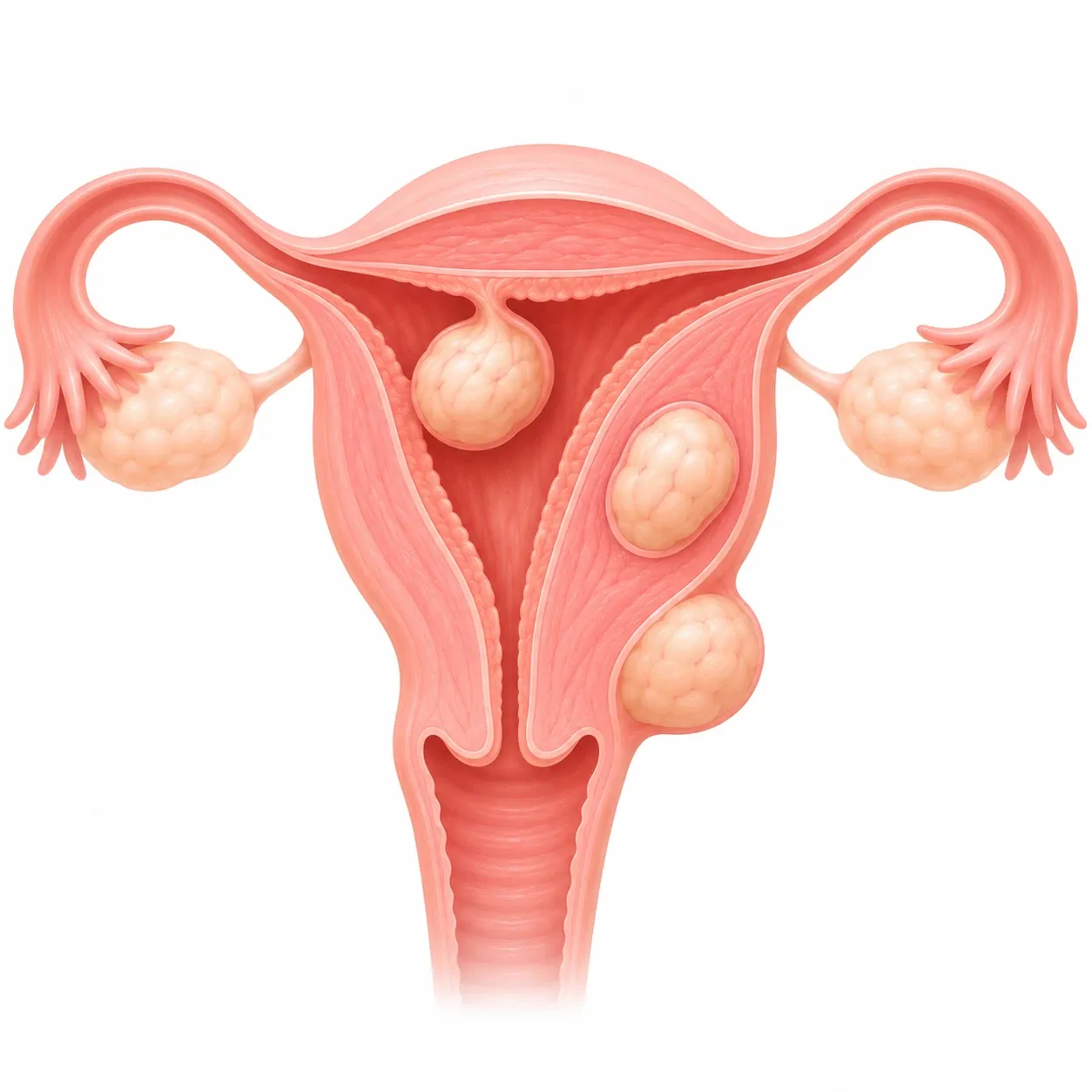
자궁은 두꺼운 근육으로 된 주머니입니다. 이 근육 세포 하나가 지나치게 자라 동그란 혹이 된 것이 자궁근종이며, 정식 명칭은 자궁평활근종입니다. 생긴 자리에 따라 자궁 안쪽으로 튀어나온 점막하 근종, 근육 속의 근층내 근종, 바깥으로 자란 장막하 근종으로 나눕니다. 자리에 따라 증상이 크게 다르고, 같은 크기라도 자궁 안쪽에 있을수록 생리량이 많아집니다.
자궁근종은 매우 흔합니다. 50세까지 근종이 생기는 비율은 백인 여성 70% 가까이로 추정됩니다[1]. 여러 나라 여성 조사에서 근종 진단을 받았다고 답한 우리나라 여성은 9.0%였는데[2], 증상이 없어 모르고 지내는 경우가 많아 실제로는 더 많습니다.
이런 증상이 있나요?
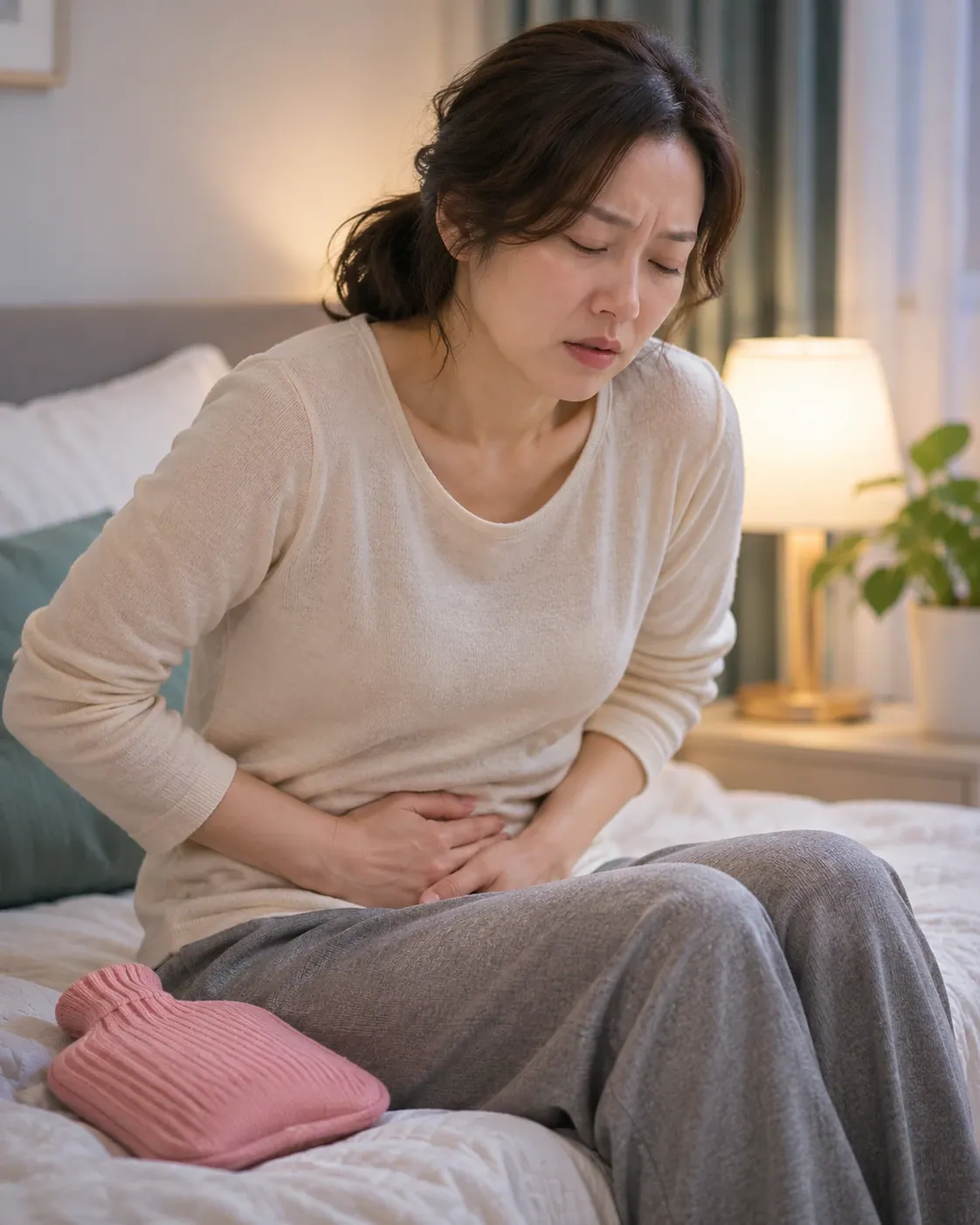
- 생리량이 많아 오버나이트를 자주 갈거나 덩어리가 나온다
- 생리 기간이 길어지고 생리통이 심해졌다
- 어지럽고 쉽게 지친다(빈혈)
- 아랫배가 묵직하고 배가 나온 느낌이 든다
- 소변이 자주 마렵거나 변비가 생겼다
- 성관계 때 아랫배가 아프다
근종이 있는 여성은 없는 여성보다 생리량이 많다고 답한 경우가 59.8% 대 37.4%, 방광이 눌린다고 답한 경우가 32.6% 대 15.0%로 많았습니다[2]. 산부인과에서 초음파로 근종의 크기와 개수, 자리를 확인하고, 생리량이 많다면 빈혈 검사를 함께 합니다. 수술을 계획할 때는 MRI 로 자세히 봅니다.
자궁근종은 왜 생기나요?
- 여성 호르몬(에스트로겐·프로게스테론)의 자극
- 나이(30~40대에 많음)
- 가족력
- 고혈압
- 비만
- 출산 경험이 없거나 마지막 출산 뒤 오랜 시간이 지남
자궁근종은 여성 호르몬의 영향을 받아 자라고, 폐경 뒤 호르몬이 줄면 대개 작아집니다. 나이, 고혈압, 가족력, 마지막 출산 뒤 지난 기간이 위험을 높였고, 출산 경험은 위험을 낮췄습니다[3].
해움한의원은 스트레스로 자율신경이 오래 긴장하면 아랫배의 순환이 떨어지고 생리 주기가 흐트러져, 근종으로 인한 생리량과 통증이 더 심해진다고 봅니다. 아랫배가 차고 피가 고이기 쉬운 몸에서 근종 증상이 오래가는 경우를 자주 봅니다.
자궁근종의 표준 치료
증상이 없는 근종은 정기적으로 초음파를 보며 지켜봅니다. 생리량이 많으면 지혈제, 호르몬 약, 자궁 안 호르몬 장치를 쓰고, 근종을 줄이는 주사는 폐경과 비슷한 상태를 만들어 짧은 기간만 씁니다. 근종이 크거나 증상이 심하면 근종만 떼어 내는 근종절제술, 자궁동맥 색전술, 고강도 초음파 치료, 자궁절제술을 고려합니다. 근종이 있는 여성의 약 3분의 1이 증상 때문에 치료를 찾습니다[4].
약을 끊으면 근종이 다시 자라고, 근종절제술 뒤에도 새 근종이 생기기도 합니다. 그래서 지켜보는 기간과 수술 뒤에 생리량과 통증, 아랫배의 순환을 돌보는 것이 중요합니다. 한의학 치료는 바로 이 바탕을 다스립니다.
계지복령환 연구 38편을 모은 분석에서 양약에 계지복령환을 더하면 양약만 쓸 때보다 근종 부피가 더 줄었고, 계지복령환만 쓴 경우에도 비교 치료보다 생리통이 좋아질 가능성이 2.27배 높았습니다[5]. 해움한의원은 근종 크기와 함께 생리량과 통증, 빈혈의 회복을 목표로 치료합니다.
해움한의원은 이렇게 치료합니다

해움한의원은 산부인과의 경과 관찰·치료와 병행합니다. 지켜보는 기간과 수술 전후에 생리량과 통증, 아랫배의 순환을 함께 돌보고, 정기적인 초음파 검사를 함께 권합니다.
1단계. 근종과 몸의 상태를 살핍니다
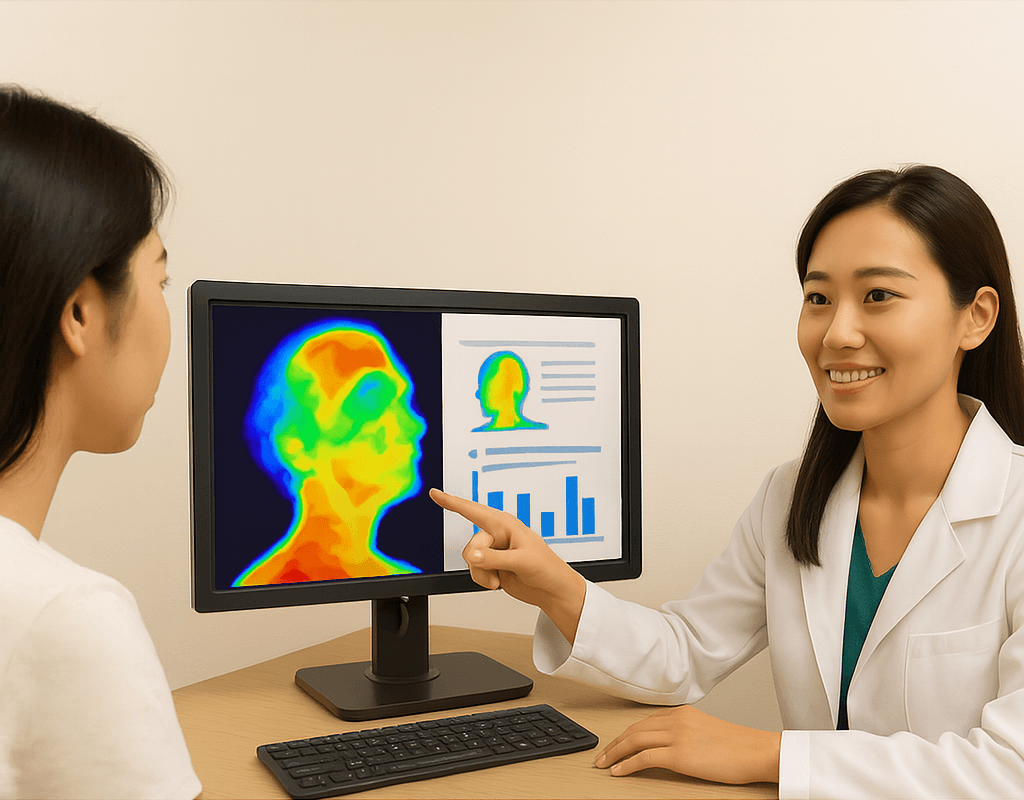
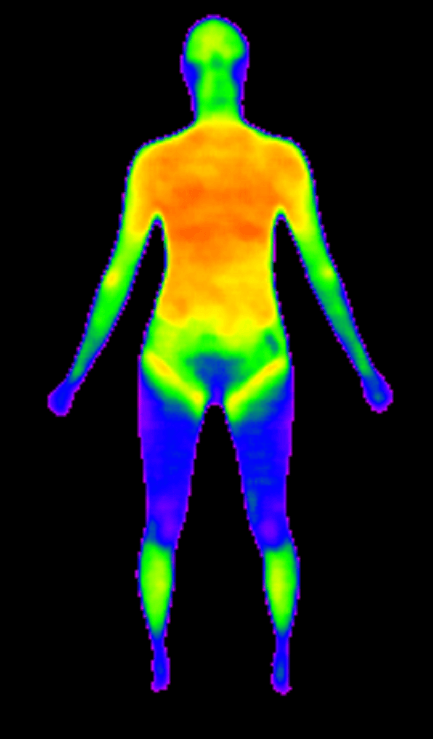
초음파 결과와 근종의 크기 변화, 생리량과 생리통, 빈혈 수치, 수면과 스트레스를 자세히 살펴봅니다. 심박변이도와 적외선 체열검사로 자율신경의 균형과 아랫배의 냉증을 확인합니다.
2단계. 아랫배의 순환을 돕습니다
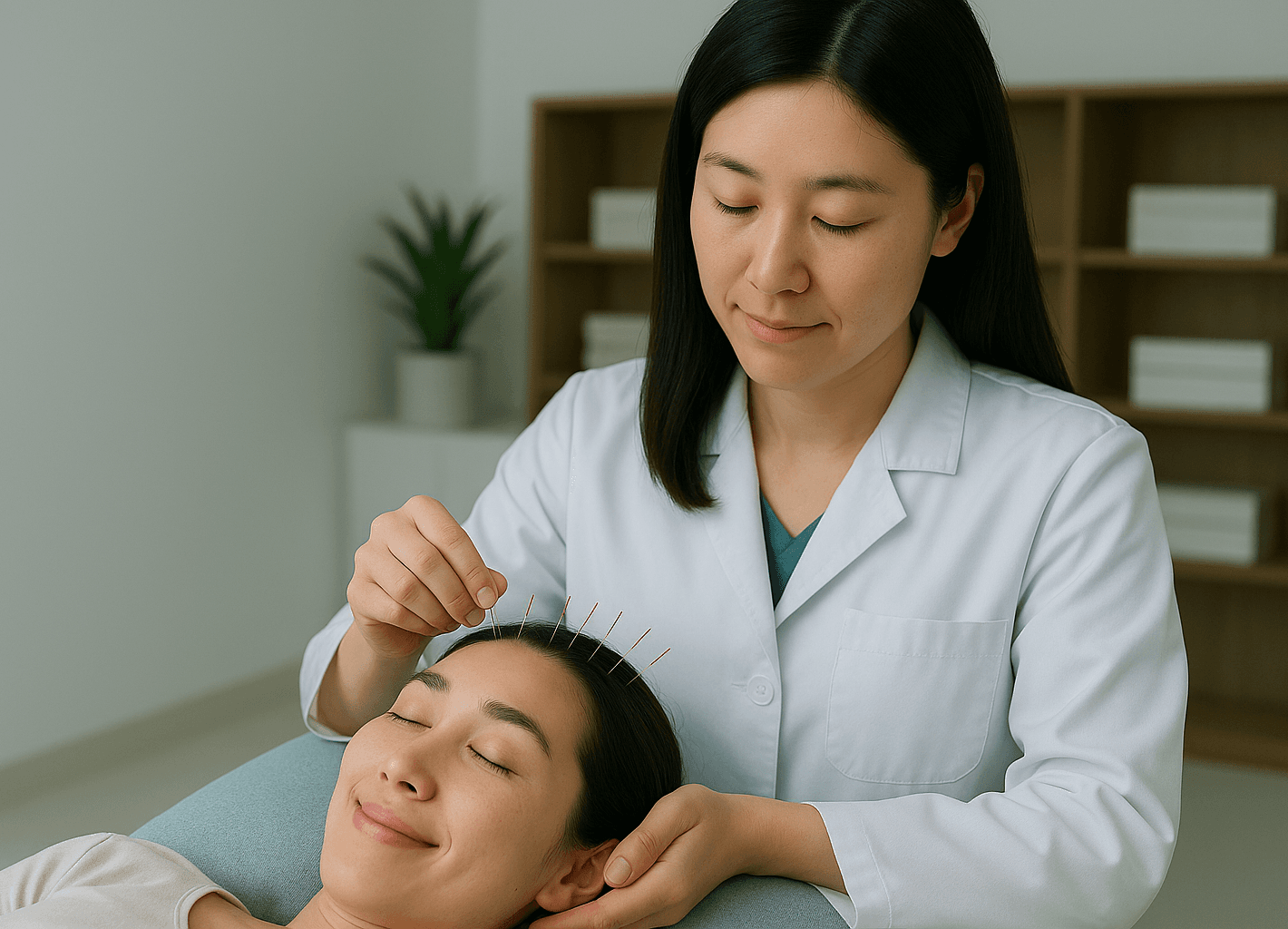
침과 뜸으로 아랫배와 골반 주변의 긴장을 풀고 순환을 돕습니다. 생리 주기에 맞춰 치료 시기를 정하고, 생리량이 많은 시기에는 치료 방법을 바꿉니다.
3단계. 유형에 맞춰 바탕을 다스립니다
체질과 상태에 맞춰 한약을 짓습니다.
4만 건의 처방 사례가 말해주는, 한방 맞춤 치료의 힘
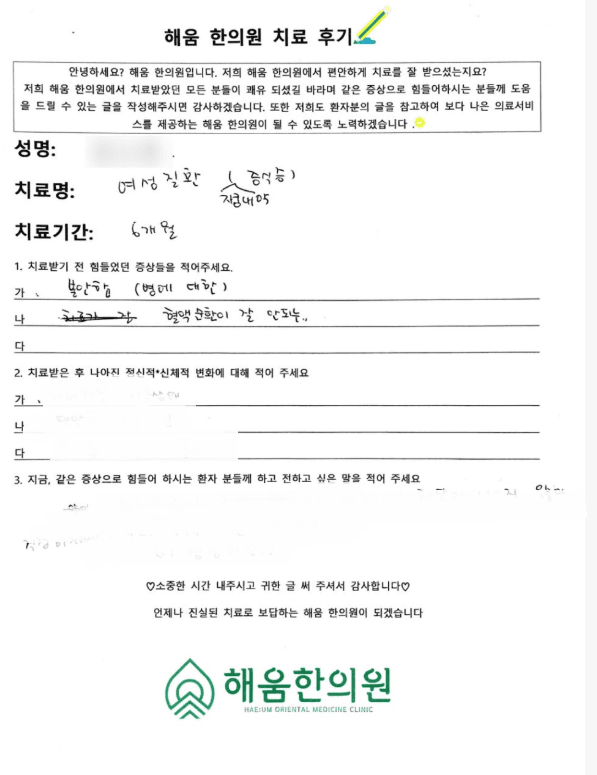
자궁근종 치료후기 총 1건
환자분들이 남긴 치료후기입니다. 본문은 로그인 후 보실 수 있습니다.
자궁근종, 누가 진료하나요?
담당 의료진
대표원장 박재은
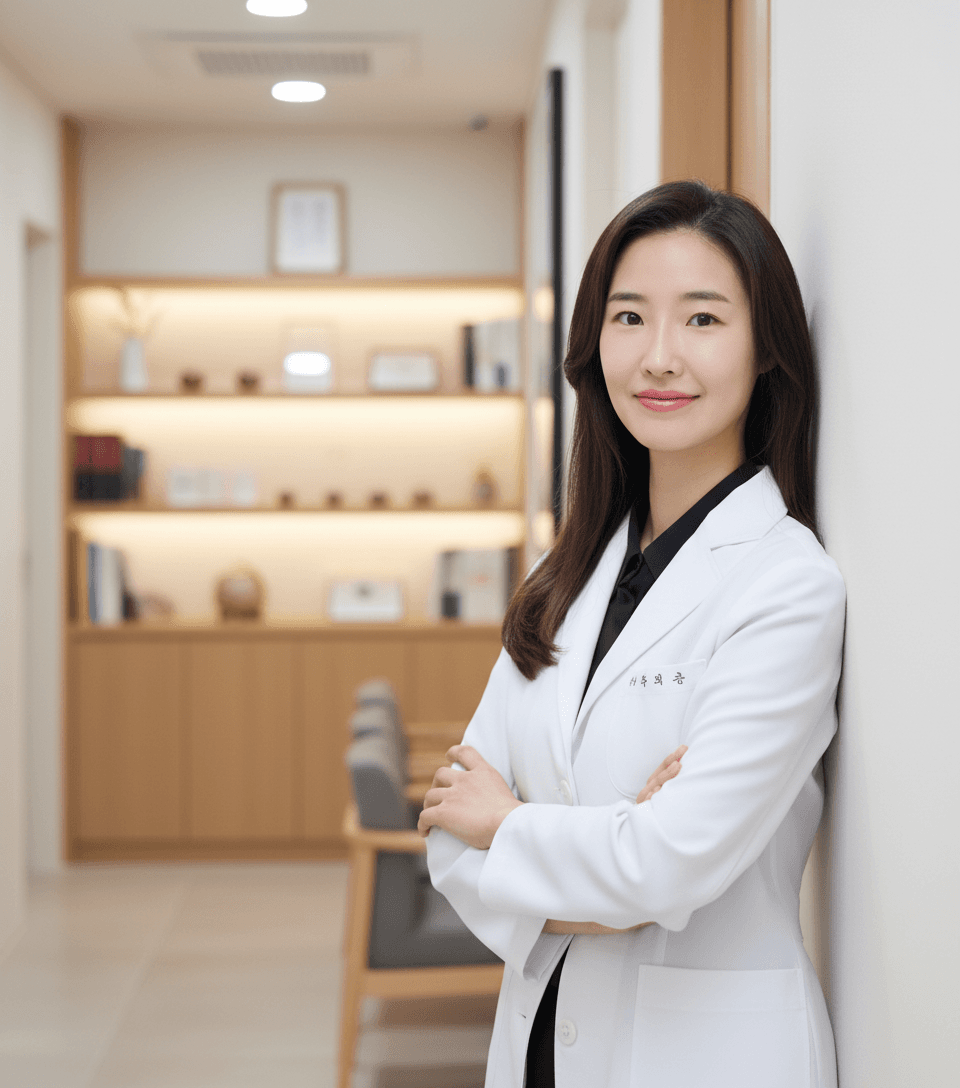
“병이 아니라 그 뒤의 사람을 봅니다”
경희대학교 한의학박사이자 여한의사입니다. 심리상담사 1급 자격, 20만명 차트분석과 4만건 이상의 한약 처방 경험을 바탕으로 진료합니다.
의료진 소개 더보기자궁근종, 자주 묻는 질문
자궁근종은 암이 되나요?
근종이 있으면 꼭 수술해야 하나요?
근종이 저절로 작아지나요?
산부인과 치료와 한방치료를 같이 받아도 되나요?
치료 기간은 얼마나 걸리나요?
생활에서 어떻게 관리해야 하나요?
해움한의원에서 자궁근종을 진료하나요?
자궁근종으로 내원하려면 어떻게 하나요?
자궁근종에 관해 알아두면 좋은 정보
4건자궁근종과 관련해 정리한 건강정보입니다.
폐경기자궁근종증상, 폐경하면 근종이 저절로 없어질까요?
“폐경이 되면 자궁근종도 없어진다고 들었는데요”젊었을 때 자궁근종이 있다는 이야기를 들었지만 특별한 증상이 없어 정기적으로 검사만 받아온 분들이 있습니다.그러다 폐경이 가까워지면 이제 생리도 끝나니 자궁근종도 자연스
한달내내 생리할 때 치료방법, 자궁근종 때문일까요?
한달내내 생리하는 이유, 출혈이 멈추지 않는다면 확인하세요생리가 시작된 지 일주일이 지났는데도 출혈이 멈추지 않아 걱정하는 분들이 있습니다.처음에는 평소보다 생리가 조금 길어지는 것이라고 생각했지만, 2주가 지나고

하혈 원인과 증상 알아보기, 자궁건강에 이상이 생긴 걸까요?
하혈 원인과 증상, 생리 기간이 아닌데 피가 나온다면?생리할 시기가 아닌데 갑자기 속옷에 피가 묻어 있다면 누구나 당황할 수 있습니다.처음에는 생리가 조금 일찍 시작된 것이라고 생각하거나, 최근 스트레스를 많이 받아

여자왼쪽사타구니통증, 여성질환 신호일 가능성 확인해야 합니다
“왼쪽 사타구니가 계속 아픈데… 그냥 넘겨도 될까요?”처음에는 가볍게 느껴집니다.잠깐 불편한 정도라면 “근육이 땡겼나?” 하고 넘기기 쉽습니다.하지만 시간이 지나도 계속 신경 쓰이고,앉거나 움직일 때마다 찌릿하거나

이런 경우에는 바로 응급실로 가세요
아래 증상은 많은 출혈로 인한 심한 빈혈이나 근종의 꼬임, 괴사일 수 있습니다. 지체하지 말고 응급실을 찾으세요.
- 한 시간에 패드 한 장이 넘게 젖는 출혈이 몇 시간째 계속된다
- 출혈과 함께 어지럽고 쓰러질 것 같다
- 아랫배가 갑자기 심하게 아프고 열이 난다
- 소변이 전혀 나오지 않는다
- 임신 중 아랫배가 심하게 아프다
참고문헌 5편
[1]Baird DD, Dunson DB, Hill MC, Cousins D, Schectman JM. High cumulative incidence of uterine leiomyoma in black and white women: ultrasound evidence. Am J Obstet Gynecol. 2003;188(1):100-107. doi:10.1067/mob.2003.99. PMID: 12548202.
요약 미국 도시 건강보험 가입자 가운데 35~49세 여성 1,364명을 무작위로 골라 초음파로 자궁근종을 확인한 연구입니다. 폐경 전 여성의 35%는 이미 근종 진단을 받은 적이 있었고, 진단받은 적이 없던 여성의 51%에서도 초음파로 근종이 보였습니다. 50세까지 근종이 생기는 비율은 흑인 여성 80% 이상, 백인 여성 70% 가까이로 추정되었습니다.원문은 출판사 저작권 자료로, 위 링크에서 확인하실 수 있습니다.
[2]Zimmermann A, Bernuit D, Gerlinger C, Schaefers M, Geppert K. Prevalence, symptoms and management of uterine fibroids: an international internet-based survey of 21,746 women. BMC Womens Health. 2012;12:6. doi:10.1186/1472-6874-12-6. PMID: 22448610.
초록 (Abstract)
Background: In 2009 the Uterine Bleeding and Pain Women's Research Study (UBP-WRS) was conducted interviewing 21,479 women across 8 countries in order to gain patient-based prevalence data on uterine pain and bleeding indications and investigate uterine symptoms and women's treatment experiences. This article shows relevant results of the study for the indication uterine fibroids providing data on self-reported prevalence, symptomatology and management of uterine fibroids.
Methods: 2,500 women (USA: 4,500 women) in each country (Brazil, Canada, France, Germany, Italy, South Korea, the UK, the USA) completed an online survey. Women included were in their reproductive age (age group 15-49 years; USA: 18-49 years) and had ever experienced menstrual bleedings. Quotas were applied for age, region, level of education and household income of respondents. Variables have been analyzed descriptively and exploratory statistical tests have been performed.
Results: The self-reported prevalence of uterine fibroids ranged from 4.5% (UK) to 9.8% (Italy), reaching 9.4% (UK) to 17.8% (Italy) in the age group of 40-49 years. Women with a diagnosis of uterine fibroids reported significantly more often about bleeding symptoms than women without a diagnosis: heavy bleedings (59.8% vs. 37.4%), prolonged bleedings (37.3% vs. 15.6%), bleeding between periods (33.3% vs. 13.5%), frequent periods (28.4% vs. 15.2%), irregular and predictable periods (36.3% vs. 23.9%). Furthermore women with diagnosed uterine fibroids reported significantly more often about the following pain symptoms: pressure on the bladder (32.6% vs. 15.0%), chronic pelvic pain (14.5% vs. 2.9%), painful sexual intercourse (23.5% vs. 9.1%) and pain occurring mid-cycle, after and during menstrual bleeding (31.3%, 16.7%, 59.7%, vs. 17.1%, 6.4%, 52.0%). 53.7% of women reported that their symptoms had a negative impact on their life in the last 12 month, influencing their sexual life (42.9%), performance at work (27.7%) and relationship & family (27.2%).
Conclusions: Uterine fibroid is a common concern in women at fertile age causing multiple bleeding and pain symptoms which can have a negative impact on different aspects in women's life.
결과 (Results)
Study participation: In total, 251,181 women were invited to participate in the survey, of which 14.6% (n = 36,770) entered screening; a further 11,607 (4.6%) were filtered out during the screening stage. Of the remaining population (n = 25,163), 1.4% (n = 3,414) of all women invited either did not complete the survey and were excluded, or were eliminated by quality control procedures. Between 2,500 and 2,558 surveys were completed by participants in each of the eight countries, with the exception of the USA, in which 4,039 surveys were submitted (see Table 1). The final survey population used in data analysis comprised 21,746 women aged 15-49 years (USA: age range 18-49 years).
Self-reported prevalence: The self-reported prevalence of uterine fibroids ranged from a low of 4.5% in UK and 4.6% in France to a high of 9.8% in Italy and 9.0% in Korea (see Figure 1). Although prevalence increased with age, already 1.8% of the 20 to 29 year old women received a diagnosis (see Table 2). Self-reported prevalence in the age group of 40 years and older rose to 14.1% across all countries, ranging from 9.4% in UK (n = 45) to 17.8% in Italy (n = 86).
Risk Factors: With a mean age of 40.4 ± 6.9 years women who reported a diagnosis of uterine fibroids (n = 1,533) were in average 8 years older than women without the diagnosis (mean age 32.4 ± 9.6 years; n = 20,213; p < 0.001). There was no statistical difference in the mean age at menarche between both groups (diagnosed women with uterine fibroids: 12.9 ± 1.9 years; undiagnosed women: 12.9 ± 2.1 years; p = 0.220). The percentage of women having children was higher among women with diagnosed uterine fibroids (67.1%) compared to women without a diagnosis (46.2%). After adjusting for age, this difference disappears.
Bleeding Symptoms: The frequency of uterine bleeding symptoms of women who reported a diagnosis of uterine fibroids in comparison to women without a diagnosis of uterine fibroids is shown in Table 3. About 59.8% of women with a uterine fibroid diagnosis experienced heavy bleedings compared to 37.4% of women without a diagnosis (p < 0.001), followed by prolonged bleedings, which 37.3% of women with uterine fibroids indicated compared to 15.6% of undiagnosed women (p < 0.001). Furthermore, diagnosed women with uterine fibroids reported more often bleedings between periods and frequent periods which occur more often than just every 24 days (33.3% and 28.4% vs. 13.5% and 15.2%), (p < 0.001), as well as irregular and unpredictable periods (36.3% vs. 23.9%), (p < 0.001). There was minor difference for women with a diagnosis of uterine fibroids regarding absent periods (p = 0.015) and infrequent periods (p = 0.048), which was defined as periods that occur less often than every 38 days. Multivariate analysis controlled for age did not show any difference in results, except that no statistical difference was found for shortened duration of menstrual bleeding (p = 0.099).
Two further questions supported the findings on bleeding symptoms: Of those women who indicated menstrual bleeding problems, women with diagnosed uterine fibroids reported a significantly longer duration of period (5.6 ± 3.1 days, n = 1,245) than women without a diagnosis of uterine fibroids (5.2 ± 2.4 days, n = 18,842), (p < 0.001). Additionally, women with uterine fibroids perceived their blood loss as heavier than women without uterine fibroids (mean 3.5 ± 1.0 vs. 3.2 ± 0.8) (p < 0.001), based on a 5-point-scale where 1 was defined as "very light" and 5 accordingly as "very heavy" blood loss during menstrual bleeding.
Pain symptoms: Table 4 shows the frequency of different pain symptoms for women diagnosed with uterine fibroids compared to women without a diagnosis. Diagnosed women with uterine fibroids experienced significantly more often pressure on the bladder or inside the abdomen as well as chronic pelvic pain (32.6% and 14.5% vs. 15.0% and 2.9%) (p < 0.001). Pain at different points of time during the menstrual cycle was reported more commonly in women with uterine fibroids: They indicated to suffer significantly more often from pain occurring mid-cycle, after and during menstrual bleeding (31.3%, 16.7%, 59.7% vs. 17.1%, 6.4%, 52.0%) (p < 0.001). About 23.5% of women with uterine fibroids reported painful sexual intercourse compared to 9.1% of women without the diagnosis (p < 0.001). There was no statistical difference between both groups regarding menstrual cramps in the abdominal area just before menstrual period starts. In addition we conducted a logistic regression analysis controlled for age and the co-morbidities endometriosis and adenomyosis. Results showed high statistical significance (p < 0.001) for all pain symptoms listed in Table 4.
Those women who reported pain symptoms were asked about the severity of their symptoms in the last 12 month on a 10-point scale, where 1 was defined as "mild annoying pain" and 10 as "severe disabling pain" (see Table 5). Results show that women with diagnosed uterine fibroids score the severity of their pain symptoms significantly higher than women without a diagnosis, except for chronic pelvic pain where no difference between both groups was found. Severity scores among women with uterine fibroids were highest for cramping and pain during menstrual bleeding.
Management of uterine fibroids: The majority of women with uterine fibroids received their diagnosis in their thirties or forties. The mean age at diagnosis across all countries is similar, ranging from 33.5 ± 8.4 years in Germany to 36.1 ± 6.9 years in Korea (see Figure 2).
The percentage of women who received any medical treatments from their physician after the diagnosis of uterine fibroids varied from a low of 18.5% (95%CI: 12.7-25.4%) in Germany to a high of 55.8% (95%CI: 50.7-60.8%) in Brazil. The percentage of the remaining countries ranged between 39.4% (95%CI: 31.2-48.1%) (Italy) and 52.1% (95%CI: 47.7-56.4%) (USA). The types of medical treatment most frequently recorded were Oral Contraceptives (OCs), Painkillers and Iron Supplements. Oral Contraceptive usage was highest in Brazil (35.1%; 95%CI: 30.4-40.1%) and Italy (32.8%; 95%CI: 25.1-41.4%), whereas in Korea only 5.7% (95%CI: 2.3-11.5%) of women were treated with OCs. Painkillers for the treatment of uterine fibroid symptoms were most often used in the USA (34.7%; 95%CI: 30.7-38.9%), and least often in Italy (15.3%; 95%CI: 9.7-22.5%). Women in Canada reported the highest intake of Iron supplements (21.3%; 95%CI: 10.7-35.7%) compared to Brazil with the lowest percentage (9.8%; 95%CI: 7.0-13.2%). Besides, the following country specifics regarding medical treatment types commonly used were found: In UK as well as in France 10.3% (95%CI: 4.2-20.1%) of women with uterine fibroids were treated with an intrauterine system (Mirena®). Progestin treatment was quite common in Brazil (12.6%; 95%CI: 9.5-16.4%) and France (10.3%; 95%CI: 4.2-20.1%). About 17.3% (95%CI: 11.7-24.2%) of women in Germany and 17.0% (95%CI: 7.6-30.8%) of women in Canada indicated to use home remedies e.g. hot water bottle to treat uterine fibroids symptoms.
In all countries, except for Brazil (47.7%; 95%CI: 42.6-52.8%), more than half of the women stated that they underwent surgical treatment for their uterine fibroids, ranging from 54.0% (95%CI: 45.3-62.6%) in Italy to 68.5% (95%CI: 64.3-72.4%) in the USA. Hysterectomy was the leading type of surgery in almost all countries; except for Italy and France where myomectomy is the most commonly reported surgical intervention (35.9% in France; 95%CI: 21.2-52.8%; 21.6% in Italy; 95%CI: 12.9-32.7%). As Figure 3 shows the percentage of hysterectomized women based on all women with uterine fibroids is highest in the USA with 29.1% (95%CI: 25.3-33.1%), followed by Germany with 21.8% (95%CI: 15.6-29.1) and the UK with 19.1% (95%CI: 10.6-30.5%) and lowest in Italy with 5.1% (95%CI: 2.1-10.2%). Furthermore the percentage of women who were hysterectomized was 5-fold (Canada) to 17-fold (France) higher in the population of diagnosed women with uterine fibroids compared to women without a diagnosis.
Impact on Life: Asking the women with diagnosed uterine fibroids (n = 1,533) about the impact of their symptoms in the last 12 month on their daily life, 14.8% (95%CI: 13.1-16.7%) of women reported a severe negative impact, 18.3% (95%CI: 16.4-20.4%) a moderate negative impact and 20.6% (95%CI: 18.6-22.7%) a mild negative impact. Almost 37.2% (95%CI: 34.8-39.7%) of diagnosed women answered that the symptoms do not have any impact on their daily life, whereas 9.0% (95%CI: 7.6-10.5%) did not know. There was no difference in the impact of symptoms on their daily life between the different age groups. Those women who reported a mild to severe impact of symptoms, where additionally asked which activities where negatively affected by their symptoms. About 42.9% (95%CI: 39.5-46.4%) of women stated that their sexual life was negatively affected, followed by performance at work (27.7%; 95%CI: 24.7-30.9%), relationship & family (27.2%; 95%CI: 24.2-30.4%) and housekeeping (25.9%; 95%CI: 22.9-29.0%) (see Figure 4).
원문 발췌 · Zimmermann A, Bernuit D, Gerlinger C, Schaefers M, Geppert K, BMC Womens Health 2012 · CC BY 2.0 라이선스에 따라 수정 없이 인용했습니다(본문 속 인용 번호는 생략).
[3]Stewart EA, Cookson CL, Gandolfo RA, Schulze-Rath R. Epidemiology of uterine fibroids: a systematic review. BJOG. 2017;124(10):1501-1512. doi:10.1111/1471-0528.14640. PMID: 28296146.
요약 자궁근종의 발생과 위험요인을 다룬 60개 연구의 체계적 고찰입니다. 유병률은 조사 대상과 진단 방법에 따라 4.5%에서 68.6%까지 차이가 컸습니다. 나이, 폐경 전, 고혈압, 가족력, 마지막 출산 뒤 지난 기간 등이 위험을 높였고, 출산 경험과 경구피임약 복용은 위험을 낮췄습니다.원문은 출판사 저작권 자료로, 위 링크에서 확인하실 수 있습니다.
[4]Donnez J, Dolmans MM. Uterine fibroid management: from the present to the future. Hum Reprod Update. 2016;22(6):665-686. doi:10.1093/humupd/dmw023. PMID: 27466209.
초록 (Abstract)
Uterine fibroids (also known as leiomyomas or myomas) are the most common form of benign uterine tumors. Clinical presentations include abnormal bleeding, pelvic masses, pelvic pain, infertility, bulk symptoms and obstetric complications.
Almost a third of women with leiomyomas will request treatment due to symptoms. Current management strategies mainly involve surgical interventions, but the choice of treatment is guided by patient's age and desire to preserve fertility or avoid ‘radical’ surgery such as hysterectomy. The management of uterine fibroids also depends on the number, size and location of the fibroids. Other surgical and non-surgical approaches include myomectomy by hysteroscopy, myomectomy by laparotomy or laparoscopy, uterine artery embolization and interventions performed under radiologic or ultrasound guidance to induce thermal ablation of the uterine fibroids.
There are only a few randomized trials comparing various therapies for fibroids. Further investigations are required as there is a lack of concrete evidence of effectiveness and areas of uncertainty surrounding correct management according to symptoms. The economic impact of uterine fibroid management is significant and it is imperative that new treatments be developed to provide alternatives to surgical intervention.
There is growing evidence of the crucial role of progesterone pathways in the pathophysiology of uterine fibroids due to the use of selective progesterone receptor modulators (SPRMs) such as ulipristal acetate (UPA). The efficacy of long-term intermittent use of UPA was recently demonstrated by randomized controlled studies.
The need for alternatives to surgical intervention is very real, especially for women seeking to preserve their fertility. These options now exist, with SPRMs which are proven to treat fibroid symptoms effectively. Gynecologists now have new tools in their armamentarium, opening up novel strategies for the management of uterine fibroids.
원문 발췌 · Donnez J, Dolmans MM, Hum Reprod Update 2016 · CC BY 4.0 라이선스에 따라 수정 없이 인용했습니다(본문 속 인용 번호는 생략).
[5]Chen NN, Han M, Yang H, Yang GY, Wang YY, Wu XK, et al. Chinese herbal medicine Guizhi Fuling Formula for treatment of uterine fibroids: a systematic review of randomised clinical trials. BMC Complement Altern Med. 2014;14:2. doi:10.1186/1472-6882-14-2. PMID: 24383676.
초록 (Abstract)
Background: Guizhi Fuling Formula is widely applied for uterine fibroids in China. Many clinical trials are reported. This study assessed the efficacy and safety of Guizhi Fuling Formula for the treatment of uterine fibroids.
Methods: PubMed, Cochrane CENTRAL, EMBASE, and four Chinese databases were searched through May 2013. We included randomised controlled trials (RCTs) that tested Guizhi Fuling Formula for uterine fibroids, compared with no intervention, placebo, pharmaceutical medication, or other Chinese patent medicines approved by the State Food and Drug Administration of China. Authors extracted data and assessed the quality independently. We applied RevMan 5.2.0 software to analyse data of included randomised trials.
Results: A total of 38 RCTs involving 3816 participants were identified. The methodological quality of the included trials was generally poor. Meta-analyses demonstrated that Guizhi Fuling Formula plus mifepristone were more effective than mifepristone alone in reducing the volume of fibroids (in total volume of multiple fibroids, MD −19.41 cm3, 95% CI −28.68 to −10.14; in average volume of multiple fibroids, MD −1.00 cm3, 95% CI −1.23 to −0.76; in average volume of maximum fibroids, MD −3.35 cm3, 95% CI −4.84 to −1.87, I2 = 93%, random effects model). Guizhi Fuling Formula significantly improved symptoms of dysmenorrhea either when it was used alone (RR 2.27, 95% CI 1.04 to 4.97) or in combination with mifepristone (RR 2.35, 95% CI 1.15 to 4.82). No serious adverse events were reported.
Conclusions: Guizhi Fuling Formula appears to have additional benefit based on mifepristone treatment in reducing volume of fibroids. However, due to high risk of bias of the trials, we could not draw confirmative conclusions on its benefit. Future clinical trials should be well-designed and avoid the issues that are identified in this study.
결과 (Results)
Study search and selection: We identified a total of 537 citations electronically, and we included 38 trials at last (Figure 1).
Description of studies: Additional file 1 summarizes the characteristics of 38 included trials involving 3816 participants. All included trials were conducted in China and published in Chinese. Sample sizes varied from 39 to 195 participants, with an average of 100.42 participants per trial. All participants were diagnosed by clinical manifestation and ultrasonography. There was only one multicentre trial. All of the trials had two arms, except two trials that had three arms.
There were six trials comparing Guizhi Fuling Formula with western (conventional pharmaceutical) medicine; 30 trials comparing Guizhi Fuling Formula plus western medicine with western medicine; and three trials comparing Guizhi Fuling Formula with other Chinese patent medicines. One of the two trials with three arms had two comparisons, which we counted twice. No trial applied placebo or no intervention as control. Preparations of Guizhi Fuling Formula were capsules or pills in all the included trials and were patent medicines approved by the State Food and Drug Administration of China.
For outcome measures, 34 trials reported fibroid volume and 12 trials reported uterus volume, and the volume was measured by ultrasonography. Five trials reported improvement of fibroid-related symptoms such as heavy menstrual bleeding, prolonged menstrual bleeding, vaginal bleeding at times other than menstruation, distention pain of the lower back and abdomen, and dysmenorrhea. Fifteen trials reported adverse events. Three trials though reported recurrence rate, but they did not define recurrence. No trial reported quality of life.
Of the 34 trials which reported fibroid volume, 21 trials reported different parameters to represent the volume of uterine fibroids. Among the 21 trials, 13 trials reported average volume of maximum fibroids, two trials reported total volume of multiple fibroids, four trials reported average volume of multiple fibroids, and two trials reported average diameter of fibroids. For example, a woman has three fibroids that are each 3 cm3, 4 cm3, and 11 cm3. If the volume of the largest fibroid is measured, the reported volume is 11 cm3; if total volume of multiple fibroids is measured, it is 18 cm3; if average volume of multiple fibroids is measured, it is 6 cm3. To confirm the parameters representing the volume of fibroids in the remaining trials that did not provide such information, we attempted to contact the authors of these trials and only the authors of two trials provided detailed information. Volume of fibroids of 13 trials without clarified parameters was narratively synthesized.
Methodological quality: All included trials were parallel-group randomised trials, but only three trials (7.89%, 3/38) reported method of sequence generation (using random number table). No trial described allocation concealment or blinding. Two trials (5.26%, 2/38) reported drop-out of participants, but intention-to-treat analysis was not used. For selective reporting, since the protocols of the 38 trials were all not accessible, we made our judgment by comparing the outcome measures mentioned in the method section with the reported outcomes in the results: 27 trials (71.05%, 27/38) reported all outcome measures described in the methods were evaluated as low risk; seven trials (18.42%, 7/38) partially reported the outcomes in the results were evaluated as high risk, and four trials (10.53%,4/38) were evaluated as unclear when no description of outcome measures in the methods. No trial had pre-trial sample size estimation. All trials were evaluated as high or unclear risk of bias (Figure 2; Additional file 2).
Effect estimation / Volume of uterine fibroids: There were 34 trials that reported the volume of uterine fibroids. The effect of Guizhi Fuling Formula on volume of uterine fibroids are summarised in Table 1. We divided subgroups based on different parameters representing the volume of fibroids.
Guizhi Fuling Formula versus mifepristone: Five trials in different subgroups reported the volume of uterine fibroids. In a three-arm trial, increased and common dosages of Guizhi Fuling capsules were designed to compare with mifepristone. No significant difference was found between the common dosage of Guizhi Fuling capsules and mifepristone on reducing volume of fibroids (p = 0.22). But when the dosage of Guizhi Fuling capsules was increased, fibroid volume decreased as compared with mifepristone (p < 0.00001). One trial showed mifepristone had better effect in reducing volume of fibroids (p = 0.01). One trial reported no significant difference between Guizhi Fuling Formula and mifepristone in reducing average diameter of fibroids (cm) (MD −2.20, 95% CI −4.55 to 0.15, p = 0.07).
Guizhi Fuling Formula versus other Chinese patent medicine: Two trials reported number of participants with shrinkage of fibroids based on different standards. One trial defined volume reduction ratio of fibroids ≥ 80% as markedly effective (RR 1.37, 95% CI 0.54 to 3.45, p = 0.50), and defined 21% < volume reduction ratio of fibroids < 80% as effective (RR 0.99, 95% CI 0.75 to 1.29, p = 0.93). Another trial defined volume reduction ratio of fibroids ≥ 50% as effective (RR 0.96, 95% CI 0.79 to 1.17, p = 0.69).
Guizhi Fuling Formula plus western medicine versus western medicine: Twenty eight trials are in this comparison, and they applied different parameters to represent the volume of uterine fibroids.
Eight trials reported average volume of maximum fibroids, and the heterogeneity is significant (I2 = 93%, random, P < 0.00001) (Additional file 3), which may due to clinical heterogeneity or low methodological quality.
Pooling results of two trials (Additional file 4) that reported total volume of multiple fibroids and three trials (Additional file 5) that reported average volume of multiple fibroids, favored Guizhi Fuling Formula plus mifepristone in reducing volume of fibroids.
Ten trials were in the subgroup of volume of fibroids without clarified parameters, Of which five trials showed that Guizhi Fuling Formula plus mifepristone had better effect on reducing volume of fibroids.
One trial reported the volume change of fibroids from baseline, favoring Guizhi Fuling Formula plus mifepristone in reducing volume of fibroids (MD 6.39, 95% CI 5.93 to 6.85, p < 0.00001). One trial comparing Guizhi Fuling Formula plus testosterone propionate versus testosterone propionate alone showed no significant difference on reducing fibroid volume (MD −1.45, 95% CI −4.09 to 1.19, p = 0.28). One trial reported average diameter of fibroids, showing Guizhi Fuling Formula plus mifepristone had better effect on reducing diameter of fibroids (MD −0.22, 95% CI −0.33 to −0.11, p = 0.0001). Two trials reported number of participants with shrinkage of fibroids based on different standards. One of the two trials defined volume reduction ratio of fibroids ≥ 60% as markedly effective (RR 1.47, 95% CI 1.10 to 1.96, p = 0.009), and defined 20% ≤ volume reduction ratio of fibroids < 60% as effective (RR 0.73, 95% CI 0.41 to 1.29, p = 0.27). The other trial defined volume reduction ratio of fibroids ≥ 30% as markedly effective (RR 1.44, 95% CI 1.00 to 2.10, p = 0.05), and defined 10% < volume reduction ratio of fibroids < 30% as effective (RR 0.88, 95% CI 0.61 to 1.28, p = 0.51).
Improvement of fibroids-related symptoms: Five trials reported the number of participants whose fibroid-related symptoms were improved (Table 2). Data of the five trials could not be pooled due to ambiguous definition of improvement of symptoms.
Guizhi Fuling Formula versus mifepristone: Guizhi Fuling Formula was found in one trial to improve dysmenorrhea symptoms over mifepristone.
Guizhi Fuling Formula versus other Chinese patent medicine: One trial showed no significant difference between Guizhi Fuling Formula and another Chinese patent medicine in number of participants with improvement of fibroid-related symptoms.
Guizhi Fuling Formula plus mifepristone versus mifepristone: One trial favored Guizhi Fuling Formula plus mifepristone in number of participants with improvement of dysmenorrhea.
Volume of uterus: Twelve trials reported the volume of uterus.
Guizhi Fuling Formula versus mifepristone: One trial reported there was no significant difference between Guizhi Fuling Formula and mifepristone on reducing volume of uterus (MD 17.00, 95% CI −9.98 to 43.98, p = 0.22). Another trial reported total volume of uterus and fibroids, and found mifepristone was superior to Guizhi Fuling Formula in reducing total volume of uterus and fibroids (MD 112.52, 95% CI 88.52 to 136.52, p < 0.00001).
Guizhi Fuling Formula versus other Chinese patent medicines: One trial reported the average of the sum of three diameters of uterus, finding no significant difference between Guizhi Fuling Formula and other Chinese patent medicines in reducing diameters (MD −0.22, 95%CI −0.91 to 0.47, p = 0.53).
Guizhi Fuling Formula plus mifepristone versus mifepristone: Nine trials, reported uterine volume (Table 3).
Even when random-effect model was applied, heterogeneity was too large (I2 = 94%), which may have been due to clinical heterogeneity or low methodological quality. We explored the existence of heterogeneity. When we excluded two trials with outliers of larger volume of uterus before treatment, the pooling data showed Guizhi Fuling Formula plus mifepristone had better effect on reducing uterine volume than mifepristone alone (MD −15.45, 95%CI −19.09 to −11.81, I2 =30%, fixed, p < 0.00001). So we considered that heterogeneity may have resulted from the particularity of included participants.
Safety: No trial reported serious adverse events. Twenty-three trials (60.53%, 23/38) did not report information about adverse events. Fifteen trials (39.47%, 15/38) reported adverse events, including nausea, vomiting, gastrointestinal discomfort, poor appetite, stomachache, distending pain of the breasts, sensation of bearing down and expansion in the anal region, weakness, sleepiness, hyperhidrosis, hectic fever, vaginal bleeding at times other than menstruation, low libido, dizziness, headache, palpitation, abdominal pain or abdominal distension, impaired liver function, and pruritus. Thirteen trials (34.21%, 13/38) reported the number of participants who experienced adverse events.
Meta-analysis of two trials comparing Guizhi Fuling Formula with mifepristone showed Guizhi Fuling Formula was potentially safer than mifepristone based on the incidence of adverse events (RR 0.42, 95% CI 0.24 to 0.75, p = 0.003, I2 = 46%, fixed).
Meta-analysis of 11 trials, comparing Guizhi Fuling Formula plus mifepristone with mifepristone alone showed Guizhi Fuling Formula plus mifepristone might experience less adverse events than mifepristone alone (RR 0.69, 95% CI 0.52 to 0.91, p = 0.01, I2 = 45%, fixed), indicating that Guizhi Fuling Formula might offset some adverse events in the combination with western medicine.
원문 발췌 · Chen NN, Han M, Yang H, Yang GY, Wang YY, Wu XK, Liu JP, BMC Complement Altern Med 2014 · CC BY 2.0 라이선스에 따라 수정 없이 인용했습니다(본문 속 인용 번호는 생략).