

악수를 하기 전에 땀 때문에 신경이 쓰이고, 시험지나 책은 손에 젖은 땀 때문에 울어 버립니다. 회색 셔츠나 티셔츠는 쉽게 땀에 젖어 2~3벌씩 챙기고 다닙니다. 덥지 않아도 땀이 나는 다한증입니다.
다한증 한눈에 보기
- 다한증은 체온 조절에 필요한 것보다 훨씬 많은 땀이 손·발·겨드랑이·얼굴 등에 나는 상태로, 인구의 약 3~5%가 겪습니다.
- 보톡스와 바르는 약, 먹는 약이 땀을 줄이지만 효과가 몇 달에 그치고, 교감신경 수술은 10명 중 9명에게 다른 곳의 땀이 늘어납니다.
- 땀샘은 교감신경이 조절합니다. 해움한의원은 긴장으로 예민해진 자율신경과 몸의 열, 기력을 함께 돌봅니다.
- 치료후기 7건
- 의료진 칼럼 1편
- 건강정보 10편
다한증이란?
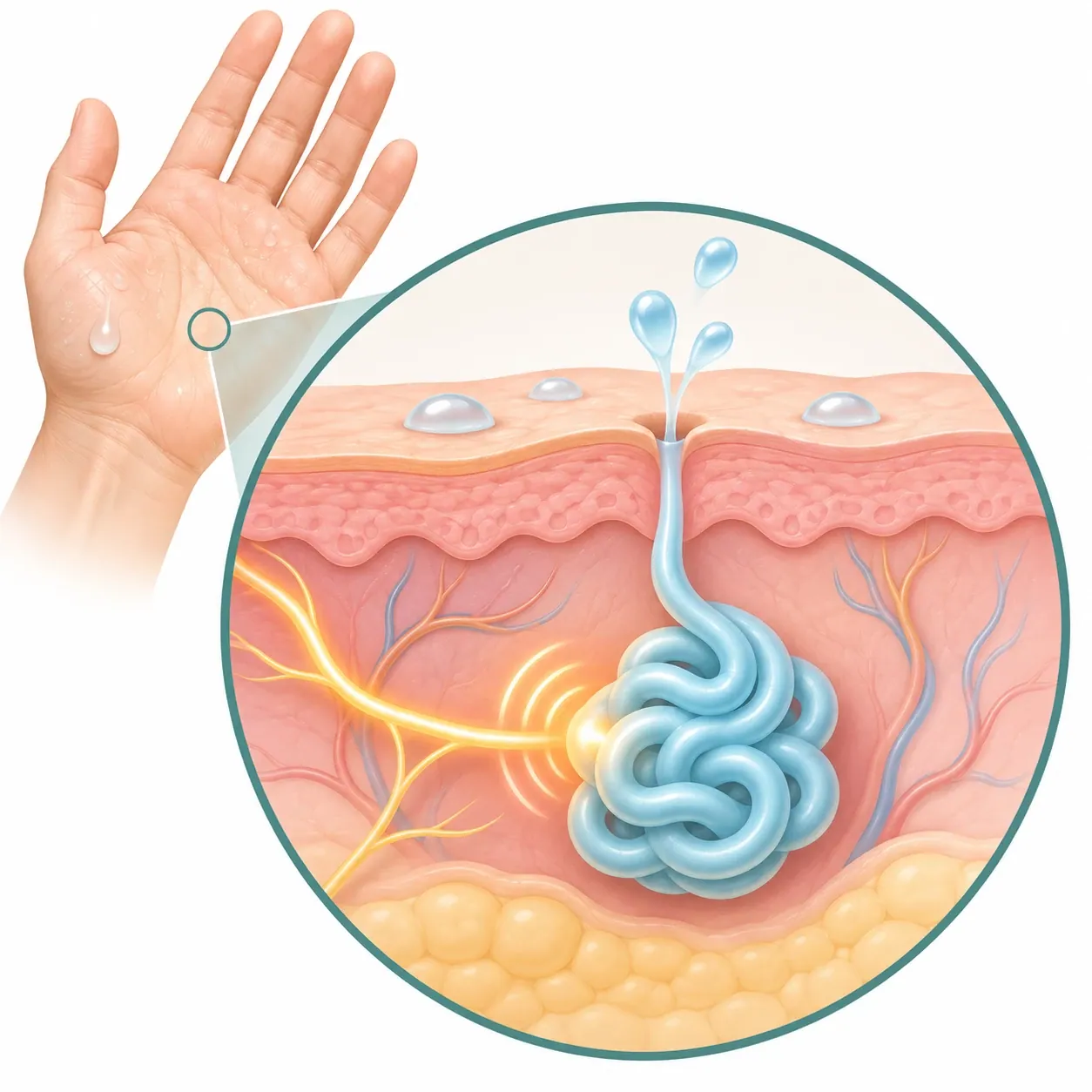
땀은 체온을 식히기 위해 나지만, 긴장하거나 놀랄 때도 납니다. 땀샘은 교감신경이 조절하는데, 이 신호가 지나치게 강하면 덥지 않아도 땀이 납니다. 이것이 다한증입니다. 특별한 원인 없이 손·발·겨드랑이·얼굴처럼 정해진 부위에 나는 것을 원발성 다한증, 갑상선 질환이나 약 같은 다른 원인으로 온몸에 나는 것을 속발성 다한증이라고 합니다.
미국 조사에서 다한증은 인구의 2.8%[1], 최근 조사에서는 4.8%였습니다. 그중 70%는 적어도 한 부위의 땀이 심하다고 답했지만, 의료진과 상담한 사람은 51%에 그쳤습니다[2]. 우리나라 다한증 클리닉 환자는 손과 발이 가장 흔했고, 87.9%가 땀이 늘 일상에 지장을 준다고 답했습니다[3].
이런 증상이 있나요?
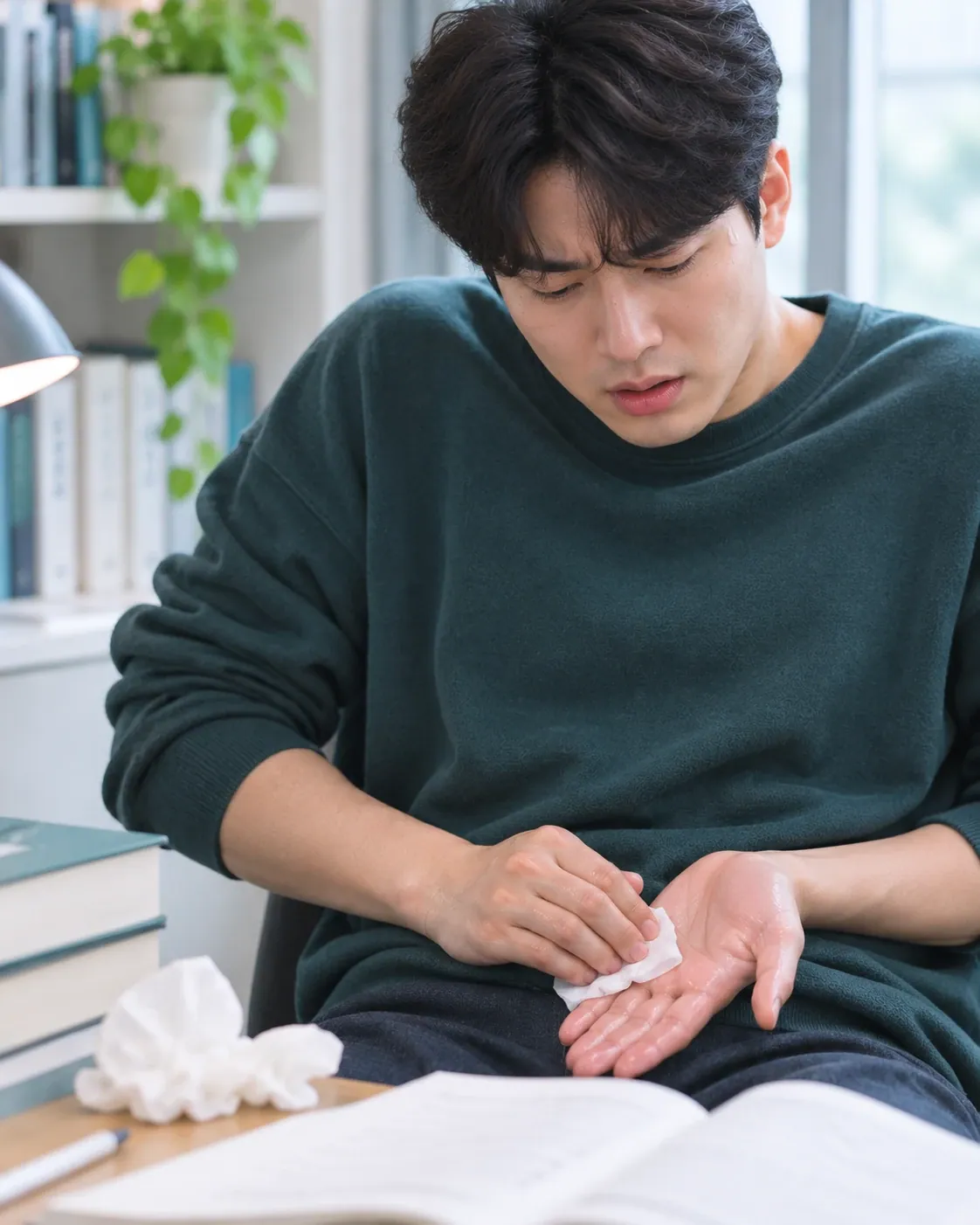
- 덥지 않아도 손바닥이나 발바닥이 늘 축축하다
- 긴장하거나 사람을 만나면 땀이 뚝뚝 떨어진다
- 겨드랑이 땀 자국 때문에 회색 옷을 입지 않는다
- 얼굴과 머리에서 땀이 쏟아져 화장이 지워진다
- 악수, 필기, 휴대전화 사용이 불편하다
- 어릴 때나 사춘기부터 시작했고 가족 중에도 있다
진단은 땀이 나는 부위와 시작 나이, 생활의 불편 정도로 합니다. 25세 이전에 시작했고, 양쪽에 대칭으로 나며, 잘 때는 멎고, 가족력이 있으면 원발성일 가능성이 큽니다. 온몸에 나거나 늦은 나이에 갑자기 시작했다면 갑상선 기능, 혈당 검사로 다른 원인을 확인합니다.
다한증은 왜 생기나요?
- 가족력(원발성 다한증 환자의 3명 중 1명)
- 긴장·불안, 대인 관계의 부담
- 맵고 뜨거운 음식, 커피, 술
- 갑상선 기능 항진, 저혈당, 당뇨
- 갱년기, 비만
- 일부 약(항우울제, 해열제 등)
다한증이 있는 사람은 불안이 21.3%, 우울이 27.2%로 없는 사람보다 세 배 가까이 많았고, 땀이 심할수록 더 많았습니다[4]. 땀 걱정은 직장과 학교, 대인 관계 등 생활 전반을 위축시킵니다[5]. 땀이 날까 긴장하면 다시 땀이 나는 악순환이 생깁니다.
해움한의원은 다한증을 교감신경이 쉽게 켜지는 상태로 봅니다. 긴장과 불안에 예민하고 몸에 열이 많거나, 반대로 기력이 떨어져 땀구멍을 잘 닫지 못하는 분을 진료에서 자주 봅니다.
다한증의 표준 치료
먼저 염화알루미늄 성분의 바르는 땀 억제제를 씁니다. 손발에는 물에 담가 약한 전류를 흘리는 이온영동 치료를 하고, 겨드랑이에는 보톡스 주사를 맞습니다. 보톡스를 맞은 겨드랑이는 2주 뒤 땀이 분당 192mg 에서 24mg 으로 줄었습니다[6]. 땀샘 신호를 막는 먹는 약(옥시부티닌 등)은 70% 넘는 환자의 땀을 줄였지만 절반 가까이가 입마름을 겪었습니다[7]. 보톡스 효과는 보통 몇 달이 지나면 사라져 다시 맞아야 합니다.
교감신경을 자르는 수술은 손 땀을 확실히 멈추지만, 89%가 등·배·다리에 땀이 더 나는 보상성 다한증을 겪었고 16%는 수술을 후회했습니다[8]. 그래서 땀샘만 막는 데 그치지 않고 땀 신호를 지나치게 보내는 자율신경과 몸의 바탕을 함께 돌보는 것이 중요합니다. 한의학 치료는 바로 이 바탕을 다스립니다.
원발성 다한증 환자 3명을 침으로 치료한 증례 보고가 있습니다[9]. 우리나라 다한증 클리닉 환자 가운데 이전에 받은 치료로는 한방치료가 가장 많았습니다[3].
해움한의원은 이렇게 치료합니다

해움한의원은 온몸에 땀이 나거나 늦게 시작한 다한증이라면 갑상선과 혈당 검사로 다른 원인을 확인하는 것을 먼저 권하고, 필요한 치료와 병행합니다. 원발성 다한증이라면 땀 신호를 지나치게 보내는 자율신경과 몸의 열, 기력을 함께 돌봅니다.
1단계. 땀의 양상과 자율신경을 살핍니다
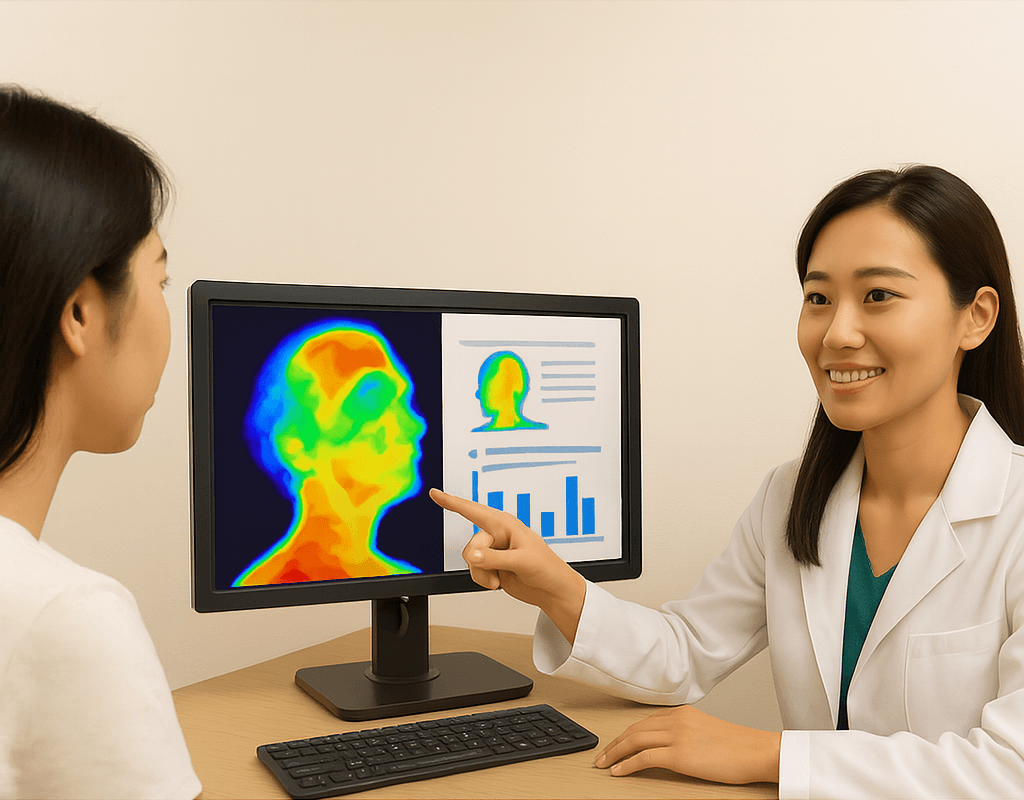
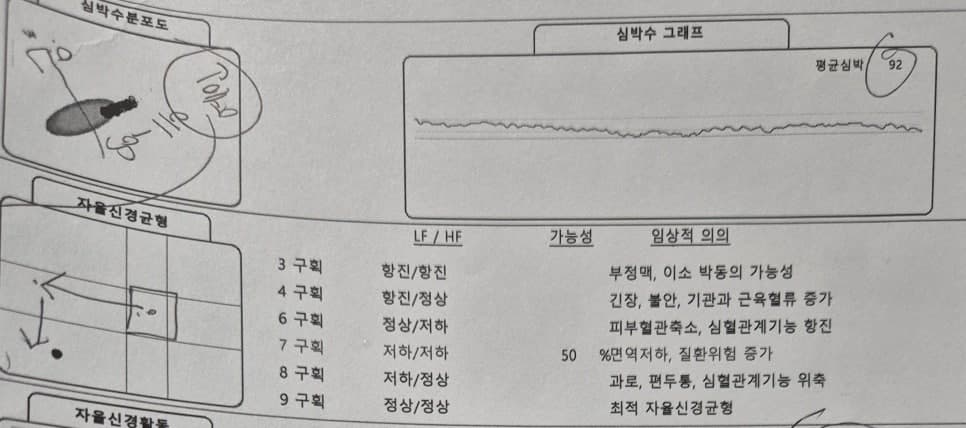
땀이 나는 부위와 때, 시작 나이, 가족력, 긴장과 불안, 더위와 추위를 타는 정도, 받아 온 치료를 자세히 살펴봅니다. 심박변이도 검사로 교감신경이 얼마나 예민한지 확인하고, 체열 검사로 몸의 열 분포를 봅니다.
2단계. 예민해진 교감신경을 가라앉힙니다
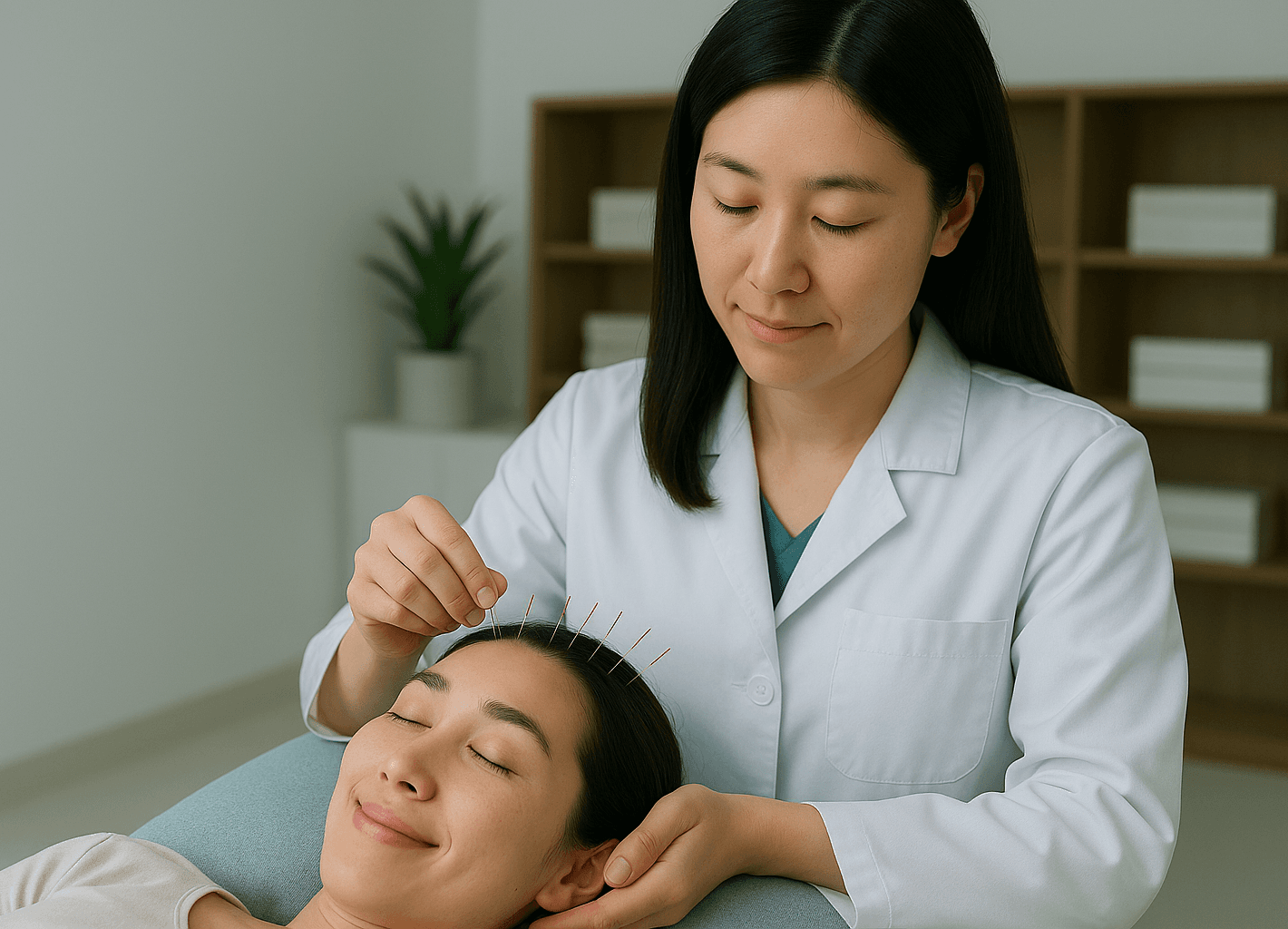
침으로 긴장된 자율신경을 풀고, 긴장할 때 땀이 나는 악순환을 끊는 호흡법을 함께 안내합니다.
3단계. 유형에 맞춰 땀의 바탕을 다스립니다
체질과 상태에 맞춰 한약을 짓습니다.
4만 건의 처방 사례가 말해주는, 한방 맞춤 치료의 힘
다한증 치료후기 총 7건
환자분들이 남긴 치료후기입니다. 본문은 로그인 후 보실 수 있습니다.
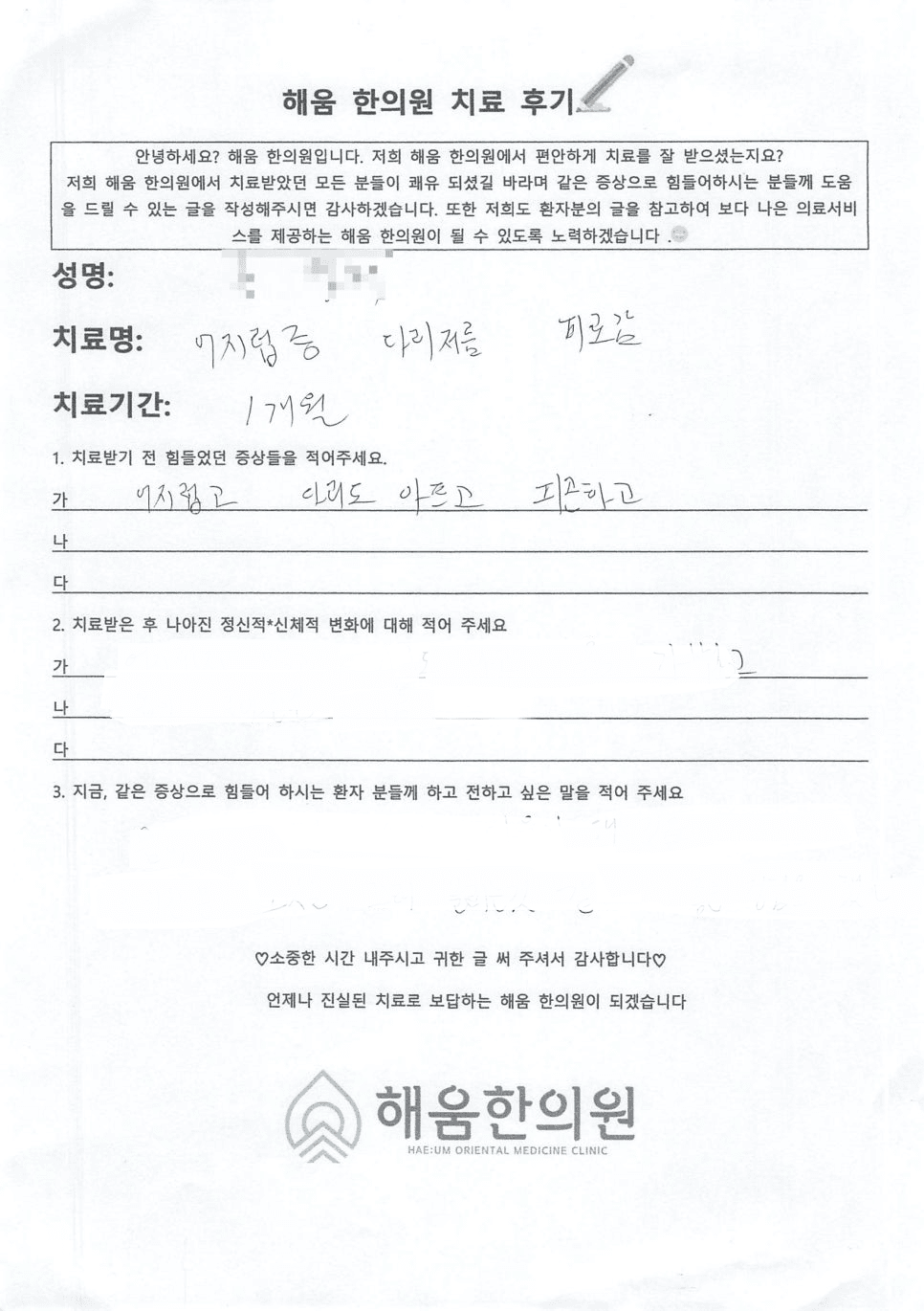
갑자기어지럽고식은땀이 흐른다구요?
2026. 04. 25.
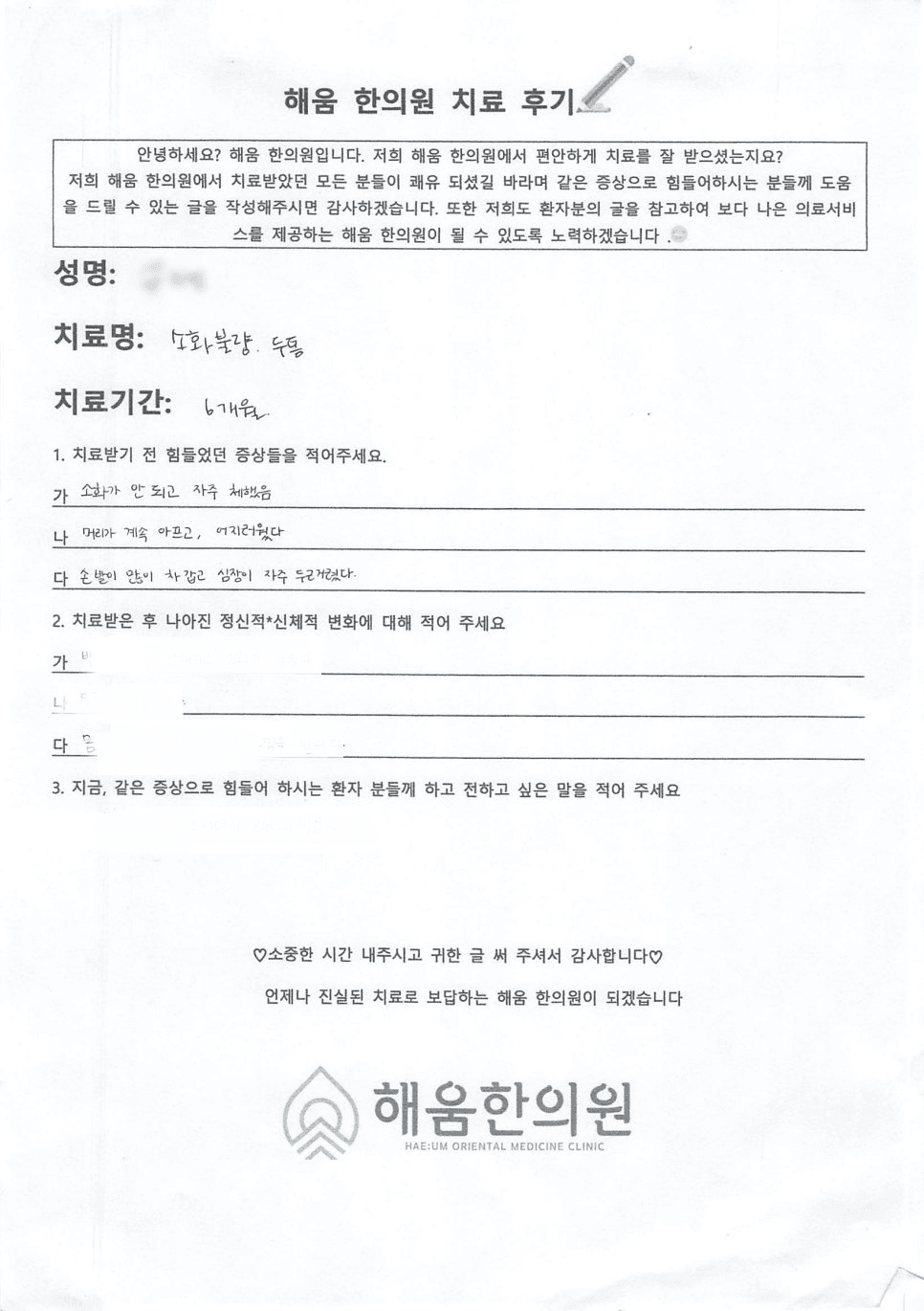
두통 속울렁거림 식은땀, 단순 소화불량이 아니라고요?
2026. 04. 09.
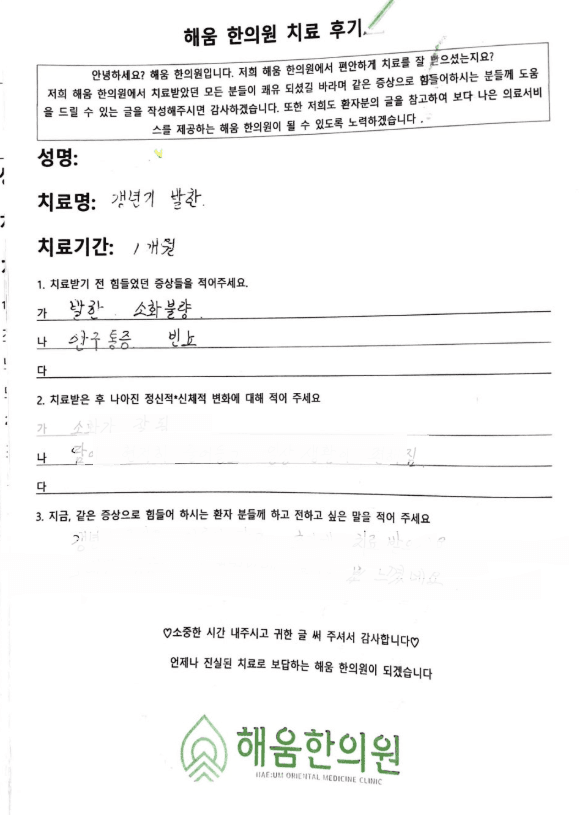
오래된 발한 식은땀 소화불량 한약 먹고 10일만에..?!
2022. 05. 12.
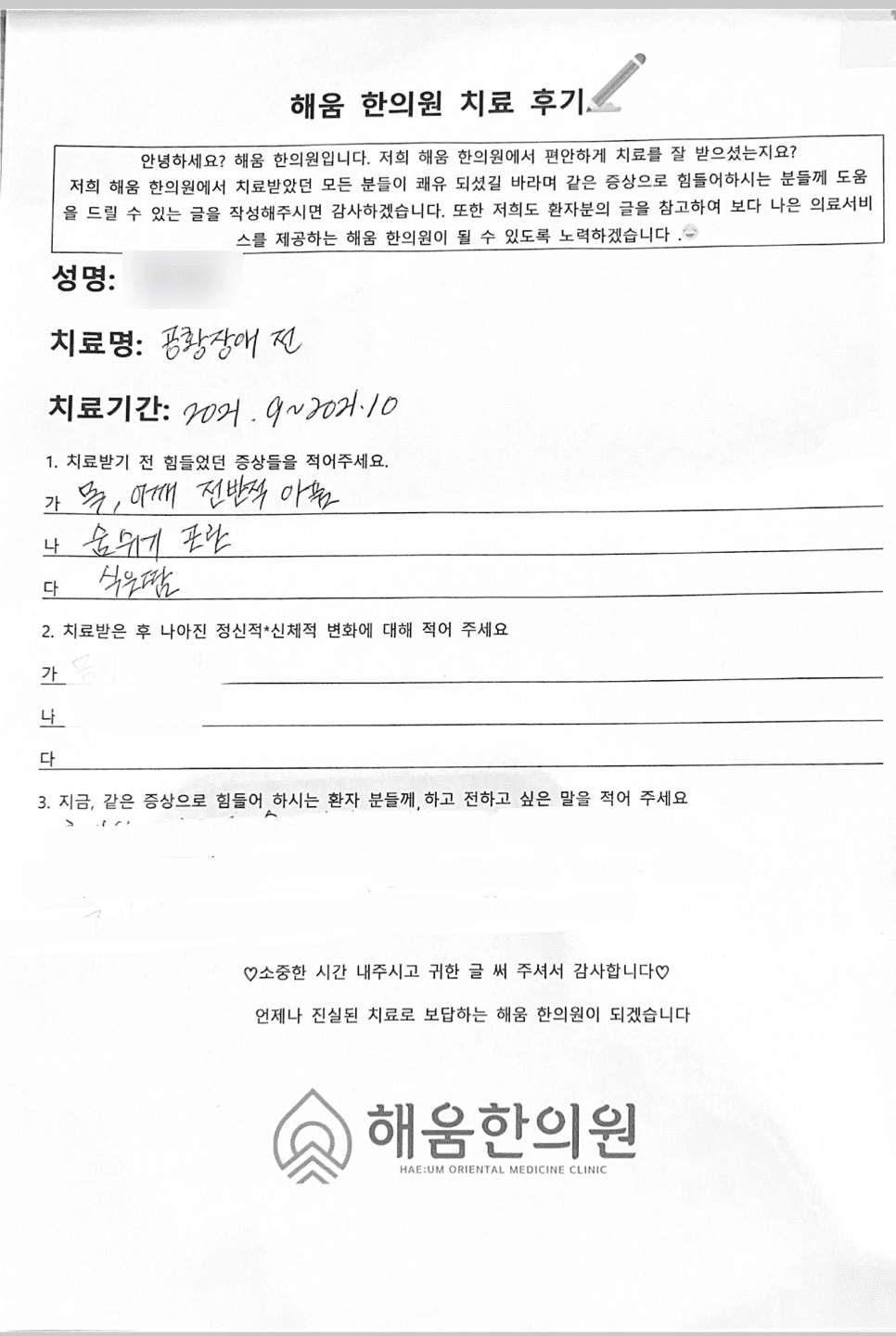
공황장애도 전조증상이 있을때 예방해야해요 호흡곤란,식은땀,불안감 등 공황발작
2021. 11. 24.
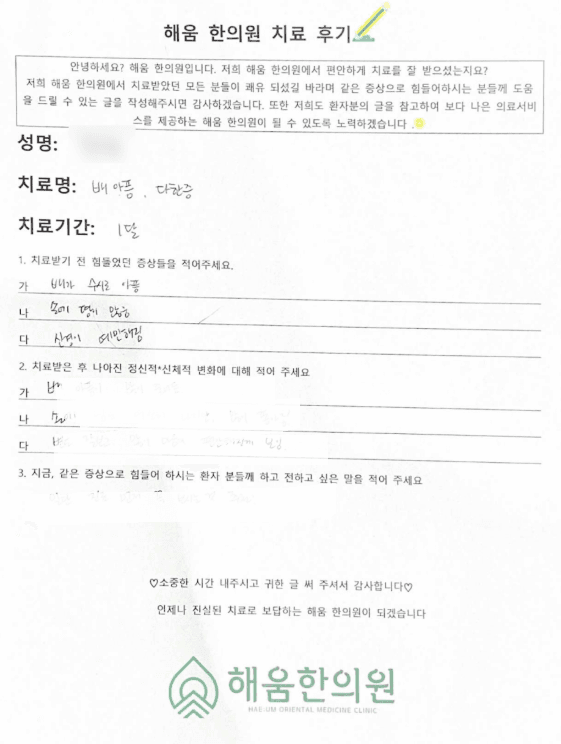
배가 계속 아프다고 하는 4살 아가, 내시경 관장 위장약 다 시도해도 소용없던 복통 다한증과 함께 좋아진 사례
2021. 10. 29.
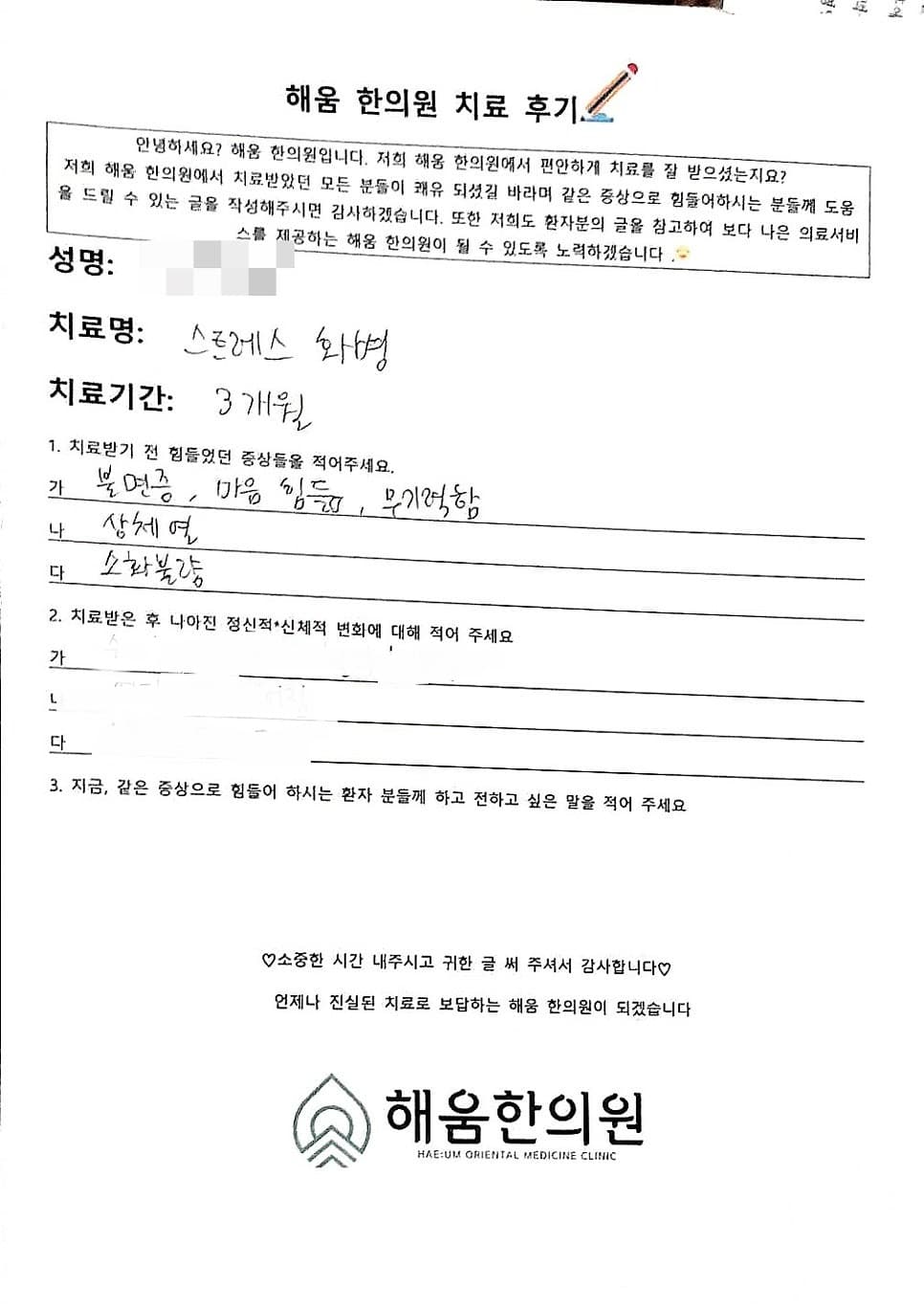 관련 후기
스트레스로 인한 자율신경 문제가 불러온 화병, 불면증
2024. 06. 28.
다른 증상으로 내원하신 분들의 후기 중 ‘다한증’이 증상으로 함께 언급된 기록
다한증, 누가 진료하나요?
담당 의료진
대표원장 박재은

“병이 아니라 그 뒤의 사람을 봅니다”
경희대학교 한의학박사이자 여한의사입니다. 심리상담사 1급 자격, 20만명 차트분석과 4만건 이상의 한약 처방 경험을 바탕으로 진료합니다.
의료진 소개 더보기다한증, 자주 묻는 질문
다한증은 저절로 낫나요?
보톡스나 바르는 약과 한방치료를 같이 받아도 되나요?
교감신경 수술을 받으면 낫지 않나요?
치료 기간은 얼마나 걸리나요?
생활에서 어떻게 관리하나요?
해움한의원에서 다한증을 진료하나요?
다한증으로 내원하려면 어떻게 하나요?
다한증으로 내원하면 어떤 검사를 하나요?
다한증에 관해 알아두면 좋은 정보
10건다한증과 관련해 정리한 건강정보입니다.
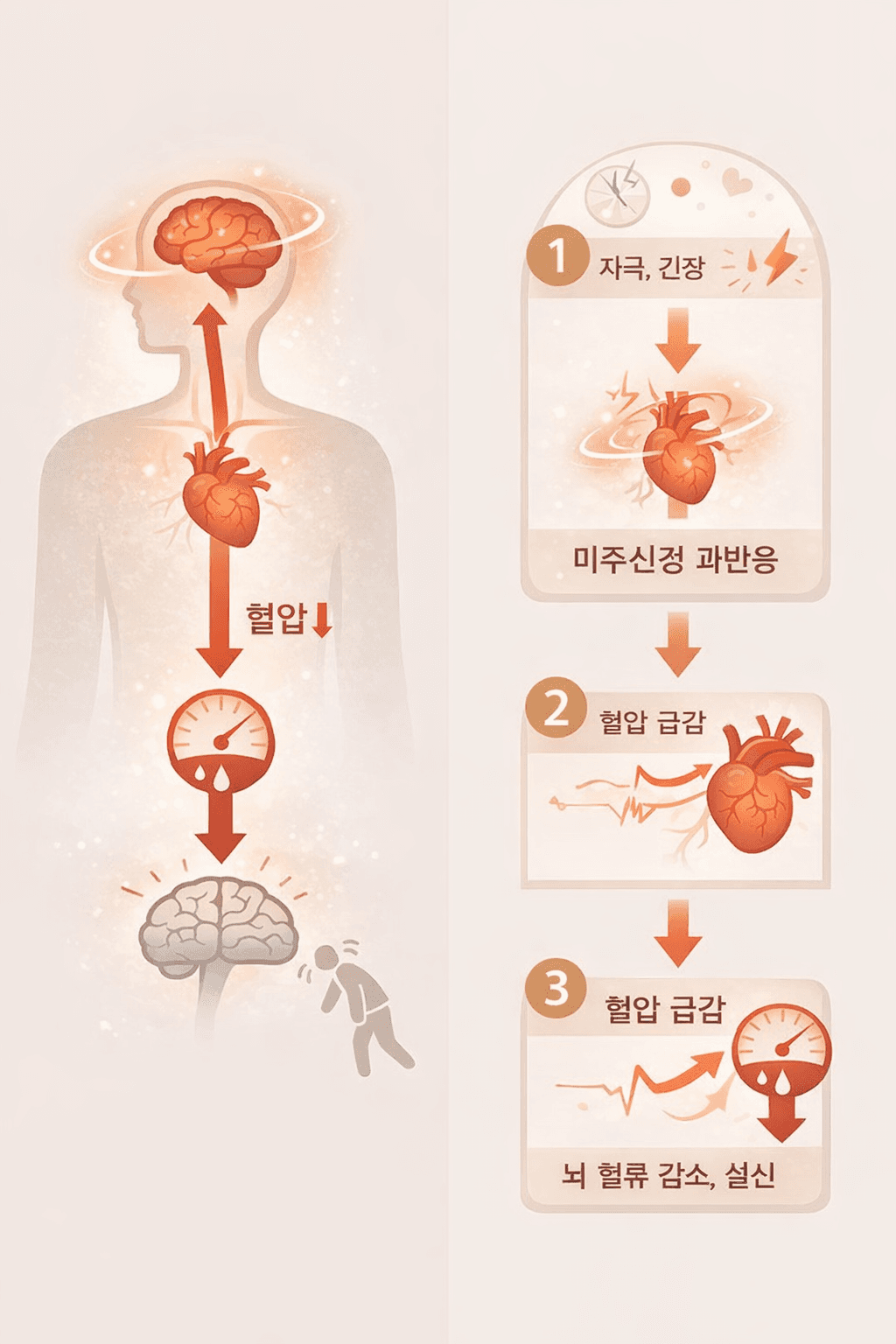
미주신경성실신 병원 치료 약 고민 중이라면, 재발 방지까지 함께 봐야 합니다.
“갑자기 어지럽더니 정신을 잃었어요… 왜 이런 일이 생길까요?”평소에는 큰 병 없이 지내다가도,어느 날 갑자기 눈앞이 흐려지고 식은땀이 나면서맥이 풀리듯 주저앉는 일을 겪는 분들이 있습니다.처음에는 단순한 피로라고
가슴답답호흡곤란, 검사해도 이상 없다면 진짜 원인은 따로 있을 수 있습니다
분명 힘든데 검사 결과는 정상이라고 합니다갑자기 숨이 잘 쉬어지지 않고 가슴이 꽉 막힌 것처럼 답답해지는 경험을 해보신 적 있으신가요?특히 사람이 많은 장소에 가거나 스트레스를 받는 상황에서 숨이 가빠지고 식은땀이
병원 검사에서는 정상인데 힘들다면? 자율신경실조증검사후기로 알아보는 원인
병원을 다녀도 이유를 모르겠다면최근 들어 이유를 알 수 없는 다양한 증상으로 의료기관을 찾는 분들이 크게 늘고 있습니다.머리가 아프고 어지럽습니다.가슴은 이유 없이 두근거립니다.식은땀이 흐르고 손발이 저립니다.입이
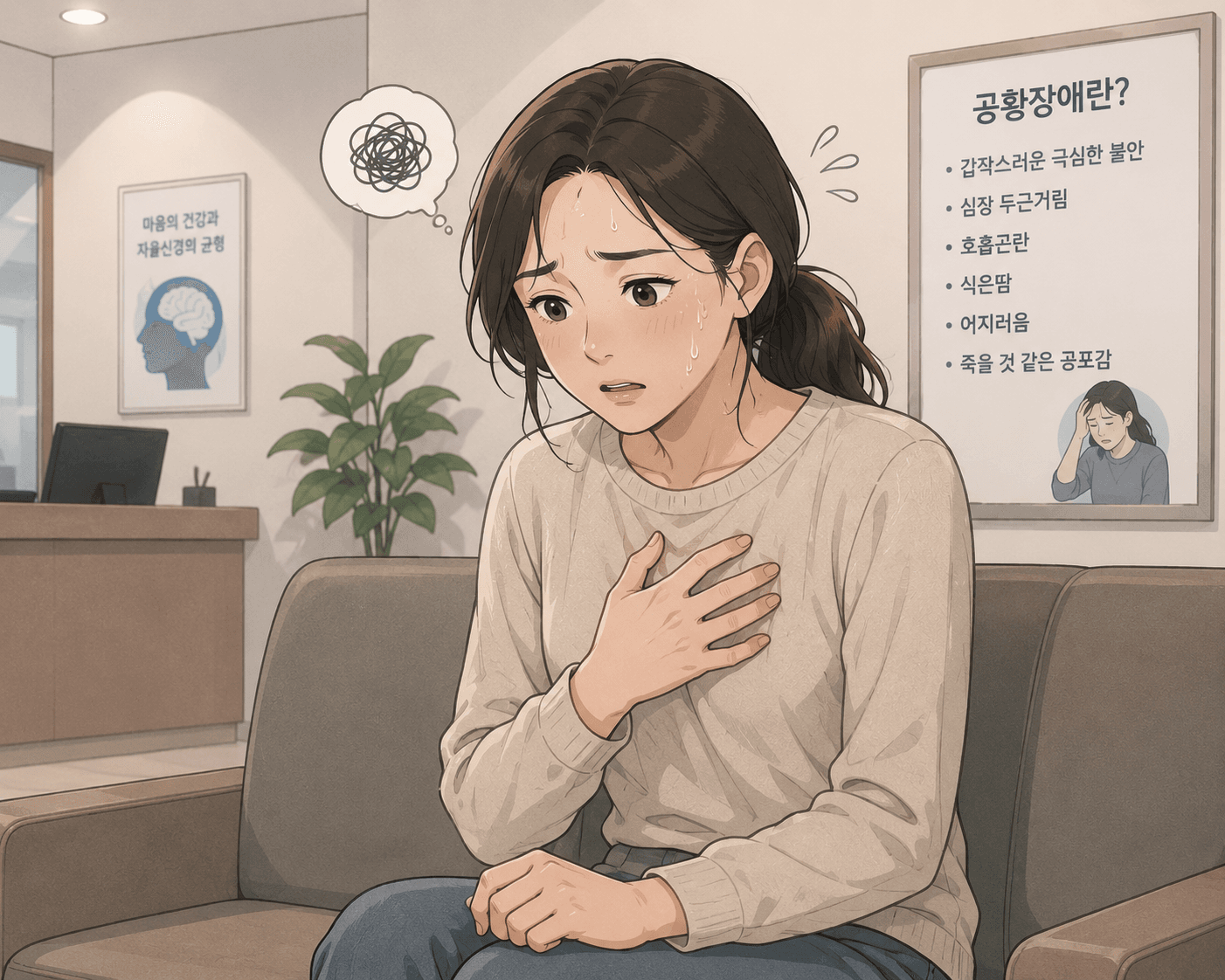
죽을 것 같은 공포와 호흡곤란, 공황발작응급실 반복 전 원인을 찾아야 합니다
갑자기 죽을 것 같은 공포가 밀려올 때평소에는 아무렇지 않게 지내다가 어느 순간 갑자기 심장이 미친 듯이 뛰고, 숨이 막히며, 식은땀이 흐르는 순간이 있습니다.머리로는 “괜찮을 거야”라고 생각하려 해도 몸은 이미 위
두통속울렁거림식은땀 원인, 단순 컨디션 문제가 아닐 수도 있습니다
이유 없이 찾아오는 불안과 신체 증상갑자기 머리가 아프고 속이 울렁거립니다.식은땀이 흐르고 심장이 두근거립니다.숨도 답답하고 이유 없이 불안해집니다.병원 검사를 받아보지만 특별한 이상은 없다고 합니다.그런데 증상은
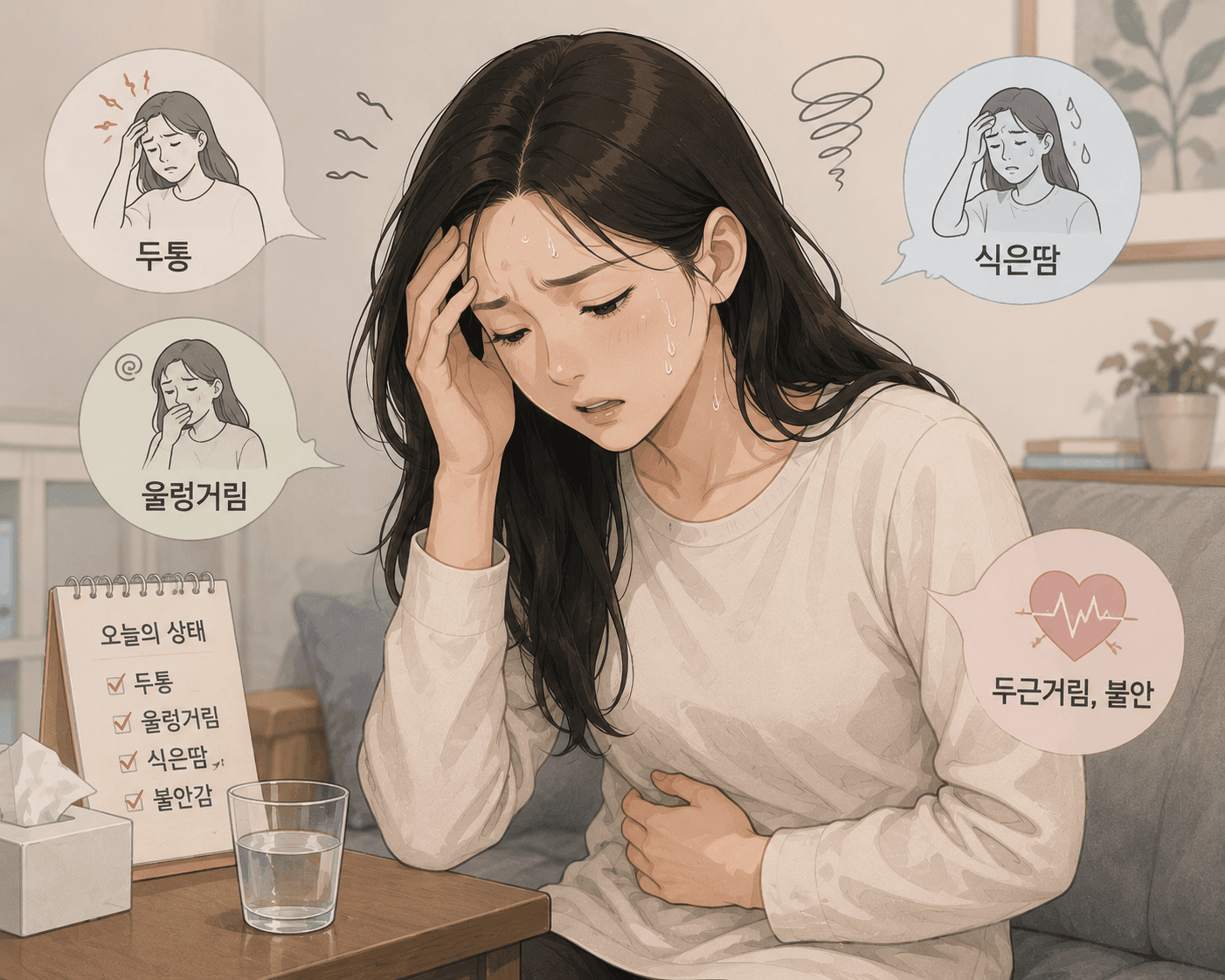
생리통없다가생김 원인은? 진통제도 듣지 않을 만큼 아프다면
“원래 생리통이 없었는데 갑자기 너무 아파요”평소에는 생리 기간에도 큰 불편함 없이 생활했는데, 어느 날부터 월경이 시작될 때마다 아랫배가 심하게 아프기 시작합니다.처음에는 일시적인 컨디션 문제라고 생각했지만 다음
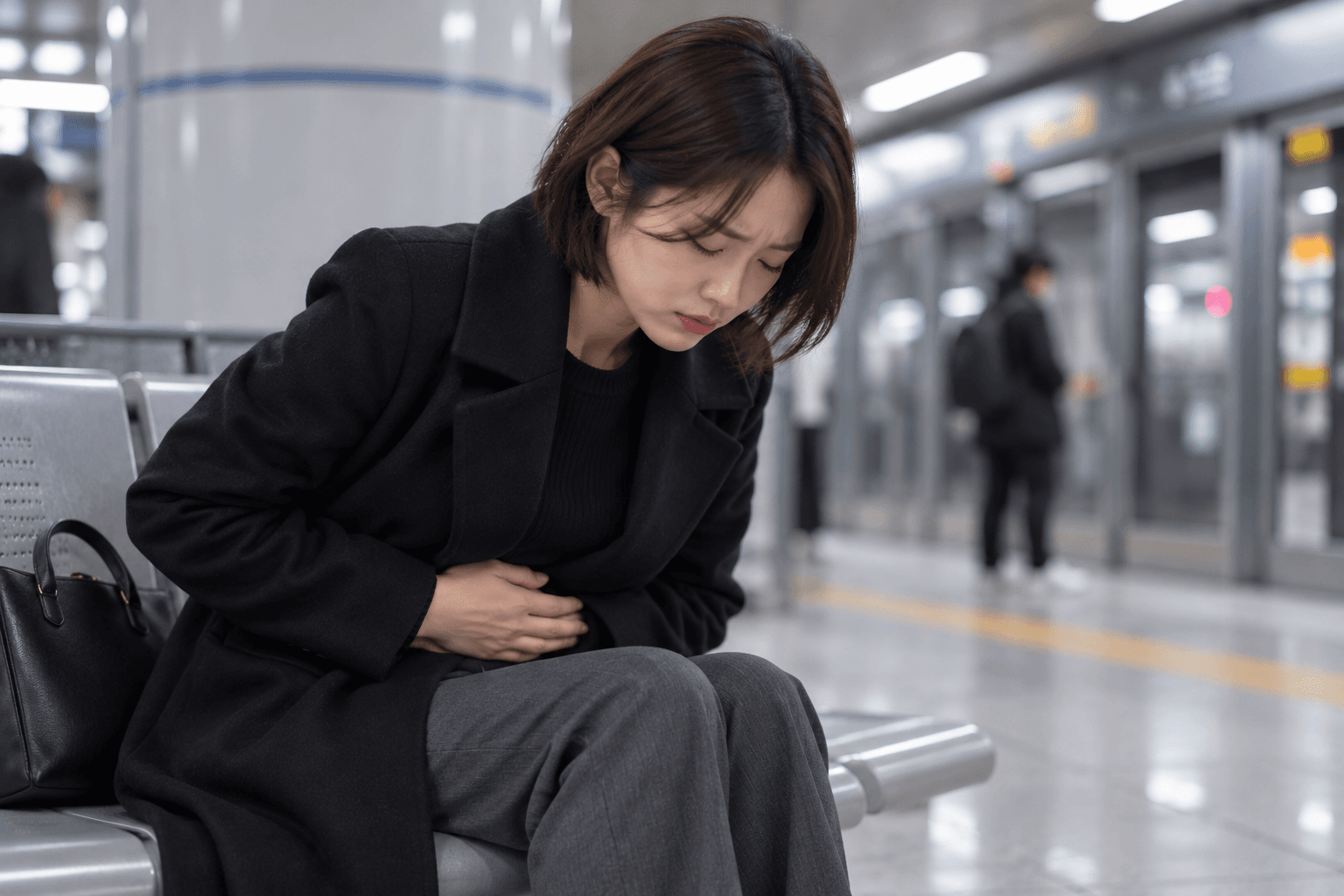
갑자기 식은땀과 어지러움이 함께 나타난다면 공황장애를 의심해야 할까요?
갑자기 식은땀이 나고 어지럽다면 단순한 컨디션 문제만은 아닐 수 있습니다갑자기 식은땀이 흐르고 숨이 가빠지면서 어지러움이 몰려온 적 있으신가요?심장이 빠르게 뛰고, 금방이라도 쓰러질 것 같은 불안감까지 함께 찾아온다

생리통심할때응급실 방문이 필요할까? 심한 월경통의 원인과 치료
생리통심할때응급실 가야 할 정도라면? 참지 말고 원인부터 확인하세요생리 기간이 다가올 때마다 아랫배가 아프고 허리가 뻐근해지는 분들이 많습니다.그런데 단순히 불편한 정도를 넘어 식은땀이 나고, 구토가 나거나, 몸을
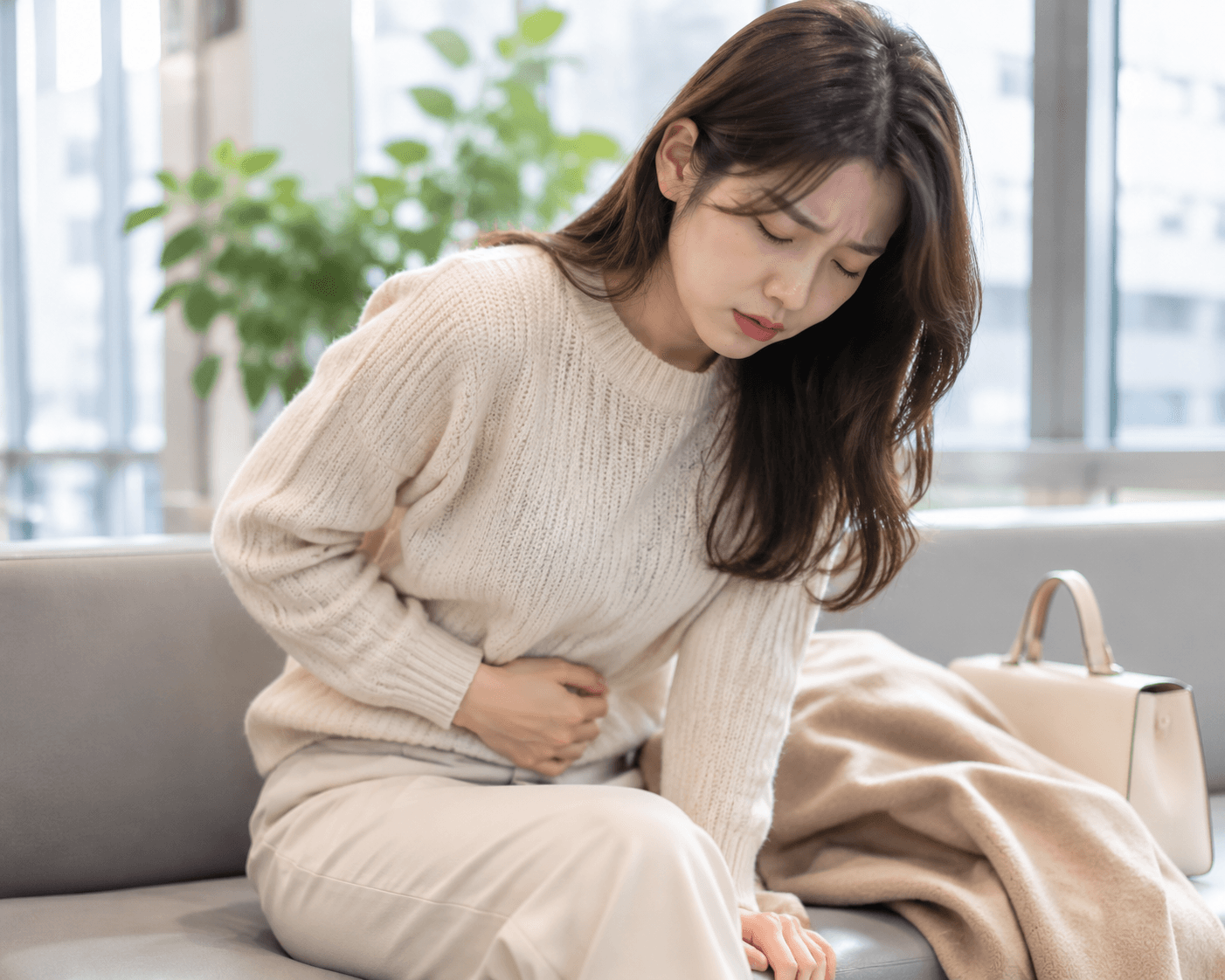
생리통 응급실 방문이 필요할 때와 심한 생리통 치료방법
생리통 응급실 갈 정도로 심하다면? 꼭 확인해야 할 원인생리 기간이 되면 아랫배가 묵직하거나 허리가 뻐근해지는 증상을 경험하는 분들이 많습니다.그런데 어떤 분들은 생리가 시작될 때마다 식은땀이 흐르고, 속이 메스꺼워
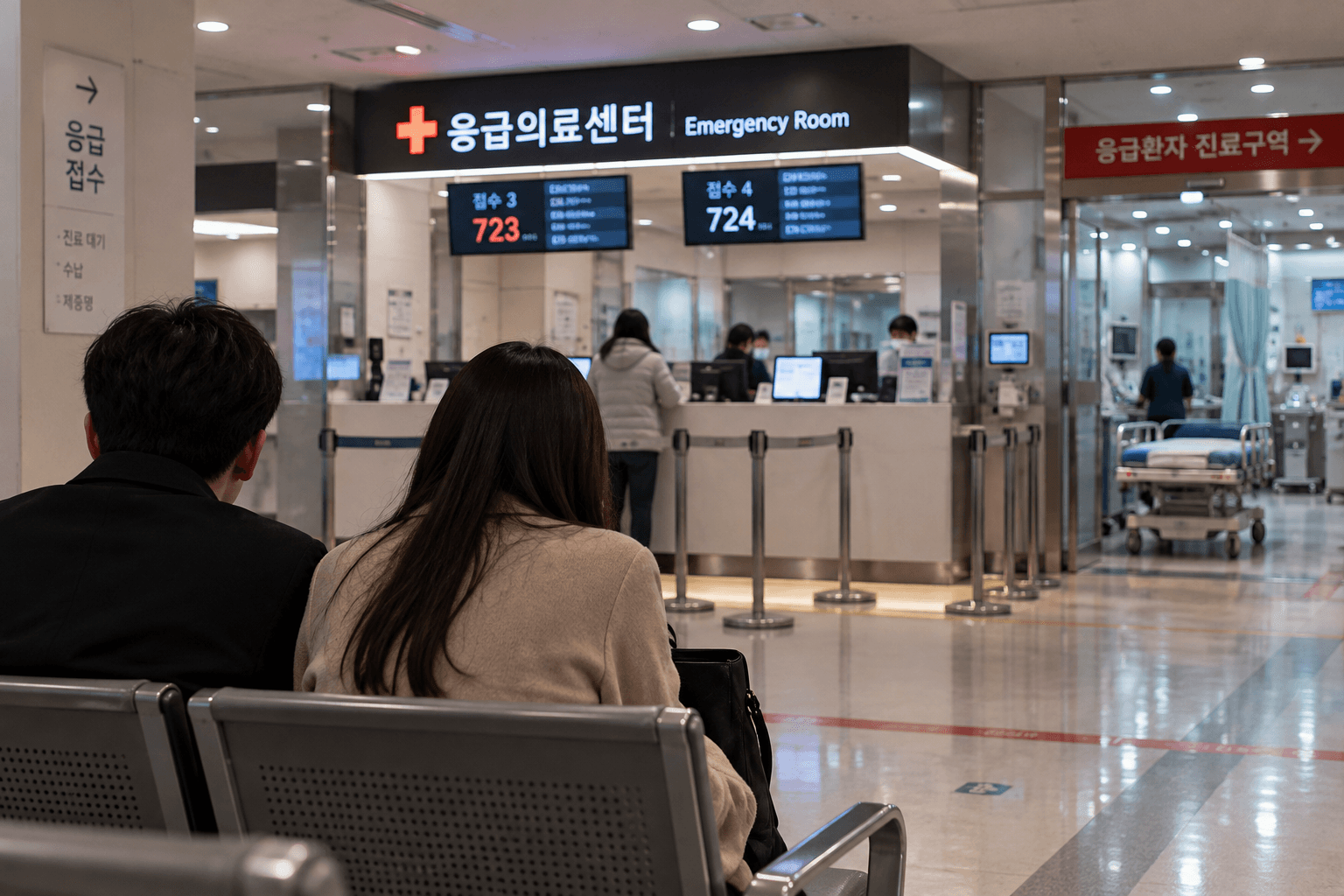
공황장애유전 걱정된다면? 공황발작의 진짜 원인을 알아야 합니다
이유 없이 심장이 뛰고 죽을 것 같은 공포가 찾아오나요?운전 중 갑자기 숨이 막히고 심장이 미친 듯이 뛰기 시작합니다.마트 계산대에 서 있는데 식은땀이 흐르고 눈앞이 흐려집니다.엘리베이터 안에서 갑자기 "이대로 죽는
이런 경우에는 미루지 말고 진료를 받으세요
아래 땀은 다한증이 아닌 다른 질환의 신호일 수 있습니다. 가슴 통증과 함께 식은땀이 쏟아지면 심근경색일 수 있으니 바로 119 에 연락하세요.
- 밤마다 옷과 이불이 젖을 만큼 땀이 나고 열이 난다
- 이유 없이 체중이 줄고 두근거리며 손이 떨린다
- 어지럽고 손이 떨리며 식은땀이 나는 일이 반복된다(저혈당)
- 늦은 나이에 갑자기 온몸에 땀이 많아졌다
- 몸 한쪽에만 땀이 나거나 반대로 한쪽만 땀이 나지 않는다
참고문헌 9편
[1]Strutton DR, Kowalski JW, Glaser DA, Stang PE. US prevalence of hyperhidrosis and impact on individuals with axillary hyperhidrosis: results from a national survey. J Am Acad Dermatol. 2004;51(2):241-248. doi:10.1016/j.jaad.2003.12.040. PMID: 15280843.
요약 미국 15만 가구에 우편 설문을 보내 다한증 유병률을 추정한 연구입니다. 다한증은 인구의 2.8%였고, 그 절반(50.8%)이 겨드랑이 다한증이었습니다. 땀 문제로 의료진과 상담한 사람은 38%뿐이었습니다.원문은 출판사 저작권 자료로, 위 링크에서 확인하실 수 있습니다.
[2]Doolittle J, Walker P, Mills T, Thurston J. Hyperhidrosis: an update on prevalence and severity in the United States. Arch Dermatol Res. 2016;308(10):743-749. doi:10.1007/s00403-016-1697-9. PMID: 27744497.
초록 (Abstract)
Current published estimates of the prevalence of hyperhidrosis in the United States are outdated and underestimate the true prevalence of the condition. The objectives of this study are to provide an updated estimate of the prevalence of hyperhidrosis in the US population and to further assess the severity and impact of sweating on those affected by the condition. For the purposes of obtaining prevalence, a nationally representative sample of 8160 individuals were selected using an online panel, and information as to whether or not they experience hyperhidrosis was obtained. The 393 individuals (210 female, 244 non-Hispanic white, 27 black, mean age 40.3, SE 0.64) who indicated that they have hyperhidrosis were asked further questions, including body areas impacted, severity of symptoms, age of onset, and socioemotional impact of the condition. Current results estimate the prevalence of hyperhidrosis at 4.8 %, which represents approximately 15.3 million people in the United States. Of these, 70 % report severe excessive sweating in at least one body area. In spite of this, only 51 % have discussed their excessive sweating with a healthcare professional. The main reasons are a belief that hyperhidrosis is not a medical condition and that no treatment options exist. The current study’s findings with regard to age of onset and prevalence by body area generally align with the previous research. However, current findings suggest that the severity and prevalence are both higher than previously thought, indicating a need for greater awareness of the condition and its associated treatment options among medical professionals.
결과 (Results)
Prevalence: The prevalence of hyperhidrosis in the survey sample was 4.8 %, which represents approximately 15.3 million people when extrapolated to the US population. The prevalence rate is highest among 18–39 years old (8.8 %) and lowest among adults 65+ years old and children/adolescents (2.1 %; Table 2).
Interestingly, this study found that only 51 % of hyperhidrosis sufferers have discussed their condition with an HCP. Children/adolescents (<21 years old) with the condition are almost twice as likely to be seen by an HCP (81 %) than their adult counterparts (42 %; Table 3). The most commonly cited reasons for not discussing their condition with an HCP are that they do not think it is a medical condition (60 %), or that they believe that there is nothing that can be done to treat their excessive sweating (47 %). Of those who do see an HCP about their excessive sweating, only 53 % are diagnosed (73 % of children/adolescents, 43 % of adults; Table 3).
Occurrence, severity, and age of onset by body area: Overall, 20 % of hyperhidrosis sufferers report that their excessive sweating is isolated to one body area. The most commonly reported body area where hyperhidrosis occurs is the underarms (Table 4). Sixty-five percent of respondents report experiencing axillary hyperhidrosis, either in isolation (10 % of total respondents) or in combination with other body areas (55 % of total respondents). The most commonly cited area that co-occurs with the underarms is the head/face (29 % of total respondents).
Overall, 70 % report that their excessive sweating is severe in at least one body area. Severity in total and by individual body areas can be found in Table 4. Severe sweating rates range from 31 % under the breasts to 54 % for palmar hyperhidrosis.
The mean age of onset overall is just under 20 years (M 19.7, SE 0.5) and is fairly consistent across all body areas (Table 4), except that age of onset tends to be younger for those with palmar (M 16.6, SE 0.6) and plantar (M 17.6, SE 0.7) hyperhidrosis.
Impact of hyperhidrosis: Hyperhidrosis sufferers feel a great negative impact on their lives due to the condition. About three quarters of respondents report that excessive sweating has had at least some negative impact on their social life, sense of wellbeing, emotional health, and mental health (Table 5).
Overall, a large majority of respondents agree that excessive sweating is embarrassing (85 %), and has caused them to experience anxiety (71 %; Table 6). Furthermore, 35 % agree that they have had to sacrifice many important things in their life because of the condition. Given the widespread negative impact of hyperhidrosis, it is not surprising that over half (54 %) of respondents say that they would pay anything for a treatment to stop their excessive sweating.
원문 발췌 · Doolittle J, Walker P, Mills T, Thurston J, Arch Dermatol Res 2016 · CC BY 4.0 라이선스에 따라 수정 없이 인용했습니다(본문 속 인용 번호는 생략).
[3]Park EJ, Han KR, Choi H, Kim DW, Kim C. An epidemiological study of hyperhidrosis patients visiting the Ajou University Hospital hyperhidrosis center in Korea. J Korean Med Sci. 2010;25(5):772-775. doi:10.3346/jkms.2010.25.5.772. PMID: 20436716.
요약 우리나라 대학병원 다한증 클리닉을 찾은 원발성 다한증 환자 255명의 기록을 살핀 연구입니다. 손과 발이 가장 흔한 부위였고, 87.9%가 땀이 참기 어렵고 늘 일상에 지장을 준다고 답했습니다. 34.1%는 가족력이 있었고 이들은 더 어린 나이에 시작했습니다. 이전에 치료를 받은 16.5% 가운데 한방치료가 가장 많았습니다.원문은 출판사 저작권 자료로, 위 링크에서 확인하실 수 있습니다.
[4]Bahar R, Zhou P, Liu Y, Huang Y, Phillips A, Lee TK, et al. The prevalence of anxiety and depression in patients with or without hyperhidrosis (HH). J Am Acad Dermatol. 2016;75(6):1126-1133. doi:10.1016/j.jaad.2016.07.001. PMID: 27567033.
요약 캐나다와 중국 피부과 외래 환자 2,017명을 조사한 연구입니다. 다한증이 있는 사람은 불안 21.3%, 우울 27.2%로, 다한증이 없는 사람(불안 7.5%, 우울 9.7%)보다 크게 높았고 땀이 심할수록 더 높았습니다.원문은 출판사 저작권 자료로, 위 링크에서 확인하실 수 있습니다.
[5]Kamudoni P, Mueller B, Halford J, Schouveller A, Stacey B, Salek MS. The impact of hyperhidrosis on patients' daily life and quality of life: a qualitative investigation. Health Qual Life Outcomes. 2017;15(1):121. doi:10.1186/s12955-017-0693-x. PMID: 28595584.
초록 (Abstract)
Background: An understanding of the daily life impacts of hyperhidrosis and how patients deal with them, based on qualitative research, is lacking. This study investigated the impact of hyperhidrosis on the daily life of patients using a mix of qualitative research methods.
Methods: Participants were recruited through hyperhidrosis patient support groups such as the Hyperhidrosis Support Group UK. Data were collected using focus groups, interviews and online surveys. A grounded theory approach was used in the analysis of data transcripts. Data were collected from 71 participants, out of an initial 100 individuals recruited.
Results: Seventeen major themes capturing the impacts of hyperhidrosis were identified; these covered all areas of life including daily life, psychological well-being, social life, professional /school life, dealing with hyperhidrosis, unmet health care needs and physical impact.
Conclusions: Psychosocial impacts are central to the overall impacts of hyperhidrosis, cutting across and underlying the limitations experienced in other areas of life.
Electronic supplementary material: The online version of this article (doi:10.1186/s12955-017-0693-x) contains supplementary material, which is available to authorized users.
결과 (Results)
Seventy-one patients took part in the study (n = 9 for focus groups; n = 32 for semi-structured interviews; and n = 30 for online surveys), out of an initial 100 individuals recruited. The mean age of participants (males = 21, female = 50) was 35 years (range 16–67) and the mean duration of hyperhidrosis was 23 years (3 to 60 years) (Table 1). The 20 to 29 years’ age group made up 45% of the sample and was the largest group. Participants reporting generalised hyperhidrosis comprised 28% of the sample and represented the most prevalent area of involvement.Table 1Demographic characteristics of the study participantsCharacteristicFrequencyGender (%) Male21 (30%) Female50 (70%)Age (years) Mean (SD)34.9 (13.2) Median31 Range16–67Duration of disease (years) Mean (SD)23.3 (13.6) Median21 Range3–60Body site affected (n)a Armpits only4 Armpits plus other sites9 Palms only3 Feet only2 Palms and feet14 Plantar, palmar and axillary14 Generalised20 Cranium-face4 Trunk and lower body1Country U.K.41 U.S.A14 Canada2 Netherlands2 Other12 a Each participant is counted in one classification only
Theme saturation occurred on the 33rd patients i.e. no new themes emerged after this point. In consideration of the novelty of the patient recruitment approach employed, further data were collected through interviews and online surveys after this point.
Seventeen themes covering seven major areas including daily life (reported by 95.8% of participants), psychological life (91.5%), social life (90.1%), professional life (74.6%), dealing with the condition (74.6%), unmet health care needs (64.8%) and physical impact (53.5%) were identified from the data. A conceptual framework showing themes identified in the data, and their inter-relationships is presented in Fig. 1. In addition to the quotes in the main text, additional quotations from the participants are provided as Additional file 1.Fig. 1Conceptual framework showing the impacts of hyperhidrosis across different areas of life, and their inter-relationships based on data collected
Daily life / Lifestyle: Nearly three-quarters of the study participants reported an impact on lifestyle. The majority of patients (61%) mentioned that sweating influenced their choice of clothing, particularly, material, colour and design of clothes. Most participants avoided bright colours such as red or blue, in favour of blacks or whites; and materials such as polyester were avoided in favour of cotton. Participants with plantar hyperhidrosis mostly avoided flip-flops or sandals. Some participants (13%) reported avoiding spicy or hot foods, and drinks containing alcohol or caffeine, while others could no longer enjoy holiday activities such as basking in the sun and were unable to go to warm holiday destinations.
Hobbies: Various types of hobbies were affected as a result of the hyperhidrosis, among 41% of the participants. These included physical as well as non-physical activities such as cycling, exercising in the gym, playing musical instruments, doing yoga, and crocheting/knitting. One patient said, “I don’t like exercising on the street or anything like that, […] going for a walk, […] people tend to look at me if am really sweaty and that makes me really nervous”. For example, reading books or newspapers had become difficult, because of the challenge of holding books without getting the pages soaked, especially for patients with palmar hyperhidrosis. Effects on hobbies were a direct result of the sweating as well as a secondary consequence of impacts in other areas e.g. avoidance of embarrasing situations.
Everyday activities: Hyperhidrosis interfered with general daily life activities such as household chores, and summer time activities for most patients. Activities of greatest concern to the participants were difficulties with holding objects, turning door knobs, opening jars, working with hand tools and driving, shopping, and manual work. Impacts related to these activities seemed to be primarily associated with wet palms. For example, one patient said, “It even affects how I pay for things. I don't use cash anymore unless I know I have the exact change because I don't like getting coins back since the other person usually touches your hand when they give you change back”. Several patients described their difficulties or discomfort with light activities such as dressing due to sweating.
A third of all participants had problems with daily household chores such as cleaning, cooking, ironing and caring for young children. For example, one participant said, “the minute I start to do anything the least strenuous I stream with sweat, so housework is a nightmare. I have to change all my soaked clothes if I hoover [vacuum cleaning] one room. I have to tie strips of towel around my forehead and neck when I do anything that involves movement, and have to keep changing them as they get soaked’. The majority of the participants (73%) reported difficulties with various activities associated with the summer months (in Europe and North America) such as gardening and mowing; doing barbeque; and going to open air concerts. The onset of summer was a cause of concern to some participants, for example, one subject said: “I have a son who I’d love to take out in summer, but sometimes we don’t because I have so many years of fearing summer”.
Touch technologies: A fifth of the respondents reported problems with using touch technologies such as computer-keyboards, computer-mouse, mobile phones and touch screens interfaces. One patient said, “I did have to get a special portable mouse ordered that I could plug into my laptop to navigate the programs on the screen, as the built in mousepad does not pick-up touch of my wet fingers. I am hesitant to purchase an Android, Blackberry Touch, or iPhone because of my sweating. If the laptop mouse can’t detect my fingers, how will the phones? I do own an iPod, but occasionally I can’t navigate the scrolling menu if my hands are too wet.
Across all hyperhidrosis sites, impairments /related to daily life activities often were a secondary consequence of the hyperhidrosis; i.e. resulting from avoidance of activities that would result in sweating, fear of people’s reaction or fear of embarrassment. Generalised, lower trunk, cranial facial hyperhidrosis was not linked to impairment in specific daily life activities, apart from besides the general inconvenience of having to do activities such as housework while excessively sweating. Inconvenience experienced when patients with palmar hyperhidrosis additionally, experienced a direct interference with activities involving the hands.
Psychological well-being / Negative emotions: A majority of the participants (69%) had experienced some emotional sequelae as a result of the hyperhidrosis, and these were the most prevalent psychological effect of hyperhidrosis. Patients were often embarrassed and were often anxious about sweat breaking out at any moment. Other less frequent emotions included sadness, anger, and hopelessness.
Although negative emotions were considered a consequence of hyperhidrosis, their role in exacerbating the severity of sweating and other impacts was also mentioned and highlighted by the participants. For example, one patient said: “I’m on an anti-depressant, I feel I sweat because I’m nervous and I’m nervous because I sweat. It’s a vicious circle. I feel that anti-depressant helps to relieve that nervousness and helps to relieve a tiny percentage of my sweating.”
Fear of people’s reaction: Concerns related to other people’s negative reaction and judgement were reported by 64% of the study participants. There was a belief that other people’s negative reaction was due to a general lack of understanding about hyperhidrosis among the public. Because of this, most participants reported being constantly worried about how noticeable their sweating was. Further, participants feared leaving behind sweat marks on chairs, doorknobs and other objects. One participant said, “Last year I plucked up the courage to go shopping for a pair of sandals. As I bent down to put some on, my face and hair dripped so badly onto the floor it created a puddle. I also poured sweat onto the one shoe I’d tried – before leaving the shop and never going back. I was glared at by the manager and assistant.
Self-image: Hyperhidrosis was reported to have extensive consequences on participants' self-image. Most individuals reported having a low self-esteem and self-confidence as a result of hyperhidrosis, while others described how they had become more self-conscious. For example, one participant said, “I am disgusted in myself for it and so it massively eats away at my self-confidence, it makes me feel awful and dirty and gives me low self-esteem - this has certainly been the root cause of my severe lack of self-confidence in everything I do or I am”. A small number of participants (15%) were concerned with their appearance and reported feeling less attractive. This was particularly emphasised by female participants. For example, one participant said, “hyperhidrosis has made me feel less feminine at times. Of course, I know that males with hyperhidrosis also have a hard time coping, but females are expected to sweat even less than males. It has also made me feel less desirable sexually... At times in my life, I’ve had low self-esteem.”
Restricted life and loss of control: Half of the sample felt their life had been restricted by hyperhidrosis. One participant said, “there has been countless things I haven’t done because you first sort of think oh God that’s going to place me in an uncomfortable position”. Another individual described the experience of living with hyperhidrosis as ‘being trapped’. Some patients talked of hyperhidrosis taking over their life, while others said it was a constant preoccupation. For example, one of the major worries mentioned by a number of patients was about the condition worsening in future.
Social life / Being in social situations: Being in public view was a challenge for three-quarters of the participants. Social situations such as being in a shared office, class-room, going out to a party, restaurant or cinema were challenging. Participants mentioned that they often would end up avoiding such situations altogether. Several individuals described difficulties with travelling on public transport. One participant reported that “being at work, or travelling to and from work is mortifying. Sitting or standing in sodden clothes for 8 hours and travelling on public transport is horrendous”. Impacts in other areas such as negative self-image and fear of people’s reactions were often the underlying issue or exacerbating factor in social impacts.
Fifty-seven percent of the study participants had difficulties interacting with others. A heightened self-consciousness, reduced self-confidence and fear of being judged by others made interaction challenging. For example, one participant said, “[the sweating] affects my social competence because it is difficult focusing on a conversation when trying to hide sweating or thinking about how disgusting it feels against the body and having wet clothes”. Some individuals had difficulties with meeting new people, due to a lack of confidence and a fear of how others may react to the sweating. One participant reported the following: “when meeting new people, I have a constant worry and fear of shaking hands. Do I shake their hand? Do I pretend I didn’t see them offering their hand? Do I tell them I have sweaty hands? Endless excuses echo around your head”.
Physical contact: Most participants were uncomfortable with close proximity to others due to fears about their reaction. Hence, they avoided touching, holding or shaking hands, sitting next to others, standing in a queue or dancing. Some participants were uncomfortable with hugging, cuddling or any other forms of physical affection. For example, one patient said, “you were very aware of it…when people would get close to you…it was really embarrassing…I didn’t really like that…you were afraid that they would notice…that you were sweating”. Another participant said, “I am unable to touch my husband, daughters and grandchildren without first thinking about how to do it without them actually having contact with my skin”.
Personal relationships and intimacy: Study participants described negative consequences of hyperhidrosis on their personal relationships. Participants reported that their avoidance of going out and being in public meant that they were not able to nurture important relationships. Others attributed their inability to get new friends or partners to the condition. For example, one participant said, “I have not been in a relationship, as I feel too embarrassed to explain my excessive sweating, I lost touch with most of my friends after school, because by this time, the sweating had got worse and they were wanting to go out, I would feel too anxious about it and would make an excuse”.
A few participants described how hyperhidrosis had an impact on their sex lives. One participant said, “I can’t cuddle my girlfriend quite lovingly...I can’t have sex without thinking about it. To be honest, as soon as I start sweating, I know that am sweating and then I lose my erection because I know that am sweating and I think they know that am sweating”.
Dealing with Hyperhidrosis / Personal hygiene and special chores: Participants described the burden associated with managing their hyperhidrosis. In addition to taking various treatments, the participants employed various strategies in managing symptoms and impacts of hyperhidrosis. These were described as “little rituals” by one patient, and included carrying around towels, tissues or handkerchief, and a pair of extra clothes for changing; keeping a fan or air-conditioner running when at home or at work; and using hand driers in restrooms when in public buildings.
Seventeen percent of the individuals mentioned doing extra chores in order to stay clean, such as taking a shower several times a day, changing clothes or shoes several times, and using strong deodorants. One participant said, “I have to wash my uniform each night and sometimes take a spare set to work to change during the day”.
Time and financial burden: Managing the hyperhidrosis was described as time-consuming by the study participants. Individuals were concerned about the time they spent in dealing with hyperhidrosis each day, for treatment, management of symptoms, and for personal hygiene. Performing daily activities such as walking or dressing-up would usually require more time, to avoid a bout of sweat from breaking out. Organising daily life involved planning in advance on things such as clothing and leaving enough time to do things at a slower pace, which meant some loss of spontaneity.
Some participants described concerns over the additional expenditures associated with hyperhidrosis, including out-of-pocket payment for treatments, new clothing and other personal hygiene products /materials.
Physical impact / Physical discomfort and skin problems: Hyperhidrosis was associated with some level of physical discomfort for at least 40% of the participants. In particular, individuals experienced discomfort in relation to ‘being in wet clothes day in day out’, ‘having wet feet’, and ‘sweat dripping into the eyes’.
Seventeen percent of the patients reported other skin problems which they attributed to the constant dampness associated with hyperhidrosis. The most common were soreness and cracked skin. For example, some patients considered their hand eczema and athlete’s feet to be caused by the excessive sweating. These were often recurrent reflecting the chronic nature of hyperhidrosis.
Body odour: Body odour was an issue for some patients, particularly when in public, in close proximity with others or in enclosed spaces. One participant said, “The worst is the effect of unpleasant odour of my feet. I remember taking a bus ride and everybody noticed the offending smell. I try to avoid enclosed places like elevators, conference room, and airport lounge”.
Unmet healthcare needs / Clinical management of condition: Most participants were not satisfied with the way their condition had been managed. In particular, they were concerned about the poor relationship with their doctor, the difficulty of obtaining an accurate diagnosis for the condition, and the lack of or poor access to effective treatments as well as negative side-effects of treatments.
The experience of getting diagnosed was described as “humiliating” and a “belittling experience”. This was especially because the sweating problem was not taken seriously by the clinicians. For example, some participants reported being told that they were wasting their GPs [general practitioner’s] time. For others, diagnosis of the condition had taken long.
Although certain therapies such as Botox and Iontophoresis were considered to be effective, participants were worried about the limited coverage of such treatments. For example, in the UK national health service (NHS) patients would only be allowed a certain number of cycles, and then would have to pay out of pocket thereafter. Those with a history of endoscopic thoracic sympathectomy surgery (ETS) experiencing compensatory sweating were frustrated with the lack of any other effective therapy.
Lack of information: Nearly a third of the study participants found currently available information on hyperhidrosis inadequate. During the interviews, participants wanted to find out the cause of their condition and the new treatments under development. Patients also expressed worries about the level of knowledge of health-care practitioners about the condition. Other participants were concerned about the lack of public awareness about the condition and considered this to be the basis for the lack of public sympathy for hyperhidrosis.
Concerns about the lack of effective treatments and access to the available treatments was a generic issue, reported by patients with all hyperhidrosis sites. Patients with hyperhidrosis affecting the lower trunk or generalised over the entire body sweating emphasised the need for information on ETS surgery. Most of these were unaware of the risk of compensatory sweating associated with ETS surgery.
Professional or school life / Work or school tasks: Participants had difficulties with their work because of the hyperhidrosis. Sixty-three percent experienced interference in the performance of tasks at work or school; the majority regarded this as the most important impact of the condition. Having wet palms presented a challenge in performing various tasks, such as writing on paper, using a computer, or operating machinery. For instance, a nurse reported that she found it hard to put on latex gloves or administer an IV to patients. Another patient reported that fear of judgment made dealing with clients and work colleagues a challenge.
Career: A third of the participants reported choosing careers that would accommodate their sweating. One participant had let go of an opportunity to become a policeman “settling for a boring office job”. Some participants believed that their condition had hindered their career progression, while a few participants had opted for early retirement because of their condition.
Impacts on work or school life followed a similar mechanism as those on daily activities i.e. these were mostly secondary effects of impacts in other areas. For example, impacts on work productivity were related to participants’ efforts to prevent sweating, or the fear that their sweat would be noticeable and the fear of people’s reaction or embarrassment. Direct interference of sweating with work or school life was mostly particular to palmar hyperhidrosis and was, for example, related to difficulties with using computer keyboards, holding objects, working with paper documents or giving handshakes.
원문 발췌 · Kamudoni P, Mueller B, Halford J, Schouveller A, Stacey B, Salek MS, Health Qual Life Outcomes 2017 · CC BY 4.0 라이선스에 따라 수정 없이 인용했습니다(본문 속 인용 번호는 생략).
[6]Heckmann M, Ceballos-Baumann AO, Plewig G, Hyperhidrosis Study Group. Botulinum toxin A for axillary hyperhidrosis (excessive sweating). N Engl J Med. 2001;344(7):488-493. doi:10.1056/NEJM200102153440704. PMID: 11172190.
요약 겨드랑이 다한증 환자 145명의 한쪽 겨드랑이에는 보톡스를, 다른 쪽에는 위약을 주사한 이중맹검 무작위 연구입니다. 처음에 분당 192mg 이던 땀이 2주 뒤 보톡스 쪽은 24mg, 위약 쪽은 144mg 이었습니다. 효과와 안전성이 확인되었습니다.원문은 출판사 저작권 자료로, 위 링크에서 확인하실 수 있습니다.
[7]Wolosker N, de Campos JR, Kauffman P, Puech-Leão P. A randomized placebo-controlled trial of oxybutynin for the initial treatment of palmar and axillary hyperhidrosis. J Vasc Surg. 2012;55(6):1696-1700. doi:10.1016/j.jvs.2011.12.039. PMID: 22341836.
요약 손바닥 다한증 환자 50명에게 먹는 약(옥시부티닌)과 위약을 6주 동안 비교한 무작위 연구입니다. 약을 먹은 환자의 70% 넘게 손과 겨드랑이 땀이 줄었고 65.2%는 삶의 질이 좋아졌습니다. 가장 흔한 부작용은 입마름(47.8%)이었습니다.원문은 출판사 저작권 자료로, 위 링크에서 확인하실 수 있습니다.
[8]Licht PB, Pilegaard HK. Severity of compensatory sweating after thoracoscopic sympathectomy. Ann Thorac Surg. 2004;78(2):427-431. doi:10.1016/j.athoracsur.2004.02.087. PMID: 15276490.
요약 다한증이나 안면홍조로 흉강경 교감신경 절제술을 받은 158명을 평균 26개월 뒤 설문한 덴마크 연구입니다. 89%가 다른 부위에서 땀이 더 나는 보상성 다한증을 겪었고, 35%는 하루에도 옷을 갈아입어야 할 만큼 심했습니다. 16%는 수술을 후회했습니다.원문은 출판사 저작권 자료로, 위 링크에서 확인하실 수 있습니다.
[9]Cayir Y, Engin Y. Acupuncture for primary hyperhidrosis: case series. Acupunct Med. 2013;31(3):325-326. doi:10.1136/acupmed-2013-010391. PMID: 23793090.
요약 밤낮으로 땀이 많은 원발성 다한증 환자 3명을 같은 혈자리로 침 치료한 증례 보고입니다. 세 사람 모두 땀이 줄고 몸이 나아졌다고 답했습니다.원문은 출판사 저작권 자료로, 위 링크에서 확인하실 수 있습니다.