
양천구 목동 눈통증 한의원
눈통증
오후만 되면 눈이 뻐근하고 뒤쪽이 묵직합니다. 안약을 넣어도 그때뿐이고, 안과에서는 큰 이상이 없다고 합니다. 머리까지 함께 아파 오는 이 불편함이 눈통증입니다.
눈통증 한눈에 보기
- 눈통증은 눈이나 눈 주변이 뻐근하고 찌르듯 아픈 증상으로, 눈 피로와 안구건조가 흔한 원인입니다.
- 컴퓨터 사용자의 절반 이상이 눈 피로를 겪고, 안구건조증은 우리나라 성인의 약 8%입니다.
- 안과에서 위험한 눈병을 먼저 가린 뒤, 목과 어깨의 긴장, 스트레스, 자율신경을 함께 살펴야 합니다.
- 치료후기 2건
- 건강정보 1편
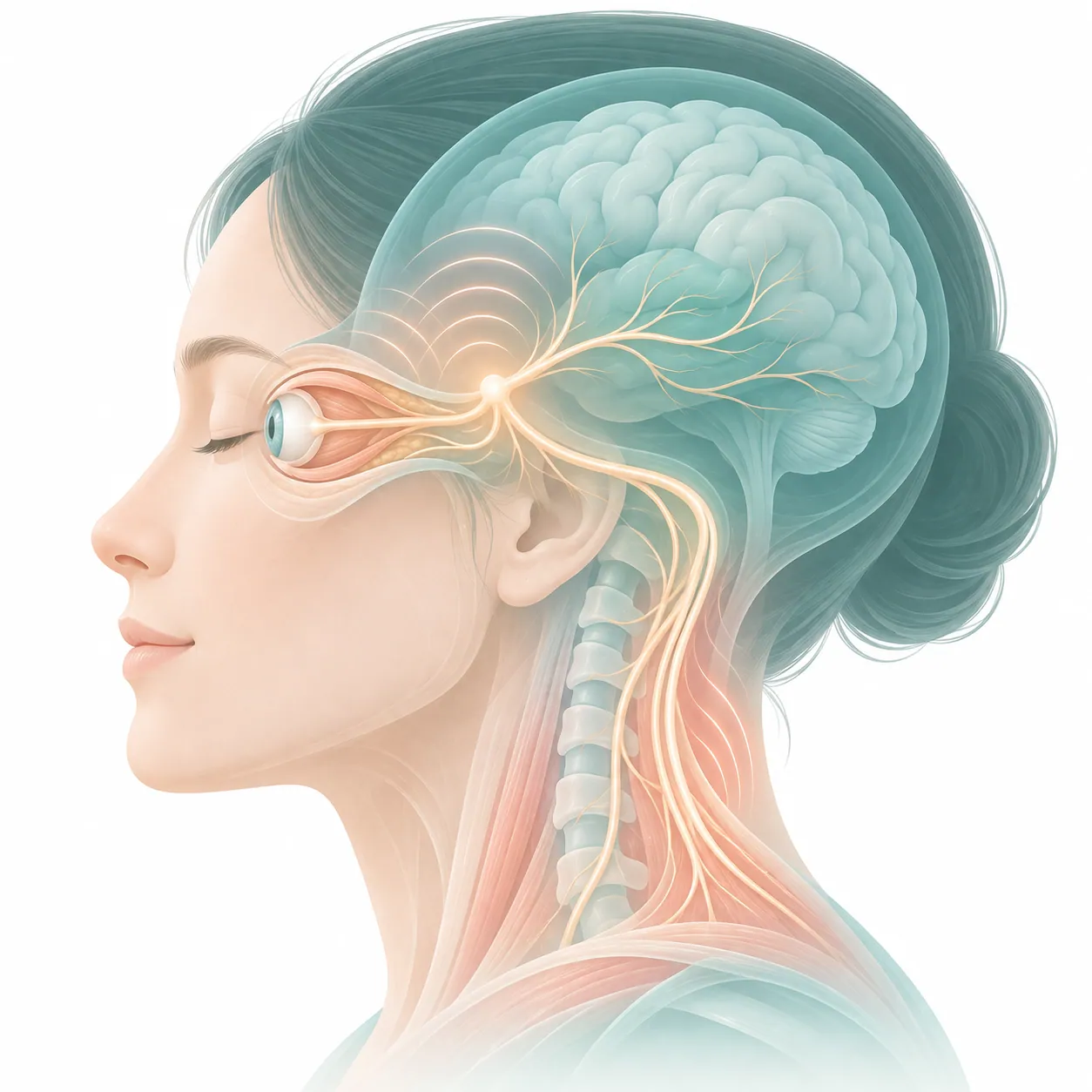
이런 증상이 있나요?

- 화면을 오래 보면 눈이 뻐근하다
- 눈이 뻑뻑하고 모래가 낀 듯하다
- 눈 뒤쪽이 묵직하게 눌린다
- 한쪽 머리와 눈이 함께 욱신거린다
- 빛이 유난히 눈부시다
- 뒷목과 어깨가 뭉치면 눈도 아프다
- 안과 검사는 정상인데 통증이 계속된다
눈통증은 시력과 안압, 눈 표면을 안과에서 먼저 확인해야 합니다. 시력이 떨어지거나 눈이 심하게 붉으면 급한 눈병일 수 있습니다. 검사가 정상이라면 생활 습관과 머리·목의 긴장, 스트레스를 살펴봅니다.
눈통증의 표준 치료
표준 치료는 원인에 따라 다릅니다. 눈 피로는 시력 교정과 규칙적인 휴식이 기본입니다[1]. 안구건조에는 인공눈물과 염증 치료를 씁니다. 20분마다 20초씩 멀리 보면 눈 피로가 줄지만, 멈추면 다시 돌아옵니다[4].
안약으로 나아지지 않거나 검사가 정상이라면 눈만 봐서는 답을 찾기 어렵습니다. 굳은 목과 어깨, 예민해진 신경, 긴장된 몸이 그대로이기 때문입니다. 한의학 치료는 이 바탕을 다스립니다.
연구도 있습니다. 안구건조에서 침은 인공눈물보다 눈물막 유지 시간과 눈물량, 증상 점수를 더 개선했습니다[5,6]. 눈 피로와 만성 눈 통증만 다룬 침과 한약 연구는 아직 많지 않습니다.
해움한의원은 이렇게 치료합니다

해움한의원은 아픈 눈만이 아니라, 눈으로 이어지는 머리와 목의 긴장, 스트레스, 수면을 함께 치료합니다.
1단계. 통증의 양상과 위험 신호를 가립니다
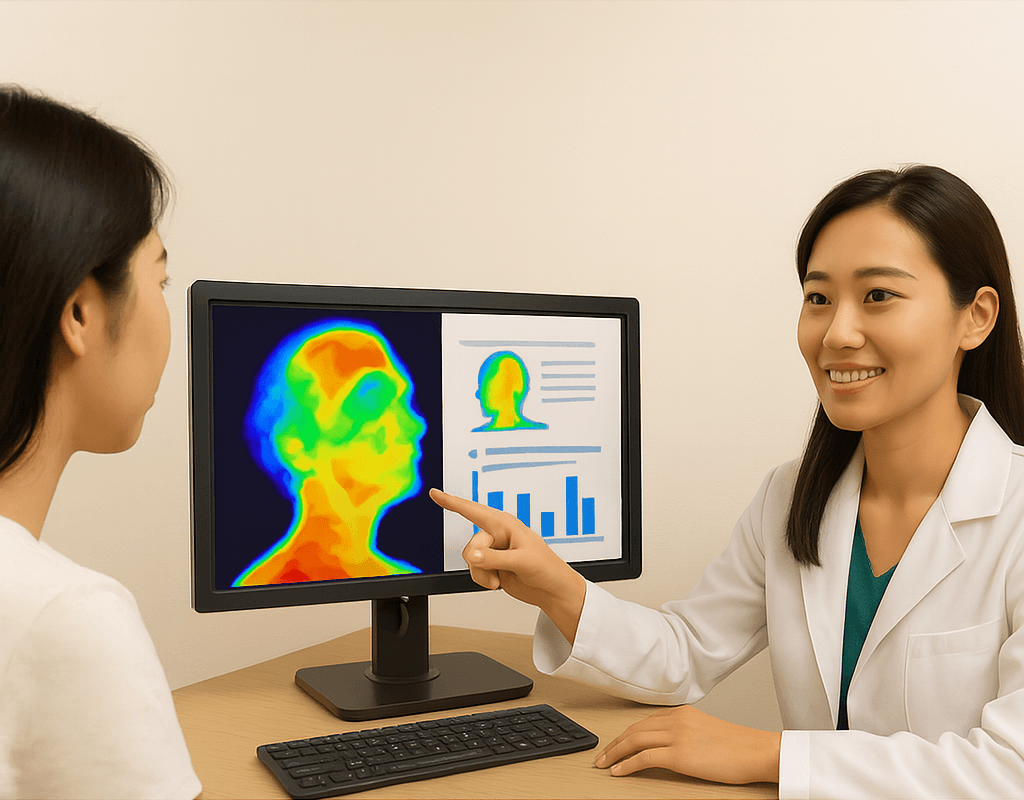
아픈 자리와 시간, 화면 사용, 두통, 수면과 스트레스를 자세히 살펴봅니다. 시력 저하나 충혈 같은 위험 신호가 있으면 안과 진료를 먼저 안내해 드립니다. 심박변이도 검사로 자율신경 상태를 확인합니다.
2단계. 눈 주변과 목의 긴장을 풉니다
침과 약침으로 눈 주변과 뒷목, 어깨의 긴장을 풀고, 추나로 목과 등의 정렬을 바로잡습니다.
3단계. 유형에 맞춰 바탕을 다스립니다
체질과 상태에 맞춰 한약을 짓습니다. 화면 사용 습관과 수면, 스트레스 관리를 함께 살핍니다.
4만 건의 처방 사례가 말해주는, 한방 맞춤 치료의 힘


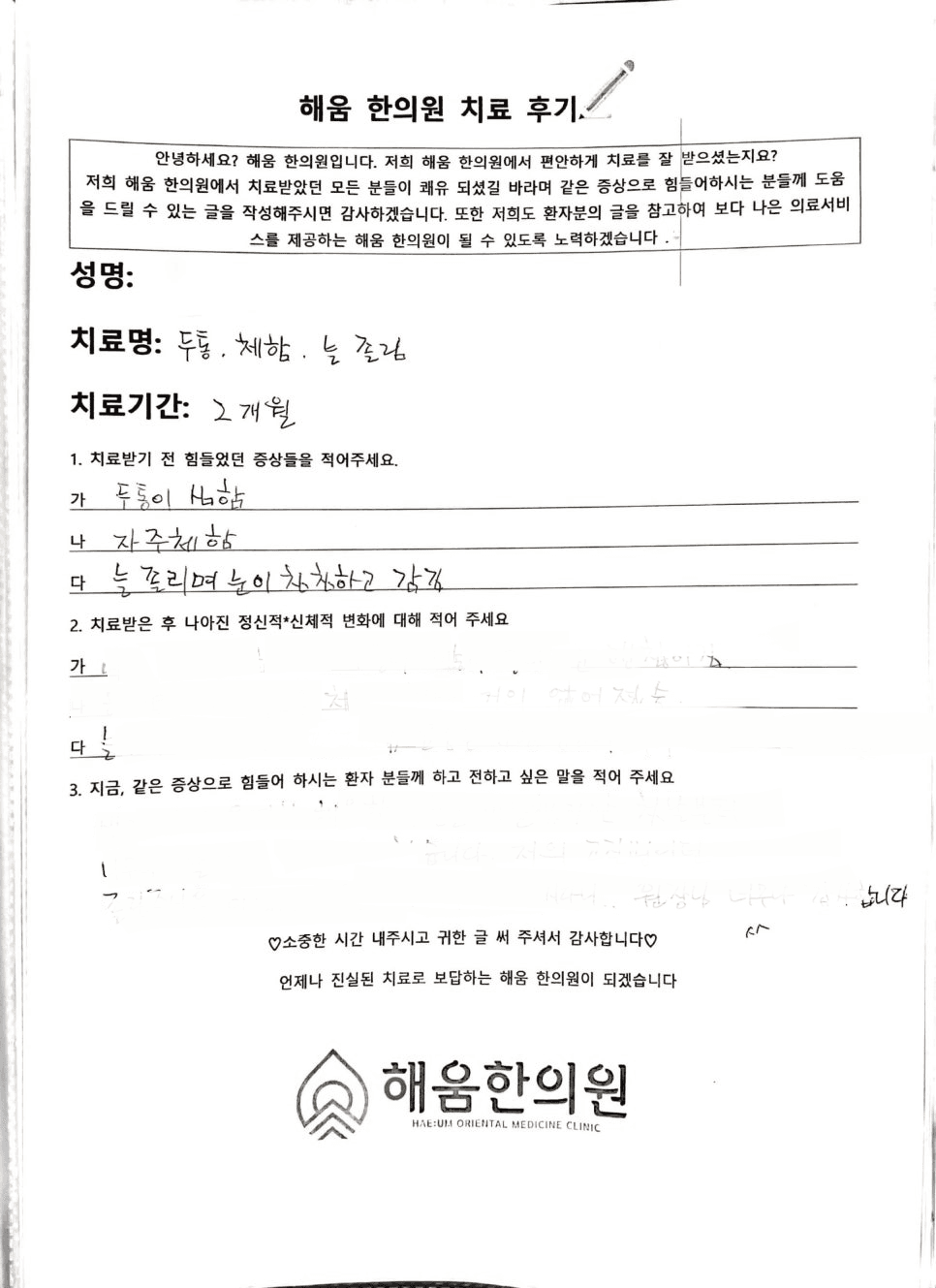
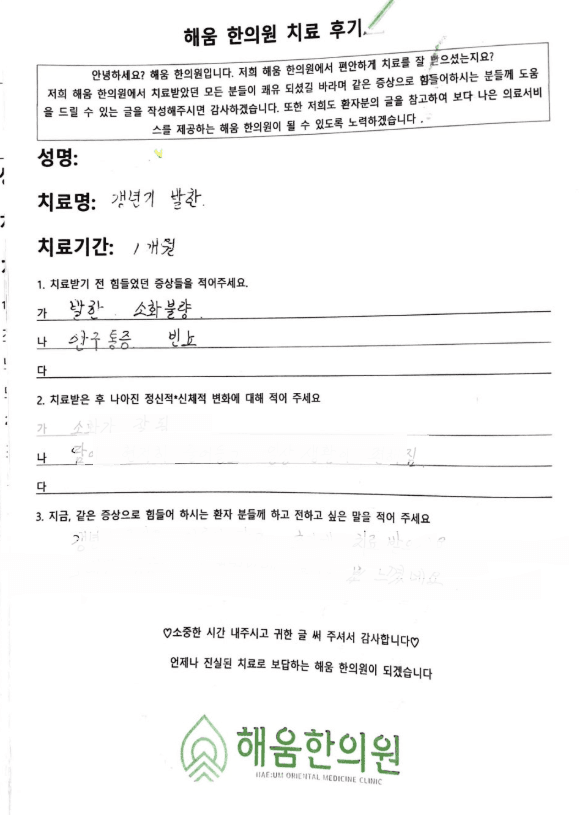
눈통증 치료후기 총 2건
환자분들이 남긴 치료후기입니다. 본문은 로그인 후 보실 수 있습니다.
눈통증, 누가 진료하나요?
담당 의료진
대표원장 박재은

“병이 아니라 그 뒤의 사람을 봅니다”
경희대학교 한의학박사이자 여한의사입니다. 심리상담사 1급 자격, 20만명 차트분석과 4만건 이상의 한약 처방 경험을 바탕으로 진료합니다.
의료진 소개 더보기눈통증, 자주 묻는 질문
눈이 아픈데 왜 머리까지 아픈가요?
눈이 아프면 안과부터 가야 하나요?
인공눈물을 자주 넣어도 되나요?
양약과 한약을 같이 먹어도 되나요?
치료 기간은 얼마나 걸리나요?
생활에서 어떻게 관리해야 하나요?
해움한의원에서 눈통증을 진료하나요?
눈통증으로 내원하려면 어떻게 하나요?
눈통증에 관해 알아두면 좋은 정보
1건눈통증과 관련해 정리한 건강정보입니다.
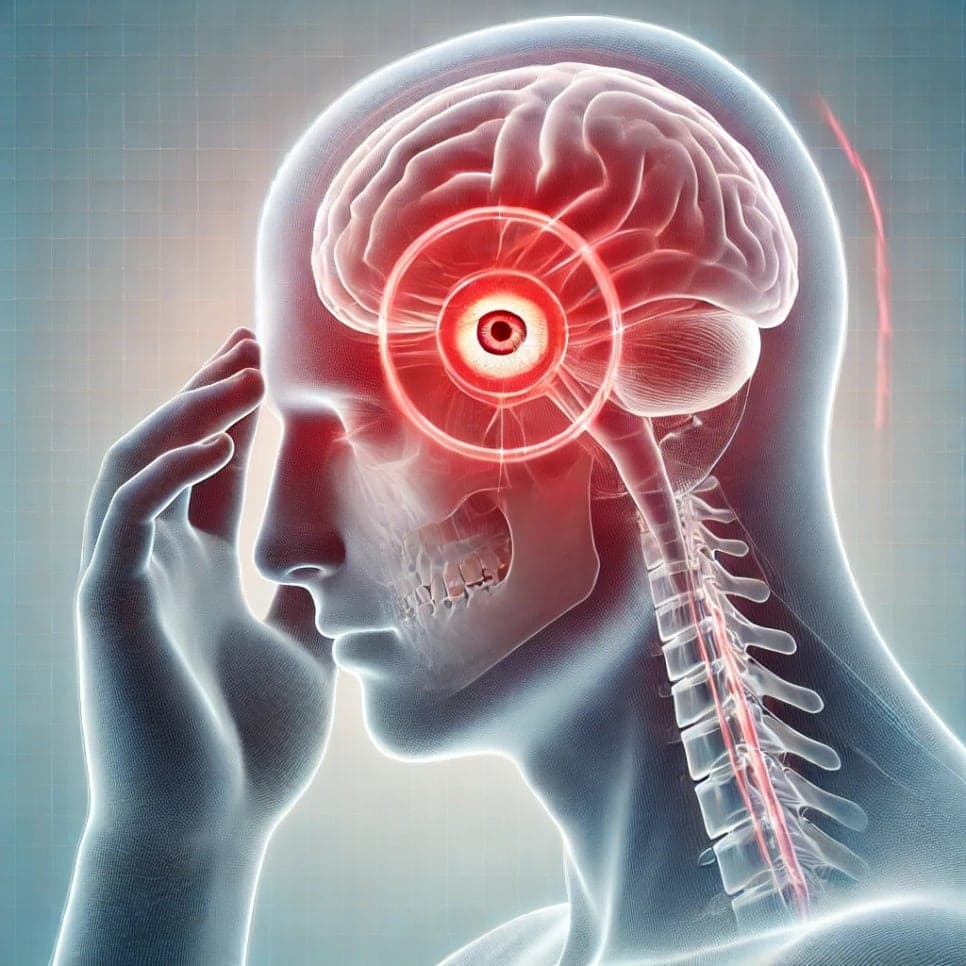
이런 경우에는 바로 응급실로 가세요
아래 증상은 급성 녹내장이나 각막 손상, 뇌혈관 질환처럼 시력과 생명에 위급한 상태일 수 있습니다. 한의원보다 응급실이나 안과를 먼저 찾으세요.
- 갑자기 심한 눈 통증과 함께 시야가 뿌옇고 불빛 주위에 무지개가 보인다
- 눈 통증과 함께 심한 두통, 메스꺼움, 구토가 있다
- 갑자기 시력이 떨어지거나 시야 일부가 가려진다
- 눈을 다쳤거나 화학물질이 들어갔다
- 물체가 둘로 보이고 눈꺼풀이 처지거나 눈이 잘 움직이지 않는다
참고문헌 6편
[1]Sheppard AL, Wolffsohn JS. Digital eye strain: prevalence, measurement and amelioration. BMJ Open Ophthalmol. 2018;3(1):e000146. doi:10.1136/bmjophth-2018-000146. PMID: 29963645.
요약 디지털 눈 피로 종설입니다. 컴퓨터 사용자의 50% 이상이 겪는 것으로 추정됩니다. 초점 조절의 부담과 안구건조로 나타나며, 시력 교정, 안구건조 관리, 규칙적인 휴식이 도움이 됩니다.원문은 출판사 저작권 자료로, 위 링크에서 확인하실 수 있습니다.
[2]Ahn JM, Lee SH, Rim TH, Park RJ, Yang HS, Kim TI, et al. Prevalence of and risk factors associated with dry eye: the Korea National Health and Nutrition Examination Survey 2010-2011. Am J Ophthalmol. 2014;158(6):1205-1214.e7. doi:10.1016/j.ajo.2014.08.021. PMID: 25149910.
요약 우리나라 11,666명의 국민건강영양조사입니다. 진단받은 안구건조증은 8.0%, 증상이 있는 사람은 14.4%였습니다. 나이, 여성, 눈 수술, 스트레스(약 1.7배), 갑상선 질환이 위험요인이었습니다.원문은 출판사 저작권 자료로, 위 링크에서 확인하실 수 있습니다.
[3]Galor A, Levitt RC, Felix ER, Martin ER, Sarantopoulos CD. Neuropathic ocular pain: an important yet underevaluated feature of dry eye. Eye (Lond). 2015;29(3):301-312. doi:10.1038/eye.2014.263. PMID: 25376119.
요약 안구건조와 눈 통증 종설입니다. 만성 눈 통증은 눈의 감각 신경 이상과 말초·중추 신경의 예민화가 관여할 가능성이 높습니다.원문은 출판사 저작권 자료로, 위 링크에서 확인하실 수 있습니다.
[4]Talens-Estarelles C, Cerviño A, García-Lázaro S, Fogelton A, Sheppard A, Wolffsohn JS. The effects of breaks on digital eye strain, dry eye and binocular vision: Testing the 20-20-20 rule. Cont Lens Anterior Eye. 2023;46(2):101744. doi:10.1016/j.clae.2022.101744. PMID: 35963776.
요약 20분마다 20초간 멀리 보는 20-20-20 규칙을 2주간 알림으로 실천했더니 눈 피로와 건조 증상이 줄었습니다. 다만 알림을 멈춘 지 1주 뒤에는 효과가 유지되지 않았습니다.원문은 출판사 저작권 자료로, 위 링크에서 확인하실 수 있습니다.
[5]Na JH, Jung JH, Park JG, Song PH, Song CH. Therapeutic effects of acupuncture in typical dry eye: a systematic review and meta-analysis. Acta Ophthalmol. 2021;99(5):489-498. doi:10.1111/aos.14651. PMID: 33124107.
요약 21개 무작위 대조 연구, 1,542안의 메타분석입니다. 침은 인공눈물보다 눈물막 유지 시간, 눈물량, 각막 손상 점수, 증상 점수를 더 개선했습니다.원문은 출판사 저작권 자료로, 위 링크에서 확인하실 수 있습니다.
[6]Yang L, Yang Z, Yu H, Song H. Acupuncture therapy is more effective than artificial tears for dry eye syndrome: evidence based on a meta-analysis. Evid Based Complement Alternat Med. 2015;2015:143858. doi:10.1155/2015/143858. PMID: 25960747.
초록 (Abstract)
Background. The efficacy of acupuncture in dry eye syndrome patients remains controversial. Methods. Pubmed, Ovid, Cochrane libraries, CNKI, Wanfang, and CQVIP databases were electronically searched until October 1, 2014. Outcomes including tear break-up time (BUT), Schirmer I test (SIT), and cornea fluorescein staining (CFS) were analyzed. A meta-analysis was performed using both fixed- and random-effects models based on heterogeneity across studies. Results. Seven studies were included in this study; 198 and 185 patients were randomly treated with acupuncture and artificial tears, respectively. The overall BUT of patients in acupuncture group was significantly longer than that of the artificial tears group after treatment (P < 0.00001). The SIT was significantly higher in the acupuncture group than that in the artificial tears group after treatment (P = 0.001). The CFS of patients in acupuncture group was significantly improved compared to that in artificial group (P < 0.0001). Conclusions. Acupuncture therapy is effective for the dry eye patients, partly better than artificial tear treatment.
결과 (Results)
3.1. Study and Patient Characteristics: As shown in Figure 1, a total of 103 abstracts were reviewed; among these articles, 38 were retrieved, including 11 RCTs that are closely related to the current subject. However, three studies were excluded because warming-promotion needling technique was used in acupuncture group and one was excluded as Chinese herbal was added in treatment group. Finally, 7 trials met our inclusion criteria (Table 1). In total, 198 and 185 patients were randomly treated with acupuncture and artificial tears, respectively. The baseline characteristics of each study included in this meta-analysis are described in Table 2.
3.2. Methodological Quality Assessment: All studies included in this meta-analysis were described as randomized. Four studies did not report the method of randomization, but randomization was adequate in other studies. Among these studies, two studies were randomized by a table of random numbers and one was randomized through computerised block-randomisation with the SAS package. All studies were performed in common population, which were considered low risk in selection bias. And opaque assignment envelopes with consecutive numbers for each centre were used for allocation concealment in the study reported by Kim et al.. Three reports were blind-designed. In the study by Tseng et al., apart from the acupuncturist, none of the medical professionals or technicians involved in the study knew to which group a subject had been assigned, while Shi and Miao' report blinded to researchers both sample collection and examination. The outcome assessment of the study by Kim et al. was analyzed by separate statistician, which was considered low risk of detection bias. More than 20% of participants were lost to follow-up in the study reported by Grönlund et al. and the follow-up data was nonavailable in the study by Wang et al., which were both considered high risk in attrition bias. Also, some outcomes were not reported in results section in Grönlund et al.'s study, which was high risk in reporting bias. Other potential biases were unclear in these trials (Figure 2). As shown in Figure 2, most of the studies included in this meta-analysis achieved low risk of biases of quality assessment items according to Cochrane Handbook for Systematic Reviews of Interventions. Two studies had high risk of incomplete outcome data and/or selective reporting. Other biases are unclear.
3.3. BUT: Meta-analysis of five studies demonstrated that heterogeneity was not significant among the included studies when comparing overall BUT in acupuncture and artificial tears groups both before and after treatment (P = 0.90, I 2 = 0% and P = 0.65, I 2 = 0%, resp., Figure 3). The overall pretreatment BUT of the acupuncture group and artificial tears group showed no significant difference (P = 0.64, Figure 3). And the overall BUT of posttreatment was significantly longer in the acupuncture group than artificial group (P < 0.00001, Figure 3). Similarly, the study of Nepp et al. also revealed that acupuncture was more effective than artificial tears in BUT. In contrast, Grönlund et al. concluded that acupuncture was no more effective than receiving a tear substitute in increasing tear quality as indicated by the BUT. Based on the results above, we assumed that acupuncture could prolong the BUT in dry eye syndrome patients.
3.4. SIT: Heterogeneity was not significant among the included studies before treatment (P = 0.19, I 2 = 32%, Figure 4). However, the heterogeneity was significant when comparing posttreatment SIT in acupuncture and artificial tears groups (P < 0.00001, I 2 = 94%, Figure 4). Thus, random model of meta-analysis showed that acupuncture could significantly improve SIT compared to artificial tears (P = 0.001, Figure 4). Similarly, the study of Yang et al. revealed that acupuncture was more effective than artificial tears in SIT. The study by Grönlund et al. did not find any overall difference of SIT improvement between acupuncture and artificial tears group. However when the eyes were analyzed separately, there were a significant increase of SIT in the left eyes over time (P = 0.0131). Thus, patients with dry eye syndrome should beneficial from acupuncture in SIT compared to artificial tears.
3.5. CFS: Three studies presented CFS outcome and two were included in our meta-analysis. Considering that no significant heterogeneity was found among the included studies when comparing CFS of posttreatment between acupuncture and artificial tears (P = 0.42, I 2 = 0%, Figure 5), our analysis showed that the CFS of patients in acupuncture group had a significant improvement than that of artificial tears group (P < 0.0001, Figure 5). Since little data is available, further analysis should be performed to evaluate the efficacy of acupuncture in CFS improvement in this population.
3.6. VAS: Grönlund et al. revealed that, according to the VAS recordings, six patients in the acupuncture treatment group felt better after finishing the treatment and no one felt worse, and in the control group no patient felt better and two patients felt worse over the same period of time (P = 0.036), but the positive effect had declined after completing the acupuncture treatment range of three to eight months, and there was no statistically significant difference between the two groups. In the study of Tseng et al., the acupuncture group showed greater improvements in VAS values versus control group after eight-week treatment (P < 0.01). However, another study by Kim et al. showed that statistically significant improvements did not appear at two weeks in the acupuncture group and in the artificial tears group (P = 0.359) or four weeks of treatment (P = 0.530), but significant changes were reported in the acupuncture group at eight weeks after acupuncture treatment compared with control group (P = 0.018). In this condition, no confirmed statement of VAS for acupuncture therapy could be presented in this meta-analysis.
3.7. Symptoms of Eye Discomfort: Kim et al. showed that more participants in the acupuncture group experienced general improvements of symptoms than that in the artificial tears group, but there were no significant differences (P = 0.06); however, a statistically significant difference was reported between the two groups in the general improvements assessed by physicians (P = 0.001). Other two studies showed that symptom of eye discomfort in the acupuncture group had improved, but no statistically significant with artificial tears group. Further researches are needed for quality-of-life evaluation in dry eye syndrome patients receiving acupuncture.
3.8. Adverse Event: Only two studies included in our meta-analysis reported adverse events. Grönlund et al. reported no adverse effects of the acupuncture treatment per se were noted. In the study by Kim et al., three cases of hematoma were reported in the acupuncture treatment group; 1 patient had moderate severity, and the others had mild severity. Among them, one participant declined further acupuncture treatment because of the hematoma and pain. In the other two cases, the hematomas completely disappeared in several weeks. Adverse events related to artificial tear usage were not reported.
원문 발췌 · Yang L, Yang Z, Yu H, Song H, Evid Based Complement Alternat Med 2015 · CC BY 3.0 라이선스에 따라 수정 없이 인용했습니다(본문 속 인용 번호는 생략).