

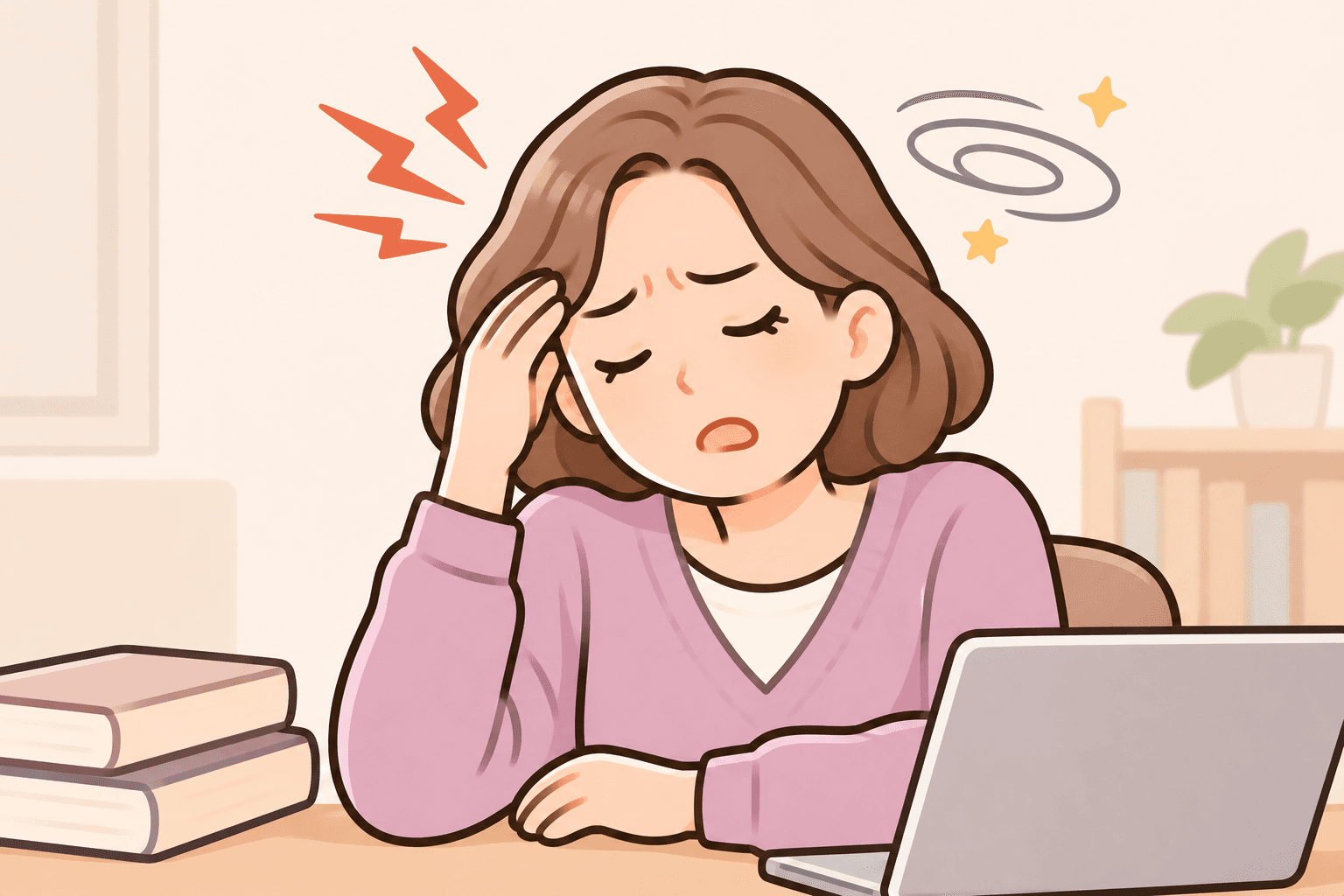
한쪽 머리가 맥박 치듯 발작처럼 되풀이되는 두통이 편두통입니다. 메스꺼워 토하기도 하고, 머리가 욱신거리기 시작하면 불을 끄고 눕는 것밖에 방법이 없습니다. 그날의 일과 약속은 포기하게 되는 거죠.
편두통 한눈에 보기
- 편두통은 한쪽 머리가 욱신거리는 통증이 4~72시간 이어지고, 메스꺼움이나 빛·소리에 대한 예민함이 함께 오는 신경계 질환입니다.
- 우리나라 성인의 약 6%, 여성은 약 9%가 앓으며, 세계적으로 젊은 여성의 건강한 삶을 가장 많이 빼앗는 질환입니다.
- 스트레스, 수면, 생리 주기, 목·어깨의 긴장이 얽혀 있어, 발작을 누르는 것과 함께 쉽게 예민해지는 몸의 바탕을 다스려야 합니다.
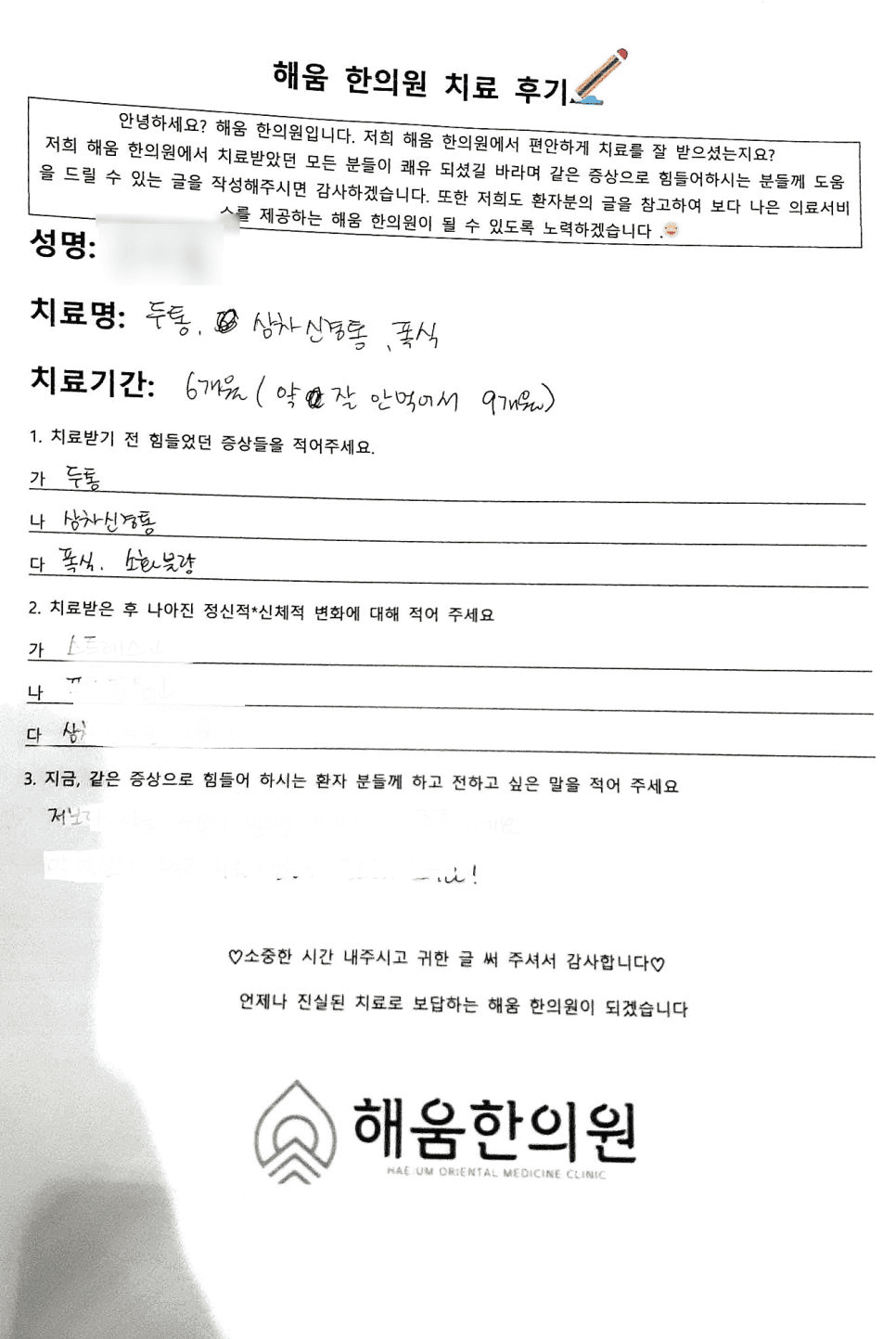
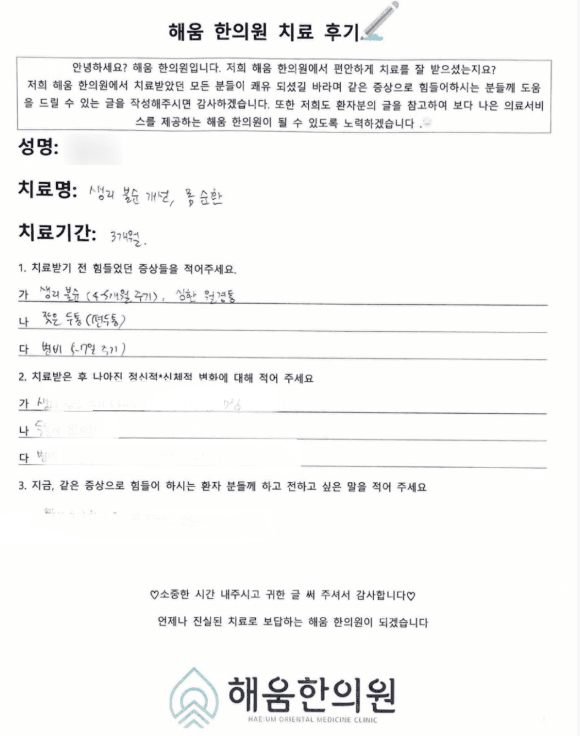
- 치료후기 4건
- 건강정보 3편
- 온라인 상담 2건
편두통이란?
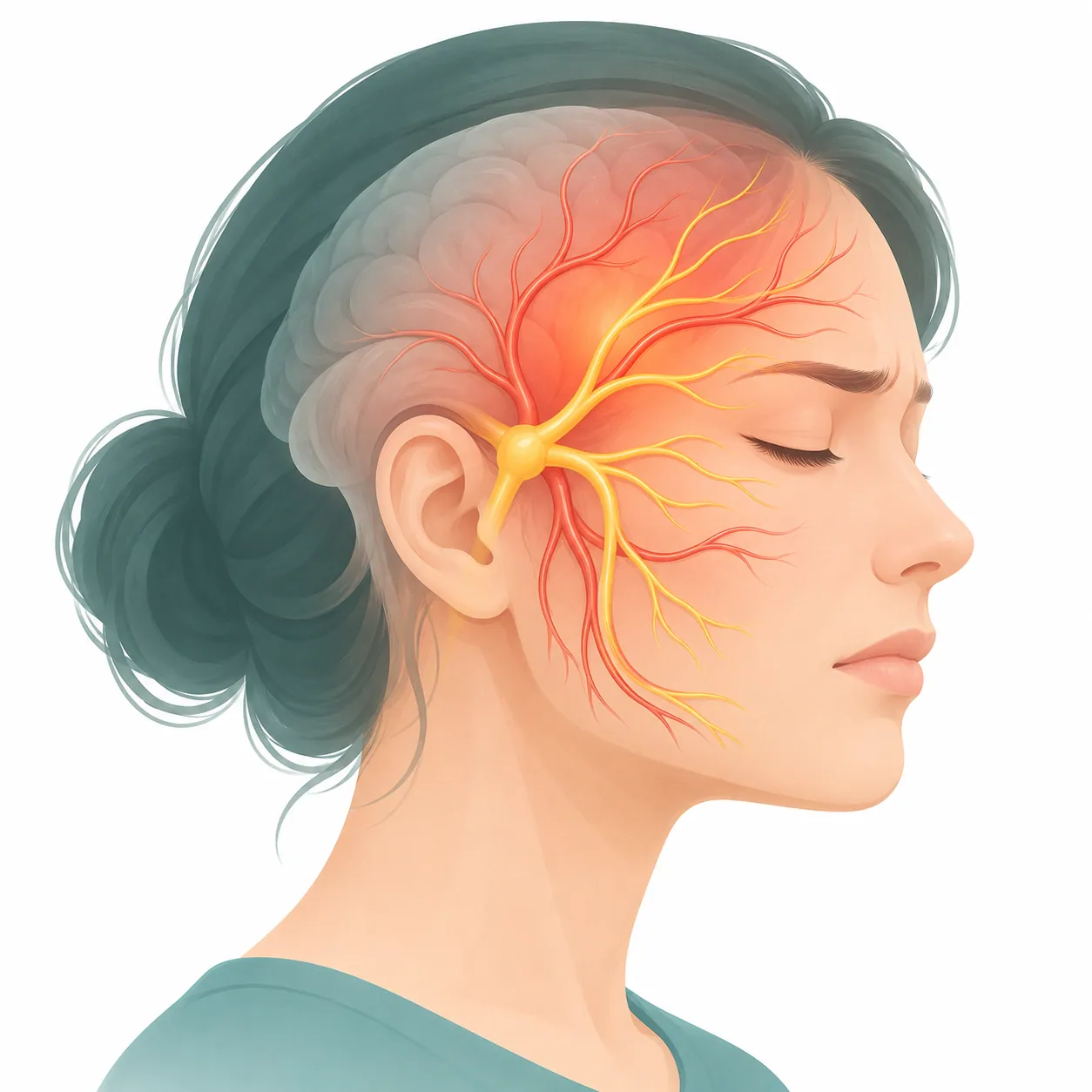
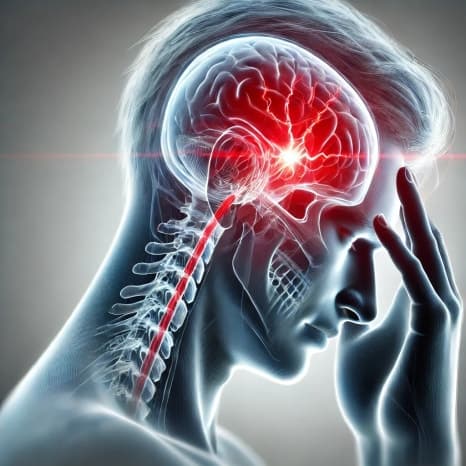
편두통은 단순히 심한 두통이 아닙니다. 얼굴과 머리의 감각을 맡는 삼차신경과 뇌혈관 주변의 통증 회로가 과민하게 활성화되어 생기는 것으로 여겨지며, 한 번 시작되면 4~72시간 이어집니다[1]. 이름은 "한쪽 머리의 두통"이라는 뜻이지만, 양쪽이 아프거나 아픈 쪽이 바뀌기도 합니다.
우리나라 성인의 6.1%가 앓고, 여성(9.2%)이 남성(2.9%)보다 세 배 많습니다. 여성은 40대에 가장 많고, 환자 3명 중 1명은 일상에 상당한 지장을 받습니다[2]. 환자 3명 중 1명은 두통 전후로 눈앞에 번쩍이는 빛이나 톱니 무늬가 보이는 전조를 겪습니다[1]. 세계적으로도 편두통은 장애를 일으키는 원인 가운데 2위, 젊은 여성에서는 1위입니다[3].
이런 증상이 있나요?
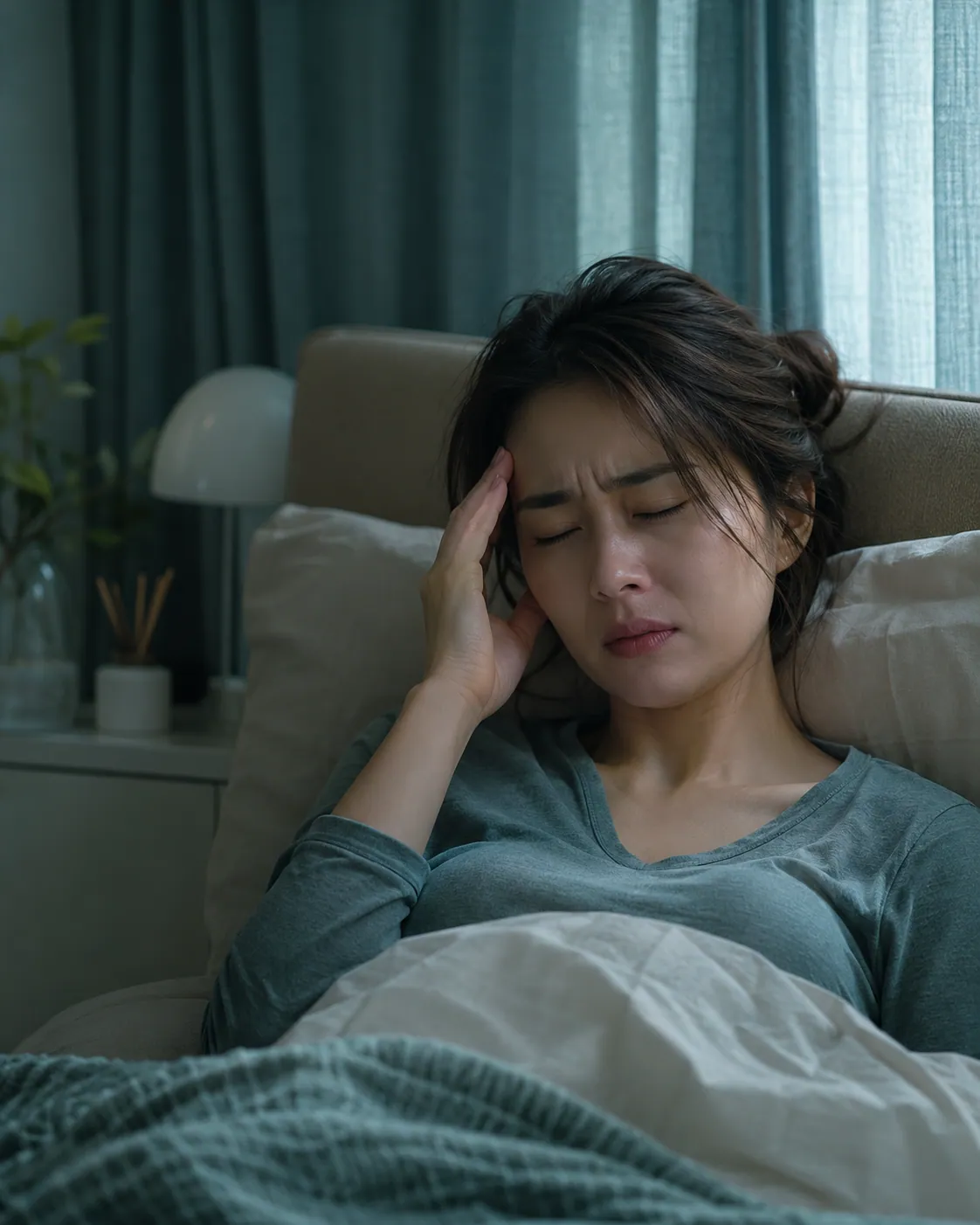
- 한쪽 머리나 관자놀이가 맥박 치듯 욱신거린다
- 메스껍거나 토하고, 빛과 소리, 냄새가 거슬린다
- 계단을 오르거나 몸을 움직이면 더 아파서 눕고 싶다
- 아프기 전에 눈앞이 번쩍이거나 시야 일부가 흐려진다
- 한 번 시작되면 반나절에서 사흘까지 간다
- 생리 전후나 잠을 설친 다음 날 어김없이 찾아온다
- 두통이 오기 전이나 오는 동안 뒷목이 뻣뻣해진다
편두통은 검사 수치보다 증상의 양상으로 진단합니다. 두통이 온 날과 강도, 약을 먹은 날, 생리일을 적는 두통 일기가 진단과 치료의 기준이 됩니다. 한 달에 15일 이상 머리가 아픈 상태가 석 달 넘게 이어지고 그중 8일 이상이 편두통 양상이면 만성 편두통으로 봅니다[1].
편두통은 왜 생기나요?
편두통은 타고난 신경계의 예민함 위에 여러 요인이 겹쳐 발작으로 나타납니다. 유발 요인은 사람마다 달라, 두통 일기로 자신의 패턴을 찾는 것이 중요합니다.
- 스트레스가 크게 늘거나 갑자기 줄어드는 변화
- 잠이 모자라거나 불규칙한 수면
- 생리 직전의 호르몬 변화
- 끼니를 거르는 습관
- 목과 어깨의 긴장
- 진통제를 자주 먹는 습관
스트레스는 뇌의 통증 회로를 예민하게 만드는 것으로 보이고, 큰 스트레스를 겪은 뒤 편두통이 만성으로 넘어가기도 합니다[4]. 잠도 깊이 얽혀 있어서, 편두통과 수면장애는 뇌의 같은 조절 회로를 함께 쓰는 것으로 보입니다[5]. 목도 빼놓을 수 없습니다. 편두통 환자의 77%가 목 통증을 함께 겪고(두통 없는 사람은 23%)[6], 목·어깨·머리 근육에는 눌렀을 때 아픈 통증 유발점이 흔합니다[7]. 가임기 여성의 약 6%는 생리와 맞물려 편두통을 겪는데, 생리 직전 에스트로겐이 떨어지는 것이 유발 요인으로 꼽힙니다[8].
편두통의 표준 치료
편두통의 표준 치료는 발작 때 먹는 소염진통제·트립탄과, 치료를 해도 한 달에 이틀 이상 일상에 지장이 있을 때 고려하는 예방약입니다[1]. 다만 진통제를 너무 자주 쓰면 약물과용두통으로 이어질 수 있고[9], 예방약을 꺼리거나 잘 듣지 않는 분도 있습니다.
발작을 그때그때 누르는 것만으로는 쉽게 예민해지는 신경계가 달라지지 않습니다. 편두통이 찾아오는 배경이 되는 자율신경의 균형, 수면, 목·어깨의 긴장을 다스려 발작이 덜 찾아오게 하는 것이 한의학 치료입니다.
연구도 쌓여 있습니다. 예방약과 비교한 9개 연구, 1,484명을 모은 분석에서 침은 효과가 약간 더 좋았고, 부작용으로 치료를 그만두는 비율은 0.26배였습니다[10]. 가짜 침과 비교한 연구에서는 20회 치료 뒤 4주당 편두통 일수가 3.9일 줄어 가짜 침(2.2일)보다 많이 줄었습니다[11]. 한약도 마찬가지입니다. 무작위 대조 연구 19편, 1,832명을 모은 분석에서 천궁이 든 처방은 편두통의 횟수와 기간, 통증을 줄였고 부작용은 적었습니다[12].
해움한의원은 이렇게 치료합니다

해움한의원은 아픈 머리만이 아니라 발작을 부르는 몸의 상태를 찾아 함께 치료합니다.
1단계. 편두통의 패턴과 위험 신호를 가립니다
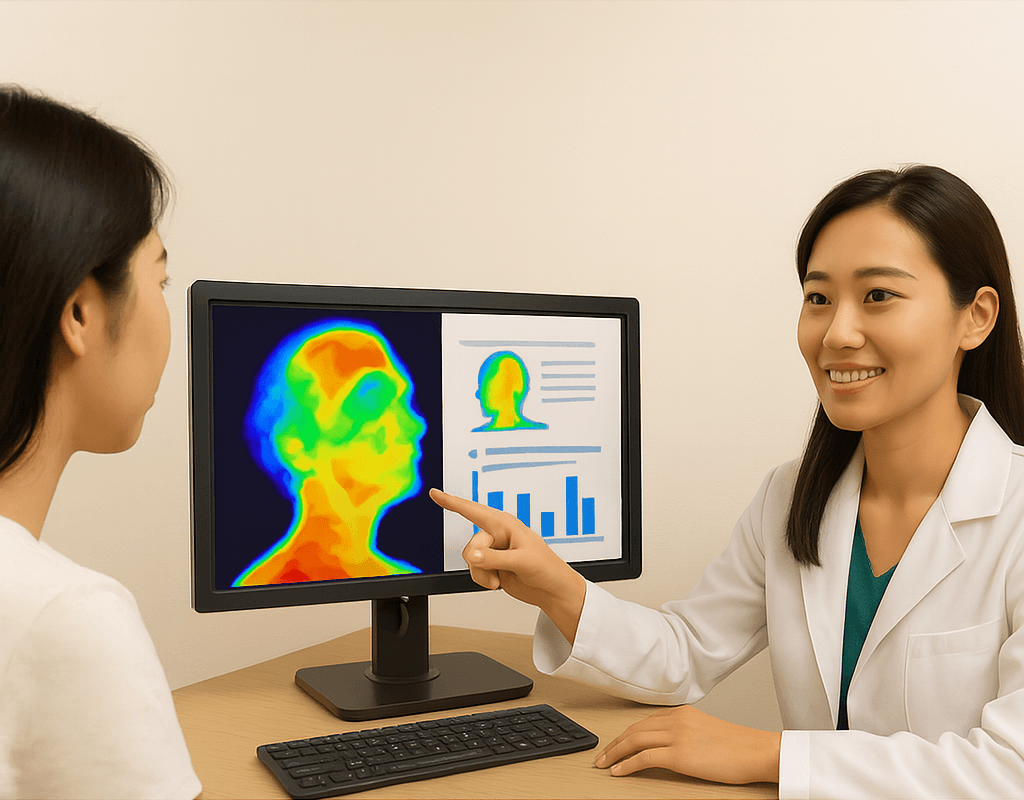
아픈 자리와 양상, 전조, 생리 주기와의 관계, 진통제 복용 횟수를 자세히 살펴봅니다. 위험 신호가 있으면 신경과 검사를 먼저 안내해 드립니다. 심박변이도와 적외선 체열검사로 자율신경의 균형과 머리·목으로 몰린 열을 확인합니다.
2단계. 머리로 가는 긴장을 풉니다
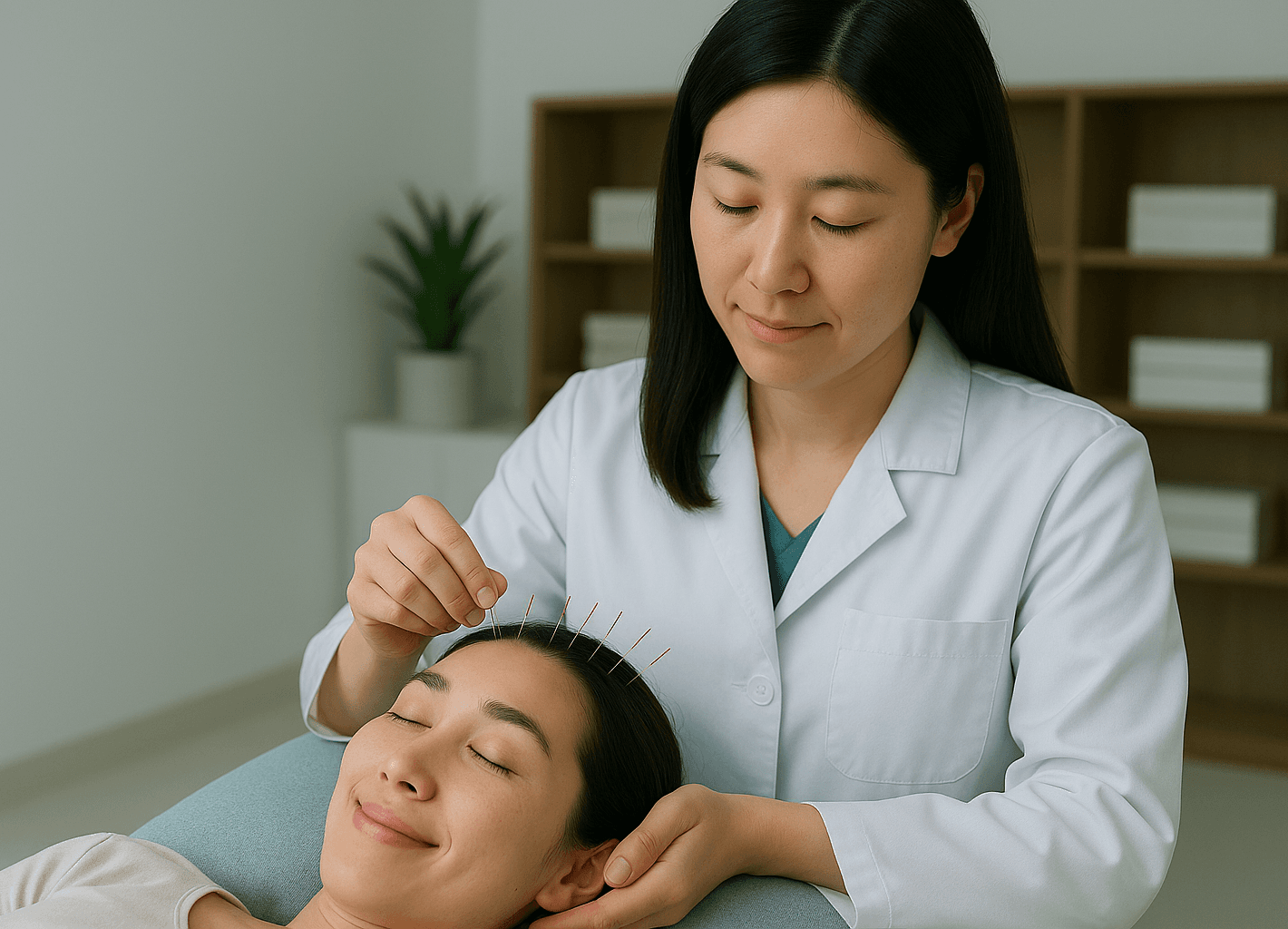
침과 약침, 도침으로 관자놀이·뒷목·어깨의 통증 유발점을 풀고, 추나로 목과 등의 정렬을 바로잡습니다.
3단계. 발작이 되풀이되는 바탕을 다스립니다
체질과 상태에 맞춰 한약을 짓습니다. 수면과 식사, 스트레스 관리를 함께 살피고, 진통제를 줄여 가는 과정도 함께합니다.
4만 건의 처방 사례가 말해주는, 한방 맞춤 치료의 힘
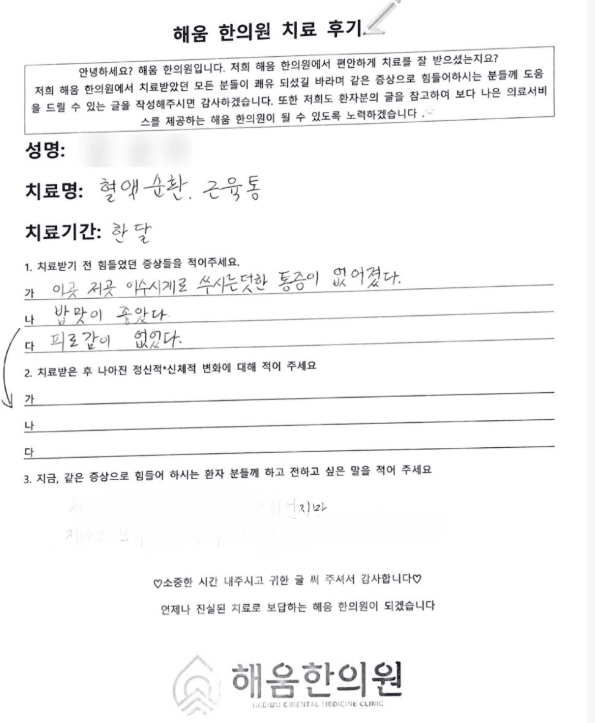
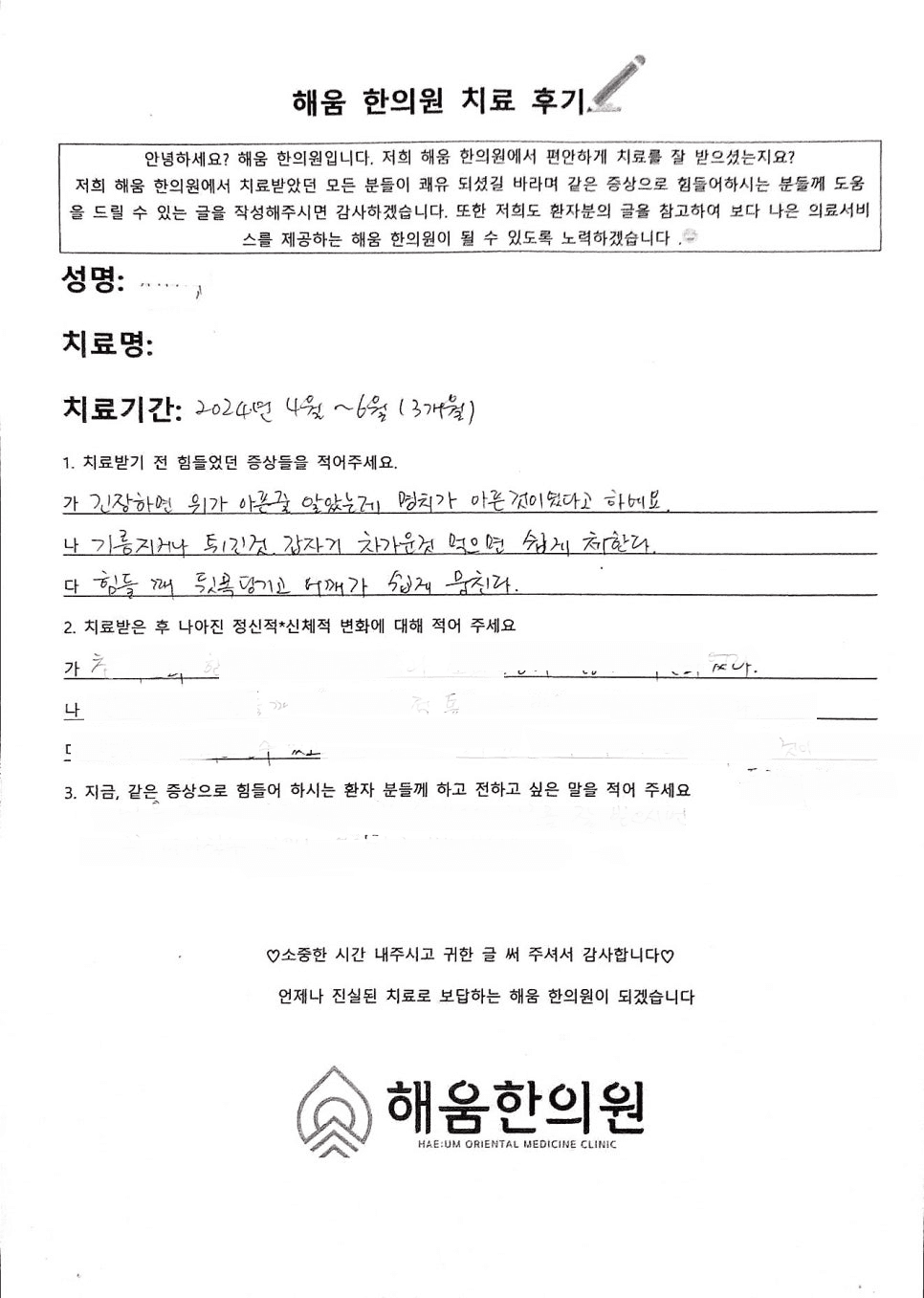
편두통, 누가 진료하나요?
담당 의료진
대표원장 박재은
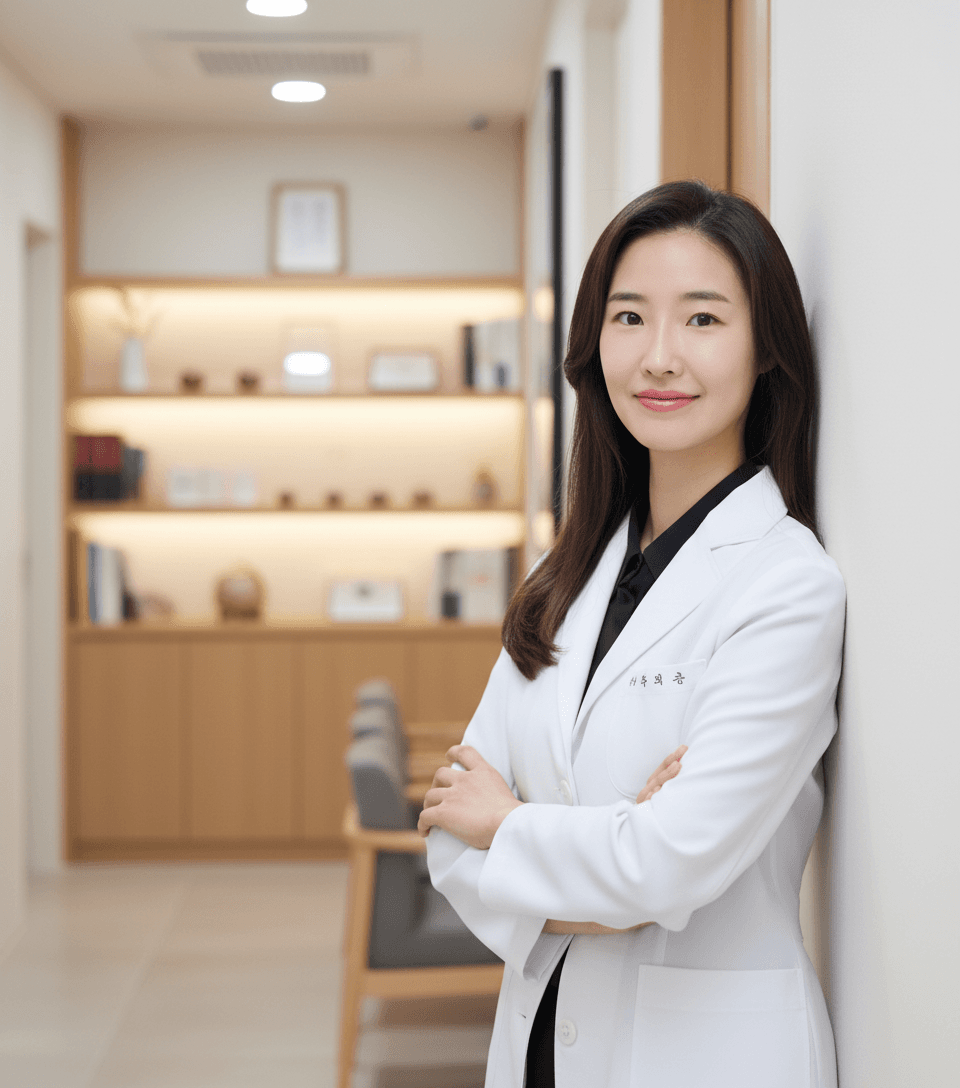
“병이 아니라 그 뒤의 사람을 봅니다”
경희대학교 한의학박사이자 여한의사입니다. 심리상담사 1급 자격, 20만명 차트분석과 4만건 이상의 한약 처방 경험을 바탕으로 진료합니다.
의료진 소개 더보기편두통, 자주 묻는 질문
편두통과 일반 두통은 어떻게 다른가요?
편두통은 왜 여성에게 더 많은가요?
편두통약과 한방치료를 같이 받아도 되나요?
커피나 초콜릿을 끊어야 하나요?
치료 기간은 얼마나 걸리나요?
편두통이 왔을 때 집에서 어떻게 해야 하나요?
해움한의원에서 편두통을 진료하나요?
편두통으로 내원하려면 어떻게 하나요?
편두통에 관해 알아두면 좋은 정보
3건편두통과 관련해 정리한 건강정보입니다.
편두통과 눈통증, 왜 같이 올까요? 검사해도 이상 없다는 이유
“머리만 아픈 게 아니라 눈까지 찌르는 느낌… 왜 이럴까요?”한쪽 머리가 지끈거리기 시작하더니,어느 순간 눈까지 욱신거리며 아파오는 경험 있으신가요?특히 왼쪽 편두통이 심할 때눈이 빠질 것처럼 압박감이 느껴지면단순
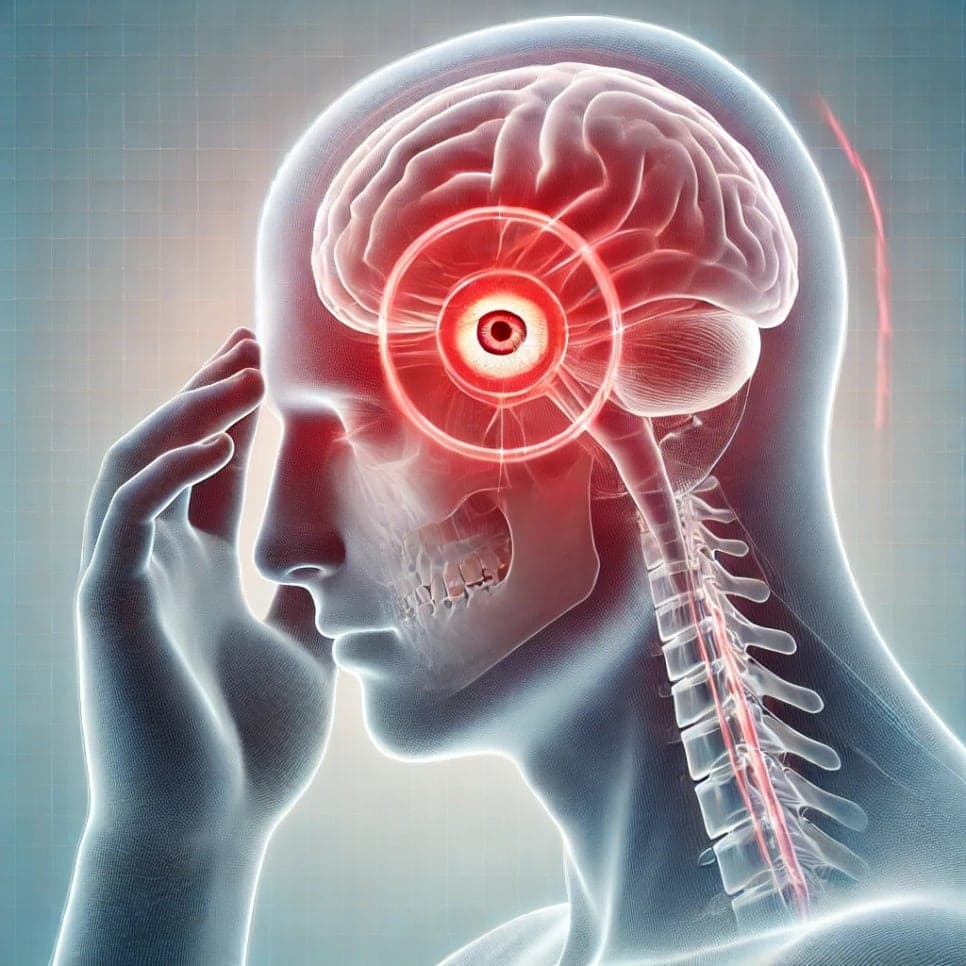
왼쪽옆머리두통, 검사해도 이상 없다면 ‘이것’ 문제일 수 있습니다
“왼쪽 옆머리가 계속 욱신거려요… 왜 반복될까요?”어느 날부터인지왼쪽 옆머리가 욱신거리거나 찌릿하게 아프기 시작합니다.가끔 지나가는 통증이면 괜찮지만,비슷한 위치에서 반복되면 점점 불안해집니다.“검사했는데 이상 없다
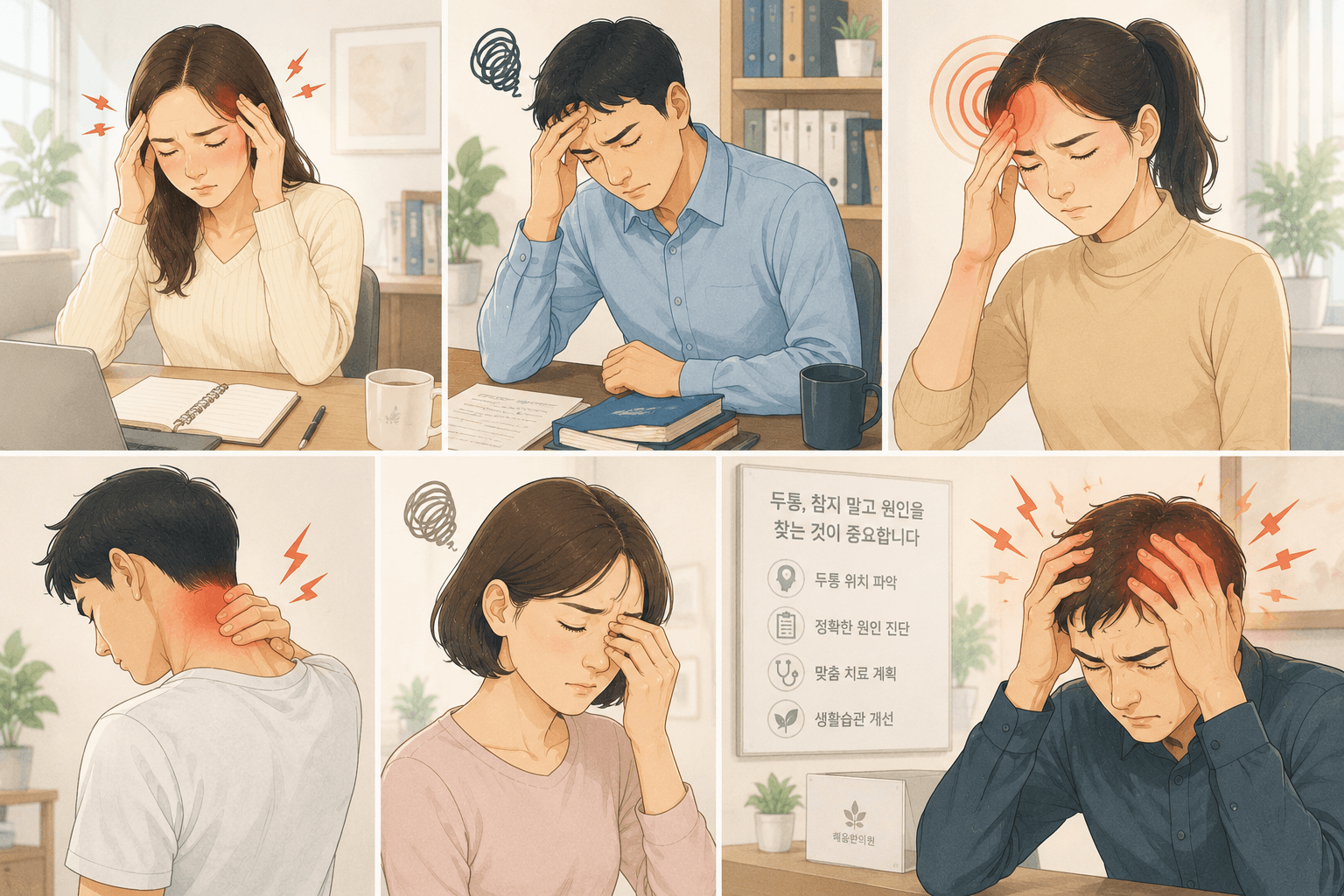
머리 어디가 아프신가요? 두통위치가 원인을 알려줄 수 있습니다
두통은 '어디가 아픈지'부터 확인해야 합니다머리가 아프면 대부분은 진통제를 먼저 찾습니다.잠시 쉬거나 약을 먹으면 통증이 줄어들기도 하기 때문입니다.하지만 같은 두통이라도 통증이 시작되는 위치는 모두 다릅니다.누군가
이런 경우에는 바로 응급실로 가세요
아래 증상은 편두통이 아니라 뇌출혈이나 뇌졸중, 뇌수막염일 수 있습니다. 한의원보다 응급실(119)을 먼저 찾으세요.
- 벼락을 맞은 듯 갑자기 시작된, 살면서 가장 심한 두통
- 말이 어눌해지거나, 한쪽 팔다리에 힘이 빠지거나, 시야가 갑자기 사라진다
- 전조가 한 시간 넘게 이어지거나 평소와 전혀 다르다
- 고열과 함께 목이 뻣뻣하고, 정신이 흐려진다
- 심한 두통이 사흘 넘게 멎지 않고 물도 넘기기 어렵다
참고문헌 12편
[1]Eigenbrodt AK, Ashina H, Khan S, Diener HC, Mitsikostas DD, Sinclair AJ, et al. Diagnosis and management of migraine in ten steps. Nat Rev Neurol. 2021;17(8):501-514. doi:10.1038/s41582-021-00509-5. PMID: 34145431.
초록 (Abstract)
Migraine is a disabling primary headache disorder that directly affects more than one billion people worldwide. Despite its widespread prevalence, migraine remains under-diagnosed and under-treated. To support clinical decision-making, we convened a European panel of experts to develop a ten-step approach to the diagnosis and management of migraine. Each step was established by expert consensus and supported by a review of current literature, and the Consensus Statement is endorsed by the European Headache Federation and the European Academy of Neurology. In this Consensus Statement, we introduce typical clinical features, diagnostic criteria and differential diagnoses of migraine. We then emphasize the value of patient centricity and patient education to ensure treatment adherence and satisfaction with care provision. Further, we outline best practices for acute and preventive treatment of migraine in various patient populations, including adults, children and adolescents, pregnant and breastfeeding women, and older people. In addition, we provide recommendations for evaluating treatment response and managing treatment failure. Lastly, we discuss the management of complications and comorbidities as well as the importance of planning long-term follow-up.
원문 발췌 · Eigenbrodt AK, Ashina H, Khan S, Diener HC, Mitsikostas DD, Sinclair AJ, Pozo-Rosich P, Martelletti P, Ducros A, Lantéri-Minet M, Braschinsky M, Del Rio MS, Daniel O, Özge A, Mammadbayli A, Arons M, Skorobogatykh K, Romanenko V, Terwindt GM, Paemeleire K, Sacco S, Reuter U, Lampl C, Schytz HW, Katsarava Z, Steiner TJ, Ashina M, Nat Rev Neurol 2021 · CC BY 4.0 라이선스에 따라 수정 없이 인용했습니다(본문 속 인용 번호는 생략).
[2]Kim BK, Chu MK, Lee TG, Kim JM, Chung CS, Lee KS. Prevalence and impact of migraine and tension-type headache in Korea. J Clin Neurol. 2012;8(3):204-211. doi:10.3988/jcn.2012.8.3.204. PMID: 23091530.
요약 우리나라 19세 이상 1,507명을 면담한 조사입니다. 1년 유병률은 편두통 6.1%(여성 9.2%, 남성 2.9%), 긴장성 두통 30.8%였습니다. 편두통은 여성은 40대, 남성은 19~29세에 가장 많았습니다. 편두통 환자의 31.5%가 두통으로 일상에 상당하거나 심한 지장을 받았습니다.원문은 출판사 저작권 자료로, 위 링크에서 확인하실 수 있습니다.
[3]Steiner TJ, Stovner LJ, Jensen R, Uluduz D, Katsarava Z, Lifting The Burden. Migraine remains second among the world's causes of disability, and first among young women: findings from GBD2019. J Headache Pain. 2020;21(1):137. doi:10.1186/s10194-020-01208-0. PMID: 33267788.
요약 세계질병부담연구(GBD) 2019 결과를 정리한 사설입니다. 편두통은 전체 인구에서 장애로 살아가는 기간을 만드는 원인 가운데 2위, 젊은 여성에서는 1위였습니다. 조기 사망을 일으키지 않는데도 젊은 여성의 건강한 삶을 가장 많이 빼앗는 질환으로 꼽혔습니다.원문은 출판사 저작권 자료로, 위 링크에서 확인하실 수 있습니다.
[4]Stubberud A, Buse DC, Kristoffersen ES, Linde M, Tronvik E. Is there a causal relationship between stress and migraine? Current evidence and implications for management. J Headache Pain. 2021;22(1):155. doi:10.1186/s10194-021-01369-6. PMID: 34930118.
초록 (Abstract)
Background: The purpose of this narrative review is to examine the literature investigating a causal relationship between stress and migraine and evaluate its implications for managing migraine.
Methods: PubMed, PsycINFO and CINAHL were searched from 1988 to August 2021, identifying 2223 records evaluating the relationship between stress and migraine. Records were systematically screened. All potentially relevant records were thematically categorized into six mechanistic groups. Within each group the most recent reports providing new insights were cited.
Results: First, studies have demonstrated an association of uncertain causality between high stress loads from stressful life events, daily hassles or other sources, and the incidence of new-onset migraine. Second, major stressful life events seem to precede the transformation from episodic to chronic migraine. Third, there is some evidence for changes in levels of stress as a risk factor for migraine attacks. Research also suggests there may be a reversed causality or that stress-trigger patterns are too individually heterogeneous for any generalized causality. Fourth, migraine symptom burden seems to increase in a setting of stress, partially driven by psychiatric comorbidity. Fifth, stress may induce sensitization and altered cortical excitability, partially explaining attack triggering, development of chronic migraine, and increased symptom burden including interictal symptom burden such as allodynia, photophobia or anxiety. Finally, behavioral interventions and forecasting models including stress variables seem to be useful in managing migraine.
Conclusion: The exact causal relationships in which stress causes incidence, chronification, migraine attacks, or increased burden of migraine remains unclear. Several individuals benefit from stress-oriented therapies, and such therapies should be offered as an adjuvant to conventional treatment and to those with a preference. Further understanding the relationship between stress, migraine and effective therapeutic options is likely to be improved by characterizing individual patterns of stress and migraine, and may in turn improve therapeutics.
결과 (Results)
Evidence for a causal relationship between stress and migraine / Stress as a factor in new-onset migraine (incidence): Stress, in a variety of fashions, seems to be associated with the new-onset of migraine. In a longitudinal analysis of almost 20,000 female employees with no history of migraine at study entry, no association between job strain and migraine was found at follow-up. However, high effort-reward imbalance was associated with a slightly increased risk of migraine at follow-up. The proportion of new migraine cases attributable to high effort-reward imbalance was 6.2%. The association of high effort-reward imbalance to new-onset migraine was again confirmed in a 2020 prospective occupational health study. Similarly, a study from 2019 investigated the association between early-life stressors and new-onset adolescent headache. There was an influence of early life family-level factors on the prospective risk of developing migraine moderated through symptoms of depression and anxiety. Moreover, adverse childhood experiences have been demonstrated to have a stable association with an adult diagnosis of migraine, and the association seems to be mediated through neuroticism. Pain as a neonate, defined as prescribed analgesics during stays at the neonatal intensive care unit, has also shown an association with an earlier onset of migraine. All of these studies suggest that unfavorable allostatic load, contextualized as stress, may contribute to the new onset of migraine. Nevertheless, the associations are moderate, and a direct causal link to stress remains unclear.
Stress as a factor in migraine chronification or the new onset of chronic migraine: In a comprehensive systematic review from 2019, risk factors for the new onset of chronic migraine were assessed. The main risk factors for chronification were increased headache day frequency, depression, and certain categories of acute medication overuse. However, major stressful life events were also identified as a risk factor. One of the studies included in the review reported more major stressful life events in the year before or the same year as the onset of chronic daily headache. Similar results were also found in a study by De Benedittis and colleagues, where chronic primary headache patients reported significantly more stressful life events with negative impact in the year before chronic headache onset compared to headache-free controls. More recently, a study investigating the effects of exposure to the 2011 Utøya adolescent summer camp mass shootings found an increased risk of persistent weekly and daily migraine in the months following the terror. Together, this indicates that major stressful events can be associated with the new onset of chronic migraine, although it is unclear if such events directly cause the progression.
Stress as a migraine attack risk factor: Stress is perhaps the most commonly self-reported migraine attack trigger or risk factor. A prospective study of more than twelve hundred consecutive migraine patients found that 76% of patients reported perceived identifiable “triggers”, with stress being the most commonly reported (80%). Even though stress is reported as the most common self-identified trigger, the literature has produced conflicting findings as to whether stress (both static levels or change in stress) actually causes migraine attacks. One of the main problems is the difficulty of genuinely establishing the causal attack “triggers”. Simply asking patients to recall their usual headache triggers/risk factors or premonitory features retrospectively is limited by recall bias and false attribution. Because different variations and combination of factors may raise the risk of a migraine attack, and these factors have different potencies as risks for a migraine attack both on an interindividual and intraindividual level, we will use the term risk factor rather than trigger to connotate the increased probably of a subsequent attack. Several prospective studies using daily paper or e-diaries report a temporal relationship between stress and migraine that is significant for headache days vs. non-headache days. These studies indeed reduce the influence of recall bias and false attribution—yet, fully resolving the temporal association, and influence of static or changing stress levels, is complex.
Let us ponder an example put forth by Lipton and colleagues: Consider a patient that eats chocolate preictally. If chocolate consumption is a precipitant to the attack, then chocolate may be a risk factor. However, if the patient eats chocolate because she or he experiences cravings, the chocolate consumption could be a manifestation of the premonitory migraine phase (Fig. 2a). To distinguish these possibilities, a randomized trial with chocolate and placebo is required. In such a trial, one could administer chocolate or placebo to patients at a selected time and see if there is an increased probability of a migraine attack in the verum group (the group that received chocolate), which would support the notion of chocolate as a risk factor. Alternatively, patients could be randomized to chocolate or placebo when they crave it. If both the verum and the placebo groups have high but equal probabilities of headache, craving chocolate is a premonitory feature. If the verum group has a higher rate of migraine attacks, this suggests chocolate is a risk factor. Remarkably, variants of these studies have been conducted with various perceived triggers or risk factors including both chocolate and stress. In one study, a group of 27 patients with self-perceived triggers was exposed to their personal risk factors (flickering lights or strenuous exercise), and only 3 of 27 patients had a migraine attack after exposure, thus disfavoring the notion of causal risk factors. Along the same lines, a 2021 study demonstrated that there was good agreement for reporting stress as an attack risk factor and experimental nitroglycerin-triggered premonitory mood change, favoring the notion of risk factors a manifestation of the premonitorium.
Turner and colleagues conducted a study to explore the conditions necessary to assign causal status to headache risk factors. Based on the Neymar-Rubin causal effects model, the researchers identified three basic assumptions that need to be met to determine causality in headache risk factors: (1) constancy of the individual; (2) constancy of the risk factor effect; and (3) constancy of the risk factor presentation. Houle and Turner attempted to explore the assumption of constancy in risk factor presentation in a real-world natural experiment. They concluded that it is challenging to find days with similar patterns of headache risk factors when relying on natural reliability. This means that the assumption of constancy in risk factors, and thereby causal inference, is likely violated in natural experiments. Thus, the validity of personal uncovering of risk factors is questioned.
A study from 2014 by Lipton and colleagues found that the decline of perceived stress was associated with the onset of migraine attacks. The study reported that static stress levels were not associated with subsequent migraine attacks, but decline in stress from one evening to the next was associated with increased migraine attack onset over the subsequent 6, 12, and 18 hours. The authors offer several explanations as to why a reduction in stress was observed prior to migraine attacks. The findings may be explained by an unmeasured mediator, such as missed medication, skipped meals, or disturbed sleep, that arise as a consequence of stress, but may also be attributed to a reversed causality. During the premonitory phase, there may be a period of increased vulnerability to stress followed by a phase of decreased vulnerability to stress. This is akin to the example proposed earlier with chocolate, i.e., increased stress is a manifestation of an impending attack (Fig. 2b). To date, data are mixed on the “let down pattern” of reductions in stress triggering migraine attacks. Studies both support and disclaim the support of “weekend”, “honeymoon” and “let-down” migraines.
However, two recent prospective diary studies adds additional insights. In the first study, a digital health platform was used to prospectively capture stress and headache data and evaluate if the patterns of perceived stress varied through the migraine cycle. Perceived stress was rated once daily on a 0–10 scale. Days were categorized into pre-migraine days, migraine days, post-migraine days and interictal days. Using a cluster analysis, the researchers found three dominant patterns of perceived stress across the migraine cycle: “let down” pattern; “flat pattern”; and “stress as a trigger/symptom” pattern. The majority of headache episodes were assigned to cluster 2 (flat). Approximately one-quarter were assigned to cluster 3 (trigger), and the rest was assigned to cluster 1 (let down). Interestingly, very few patients had more than 90% of their headache episodes in one cluster. No patients had > 90% of episodes in cluster 1 or 3, indicating that there were no exclusively “let-down” or “trigger” pattern patients. The second study suggests that changes in several key variables relative to an individual’s typical habits had the most power as risk factors. Information was collected on daily levels of several commonly perceived attack risk factors including stress (Daily Stress Inventory), number of caffeinated and alcoholic beverages, and mood disturbances. The probability of observing variations in each trigger was used to estimate the “surprisal” of experiencing each trigger. When expressed as units of “surprisal”, the highest odds ratio for an attack was found for stress (1.30; 95% CI 1.14 to 1.46). Together, this illustrates a vast heterogeneity in the manifestation of stress as a migraine attack risk factor, not only between individuals, but also from attack to attack within individuals—hampering the establishment of any simple or generalized causal relationship between stress as a risk factor and migraine.
Migraine-related disability, burden, impact and frequency in relation to stress: Even though there is no definite evidence that stress incites the incidence or progression of migraine, or directly triggers migraine attacks, there is a general understanding of a worsening of migraine burden in the setting of stress. A large prospective study with more than 5000 participants found that stress intensity was associated with headaches for individuals with tension-type headache, migraine and, coexisting tension-type headache and migraine. They found a 4.3% increase in headache days for each 10-point stress increase on a 0–100 visual analog scale. Correlation analyses were adjusted for sex, age, abortive drug consumption, drinking, smoking, body mass index, and education, meaning that higher levels of stress are associated with a higher migraine symptom burden. Similarly, several observational studies demonstrate an association between stress and migraine symptom burden. Higher migraine frequency is associated with higher levels of perceived stress. High job strain, resulting in lack of time for personal care and leisure, is associated with an increased odds of migraine. Twenty-four hour shifts among medical residents increases migraine-related disability. Among women, high levels of stress contribute to and increase the negative effects obesity has on migraine. Stress facilitates the negative consequences poor sleep has on migraine occurrence. Stress is associated with poorer response to acute treatment in chronic migraine patients. Interestingly, minor life events, or daily hassles, seems to be more associated with migraine-related disability than major life events.
On the other hand, a case-control study from 2017 with 227 patients found that episodic migraine patients had no more perceived stress than controls after adjusting for depression and anxiety. This indicates that migraine itself does not necessarily result in perceived stress. Remarkably, the chronic migraine patients had significantly more stress after adjusting for depression and anxiety, suggesting that chronic migraine appears to be a specific factor for perceived stress. If the total migraine symptom burden affects levels of perceived stress, one should consider the option that the migraine—in itself—is an essential factor driving stress. In fact, several studies have shown that individuals with severe headaches appraise events more negatively, which may contribute to increased stress. This plausible collateral causality between stress and migraine means that stress indeed is a part of a vicious reinforcing feedback cycle involving stress and migraine.
Finally, it is interesting to mention changes in migraine symptom burden during the SARS-CoV-2 lockdowns, viewed in light of the stress caused by the COVID-19 pandemic and isolation. Several recent studies have produced conflicting findings. As an example, one survey from Italy found an overall reduction in headache frequency and intensity during the quarantine compared to pre-quarantine. On the other hand, a study from Spain found worsening of the usual pain during lockdown. It may be that the perception of the pandemic of the individual combined with individual circumstances, resources and demands may lead to profoundly different impacts for different individuals. Future reports summarizing these findings will likely provide a better understanding of how global pandemics, cautionary measures such as lockdowns and mask mandates and their repercussions affects the migraine population.
Physiological measures of stress and migraine: The studies mentioned above have chiefly assessed the relationship between perceived stress and migraine—but how does this correlate to physiological measures? Herein we will briefly review the physiological changes corresponding to stress and migraine.
Stress induces a series of neurophysiological changes that may aid in understanding the stress-related triggering of migraine attacks. In a laboratory study of knock-in S218L familial hemiplegic migraine mutation mice, relief after chronic stress led to a lower cortical spreading depression threshold. This model may, in part, explain why some patients experience “let down” migraine. Another laboratory study found that patients who did not report stress as a risk factor displayed deficient habituation to visual evoked potentials, suggesting that stress-sensitive patients lack this altered cortical excitability threshold. Moreover, recall the idea that migraine risk factors may be a case of reversed causality, e.g., identifying chocolate as a risk factor may be the manifestation of a premonitory craving. Neuroimaging studies demonstrate that stress may be a manifestation of premonitory activation of pain processing regions, including the hippocampus, indicating that perceived stress is a manifestation of the impending attack.
Next, stress leads to central sensitization and hyperalgesia, which may concomitantly contribute to the debilitating characteristics of the migraine attack. Animal models show that both acute and chronic stress may enhance nociceptive responses. Both peripheral and central sensitization seem to be important pathophysiological factors, contributing to many of the clinical characteristics of migraine including throbbing pain, motion sensitivity, hyperalgesia and allodynia which may be exaggerated by stress. A recent study by Avona and colleagues demonstrated that stress induced in mice produced a migraine-like state of hyperalgesia with increased response to the artificial migraine trigger sodium nitroprusside and subsequent blocking by calcitonin gene related peptide monoclonal antibodies. Similarly, allodynia exerts some effect on migraine-related disability, independent of the pain itself, and the relationship is partially driven by stress. Moreover, emerging research has elucidated the role of NMDA receptors and microRNA in stress-related conditions such as major depressive disorder. Accumulated research suggests that chronic stress leads to an upregulation of NMDA receptor activation. Glutamatergic medications acting as NMDA antagonists have shown an antidepressant and stabilizing effect in several brain circuits in animal models. Likewise, at the molecular level, dysregulation of microRNA seems to play a role in both acute and chronic stress and neuropsychiatric and affective disorders associated with stress. It is conceivable that similar mechanisms apply to migraine in which stress seems to play a role.
Finally, the autonomic nervous system and HPA axis is worth mentioning. A body of research has traditionally focused on cardiovascular alterations among individuals with migraine, but there is now a trend toward the interactions of migraine and stress on the autonomic nervous system and HPA axis function. Yet, there are conflicting findings. Both lower and higher baseline sympathetic tone have been demonstrated in migraine patients. Migraine patients also display significantly higher pain responses and sympathetic activation to stress than controls. In total, there seems to be a sympathetic impairment interictally with increased sympathetic responsiveness during the migraine attack. One possible explanation of this phenomenon might be that the constant stress by repeated headaches results in a sympathetic downregulation with a paradoxical hyperactivation during subsequent headaches. Studies of HPA activation have also produced conflicting findings. A systematic review found conflicting findings on the levels of corticotropic hormones in migraine patients, and the authors concluded that corticotropic hormones, at least as a direct causal link, seem to be irrelevant in the pathophysiology of migraine.
Implications for management / Behavioral interventions: Behavioral treatments with evidence for migraine prevention include stress management, relaxation therapy, cognitive behavioral therapy, biofeedback, mindfulness-based therapies and acceptance and commitment therapy. The US headache consortium has given relaxation therapy, cognitive behavioral therapy, and biofeedback Grade A evidence for migraine prevention. Most, if not all, of these behavioral treatments include improvements in stress management as well as adjusting expectations and perceptions as therapeutic targets. However, in many of the studies of behavioral interventions, it has been illustrated that the reduction in headache frequency is not a function of the intended beneficial target organ response. For example, in biofeedback training, improvement of circulation through hand warming does not necessarily translate to improvements in migraine outcomes. Thus, improvement in migraine and headache outcomes may be a consequence of non-specific effects, self-efficacy and the learned ability to cope with stressors combined with benefits of relaxation training to the nervous system—rather than stress reduction alone. Moreover, trials of behavioral interventions have methodological challenges when using traditional pharmacological clinical trial standards, such as managing blinding and creating ideal control groups, which further hamper establishing causal effects. Even though the exact causal mechanisms of how stress management leads to improved migraine symptomatology are unclear, stress is a negative prognostic factor for migraine management and quality of life, clinical trial data and real-world experience show that many individuals have preventive benefits from established therapies, and some individuals prefer behavioral interventions. Therefore attention to individual management of stress is warranted and important.
A long-standing tradition in migraine management has been to advise patients to avoid headache risk factors, including increased stress. This strategy is traditionally implemented alongside general lifestyle measures such as good sleep hygiene, routine meal schedules, and regular exercise. Even though specific programs for identifying risk factors have been developed, some researchers suggest that complete avoidance of risk factors may have detrimental effects, in part driven by trigger sensitization. From this, the new behavioral management strategy termed “Learning to Cope with Triggers” emerged. Therapist and patient would identify triggers and decide what strategy to use with them. Three main strategies were employed: exposure to find out if the trigger resulted in a migraine attack; exposure to achieve desensitization/habituation; and exposure to enable practicing coping skills. A randomized controlled trial with 127 participants found that “Learning to Cope with Triggers” was superior to both waiting-list and avoidance for the outcomes headache frequency and abortive drug consumption. Of note, the study merged both migraine and tension-type headache.
One promising behavioral intervention that directly targets stress management and perception is mindfulness-based stress reduction (MBSR). A meta-analysis from 2018, including five small sample studies of migraine and tension-type headache, found no benefit for MBSR in treating chronic headache. In more recent randomized controlled trials, MBSR has been found to be superior to simple stress management with regards to headache frequency reduction; superior to headache education with regards to reduction in disability and improvements in quality of life; and superior to progressive muscle relaxation with regards to adaptive coping strategies, self-efficacy and reduced pain perception. Of note, the two latter studies failed the primary clinical outcome of improvement in migraine frequency. In addition to the MBSR studies mentioned above, mindfulness-based cognitive therapy for migraine has demonstrated efficacy to reduce headache-related disability and attack level disability, and is another promising emerging treatment option. Overall, there is no unambiguous evidence that mindfulness-based therapies is better than traditional guideline recommended behavioral interventions for migraine prevention and management in terms of headache day reduction; however, it is a promising emerging treatment for addressing migraine-related disability as well as other important outcomes.
Pharmacological interventions: Although pharmacotherapy alone is improbable to be paramount in managing migraine in a context of stress, behavioral interventions can be combined with pharmacotherapy to enhance the effects. Combining drugs and behavioral treatment seems to be more effective than betablockers alone or behavioral treatment alone. In a four-armed randomized controlled trial, 232 migraine patients were randomized to placebo, betablockers, behavioral treatment and placebo or behavioral treatment and betablocker. The combination of betablockers and behavioral treatments improved treatment outcomes and outcomes of acute treatment. The same benefits of combining drugs and behavioral treatments has been observed in a trial children and adolescents, in which amitriptyline plus cognitive behavioral therapy was superior to amitriptyline alone. The study did not evaluate cognitive behavioral therapy alone, or placebo alone, making it unclear if it’s the behavioral therapy or the medications that is most efficient in the pediatric population.
Predictive models: A promising and emerging topic of research is the use of risk factor and premonitory features, including stress, in predictive models and forecasting models. One very promising study by Houle and colleagues looked into predicting headaches based on self-reported perceived stress. To the best of our knowledge, this is the first study investigating if self-reported stress may be used to forecast headaches. In the study, a low-dimensional model using today’s level of stress combined with the presence or absence of headache could predict headache tomorrow with an out-of-sample area under the curve precision of 0.65. Such predictive models can likely further improve the management of migraine for several reasons. Reducing the unpredictability of attacks might, in turn, lead to breaking the vicious circle of stress-migraine-stress. Predicting attacks increases self-efficacy among patients and allows for tailored stress management and management of factors that indeed predict attacks. Forecasting enables so-called preemptive treatment (or mini-prophylaxis) in which medication is focused on days with an increased probability of attacks. However, preemptive drug treatment based on forecasting models should only be utilized if future predictive models are highly accurate due to the increased risk of medication overuse in patients with higher frequency migraine. Another recent study examined changes in several potential risk factors to forecast migraine attacks. In the study, a decrease in caffeine consumption, higher self-predicted probability of headache, and a higher level of stress were observed within the two days preceding a migraine attack. However, the multivariable model predicted migraine risk only slightly better than chance with a within-person C-statistic of 0.56. Both studies emphasize that the use of an electronic diary to capture data is effective but results in missed data and measurement errors which may compromise the validity and precision of the forecasting models. Still, we are likely far from the plausible biological roof for forecasting migraine attacks. If there are underlying neurobiological differences that explain the vast heterogeneity of observed risk factors and premonitory factors, including stress, identifying these, and incorporating them into predictive models could result in high forecasting accuracy.
원문 발췌 · Stubberud A, Buse DC, Kristoffersen ES, Linde M, Tronvik E, J Headache Pain 2021 · CC BY 4.0 라이선스에 따라 수정 없이 인용했습니다(본문 속 인용 번호는 생략).
[5]Tiseo C, Vacca A, Felbush A, Filimonova T, Gai A, Glazyrina T, et al. Migraine and sleep disorders: a systematic review. J Headache Pain. 2020;21(1):126. doi:10.1186/s10194-020-01192-5. PMID: 33109076.
초록 (Abstract)
Migraine and sleep disorders are common and often burdensome chronic conditions with a high prevalence in the general population, and with considerable socio-economic impact and costs.
The existence of a relationship between migraine and sleep disorders has been recognized from centuries by clinicians and epidemiological studies. Nevertheless, the exact nature of this association, the underlying mechanisms and interactions are complex and not completely understood. Recent biochemical and functional imaging studies identified central nervous system structures and neurotransmitters involved in the pathophysiology of migraine and also important for the regulation of normal sleep architecture, suggesting a possible causative role, in the pathogenesis of both disorders, of a dysregulation in these common nervous system pathways.
This systematic review summarizes the existing data on migraine and sleep disorders with the aim to evaluate the existence of a causal relationship and to assess the presence of influencing factors. The identification of specific sleep disorders associated with migraine should induce clinicians to systematically assess their presence in migraine patients and to adopt combined treatment strategies.
원문 발췌 · Tiseo C, Vacca A, Felbush A, Filimonova T, Gai A, Glazyrina T, Hubalek IA, Marchenko Y, Overeem LH, Piroso S, Tkachev A, Martelletti P, Sacco S, European Headache Federation School of Advanced Studies (EHF-SAS), J Headache Pain 2020 · CC BY 4.0 라이선스에 따라 수정 없이 인용했습니다(본문 속 인용 번호는 생략).
[6]Al-Khazali HM, Younis S, Al-Sayegh Z, Ashina S, Ashina M, Schytz HW. Prevalence of neck pain in migraine: A systematic review and meta-analysis. Cephalalgia. 2022;42(7):663-673. doi:10.1177/03331024211068073. PMID: 35166137.
요약 관찰 연구 24편을 모은 메타분석입니다. 병원 기반 연구에서 목 통증은 편두통 환자의 77.0%, 두통이 없는 대조군의 23.2%에서 나타났습니다. 만성 편두통(87.0%)이 삽화성 편두통(77.0%)보다 많았습니다.원문은 출판사 저작권 자료로, 위 링크에서 확인하실 수 있습니다.
[7]Do TP, Heldarskard GF, Kolding LT, Hvedstrup J, Schytz HW. Myofascial trigger points in migraine and tension-type headache. J Headache Pain. 2018;19(1):84. doi:10.1186/s10194-018-0913-8. PMID: 30203398.
초록 (Abstract)
Background: A myofascial trigger point is defined as a hyperirritable spot in skeletal muscle that is associated with a hypersensitive palpable nodule in a taut band. It has been suggested that myofascial trigger points take part in chronic pain conditions including primary headache disorders. The aim of this narrative review is to present an overview of the current imaging modalities used for the detection of myofascial trigger points and to review studies of myofascial trigger points in migraine and tension-type headache.
Findings: Different modalities have been used to assess myofascial trigger points including ultrasound, microdialysis, electromyography, infrared thermography, and magnetic resonance imaging. Ultrasound is the most promising of these modalities and may be used to identify MTrPs if specific methods are used, but there is no precise description of a gold standard using these techniques, and they have yet to be evaluated in headache patients. Active myofascial trigger points are prevalent in migraine patients. Manual palpation can trigger migraine attacks. All intervention studies aiming at trigger points are positive, but this needs to be further verified in placebo-controlled environments. These findings may imply a causal bottom-up association, but studies of migraine patients with comorbid fibromyalgia syndrome suggest otherwise. Whether myofascial trigger points contribute to an increased migraine burden in terms of frequency and intensity is unclear. Active myofascial trigger points are prevalent in tension-type headache coherent with the hypothesis that peripheral mechanisms are involved in the pathophysiology of this headache disorder. Active myofascial trigger points in pericranial muscles in tension-type headache patients are correlated with generalized lower pain pressure thresholds indicating they may contribute to a central sensitization. However, the number of active myofascial trigger points is higher in adults compared with adolescents regardless of no significant association with headache parameters. This suggests myofascial trigger points are accumulated over time as a consequence of TTH rather than contributing to the pathophysiology.
Conclusions: Myofascial trigger points are prevalent in both migraine and tension-type headache, but the role they play in the pathophysiology of each disorder and to which degree is unclarified. In the future, ultrasound elastography may be an acceptable diagnostic test.
원문 발췌 · Do TP, Heldarskard GF, Kolding LT, Hvedstrup J, Schytz HW, J Headache Pain 2018 · CC BY 4.0 라이선스에 따라 수정 없이 인용했습니다(본문 속 인용 번호는 생략).
[8]Raffaelli B, Do TP, Chaudhry BA, Ashina M, Amin FM, Ashina H. Menstrual migraine is caused by estrogen withdrawal: revisiting the evidence. J Headache Pain. 2023;24(1):131. doi:10.1186/s10194-023-01664-4. PMID: 37730536.
초록 (Abstract)
Objective: To explore and critically appraise the evidence supporting the role of estrogen withdrawal in menstrual migraine.
Main body: Menstrual migraine, impacting about 6% of reproductive-age women, manifests as migraine attacks closely related to the menstrual cycle. The estrogen withdrawal hypothesis posits that the premenstrual drop in estrogen levels serves as a trigger of migraine attacks. Despite its wide acceptance, the current body of evidence supporting this hypothesis remains limited, warranting further validation. Estrogen is believed to exert a modulatory effect on pain, particularly within the trigeminovascular system – the anatomic and physiologic substrate of migraine pathogenesis. Nevertheless, existing studies are limited by methodologic inconsistencies, small sample sizes, and variable case definitions, precluding definitive conclusions. To improve our understanding of menstrual migraine, future research should concentrate on untangling the intricate interplay between estrogen, the trigeminovascular system, and migraine itself. This necessitates the use of robust methods, larger sample sizes, and standardized case definitions to surmount the limitations encountered in previous investigations.
Conclusion: Further research is thus needed to ascertain the involvement of estrogen withdrawal in menstrual migraine and advance the development of effective management strategies to address unmet treatment needs.
원문 발췌 · Raffaelli B, Do TP, Chaudhry BA, Ashina M, Amin FM, Ashina H, J Headache Pain 2023 · CC BY 4.0 라이선스에 따라 수정 없이 인용했습니다(본문 속 인용 번호는 생략).
[9]Vandenbussche N, Laterza D, Lisicki M, Lloyd J, Lupi C, Tischler H, et al. Medication-overuse headache: a widely recognized entity amidst ongoing debate. J Headache Pain. 2018;19(1):50. doi:10.1186/s10194-018-0875-x. PMID: 30003412.
초록 (Abstract)
Medication overuse in primary headache disorders is a worldwide phenomenon and has a role in the chronification of headache disorders. The burden of disease on individuals and societies is significant due to high costs and comorbidities. In the Third Edition of the International Classification of Headache Disorders, medication-overuse headache is recognized as a separate secondary entity next to mostly primary headache disorders, although many clinicians see the disease as a sole complication of primary headache disorders. In this review, we explore the historical background of medication-overuse headache, its epidemiology, phenomenology, pathophysiology and treatment options. The review explores relevant unanswered questions and summarizes the current debates in medication-overuse headache.
원문 발췌 · Vandenbussche N, Laterza D, Lisicki M, Lloyd J, Lupi C, Tischler H, Toom K, Vandervorst F, Quintana S, Paemeleire K, Katsarava Z, J Headache Pain 2018 · CC BY 4.0 라이선스에 따라 수정 없이 인용했습니다(본문 속 인용 번호는 생략).
[10]Giovanardi CM, Cinquini M, Aguggia M, Allais G, Campesato M, Cevoli S, et al. Acupuncture vs. Pharmacological Prophylaxis of Migraine: A Systematic Review of Randomized Controlled Trials. Front Neurol. 2020;11:576272. doi:10.3389/fneur.2020.576272. PMID: 33391147.
초록 (Abstract)
Introduction: Migraine is a chronic paroxymal neurological disorder characterized by attacks of moderate to severe headache and reversible neurological and systemic symptoms. Treatment of migraine includes acute therapies, that aim to reduce the intensity of pain of each attack, and preventive therapies that should decrease the frequency of headache recurrence. The objective of this systematic review was to assess the efficacy and safety of acupuncture for the prophylaxis of episodic or chronic migraine in adult patients compared to pharmacological treatment.
Methods: We included randomized-controlled trials published in western languages that compared any treatment involving needle insertion (with or without manual or electrical stimulation) at acupuncture points, pain points or trigger points, with any pharmacological prophylaxis in adult (≥18 years) with chronic or episodic migraine with or without aura according to the criteria of the International Headache Society.
Results: Nine randomized trials were included encompassing 1,484 patients. At the end of intervention we found a small reduction in favor of acupuncture for the number of days with migraine per month: (SMD: −0.37; 95% CI −1.64 to −0.11), and for response rate (RR: 1.46; 95% CI 1.16–1.84). We found a moderate effect in the reduction of pain intensity in favor of acupuncture (SMD: −0.36; 95% CI −0.60 to −0.13), and a large reduction in favor of acupuncture in both the dropout rate due to any reason (RR 0.39; 95% CI 0.18 to 0.84) and the dropout rate due to adverse event (RR 0.26; 95% CI 0.09 to 0.74). Quality of evidence was moderate for all these primary outcomes. Results at longest follow-up confirmed these effects.
Conclusions: Based on moderate certainty of evidence, we conclude that acupuncture is mildly more effective and much safer than medication for the prophylaxis of migraine.
결과 (Results)
The database searches retrieved 115 records after duplicate were removed. Eighteen studies were judged as potentially relevant. For 6 records we were unable to retrieve the full text. Three articles were excluded because they did not meet the inclusion criteria. Nine randomized trials were finally included (Figure 1). These trials included 1,484 patients. Participants were recruited from outpatient departments in 6 studies; they were partly respondents to a newspaper advertisement, partly referred from general practitioners in one study; methods of recruitment was not described in two studies.
The mean age of participants was 39.5 year (range 36–47 years). Most participants were female (mean: 81% range: 81–100%). Mean duration of migraine was 13.9 (SD 6.12) years and the mean number of migraine days per month at baseline was 13.3 (SD 7.4), data available only from 5 studies.
The mean duration of acupuncture was 11 weeks (range 4–24 weeks). Acupuncture was judged of high intensity in 6 studies, of medium intensity in one study, of low intensity in 2 studies.
Drugs received by the control group were: flunarizine: 3 studies; valproate 2 studies; metoprolol: 2 studies; Topiramate: 1 study; either beta blockers, flunarizine or valproate: 1 study. One study had a third arm which received botulinum toxin only once in 31 trigger zones over the facial and pericranial muscles, at the total dosage of 155 U. This arm was not considered in our meta-analysis as the total doses and the frequency of injections were judged insufficient to have a therapeutically effect. In fact, the study performed only one botulinum toxin A session while, according the protocol of the PREEMPT and subsequent real-life studies, efficacy was higher after the second and third sessions.
The migraine days per months, the number of attacks per months, pain intensity and use of rescue medications were recorded in all the studies through a headache diary. We reported the results at the end of treatment period, which ranged from 4 to 24 weeks and at the longest available follow up, which ranged from 8 to 26 weeks.
Two studies were conducted in China, two in Italy two in Germany, one each in Taiwan, Iran, and Denmark. Table 1 summarizes the characteristics and results of each trial.
Risk of Bias in Included Studies: Six studies were judged at low risk of selection bias because both the methods for random sequence generation and allocation concealment was appropriate; one study followed ad adequate method for random sequence generation but did not provide information about concealment of allocation. The remaining two studies were judged at unclear risk for selection bias because they did not provide any information about methods followed to generate the random sequence and to conceal the allocation. All but three studies were judged at high risk of both performance and detection bias because they were open label; Two studies used the double-blind double dummy approach and was judged at low risk for both the domains. Three studies were judged at high of attrition bias because of the high number of subjects who dropped out from studies and no attempt to perform an intention to treat analysis. One study did not provide information about subjects dropped out from each group. The study protocol was available only for two studies and the outcomes reported in the final publication coincided with the outcomes listed in the protocol; for all the remaining studies the protocol was not available and they were judged at unclear risk of selective outcome reporting (Figure 2).
Effects of Interventions / Results at the End of Intervention: Number of days with migraine per month: we found a small but significant effect in favor of acupuncture (SMD: −0.37; 95% CI −0.64 to −0.11; I2 = 71%, 6 studies, 992 participants; Figure 3A).
Response rate: we found a small but significant reduction in favor of acupuncture (RR: 1.46; 95% CI 1.16 to 1.84; I2 = 58%, 5 studies, 956 participants; Figure 3B).
Pain intensity: we found a moderate effect in the reduction of pain in favor of acupuncture (SMD: −0.36; 95% CI −0.60 to −0.13; I2 = 49%, 3 studies, 730 participants; Figure 3C).
Dropout: we found a strong reduction in favor of acupuncture in both the dropout rate due to any reason (RR 0.39; 95% CI 0.18 to 0.84; I2 = 77%, 6 studies, 1,211 participants) and the dropout rate due to adverse event (RR 0.26; 95% CI 0.09 to 0.74; I2 = 0%, 6 studies, 646 participants; Figures 4A,B).
Quality of evidence was moderate for all the primary outcomes (Table 2).
For the secondary outcomes we did not find significant difference between treatments in the frequency of migraine attack per month (SMD: −0.15, 95% CI −0.39 to 0.08; I2 = 0%, 2 studies, 273 participant); disability (SMD: −0.33, 95% CI −0.89 to 0.22; I2 = 90%, 4 studies, 479 participants); use of rescue medication (SMD: −0.40, 95% CI −0.92 to 0.13; I2 = 89%, 5 studies, 532 participants); we found a significant difference in favor of acupuncture in the number of subjects with at least one adverse event (RR: 0.29, 95% CI 0.14 to 0.60; I2 = 82%, 7 studies, 1,153 participants; Figures 5A–D).
For Quality of life, we found a moderate effect in favor of acupuncture for both the mental health subdomain (SMD: 0.53; 95% CI 0.00 to 1.05; I2 = 90%, 4 studies, 796 participants) and physical health subdomains (SMD: 0.53; 95% CI 0.21 to 0.85; I2 = 73%, 4 studies, 796 participants; Figures 6A,B).
Quality of evidence was moderate for number of subjects with at least one adverse event and quality of life and low for all the other secondary outcomes.
Subgroup analysis did not reveal important difference in all the primary outcomes between acupuncture of different intensity. However, there were too few studies in the subgroup to allow firm conclusion.
Results at Longest Available Follow up: Results in favor of acupuncture were confirmed for the number of days with migraine per month (SMD: −0.46, 95% CI −0.86 to −0.05; I2 = 81%, 4 studies, 766 participants, moderate quality of evidence), response rate (RR: 1.57, 95% CI 1.01 to 2.42; I2 = 77%, 3 studies, 730 participants, moderate quality of evidence) pain intensity (SMD: −0.37, 95% CI −0.61 to −0.14; I2 = 48%, 3 studies, 730 participants, moderate quality of evidence; Figures 7A–C).
For the secondary outcomes we found significant difference between treatments in the frequency of migraine attack per month (SMD: −0.64, 95% CI −1.02 to −0.26; 1 study, 113 participants); disability (SMD: −0.34, 95% CI −0.59 to −0.10; I2 = 46%, 3 studies, 683 participants); use of rescue medication (SMD: −0.43, 95% CI −0.86 to −0.00; I2 = 72%, 3 studies, 306 participants; Figures 8A–C).
At follow up no significant difference was found for Quality of Life, both the mental health subdomain (SMD: 0.12, 95% CI −0.02 to 0.27; I2 = 0%, 3 studies, 730 participants) and physical health subdomains (SMD: 0.22; 95% CI −0.04 to 0.47; I2 = 56%, 3 studies, 730 participants; Figures 9A,B).
원문 발췌 · Giovanardi CM, Cinquini M, Aguggia M, Allais G, Campesato M, Cevoli S, Gentili F, Matrà A, Minozzi S, Front Neurol 2020 · CC BY 4.0 라이선스에 따라 수정 없이 인용했습니다(본문 속 인용 번호는 생략).
[11]Xu S, Yu L, Luo X, Wang M, Chen G, Zhang Q, et al. Manual acupuncture versus sham acupuncture and usual care for prophylaxis of episodic migraine without aura: multicentre, randomised clinical trial. BMJ. 2020;368:m697. doi:10.1136/bmj.m697. PMID: 32213509.
요약 중국 7개 병원에서 전조 없는 삽화성 편두통 환자 150명을 침, 가짜 침, 일반 치료 세 군으로 나눈 무작위 대조 연구입니다. 8주 동안 침을 20회 시행했습니다. 17~20주차에 4주당 편두통 일수는 침 군에서 3.9일, 가짜 침 군에서 2.2일 줄었습니다. 저자들은 예방약을 꺼리거나 예방약이 듣지 않는 환자에게 침 치료를 고려할 수 있다고 결론지었습니다.원문은 출판사 저작권 자료로, 위 링크에서 확인하실 수 있습니다.
[12]Shan CS, Xu QQ, Shi YH, Wang Y, He ZX, Zheng GQ. Chuanxiong Formulae for Migraine: A Systematic Review and Meta-Analysis of High-Quality Randomized Controlled Trials. Front Pharmacol. 2018;9:589. doi:10.3389/fphar.2018.00589. PMID: 30013473.
초록 (Abstract)
Objective: Migraine is a complex, prevalent and disabling neurological disorder characterized by recurrent episodes of headache without ideal treatment. We aim to assess the current available evidence of herbal Chuanxiong (Ligusticum chuanxiong Hort. root) formulae for the treatment of migraine according to the high-quality randomized controlled trials (RCTs).
Methods: English and Chinese electronic databases were searched from their inceptions until March 2017. The methodological quality of included study was assessed by the Cochrane Collaboration risk of bias tool. RCTs with Cochrane risk of bias (RoB) score ≥4 were included in the analyses. Meta-analysis was conducted using RevMan 5.3 software. Publication bias was assessed by funnel plot analysis and Egger's test.
Results: Nineteen RCTs with 1832 participants were identified. The studies investigated the Chuanxiong formulae vs. placebo (n = 5), Chuanxiong formulae vs. conventional pharmacotherapy (CP) (n = 13 with 15 comparisons), and Chuanxiong formulae plus CP vs. CP (n = 1). Meta-analysis indicated that Chuanxiong formulae could reduce frequency, duration, days and pain severity of migraine and improve the total clinical efficacy rate (P < 0.05). Adverse event monitoring was reported in 16 out of 19 studies and occurrence rate of adverse event was low.
Conclusion: The findings of present study indicated that Chuanxiong formulae exerted the symptom reliefs of for migraine.
결과 (Results)
Description of studies: A total of 7238 studies were retrieved through searching five electronic databases and other sources. After duplication removed, 5365 records remained. By screening the titles and abstracts, 3467 records were excluded; among which 3096 studies were not related to headache, 31 papers were animal experiments, 15 were mechanism studies and 325 were reviews, protocols, experiences, or case reports. By reading the full text, 1879 studies were removed, including 131 that had improper control interventions, 234 that were lack of control group, 54 that have no full text available, 757 that were not real RCTs, 40 that did not use Chuanxiong formulae, 121 that were other types of headaches, 472 that contained other CAM therapy, such as acupuncture, massage or scraping, and 70 that had low methodological quality. Ultimately, 19 eligible studies with Cochrane RoB score ≥4 were included for this study (Deng et al.,; Luo et al.,; Hu et al.,; Tan,; Xu,; Fu et al.,; Zhang,; Quan et al.,; She,; Cao et al.,; Yang,; Guo,; Liang,; Seng,; He and Zhang,; Liu,; Wang et al.,; Zhang and Xu, ). A PRISMA flow chart depicted the search process and study selection (Figure 1).
Study characteristics: The characteristics of the 19 included trials with 21 comparisons were summarized in Table 1. All eligible studies were conducted in China. Two articles published in English (Fu et al.,; Cao et al., ), while the rest of articles published in Chinese (Deng et al.,; Luo et al.,; Hu et al.,; Tan,; Xu,; Zhang,; Quan et al.,; She,; Yang,; Guo,; Liang,; Seng,; He and Zhang,; Liu,; Wang et al., ). There were 17 RCTs with two arms (Deng et al.,; Luo et al.,; Tan,; Xu,; Fu et al.,; Zhang,; She,; Cao et al.,; Yang,; Guo,; Liang,; Seng,; He and Zhang,; Liu,; Wang et al.,; Zhang and Xu, ), 2 RCTs with three arms (Hu et al.,; Quan et al., ). Two main diagnostic criteria for migraine were ICHD-I and ICHD-II.The sample size of the included studies ranged from 48 to 223, enrolling a total of 1832 participants, 974 patients in treatment groups and 858 patients serving as controls. Five studies compared Chuanxiong formulae alone with placebo (Luo et al.,; Xu,; Fu et al.,; Cao et al.,; Yang, ) and 12 studies compared Chuanxiong formulae with CP (Deng et al.,; Hu et al.,; Tan,; Zhang,; Quan et al.,; She,; Guo,; Liang,; He and Zhang,; Liu,; Wang et al., ). Two studies combined Chuanxiong formulae with CP vs. CP (Seng,; Zhang and Xu, ). The CP all was Flunarizine Hydrochloride. The preparations used in 19 RCTs with 21 comparisons were administered orally in decoctions (9 comparisons), granules (7 comparisons), capsules (2 comparisons) and pills (3 comparisons). The treatment duration ranged from 1 to 16 weeks. Eleven studies mentioned the duration of follow-up, which lasted from 1 week to 6 months (Deng et al.,; Hu et al.,; Fu et al.,; Zhang,; She,; Cao et al.,; Guo,; Liang,; Seng,; Liu,; Wang et al., ).
Description of the Chuanxiong formulae: The constituent of Chuanxiong formulae in each included study was detailed in Table 2. Sixty-four herbs were used in the 19 different Chuanxiong formulae. The top 12 most frequently used herbs were ordinally Rhizoma Ligustici Chuanxiong (sichuan lovage rhizome), Radix Angelicae Dahuricae (dahurian angelica root), Ramulus Uncariae Cum Uncis (gambir plant nod), Herba Asari (manchurian wildginger), Radix Angelicae Sinensis (Chinese angelica), Scorpio (scorpion), Radix Glycyrrhizae (liquorice root), Radix Paeoniae Alba (debark peony root), Flos Carthami (safflower), Radix Cyathulae (medicinal cyathula root), Radix Paeoniae Rubra (peony root), Rhizoma Corydalis (yanhusuo), which were used more than 4 times (Table 3).
RoB: RoB assessment is shown in Table 4. All included studies were described as “randomized” with appropriate methods of sequence generation. Twelve studies used a random number table in the allocation of participants (Deng et al.,; Luo et al.,; Hu et al.,; Tan,; Quan et al.,; She,; Guo,; Seng,; Zhang,; Liu,; Wang et al.,; Zhang and Xu, ); three studies applied Statistical Analysis System (SAS) software (Zhang,; Liang,; He and Zhang, ); two studies were central assignment (Xu,; Fu et al., ); one study employed Statistical Product and Service Solutions (SPSS) software to generate the random numbers (Yang, ) and another one mentioned randomization by computer-generated stochastic system (Cao et al., ). These 19 studies were assessed to be low RoB in the domain of sequence generation. One study applied “sealed envelopes” (He and Zhang, ) and two studies applied central allocation concealment in the trial design (Xu,; Fu et al., ). Five studies were double blindness (Luo et al.,; Xu,; Fu et al.,; Cao et al.,; Yang, ). All studies either had dropouts with adequate explanations and appropriate methods to treat missing data or had no dropouts. Finally, 16 out of 19 studies were at low RoB from other sources including funding, protocols, conflicts of interest, and baseline balance (Deng et al.,; Hu et al.,; Tan,; Xu,; Fu et al.,; Zhang,; Quan et al.,; She,; Yang,; Guo,; Liang,; Seng,; Liu,; Wang et al.,; Zhang and Xu, ), except for 3 studies that did not reported available funding or protocols was therefore at unclear RoB (Luo et al.,; Cao et al.,; He and Zhang, ).
Effectiveness / Migraine frequency: Thirteen studies evaluated the frequency of migraine attack in a month, and data showed a significant reduction both in studies that compared with placebo (SMD = −0.65, 95% CI −0.93 to −0.38, P < 0.00001, heterogeneity χ2 = 8.67, P = 0.07, I2 = 54%, Figure 2; Luo et al.,; Xu,; Fu et al.,; Cao et al.,; Yang, ) and compared with CP (SMD = −1.05, 95% CI −1.28 to −0.82, P < 0.00001, heterogeneity χ2 = 17.95, P = 0.02, I2 = 55%, Figure 2; Deng et al.,; Hu et al.,; Quan et al.,; She,; Liang,; Zhang,; Liu, ). Only one study (Zhang and Xu, ) compared Chuanxiong formulae plus CP with CP alone. The result of the study favored the combined treatment with P < 0.05.
Migraine duration: There were 12 trials with 14 comparisons reported headache duration as outcome measure. Meta-analysis demonstrated that Chuanxiong formulae were significantly better at reducing the duration of migraine than placebo (SMD = −0.50, 95% CI −0.68 to −0.32, P < 0.00001, heterogeneity χ2 = 4.34, P = 0.36, I2 = 8%, Figure 3; Xu,; Fu et al.,; Cao et al.,; Yang, ) and CP (SMD = −0.76, 95% CI −0.99 to −0.52, P < 0.00001, heterogeneity χ2 = 19.50, P = 0.01, I2 = 59%, Figure 3; Deng et al.,; Hu et al.,; Quan et al.,; She,; Liang,; He and Zhang,; Liu, ). There was homogeneity for this outcome in the placebo comparison but not in the Chuanxiong formulae vs. CP comparison. After excluding one study (Deng et al., ) which had relatively short course of disease, the result still indicated a benefit in the Chuanxiong formulae groups (SMD −0.62, 95% CI −0.78 to −0.47, P < 0.00001, heterogeneity χ2 = 1.47, P = 0.98, I2 = 0%). For the comparison of Chuanxiong formulae plus CP vs. CP, one study (Zhang and Xu, ) demonstrated that combined treatment had better effect than conventional medicine alone (P < 0.05).
Migraine days: Four studies analyzed showed a statistically significant difference in the outcome of migraine days. For two multi-center RCTs (Fu et al.,; Cao et al., ) that compared Chuanxiong formulae with placebo, the data of migraine days in Chuanxiong formulae was significantly lower (MD = −0.74, 95% CI −1.30 to −0.18, P = 0.01, heterogeneity χ2 = 0.08, P = 0.78, I2 = 0%, Figure 4). For comparisons with CP, there was a benefit for the Chinese herbal medicine (CHM) group as well (MD = −0.50, 95% CI −0.80 to −0.20, P = 0.001, heterogeneity χ2 = 0.00, P = 1.00, I2 = 0%, Figure 4; She,; Liang, ).
Pain intensity: Pain intensity of migraine was observed in 14 studies. Pooled data showed that Chuanxiong formulae were significantly better at relieving the pain compared with placebo in 3 studies (SMD = −0.71, 95% CI −0.98 to −0.43, P < 0.00001, heterogeneity χ2 = 1.45, P = 0.48, I2 = 0%, Figure 5; Xu,; Fu et al.,; Yang, ) and with CP in 10 studies (SMD = −0.67, 95% CI −0.84 to −0.47, P < 0.00001, heterogeneity χ2 = 22.59, P = 0.02, I2 = 51%, Figure 5; Deng et al.,; Hu et al.,; Zhang,; Quan et al.,; She,; Guo,; Liang,; Liu,; Wang et al., ). One study (Zhang and Xu, ) indicated that the pain score of CHM plus CP groups was significantly lower than that of the CP group (P < 0.05).
The total clinical efficacy rate: The total clinical efficacy rate was reported in 16 studies with 18 comparisons. There were significant improvement comparing Chuanxiong formulae with placebo (RR = 3.55, 95% CI 2.44–5.17, P < 0.00001, heterogeneity χ2 = 0.13, P = 0.94, I2 = 0%, Figure 6; Luo et al.,; Xu,; Yang, ). Compared with CP, the pooled data showed that Chuanxiong formulae was superior to CP (RR = 1.25, 95% CI 1.18–1.33, P < 0.00001, heterogeneity χ2 = 20.27, P = 0.06, I2 = 41%, Figure 6; Deng et al.,; Hu et al.,; Tan,; Zhang,; Quan et al.,; She,; Guo,; Liang,; He and Zhang,; Liu,; Wang et al., ). Two studies (Seng,; Zhang and Xu, ) showed that there was a benefit for the Chuanxiong formulae plus CP group when compared with CP (RR = 1.24, 95% CI 1.06–1.45, P = 0.007, heterogeneity χ2 = 0.01, P = 0.91, I2 = 0%, Figure 6).
Adverse events: Sixteen out of 19 studies (Luo et al.,; Hu et al.,; Tan,; Xu,; Fu et al.,; Zhang,; Quan et al.,; She,; Cao et al.,; Yang,; Guo,; Seng,; Liu,; Wang et al.,; Zhang and Xu, ) reported the adverse events occurring during the treatment, in which a total of 61/742 (8.22%) patients suffered adverse events in the trial groups and 56/623 (8.99%) patients did so in control groups, and the rest three studies (Deng et al.,; Liang,; He and Zhang, ) did not mention any information about adverse events. Ten studies (Tan,; Xu,; Zhang,; Quan et al.,; Yang,; Guo,; Seng,; Liu,; Wang et al., ) stated that no adverse event happened during the treatment. In the 3 studies (Luo et al.,; She,; Cao et al., ) with adequate information of adverse events, 40 cases reported that there were adverse reactions of the gastrointestinal reactions including indigestion, bloating and flatulence, epigastric pain, abdominal pain, constipation, vomiting and nausea in the experimental group, whereas it was occurred in 38 cases in the control group. Adverse reactions of nervous system such as somnolence, insomnia, dizziness is the second most frequent, 13 cases in trial groups and 15 cases in control groups. Adverse events of all studies were generally mild both in the Chuanxiong formulae and control groups. One study (Luo et al., ) reported that a patient suffered severe chest congestion and nausea, but the investigator did not consider the event to be related to study medication.
Publication bias: Funnel plots were reviewed for four outcomes (Figure 7). The results showed symmetrical distribution for the outcomes of migraine frequency (Egger's test t = −1.17, 95% CI −6.58 to 1.95, p = 0.263), migraine duration (Egger's test t = −1.27, 95% CI −5.44 to 1. 42, p = 0.227), and pain intensity (Egger's test t = −0.96, 95% CI −4.79 to 1.82, P = 0.352), which did not suggest an obvious publication bias. However, there was a significant bias in the total clinical efficacy rate with Egger's test (t = 6.37, 95% CI 2.58 to 5.16, p < 0.001). Because the number of studies in the outcome of migraine days was limited (n = 4), funnel plot and Egger's test were not appropriate.
원문 발췌 · Shan CS, Xu QQ, Shi YH, Wang Y, He ZX, Zheng GQ, Front Pharmacol 2018 · CC BY 4.0 라이선스에 따라 수정 없이 인용했습니다(본문 속 인용 번호는 생략).