

아이를 안을 때마다 뼈마디가 시리고, 한여름인데도 손목과 무릎으로 찬 바람이 드는 것 같습니다. 출산 뒤 이렇게 시리고 아픈 증상을 우리는 산후풍이라고 부릅니다. 다들 이러고 어떻게 사는 걸까요?
산후풍 한눈에 보기
- 산후풍은 출산 뒤 손목, 무릎, 허리 같은 뼈마디가 시리고 아프며 찬 기운에 예민해지는 증상을 함께 부르는 말입니다.
- 한 연구에서 산모의 57.5%가 출산 뒤 새로 손목 통증을 겪었고, 그중 84%는 2개월 뒤에도 아팠습니다.
- 밤샘 육아로 곤두선 신경과 쉬지 못한 지친 몸이 뼈마디로 가는 순환을 막으므로, 통증과 함께 긴장과 수면을 돌봐야 합니다.
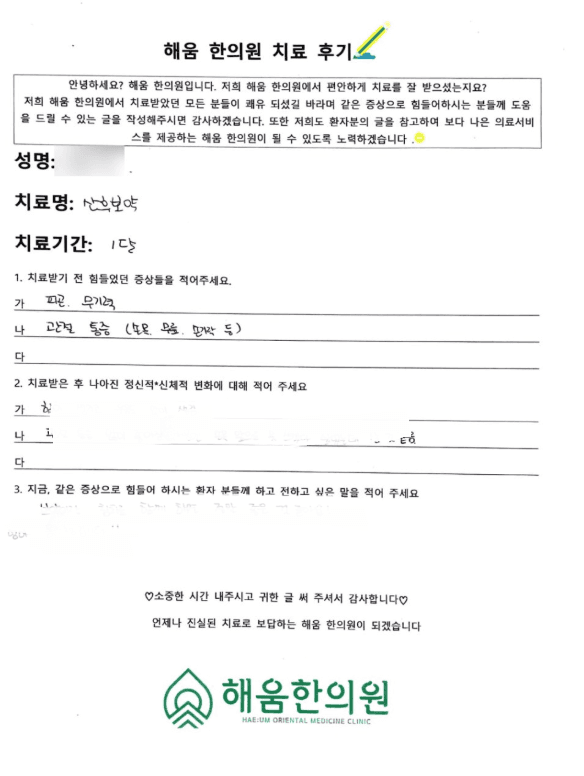
- 치료후기 1건
- 의료진 칼럼 2편
산후풍이란?
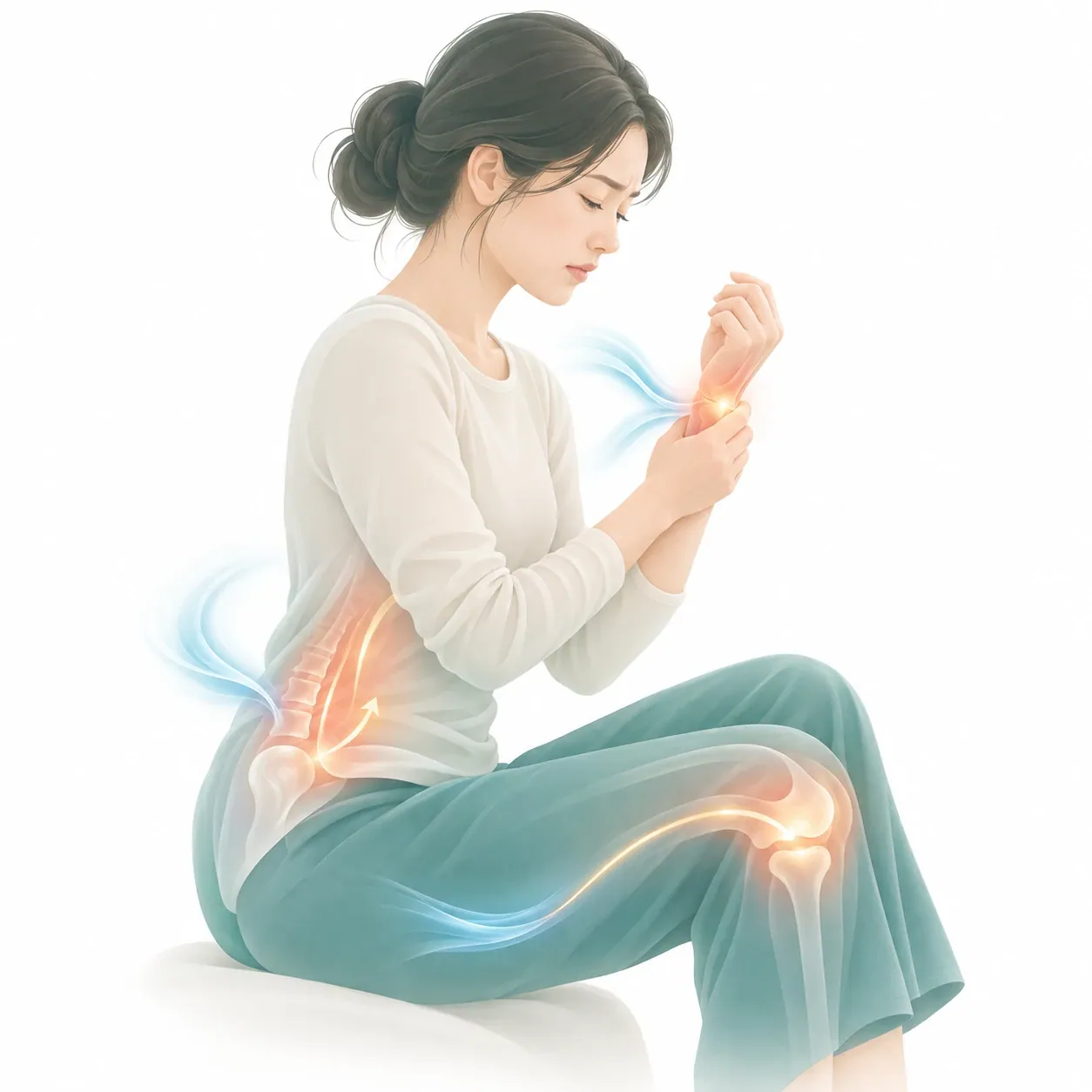
산후풍은 출산 뒤 뼈마디가 시리고 아프며, 찬 바람이나 찬물에 유난히 예민해지는 증상입니다. 산후(産後)에 바람(風)이 든 듯하다는 뜻의 한의학 이름으로, 서양의학에는 같은 병명이 없습니다. 해외 논문에서는 산욕기 풍증후군(Puerperal wind syndrome)이라고 부르며, 현재는 대개 증상에 맞춰 치료합니다[1].
산모의 57.5%가 출산 뒤 새로 손목 통증을 겪었고, 그중 84%는 2개월 뒤에도 통증이 계속되었습니다[2]. 첫 출산인 산모에게 더 흔합니다[2,3]. 임신 무렵 골반 통증을 겪은 여성을 12년 뒤에 조사하니 응답자의 40.3%가 여전히 통증이 있었습니다[4]. 저절로 나을 것이라고 기다리며 넘길 일만은 아닙니다.
이런 증상이 있나요?
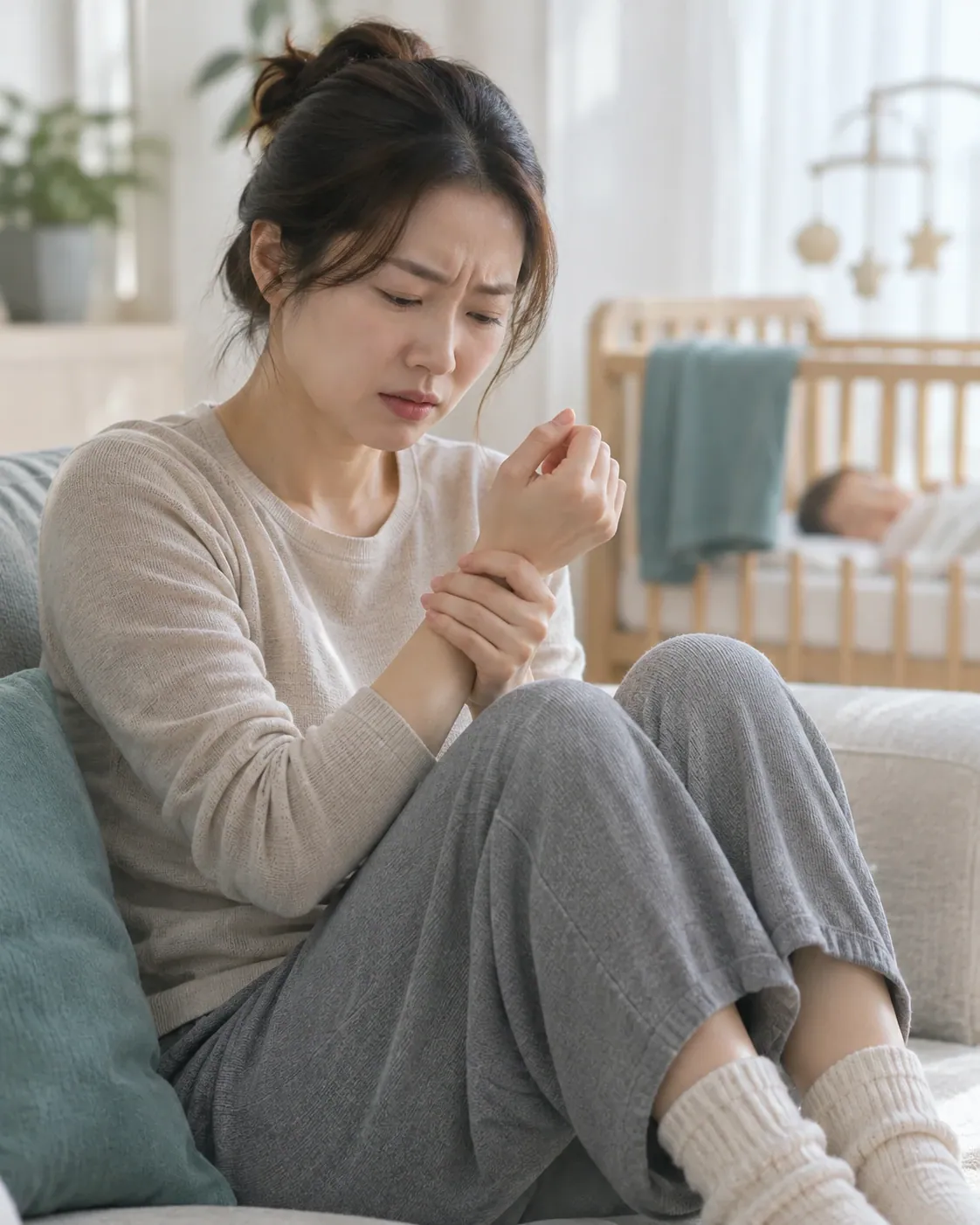
- 손목, 손가락, 무릎, 발목이 시리고 아프다
- 찬 바람이나 찬물에 닿으면 뼛속까지 시리다
- 허리와 골반이 뻐근하고 아이를 안기 힘들다
- 온몸이 쑤시고 비 오기 전에 더 아프다
- 다른 사람보다 땀이 많이 나고 금세 으슬으슬하다
- 검사는 정상인데 아프고 쉽게 지친다
산후풍은 혈액 검사나 영상 검사로 확인되는 병이 아니어서, 출산 뒤에 시작된 증상과 경과를 듣고 판단합니다.
산후풍은 왜 생기나요?
- 출산 때의 출혈과 체력 소모(출산 1주 뒤 빈혈 14~24%)[6]
- 늘어난 인대와 관절이 회복되기 전에 아이를 안고 수유하는 것
- 첫 출산(손목 건초염 2.23배)[3]
- 밤중 수유와 토막 잠
- 굶는 다이어트와 불규칙한 식사
- 찬 바람과 에어컨
산후풍은 몸만의 문제가 아닙니다. 아이가 언제 깰지 몰라 긴장이 이어지면 교감신경이 곤두서고, 소화기와 자궁, 팔다리로 가는 혈관이 조입니다. 뼈마디로 영양이 가지 못하니 작은 찬 기운에도 시리고 아픕니다. 통증과 마음도 함께 움직입니다. 허리와 골반이 아픈 산모는 우울 증상이 약 3배 많았습니다(31% 대 9%)[7].
산후풍의 표준 치료
산후풍만을 위한 표준 치료는 따로 없습니다. 먼저 관절염, 빈혈, 갑상선 문제가 없는지 확인합니다. 이상이 없으면 소염진통제와 찜질, 물리치료로 증상을 다스립니다. 허리와 골반 통증에는 근력 운동이 도움이 되어, 운동한 산모의 통증이 10점 척도에서 2.21점 더 줄었습니다[8].
문제는 검사가 정상인데 계속 아픈 경우입니다. 정상적인 몸 상태라면 진작에 회복되었을 정도의 통증도 출산 후 아이를 돌보면서 못 자고 못 먹는 기간 동안에는 쉽게 회복되지 않습니다. 진통제는 그때뿐이고, 수유 중이라 약을 망설이는 산모도 많습니다. 시린 증상을 풀려면 뼈마디까지 따뜻한 피가 돌아야 합니다. 곤두선 자율신경을 가라앉히고 소모된 기혈을 채워야 합니다. 한의학 치료는 바로 이 바탕을 다스립니다.
산후풍을 다룬 무작위 연구 9편, 652명을 모은 분석에서 한약은 통증과 삶의 질을 개선했고, 이상반응은 가벼웠습니다[1].
해움한의원은 이렇게 치료합니다
해움한의원은 시린 곳만 보지 않습니다. 출산 뒤 몸이 어느 방향으로 무너졌는지, 왜 회복되지 않는지를 먼저 봅니다.
1단계. 시리고 아픈 원인을 찾습니다
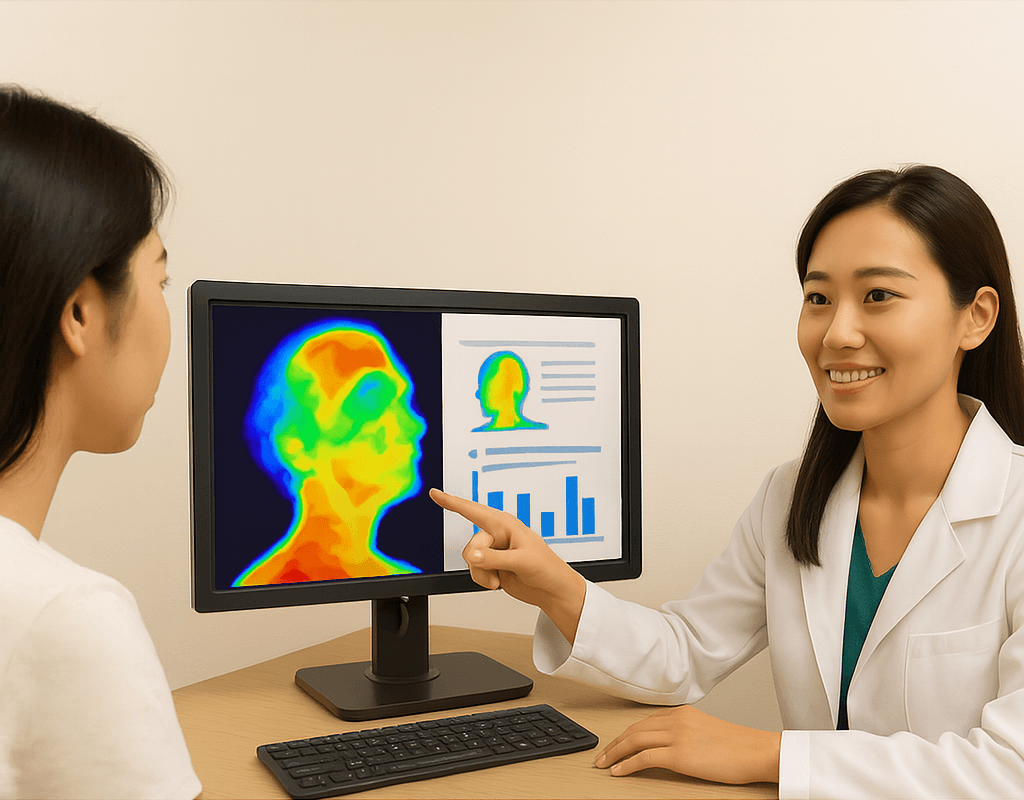
분만과 출혈, 수유, 수면, 소화를 자세히 살펴봅니다. 관절이 붓거나 빈혈이 의심되면 검사와 진료를 먼저 안내해 드립니다. 심박변이도로 자율신경의 상태를 확인합니다.
2단계. 굳은 뼈마디에 온기를 돌립니다
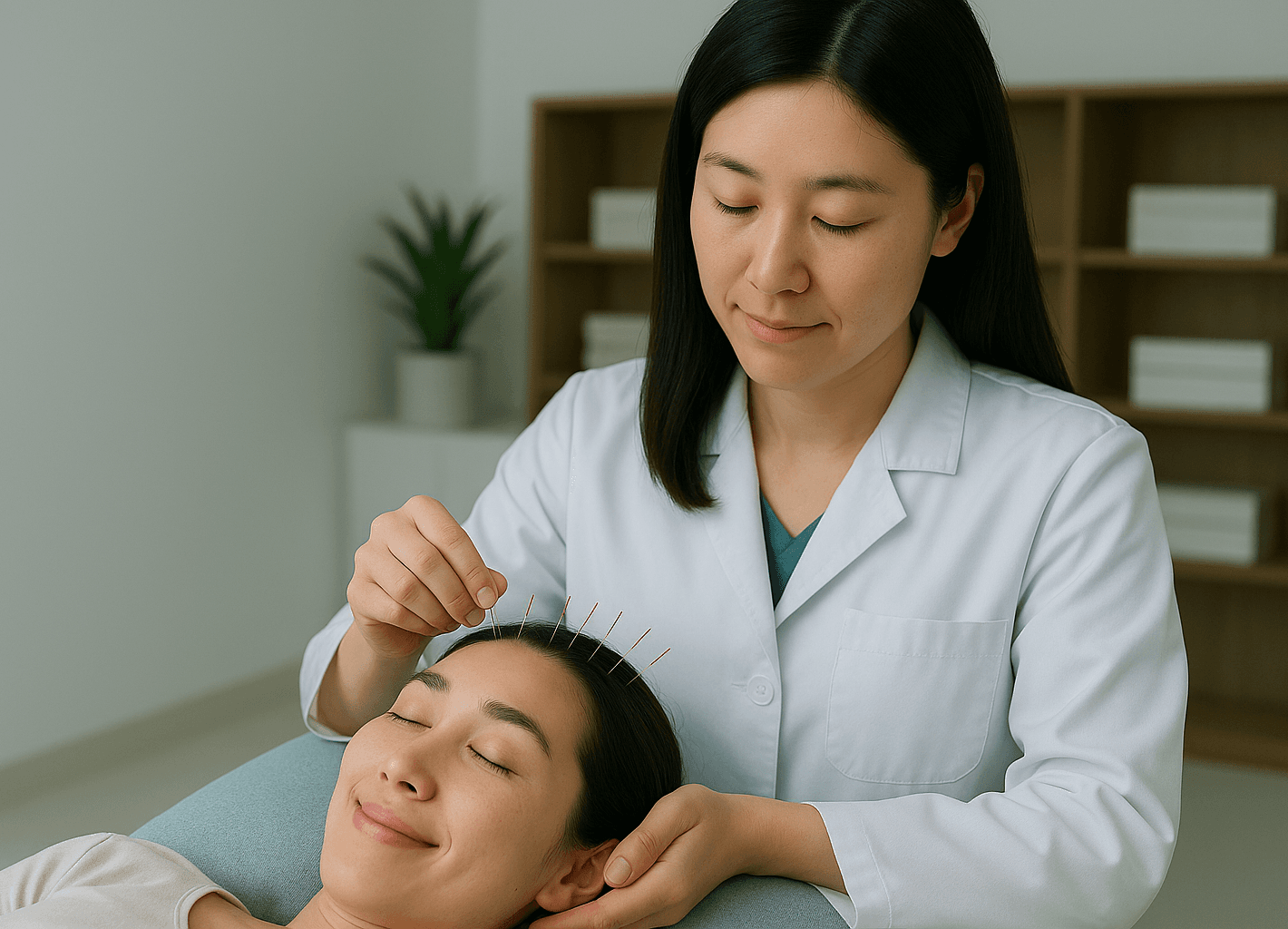
침과 뜸, 약침으로 손목, 무릎, 허리, 골반의 통증을 돌보고 자율신경을 안정시킵니다. 아이를 안는 자세와 수유 자세, 보온 방법도 함께 정합니다.
3단계. 유형에 맞춰 바탕을 다스립니다
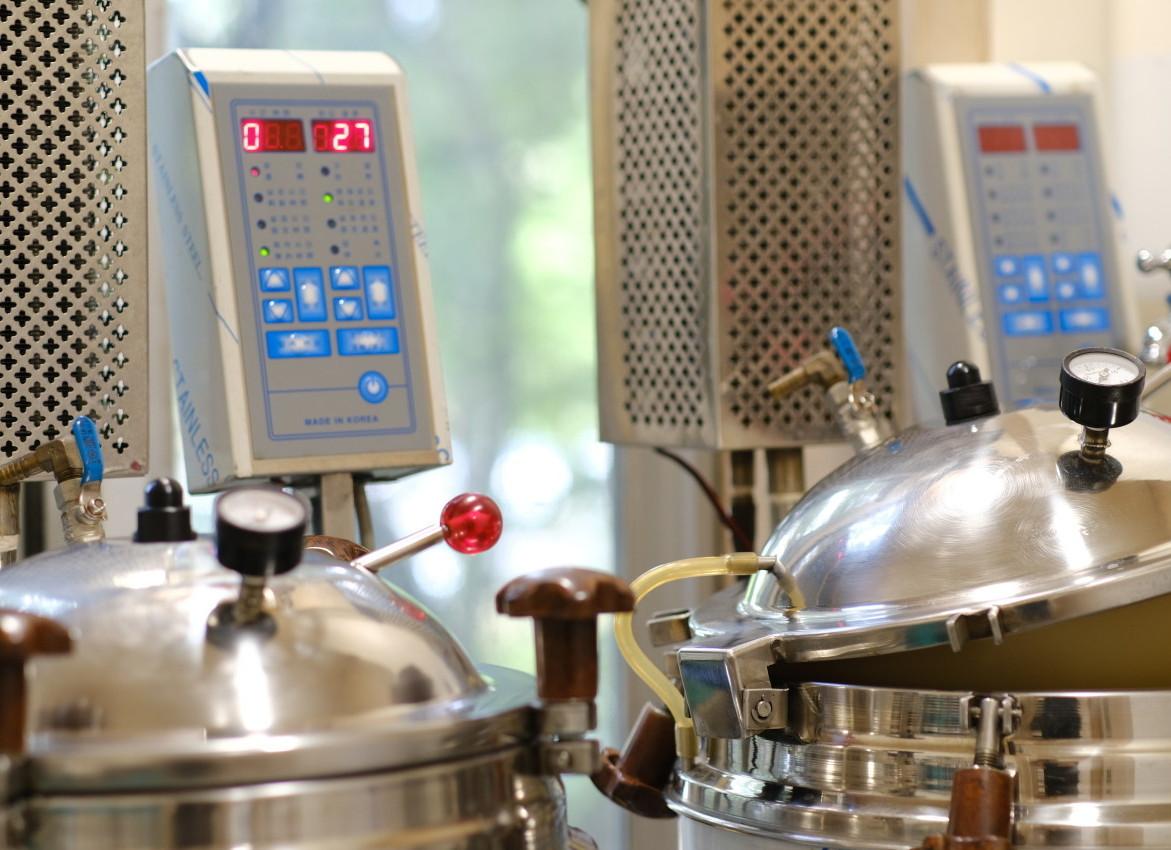
체질과 상태에 맞춰 한약을 짓습니다. 한약으로 기혈을 채우고 뼈마디를 따뜻하게 하며, 붓기를 내리고 순환을 돕습니다.
4만 건의 처방 사례가 말해주는, 한방 맞춤 치료의 힘
산후풍, 누가 진료하나요?
담당 의료진
대표원장 박재은

“병이 아니라 그 뒤의 사람을 봅니다”
경희대학교 한의학박사이자 여한의사입니다. 심리상담사 1급 자격, 20만명 차트분석과 4만건 이상의 한약 처방 경험을 바탕으로 진료합니다.
의료진 소개 더보기산후풍, 자주 묻는 질문
산후풍은 저절로 낫나요?
출산하고 몇 년이 지났는데 치료할 수 있나요?
모유 수유 중에도 치료받을 수 있나요?
여름에도 양말을 신어야 하나요?
정형외과 치료와 함께 받아도 되나요?
치료 기간은 얼마나 걸리나요?
생활에서 어떻게 관리해야 하나요?
해움한의원에서 산후풍을 진료하나요?
산후풍으로 내원하려면 어떻게 하나요?
이런 경우에는 바로 진료를 받으세요
산후의 통증과 함께 아래 증상이 있으면 관절염이나 혈전, 감염의 신호일 수 있습니다. 한의원보다 응급실이나 해당 진료과를 먼저 찾으세요.
- 가슴이 아프고 숨이 차다: 119
- 한쪽 다리가 붓고 아프거나 뜨겁다
- 고열이 나거나 관절이 벌겋게 붓고 뜨겁다
- 아침마다 손가락이 뻣뻣하고 여러 관절이 붓는다
- 손에 힘이 빠져 물건을 놓치거나 다리에 힘이 빠진다
참고문헌 8편
[1]Kwon NY, Lee HY, Hwang SI, Sung SH, Cho SJ, Yoon YJ, et al. Herbal Medicine for Postpartum Pain: A Systematic Review of Puerperal Wind Syndrome (Sanhupung). Healthcare (Basel). 2023;11(20):2743. doi:10.3390/healthcare11202743. PMID: 37893817.
초록 (Abstract)
Mothers in the postpartum period often experience musculoskeletal disorders and pain, impacting their ability to care for themselves and their infants. Conventional treatments have limitations, prompting interest in alternative options like herbal medicine. This systematic review aimed to confirm the effectiveness and safety of herbal medicine treatment to improve maternal health in patients with postpartum pain (puerperal wind syndrome). We searched eight electronic databases for randomized controlled trials (RCTs) to evaluate the effects of herbal medicines on puerperal wind syndrome. Nine RCTs, including 652 patients, were selected. Following a meta-analysis of RCTs, both herbal medicine and combination treatments improved the visual analog scale scores, total effective rate, scores of Traditional Chinese Medicine syndromes, Oswestry Disability Index, and quality of life in patients with role-emotional puerperal wind syndrome. All adverse events were minor, and the incidence rate was not high compared with that of the control group. In conclusion, herbal medicine supports the improvement in pain, other systemic symptoms, and the quality of life of patients with puerperal wind syndrome. Moreover, no serious side effects were observed; therefore, herbal medicines appear to be safe. It can be the preferred treatment option for puerperal wind syndrome, which is currently managed symptomatically.
결과 (Results)
3.1. Study Selection and Description: The database searches identified 1497 potentially related studies, and we identified 3 articles through other sources. After excluding 99 duplicated articles, 246 RCTs were considered for full-article assessment by reviewing titles and abstracts. Of them, 171 were not RCTs, 55 included interventions that were not herbal medicine, and 11 were unqualified control interventions; all of them were excluded for eligibility. In the end, nine RCTs were included in our review. All the studies were conducted in China and published in Chinese. Figure 1 presents a flowchart of the study selection process recommended by the Preferred Reporting Items for Systematic Reviews and Meta-Analyses guidelines. The specifics of the included studies are summarized in Table 1.
3.2. Participants: In total, 652 patients with puerperal wind syndrome were included. The experimental and control groups included 326 patients each. The final analyses included 324 and 323 patients from the experimental and control groups, respectively.
3.3. Intervention: We compared herbal medicine with conventional treatment, herbal medicine in combination with conventional treatment versus conventional treatment alone, and herbal medicine in combination with other traditional Korean treatments (e.g., moxibustion, warm needle acupuncture, or Chuna) versus other traditional Korean treatments alone. Five RCTs compared herbal medicines with conventional treatment. One study compared herbal medicine plus indomethacin cataplasm and indomethacin cataplasm alone. One study compared herbal medicine plus warm needle acupuncture and warm needle acupuncture alone, herbal medicine plus moxibustion and moxibustion alone, and herbal medicine plus Chuna and Chuna alone. Table 2 and Table 3 shows the characteristics of the herbal and conventional medicine interventions included in the RCTs.
3.3.1. Name of Prescription: The prescription names were noted in all the studies. The Wenjing decoction and Chanhoubi decoction were included in two studies. In addition, the Xiaoxuming Tang, Huangqi Guizhi Wuwu, Yangyuan Huoxue, Duhuo Jisheng, and Duhuo Jisheng decoctions were used in one study.
3.3.2. Herbs Used in the Included Studies: A total of nine studies used 50 herbs. The most frequently used herbs were Angelicae Gigantis Radix, Glycyrrhizae Radix et Rhizoma, and Paeoniae Radix Alba, which were used in eight studies; Asiasari Radix et Rhizoma was used in seven studies; Cinnamomi Ramulus and Cnidii Rhizoma were used in six studies; Acontii Lateralis Radix Preparata and Astragali Radix were used in five studies; Achyranthis Radix, Moutan Cortex, Poria Sclerotium, and Saposhnikoviae Radix were used in four studies; Araliae Continentalis Radix, Asini Corii Colla, Atractylodis Rhizoma Alba, Cinnamomi Cortex, Eucommiae Cortex, Gingseng Radix, Liriopis Tuber, and Zingiberis Rhizoma Recens were used in three studies (Figure 2).
3.3.3. Modified Herbs: In four studies, the herbs were modified according to symptoms. The first medicinal herb was added according to the part of the body where the pain was severe. For lower extremity pain, Achyranthis Radix, Araliae Continentalis Radix, Sinomeni Caulis et Rhizoma, and Piperis Kandsurae Caulis were applied. In the case of upper extremity pain, Osterici Radix, Curcumae Longae Rhizoma, and Gentianae Macrophyllae Radix were added. In cases of lower back pain, Loranthi Ramulus, Dipsaci Radix, and Eucommiae Cortex were added. In cases of chronic impediment disease, Scolopendrae Corpus and Asiasari Radix et Rhizoma were added. In cases of headaches, Cnidii Rhizoma was added. Considering the accompanying systemic symptoms, if a patient complained of aversion to wind, Araliae Continentalis Radix, Aconiti Tuber, and Saposhnikoviae Radix were added, and Cervi Cornus Colla was added for aversion to cold. In the case of spontaneous sweating, Trtici Levis Semen and Ephedrae Radix et Rhizoma were added; in the case of sleep inability, Zizyphi Spinosi Semen and Polygoni Multiflori Caulis were added; and in the case of reduced food intake, Galli Stomachichum Corium was added (Table 2).
3.3.4. Duration and Frequency of Taking Herbal Medicine: The duration of herbal medicine use varied from 7 days to 3 months. In three studies, most participants took herbal medicine for 1 month. The frequency of herbal medicine use was twice a day in five studies, three times a day in two studies, and once a day in two studies (Table 2).
3.3.5. Formulation of Herbal Medicine: The formulation of herbal medicine was a decoction in all nine studies.
3.4. Outcomes / 3.4.1. Pain (Visual Analog Scale [VAS]): We analyzed three RCTs comparing the degree of pain improvement using VAS between the herbal and Western medicine treatments. The pain reduction effect of the herbal medicine treatment group was statistically better than that of the Western medicine treatment group (n = 217, risk ratio (RR): −1.40, 95% CI −2.02 to −0.78, p < 0.00001; Figure 3).
One study reported a VAS score comparing herbal medicine plus warm needle acupuncture with warm needle acupuncture alone; herbal medicine plus warm needle acupuncture significantly improved the VAS score (p < 0.00001).
One study compared herbal medicine plus moxibustion with moxibustion alone and found that herbal medicine plus moxibustion resulted in a significantly better improvement in the VAS score (p < 0.05).
One RCT compared herbal medicine plus Chuna with Chuna and found that herbal medicine plus Chuna significantly improved the VAS score (p < 0.0001).
3.4.2. Total Effective Rate: Five RCTs compared the treatment effects of herbal medicine and Western medicine using the total effective rate; the total effective rate of the herbal medicine group was statistically higher than that of the Western medicine treatment group (n = 369, RR 1.19, 95% CI 1.10 to 1.29, p < 0.0001, Figure 4, Table 4).
One study reported that the total effective rate for puerperal wind syndrome was higher in the treatment group than in the control group; however, the difference was not significant (p = 0.11), (Table 4).
One study compared herbal medicine plus moxibustion with moxibustion alone and found that herbal medicine plus moxibustion was more effective than moxibustion in the control group; however, there was no significant difference in the total effective rate (p = 0.28), (Table 4).
One RCT compared herbal medicine plus Chuna with Chuna alone and found that herbal medicine plus Chuna significantly improved the total effective rate (p < 0.05), (Table 4).
3.4.3. Scores of TCM syndromes: Three RCTs comparing herbal medicine with conventional treatment reported significant effects in the herbal medicine group with respect to TCM syndrome scores for puerperal wind syndrome (n = 217, RR −4.05, 95% CI −6.05 to −2.05, p < 0.0001, Figure 5).
3.4.4. Oswestry Disability Index (ODI): One RCT comparing herbal medicine plus Chuna versus Chuna alone reported that herbal medicine plus Chuna significantly improved the ODI scores (p < 0.0001).
3.4.5. QOL: Three RCTs were used to evaluate the QOL. The 36-Item Short-Form Survey (SF-36) was used in two studies, and the World Health Organization Quality of Life Scale (WHOQOL-BREF) was used in one study. Lu’s RCT used SF-36 and physical functioning, bodily pain, social functioning, and role-emotional as indicators, and the treatment group showed significantly improved results (p < 0.00001). Chen’s RCT also used SF-36, role-physical (p < 0.001), general health (p = 0.002), vitality (p ≤ 0.0001), social functioning (p < 0.002), role-emotional (p = 0.0008), and mental health (p = 0.001), and all of them were more effective in the treatment group than in the control group. One RCT reported significant effects with respect to the WHOQOL-BRE for puerperal wind syndrome (p < 0.05).
As a result of a meta-analysis of two RCTs comparing herbal medicine versus conventional treatment, the role-emotional indicator of the herbal medicine group was significantly improved (n = 172, RR 14.33, 95% CI 13.13 to 15.53, p < 0.00001, Figure 6), and social functioning was also improved; however, there was no statistical significance (n = 172, RR 11.14, 95% CI −2.21 to 24.50, p = 0.10, Figure 7).
One study reported that herbal medicine plus conventional treatment significantly improved QOL scores (p < 0.00001).
In one study comparing herbal medicine plus warm needle acupuncture versus warm needle acupuncture alone, herbal medicine plus warm needle acupuncture significantly improved the SF-36 scores (p < 0.0001).
3.4.6. Adverse Events: Mild adverse events were reported in five studies. The adverse events in the treatment group included nausea, vomiting, gastrointestinal discomfort, headaches, pain, and fatigue. The pooled effects of the five studies were higher in the control group than in the experimental group; however, they were not statistically significant (n = 350, risk difference −0.06, 95% CI −0.13 to 0.01, p = 0.07, I2 = 35%, Figure 8).
원문 발췌 · Kwon NY, Lee HY, Hwang SI, Sung SH, Cho SJ, Yoon YJ, Park JK, Healthcare (Basel) 2023 · CC BY 4.0 라이선스에 따라 수정 없이 인용했습니다(본문 속 인용 번호는 생략).
[2]Sit RWS, Tam WH, Chan DCC, Yip BHK, Tam LWY, Chow LLY, et al. A Pilot Cross-Sectional Study of Postpartum Wrist Pain in an Urban Chinese Population: Its Prevalence and Risk Factors. Pain Physician. 2017;20(5):E711-E719. PMID: 28727715.
요약 홍콩 산모 259명의 전화 조사입니다. 57.5%가 출산 뒤 새로 손목 통증을 겪었고, 그중 84%는 출산 2개월 뒤에도 아팠습니다. 양쪽 손목이 함께 아픈 경우가 56.8%였습니다.원문은 출판사 저작권 자료로, 위 링크에서 확인하실 수 있습니다.
[3]Daglan E, Morgan S, Yechezkel M, Rutenberg TF, Shemesh S, Iordache SD, et al. Risk Factors Associated With de Quervain Tenosynovitis in Postpartum Women. Hand (N Y). 2024;19(4):643-647. doi:10.1177/15589447221150524. PMID: 36692105.
초록 (Abstract)
Background: De Quervain (DQ) disease is caused by stenosis of the first dorsal compartment containing the abductor pollicis longus and extensor pollicis brevis. This condition affects women 6 times more than men and is also commonly reported in pregnant and lactating women. The natural course of the disease and associated risk factors are not well understood. In this study, we described the gestational risk factors associated with postpartum DQ.
Methods: Sixty-three postpartum women with DQ were included in final study population. Medical records were reviewed for patient characteristics, including age, comorbidities, and body mass index (BMI), and gestational information, including length of pregnancy, gestation number, single or twin birth, and weight at birth. Odds ratio (OR) for developing DQ tenosynovitis were calculated with the control group of 630 postpartum women without DQ who gave birth between 2012 and 2020 in the same district.
Results: Length of pregnancy (>40 weeks, OR = 5.81 [3.29-10.28]), first childbirth (OR = 2.23 [1.32-3.77]), and weight (BMI > 25, OR = 2.08 [1.14-3.81]) were all statistically significant risk factors associated with developing DQ. Number of fetuses > 1 (OR = 0.98 [0.29-3.33]) and birth weight more than 3.5 kg (OR = 0.60 [0.30-1.21]) were not associated with higher risk of DQ.
Conclusions: Gestational risk factors associated with developing postpartum DQ include first pregnancy and long pregnancy of more than 40 weeks. Interestingly, child’s birthweight and number of fetuses, both factors that might increase load on the first dorsal compartment while holding the child, were not shown to increase the risk of postpartum DQ.
결과 (Results)
A total of 180 women with a diagnosis of DQ were identified from our search query. Following exclusions, the final case population for the analysis consisted of 63 patients (Figure 1). The control group consisted of 630 postpartum healthy women from the general population.
Of the 63 patients with a diagnosis of DQ, 3 (4.7%) were smokers, 4 (6.3%) were diabetic, 5 (7.9%) had a diagnosis of hypothyroidism, 3 (4.7%) had a diagnosis of asthma, 2 (3.1%) had a diagnosis of fibromyalgia, and 1 (1.5%) had a diagnosis of rheumatoid arthritis (Table 1). Fibromyalgia was the only comorbidity that was significantly higher in the patient’s population compared with the general population. Mean age of baby at onset of symptoms was 5.4 months. Mean duration of symptoms was 5.15 months.
Key demographics found in our cohort included mean age of 33.7 years and BMI 25.3 (comparable with the control group). Total number of pregnancies was lower for women with DQ compared with the control group (DQ: 3, control: 3.61, P =.02). The average fetal weight of 3064.35 g was significantly lower than the weight of the control group (3222.58 g, P =.02). For patients with a diagnosis of DQ, the mean pregnancy week was 39.79 and was significantly higher than the control group (P <.001; Table 2).
Length of pregnancy (greater than 40 weeks) was the strongest risk factor for the development of DQ (OR = 5.81, 3.29-10.28). First child (OR = 2.23, 1.32-3.77) and BMI more than 25 (OR = 2.08, 1.14-3.81) were all factors that were found to have a statistically significant association with a diagnosis of DQ (Table 3). No significant association was noted between birth weight or twin birth and the development of DQ.
원문 발췌 · Daglan E, Morgan S, Yechezkel M, Rutenberg TF, Shemesh S, Iordache SD, Kadar A, Hand (N Y) 2024 · CC BY 4.0 라이선스에 따라 수정 없이 인용했습니다(본문 속 인용 번호는 생략).
[4]Bergström C, Persson M, Nergård KA, Mogren I. Prevalence and predictors of persistent pelvic girdle pain 12 years postpartum. BMC Musculoskelet Disord. 2017;18(1):399. doi:10.1186/s12891-017-1760-5. PMID: 28915804.
초록 (Abstract)
Background: Pelvic girdle pain (PGP) is not always a self-limiting condition. Women with more pronounced persistent PGP (PPGP) report poorer health status compared to women with less pronounced symptoms. The knowledge concerning the long-term consequences of PPGP is limited, thus more knowledge in this area is needed. The overall aim was to study the prevalence and predictors of PPGP 12 years after delivery.
Methods: This is a long-term follow-up study based on a previous cohort study that commenced in 2002. New questionnaire data 12 years postpartum were collected in 2014 and early 2015. The questionnaire was distributed to a total of 624 women from the initial cohort.
Results: In total, 295 women (47.3%) responded to the questionnaire where 40.3% (n = 119) reported pain to a various degree and 59% (n = 174) reported no pain. Increased duration and/or persistency of pain, self-rated health, sciatica, neck and/or thoracic spinal pain, sick leave the past 12 months, treatment sought, and prescription and/or non-prescription drugs used were all associated with an statistically significant increase in the odds of reporting pain 12 years postpartum. Widespread pain was common and median expectation of improvement score was 5 on an 11-point numeric scale (interquartile range 2–7.50). More than one of five women (21.8%) reporting pain stated that they had been on sick leave the past 12 months and nearly 11% had been granted disability pension due to PPGP. No statistically significant differences were found between respondents and non-respondents regarding most background variables.
Conclusions: This study is unique as it is one of few long-term follow-up studies following women with PPGP of more than 11 years. The results show that spontaneous recovery with no recurrences is an unlikely scenario for a subgroup of women with PPGP. Persistency and/or duration of pain symptoms as well as widespread pain appear to be the strongest predictors of poor long-term outcome. Moreover, widespread pain is commonly associated with PPGP and may thus contribute to long-term sick leave and disability pension. A screening tool needs to be developed for the identification of women at risk of developing PPGP to enable early intervention.
결과 (Results)
The mean maternal age of all respondents at Q1 was 30.7 years and mean age at filling out Q4 was 42.9 years, yielding a mean time distance of 12.1 years (SD and 95% confidence interval (CI) in parenthesis) between Q1 and Q4 (SD 0.3, 95% CI 12.1–12.1). Out of the total respondents (N = 295), n = 119 (40.3%) reported pain to a various degree, and n = 174 (59.0%) reported ‘no pain’ or ‘pain on a few occasions’ and thus were placed in the ‘no pain’ group. One woman reported to be pregnant when responding to Q4. Relationship satisfaction to the partner since the last delivery was rated as ‘good’ or ‘very good’ by most women and few reported that their relationship had changed positively or negatively since Q1. In general, the women were satisfied with their sexual life and did not feel that it had changed since Q1.
Table 1 describes the study sample and the characteristics of women at baseline at Q4 with a mean age of 43.3 years (SD 4.6). Almost 90% of the women were married or cohabiting and most had not changed partner since 2002. The mean number of children born after 2002 (Q1) was 1.5 with 95% CI 1.3–1.6 (median 1 child). Almost 50% of the women reported to be of ‘normal weight’ and the mean BMI (kg/m2) was 25.6 (SD 5.2) at Q4. Women with PPGP at Q4 reported their SRH to be ‘fair to poor’ to a statistically significant higher degree compared to women reporting ‘no pain’ (p < 0.0001). Most women (69.9%) reported that they participated in regular physical activity.Table 1Descriptive information and comparison between women reporting pain versus no pain 12 years postpartumStudy groupNo painPain P-value* n = 295 n = 174 n = 119 Age in years, mean (SD)43.3 (4.6)43.5 (4.4)42.9 (4.9)0.14Marital status Married/cohabiting223 (87.8)130 (88.4)92 (87.6)0.43 Relationship but not cohabiting9 (3.5)3 (2.0)5 (4.8) Single22 (8.7)14 (8.0)8 (7.6)Educational level at Q1 Up to high school/folk school151 (52.2)86 (50.9)64 (54.2)0.58 University or higher138 (47.8)83 (49.1)54 (45.8)Number of children born after 2002 1101 (65.2)64 (66.7)36 (62.1.)0.84 244 (28.4)26 (27.1)18 (31.0) ≥ 310 (3.4)6 (6.3)4 (6.9)Total number of children 170 (23.7)41 (23.6)28 (23.5)0.85 286 (52.9)49 (28.2)37 (31.1) ≥ 3139 (47.1)84 (48.3)54 (45.4)BMI Normal weight142 (49.5)84 (49.4)57 (49.6)0.98 Obesity, overweight, underweight145 (50.5)86 (50.6)58 (50.4)Low back pain before pregnancy in 2002 No55 (52.9)28 (58.3)27 (48.2)0.12 Yes49 (47.1)20 (41.7)29 (51.8)Self-rated health the past 12 months Quite good to very good187 (63.8)134 (77.5)52 (44.1)<0.0001 Fair to poor106 (36.2)39 (22.5)66 (55.9)Physical activity Yes204 (69.9)127 (73.4)76 (65.0)0.12 No88 (30.1)46 (26.6)41 (35.0)Days with PPGPa the past 12 months < 30 days89 (44.7)67 (83.8)21 (17.9)<0.0001 ≥ 30 days110 (55.3)13 (16.3)96 (82.1)Sciatica No79 (39.9)46 (57.5)33 (28.4)<0.0001 Yes119 (60.1)34 (42.5)83 (71.6)Neck or thoracic pain the past 12 months No91 (45.5)48 (59.3)43 (36.8)0.002 Yes109 (54.5)33 (40.7)74 (63.2)Days with neck or thoracic pain the past 12 months < 30 days62 (37.1)31 (47.7)31 (31.0)0.03 ≥ 30 days105 (62.9)34 (52.3)69 (69.0)Sick leave due to PPGPa the past 12 months No167 (86.5)71 (93.4)94 (81.7)0.05 Yes26 (13.5)5 (6.6)21 (18.3)Days on sick leave due to LBP2/PPGP1 < 15 days13 (48.1)5 (83.3)8 (38.1)0.05 ≥ 15 days14 (51.9)1 (16.7)13 (61.9)Degree of sick leave due to LBPb/PPGPa Fulltime24 (88.9)4 (100.0)20 (87.0)0.44 Part time3 (11.1)–3 (13.0)Disability pension due to PPGPa No177 (93.2)74 (97.4)101 (90.2)0.06 Yes13 (6.8)2 (2.6)11 (9.8)Treatment sought since last delivery due to PPGPa No106 (53.8)54 (67.5)50 (43.5)0.001 Yes91 (46.2)26 (32.5)65 (56.5)Prescription and/or non-prescription drugsc No160 (54.8)109 (63.0)51 (43.6)0.001 Yes132 (45.2)64 (37.0)66 (56.4)Smoking No280 (94.9)168 (96.6)111 (93.3)0.20 Yes15 (5.1)6 (3.4)8 (6.7)Snuff No269 (91.2)159 (91.4)108 (90.8)0.85 Yes26 (8.8)15 (8.6)11 (9.2)Alcohol consumption (AUDITd) Never41 (13.9)22 (12.6)18 (15.1)0.43 Once a month or less110 (37.3)59 (33.9)50 (42.0) 2–4 times a month120 (40.7)78 (44.8)42 (35.3) 2–3 times a week23 (7.8)14 (8.0)9 (7.6) 4 times a week or more often1 (0.3)1 (0.6)–Background descriptive information of participants and comparison for difference between women reporting pain versus no pain at Q4 unless otherwise specified (analysed by Pearson’s chi-square and t-test as appropriate)Numbers in parenthesis are percentage unless otherwise specified a Persistent pelvic girdle pain (PPGP) b Low back pain (LBP) c Use of prescription and/or non-prescriptions drugs on a regular basis d Alcohol Use Disorders Identification Test (AUDIT)* Significance test p < 0.05
Over 55% (n = 110) reported PPGP of ≥30 days the past 12 months and reported PPGP at Q4 to a higher extent compared to women with ‘no pain’ (p < 0.0001). Women with pain at Q4 more often reported NP and/or TSP the past 12 months (p = 0.002) and sciatica (p < 0.0001) compared to women reporting ‘no pain’. In total, 26 women (13.5%) reported having been on sick leave due to PPGP and/or LBP in the past 12 months demonstrating a significant difference between women reporting ‘pain’ versus ‘no pain’ (p = 0.05). Furthermore, one of five women (21.8%) reporting ‘pain’ at Q4 reported that they had been on sick leave in the past 12 months and most had been so on a full-time basis with duration of more than 15 days. In addition, a total of 13 women (6.8%) had been granted disability pension due to PPGP at Q4 with the majority belonging to the ‘pain’ group.
More than half of the women (53.8%) had not sought any healthcare due to PPGP since their last delivery. However, women with reported pain at Q4 has sought treatment and used prescription and/or non-prescription drugs to a higher extent compared to women reporting ‘no pain’ (p < 0.0001 and p < 0.0001 respectively). For those who had sought healthcare due to PPGP in the past 12 months, physiotherapy was the most common service pursued followed by consultation with a medical doctor (Fig. 2). A minority of women smoked or used snuff (5.1% and 8.8% respectively). The most commonly reported alcohol intake was 2–4 times a month (40.7%). The responding women had a median expectation of improvement score of 5 (interquartile range [IQR], 2–7.50) (Fig. 3).Fig. 2Most common healthcare sought the past 12 months at Q4 Fig. 3Reported expectation of improvement using 11-point numeric rating scale (NRS) where 0 denotes ‘no chance’ and 10 ‘very good chance’
Table 2 show that women assessing their SRH as ‘fair to poor’ the past 12 months were more than four times as likely (with 95% CI in parenthesis) to report pain at Q4 compared to women reporting ‘quite good to very good’ SRH (OR 4.36, (2.62–7.26), p < 0.0001). Further, the OR of reporting pain at Q4 for women reporting sciatica or NP/TSP the past 12 months was: OR 3.40 (1.87–6.20), p < 0.0001, and OR 2.50 (1.40–4.48), p = 0.002, respectively. Women reporting ≥30 days with PPGP the past 12 months were 23 times as likely to report pain at Q4 compared to women reporting no pain, whereas NP/TSP for ≥30 days the past 12 months was associated with an increased OR of 2.03 (1.06–3.87), p = 0.03. Sick leave the past 12 months was associated with a three-fold increase in the OR of reporting pain at Q4. Additionally, there was a two- to three-fold increase in the likelihood of reporting pain at Q4 if treatment had been sought since the last delivery and if prescription and/or non-prescription drugs were used on a regular basis.Table 2Odds ratio for reporting pain 12 years postpartum using univariate logistic regressionPain or no pain 12 years postpartumNo painPainUnivariate OR for pain at Q495% CI1 p-value* n = 174 n = 119 Age in years, mean (SD)43.5 (4.4)42.9 (4.9)0.970.92–1.020.27Low back pain before pregnancy in 2002 No20 (41.7)29 (51.8)1 Yes28 (58.3)27 (48.2)1.050.62–1.800.86Self-rated health the past 12 months Quite good to very good134 (77.5)52 (44.1)1 Fair to poor39 (22.5)66 (55.9)4.362.62–7.26<0.0001Days with PPGPa the past 12 months < 30 days67 (83.8)21 (17.9)1 ≥ 30 days13 (16.3)96 (82.1)23.5611.03–50.32<0.0001Sciatica No46 (57.5)33 (28.4)1 Yes34 (42.5)83 (71.6)3.401.87–6.20<0.0001Neck or thoracic pain the past 12 months No48 (59.3)43 (36.8)1 Yes33 (40.7)74 (63.2)2.501.40–4.480.002Days with neck or thoracic pain the past 12 months < 30 days31 (47.7)31 (31.0)1 ≥ 30 days34 (52.3)69 (69.0)2.031.06–3.870.03Sick leave due to PPGPa the past 12 months No71 (93.4)94 (81.7)1 Yes5 (6.6)21 (18.3)3.171.14–8.820.03Days on sick leave due to LBPb/PPGPa < 15 days5 (83.3)8 (38.1)1 ≥ 15 days1 (16.7)13 (61.9)8.130.80–82.730.08Disability pension due to PPGPa No74 (97.4)101 (90.2)1 Yes2 (2.6)11 (9.8)4.030.87–18.730.08Treatment sought since last delivery due to PPGPa No26 (32.5)65 (56.5)1 Yes54 (67.5)50 (43.5)2.71.49–4.900.001Prescription and/or non-prescription drugsc No109 (63.0)51 (43.6)1 Yes64 (37.0)66 (56.4)2.201.37–3.560.001Odds ratio (OR) and their 95% confidence intervals (CI) for reporting pain 12 years postpartum in women reporting pain during pregnancy in 2002 analysed by univariate logistic regression a Persistent pelvic girdle pain (PPGP) b Low back pain (LBP) c Use of prescription and/or non-prescriptions drugs on a regular basisNumbers in parenthesis are percentage unless otherwise specified 1 95% confidence interval* Significance test p < 0.05
The 5th and final stepwise backward multivariate logistic regression model included days of PPGP the past 12 months, sciatica, NP/TSP the past 12 months, and days with NP/TSP the past 12 months and rendered in a statistically significant model with a Hosmer-Lemeshow test result of χ2 = 6.93, 6 degrees of freedom, p = 0.33 indicating a satisfactory goodness of fit (Table 3). Nevertheless, the Nagelkerke R 2 of 0.510 indicates that the model by itself is poor in predicting pain 12 years postpartum. In other words, the explanatory variables statistically significantly contribute to the prediction of the model, however the effect size is small.Table 3Odds ratios of reporting pain 12 years postpartum using multivariate logistic regressionPain or no pain 12 years postpartumNo painPainMultivariate OR for pain at Q495% CI1 p-value* n = 174 n = 119 Days with PPGPa the past 12 months < 30 days67 (83.8)21 (17.9)1 ≥ 30 days13 (16.3)96 (82.1)23.089.10–58.53<0.0001Sciatica No34 (42.5)83 (71.6)1 Yes26.4 (57.5)33 (28.4)2.310.93–5.730.07Neck or thoracic pain the past 12 months No48 (59.3)43 (36.8)1 Yes33 (40.7)74 (63.2)0.210.05–0.860.03Days with neck or thoracic pain the past 12 months < 30 days31 (47.7)31 (31.0)1 ≥ 30 days34 (52.3)69 (69.0)4.611.27–16.750.02Odds ratio (OR) and their 95% confidence intervals (CI) for reporting pain 12 years postpartum in women reporting pain during pregnancy in 2002 using multivariate logistic regression a Persistent pelvic girdle pain (PPGP)Variables with a p-value of 0.20 or less in the univariate analysis of life style and health status respectively were entered in a stepwise backward manner using the likelihood criteria. Only the final model of the multivariate regression analysis is presentedNumbers in parenthesis are percentage unless otherwise specified 1 95% confidence interval* Significance test p < 0.05
Non-respondents and consistency analysis: Almost all background variables collected at Q1 showed no statistically significant differences between the respondents and non-respondents with the exception that non-respondents had a higher number of children and had undergone a higher number of pregnancies at Q1 compared to the respondents. In addition, statistically significant differences were found in regard to age at Q4, where respondents were slightly older (mean age 43.3 years, SD 4.6) compared to non-respondents (mean age 42.3 years, SD 4.9), p = 0.013. Non-respondents reported a higher alcohol intake 3 months before the pregnancy in 2002 (Q1) compared to respondents (p = 0.04). Marital status also demonstrated significant differences between respondents and non-respondents, where non-respondents were single or in a relationship but not cohabiting to a higher extent compared to respondents (p = 0.04). However, the difference between the groups disappeared when ‘married’ and ‘cohabiting’ was merged.
The mean time distance from the first response of Q4 to the second response was calculated to be 6.5 months (SD 1.8, 95% CI 5.9–7.1). Background variables such as age, education level, marital status, number of children, and SRH at Q4 showed no statistically significant differences between those who responded once compared to those who responded twice. Consistency analysis of the 37 duplicate questionnaires received showed an excellent agreement (Cronbach’s alpha α ≥ 0.9) regarding prevalence of PPGP the past 12 months, weight, oral contraceptives (OC) use, smoking, alcohol consumption, regular use of prescription and non-prescription drugs, marital status, and change of partner. Good agreement (Cronbach’s alpha 0.9 > α ≥ 0.8) was demonstrated for pain intensity the past 12 months, neck and/or thoracic pain the past 12 months, NP and/or TSP for more or less than 30 days, physical exercise in the past 6 months, healthcare sought in the past 12 months, effect of chiropractic care, relationship satisfaction, sex life satisfaction. Further, LBP more or less than 30 days, sciatica in the past 12 months, pain intensity during the past week, physical activity between pregnancies, SRH, effect of massage treatment, and change in regard to relationship satisfaction showed acceptable agreement (Cronbach’s alpha 0.8 > α ≥ 0.7). However, questionable agreement (Cronbach’s alpha 0.7 > α ≥ 0.6) was shown for PGP during pregnancy of second child born after 2002, expectation of improvement and effect of analgesic. In addition, poor agreement (Cronbach’s alpha 0.6 > α ≥ 0.5) changes in satisfaction of sexual life after last delivery and unacceptable agreement (Cronbach’s alpha 0.5 > α) regarding PGP during the pregnancy of first child born after 2002 and physical exercise since last delivery.
원문 발췌 · Bergström C, Persson M, Nergård KA, Mogren I, BMC Musculoskelet Disord 2017 · CC BY 4.0 라이선스에 따라 수정 없이 인용했습니다(본문 속 인용 번호는 생략).
[5]Wallenius M, Skomsvoll JF, Irgens LM, Salvesen KA, Koldingsnes W, Mikkelsen K, et al. Postpartum onset of rheumatoid arthritis and other chronic arthritides: results from a patient register linked to a medical birth registry. Ann Rheum Dis. 2010;69(2):332-336. doi:10.1136/ard.2009.115964. PMID: 19717397.
요약 노르웨이 환자 등록 자료와 출생 등록 자료를 이은 연구입니다. 류마티스 관절염 진단은 출산 뒤 25~48개월보다 0~24개월에 1.73배 많았습니다.원문은 출판사 저작권 자료로, 위 링크에서 확인하실 수 있습니다.
[6]Milman N. Postpartum anemia I: definition, prevalence, causes, and consequences. Ann Hematol. 2011;90(11):1247-1253. doi:10.1007/s00277-011-1279-z. PMID: 21710167.
요약 산후 빈혈을 정리한 리뷰입니다. 건강한 산모의 출산 1주 뒤 빈혈은 철분을 먹은 경우 14%, 먹지 않은 경우 24%였습니다.원문은 출판사 저작권 자료로, 위 링크에서 확인하실 수 있습니다.
[7]Gutke A, Josefsson A, Oberg B. Pelvic girdle pain and lumbar pain in relation to postpartum depressive symptoms. Spine (Phila Pa 1976). 2007;32(13):1430-1436. doi:10.1097/brs.0b013e318060a673. PMID: 17545912.
요약 산모 267명의 코호트입니다. 출산 3개월 뒤 우울 증상은 허리·골반 통증이 있는 산모의 31%, 없는 산모의 9%에서 나타나 약 3배 차이가 났습니다.원문은 출판사 저작권 자료로, 위 링크에서 확인하실 수 있습니다.
[8]Ruchat SM, Beamish N, Pellerin S, Usman M, Dufour S, Meyer S, et al. Impact of exercise on musculoskeletal pain and disability in the postpartum period: a systematic review and meta-analysis. Br J Sports Med. 2025;59(8):594-604. doi:10.1136/bjsports-2024-108488. PMID: 39922568.
요약 37개 연구, 3,769명의 메타분석입니다. 몸통 근력 운동을 포함한 산후 운동은 운동하지 않은 경우보다 허리·골반 통증을 10점 척도에서 2.21점 더 줄였습니다.원문은 출판사 저작권 자료로, 위 링크에서 확인하실 수 있습니다.