
양천구 목동 감정기복 한의원
감정기복
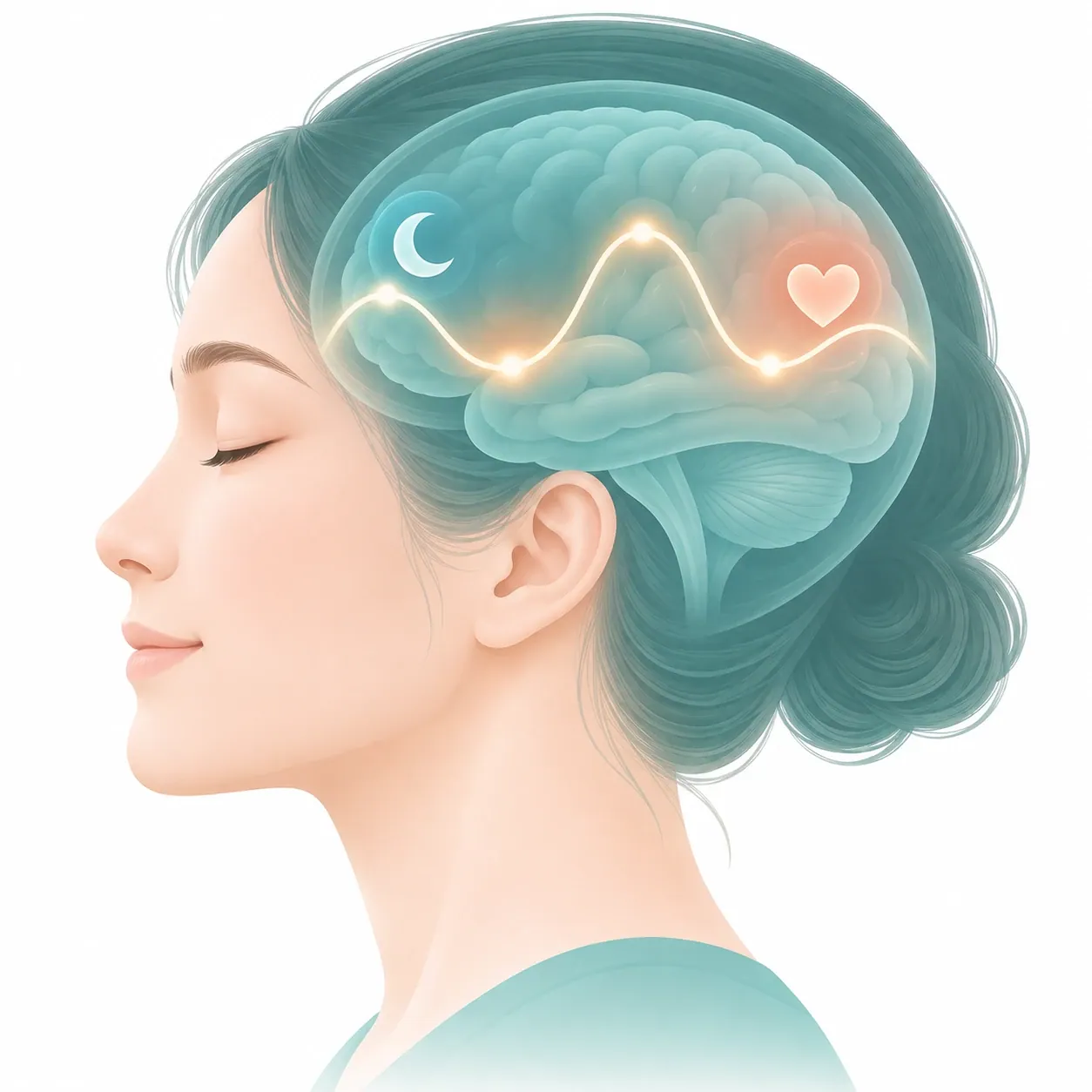
아침에는 괜찮았는데 사소한 말 한마디에 눈물이 나고, 금세 화가 치밀어 오릅니다. 지나고 나면 왜 그랬는지 스스로도 지칩니다. 이런 감정기복은 의지의 문제가 아니라 몸이 보내는 신호일 수 있습니다.
감정기복 한눈에 보기
- 감정기복은 기분이 뚜렷한 이유 없이, 또는 작은 일에도 크게 오르내리는 상태입니다.
- 성인의 약 14%가 겪을 만큼 흔하고, 호르몬 변화와 수면 부족, 스트레스가 흔한 원인입니다.
- 자율신경과 수면, 호르몬 주기를 함께 살피면 감정을 흔드는 몸의 바탕을 찾을 수 있습니다.
- 치료후기 4건
이런 증상이 있나요?
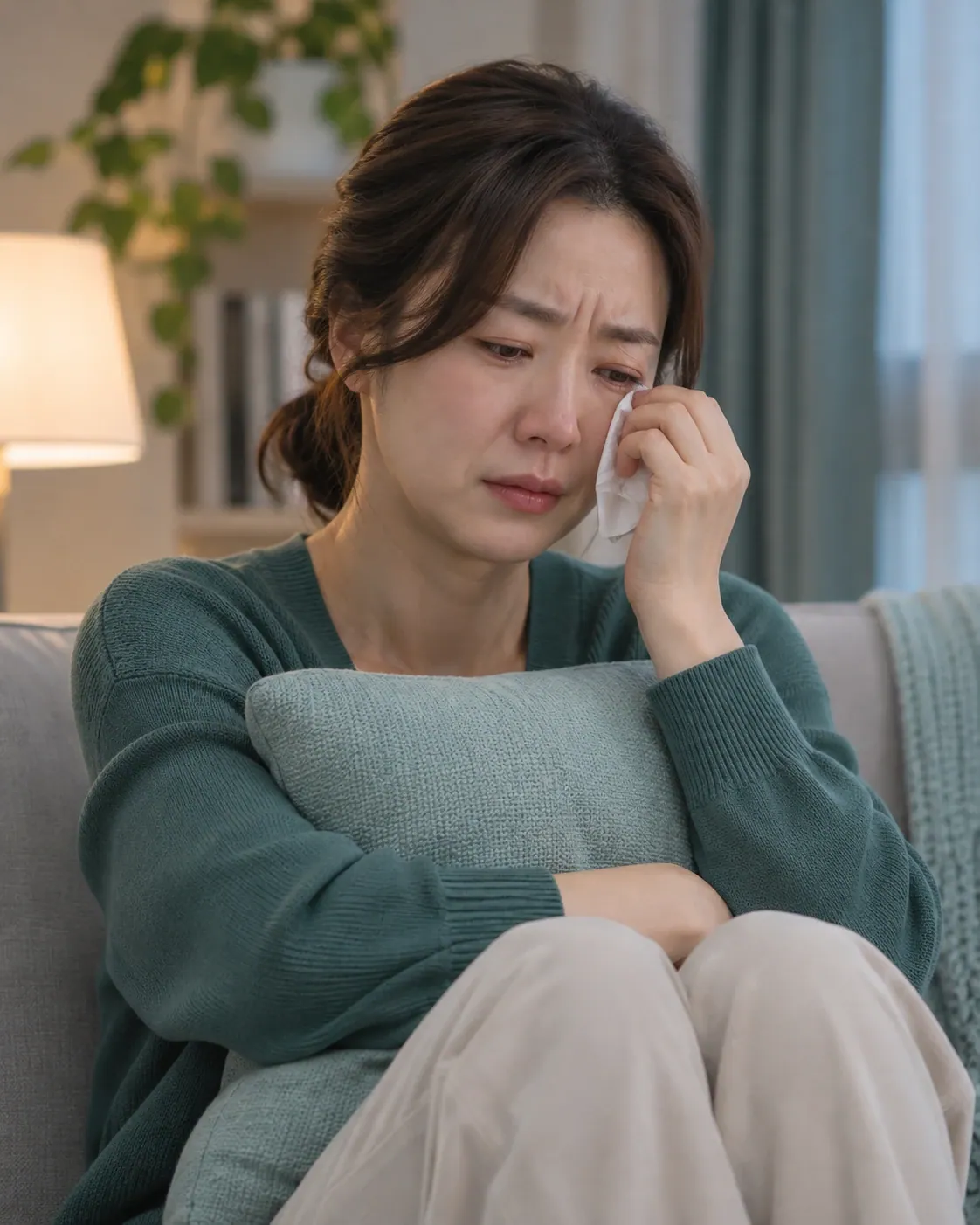
- 사소한 일에 눈물이 나거나 화가 치민다
- 기분이 하루에도 몇 번씩 바뀐다
- 화를 내고 나서 후회한다
- 생리 전이면 예민해지고 우울해진다
- 잠을 못 잔 날 감정이 더 흔들린다
- 가슴 두근거림이나 답답함이 함께 온다
기분이 변하는 시기와 이어지는 시간, 잠과 생리 주기를 함께 기록하면 원인을 찾는 데 도움이 됩니다.
감정기복은 왜 생기나요?
감정기복의 표준 치료
감정기복은 원인에 따라 치료가 다릅니다. 우울증이나 양극성장애가 있으면 약물과 정신치료를 합니다. 심한 월경전증후군과 월경전불쾌장애에는 항우울제(SSRI)가 효과가 있었습니다[10]. 원인이 뚜렷하지 않으면 수면과 스트레스 관리, 상담을 먼저 합니다.
진단명이 붙지 않는 감정기복은 약이 망설여지는 경우가 많습니다. 호르몬 주기와 수면, 긴장된 몸은 그대로인데 마음만 다잡기도 어렵습니다. 한의학 치료는 이 몸의 바탕을 다스립니다.
감정기복만 따로 본 연구는 아직 많지 않습니다. 월경전증후군에서는 침이 가짜 침보다 기분 증상 점수를 9.03점 더 줄였습니다[11]. 침과 한약 연구 19편을 살핀 고찰에서도 대부분 증상이 처음보다 절반 이상 줄었고 심각한 이상반응은 없었습니다[12].
해움한의원은 이렇게 치료합니다

해움한의원은 흔들리는 감정을 탓하지 않습니다. 감정을 흔드는 몸의 바탕을 찾아 함께 치료합니다.
1단계. 언제, 왜 흔들리는지 살핍니다
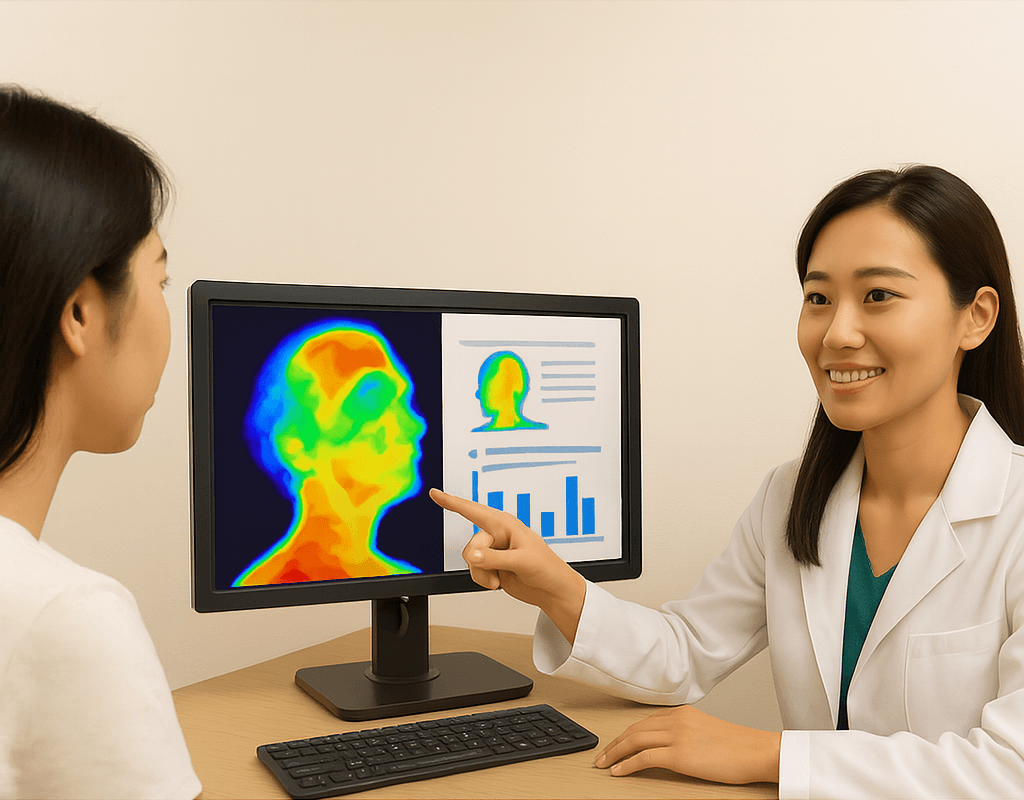
기분이 변하는 시기와 생리 주기, 수면, 스트레스를 자세히 살펴봅니다. 우울증이나 양극성장애가 의심되면 정신건강의학과 진료를 안내해 드립니다. 심박변이도 검사로 자율신경의 상태를 확인합니다.
2단계. 긴장된 몸을 가라앉힙니다
침과 약침으로 가슴과 목, 머리의 긴장을 풉니다. 필요하면 심리상담으로 마음의 짐도 함께 나눕니다.
3단계. 유형에 맞춰 바탕을 다스립니다
체질과 상태에 맞춰 한약을 짓습니다. 호르몬 주기에 맞춘 관리와 수면, 생활 습관을 함께 살핍니다.
4만 건의 처방 사례가 말해주는, 한방 맞춤 치료의 힘


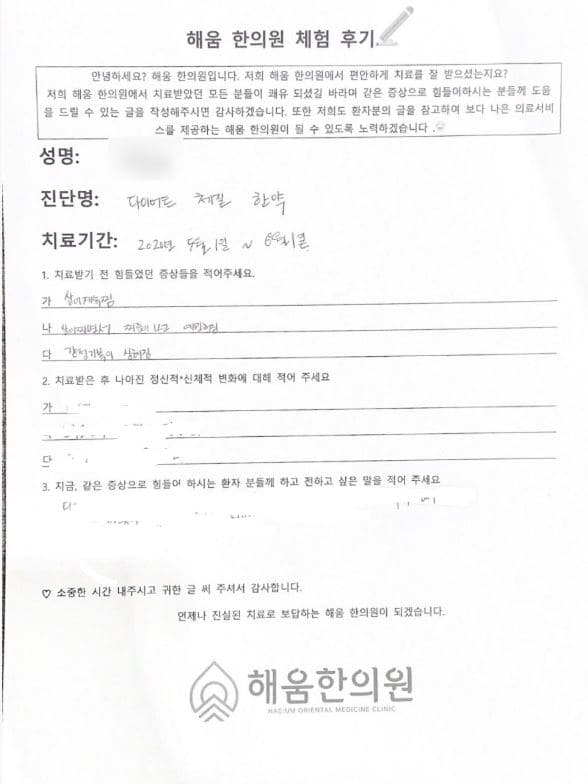
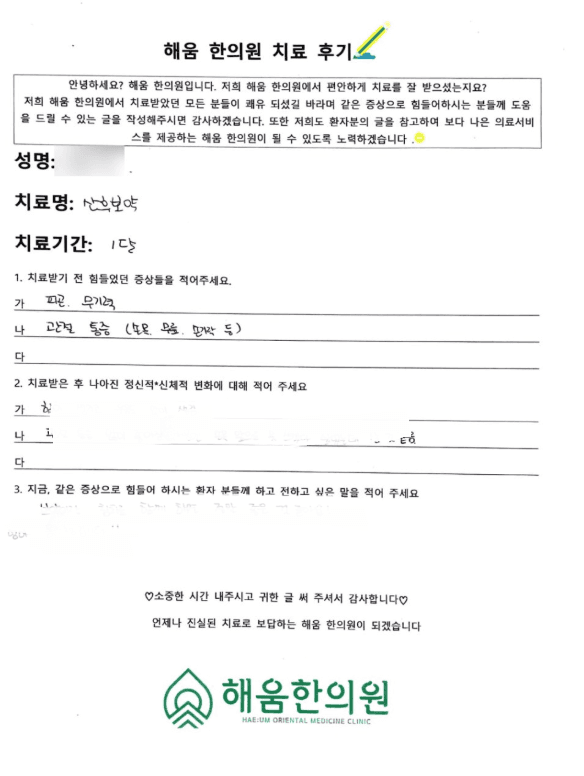
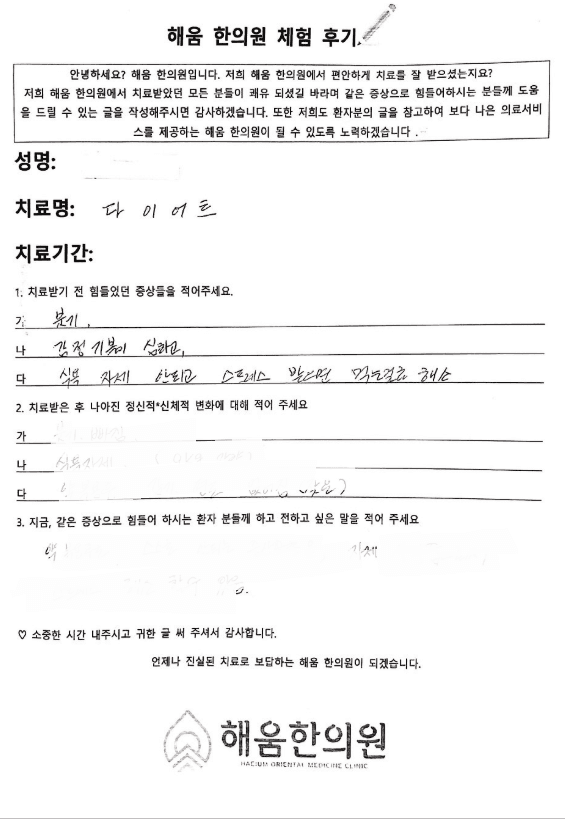
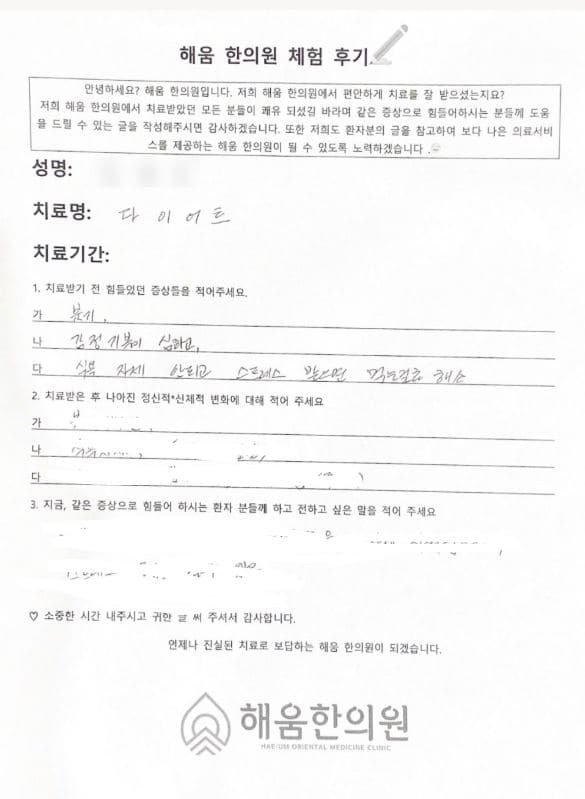
감정기복 치료후기 총 4건
환자분들이 남긴 치료후기입니다. 본문은 로그인 후 보실 수 있습니다.
감정기복, 누가 진료하나요?
담당 의료진
대표원장 박재은

“병이 아니라 그 뒤의 사람을 봅니다”
경희대학교 한의학박사이자 여한의사입니다. 심리상담사 1급 자격, 20만명 차트분석과 4만건 이상의 한약 처방 경험을 바탕으로 진료합니다.
의료진 소개 더보기감정기복, 자주 묻는 질문
감정기복이 심하면 조울증인가요?
생리 전에만 심해지는데 치료가 필요한가요?
갱년기에 감정기복이 심해지는 것이 정상인가요?
양약과 한약을 같이 먹어도 되나요?
한의원 진료 기록이 남으면 불이익이 있나요?
생활에서 어떻게 관리해야 하나요?
해움한의원에서 감정기복을 진료하나요?
감정기복으로 내원하려면 어떻게 하나요?
감정기복으로 내원하면 어떤 검사를 하나요?
이런 경우에는 미루지 말고 진료를 받으세요
아래 증상은 우울증이나 양극성장애처럼 전문 치료가 필요한 상태일 수 있습니다. 정신건강의학과 진료를 먼저 받으세요. 자해나 죽고 싶은 생각이 들면 자살예방 상담전화 109(24시간)로 바로 연락하세요.
- 죽고 싶다는 생각이나 자해 충동이 든다
- 잠을 거의 자지 않아도 피곤하지 않고 들뜬 시기가 며칠씩 이어진다
- 우울한 기분이 2주 이상 거의 매일 이어진다
- 화를 참지 못해 사람이나 물건을 다치게 한 적이 있다
- 없는 소리가 들리거나 현실과 생각이 구분되지 않는다
참고문헌 12편
[1]Broome MR, Saunders KE, Harrison PJ, Marwaha S. Mood instability: significance, definition and measurement. Br J Psychiatry. 2015;207(4):283-285. doi:10.1192/bjp.bp.114.158543. PMID: 26429679.
초록 (Abstract)
Mood instability is common, and an important feature of several psychiatric disorders. We discuss the definition and measurement of mood instability, and review its prevalence, characteristics, neurobiological correlates and clinical implications. We suggest that mood instability has underappreciated transdiagnostic potential as an investigational and therapeutic target.
원문 발췌 · Broome MR, Saunders KE, Harrison PJ, Marwaha S, Br J Psychiatry 2015 · CC BY 3.0 라이선스에 따라 수정 없이 인용했습니다(본문 속 인용 번호는 생략).
[2]Marwaha S, Parsons N, Flanagan S, Broome M. The prevalence and clinical associations of mood instability in adults living in England: results from the Adult Psychiatric Morbidity Survey 2007. Psychiatry Res. 2013;205(3):262-268. doi:10.1016/j.psychres.2012.09.036. PMID: 23062775.
요약 영국 성인 7,403명 조사입니다. 기분 불안정을 겪는 사람은 13.9%였고, 흔한 정신건강 문제와 밀접하게 관련되었습니다.원문은 출판사 저작권 자료로, 위 링크에서 확인하실 수 있습니다.
[3]Patel R, Lloyd T, Jackson R, Ball M, Shetty H, Broadbent M, et al. Mood instability is a common feature of mental health disorders and is associated with poor clinical outcomes. BMJ Open. 2015;5(5):e007504. doi:10.1136/bmjopen-2014-007504. PMID: 25998036.
초록 (Abstract)
Objectives: Mood instability is a clinically important phenomenon but has received relatively little research attention. The objective of this study was to assess the impact of mood instability on clinical outcomes in a large sample of people receiving secondary mental healthcare.
Design: Observational study using an anonymised electronic health record case register.
Setting: South London and Maudsley NHS Trust (SLaM), a large provider of inpatient and community mental healthcare in the UK.
Participants: 27 704 adults presenting to SLaM between April 2006 and March 2013 with a psychotic, affective or personality disorder.
Exposure: The presence of mood instability within 1 month of presentation, identified using natural language processing (NLP).
Main outcome measures: The number of days spent in hospital, frequency of hospital admission, compulsory hospital admission and prescription of antipsychotics or non-antipsychotic mood stabilisers over a 5-year follow-up period.
Results: Mood instability was documented in 12.1% of people presenting to mental healthcare services. It was most frequently documented in people with bipolar disorder (22.6%), but was common in people with personality disorder (17.8%) and schizophrenia (15.5%). It was associated with a greater number of days spent in hospital (β coefficient 18.5, 95% CI 12.1 to 24.8), greater frequency of hospitalisation (incidence rate ratio 1.95, 1.75 to 2.17), greater likelihood of compulsory admission (OR 2.73, 2.34 to 3.19) and an increased likelihood of prescription of antipsychotics (2.03, 1.75 to 2.35) or non-antipsychotic mood stabilisers (2.07, 1.77 to 2.41).
Conclusions: Mood instability occurs in a wide range of mental disorders and is not limited to affective disorders. It is generally associated with relatively poor clinical outcomes. These findings suggest that clinicians should screen for mood instability across all common mental health disorders. The data also suggest that targeted interventions for mood instability may be useful in patients who do not have a formal affective disorder.
결과 (Results)
Prevalence and distribution of mood instability: The overall prevalence in our sample of recorded mood instability within 1 month of clinical presentation was 12.1% (table 1). Mood instability was most likely to be present in people who were younger (16–25 years) and female, and less likely in those who were single and who presented with unipolar depression. The strongest diagnostic association of mood instability was seen among those presenting with bipolar disorder. Mood instability was also associated with personality disorder and schizophrenia but to a lesser degree than with bipolar disorder. A sensitivity analysis which only included participants with no missing covariate data (see online supplementary table S4) did not reveal any meaningful differences.
Hospital admission and pharmacological outcomes: Mood instability was associated with a greater number of days spent in hospital, a greater likelihood of compulsory admission to hospital and increased frequency of hospital admission (table 2) up to 5 years following clinical presentation. After adjusting for age, gender, ethnicity, marital status and diagnosis in multivariable regression analyses, mood instability remained a significant predictor of these hospitalisation outcomes (table 3). There was an excess of zero values for the number of hospital admissions during the follow-up period. However, despite a significant Vuong test result, fitting a zero-inflated negative binomial regression model (see online supplementary table S5) resulted in only a slight reduction in incident rate ratios compared with standard negative binomial regression (table 3). Mood instability was also associated with an increased risk of antipsychotic prescription and non-antipsychotic mood stabiliser prescription (table 4). Much of the increased risk of antipsychotic prescription occurred within the first year of follow-up while the cumulative risk of non-antipsychotic mood stabiliser prescription increased steadily over the period of 5-year follow-up. These associations remained after adjusting for demographic factors in multivariable logistic regression analyses (table 5).
원문 발췌 · Patel R, Lloyd T, Jackson R, Ball M, Shetty H, Broadbent M, Geddes JR, Stewart R, McGuire P, Taylor M, BMJ Open 2015 · CC BY 4.0 라이선스에 따라 수정 없이 인용했습니다(본문 속 인용 번호는 생략).
[4]Grande I, Berk M, Birmaher B, Vieta E. Bipolar disorder. Lancet. 2016;387(10027):1561-1572. doi:10.1016/s0140-6736(15)00241-x. PMID: 26388529.
요약 양극성장애는 기분과 에너지가 오르내리는 재발성 만성 질환으로 세계 인구의 1% 이상이 겪습니다. 우울증과 구별하려면 경조증 시기를 확인해야 합니다.원문은 출판사 저작권 자료로, 위 링크에서 확인하실 수 있습니다.
[5]Direkvand-Moghadam A, Sayehmiri K, Delpisheh A, Kaikhavandi S. Epidemiology of Premenstrual Syndrome (PMS)-A Systematic Review and Meta-Analysis Study. J Clin Diagn Res. 2014;8(2):106-109. doi:10.7860/jcdr/2014/8024.4021. PMID: 24701496.
요약 17개 연구를 모은 분석입니다. 월경전증후군의 유병률은 47.8%였고, 나라에 따라 12~98%로 차이가 컸습니다.원문은 출판사 저작권 자료로, 위 링크에서 확인하실 수 있습니다.
[6]Reilly TJ, Patel S, Unachukwu IC, Knox CL, Wilson CA, Craig MC, et al. The prevalence of premenstrual dysphoric disorder: Systematic review and meta-analysis. J Affect Disord. 2024;349:534-540. doi:10.1016/j.jad.2024.01.066. PMID: 38199397.
요약 44개 연구, 50,659명을 모은 분석입니다. 월경전불쾌장애의 유병률은 확진 기준 3.2%, 잠정 기준 7.7%였습니다.원문은 출판사 저작권 자료로, 위 링크에서 확인하실 수 있습니다.
[7]de Kruif M, Spijker AT, Molendijk ML. Depression during the perimenopause: A meta-analysis. J Affect Disord. 2016;206:174-180. doi:10.1016/j.jad.2016.07.040. PMID: 27475888.
요약 11개 연구를 모은 분석입니다. 폐경 이행기에는 폐경 전보다 우울 증상의 위험이 2.0배 높았습니다.원문은 출판사 저작권 자료로, 위 링크에서 확인하실 수 있습니다.
[8]Tomaso CC, Johnson AB, Nelson TD. The effect of sleep deprivation and restriction on mood, emotion, and emotion regulation: three meta-analyses in one. Sleep. 2021;44(6):zsaa289. doi:10.1093/sleep/zsaa289. PMID: 33367799.
요약 64개 연구를 모은 분석입니다. 잠이 부족하면 부정적인 기분이 늘고 긍정적인 기분이 크게 줄었으며, 감정을 조절하는 능력도 떨어졌습니다.원문은 출판사 저작권 자료로, 위 링크에서 확인하실 수 있습니다.
[9]Williams DP, Cash C, Rankin C, Bernardi A, Koenig J, Thayer JF. Resting heart rate variability predicts self-reported difficulties in emotion regulation: a focus on different facets of emotion regulation. Front Psychol. 2015;6:261. doi:10.3389/fpsyg.2015.00261. PMID: 25806017.
초록 (Abstract)
The Model of Neurovisceral Integration suggests that vagally mediated heart rate variability (vmHRV) represents a psychophysiological index of inhibitory control and thus, is associated with emotion regulation capacity. Over the past decade, growing empirical evidence supports this notion, showing that those with higher resting vmHRV can regulate negative emotions more adequately. However, to our knowledge, no study has previously examined how resting vmHRV may relate to everyday perceived difficulties in emotion regulation. The present study attempts to examine such relationship in 183 undergraduate students (98 female, 60 minority, mean Age = 19.34). Resting vmHRV was collected during a 5-min resting baseline period, and everyday difficulties in emotion regulation were assessed using the Difficulties in Emotion Regulation Scale (DERS). Controlling for potential covariates (including both trait anxiety and rumination), results revealed a negative relationship between resting vmHRV and DERS such that lower resting vmHRV was associated with greater difficulties in emotional regulation, especially a lack of emotional clarity and impulse control, as indicated by the respective subscales of the DERS. These findings provide further evidence for the Neurovisceral Integration Model, suggesting that emotion regulation and autonomic regulation share neural networks within the brain. Moreover, the present study extends prior research by highlighting two distinct facets of emotion regulation (impulse control and emotional clarity) that should be of particular interest when investigating the link between emotion regulation, resting vmHRV, and related health outcomes including morbidity and mortality.
결과 (Results)
Across the five experiments, 199 participants were enrolled. Nine individuals were removed due to missing data. Seven individuals yielded DERS scores ± 2 standard deviations from the mean and were removed from the overall analyses, leaving data from a total of 183 undergraduate students (98 female, 60 minority2, age range: 18–35, mean age = 19.34, standard deviation = 2.18) available for analyses. No outliers were removed due to abnormal lnRMSSD values (normal distribution). Independent sample t-tests showed that the low lnRMSSD group had higher STAI-T, RRS, DERS, and DERS subscale scores (each p < 0.05, with the exception of AWARE; see Table 1). Correlation results showed a significant negative relationship between lnRMSSD and RRS (r = −0.180, p < 0.05), STAI-T (r = −0.261, p < 0.001), and, as predicted, DERS total (r = −0.325, p < 0.001) scores (Figure 1), in addition to all DERS subscales with the exception of the AWARE subscale –Table 2 contains a correlation matrix of all psychological variables and lnRMSSD.
Multiple hierarchical regression models showed that, after controlling for experiment type, age, ethnicity, gender, BMI, STAI-T scores, RRS scores, and HF peak (respiration) values, lnRMSSD was significantly associated with DERS total scores (rpartial = −0.222, p < 0.01). Moreover, lnRMSSD was significantly associated with scores obtained from the CLARITY (rpartial = −0.175, p < 0.05) and IMPULSE (rpartial = −0.155, p < 0.05) subscales (see Table 3 for partial correlations between predictors and all DERS variables, see Table 4 for a summary of regression models).
원문 발췌 · Williams DP, Cash C, Rankin C, Bernardi A, Koenig J, Thayer JF, Front Psychol 2015 · CC BY 4.0 라이선스에 따라 수정 없이 인용했습니다(본문 속 인용 번호는 생략).
[10]Shah NR, Jones JB, Aperi J, Shemtov R, Karne A, Borenstein J. Selective serotonin reuptake inhibitors for premenstrual syndrome and premenstrual dysphoric disorder: a meta-analysis. Obstet Gynecol. 2008;111(5):1175-1182. doi:10.1097/aog.0b013e31816fd73b. PMID: 18448752.
요약 2,964명을 모은 분석입니다. 항우울제(SSRI)는 심한 월경전증후군과 월경전불쾌장애에 효과가 있었습니다.원문은 출판사 저작권 자료로, 위 링크에서 확인하실 수 있습니다.
[11]Armour M, Ee CC, Hao J, Wilson TM, Yao SS, Smith CA. Acupuncture and acupressure for premenstrual syndrome. Cochrane Database Syst Rev. 2018;8:CD005290. doi:10.1002/14651858.cd005290.pub2. PMID: 30105749.
요약 5개 연구, 277명을 살핀 코크란 리뷰입니다. 67명 연구에서 침은 가짜 침보다 기분 증상 점수를 9.03점 더 줄였습니다. 치료 반응률은 차이가 작거나 없을 수 있어 근거의 질이 낮습니다.원문은 출판사 저작권 자료로, 위 링크에서 확인하실 수 있습니다.
[12]Jang SH, Kim DI, Choi MS. Effects and treatment methods of acupuncture and herbal medicine for premenstrual syndrome/premenstrual dysphoric disorder: systematic review. BMC Complement Altern Med. 2014;14:11. doi:10.1186/1472-6882-14-11. PMID: 24410911.
초록 (Abstract)
Background: During their reproductive years about 10% of women experience some kind of symptoms before menstruation (PMS) in a degree that affects their quality of life (QOL). Acupuncture and herbal medicine has been a recent favorable therapeutic approach. Thus we aimed to review the effects of acupuncture and herbal medicine in the past decade as a preceding research in order to further investigate the most effective Korean Medicine treatment for PMS/PMDD.
Methods: A systematic literature search was conducted using electronic databases on studies published between 2002 and 2012. Our review included randomized controlled clinical trials (RCTs) of acupuncture and herbal medicine for PMS/PMDD. Interventions include acupuncture or herbal medicine. Clinical information including statistical tests was extracted from the articles and summarized in tabular form or in the text. Study outcomes were presented as the rate of improvement (%) and/or end-of-treatment scores.
Results: The search yielded 19 studies. In screening the RCTs, 8 studies in acupuncture and 11 studies in herbal medicine that matched the criteria were identified. Different acupuncture techniques including traditional acupuncture, hand acupuncture and moxibustion, and traditional acupuncture technique with auricular points, have been selected for analysis. In herbal medicine, studies on Vitex Agnus castus, Hypericum perforatum, Xiao yao san, Elsholtzia splendens, Cirsium japonicum, and Gingko biloba L. were identified. Experimental groups with Acupuncture and herbal medicine treatment (all herbal medicine except Cirsium japonicum) had significantly improved results regarding PMS/PMDD.
Conclusions: Limited evidence supports the efficacy of alternative medicinal interventions such as acupuncture and herbal medicine in controlling premenstrual syndrome and premenstrual dysphoric disorder. Acupuncture and herbal medicine treatments for premenstrual syndrome and premenstrual dysphoric disorder showed a 50% or better reduction of symptoms compared to the initial state. In both acupuncture and herbal medical interventions, there have been no serious adverse events reported, proving the safety of the interventions while most of the interventions provided over 50% relief of symptoms associated with PMS/PMDD. Stricter diagnostic criteria may have excluded many participants from some studies. Also, depending on the severity of symptoms, the rate of improvement in the outcomes of the studies may have greatly differed.
결과 (Results)
Data search: Through the database search, 221 literatures were identified with the aforementioned search words. After the screening process and an evaluation of the eligibility of the articles, 19 articles were identified for the final review and analysis. The articles were reviewed on the utilized treatment methods. 19 articles were randomized double or single-blind placebo-controlled studies within the past decade, designed to evaluate the efficacy of acupuncture or herbal medicine treatments for PMS/PMDD. In total, 8 acupuncture treatments and 11 herbal medical treatments were found and evaluated (see Acupuncture and Herbal Intervention). Acupuncture treatments included general acupuncture points, manipulated techniques of acupuncture, and hand acupuncture. Herbal medical interventions included the following formulae: Xiao yao san (or Dan Zhi Xiao yao san) and herbal medicine included Vitex Agnus castus, Hypericum perforatum, Crocus sativus, Elsholtzia splendens, Cirsium japonicum, and Ginkgo biloba L..
Summary measures: A screening questionnaire for the assessment of PMS or PMDD was limited to the following tools: DSM-IV PMDD, and DSR. In monitoring symptoms and scoring the outcome measures the tools varied but were limited to the following: Menstrual Distress Questionnaire (MDQ), Menstrual Symptoms Severity List (MSSL), Premenstrual Syndrome Diary (PMSD), Daily Symptom Rating (DSR), The Premenstrual Tension Syndrome Self-Rating Scale (PMTS), and Premenstrual Assessment Form (PAF). The percentage of reduction was defined as the difference in symptom scores between the final score after treatment and symptom score at baseline. The efficacy variable was the reduction percentage of symptom scored documented in the assessment tools listed above. The efficacy variable was the percentage of symptom scores reduced that were documented in the assessment tools listed above.
Risk of bias across studies: The risk of bias in the studies was variable along studies. For adequate sequence generation, two studies used randomized block designs, one study used a computer-generated random number sequence to allocate patients to the treatment and control groups. Thirteen studies had insufficient reports on how their random numbers were generated (Table 1).
In allocation concealment, two studies adequately concealed group assignments by adopting central randomization. One study used medications identical in appearance labeled A and B while an identification number was noted in a protocol to allow subsequent identification and statistical analysis after the completion of the study. In one study women received medication in form of a tablet after being randomly assigned in a 1:1 ratio using a computer-generated code. In the remaining studies allocation was not reported or unclear (Table 1).
Blinding was evaluated separately for patients and outcome assessors. Most trials had insufficient information. For outcome assessor blinding, most studies received ratings of ‘unclear’ because of poor reporting or the self-reporting nature of the outcome measures used. One study had the patients and raters blind to drug assignment. One study had the identification number in a protocol while the information on the placebo and the active substance was made available to the investigators and volunteers only after the completion of the study and after the statistical analysis was performed. One study had supplies packaged in plain boxes labeled with codes and study cycle numbers. One study had all tablets coated to make them look identical and were supplied in plaster packs marked with the days of the week to aid compliance. One study had the assignments kept in sealed, opaque envelopes until the point of data analysis. The randomization and allocation process was performed by the principle investigator of the trial who was not involved in the process of treatment and measurement (Table 1).
Acupuncture interventions: Eight studies and 9 different interventions were identified. Acupuncture treatment sessions ranged from 2 to 13 sessions and treatment periods varied from both luteal and follicular phases (L/FP) to only the luteal phase (LP). Studies comprised of Korean acupuncture technique, TCM method with auriculopoint Shenmen added, Korean hand acupuncture and moxibustion technique. On a study done in Korean acupuncture technique, points SP6, CV6 were mainly used. Physical symptoms such as headache, cramps, backache, cold sweats, hot flashes, breast pain, skin disorders, swelling of hands and feet, sensitivity to cold, abdominal pain and bulging improved as much as 50.5%. Psychological symptoms also improved, but there was no significant difference when compared with the control group. Acupuncture treatment using SP6 CV6 as the main points resulted in the change of a MSSL score of 16.78 to 7.56 by the end of the session. Treatment using DU20, LI4, H3, REN3,4,6, PE6, GB34, UB23 had a 77.8% reduction at the end of the trial. Hand acupuncture and moxibustion treatments starting with an MSSL score of 20.63 and 20.65 at the initial point reduced them to 3.94 and 3.40 at the end of the session. Back-shu points and Point-thought-point techniques, electroacupuncture on scalp, treatment using BL17,18,20,23 and GV20, Ex-HN2,3 all had better outcomes than the control group. The outcome of the rest of the acupuncture interventions are listed in Table 2.
Herbal interventions: Eleven studies and 7 different interventions were identified. The duration of herbal medical treatments ranged from one menstrual cycle to six menstrual cycles with herbal medication taken between once to three times daily or during the luteal phase (LP) only. Studies comprised of herbal medicine such as Vitex Agnus castus (4 studies), Hypericum perforatum (3 studies), Xiao yao san (and Dan Zhi Xiao yao san), Crocus sativus, Elsholtzia splendens, Cirsium japonicum, and Ginkgo biloba L., which were in liquid form, powder from, or tablet form. Study of Vitex Agnus castus by Ma is an analysis of a sub-population of study by He. VAC BNO1095 (40 mg/day, 70% extract Agnucaston®) was superior to placebo over 3 cycles for total PMS symptoms measured on the PMTS (p <0.001), PMSD scales (p < 0.05), and clinical efficacy rates (p <0.001). In all studies on Vitex Agnus castus, psychological and physical symptoms showed more than 50% improvement over control groups. However, on the study done with Fluoxetine as a comparative drug, there was no significant difference between the two groups except that in the Fluoxetine group, there were two adverse events of sexual dysfunction. Dosage ranged from 20 to 40 mg daily. The outcomes of the rest of the herbal intervention are listed in Table 3. One study on Vitex agnus castus is the analysis of a sub-population of a systematic review on clinical trials.
Overall symptoms: When comparing all the interventions reviewed in this study, hand moxibustion showed the highest rate of improval in overall assessment. Notable improvements are as follows. Groups treated with Hand acupuncture, Vitex Agnus castus, and Xiao yao san have shown more than 70% improvement compared to their initial states. For fatigue, Xiao yao san decoction resulted in a 68.9% improvement. For insomnia, Xiao yao san decoction had a 74.8% improvement. For avoidance of social activities and a desire to stay at home, hand moxibustion treatment showed more than 80% improvement in the treated group. For the feeling of weight gain, hand moxibustion showed relief of the symptom. For breast pain, Xiao yao san showed much improvement. In cases of swelling, anxiety, mood swings, and depression, hand moxibustion showed the most improvement compared to other interventions. For hot flashes, hand acupuncture showed more improvement than traditional acupuncture. Improved symptoms resulting only from herbal medicinal interventions can be summarized as follows. For backache, Vitex Agnus castus showed more than a 50% improvement. In swelling, St John’s wart showed the most improvement. For anxiety, irritability, mood swings, depression, and tension, Xiao yao san showed the most improvement. For increased anger during the luteal phase, Vitex Agnus castus and Elsholtzia splendens treatment resulted in more than a 50% improvement (Table 4). Acupuncture treatment improved overall symptoms in all studies and all studies found AT to significantly outperform placebo (Table 2). For the herbal interventions, all but Cirsium japonicum found a significant effect over placebo (Table 3).
Physical symptoms: Specific symptoms were examined in each intervention. In traditional acupuncture interventions, physical symptoms such as headache, cramps, backache, cold sweats, hot flashes, breast pain, skin disorders, swelling of hands and feet, sensitivity to cold, abdominal pain and bulging improved as much as 49.6%. When specific items were examined in hand acupuncture intervention, abdominal pain and bloating were significantly reduced and hot flashes were significantly reduced (Table 4).
Psychological symptoms: With regard to psychological distress symptoms, rapid mood swings were significantly reduced. In hand moxibustion treatments, abdominal pain and bloating were significantly reduced. Water retention symptoms such as a sensation of weight gain and the swelling of hands or feet were significantly reduced. Various psychological distress symptoms such as rapid mood swings, anger, impatience, depression, a desire to be alone, and lowered desires to talk or move were significantly reduced. In one of the studies on an intervention with Vitex Agnus castus, headache, nervousness, restlessness, depression, breast pain and swelling, swelling and tympani have shown improvements over the control group. In one of the studies on an intervention using Hypericum perforatum, the biggest improvements in score occurred for craving (77.6%) and hydration (74.6%). Depression and anxiety have also shown much improvement, while another study showed the biggest improvements in score for crying (71%) and depression (52%). Depression, craving, and hydration also had better results than the control group. In Xiao Yao San, physical and psychological symptoms had been significantly reduced in that physical MDQ had 68.9% reduction in the treatment group compared to 18.6% reduction in placebo group and psychological MDQ had 74.8% reduction in the treatment group compared to 20.7% reduction in placebo group.. In Elsholtzia splendens, the biggest improvements in score occurred for anger. In Gingko biloba L., both psychological and physical symptoms had shown significant reduction (Table 4).
Risk of bias within studies: In a cross examination of comparing the rate of improval, variations of the assessment tools and different types of scales may have resulted in differences in the degree of improvements. Also, the detailed outcome of some studies were not included resulting in a possible risk of bias within studies. Re-evaluation of symptoms done is non-significant and the risk of bias in assessment appears because not all studies had the same reported symptoms of PMS/PMDD and the degree of symptoms vary between trials.
Results of individual studies: The study on Korean hand acupuncture and moxibustion has a significantly better outcome than the rest of the other studies on acupuncture intervention, which raises a question on the risk of bias within the study. Although the participants were randomly recruited by the advertisement placed on the university hospital board, since all the participants were nurses and since it was not a double nor single blinded study, there is a risk of information having been shared amongst the participants.
원문 발췌 · Jang SH, Kim DI, Choi MS, BMC Complement Altern Med 2014 · CC BY 2.0 라이선스에 따라 수정 없이 인용했습니다(본문 속 인용 번호는 생략).