
양천구 목동 두드러기 한의원
두드러기
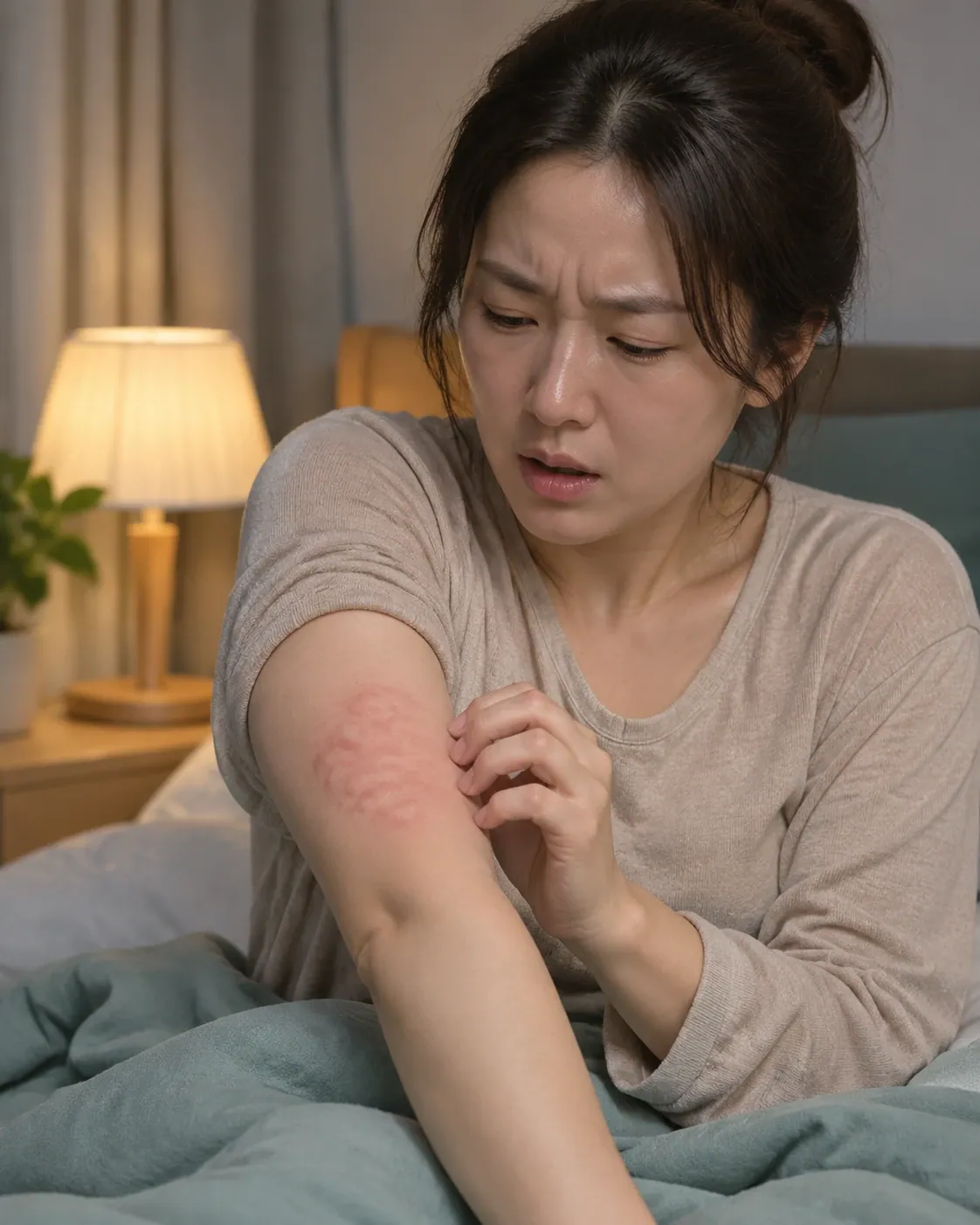
저녁만 되면 팔과 배에 모기 물린 듯한 자국이 부풀어 오르고, 긁으면 지도처럼 번집니다. 아침이면 흔적도 없이 사라졌다가 밤이 되면 또 올라옵니다. 몇 주째 이어진다면 만성 두드러기일 수 있습니다.
두드러기 한눈에 보기
- 두드러기는 피부가 모기 물린 듯 부풀어 오르고 몹시 가려우며, 하루 안에 사라졌다 다시 생기는 피부 질환입니다.
- 6주 넘게 이어지면 만성 두드러기로, 우리나라 환자는 평균 6년 넘게 앓았습니다.
- 만성 두드러기 환자의 상당수가 불안과 우울을 함께 겪어, 피부와 함께 자율신경과 면역을 안정시켜야 합니다.
- 치료후기 2건
- 의료진 칼럼 2편
두드러기란?
두드러기는 왜 생기나요?
- 음식, 약(진통소염제, 항생제), 벌독 같은 알레르기 물질(급성)
- 감기 같은 감염
- 피부를 긁거나 누르는 자극, 추위, 더위, 땀
- 몸의 면역이 자기 비만세포를 자극하는 자가면역
- 피로와 수면 부족, 스트레스
- 술
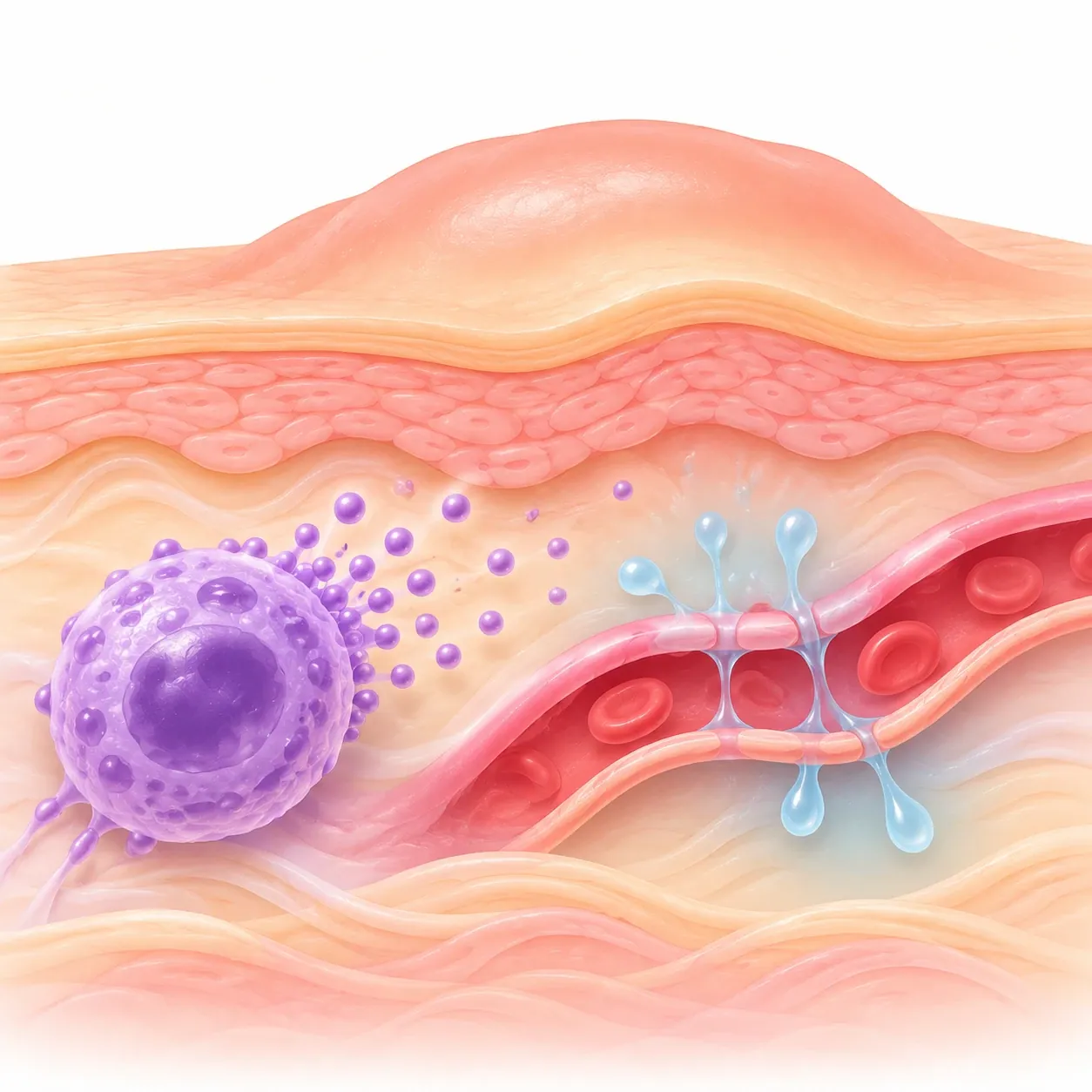
만성 두드러기는 대부분 바깥 원인 없이 몸 안에서 비만세포가 쉽게 터지는 상태입니다. 우리나라 만성 두드러기 환자의 38.0%가 불안, 48.1%가 우울 상태였고, 불안이 클수록 두드러기가 심하고 더 가려웠습니다[5]. 긴장하면 몸이 늘 경계 상태가 되고, 경보를 울리는 면역도 함께 예민해집니다.
두드러기의 표준 치료
표준 치료는 졸음이 적은 항히스타민제입니다. 듣지 않으면 양을 4배까지 늘리고, 그래도 조절되지 않으면 오말리주맙 주사나 면역억제제를 씁니다[1].
약을 먹으면 가라앉지만, 끊으면 다시 올라와 몇 년씩 약을 먹는 분이 많습니다[4]. 비만세포를 쉽게 터지게 만드는 예민한 면역과 긴장된 몸이 그대로이기 때문입니다. 한의학 치료는 이 바탕을 다스립니다.
관련 연구를 살펴보면, 항히스타민제에 소풍산이 든 한약을 4주 더한 군은 8주 뒤 두드러기 점수가 9.9점으로 위약군(15.6점)보다 낮았습니다[6]. 침은 가짜 침보다 두드러기 점수를 더 줄였지만 그 차이는 크지 않았습니다[7].
해움한의원은 이렇게 치료합니다

해움한의원은 올라온 두드러기만 가라앉히지 않고, 두드러기를 되풀이하게 만드는 예민한 면역과 자율신경, 떨어진 기력을 함께 치료합니다.
1단계. 악화 요인과 몸 상태를 살핍니다
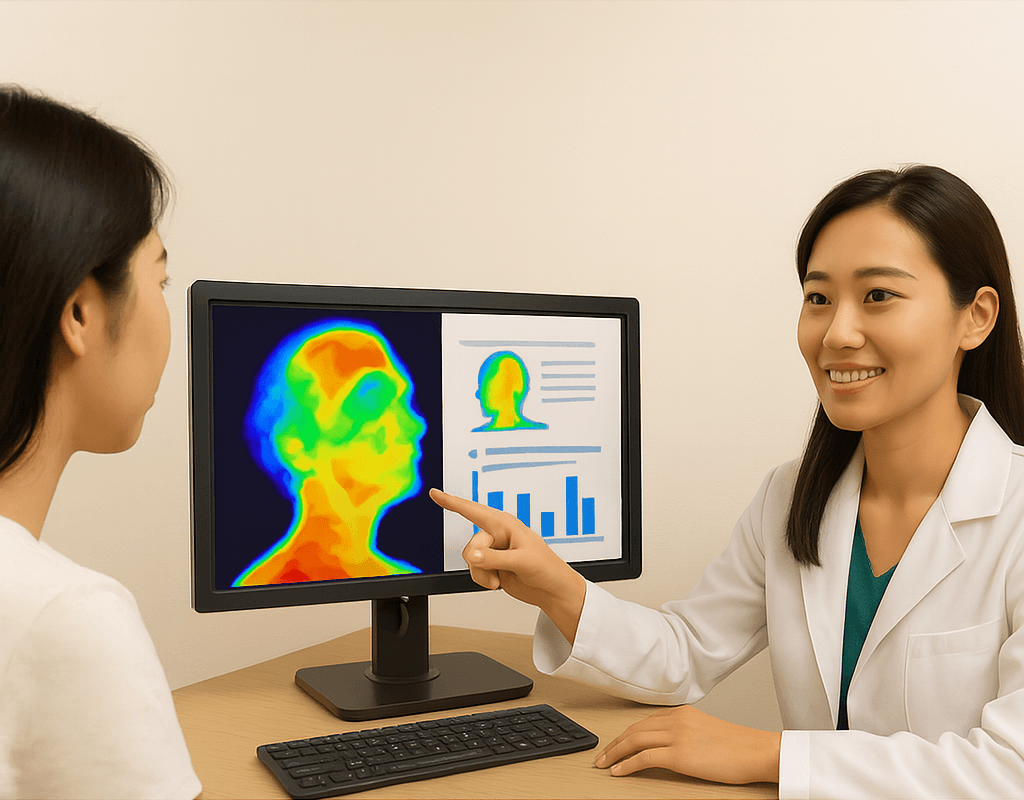
두드러기가 올라오는 시간과 상황, 음식과 약, 수면과 스트레스, 그동안의 치료를 자세히 살펴봅니다. 심박변이도와 체열 검사로 자율신경과 몸의 열 분포를 확인합니다.
2단계. 가려움과 열을 가라앉힙니다
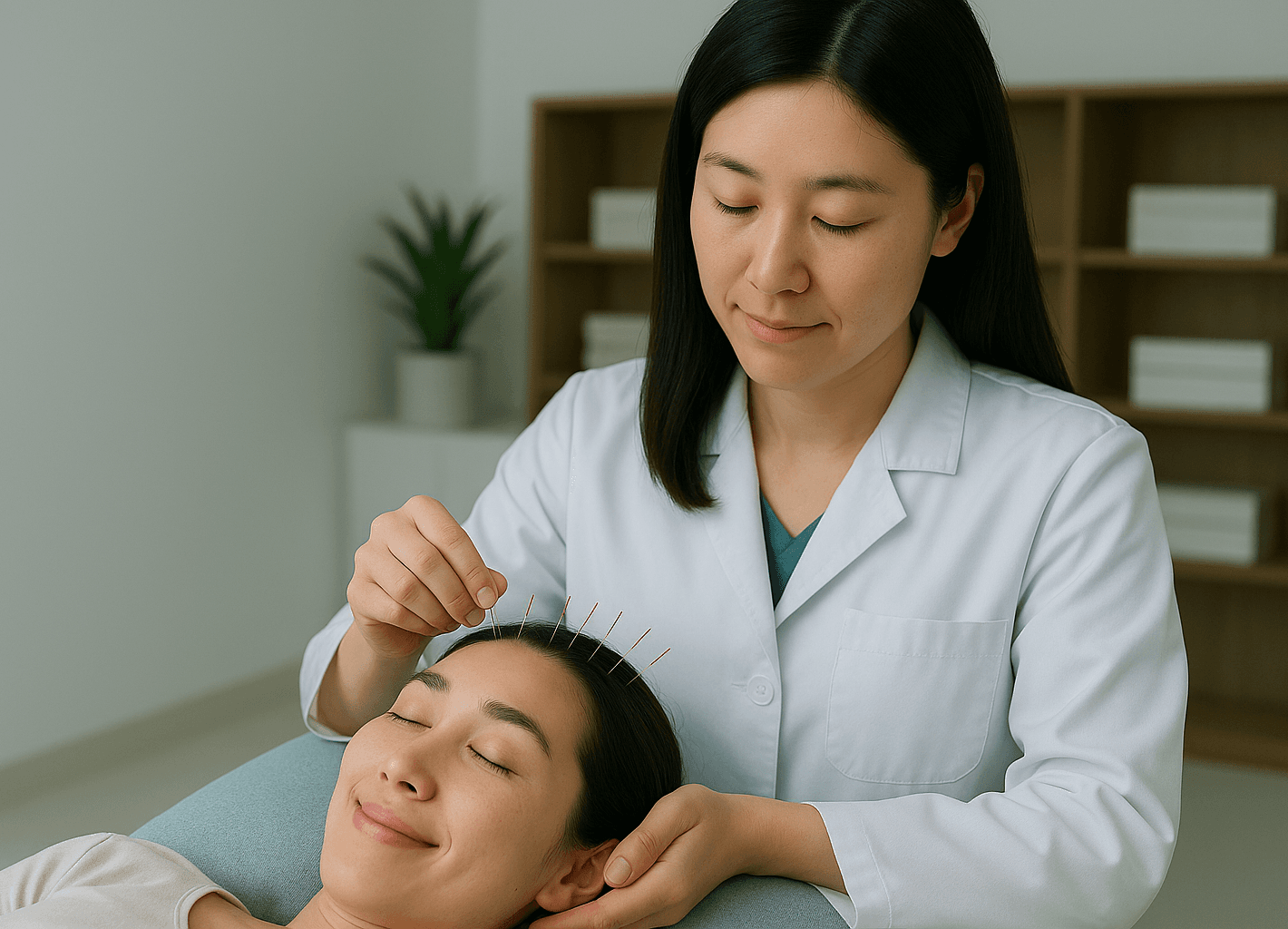
침과 약침으로 피부에 몰린 열과 긴장을 풀어 가려움을 줄입니다.
3단계. 유형에 맞춰 바탕을 다스립니다
먹고 있는 약은 증상에 맞춰 담당 의사와 상의해 줄여 가도록 함께 계획합니다. 체질과 상태에 맞춰 한약을 짓습니다.
4만 건의 처방 사례가 말해주는, 한방 맞춤 치료의 힘
해움한의원 원장이 쓴 두드러기 칼럼
피부질환과 자율신경치료
오늘은 검사도 이상이 없고 치료가 안 되는, 피부과에서 다루는 피부질환에 대한 내용입니다.
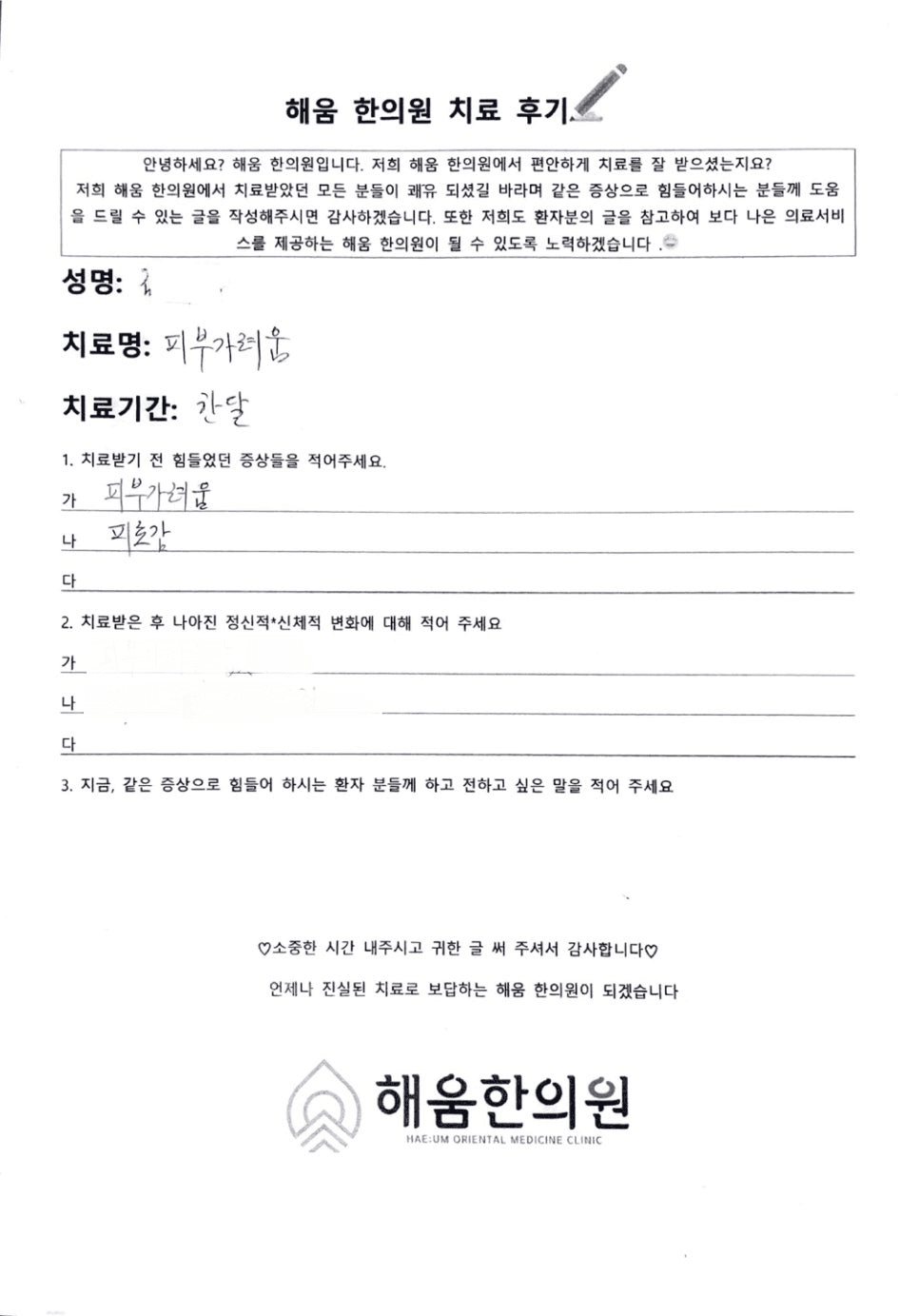
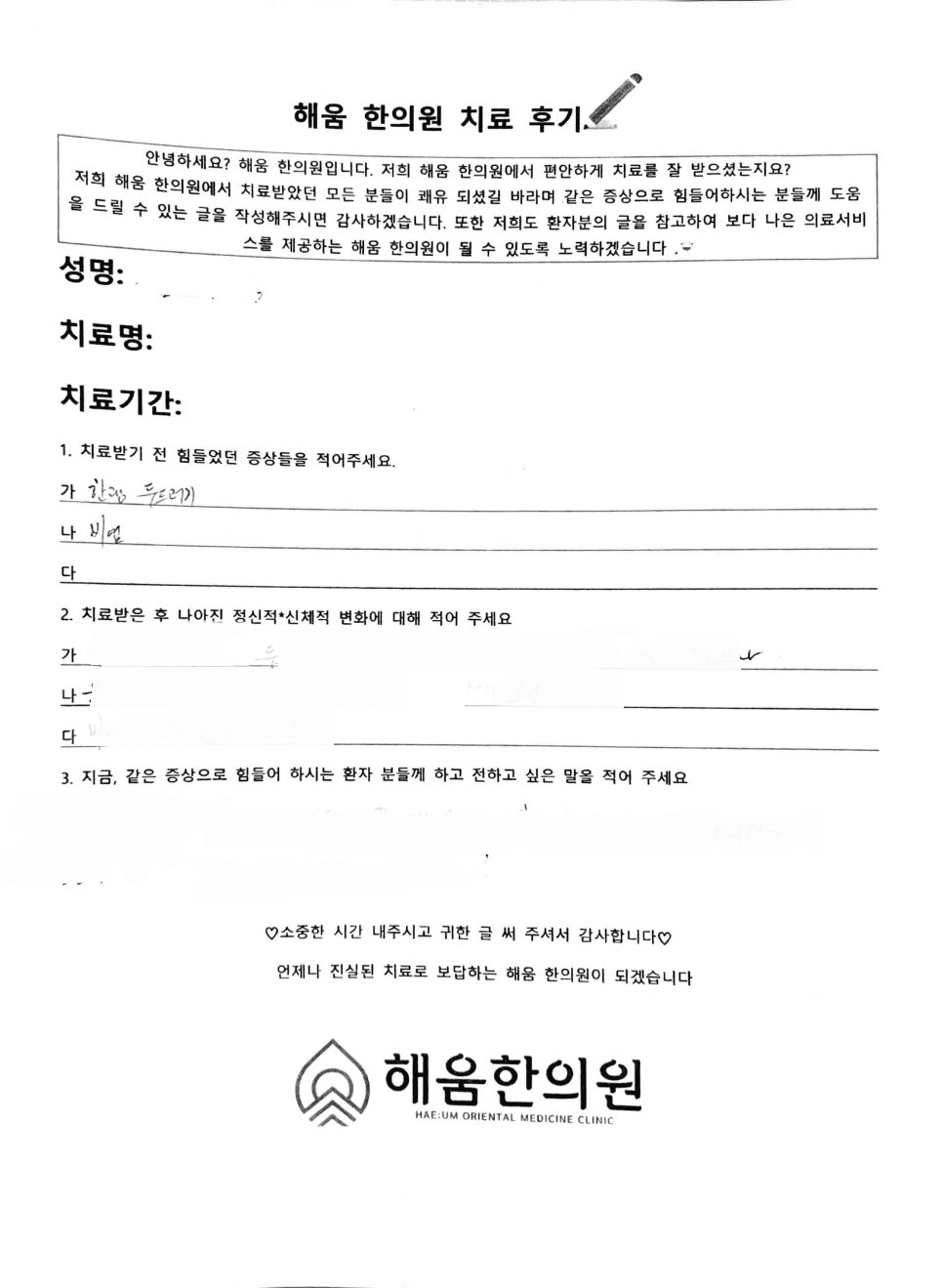
읽어보기두드러기 치료후기 총 2건
환자분들이 남긴 치료후기입니다. 본문은 로그인 후 보실 수 있습니다.
두드러기, 누가 진료하나요?
담당 의료진
대표원장 박재은
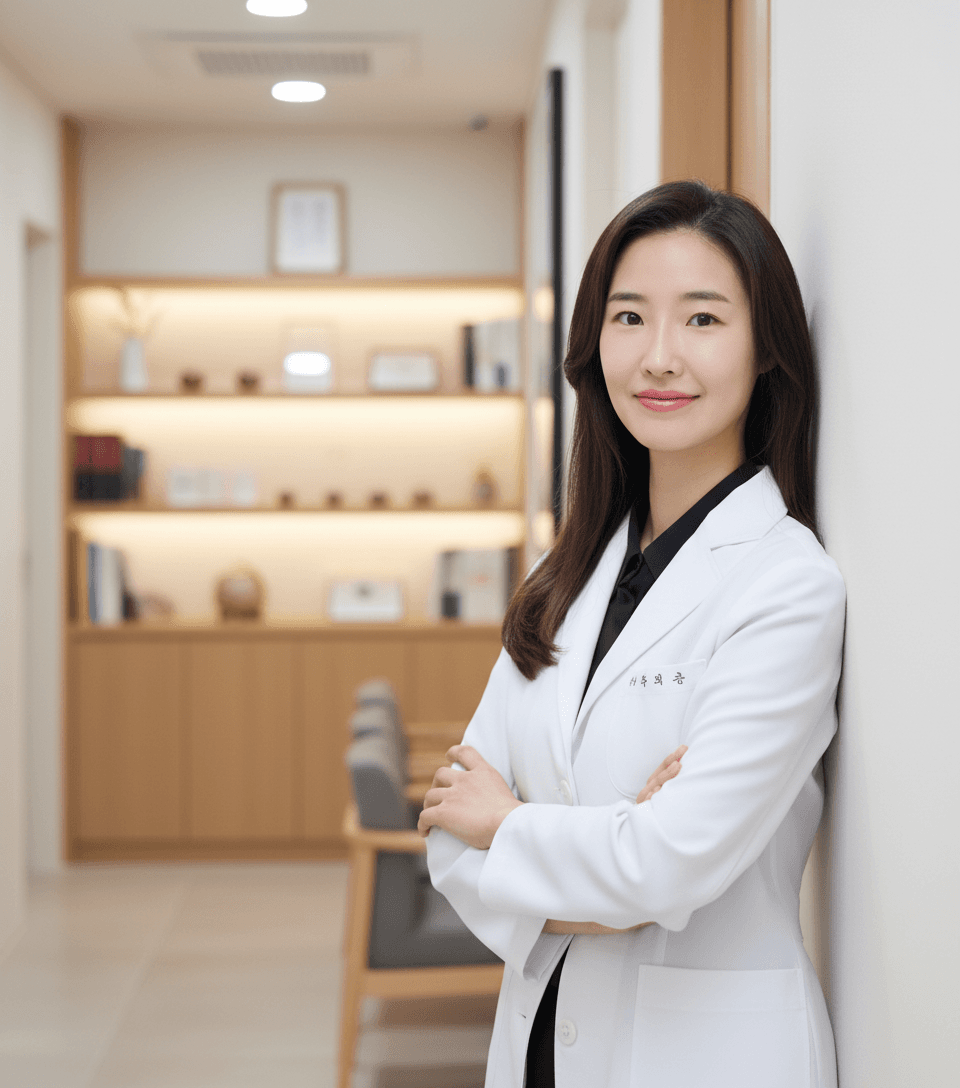
“병이 아니라 그 뒤의 사람을 봅니다”
경희대학교 한의학박사이자 여한의사입니다. 심리상담사 1급 자격, 20만명 차트분석과 4만건 이상의 한약 처방 경험을 바탕으로 진료합니다.
의료진 소개 더보기두드러기, 자주 묻는 질문
두드러기는 저절로 낫나요?
어떤 음식 때문인지 검사하면 알 수 있나요?
항히스타민제와 한약을 같이 먹어도 되나요?
치료는 얼마나 걸리나요?
생활에서 무엇을 주의해야 하나요?
해움한의원에서 두드러기를 진료하나요?
두드러기로 내원하려면 어떻게 하나요?
이런 경우에는 바로 응급실로 가세요
두드러기와 함께 아래 증상이 있으면 아나필락시스(심한 알레르기 반응)일 수 있습니다. 바로 119 에 연락하거나 응급실로 가세요.
- 숨쉬기 힘들거나 목이 조이고 쌕쌕거린다
- 혀나 목, 입술이 갑자기 붓는다
- 어지럽고 쓰러질 것 같다
- 온몸에 두드러기가 퍼지며 토하거나 배가 아프다
- 음식이나 약을 먹은 뒤, 벌에 쏘인 뒤 바로 생겼다
참고문헌 7편
[1]Zuberbier T, Abdul Latiff AH, Abuzakouk M, Aquilina S, Asero R, Baker D, et al. The international EAACI/GA²LEN/EuroGuiDerm/APAAACI guideline for the definition, classification, diagnosis, and management of urticaria. Allergy. 2022;77(3):734-766. doi:10.1111/all.15090. PMID: 34536239.
요약 31개국 50개 학회가 함께 만든 국제 두드러기 진료지침입니다. 급성 두드러기는 평생 약 20%가 겪습니다. 6주 넘게 이어지면 만성 두드러기로 나누고, 만성은 대부분 원인을 찾지 못해 기본 피 검사(혈구, 염증 수치, 갑상선 항체 등)만 권합니다. 치료는 졸음이 적은 2세대 항히스타민제를 1차로 쓰며, 듣지 않으면 4배까지 늘리고, 그래도 조절되지 않으면 오말리주맙 주사, 그다음 사이클로스포린을 쓰도록 했습니다.원문은 출판사 저작권 자료로, 위 링크에서 확인하실 수 있습니다.
[2]Fricke J, Ávila G, Keller T, Weller K, Lau S, Maurer M, et al. Prevalence of chronic urticaria in children and adults across the globe: Systematic review with meta-analysis. Allergy. 2020;75(2):423-432. doi:10.1111/all.14037. PMID: 31494963.
요약 세계 인구 연구 18편, 8,600만여 명을 모은 분석입니다. 한 시점의 만성 두드러기 유병률은 아시아 1.4%로 유럽(0.5%), 북미(0.1%)보다 높았고, 여성이 남성보다 조금 많았습니다.원문은 출판사 저작권 자료로, 위 링크에서 확인하실 수 있습니다.
[3]Lee N, Lee JD, Lee HY, Kang DR, Ye YM. Epidemiology of Chronic Urticaria in Korea Using the Korean Health Insurance Database, 2010-2014. Allergy Asthma Immunol Res. 2017;9(5):438-445. doi:10.4168/aair.2017.9.5.438. PMID: 28677358.
요약 2010~2014년 우리나라 건강보험 청구 자료로 본 만성 두드러기 연구입니다. 유병률은 10만 인년당 2,256.5명으로 해마다 늘었고, 여성(2,466.8명)이 남성(1,819.2명)보다 많았습니다. 만성 두드러기만의 진단 코드가 없어 항히스타민제 처방으로 추정한 값입니다.원문은 출판사 저작권 자료로, 위 링크에서 확인하실 수 있습니다.
[4]Chung BY, Um JY, Kang SY, Kim HO, Park CW. Natural History of Chronic Urticaria in Korea. Ann Dermatol. 2020;32(1):38-46. doi:10.5021/ad.2020.32.1.38. PMID: 33911707.
요약 우리나라 대학병원 3곳의 만성 두드러기 환자 329명의 경과를 본 연구입니다. 시작 뒤 1년, 3년, 5년 안에 나은 비율은 10.8%, 18.8%, 32.9%였고, 평균 6.3년 이어졌습니다. 아토피피부염이 있으면 경과가 더 나빴습니다.원문은 출판사 저작권 자료로, 위 링크에서 확인하실 수 있습니다.
[5]Choi GS, Nam YH, Park CS, Kim MY, Jo EJ, Park HK, et al. Anxiety, depression, and stress in Korean patients with chronic urticaria. Korean J Intern Med. 2020;35(6):1507-1516. doi:10.3904/kjim.2019.320. PMID: 32450676.
요약 우리나라 만성 두드러기 환자 79명과 천식 환자 39명을 비교한 연구입니다. 두드러기 환자의 48.1%가 우울, 38.0%가 불안 상태였고, 우울은 천식 환자(28.2%)보다 많았습니다. 불안이 클수록 두드러기가 심하고 더 가려웠으며, 불안·우울·스트레스가 클수록 삶의 질이 낮았습니다.원문은 출판사 저작권 자료로, 위 링크에서 확인하실 수 있습니다.
[6]Yang SH, Lin YH, Lin JR, Chen HY, Hu S, Yang YH, et al. The Efficacy and Safety of a Fixed Combination of Chinese Herbal Medicine in Chronic Urticaria: A Randomized, Double-Blind, Placebo-Controlled Pilot Study. Front Pharmacol. 2018;9:1474. doi:10.3389/fphar.2018.01474. PMID: 30618764.
초록 (Abstract)
Background: Chronic urticaria is a bothersome skin disease, and Chinese herbal medicine (CHM) is commonly used as adjuvant therapy. This study aimed to evaluate the effectiveness and safety of the mixture of two CHM formula, Xiao-Feng-San (XFS) and Qing-Shang-Fang-Feng-Tang (QSFFT), in treating urticaria through a randomized, double-blind, placebo-controlled clinical trial.
Methods: 78 participants entered the screening phase between November 2012 and August 2015. Participants were randomly and equally allocated in either CHM group (2 gm XFS and 2 gm QSFFT four times a day and 5 mg levocetirizine once daily for 28 days followed by 5 mg levocetirizine once daily alone for 28 days) or control group (placebo and 5 mg levocetirizine daily followed by 5 mg levocetirizine once daily for 28 days alone). Symptom improvement was set as the primary outcome, and the influence on sleep quality and changes in serum markers were used as secondary outcomes. Per protocol design was applied to the final analysis.
Results: A total of 56 participants entered the final analysis stage. Participants in the CHM group had more prominent symptom relief on day 56 (the weekly urticaria activity score, UAS7, as 9.9 ± 9.2 vs. 15.6 ± 10.8, p = 0.038). In the CHM group, participants' symptom severity reduced progressively (trend analysis, p < 0.001) while the decreasing trend was less favored in the control group (trend analysis, p = 0.056). The life quality improved gradually in both groups, while the differences between CHM and control groups were statistically insignificant. For urticaria-related cytokines, interferon-γ seemed to decrease positively in the CHM group (about 30.8% reduction from baseline, trend analysis p = 0.013). For safety issue, the CHM prescription was well-tolerated with no noticeable long-term side effects when compared to the control group. At 6-month follow-up of symptom changes after the end of the trial, the CHM group participants reported positive results in no recurrence or ≥50% improvement (36.3% in CHM group vs. 20% in Control group, p = 0.103).
Conclusions: The combination of XFS and QSFFT tended to be feasible and tolerable adjuvant therapy for urticaria in addition to standard therapy. However, larger study population with longer follow-up duration may be still needed.
Trial registration: NCT01715740 (ClinicalTrials.gov).
결과 (Results)
Patients Recruitment: A total of 78 volunteer candidates underwent screening between November 2012 and August 2015, and four were excluded because they did not sign the informed consent and did not want to participate in the trial even after a detailed explanation. In August 2015, this trial was terminated because of fund shortage even though the preset goal of 100 participants was not achieved. Subsequently, a total of 74 patients underwent randomization and were allocated to either the CHM group or control group. Figure 1 shows the enrollment flow diagram in detail. In the treatment phase, levocetirizine with either CHM or placebo was taken from days 0 to 28. Four participants were excluded from the CHM group: three had too mild urticaria (with a UAS7 lower than 10 when the trial was initiated), and one refused to fill in the questionnaire. On the other hand, five participants were excluded from the control group: two only had a mild symptom, and three refused to fill in the questionnaire. Furthermore, in the follow-up phase, five participants were excluded from the CHM group (two had poor medication compliance, and three had unknown medication) and three participants from the control group (two for poor medication compliance and one quitted for no reason). Finally, the per-protocol analysis was done in 56 participants, with 28 members in each group, who completed the entire trial.
Baseline Characteristics: The baseline characteristics of the CHM and control groups are summarized in Table 2. There were no statistical differences between the CHM and control groups, including patient age, gender, comorbidities, food/drug allergy history, previous duration of urticaria, past medication history for urticaria, initial UAS7, and biochemical profiles. Hemoglobin (Hb) levels between the CHM and control groups have a statistical difference, but both their Hb levels were within the normal range.
Primary Outcomes: Figure 2 summarizes the changes in symptom severity of urticaria as the primary outcome. The trend analysis showed that symptom severity decreased progressively in the CHM group (p < 0.001) than in the control group (p = 0.056). An effective symptom relief could be found both in the CHM and control groups, and the symptom severity tended to be lower in the CHM group. The mean UAS7 in the CHM group was 22.80 at baseline and decreased to 13.2 at 28 days and 9.9 at 56 days. On the other hand, the mean score in the control group decreased from 22.1 at baseline to 14.7 at 28 days, and it slightly increased to 15.6 on 56 days. However, the differences in symptom severity between the CHM and control groups only achieved borderline significance when corrected by the Bonferroni's method (p = 0.038).
The improvements in life quality had a similar trend with that of the relief of symptom severity of urticaria. Nonetheless, both groups tended to improve gradually in life quality (both have p < 0.001 for trend analysis). On day 28, about 50% improvement can be observed in both groups, while the improvement became slightly better in the CHM group (Table 3). On day 56, DLQI continually decreased in the CHM group and slightly increased in the control group.
Secondary Outcomes / Sleep Disturbance: Table 3 shows that the improvements in sleep disturbances were not different between the CHM and control groups, and the trend analysis showed that both groups had no positive tendency to improve insomnia.
Urticaria-Related Cytokines: The changes in serum cytokines are summarized in Table 3. The changes in serum IL-13 in the CHM group were prominently different from the control group. Serum IL-13 in the CHM group declined from 4.26 pg/mL at baseline to 2.58 pg/mL at day 28 and returned to 4.31 pg/mL at day 56. In the control group, serum IL-13 continually decreased from 3.39 pg/mL at baseline to 2.39 pg/mL and 2.30 pg/mL at days 28 and 56, respectively (p = 0.047). Besides, the downward trend of serum IFN-γ could be seen in the CHM group, and the differences between days 0 and 56 were larger in the CHM group (42.72 and 29.56 pg/mL, respectively) than in the control group (39.65 and 41.85 pg/mL, respectively; trend analysis, p = 0.013).
Safety Evaluation: All adverse events during the study period were reported and well-followed-up (Table 4). No significant difference in the incidence of adverse events between the CHM and control groups was seen (p = 0.252). Although the incidence seemed higher in the CHM group (21.4%), the causal relations were not definite. No deaths, anaphylactic shock episodes, or other major imbalances in any system organ affected by adverse events were reported during the study period. Adverse events reported included sweating, constipation, chest tightness, dizziness, herpes zoster, common cold, and sneeze. Additionally, the evaluations on the liver and kidney function profiles were all within the normal range before and after the trials (data not shown).
Follow-up Satisfaction: As a subjective outcome, the 6-month follow-up satisfaction was also assessed by phone contact with 42 available participants: 22 in the CHM group and 20 in the control group. The higher 6-month response rate was found in the CHM group (36.4% vs. 20%) with “no recurrence” or “improvement ≥50%.” However, the difference between both groups had no statistical significance (p = 0.054; Table 5).
원문 발췌 · Yang SH, Lin YH, Lin JR, Chen HY, Hu S, Yang YH, Yang YH, Yang YS, Fang YF, Front Pharmacol 2018 · CC BY 4.0 라이선스에 따라 수정 없이 인용했습니다(본문 속 인용 번호는 생략).
[7]Zheng H, Xiao XJ, Shi YZ, Zhang LX, Cao W, Zheng QH, et al. Efficacy of Acupuncture for Chronic Spontaneous Urticaria : A Randomized Controlled Trial. Ann Intern Med. 2023;176(12):1617-1624. doi:10.7326/m23-1043. PMID: 37956431.
요약 만성 두드러기 환자 330명을 침, 가짜 침, 대기군으로 나눈 중국 병원 3곳의 연구입니다. 4주 뒤 두드러기 점수(0~42점)는 침 군에서 8.2점 줄어 가짜 침(4.1점)과 대기군(2.2점)보다 많이 줄었습니다. 다만 그 차이는 환자가 느낄 만한 최소 기준에는 못 미쳤습니다. 항히스타민제를 쓰지 않는 조건이었고 경과를 4주만 더 보았습니다.원문은 출판사 저작권 자료로, 위 링크에서 확인하실 수 있습니다.