
양천구 목동 난청 한의원
난청
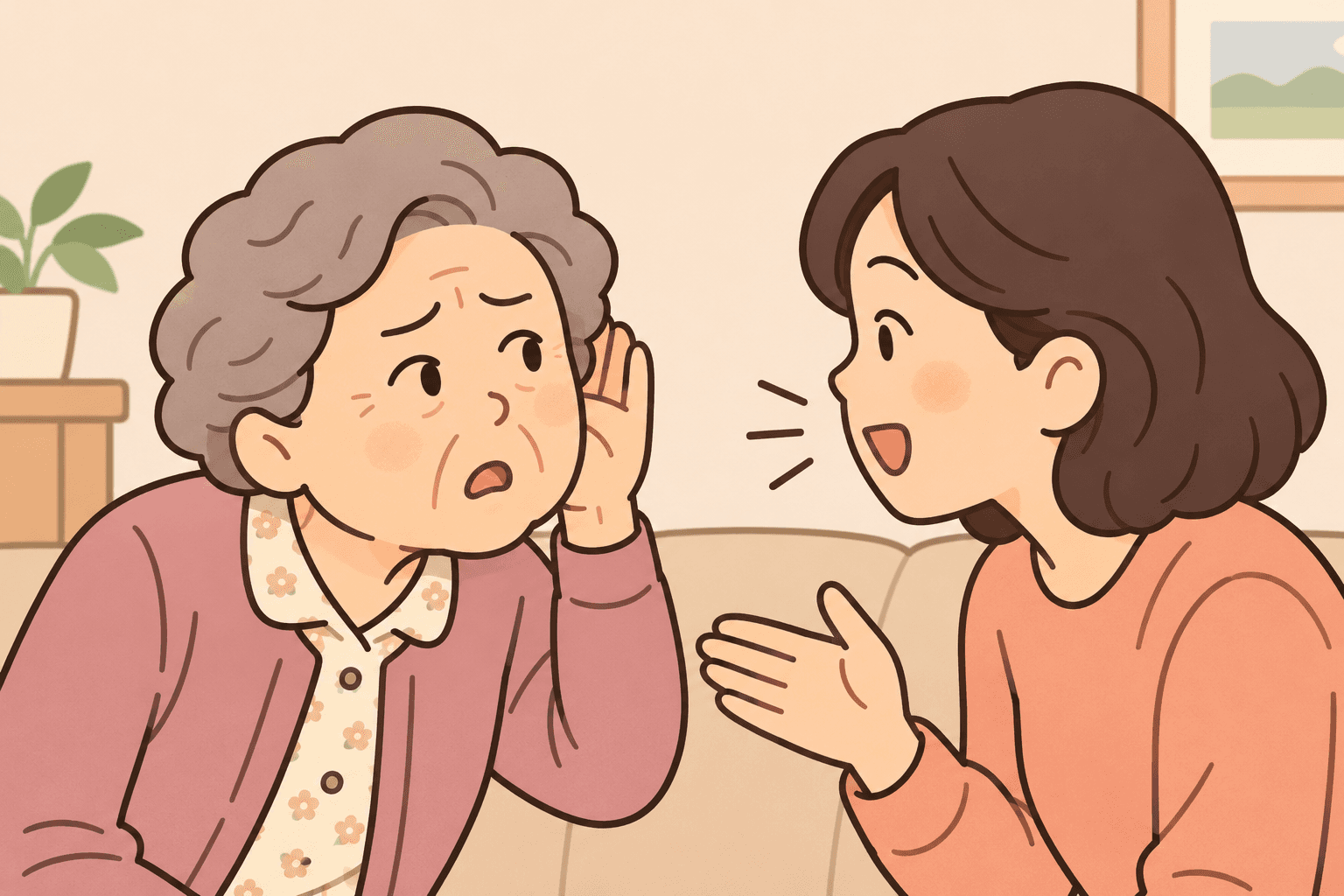
아침에 일어나니 한쪽 귀가 물속에 잠긴 듯 먹먹합니다. 전화기를 대어 보니 소리가 멀게 들립니다. 곧 좋아지겠지 하고 넘기기 쉬운 이 증상이 난청일 수 있습니다.
난청 한눈에 보기
- 난청은 소리를 듣는 힘이 떨어진 상태로, 세계 인구 5명 중 1명이 겪습니다.
- 갑자기 한쪽 귀가 안 들리는 돌발성 난청은 서둘러야 합니다. 2주 안의 검사와 치료가 중요합니다.
- 치료 뒤에 남은 먹먹함과 이명은 수면과 스트레스, 자율신경을 함께 살펴야 합니다.
- 치료후기 2건
- 의료진 칼럼 2편
- 건강정보 2편
난청이란?
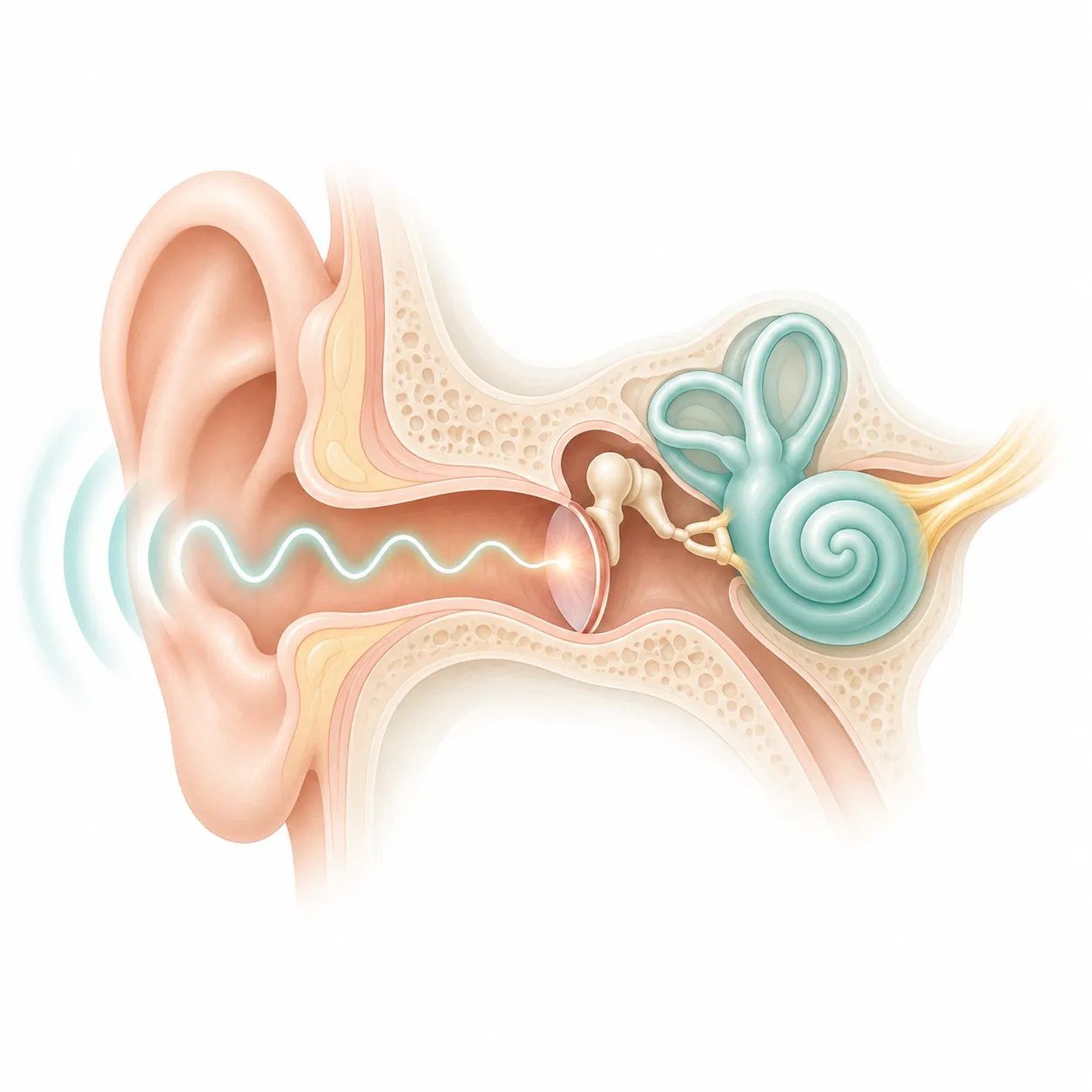

난청은 왜 생기나요?
난청의 표준 치료
돌발성 난청은 2주 안에 스테로이드 치료를 하고, 회복이 부족하면 2~6주 안에 고막 안 주사를 고려합니다. 고압산소도 함께 쓸 수 있습니다[3]. 병행한 군은 청력이 평균 10.3dB 더 회복되었습니다[8]. 나이가 들어 생긴 난청은 보청기를 씁니다. 보청기와 청각 상담은 노인 전체의 인지 저하를 줄이지는 못했지만, 위험이 높은 노인에게는 도움이 될 가능성이 있습니다[9].
치료 뒤에도 청력이 다 돌아오지 않거나 이명과 먹먹함이 남는 분이 있습니다[3]. 잠과 긴장, 체력이 무너져 있으면 회복은 더딥니다. 한의학 치료는 이비인후과 치료와 병행해, 이 바탕을 다스려 회복을 돕습니다.
돌발성 난청에 침을 더한 연구가 있습니다. 12개 연구, 863명을 모은 분석에서 침과 양방 치료의 병행은 유효율이 1.33배 높고 청력도 10.85dB 더 좋았습니다[10]. 28개 연구, 2,456명의 분석에서도 유효율은 1.18배 높았습니다[11]. 침만 쓴 치료는 아직 연구가 많지 않습니다.
해움한의원은 이렇게 치료합니다

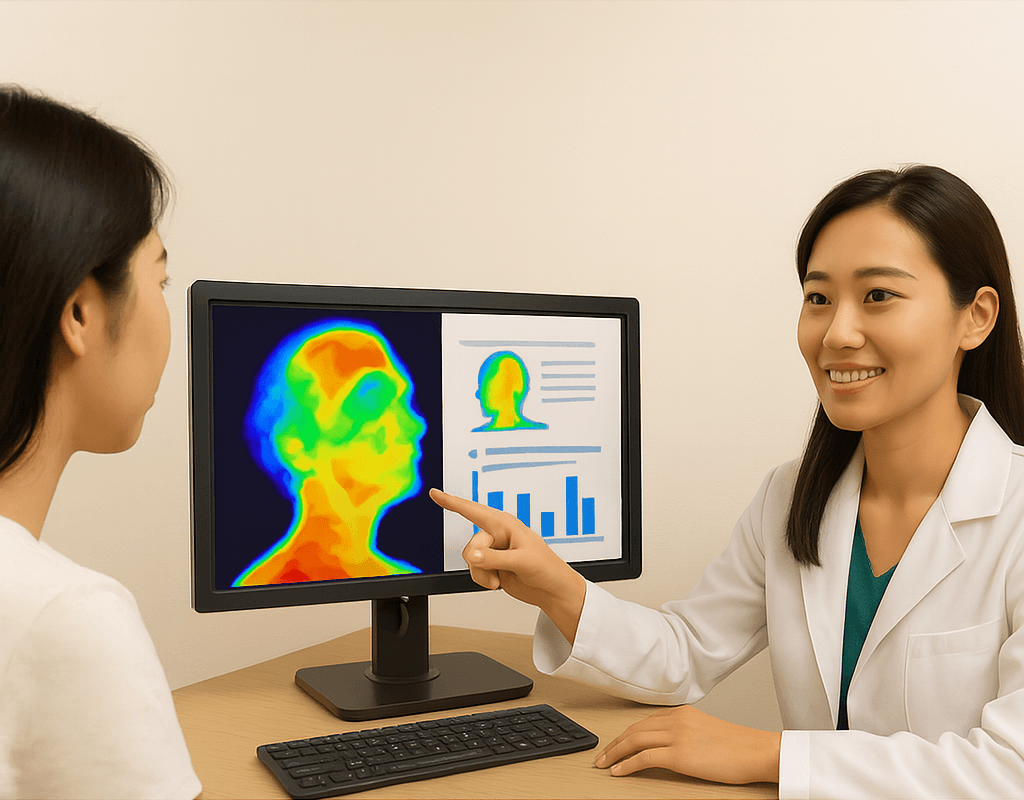
해움한의원은 귀만 보지 않습니다. 귀를 회복시키는 몸의 조건, 잠과 긴장, 체력을 함께 살핍니다.
1단계. 시기와 청력을 확인합니다
언제 시작되었는지, 청력검사와 받은 치료, 이명과 어지럼을 자세히 살펴봅니다. 최근에 갑자기 생겼거나 청력검사가 없다면 이비인후과 진료를 먼저 안내해 드립니다. 심박변이도로 자율신경의 상태를 확인합니다.
2단계. 귀 주변의 긴장과 순환을 풉니다
침과 약침으로 목과 어깨, 귀 주변의 긴장을 풀고 자율신경을 안정시킵니다. 수면과 생활 습관을 함께 살핍니다.
3단계. 유형에 맞춰 바탕을 다스립니다
체질과 상태에 맞춰 한약을 짓습니다.
4만 건의 처방 사례가 말해주는, 한방 맞춤 치료의 힘

난청 치료후기 총 2건
환자분들이 남긴 치료후기입니다. 본문은 로그인 후 보실 수 있습니다.
난청, 누가 진료하나요?
담당 의료진
대표원장 박재은

“병이 아니라 그 뒤의 사람을 봅니다”
경희대학교 한의학박사이자 여한의사입니다. 심리상담사 1급 자격, 20만명 차트분석과 4만건 이상의 한약 처방 경험을 바탕으로 진료합니다.
의료진 소개 더보기난청, 자주 묻는 질문
돌발성 난청은 저절로 낫나요?
스테로이드 치료를 받았는데 귀가 계속 먹먹합니다
이비인후과 치료와 한방치료를 같이 받아도 되나요?
보청기는 꼭 해야 하나요?
치료 기간은 얼마나 걸리나요?
생활에서 어떻게 관리해야 하나요?
해움한의원에서 난청을 진료하나요?
난청으로 내원하려면 어떻게 하나요?
난청에 관해 알아두면 좋은 정보
2건난청과 관련해 정리한 건강정보입니다.
돌발성난청 스테로이드 치료 후에도 남는 증상, 왜일까요?
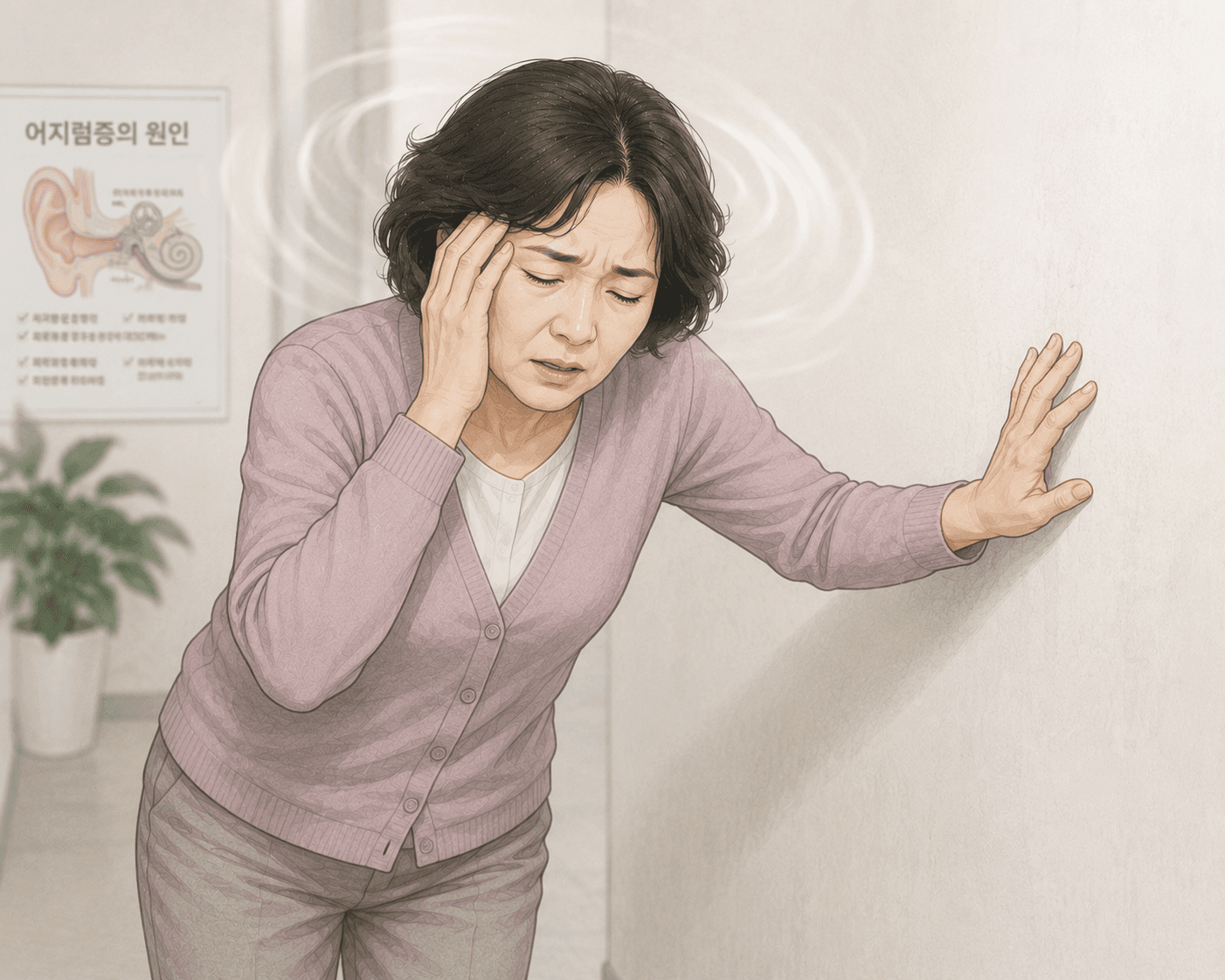
“갑자기 귀가 안 들리고, 다시 반복될까 불안해요”갑자기 한쪽 귀가 먹먹해지면서소리가 멀어진 것처럼 들릴 때, 정말 당황스럽습니다.조금 지나면 괜찮아질 줄 알았는데이명까지 들리고, 어지러움까지 동반되면불안감은 더 커
메니에르희귀병, 어지럼증만 잡아서는 좋아지기 어려운 이유
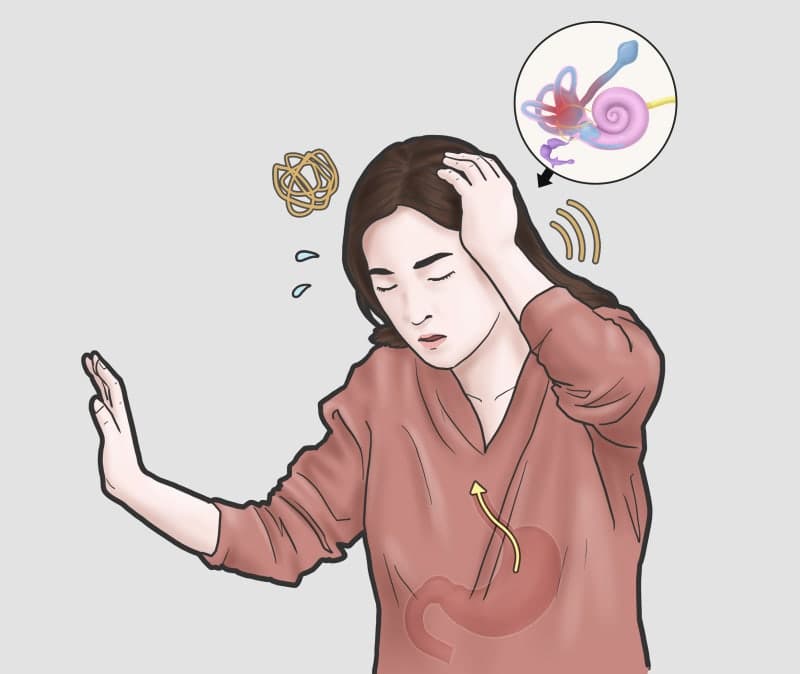
치료를 받고 있는데 왜 또 어지러울까요?갑자기 세상이 빙글빙글 도는 듯한 어지럼증이 시작되고, 귀에서는 "삐-" 하는 이명이 들리며 소리가 잘 들리지 않는 경험을 반복한다면 일상은 금세 무너지기 쉽습니다.처음에는 단
이런 경우에는 바로 응급실로 가세요
아래 증상은 돌발성 난청이나 뇌혈관 질환일 수 있습니다. 청력은 치료가 빠를수록 유리하므로 바로 이비인후과나 응급실을 찾으세요.
- 갑자기 한쪽 귀가 들리지 않는다
- 난청과 함께 심한 어지럼으로 걷기 어렵다
- 말이 어눌하거나 얼굴, 팔다리에 힘이 빠진다
- 갑작스러운 심한 두통이 함께 온다
- 귀에서 고름이나 피가 나고 열이 난다
참고문헌 11편
[1]GBD 2019 Hearing Loss Collaborators. Hearing loss prevalence and years lived with disability, 1990-2019: findings from the Global Burden of Disease Study 2019. Lancet. 2021;397(10278):996-1009. doi:10.1016/s0140-6736(21)00516-x. PMID: 33714390.
초록 (Abstract)
Background: Hearing loss affects access to spoken language, which can affect cognition and development, and can negatively affect social wellbeing. We present updated estimates from the Global Burden of Disease (GBD) study on the prevalence of hearing loss in 2019, as well as the condition's associated disability.
Methods: We did systematic reviews of population-representative surveys on hearing loss prevalence from 1990 to 2019. We fitted nested meta-regression models for severity-specific prevalence, accounting for hearing aid coverage, cause, and the presence of tinnitus. We also forecasted the prevalence of hearing loss until 2050.
Findings: An estimated 1·57 billion (95% uncertainty interval 1·51–1·64) people globally had hearing loss in 2019, accounting for one in five people (20·3% [19·5–21·1]). Of these, 403·3 million (357·3–449·5) people had hearing loss that was moderate or higher in severity after adjusting for hearing aid use, and 430·4 million (381·7–479·6) without adjustment. The largest number of people with moderate-to-complete hearing loss resided in the Western Pacific region (127·1 million people [112·3–142·6]). Of all people with a hearing impairment, 62·1% (60·2–63·9) were older than 50 years. The Healthcare Access and Quality (HAQ) Index explained 65·8% of the variation in national age-standardised rates of years lived with disability, because countries with a low HAQ Index had higher rates of years lived with disability. By 2050, a projected 2·45 billion (2·35–2·56) people will have hearing loss, a 56·1% (47·3–65·2) increase from 2019, despite stable age-standardised prevalence.
Interpretation: As populations age, the number of people with hearing loss will increase. Interventions such as childhood screening, hearing aids, effective management of otitis media and meningitis, and cochlear implants have the potential to ameliorate this burden. Because the burden of moderate-to-complete hearing loss is concentrated in countries with low health-care quality and access, stronger health-care provision mechanisms are needed to reduce the burden of unaddressed hearing loss in these settings.
Funding: Bill & Melinda Gates Foundation and WHO.
결과 (Results)
Source counts were calculated by summing all surveys that were considered for incorporation into the model, including those that were eventually excluded from the analysis (because of poor survey methodology, etc). We counted a survey reporting data from multiple countries as multiple data sources. In total, input data consisted of 215 survey sources in 77 countries (surveys were only counted once in the total summation, even if they were used in multiple aspects of hearing loss estimation). Modelling of hearing loss prevalence considered 113 survey sources in 54 countries. Modelling of hearing aid coverage considered 100 survey sources in 44 countries. Other data came from ten data sources in two countries (data coverage and age-standardised coverage rates are shown in the appendix [pp 7, 9]).
An estimated 1·57 billion (95% UI 1·51–1·64) people had hearing loss in 2019, accounting for 20·3% (19·5–21·1) of the global population. Of these, 1·17 billion (1·12–1·22) people (74·3% [71·8–76·8]) had mild hearing loss. 12·65 million (10·34–15·48) individuals had complete hearing loss. Without adjustment for hearing aid use, 430·4 million (381·7–479·6) people globally had moderate-to-complete hearing loss in the better-hearing ear.
Globally, the number of people with moderate-to-complete hearing loss increased from 225·3 million (95% UI 197·6–250·9) in 1990, to 403·3 million (357·3–449·5) in 2019, a 79·1% (73·8–84·1) increase.
Age-standardised prevalence of moderate-to-complete hearing loss remained constant over the same period (age-standardised prevalence for all hearing loss is presented in the appendix [p 9]), ranging from 5·8% (95% UI 5·2–6·5) in the South-East Asia region to 3·5% (3·1–3·9) in the European region. The largest number of people with moderate-to-complete hearing loss resided in the Western Pacific region (127·1 million [112·3–142·6]), the South-East Asia region (103·4 million [90·9–115·4]), and the region of the Americas (58·8 million [51·7–66·2]; table 2).
Between 1990 and 2019, the global number of YLDs attributable to hearing loss increased by 73·6% (95% UI 67·1–79·2), from 25·02 million (16·96–35·34) to 43·45 million (29·68–61·80). Of the YLDs attributed to hearing loss in 2019, 65·2% (52·5–76·6) were caused by moderate-to-complete cases and 34·8% (23·4–47·5) were caused by mild cases. In 2019, 7·00 million (4·76–10·06) YLDs were attributable to occupational noise exposure (appendix p 5).
The burden of all hearing loss is greatest at lowest levels of the HAQ Index, with a difference of more than 3 times in YLD rates between countries with the lowest and highest HAQ Index values (figure 1). A linear regression analysis of age-standardised national YLD rates of hearing loss and HAQ Index found that HAQ Index explained 65·8% of the variation in YLD rates (adjusted r2 0·66).
Although 66·6% (95% UI 62·9–69·9) of moderate-to-complete hearing loss cases were moderate in severity (35–49 dB), this severity accounted for 34·0% (26·2–42·6) of disability attributed to moderate-to-complete hearing loss (figure 2). Of all YLDs attributable to moderate-to-complete cases, 34·0% (26·2–42·6) were attributable to moderate cases, followed by moderately severe (29·6% [25·6–33·8]), profound (13·6% [10·5–17·2]), severe (12·1% [9·7–14·8]), and complete cases (10·7% [8·3–13·6]).
Across the age spectrum, hearing loss was most severe in those approximately younger than 5 years and those older than 70 years, meaning that the proportion of cases that were moderately severe, severe, profound, or complete was much larger in these age groups (appendix p 10). Hearing loss was also more prevalent at older ages, most notably after age 50 years (figure 3). In 2019, 62·1% (95% UI 60·2–63·9) of all people with hearing impairment were older than 50 years, and 4·4% (3·9–5·0) were younger than 15 years (69·7 million individuals [59·9–78·8]). Compared with other disease categories in the GBD, age-related and other hearing loss was the third largest cause of global YLDs in 2019, and the leading cause of global YLDs for individuals older than 70 years. Full rankings are available at GBD Compare.
The cause of hearing loss changed from infections and congenital birth defects to other factors over age (figure 3). Under age 5 years, hearing loss was mostly attributable to otitis media (63·7% [95% UI 56·9–70·2]). By comparison, 96·2% (94·5–97·6) of hearing loss was attributable to age-related and other factors for adults aged 50–54 years.
Between 1990 and 2019, the crude prevalence rate of all hearing loss increased by 27·8% (95% UI 26·6–29·0), from 15·9% (15·3–16·6) in 1990 to 20·3% (19·5–21·1) in 2019. By contrast, the global age-standardised prevalence rate of all hearing loss remained stable, changing from 19·1% (18·4–19·9) in 1990 to 19·3% (18·5–20·0) in 2019. The increase in hearing loss cases while age-standardised reates remained stable indicates that increases in prevalent cases are driven by population growth and ageing.
By 2050, a projected 2·45 billion (95% UI 2·35–2·56) people will have hearing loss, a 56·1% (47·3–65·2) increase from 2019, despite stable age-standardised prevalence (appendix p 15). An estimated 698·4 million (617·7–777·8) people will have moderate-to-complete hearing loss in 2050, with most people with moderate-to-complete hearing loss residing in the Western Pacific region (214·5 million [190·1–239·1]; figure 4). The greatest percentage increase is projected in the African region, where the number of those with moderate-to-complete hearing loss is predicted to increase from 38·70 million (33·08–44·47) to 98·08 million (86·94–109·09), an increase of 154·9% (110·5–208·0). This region is followed by the Eastern Mediterranean region, where cases are projected to rise from 21·25 million (18·62–23·88) to 50·45 million (43·84–57·59), a projected increase of 138·4% (96·7–184·8).
원문 발췌 · GBD 2019 Hearing Loss Collaborators, Lancet 2021 · CC BY 4.0 라이선스에 따라 수정 없이 인용했습니다(본문 속 인용 번호는 생략).
[2]Jun HJ, Hwang SY, Lee SH, Lee JE, Song JJ, Chae S. The prevalence of hearing loss in South Korea: data from a population-based study. Laryngoscope. 2015;125(3):690-694. doi:10.1002/lary.24913. PMID: 25216153.
요약 국민건강영양조사 2010~2012년 18,650명의 분석입니다. 12세 이상의 말소리 영역 난청은 한쪽 9.31%, 양쪽 13.42%로 모두 22.73%였습니다. 남성과 고령층에 많았습니다.원문은 출판사 저작권 자료로, 위 링크에서 확인하실 수 있습니다.
[3]Chandrasekhar SS, Tsai Do BS, Schwartz SR, Bontempo LJ, Faucett EA, Finestone SA, et al. Clinical Practice Guideline: Sudden Hearing Loss (Update). Otolaryngol Head Neck Surg. 2019;161(1_suppl):S1-S45. doi:10.1177/0194599819859885. PMID: 31369359.
요약 미국 이비인후과학회 돌발성 난청 진료지침입니다. 해마다 10만 명당 5~27명에게 생기고, 90% 이상은 원인을 알 수 없습니다. 증상 뒤 14일 안의 청력검사, 2주 안의 스테로이드 치료, 회복이 부족할 때 2~6주 안의 고막 안 스테로이드, 고압산소 병행을 제시합니다. 남은 난청과 이명에는 청각 재활과 지지 치료를 안내하도록 권합니다.원문은 출판사 저작권 자료로, 위 링크에서 확인하실 수 있습니다.
[4]Alexander TH, Harris JP. Incidence of sudden sensorineural hearing loss. Otol Neurotol. 2013;34(9):1586-1589. doi:10.1097/mao.0000000000000222. PMID: 24232060.
요약 미국 보험 청구 자료의 분석입니다. 돌발성 난청의 연간 발생률은 10만 명당 27명이었고, 65세 이상에서는 77명으로 나이가 들수록 늘었습니다.원문은 출판사 저작권 자료로, 위 링크에서 확인하실 수 있습니다.
[5]Kuhn M, Heman-Ackah SE, Shaikh JA, Roehm PC. Sudden sensorineural hearing loss: a review of diagnosis, treatment, and prognosis. Trends Amplif. 2011;15(3):91-105. doi:10.1177/1084713811408349. PMID: 21606048.
요약 돌발성 난청 종설입니다. 72시간 안에 연속된 세 주파수에서 30dB 이상 떨어지면 돌발성 난청으로 정의합니다. 회복은 난청의 정도, 나이, 어지럼 동반, 청력도 모양에 따라 달라집니다.원문은 출판사 저작권 자료로, 위 링크에서 확인하실 수 있습니다.
[6]Lin RJ, Krall R, Westerberg BD, Chadha NK, Chau JK. Systematic review and meta-analysis of the risk factors for sudden sensorineural hearing loss in adults. Laryngoscope. 2012;122(3):624-635. doi:10.1002/lary.22480. PMID: 22252719.
요약 22개 논문의 체계적 고찰입니다. 흡연, 잦은 음주 등 심혈관 위험 요인이 돌발성 난청 위험을 높이는 것으로 보였습니다.원문은 출판사 저작권 자료로, 위 링크에서 확인하실 수 있습니다.
[7]Kim SY, Min C, Lee CH, Park B, Choi HG. Bidirectional relation between depression and sudden sensorineural hearing loss: Two longitudinal follow-up studies using a national sample cohort. Sci Rep. 2020;10(1):1482. doi:10.1038/s41598-020-58547-w. PMID: 32001781.
초록 (Abstract)
A few studies have explored the association between depression and sudden sensorineural hearing loss (SSNHL). This study was aimed to investigate the reciprocal relations between SSNHL and depression using a nationwide cohort of the Korean population. Subjects aged > 20 years from the Korean National Health Insurance Service-National Sample Cohort were enrolled from 2002 to 2013. In study I, a total of 60,178 depressed patients were matched 1:4 with 242,872 control I subjects. In study II, a total of 4,328 SSNHL patients were 1:4 matched with 17,312 control II subjects. They were matched for age, sex, income, and region of residence. The Charlson comorbidity index (CCI) was adjusted. Subgroup analysis was performed according to age and sex. The crude and adjusted CCI hazard ratios (HRs) of SSNHL in depressed patients (study I) and depression in SSNHL patients (study II) were analyzed using the stratified Cox proportional-hazard model. In study I, the depression group exhibited an elevated adjusted HR of SSNHL 1.16 times that of the control group (confidence interval [95% CI] = 1.02–1.31, P < 0.023). The middle-aged women subgroup demonstrated an increased risk of SSNHL within the depression group. In study II, the SSNHL group showed a higher adjusted HR of depression 1.29 times that of control II group (95% CI = 1.06–1.57, P = 0.010). The middle-aged women subgroup showed an elevated risk of depression in the SSNHL group. The risk of SSNHL was elevated in the depressed patients and the risk of depression was increased in the SSNHL patients.
결과 (Results)
Study I: The time duration from index date to SSNHL was 49.1 months (SD = 35.2) in the depression group and 52.8 months (SD = 36.2) in the control group. Age, sex, income, and region of residence were matched between the depression and control groups (Table 1). The incidence of SSNHL was higher in the depression group (0.6% [371/60,718]) than in the control group (0.5% [1,160/242,872], P < 0.001). The CCI was different between the depression and control I groups (P < 0.001).
Depression increased the HR of SSNHL (adjusted HR = 1.16, 95% CI = 1.02–1.31; P = 0.023) (Table 2 and Fig. 1a). The depression with ≥ 4 times of treatments were also increased in SSNHL group compared to control I group (adjusted HR = 1.19, 95% CI = 1.04–1.36, P = 0.011, S1 Table).
In the subgroup analysis according to age and sex, middle-aged women showed high HRs for SSNHL (adjusted HR = 1.36, 95% CI = 1.10–1.68, P = 0.005) (Table 3). The crude and adjusted HRs did not reach statistical significance in either the young or old men/women.
Study II: The time duration from index date to depression was 34.9 months (SD = 31.6) in the SSNHL group and 39.3 months (SD = 31.0) in the control group. Age, sex, income, and region of residence were matched between the SSNHL and control groups (Table 1). The incidence of depression was higher in the SSNHL group (7.7% [332/4,328]) than in the control group (5.7% [993/17,312], P < 0.001). The CCI was different between the SSNHL and control I groups (P < 0.001).
SSNHL increased the HR of depression (adjusted HR = 1.29, 95% CI = 1.06–1.57; P = 0.010) (Table 2 and Fig. 1b). The SSNHL were also increased in depression with ≥ 4 times of treatments group compared to control II group (adjusted HR = 1.34, 95% CI = 1.08–1.68, P = 0.009, S1 Table).
In the subgroup analysis according to age and sex, middle-aged women showed high HRs for depression (adjusted HR = 1.46, 95% CI = 1.02–2.09, P = 0.042) (Table 4). The crude and adjusted HRs did not reach statistical significance in other age and sex subgroups.
원문 발췌 · Kim SY, Min C, Lee CH, Park B, Choi HG, Sci Rep 2020 · CC BY 4.0 라이선스에 따라 수정 없이 인용했습니다(본문 속 인용 번호는 생략).
[8]Joshua TG, Ayub A, Wijesinghe P, Nunez DA. Hyperbaric Oxygen Therapy for Patients With Sudden Sensorineural Hearing Loss: A Systematic Review and Meta-analysis. JAMA Otolaryngol Head Neck Surg. 2022;148(1):5-11. doi:10.1001/jamaoto.2021.2685. PMID: 34709348.
요약 무작위 연구 3편, 150명의 분석입니다. 고압산소를 병행한 군은 약물 치료 군보다 청력이 평균 10.3dB 더 회복되었습니다.원문은 출판사 저작권 자료로, 위 링크에서 확인하실 수 있습니다.
[9]Lin FR, Pike JR, Albert MS, Arnold M, Burgard S, Chisolm T, et al. Hearing intervention versus health education control to reduce cognitive decline in older adults with hearing loss in the USA (ACHIEVE): a multicentre, randomised controlled trial. Lancet. 2023;402(10404):786-797. doi:10.1016/s0140-6736(23)01406-x. PMID: 37478886.
요약 70~84세 난청 노인 977명의 무작위 연구입니다. 보청기와 청각 상담은 전체에서 3년간의 인지 저하를 줄이지 못했습니다. 다만 인지 저하 위험이 높은 집단에서는 효과가 있을 가능성이 나타났습니다.원문은 출판사 저작권 자료로, 위 링크에서 확인하실 수 있습니다.
[10]Zhang XC, Xu XP, Xu WT, Hou WZ, Cheng YY, Li CX, et al. Acupuncture therapy for sudden sensorineural hearing loss: a systematic review and meta-analysis of randomized controlled trials. PLoS One. 2015;10(4):e0125240. doi:10.1371/journal.pone.0125240. PMID: 25919000.
초록 (Abstract)
Objective: Acupuncture has commonly been used in China, either alone or in combination with Western medicine, to treat sudden sensorineural hearing loss (SSHL). The purpose of this systematic review is to assess the efficacy and safety of acupuncture therapy for patients with SSHL.
Methods: We searched PubMed, the Cochrane Library, Embase, China National Knowledge Internet (CNKI), Database for Chinese Technical Periodicals (VIP), and Chinese Biomedical literature service system (SinoMed) to collect randomized controlled trials of acupuncture for SSHL published before July 2014. A meta-analysis was conducted according to the Cochrane systematic review method using RevMan 5.2 software. The evidence level for each outcome was assessed using the GRADE methodology.
Results: Twelve trials involving 863 patients were included. A meta-analysis showed that the effect of manual acupuncture combined with Western medicine comprehensive treatment (WMCT) was better than WMCT alone (RR 1.33, 95%CI 1.19–1.49) and the same as the effect of electroacupuncture combined with WMCT (RR 1.33, 95%CI 1.19–1.50). One study showed a better effect of electroacupuncture than of WMCT (RR 1.34, 95%CI 1.24–1.45). For mean changes in hearing over all frequencies, the meta-analysis showed a better effect with the combination of acupuncture and WMCT than with WMCT alone (MD 10.85, 95%CI 6.84–14.86). However, the evidence levels for these interventions were low or very low due to a high risk of bias and small sample sizes in the included studies.
Conclusion: There was not sufficient evidence showing that acupuncture therapy alone was beneficial for treating SSHL. However, interventions combining acupuncture with WMCT had more efficacious results in the treatment of SSHL than WMCT alone. Electroacupuncture alone might be a viable alternative treatment besides WMCT for SSHL. However, given that there were fewer eligible RCTs and limitations in the included trials, such as methodological drawbacks and small sample sizes, large-scale RCTs are required to confirm the current findings regarding acupuncture therapy for SSHL.
결과 (Results)
Study Selection: Our initial search yielded 877 records. Of those records, 420 were retained after the duplicates were removed. After screening the titles and abstracts according to the inclusion criteria, 184 records were excluded for various reasons, such as the manuscripts being reviews, commentaries, or case reports, or not being relevant to our analysis. The full-texts of the 236 remaining articles were downloaded and assessed in detail for eligibility. After reading the full-text or contacting the authors by phone or email, a total of 224 articles were excluded because the studies were not randomized controlled trials, lacked clear diagnostic criteria, did not meet the inclusion criterion of involving an intervention, or were republications. In the end, 12 studies were included. An overview of the study selection process is shown in Fig 1.
Study Characteristics: All 12 trials were conducted in China. One study was published in English and the remaining were in Chinese. The trials involved 863 total participants, and the sample sizes ranged from 42–130. For the diagnostic criteria of SSHL, 4 trials used the 1996 Chinese Medical Association Otorhinolaryngology criteria. 8 trials used the 2005 Chinese Medical Association Otorhinolaryngology criteria. Manual acupuncture was used in 5 studies, and electroacupuncture was used in 7 studies. Only one study used acupuncture alone for the treatment group, whereas the others combined acupuncture and WMCT. The main characteristics of the included RCTs are shown in Table 1.
Risk of Bias: In most of the studies, the methodological information was incomplete, so we attempted to contact the authors by phone or email for more details. The patients in all 12 studies were randomly assigned to treatment or control groups. However, the exact method used for randomizing patients and allocation concealment was not clearly stated in most of studies. Only 10 trials described the methods for random sequence generation. Those methods included computer software, a random number table, visiting sequence and coin toss. Three studies employed allocation concealment and none of the studies implemented blinding. The risk of bias for reporting participant dropouts or withdrawals and selective outcomes was low risk in 3 studies. The risk of bias evaluation is presented in Fig 2.
Effects of the Interventions: Because the intervention measures in the included studies differed, we performed subgroup analyses according to manual acupuncture and electroacupuncture for the included studies. For the control groups, the studies applied WMCT that included western medications or hyperbaric oxygen therapy.
Proportion of Participants with Absolute Improvement in PTA ≥15 dB: The proportion of participants with absolute improvements in PTA ≥15 dB was reported in all studies. Five studies used manual acupuncture combined with WMCT, and six studies used electroacupuncture combined with WMCT. The meta-analysis showed that the effect of manual acupuncture combined with WMCT was better than WMCT alone (RR 1.33, 95%CI 1.19–1.49; P<0.00001; Fig 3). Furthermore, the results demonstrated better effects from the combination of electroacupuncture and WMCT than from WMCT alone (RR 1.33, 95%CI 1.19–1.50; P<0.00001; Fig 3). Of note, one study showed a better effect of electroacupuncture than of WMCT (RR 1.44, 95%CI 1.04–2.00; P = 0.03; Fig 3).
Mean Change in Hearing over all Frequencies (dB): Three studies reported mean changes in hearing over all frequencies (dB). One study used manual acupuncture combined with WMCT and the results showed that manual acupuncture combined with WMCT had a better effect than WMCT alone (MD 12.8, 95%CI 9.79–15.81; P<0.00001) for improving pure tone thresholds in SSHL patients. Two studies used electroacupuncture combined with WMCT. The results indicated that electroacupuncture combined with WMCT had a better effect than WMCT alone for improving SSHL patients’ pure tone thresholds (MD 9.35, 95%CI 1.25–17.45; P = 0.02). In brief, the meta-analysis showed a better effect from the combination of acupuncture and WMCT than with WMCT alone (MD 10.85, 95%CI 6.84–14.86); P<0.00001; Fig 4) in all included studies.
Improvement of Tinnitus and Vertigo: Only one study compared the improvement of tinnitus and vertigo between manual acupuncture combined with WMCT and WMCT alone. No significant difference was found between manual acupuncture combined with WMCT and WMCT alone in improving tinnitus and vertigo.
Adverse Events: Three studies mentioned adverse events, of which one stated that one patient had a local skin infection after repeated acupuncture. Two studies reported no adverse events. The remaining studies were unclear about whether the patients experienced adverse effects.
Publication Bias: The funnel plot for the proportion of participants with an absolute improvement in PTA ≥15 dB was created using RevMan (Fig 5). All of the included studies were from China and had small sample sizes. Although the funnel plot seemed to be symmetric, we still considered that there was potential publication bias.
Quality of Evidence: The quality of evidence for outcome measures according to the GRADE system is presented in Table 2.
원문 발췌 · Zhang XC, Xu XP, Xu WT, Hou WZ, Cheng YY, Li CX, Ni GX, PLoS One 2015 · CC BY 4.0 라이선스에 따라 수정 없이 인용했습니다(본문 속 인용 번호는 생략).
[11]Ren W, Tao B, Deng H. The efficacy and safety of acupuncture in the treatment of sudden sensorineural hearing loss: A systematic review and meta-analysis. Integr Med Res. 2024;13(4):101087. doi:10.1016/j.imr.2024.101087. PMID: 39679433.
요약 무작위 연구 28편, 2,456명의 분석입니다. 침을 양방 치료에 더하면 총 유효율이 1.18배 높았습니다. 침 단독과 양방 치료 사이의 청력 개선에는 뚜렷한 차이가 없었습니다.원문은 출판사 저작권 자료로, 위 링크에서 확인하실 수 있습니다.