
양천구 목동 복부비만 한의원
복부비만
몸무게는 예전과 비슷한데 바지 허리만 점점 끼고, 앉으면 배가 접힙니다. 굶어도 팔다리만 빠지고 뱃살은 그대로이며, 건강검진에서는 혈압과 혈당, 간 수치가 하나씩 올라갑니다. 체중보다 허리둘레가 먼저 늘어나는 이 상태가 복부비만입니다.
복부비만 한눈에 보기
- 복부비만은 배, 특히 장기 사이에 지방(내장지방)이 쌓인 상태로, 우리나라에서는 허리둘레가 남성 90cm, 여성 85cm 이상이면 복부비만으로 봅니다.
- 우리나라 성인 4명 중 1명이 복부비만입니다. 식사 조절 없이 유산소 운동만 해도 12주 만에 내장지방이 줄었습니다.
- 스트레스를 받으면 코르티솔이 배에 지방을 쌓게 합니다. 스트레스와 수면, 붓기를 함께 다스려야 뱃살이 잘 빠지고 다시 붙지 않습니다.
- 치료후기 3건
복부비만이란?
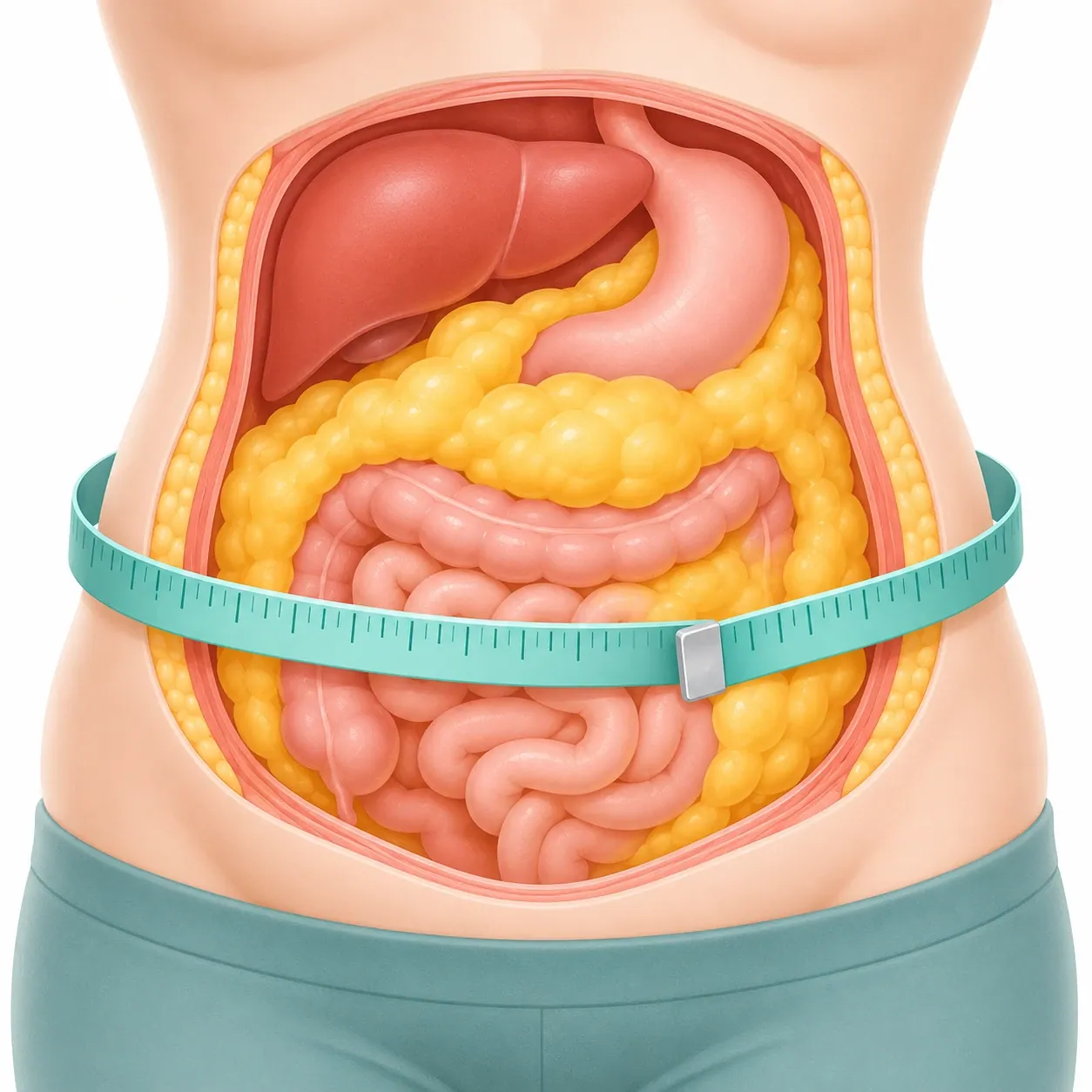
뱃살에는 손으로 잡히는 피하지방과, 배 속 장기 사이에 끼는 내장지방이 있습니다. 내장지방은 염증 물질과 호르몬을 내보내 혈압과 혈당, 콜레스테롤을 올리고 간에 지방을 쌓이게 합니다. 그래서 체중이 정상이라도 배가 나왔다면 건강 위험이 큽니다. 허리둘레는 체질량지수만으로 놓치는 위험을 보여 주는 활력 징후처럼 재야 한다는 권고가 있습니다[1].
우리나라 사람은 허리둘레가 남성 90cm, 여성 85cm부터 대사 위험이 크게 올라 이를 복부비만 기준으로 씁니다[2]. 2022년 우리나라 성인의 24.5%가 복부비만이었고, 남성은 31.3%, 여성은 18.0%였습니다[3].
이런 증상이 있나요?
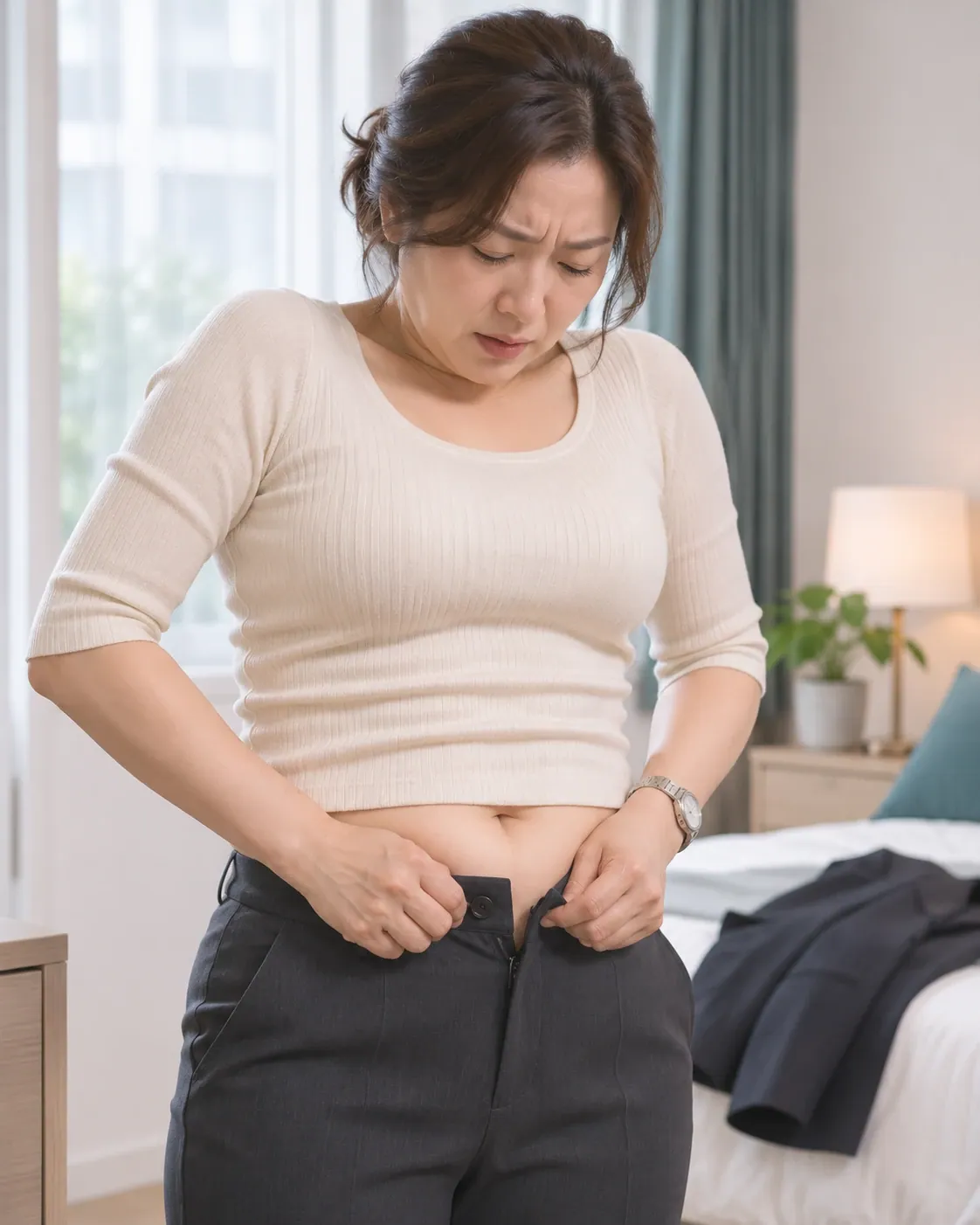
- 허리둘레가 남성 90cm, 여성 85cm 이상이다
- 체중은 그대로인데 바지 허리가 끼기 시작했다
- 팔다리는 가는데 배만 나왔다
- 건강검진에서 혈압·혈당·중성지방·간 수치가 올랐다
- 스트레스를 받거나 잠이 부족하면 야식과 단 음식이 당긴다
- 오후가 되면 몸이 붓고 무겁다
허리둘레는 선 자세에서 숨을 편하게 내쉰 뒤, 갈비뼈 맨 아래와 골반뼈 윗부분의 중간을 줄자로 잽니다. 진료에서는 체성분 검사로 체지방과 근육량을 보고, 필요하면 혈압·혈당·지질·간 기능 검사와 갑상선 기능 검사를 함께 확인합니다.
복부비만은 왜 생기나요?
- 과식, 단 음식과 정제 탄수화물, 술
- 운동 부족과 오래 앉아 있는 생활
- 나이 들며 줄어드는 근육량
- 폐경 뒤 여성호르몬 감소
- 수면 부족, 교대 근무
- 만성 스트레스
스트레스를 받으면 나오는 코르티솔은 배에 지방을 쌓게 합니다. 배에 살이 많은 여성은 스트레스를 받을 때 코르티솔을 더 많이 냈고, 같은 스트레스에 익숙해져도 잘 줄지 않았습니다[4]. 잠을 짧게 잘수록 체중과 식사량을 보정한 뒤에도 내장지방이 많았습니다[5].
해움한의원은 먹는 양보다 스트레스와 수면, 붓기가 뱃살을 키우는 분을 진료에서 자주 봅니다. 긴장이 이어지면 단 음식과 야식이 당기고, 잠이 얕아져 다음 날 더 피곤하고 더 먹게 되는 고리가 생깁니다.
복부비만의 표준 치료
기본은 식사 조절과 운동입니다. 하루 섭취 열량을 500kcal 정도 줄이고 단 음료와 술을 끊으며, 빠르게 걷기 같은 유산소 운동과 근력 운동을 함께 합니다. 식사 조절 없이 유산소 운동만 해도 12주 만에 내장지방이 줄었습니다[6]. 체질량지수가 높거나 당뇨·고혈압이 함께 있으면 비만 치료제를 쓰고, 고도비만은 수술을 고려합니다.
하지만 식사만 줄이면 근육이 함께 빠지고 식욕이 커져 다시 찌기 쉽고, 스트레스와 수면 부족이 그대로면 뱃살은 쉽게 돌아옵니다. 그래서 칼로리만이 아니라 식욕과 붓기, 스트레스를 만드는 몸의 바탕을 함께 돌보는 것이 중요합니다. 한의학 치료는 바로 이 바탕을 다스립니다.
침과 매선 치료는 생활 습관 조절이나 가짜 치료보다 체중과 체질량지수를 더 줄였습니다[7]. 체질에 맞춘 한약은 대조군보다 체중을 평균 4.1kg 더 줄였고 큰 부작용은 없었습니다[8]. 다만 마황이 든 처방은 가슴 두근거림과 불면 같은 부작용이 늘 수 있어[9], 혈압과 심장 상태를 확인하고 필요한 경우에만 씁니다.
해움한의원은 이렇게 치료합니다
해움한의원은 혈압·혈당·간 수치에 이상이 있으면 내과 진료를 함께 권하고, 필요한 치료와 병행합니다. 굶는 다이어트 대신 식욕과 붓기, 스트레스와 수면을 함께 다스려 뱃살이 다시 붙지 않는 몸을 만드는 데 집중합니다.
1단계. 체성분과 생활 습관을 살핍니다
허리둘레와 체성분, 건강검진 결과, 식사 시간과 내용, 야식과 음주, 수면과 스트레스를 자세히 살펴봅니다. 심박변이도 검사로 자율신경의 균형을 확인합니다.
2단계. 식욕과 붓기를 다스립니다
침으로 식욕과 긴장을 가라앉히고 순환을 돕습니다. 무리하지 않는 식사 계획과 걷기·근력 운동을 함께 안내합니다.
3단계. 유형에 맞춰 바탕을 다스립니다
체질과 상태에 맞춰 한약을 짓습니다.
4만 건의 처방 사례가 말해주는, 한방 맞춤 치료의 힘




복부비만 치료후기 총 3건
환자분들이 남긴 치료후기입니다. 본문은 로그인 후 보실 수 있습니다.

복부비만, 누가 진료하나요?
담당 의료진
대표원장 박재은

“병이 아니라 그 뒤의 사람을 봅니다”
경희대학교 한의과대학에서 석사·박사 과정을 마쳤습니다. 심리상담사 1급 자격과 4만 건 이상의 한약 처방 경험을 바탕으로 진료합니다.
의료진 소개 더보기복부비만, 자주 묻는 질문
뱃살만 빼는 방법이 있나요?
마른 편인데도 복부비만일 수 있나요?
다이어트 한약은 안전한가요?
비만 치료제와 한방치료를 같이 받아도 되나요?
치료 기간은 얼마나 걸리나요?
생활에서 어떻게 관리해야 하나요?
해움한의원에서 복부비만을 진료하나요?
복부비만으로 내원하려면 어떻게 하나요?
이런 경우에는 미루지 말고 진료를 받으세요
아래 증상은 비만 때문만이 아니라 다른 병이 숨어 있을 수 있습니다. 미루지 말고 진료를 받으세요.
- 짧은 기간에 배만 불러오거나 단단한 덩어리가 만져진다
- 가슴이 조이거나 숨이 차고 두근거린다
- 심한 갈증과 함께 소변이 많아지고 체중이 빠진다
- 자는 동안 숨이 멈춘다는 말을 듣거나 낮에 심하게 졸린다
- 얼굴이 둥글어지고 배에 붉은 튼살이 생기며 쉽게 멍이 든다
참고문헌 9편
[1]Ross R, Neeland IJ, Yamashita S, Shai I, Seidell J, Magni P, et al. Waist circumference as a vital sign in clinical practice: a Consensus Statement from the IAS and ICCR Working Group on Visceral Obesity. Nat Rev Endocrinol. 2020;16(3):177-189. doi:10.1038/s41574-019-0310-7. PMID: 32020062.
초록 (Abstract)
Despite decades of unequivocal evidence that waist circumference provides both independent and additive information to BMI for predicting morbidity and risk of death, this measurement is not routinely obtained in clinical practice. This Consensus Statement proposes that measurements of waist circumference afford practitioners with an important opportunity to improve the management and health of patients. We argue that BMI alone is not sufficient to properly assess or manage the cardiometabolic risk associated with increased adiposity in adults and provide a thorough review of the evidence that will empower health practitioners and professional societies to routinely include waist circumference in the evaluation and management of patients with overweight or obesity. We recommend that decreases in waist circumference are a critically important treatment target for reducing adverse health risks for both men and women. Moreover, we describe evidence that clinically relevant reductions in waist circumference can be achieved by routine, moderate-intensity exercise and/or dietary interventions. We identify gaps in the knowledge, including the refinement of waist circumference threshold values for a given BMI category, to optimize obesity risk stratification across age, sex and ethnicity. We recommend that health professionals are trained to properly perform this simple measurement and consider it as an important ‘vital sign’ in clinical practice.
원문 발췌 · Ross R, Neeland IJ, Yamashita S, Shai I, Seidell J, Magni P, Santos RD, Arsenault B, Cuevas A, Hu FB, Griffin BA, Zambon A, Barter P, Fruchart JC, Eckel RH, Matsuzawa Y, Després JP, Nat Rev Endocrinol 2020 · CC BY 4.0 라이선스에 따라 수정 없이 인용했습니다(본문 속 인용 번호는 생략).
[2]Lee SY, Park HS, Kim DJ, Han JH, Kim SM, Cho GJ, et al. Appropriate waist circumference cutoff points for central obesity in Korean adults. Diabetes Res Clin Pract. 2007;75(1):72-80. doi:10.1016/j.diabres.2006.04.013. PMID: 16735075.
요약 1998년 국민건강영양조사에 참여한 20~80세 성인 6,561명의 자료로 우리나라 사람에게 맞는 허리둘레 기준을 찾은 연구입니다. 대사 위험 요인이 두 가지 이상 생길 위험은 남성 90cm, 여성 85cm부터 크게 올라, 이를 복부비만 기준으로 제안했습니다.원문은 출판사 저작권 자료로, 위 링크에서 확인하실 수 있습니다.
[3]Cho S, Jung JH, Nam GE, Cho IY, Park KY, Jeong SM, et al. 2024 Obesity Fact Sheet in Korea: Prevalence of Obesity, Abdominal Obesity, Obesity Defined by Body Fat Percentage, and Underweight in Adults in Korea from 2013 to 2022. J Obes Metab Syndr. 2025;34(4):405-413. doi:10.7570/jomes25039. PMID: 40785387.
요약 대한비만학회가 국민건강보험 건강검진 자료(2022년 1,722만 명)로 정리한 비만 현황입니다. 2022년 우리나라 성인의 비만은 38.4%, 복부비만은 24.5%(남성 31.3%, 여성 18.0%)였습니다.원문은 출판사 저작권 자료로, 위 링크에서 확인하실 수 있습니다.
[4]Epel ES, McEwen B, Seeman T, Matthews K, Castellazzo G, Brownell KD, et al. Stress and body shape: stress-induced cortisol secretion is consistently greater among women with central fat. Psychosom Med. 2000;62(5):623-632. doi:10.1097/00006842-200009000-00005. PMID: 11020091.
요약 폐경 전 건강한 여성 59명에게 4일 동안 반복해서 스트레스 과제를 준 실험입니다. 허리-엉덩이 비율이 높은(배에 살이 많은) 여성은 만성 스트레스를 더 많이 겪고 있었고, 스트레스를 받을 때 코르티솔을 더 많이 냈습니다. 특히 마른 체형인데 배에 살이 많은 여성은 같은 과제에 익숙해져도 코르티솔이 줄지 않았습니다.원문은 출판사 저작권 자료로, 위 링크에서 확인하실 수 있습니다.
[5]Giannos P, Prokopidis K, Candow DG, Forbes SC, Celoch K, Isanejad M, et al. Shorter sleep duration is associated with greater visceral fat mass in US adults: Findings from NHANES, 2011-2014. Sleep Med. 2023;105:78-84. doi:10.1016/j.sleep.2023.03.013. PMID: 36966579.
요약 미국 18~59세 성인 5,151명의 수면 시간과 체지방 분포를 살핀 연구입니다. 체질량지수와 전체 체지방, 식사량을 보정한 뒤에도 잠을 짧게 잘수록 내장지방이 많았고, 남녀 모두 같았습니다. 8시간 넘게 자도 더 줄지는 않았습니다.원문은 출판사 저작권 자료로, 위 링크에서 확인하실 수 있습니다.
[6]Vissers D, Hens W, Taeymans J, Baeyens JP, Poortmans J, Van Gaal L. The effect of exercise on visceral adipose tissue in overweight adults: a systematic review and meta-analysis. PLoS One. 2013;8(2):e56415. doi:10.1371/journal.pone.0056415. PMID: 23409182.
초록 (Abstract)
Excessive visceral adipose tissue appears to trigger a cascade of metabolic disturbances that seem to coexist with ectopic fat storage in muscle, liver, heart and the ß-cell. Therefore, the reduction of visceral adipose tissue potentially plays a pivotal role in the treatment of the metabolic syndrome. The purpose of this systematic review and meta-analysis is to describe the overall effect of exercise on visceral adipose tissue and to provide an overview of the effect of different exercise regimes, without caloric restriction, on visceral adipose tissue in obese persons. A systematic literature search was performed according to the PRISMA statement for reporting systematic reviews and meta-analyses. The initial search resulted in 87 articles after removing duplicates. After screening on title, abstract and full-text 15 articles (totalling 852 subjects) fulfilled the a priori inclusion criteria. The quality of each eligible study was assessed in duplicate with “The Critical Review Form for Quantitative Studies”. Using random-effects weights, the standardized mean difference (Hedge's g) of the change in visceral adipose tissue was −0.497 with a 95% confidence interval of −0.655 to −0.340. The Z-value was −6.183 and the p-value (two tailed) was <0.001. A subgroup analysis was performed based on gender, type of training and intensity. Aerobic training of moderate or high intensity has the highest potential to reduce visceral adipose tissue in overweight males and females. These results suggest that an aerobic exercise program, without hypocaloric diet, can show beneficial effects to reduce visceral adipose tissue with more than 30 cm2 (on CT analysis) in women and more than 40 cm2 in men, even after 12 weeks.
결과 (Results)
Overview of included studies for the meta-analysis: The initial search resulted in 107 articles after removing duplicates. After screening on title, abstract and full-text 15 articles (totalling 852 subjects in the exercise-only groups) fulfilled the a priori set inclusion criteria (Fig. 1). Because all studies that used dual energy x-ray absorptiometry or ultrasound did not fulfill one or more inclusion criteria, all of the 15 included studies used CT scan or MRI to quantify VAT.
Study quality: All of the 15 studies included in the qualitative analysis (fig 1) scored more than the a priori defined limit of 8/15 (range = 15 to 10), assessed with the “Critical Review Form–Quantitative studies” assessment instrument. In five of the fifteen studies, the reviewers independently agreed on all the items. For the other studies the degree of disagreement ranged between 1 and 5 items (mostly content validity related items). Disagreement was solved by consensus in all cases.
Meta-analysis: Data were extracted by a reviewer and presented in a spreadsheet to two other reviewers. The data were discussed until consensus was reached and analyzed in work meetings. All fifteen studies analyzed the effect of exercise on visceral adipose tissue (Table 1). The results of these studies were analyzed using the random effects model because of the high heterogeneity between studies (Fig 2). The standardized mean difference (Hedge's g) of the change in visceral adipose tissue after a physical activity intervention was −0.497 with a 95% confidence interval (95%CI) of −0.655 to −0.340. The Z-value was −6.183 and the p-value (two tailed) was <0.001. Heterogeneity analysis showed low to moderate, but significant, heterogeneity between studies (Cochran's Q = 37.317; degrees of freedom of Q (df(Q)) = 14; p = 0.001; I2 = 62.484).
Through a funnel plot of standard error by Hedge's g, a graphic representation of heterogeneity was obtained (Fig 3). Using the ‘fail’n safe' algorithm, it becomes clear that there was no publication bias in the analysis because 405 extra studies would be needed to get the p-value to the alpha level.
Three of the analyzed studies (Boudou 2001, Cooker 2009, Koo 2010) had small sample sizes (n<14) and could thereby overestimate the general effect of the therapy. Conducting a sensitivity analysis by removing these studies, still revealed a decrease in visceral adipose tissue of −0.464 Hedge's g after a physical activity intervention program (95%CI: −0.313 to −0.616, p<0.01). By making this advanced analysis, heterogeneity decreased, however only slightly, to Q = 28.741 (with p = 0.002, I2 = 61.727).
Subgroup analysis and Meta-Regression / Controlled versus uncontrolled: For the first subgroup analysis, the studies were divided in nine controlled and six uncontrolled trials (Fig 4). The analysis of these subgroups revealed that the controlled studies found a greater effect when comparing the results of VAT of the control group with those of the intervention group (Hedge's g = −0.561, 95%CI: −0.332 to −0.791, p<0.01) than uncontrolled studies in which the effect was compared between pre and post exercise intervention VAT values (Hedge's g = −0.437, 95%CI: −0.207 to −0.667, p<0.01).
Heterogeneity analysis showed significant moderate to high heterogeneity between controlled studies (Cochran's Q = 32.888; df(Q) = 8; p<0.001; I2 = 75.675) but homogeneity between uncontrolled studies (Cochran's Q = 2.469; df(Q) = 5; p = 0.781; I2 = 0.000).
Gender: In female studies the decrease in VAT was −0.550 Hedge's g (95%CI: −0.269 to −0.831, p<0.01) while in male studies the decrease in VAT was −0.589 Hedge's g (95%CI: −0.276 to −0.896, p<0.001). In two studies where there were mixed samples of males and females, a lower overall decrease of VAT was observed. (Hedge's g = −0.330, 95%CI: −0.045 to −0.706, p = 0.085). Heterogeneity analysis showed significant low to moderate heterogeneity in mixed (Cochran's Q = 10.021; df(Q) = 4; p = 0.040; I2 = 60.085), male (Cochran's Q = 22.007; df(Q) = 6; p = 0.001; I2 = 72.736) and female studies (Cochran’s Q = 25.878; df(Q) = 8; p = 0.001; I2 = 69.086).
By removing the data of the subjects who received strength training or mixed (aerobic and strength) training, heterogeneity between studies decreased, especially in female and mixed gender study populations (Cochran’s Q = 13.279; df(Q) = 6; p = 0.039; I2 = 54.815 vs. Cochran’s Q = 6.113; df(Q) = 2; p = 0.047; I2 = 67.282). The effect of physical activity stayed significant in both male (Hedge’s g = −0.545, 95%CI: −0.286 to −0.805, p<0.001) and female studies (Hedge’s g = −0.334, 95%CI: −0.083 to −0.585, p<0.001). However, in the mixed study groups, the effect of physical activity did not reach significance (Hedge’s g = −0.396, 95%CI: −0.054 to −0.847, p = 0.085).
Training Modality: All studies were categorized in “aerobic training”-studies, “strength training”-studies or “combined” subgroups. This subgroup analysis showed that the decrease in VAT in the aerobic training subgroup was higher (Hedge’s g = −0.550, 95%CI: −0.332 to −0.768, p<0.001) compared to the strength training subgroup (Hedge’s g = −0.529, 95%CI: −0.003 to −1.054, p = 0.049).
However, in the “combined” subgroups, the decrease in VAT was no longer significant (Hedge’s g = −0.301, 95%CI: 0.221 to −0.823, p = 0.258).
Heterogeneity between aerobic studies was significant low to moderate (Cochran’s Q = 39.121; df(Q) = 16; p = 0.001; I2 = 59.101) while significant low to high heterogeneity was observed between strength studies (Cochran’s Q = 23.824; df(Q) = 1; p<0.001; I2 = 95.803). Homogeneity was found between combination studies (Cochran's Q = 0.034; df(Q) = 1; p = 0.853; I2 = 0.000).
Training Intensity: A final subgroup analysis was made through the categorization for intensity of all aerobic studies in “high intensity”, “moderate intensity” and “low-intensity” studies (Fig 5). Following cut-off values were used: 1) “high intensity”: when training most of the time at an intensity≥70% of maximal heart rate (HRmax) or more than 55% of maximal oxygen consumption (VO2max) or 60–80% of the heart rate reserve (HRres); 2) “moderate intensity”: when training most of the time at an intensity between 60–70% HRmax or 45−55% VO2max and 3)“low intensity”: when training most of the time at an intensity<60% HRmax or <45% VO2max.
This analysis showed that a certain threshold of physical activity intensity should be reached to obtain a decrease in VAT. Only in studies in which moderate and high intensity-training was used, the effect on VAT was significant (“moderate intensity”-training: Hedge's g = −0.473, 95%CI: −0.140 to −0.806, p = 0.005; “high intensity”-training: Hedge's g = −0.588, 95%CI: −0.336 to −0.840, p<0.001).
Heterogeneity analysis showed significant low to moderate heterogeneity between “high intensity”-studies (Cochran's Q = 35.524; df(Q) = 10; p<0.001; I2 = 0.144) and homogeneity between “low intensity”-studies (Cochran's Q = 0.627; df(Q) = 1; p = 0.428; I2 = <0.001) and “moderate intensity”-studies (Cochran's Q = 2.659; df(Q) = 5; p = 0.751; I2 = <0.001).
The regression model showed no significant effect of duration of the intervention on VAT decrease ( = 0.836)
Re-expression of the estimate for clinical purpose: The five controlled studies (totalling 569 participants) using cm2 as the measuring scale of VAT showed an overall estimate of Hedge's g = −0.630 representing a pooled effects size of −37.1 cm2 (females), −46.5 cm2 (males) and −42.1 cm2 (combined gender groups) respectively.
원문 발췌 · Vissers D, Hens W, Taeymans J, Baeyens JP, Poortmans J, Van Gaal L, PLoS One 2013 · CC BY 4.0 라이선스에 따라 수정 없이 인용했습니다(본문 속 인용 번호는 생략).
[7]Zhang Y, Li J, Mo G, Liu J, Yang H, Chen X, et al. Acupuncture and Related Therapies for Obesity: A Network Meta-Analysis. Evid Based Complement Alternat Med. 2018;2018:9569685. doi:10.1155/2018/9569685. PMID: 30363899.
초록 (Abstract)
Obesity is a worldwide public health problem. Currently, increasing evidence suggests acupuncture and related therapies are effective for obesity. This network meta-analysis (NMA) was performed to compare the effectiveness of different acupuncture and related therapies. We searched potential randomized controlled trials (RCTs) in three international databases. Thirty-four trials involving 2283 participants were included. Pairwise meta-analysis showed that acupuncture and related therapies were superior to lifestyle modification and placebo in reducing weight and body mass index (BMI). Based on decreases in body weight, results from NMA showed that acupoint catgut embedding (standard mean difference [SMD]: 1.26; 95% credible interval [95% CI], 0.46–2.06), acupuncture (SMD: 2.72; 95% CrI, 0.06–5.29), and combination of acupuncture and related theories (SMD: 3.65; 95% CrI, 0.96–6.94) were more effective than placebo. Another NMA result indicated that acupoint catgut embedding (SMD: 0.63; 95% CI, 0.25–1.11), acupuncture (SMD: 1.28; 95% CrI, 0.43–2.06), combination of acupuncture and related therapies (SMD: 1.44; 95% CrI, 0.64–2.38), and electroacupuncture (SMD: 0.60; 95% CrI, 0.03–1.22) were superior to lifestyle modification in decreasing BMI. Combination of acupuncture and related therapies was ranked the optimal method for both reducing weight and BMI. Further studies will clarify which combination of acupuncture and related therapies is better.
결과 (Results)
3.1. Study Search: We performed this research on Dec 26 2017. As shown in Figure 1, a total of 1050 records were initially identified from the databases. 675 studies left after duplicates were removed. 577 records were excluded after carefully scanning titles and abstracts. Finally, 34 trials with 2283 participants were included in our NMA, covering 8 groups, manual acupuncture; electroacupuncture; auricular acupoint stimulation; acupoint catgut embedding; pharmacotherapy; warming acupuncture; lifestyle modification; placebo.
3.2. Study Description: Main characteristics of included RCTs were shown in Table 1. The participants were from Australia, the United States, Turkey, Korea, Iran, Egypt, and China. Age of participants ranged from 15 to 70 years, while the sample size of the studies ranged from 12 to 86. Among the included RCTs, there were one four-arm trials, 5 three-arm trials, and 28 two-arm trials. Fourteen studies compared acupuncture to placebo. Ten studies compared acupuncture to lifestyle intervention. Six studies compared combined therapies to acupuncture alone. Details about acupuncture points used, retention time, frequency, and duration of acupuncture sessions were shown in Table 2. In these research, 30 articles reported the weight loss, while 25 articles reported the change in BMI. The details of mean, standard difference (SD), and sample size between different groups for eligible studies are summarized in Appendix 3. The Cochrane risk of bias assessment was presented in Table 3. Furthermore, the network plot of included comparisons was shown in Figure 2.
3.3. Pairwise Meta-Analyses / 3.3.1. Body Weight: A direct pairwise meta-analysis showed that acupuncture and related therapies showed a greater BW reduction than lifestyle modification (MD: 1.66; 95% Confidence interval, 0.63to2.70) and placebo (MD: 1.15; 95% CI, 0.67to1.63). When compared to acupuncture, combination of acupuncture and related theories showed a marginally stronger effect in weight loss (MD: 1.56; 95% CI, 0.07to3.05). There was no statistically significant difference between combination of acupuncture and related theories and pharmacotherapy in their effectiveness in BW (MD: 2.44; 95% CI, -1.98to6.86). (Table 4)
BMI. As for the comparison in reducing BMI, acupuncture and related therapies were found to be marginally superior to lifestyle modification (MD: 1.17; 95% CI, 0.09to2.26) and placebo (MD: 0.57; 95% CI, 0.40to0.74). The remaining direct comparisons did not show significant differences (Table 4).
3.4. Network Meta-Analysis / 3.4.1. Body Weight: The NMA showed that all treatments other than acupuncture combined lifestyle modification were more efficacious than lifestyle modification. Three treatments were significantly more effective than placebo. Specifically, acupoint catgut embedding (SMD: 1.26; 95% credible interval, 0.46to2.06), acupuncture (SMD: 2.72; 95% CrI, 0.06to5.29), and combination of acupuncture and related therapies (SMD: 3.65; 95% CrI, 0.96to6.94). Furthermore, moxibustion with warming needle was associated with a significantly improvement than lifestyle modification (SMD: -5.24; 95% CrI, -10.15to-0.55) (Table 5).
3.4.2. BMI: Four treatments showed superiority over placebo, including acupoint catgut embedding (SMD: 1.31; 95% CrI, 0.36to2.06), acupuncture (SMD: 1.94; 95% CrI, 0.83to3.00), combination of acupuncture and related theories (SMD: 3.65; 95% CrI, 0.96to6.94), and electroacupuncture (SMD: 1.28; 95% CrI, 0.43to2.11). Four treatments were significantly more effective than lifestyle modification, including acupoint catgut embedding (SMD: 0.63; 95% CI, 0.25to1.11), acupuncture (SMD: 1.28; 95% CrI, 0.43to2.06), combination of acupuncture and related theories (SMD: 1.44; 95% CrI, 0.64to2.38), and electroacupuncture (SMD: 0.60; 95% CrI, 0.03to1.22). Also, the combination of acupuncture and related theories and acupuncture alone were both superior to the acupuncture combined lifestyle modification in their ability to reduce body mass index (SMD = -1.76, 95% CrI =−2.96 to −0.62; SMD = −1.59, 95% CrI = −2.71to −0.34) (Table 5).
3.5. Ranking / 3.5.1. Body Weight: Ranking of the different treatment methods was displayed Figure 3. The results suggested that, on the aspect of weight loss, combination of acupuncture and related therapies was ranked the optimal method, the best, (88.7%), followed by moxibustion with warming needle (87.8%), manual acupuncture (70.5%), acupoint catgut embedding (ACE,62.1%), auricular acupoint stimulation (AAS,48.3%), electro acupuncture (EA,46.3%), pharmacotherapy (41.9%), acupuncture combined lifestyle modification (AR+LM,31.2%), placebo acupuncture/sham acupuncture (16.8%), and lifestyle modification (LM,6.4%) which was ranked as the worst.
3.5.2. BMI: The results suggested that, on the aspect of BMI, combination of acupuncture and related therapies was ranked the optimal method, the best, (90.2%), followed by manual acupuncture (83.3%), pharmacotherapy (64.7%), acupoint catgut embedding (58.6%), auricular acupoint stimulation (55.7%), electroacupuncture (52.1%), placebo acupuncture/sham acupuncture (25.1%), acupuncture combined lifestyle modification (16.9%), and lifestyle modification (3.4%) which was ranked as the worst.
3.6. Inconsistency Assessment / 3.6.1. Body Weight: The Z test illustrates the inconsistency of the NMA specifically (Appendix 4). For the inconsistency test outcome of BW, 95% CI of 8 loops was included 0, which reflected that no significant inconsistency was found. However, another 2 loops (ACE-Acupuncture-Combined therapies; ACE-Combined theories-EA) were found statistical inconsistency between direct and indirect comparisons.
3.6.2. BMI: For the inconsistency test outcome of body mass index, 95% CI of all loops (acupuncture -combined theories-EA; acupuncture-EA-placebo; AR+LM -EA- LM-placebo; ACE-acupuncture-EA; AAS-EA-LM; AAS-AR+LM-LM-placebo; AAS-EA-placebo) were included 0, which reflected that no significant inconsistency was found.
3.7. Safety: Ten RCTs reported adverse events, while no major complications were noticed in all included studies. Three included studies reported that no adverse effects were noted in both experimental group and placebo group. In one included RCT, there were two patients reporting mild ecchymosis and one abdominal discomfort case reported as adverse events after electroacupuncture treatment; no case was reported in the lifestyle modification group. In another study, there were seven subjects in group auricular acupoint stimulation and two subjects in group placebo had mild tenderness.
원문 발췌 · Zhang Y, Li J, Mo G, Liu J, Yang H, Chen X, Liu H, Cai T, Zhang X, Tian X, Zhou Z, Huang W, Evid Based Complement Alternat Med 2018 · CC BY 4.0 라이선스에 따라 수정 없이 인용했습니다(본문 속 인용 번호는 생략).
[8]Park S, Keum D, Kim H. Efficacy and safety of anti-obesity herbal medicine focused on pattern identification: A systematic review and meta-analysis. Medicine (Baltimore). 2022;101(50):e32087. doi:10.1097/md.0000000000032087. PMID: 36550880.
초록 (Abstract)
Herbal medicine based on pattern identification (PI) is used widely in Traditional Chinese Medicine. Proper herbal medicine based on PI has been suggested for effective weight reduction and decreasing the adverse events. This systematic review examined the effectiveness and safety of herbal medicine, focusing on PI in treating obesity.
Methods: Eight electric databases were used for searching randomized controlled trials (RCT) (to August 31, 2021). RCTs which prescribed herbal medicine to obese patients based on PI were included. Body weight (BW) and body mass index (BMI) were the primary outcomes. The risk of bias was assessed using Cochrane risk of bias tool, and the meta-analysis was conducted. Grading the evidence was conducted by using GRADEpro.
Results: Sixteen RCTs (1052 patients) were included: 2 studies compared herbal medicine to placebo (128 patients); 2 studies compared them to western medication (161 patients); 12 studies compared them with usual care (763 patients). The meta-analysis showed that the herbal formulas reduced the BW and BMI without significant Adverse events compared to the control group (BW: mean difference = –4.10, 95% confidence interval: –5.14 to –3.06, I2 = 2% and BMI: mean difference = –1.53, 95% confidence interval: –1.88 to –1.19, I2 = 25%). Moderate-quality evidence on the primary outcomes was found.
Conclusions: Herbal medicine – has good clinical efficacy and safety in treating obesity. This study has limitations that some literatures with high risk of bias in blinding or without using a standardized diagnosis of PI were included. However, the current evidence suggests the possibility of precision medicine using PI.
결과 (Results)
3.1. Study inclusion: A total of 2932 citations were identified. Studies that did not use PI or inappropriate subjects, comparators, or data were excluded. Finally, 16 RCTs were included (1052 patients). According to the comparison, 2 RCTs (128 patients) compared herbal medicine to a placebo; 2 RCTs (161 patients) compared them to Western medication; 12 RCTs (763 patients) compared them to usual care, including modulation of the diet or exercise (Fig.1).
3.2. Study characteristics: Table 1 lists the characteristics of the included studies (16 RCTs). All studies included were performed in China. The number of patients involved in the studies ranged from 25 to 40 in the treatment or control groups. In total, 14 kinds of herbal formulas were involved. The forms of the intervention included decoction (12 RCTs), capsule or tablet (4 RCTs), and powder (1 RCT). Two RCTs used a placebo as a comparator, and 2 RCTs used orlistat for comparison. Twelve RCTs used diet and exercise control as a comparator of usual care. Most included reasonable diets or limited calories and aerobic exercise. The treatment duration ranged from 28 days to 3 months; 12 weeks (3 months) was mostly used (8 RCTs), followed by 8 weeks (2 months or 60 days) (6 RCTs). Modulation of diet and exercise was used in 15 RCTs. Only 2 studies used both BMI and BW as the outcome measure. Nine, 6, and 7 RCTs used WC, HC, and WHR, respectively, as an outcome measure. Eight RCTs reported the result of AE, and most were not significant in either group.
3.3. Pattern identification: Table 2 lists the classification of PI and the diagnostic criteria used for PI.
The studies were assorted into 3 major types according to the pathology; the phlegm-dampness type, the heat accumulation type, and the liver-qi stagnation type. The phlegm-dampness type was counted in 8 RCTs, and it included only phlegm-dampness (n = 2) and phlegm-dampness with spleen deficiency (n = 6). The heat accumulation type was counted in 6 RCTs and commonly, it was related to the spleen and stomach. The type included stagnation of heat (or damp-heat) in the spleen and stomach, stomach heat and dampness stagnation, and damp-heat accumulation. The liver-qi stagnation type was collected in 2 RCTs and called a spleen deficiency and liver-qi stagnation or spleen deficiency and stagnation of liver-qi and heat.
‘Diagnosis and efficacy evaluation criteria of simple obesity’ was most frequently used in Seven RCTs as the diagnostic criteria for PI. ‘Internal Chinese medicine’, ‘Guiding principles for clinical research on the new drug of traditional Chinese medicine’, and ‘Guidelines for diagnosis and treatment of common diseases in internal Chinese medicine’ were all used in 3 RCTs, respectively. ‘Endocrinology specialty diseases and rheumatism-Clinical diagnosis and treatment of Chinese medicine, 2nd Edi.’ was used in 2 RCTs. Three RCTs used 2 kinds of diagnostic criteria. “Guidelines for diagnosis and treatment of common diseases in internal Chinese medicine” and “Internal Chinese medicine” were used in 2 RCTs, and “Guiding principles for clinical research on the new drug of traditional Chinese medicine” and “Diagnosis and efficacy evaluation criteria of simple obesity” were used in 1 RCT.
3.4. Risk of bias: Fig. 2 indicates the risk of bias. In relation to selection bias, random sequence generation was low in 12 RCTs and unclear in 4. Allocation concealment was low in 3 RCTs and unclear in 13. Blinding of the participants and personnel was a high risk of bias in most studies, except for 2 RCTs that compared herbal medicine with a placebo. Another domain related to blinding and detection bias presented a low risk only in 1 RCT. Other RCTs did not describe sufficient information to assess the risk of bias. The risk of bias in incomplete outcome data was low in 11 RCTs and unclear in the others. The risk of selective reporting was assessed to be low in 5 RCTs; the risk of bias in the others was unclear, as there was a lack of explanation to assess the risk of bias. Most studies did not describe the information needed to assess the risk of bias; the other bias was also assessed as unclear. Only 2 RCTs whose comparator was placebo were assessed as having a low risk of bias overall. The others had a low or unclear risk of bias.
3.5. Outcomes / 3.5.1. BW and BMI.: Herbal medicine based on PI led to a significant reduction in both BW and BMI (BW: mean difference [MD] = –4.10, 95% confidence interval [CI]: –5.14 to –3.06, P <.0001, I2 = 2%, BMI: MD = –1.53, 95% CI: –1.88 to –1.19, P <.0001, I2 = 25%).
When herbal medicine was compared with comparators, the changes in BMI were statistically significant in all subgroup analyses. In subgroup analysis, however, which compared herbal medicine to placebo, the decrease in BW was not significant in the herbal medicine group compared to the placebo group (BW: MD = –4.00, 95% CI: –10.52 to 2.52, P =.23, I2 = not applicable). (Fig.3)
3.5.2. WC, HC, and WHR.: The meta-analysis found that herbal medicine based on PI induced a significant decrease in WC, HC and WHR (WC: MD = –2.48, 95% CI: –2.95 to –2.02, P <.00001, I2 = 0%, HC: MD = –1.75, 95% CI: –3.21 to –0.29, P =.02; I2 = 65%, and WHR: MD = –0.03, 95% CI: –0.05 to –0.01, P =.0003; I2 = 80%).
After subgroup analysis according to comparator including placebo, orlistat, and usual care, herbal medicine induced a significant decrease only when compared with usual care. Herbal medicine could not lead to a significant improvement in WC and HC compared to the placebo. (Fig. 4)
3.6. Adverse events: Eight RCTs did not report AEs, whereas the other 8 RCTs reported the safety of herbal medicine. Only 2 studies reported AEs in the experimental group. On the other hand, they were mild AEs (4 cases), such as diarrhea, and they did not cause severe results.
3.7. Publication bias: Fig.5 presents the publication bias according to the funnel plot. The funnel plot was considered visually asymmetric; hence, it was inferred that the publication bias possibly exists.
3.8. Assessment of evidence: The quality of evidence for the primary outcome, BW and BMI, was assessed as moderate with a high risk of blinding. The assessment of the evidence for WC was also presented moderate quality. On the other hand, the quality of evidence for HC and WHR was downgraded as “very low” and “low,” respectively, because of the serious inconsistency (high heterogeneity) and imprecision (small sample size).
원문 발췌 · Park S, Keum D, Kim H, Medicine (Baltimore) 2022 · CC BY 4.0 라이선스에 따라 수정 없이 인용했습니다(본문 속 인용 번호는 생략).
[9]Shekelle PG, Hardy ML, Morton SC, Maglione M, Mojica WA, Suttorp MJ, et al. Efficacy and safety of ephedra and ephedrine for weight loss and athletic performance: a meta-analysis. JAMA. 2003;289(12):1537-1545. doi:10.1001/jama.289.12.1537. PMID: 12672771.
요약 체중 감량에 쓴 마황과 에페드린의 대조 연구를 모은 메타분석입니다. 위약보다 한 달에 약 0.9kg 더 빠졌지만 6개월이 넘는 연구는 없었습니다. 정신·자율신경·위장 증상과 가슴 두근거림이 2.2~3.6배 늘었습니다.원문은 출판사 저작권 자료로, 위 링크에서 확인하실 수 있습니다.