
생리가 몇 달씩 없고, 살은 쉽게 찌며, 턱에는 여드름이 올라옵니다. 초음파를 보던 의사가 "난소가 다낭성이네요"라고 말합니다. 피임약을 먹는 동안에는 괜찮지만 끊으면 제자리인, 다낭성난소증후군 이야기입니다.
다낭성난소증후군 한눈에 보기
- 다낭성난소증후군은 배란이 불규칙해지고 남성호르몬이 늘어 생리불순, 여드름, 체중 증가가 나타나는 호르몬 대사 질환입니다.
- 가임기 여성의 약 10명 중 1명이 겪고, 우울과 불안을 가지고 있는 경우도 몇 배 많습니다.
- 생리만 맞추는 것이 아니라 인슐린과 체중, 스트레스, 수면까지 몸의 전반적인 대사를 함께 다스려야 합니다.
- 치료후기 3건
- 의료진 칼럼 1편
- 온라인 상담 1건
이런 증상이 있나요?

- 생리 주기가 35일이 넘거나 몇 달씩 건너뛴다
- 턱과 등에 여드름이 잘 난다
- 입 주위, 배, 가슴에 털이 늘었다
- 머리카락이 가늘어지고 빠진다
- 살이 쉽게 찌고 잘 빠지지 않는다
- 식후에 졸리고 단 음식이 당긴다
- 임신이 잘 되지 않는다
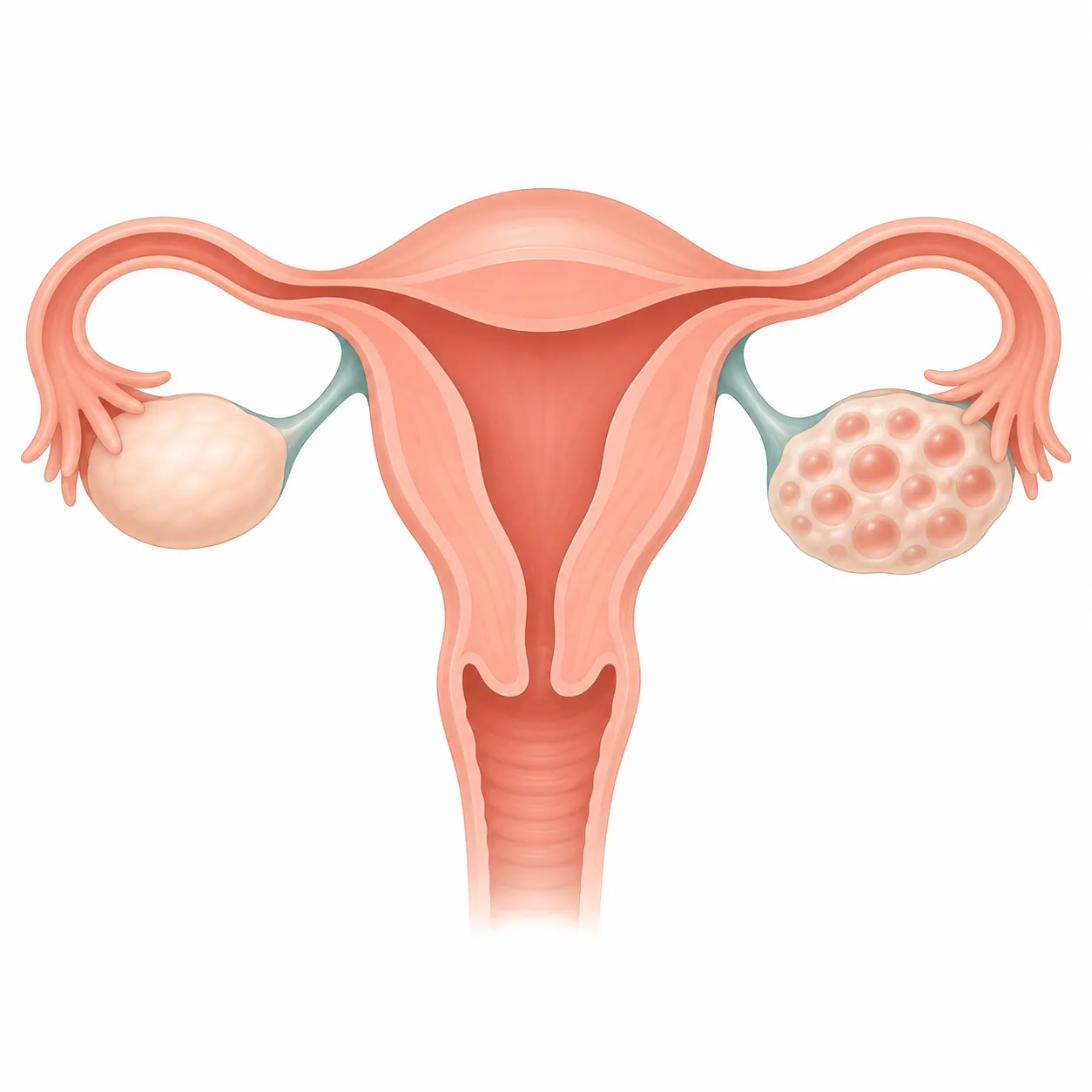
진단은 생리·배란 이상과 같은 증상, 혈액검사상 남성호르몬 증가, 초음파의 다낭성 난소 가운데 두 가지를 확인해서 내립니다. 이때 갑상선 질환이나 고프로락틴혈증 같은 다른 원인을 배제해야 합니다.
다낭성난소증후군은 왜 생기나요?
생리와 배란은 뇌가 보내는 호르몬 신호로 조절됩니다. 다낭성난소증후군에서는 이 신호가 흐트러져 난소가 남성호르몬을 많이 만들고, 높아진 인슐린이 이를 더 부추깁니다[3][4]. 그러면 난포가 자라다 멈춰 배란이 잘 되지 않습니다[4].
- 가족력과 체질
- 인슐린 저항성
- 복부비만과 체중 증가
- 운동 부족, 단 음식과 야식
- 스트레스와 수면 부족
이 중에서도 마음과 수면은 꼭 살펴봐야 합니다. 뇌와 난소는 시상하부-뇌하수체-난소 축으로 이어져 있어 스트레스와 난소 기능은 연관이 깊습니다. 남성호르몬이 높을수록 긴장을 담당하는 교감신경도 활발했다는 연구도 있습니다[5]. 다낭성난소증후군 여성은 체중을 맞춰 비교해도 우울 증상이 3.78배, 불안 증상이 5.62배 많았습니다[6]. 몸의 변화와 임신 걱정이 마음을 힘들게 하고, 스트레스와 수면 부족은 다시 호르몬과 대사를 흔듭니다.
다낭성난소증후군의 표준 치료
표준 치료의 기본은 식사와 운동을 바꾸며 살을 빼는 것입니다. 생활 습관 교정은 청소년에서도 호르몬과 체질량지수, 생리 주기를 좋아지게 했습니다[7]. 여기에 다낭성난소증후군으로 인한 각각의 증상들에 대하여 생리 조절과 여드름에는 경구피임약을, 인슐린 저항성에는 메트포르민을 쓰고, 임신을 원하면 배란유도제를 씁니다[1].
그러나 문제는 피임약을 끊으면 생리가 다시 불규칙해지거나, 생활 습관을 혼자 유지하기 어려운 경우가 많다는 것입니다. 이럴 때 한의학 치료가 몸의 대사와 자율신경의 균형을 다스려 스스로 주기를 찾아가도록 돕습니다.
관련 연구를 살펴보면, 과체중 다낭성난소증후군 여성 122명의 연구에서 생활 습관 교정에 한약을 더하면 석 달 뒤 희발 월경이 생활 습관 교정만 한 군보다 32.9% 줄었습니다[8]. 한약이 호르몬을 조절하고 배란과 월경을 돕는다는 임상 연구도 정리되어 있습니다[9]. 다만 임신에서는 1,000명을 대상으로 한 연구에서 침이 출산율을 높이지 않아, 임신을 목표로 한 침 치료는 추가적인 연구가 필요합니다[10].
해움한의원은 이렇게 치료합니다
해움한의원은 생리만 맞추지 않고, 호르몬이 흔들리는 몸의 상태를 찾아 함께 치료합니다.
1단계. 검사 결과와 유형을 가립니다
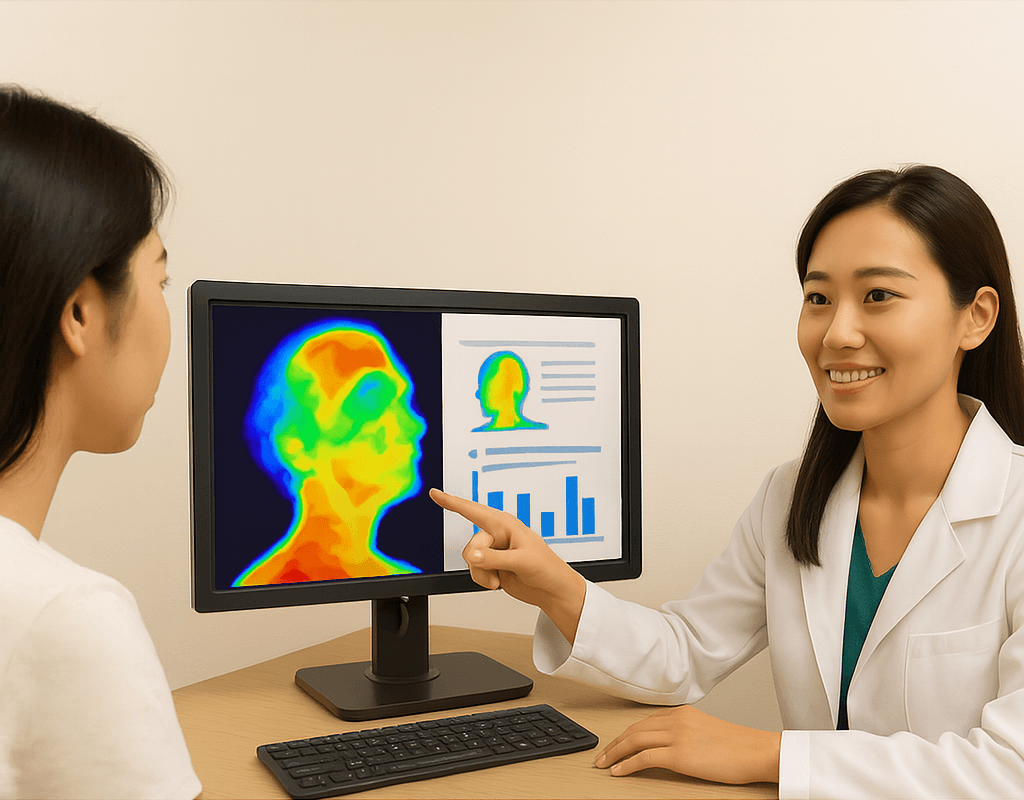
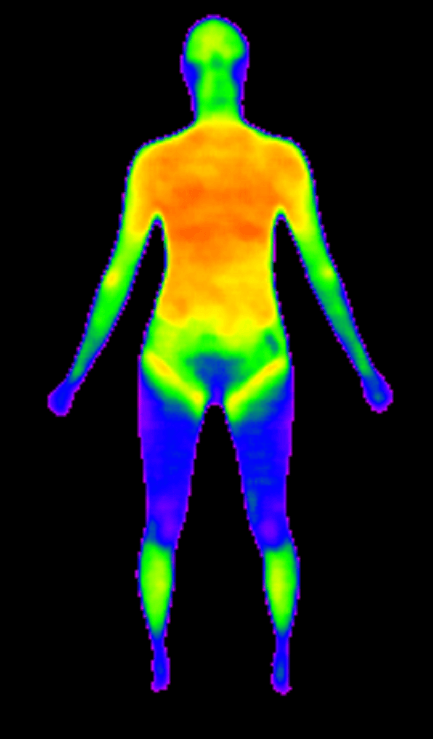
생리 주기와 체중 변화, 여드름, 혈액검사와 초음파 결과, 임신 계획을 자세히 살펴봅니다. 다른 질환이 의심되면 산부인과 진료를 안내해 드립니다. 심박변이도 검사로 자율신경의 상태를 확인합니다.
2단계. 골반의 순환을 돕습니다
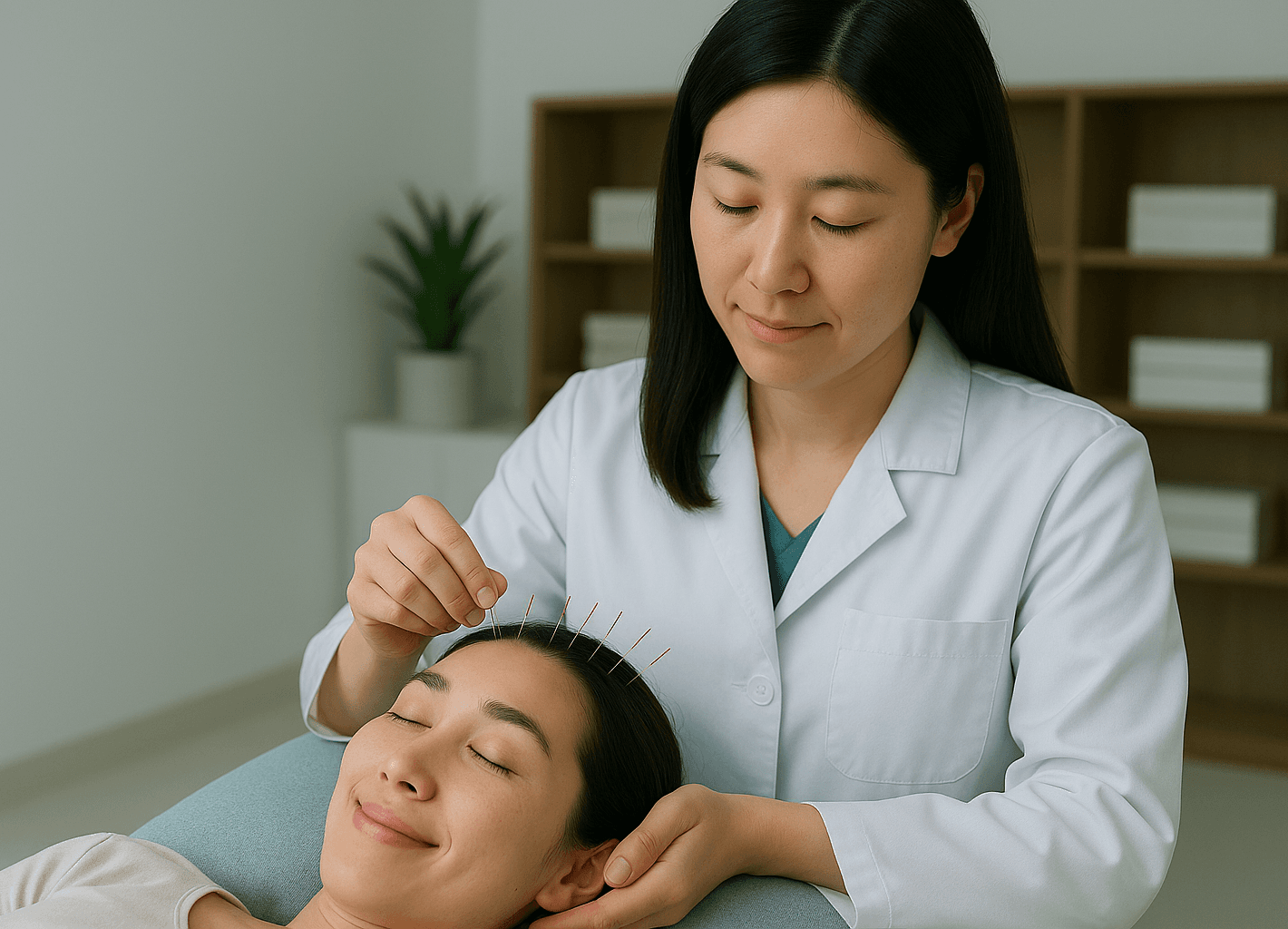
침과 약침, 뜸, 추나로 아랫배와 골반의 순환을 돕고 긴장을 풉니다.
3단계. 유형에 맞춰 바탕을 다스립니다
체질과 상태에 맞춰 한약을 짓습니다. 식사와 운동, 수면 관리도 함께합니다.
4만 건의 처방 사례가 말해주는, 한방 맞춤 치료의 힘
해움한의원 원장이 쓴 다낭성난소증후군 칼럼
산부인과 증상과 자율신경치료: 제 자궁에 문제가 생긴건가요?
오늘은 검사도 이상이 없고 치료가 안 되는, 산부인과에서 다루는 여성질환에 대한 내용입니다.
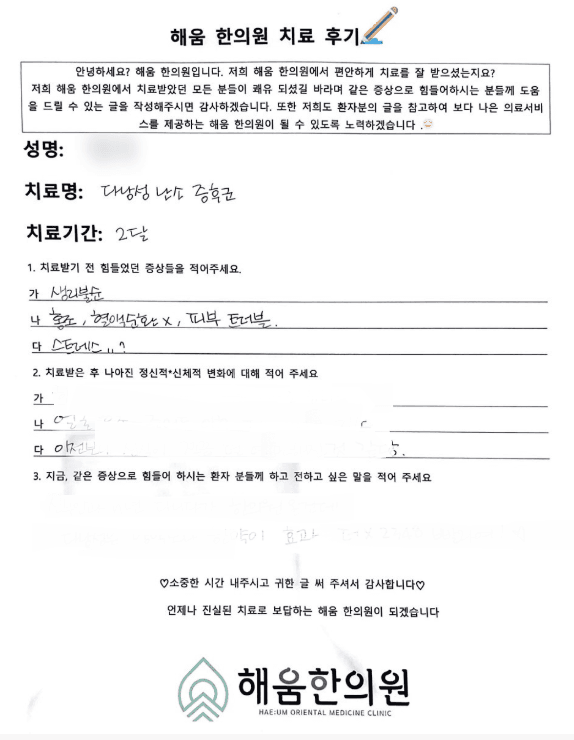
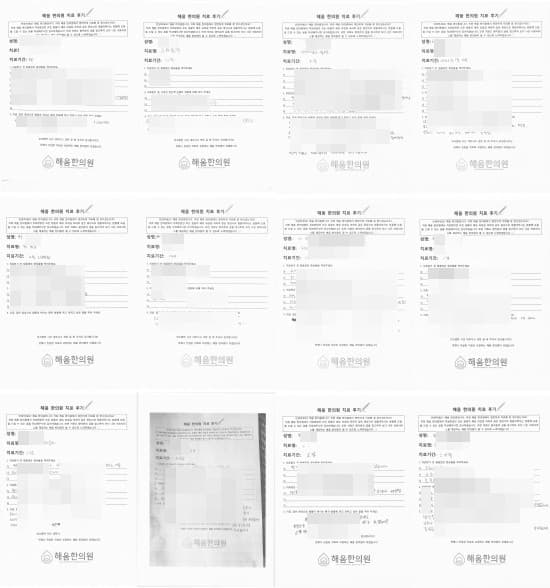
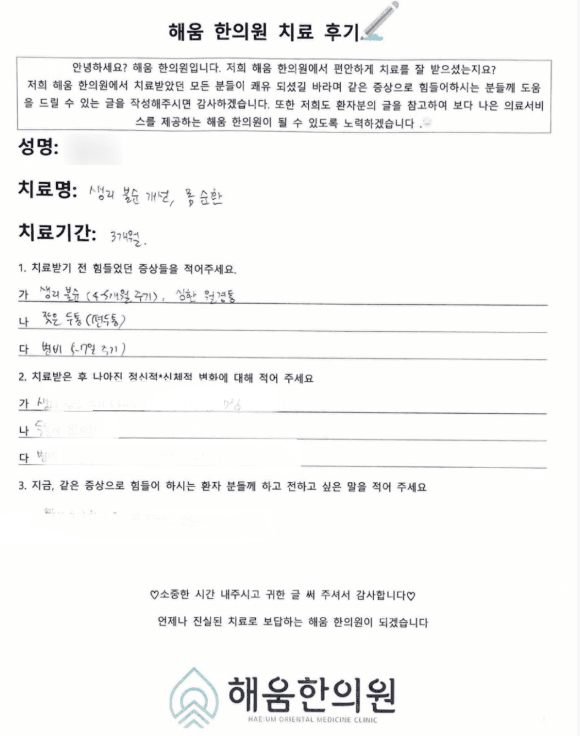
읽어보기다낭성난소증후군 치료후기 총 3건
환자분들이 남긴 치료후기입니다. 본문은 로그인 후 보실 수 있습니다.
다낭성난소증후군, 누가 진료하나요?
담당 의료진
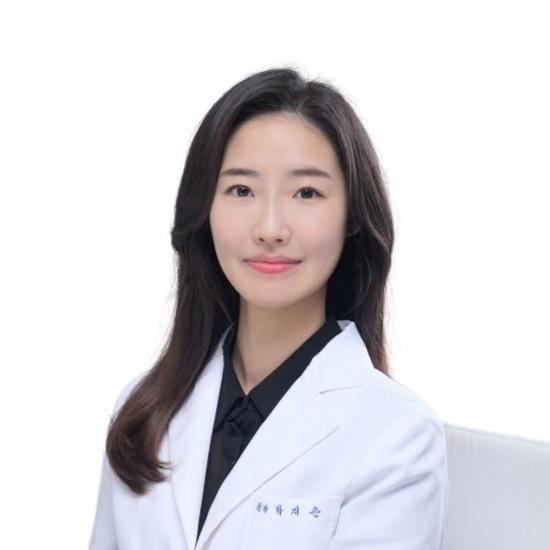
대표원장 박재은
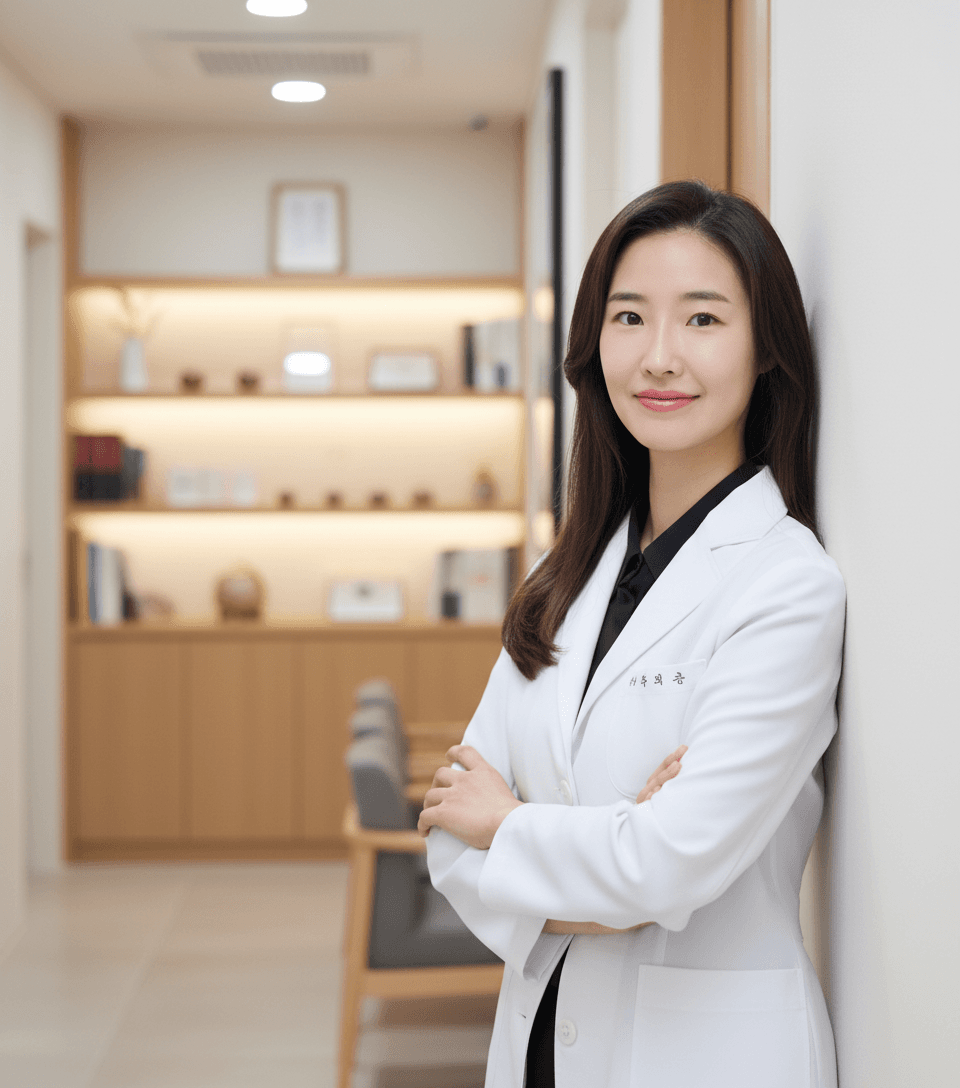
“병이 아니라 그 뒤의 사람을 봅니다”
경희대학교 한의학박사이자 여한의사입니다. 심리상담사 1급 자격, 20만명 차트분석과 4만건 이상의 한약 처방 경험을 바탕으로 진료합니다.
의료진 소개 더보기다낭성난소증후군, 자주 묻는 질문
다낭성이면 임신이 안 되나요?
말랐는데도 다낭성일 수 있나요?
피임약을 언제까지 먹어야 하나요?
치료 기간은 얼마나 걸리나요?
생활에서 어떻게 관리해야 하나요?
해움한의원에서 다낭성난소증후군을 진료하나요?
다낭성난소증후군으로 내원하려면 어떻게 하나요?
이런 경우에는 미루지 말고 진료를 받으세요
아래 증상이 있다면 다른 호르몬 질환이나 자궁내막 문제일 수 있습니다. 지체하지 말고 산부인과나 내분비내과를 먼저 찾으세요.
- 생리가 석 달 넘게 없고 임신 가능성이 있다
- 출혈이 멎지 않고 어지럽다
- 털이 갑자기 늘고 목소리가 굵어졌다
- 갈증과 소변이 늘고 체중이 빠르게 변한다
참고문헌 10편
[1]Teede HJ, Tay CT, Laven JJE, Dokras A, Moran LJ, Piltonen TT, et al. Recommendations From the 2023 International Evidence-based Guideline for the Assessment and Management of Polycystic Ovary Syndrome. J Clin Endocrinol Metab. 2023;108(10):2447-2469. doi:10.1210/clinem/dgad463. PMID: 37580314.
요약 2023년 국제 진료지침입니다. 진단 기준을 다듬고, 대사 위험과 심혈관 질환, 수면무호흡, 심리적 문제를 함께 살피도록 했습니다. 건강한 생활 습관과 정서적 안녕을 계속 강조합니다.원문은 출판사 저작권 자료로, 위 링크에서 확인하실 수 있습니다.
[2]Bozdag G, Mumusoglu S, Zengin D, Karabulut E, Yildiz BO. The prevalence and phenotypic features of polycystic ovary syndrome: a systematic review and meta-analysis. Hum Reprod. 2016;31(12):2841-2855. doi:10.1093/humrep/dew218. PMID: 27664216.
요약 24편의 메타분석입니다. 다낭성난소증후군 유병률은 진단 기준에 따라 6~10%였습니다(로테르담 기준 10%).원문은 출판사 저작권 자료로, 위 링크에서 확인하실 수 있습니다.
[3]Sadeghi HM, Adeli I, Calina D, Docea AO, Mousavi T, Daniali M, et al. Polycystic Ovary Syndrome: A Comprehensive Review of Pathogenesis, Management, and Drug Repurposing. Int J Mol Sci. 2022;23(2):583. doi:10.3390/ijms23020583. PMID: 35054768.
초록 (Abstract)
Polycystic ovary syndrome (PCOS) is an endocrine-gynecology disorder affecting many women of childbearing age. Although a part of the involved mechanism in PCOS occurrence is discovered, the exact etiology and pathophysiology are not comprehensively understood yet. We searched PubMed for PCOS pathogenesis and management in this article and ClinicalTrials.gov for information on repurposed medications. All responsible factors behind PCOS were thoroughly evaluated. Furthermore, the complete information on PCOS commonly prescribed and repurposed medications is summarized through tables. Epigenetics, environmental toxicants, stress, diet as external factors, insulin resistance, hyperandrogenism, inflammation, oxidative stress, and obesity as internal factors were investigated. Lifestyle modifications and complementary and alternative medicines are preferred first-line therapy in many cases. Medications, including 3-hydroxy-3-methyl-3-glutaryl-coenzyme A (HMG-CoA) reductase inhibitors, thiazolidinediones, sodium-glucose cotransporter-2 inhibitors, dipeptidyl peptidase-4 inhibitors, glucose-like peptide-1 receptor agonists, mucolytic agents, and some supplements have supporting data for being repurposed in PCOS. Since there are few completed clinical trials with a low population and mostly without results on PCOS repurposed medications, it would be helpful to do further research and run well-designed clinical trials on this subject. Moreover, understanding more about PCOS would be beneficial to find new medications implying the effect via the novel discovered routes.
원문 발췌 · Sadeghi HM, Adeli I, Calina D, Docea AO, Mousavi T, Daniali M, Nikfar S, Tsatsakis A, Abdollahi M, Int J Mol Sci 2022 · CC BY 4.0 라이선스에 따라 수정 없이 인용했습니다(본문 속 인용 번호는 생략).
[4]Zhao H, Zhang J, Cheng X, Nie X, He B. Insulin resistance in polycystic ovary syndrome across various tissues: an updated review of pathogenesis, evaluation, and treatment. J Ovarian Res. 2023;16(1):9. doi:10.1186/s13048-022-01091-0. PMID: 36631836.
초록 (Abstract)
Polycystic ovary syndrome (PCOS) is a common endocrine disorder characterized by chronic ovulation dysfunction and overabundance of androgens; it affects 6–20% of women of reproductive age. PCOS involves various pathophysiological factors, and affected women usually have significant insulin resistance (IR), which is a major cause of PCOS. IR and compensatory hyperinsulinaemia have differing pathogeneses in various tissues, and IR varies among different PCOS phenotypes. Genetic and epigenetic changes, hyperandrogenaemia, and obesity aggravate IR. Insulin sensitization drugs are a new treatment modality for PCOS. We searched PubMed, Google Scholar, Elsevier, and UpToDate databases in this review, and focused on the pathogenesis of IR in women with PCOS and the pathophysiology of IR in various tissues. In addition, the review provides a comprehensive overview of the current progress in the efficacy of insulin sensitization therapy in the management of PCOS, providing the latest evidence for the clinical treatment of women with PCOS and IR.
원문 발췌 · Zhao H, Zhang J, Cheng X, Nie X, He B, J Ovarian Res 2023 · CC BY 4.0 라이선스에 따라 수정 없이 인용했습니다(본문 속 인용 번호는 생략).
[5]Sverrisdóttir YB, Mogren T, Kataoka J, Janson PO, Stener-Victorin E. Is polycystic ovary syndrome associated with high sympathetic nerve activity and size at birth?. Am J Physiol Endocrinol Metab. 2008;294(3):E576-81. doi:10.1152/ajpendo.00725.2007. PMID: 18198350.
요약 다낭성난소증후군 여성 20명과 대조군 18명의 근육 교감신경 활동을 직접 기록한 연구입니다. 다낭성 군의 활동이 분당 30회로 대조군 20회보다 높았고, 테스토스테론이 높을수록 활동도 높았습니다(r=0.63).원문은 출판사 저작권 자료로, 위 링크에서 확인하실 수 있습니다.
[6]Cooney LG, Lee I, Sammel MD, Dokras A. High prevalence of moderate and severe depressive and anxiety symptoms in polycystic ovary syndrome: a systematic review and meta-analysis. Hum Reprod. 2017;32(5):1075-1091. doi:10.1093/humrep/dex044. PMID: 28333286.
요약 메타분석 결과 다낭성난소증후군 여성은 우울 증상이 3.78배, 불안 증상이 5.62배 많았고, 체질량지수를 맞춰도 높았습니다.원문은 출판사 저작권 자료로, 위 링크에서 확인하실 수 있습니다.
[7]Abdolahian S, Tehrani FR, Amiri M, Ghodsi D, Yarandi RB, Jafari M, et al. Effect of lifestyle modifications on anthropometric, clinical, and biochemical parameters in adolescent girls with polycystic ovary syndrome: a systematic review and meta-analysis. BMC Endocr Disord. 2020;20(1):71. doi:10.1186/s12902-020-00552-1. PMID: 32429890.
초록 (Abstract)
Background: Polycystic ovary syndrome (PCOS) is the most common endocrine disorder in women of childbearing age. This study aimed to compare the effects of lifestyle interventions on anthropometric, clinical, and biochemical parameters in adolescent girls with PCOS.
Methods: PubMed, Scopus, and Web of Science was systematically searched to retrieve studies investigating the effects of lifestyle modifications in adolescent girls with PCOS, which were published up to December 2019. The primary outcome was Body Mass Index (BMI) and secondary outcomes were all manifestations of PCOS, including clinical, metabolic, and hormonal parameters. Random effect meta-analysis was applied for significant results. Publication bias was assessed using the Egger test.
Results: This study showed significant improvements in luteinizing hormone (LH) (Pooled SMD = − 0.1.23; 95% CI, − 2.44 to − 0.03), and Free Androgen Index (FAI) levels (Pooled SMD = − 0.78 95% CI, − 0.1.42 to − 0.13) in adolescent girls receiving lifestyle intervention compared to baseline. This study also revealed that diet modifications alone were associated with a significant decrease in Body Mass Index (BMI) (Pooled SMD = − 0.45; 95% CI, − 0.76 to − 0.13), and FG score (Pooled SMD = − 0.81; 95% CI, − 1.33 to − 0.28). Exercise interventions were associated with significant changes in the menstrual cycles (Pooled SMD = 1.16; 95% CI, 0.72 to 1.61), Ferriman-Gallwey (FG) score (Pooled SMD = − 0.57; 95% CI, − 0.99 to − 0.15), LH (Pooled SMD = − 056; 95% CI, − 0.98 to − 0.14), Anti-Müllerian Hormone (AMH) (Pooled SMD = − 0.81; 95% CI, − 0.1.24 to − 0.38), and Triglyceride (TG) levels (Pooled SMD = − 0.32; 95% CI, − 0.62 to − 0.02).
Conclusion: This meta-analysis concluded lifestyle interventions, such as diet and exercise, can improve some clinical, metabolic, and hormonal parameters in adolescent girls with PCOS.
결과 (Results)
Search results, study selection, study characteristics, and quality assessment: A flow chart of the literature search and its results are shown in Fig. 1. We screened a total of 1777 records from the following databases: Web of Science (366), PubMed (188), and Scopus (1224). Finally, eleven studies were included in the meta-analysis; of these, five studies were classified as having high quality, four studies as fair, and two as low quality (Table 1 in the supplementary file). Therefore, most studies included in the meta-analysis had moderate quality. The study population consisted of 412 adolescent girls with PCOS in 16 interventions and 3 control groups. Five studies with lifestyle interventions (the combination of dietary, physical activity, and behavior habits intervention), four studies with dietary interventions, and two studies with exercise interventions were entered in this study. The characteristics of these studies are shown in Table 1.
Three studies were excluded because of having incomplete outcome data, repetitive data, and one being a longitudinal design study.
The results for risk of bias are shown in Table 2 in the supplementary file. For random sequence generation, seven trials (7 out of 11, 63%) were deemed to be at low risk, and for allocation concealment, seven trials were at unclear risk (7 out of 11, 63%). In three trials (3 out of 11, 27%), the participants or providers, or both, were blinded to treatment allocation. Eight trials (8 out of 11, 72%) reported attrition bias. All of the included studies were deemed to be at low risk for comparing before-after intervention results and for selecting outcome reports. The intervention and control groups were demonstrably comparable in six trials (6 out of 11, 55%). Some biases were more probable such as blinding of outcome assessment and allocation concealment.
Meta-analysis of outcomes: A summary of the key findings reported in each of the outcomes assessed in this meta-analysis is presented in Table 2. Pooled SMD (95% CI) in treatment groups is shown in these tables.
Body mass index: Ten studies reported the effect of lifestyle on BMI, four studies evaluated diet, two studies evaluated exercise and four studies used a combination of these interventions.
Our results showed that only diet intervention was associated with a significant decrease in BMI (Pooled SMD = − 0.45; 95% CI, − 0.76 to − 0.14) (Fig. 2).
Clinical parameters: In general, six studies reported the effect of LSM on clinical parameters including menstrual cycles, FG, and systolic and diastolic blood pressure; two of these studies assessed the effect of diet, one study evaluated exercise, and three studies assessed the combination of diet, exercise, and behavior.
Results showed that exercise intervention significantly improved menstrual cycle regularities (Pooled SMD = 1.16; 95% CI, − 0.72 to 1.61) and the FG score (Pooled SMD = − 0.57; 95% CI, − 0.99 to − 0.15). In addition, diet therapy was associated with a significant decrease in FG scores (Pooled SMD = − 0.81; 95% CI, − 1.33 to − 0.28) (Fig. 3).
Lifestyle intervention had no significant effect on systolic or and diastolic blood pressure (Fig. 1 in Additional file 1).
Metabolic parameters: In general, six studies reported on the effect of one lifestyle intervention type on metabolic parameters including TG, HDL, LDL, FBS, FBI, and HOMA-IR. Another study evaluated the effect of diet, one study evaluated the effect of exercise, and four studies evaluated the effect of a combination of diet, exercise, and behavior modification.
Results revealed that exercise intervention significantly decreased the TG level (Pooled SMD = − 0.32; 95% CI, − 0.62 to − 0.02) (Fig. 4). This study showed that lifestyle interventions (diet, exercise, and behavior) had no significant effects on HDL, LDL, FBS, FBI, and HOMA-IR (Figs. 2, 3, 4 in Additional file 1).
Hormonal parameters: In general, six studies reported the effect of LSM on metabolic parameters, including FSH, LH, SHBG, TT, FT, BT, FAI, and AMH. One of these studies evaluated the effect of diet, one study evaluated the effect of exercise, four studies evaluated effects of the combination of these interventions.
Meta-analysis results showed that LSM (combination of diet, exercise, and behavior intervention) was significantly associated with a decrease in LH (Pooled SMD = − 0.1.2; 95% CI, − 2.44 to − 0.03), and FAI (Pooled SMD = − 0.78 95% CI, − 0.1.42 to − 0.13). In addition, the exercise intervention significantly decreased LH (Pooled SMD = − 06; 95% CI, − 0.98 to − 0.14) and AMH levels (Pooled SMD = − 0.81; 95% CI, − 0.1.24 to − 0.38) (Fig. 5).
LSM had no significant effects on other hormonal parameters, including FSH, SHBG, TT, FT, BT levels (Figs. 5, 6 in Additional file 1).
Meta-regression analysis: The results of meta-regression showed differences in the clinical, hormonal, and metabolic parameters between interventions and control groups. Our univariate meta-regression analysis found no significant effects between lifestyle intervention types compared to the control group (Table 2). In addition, the results of meta-regression adjusted for duration of follow-up showed no significant effects of this confounder (Table 3).
Publication Bias: The results of the Egger test showed no significant publication bias for clinical, metabolic, and hormonal variables.
원문 발췌 · Abdolahian S, Tehrani FR, Amiri M, Ghodsi D, Yarandi RB, Jafari M, Majd HA, Nahidi F, BMC Endocr Disord 2020 · CC BY 4.0 라이선스에 따라 수정 없이 인용했습니다(본문 속 인용 번호는 생략).
[8]Arentz S, Smith CA, Abbott J, Fahey P, Cheema BS, Bensoussan A. Combined Lifestyle and Herbal Medicine in Overweight Women with Polycystic Ovary Syndrome (PCOS): A Randomized Controlled Trial. Phytother Res. 2017;31(9):1330-1340. doi:10.1002/ptr.5858. PMID: 28685911.
초록 (Abstract)
Polycystic ovary syndrome (PCOS) is a common, complex reproductive endocrinopathy characterized by menstrual irregularities, hyperandrogenism and polycystic ovaries. Lifestyle modification is a first‐line intervention; however, there are barriers to success for this form of self‐care, and women often seek adjunct therapies including herbal medicines. This pragmatic, randomized controlled trial, delivered in communities of Australia in overweight women with PCOS, compared the effectiveness and safety of a lifestyle intervention plus herbal medicine against lifestyle alone. All participants were helped to construct a personalized lifestyle plan. The herbal intervention consisted of two tablets. Tablet 1 contained Cinnamomum verum, Glycyrrhiza glabra, Hypericum perforatum and Paeonia lactiflora. Tablet 2 contained Tribulus terrestris. The primary outcome was oligomenorrhoea/amenorrhoea. Secondary outcomes were hormones; anthropometry; quality of life; depression, anxiety and stress; pregnancy; birth outcomes; and safety. One hundred and twenty‐two women gave their consent. At 3 months, women in the combination group recorded a reduction in oligomenorrhoea of 32.9% (95% confidence interval 23.3–42.6, p < 0.01) compared with controls, estimated as a large effect (ηp 2 = 0.11). Other significant improvements were found for body mass index (p < 0.01); insulin (p = 0.02) and luteinizing hormone (p = 0.04); blood pressure (p = 0.01); quality of life (p < 0.01); depression, anxiety and stress (p < 0.01); and pregnancy rates (p = 0.01). This trial provides evidence of improved effectiveness and safety for lifestyle intervention when combined with herbal medicines in women with PCOS. © 2017 The Authors. Phytotherapy Research published by John Wiley & Sons Ltd
원문 발췌 · Arentz S, Smith CA, Abbott J, Fahey P, Cheema BS, Bensoussan A, Phytother Res 2017 · CC BY 4.0 라이선스에 따라 수정 없이 인용했습니다(본문 속 인용 번호는 생략).
[9]Arentz S, Abbott JA, Smith CA, Bensoussan A. Herbal medicine for the management of polycystic ovary syndrome (PCOS) and associated oligo/amenorrhoea and hyperandrogenism; a review of the laboratory evidence for effects with corroborative clinical findings. BMC Complement Altern Med. 2014;14:511. doi:10.1186/1472-6882-14-511. PMID: 25524718.
초록 (Abstract)
Background: Polycystic ovary syndrome (PCOS) is a prevalent, complex endocrine disorder characterised by polycystic ovaries, chronic anovulation and hyperandrogenism leading to symptoms of irregular menstrual cycles, hirsutism, acne and infertility. Evidence based medical management emphasises a multidisciplinary approach for PCOS, as conventional pharmaceutical treatment addresses single symptoms, may be contra-indicated, is often associated with side effects and not effective in some cases. In addition women with PCOS have expressed a strong desire for alternative treatments. This review examines the reproductive endocrine effects in PCOS for an alternative treatment, herbal medicine. The aim of this review was to identify consistent evidence from both pre-clinical and clinical research, to add to the evidence base for herbal medicine in PCOS (and associated oligo/amenorrhoea and hyperandrogenism) and to inform herbal selection in the provision clinical care for these common conditions.
Methods: We undertook two searches of the scientific literature. The first search sought pre-clinical studies which explained the reproductive endocrine effects of whole herbal extracts in oligo/amenorrhoea, hyperandrogenism and PCOS. Herbal medicines from the first search informed key words for the second search. The second search sought clinical studies, which corroborated laboratory findings. Subjects included women with PCOS, menstrual irregularities and hyperandrogenism.
Results: A total of 33 studies were included in this review. Eighteen pre-clinical studies reported mechanisms of effect and fifteen clinical studies corroborated pre-clinical findings, including eight randomised controlled trials, and 762 women with menstrual irregularities, hyperandrogenism and/or PCOS. Interventions included herbal extracts of Vitex agnus-castus, Cimicifuga racemosa, Tribulus terrestris, Glycyrrhiza spp., Paeonia lactiflora and Cinnamomum cassia. Endocrine outcomes included reduced luteinising hormone (LH), prolactin, fasting insulin and testosterone. There was evidence for the regulation of ovulation, improved metabolic hormone profile and improved fertility outcomes in PCOS. There was evidence for an equivalent effect of two herbal medicines and the pharmaceutical agents bromocriptine (and Vitex agnus-castus) and clomiphene citrate (and Cimicifuga racemosa). There was less robust evidence for the complementary combination of spirinolactone and Glycyrrhiza spp. for hyperandrogenism.
Conclusions: Preclinical and clinical studies provide evidence that six herbal medicines may have beneficial effects for women with oligo/amenorrhea, hyperandrogenism and PCOS. However the quantity of pre-clinical data was limited, and the quality of clinical evidence was variable. Further pre-clinical studies are needed to explain the effects of herbal medicines not included in this review with current clinical evidence but an absence of pre-clinical data.
Electronic supplementary material: The online version of this article (doi:10.1186/1472-6882-14-511) contains supplementary material, which is available to authorized users.
결과 (Results)
Laboratory studies: Our search identified 33 laboratory (pre-clinical) studies (Figure 1). Eighteen studies met the inclusion criteria, nine reported on receptor binding assays or ovarian or pituitary (brain) cell cultures, and nine used an animal experimental model with hormone assays and/or post-mortem examination of ovarian, uterine and brain histology, (Table 1). We excluded 15 studies for the following reasons; investigation of effects in male animals (n = 4) and investigations which commenced with constituents that were isolated from herbal medicines (n = 5). Six studies were excluded due to no clinical evidence found (n = 6).
Clinical studies: Following the electronic and manual searches of bibliographies, forty six clinical studies were identified for inclusion/exclusion assessment (Figure 1). A pre-requisite for the inclusion of clinical studies was identified laboratory evidence explaining the mechanism of effect in reproductive endocrinology. Fifteen met the inclusion criteria. Eight were randomised controlled trials (RCTs) including 762 women (Table 2). Thirty one studies were excluded for the following reasons; investigation of isolated herbal chemicals (n = 3); inclusion of male subjects (n = 4); no pre-clinical evidence (n = 11) and conditions different to those specified (n = 13).
Excluded studies: Details of excluded studies investigating herbal medicines with clinical evidence but no preclinical evidence were provided in Table 3. Herbal medicines with preclinical evidence but no clinical evidence were provided in Table 4, and investigations into isolated chemicals derived from herbal medicine were presented in Table 5.
Seven RCTs examined commercially produced herbal medicine extracts. These were Vitex agnus-castus in the form of Strontan®, Mastodynon®, Phyto Hypophyson® and Agnacaston® and Cimicifuga racemosa in the form of Klimadynon® (Table 2).
Herbal medicines with effects in oligo/amenorrhoea, hyperandrogenism and PCOS: The results of preclinical studies and clinical studies have been summarised together for each of the six herbal medicines.
Vitex agnus-castus: Pre-clinical and clinical evidence was found for Vitex agnus-castus for lowered prolactin, improved menstrual regularity and treatment of infertility. Vitex agnus-castus contains a variety of compounds which bind to dopamine type 2 (DA-2) receptors in the brain; reduce cyclic adenosine mono phosphate (cAMP) and lowered prolactin secretion (Table 1). This was demonstrated in studies using recombinant DA-2 receptor proteins, and basal and stimulated rat pituitary cell cultures. Prolactin lowering effects were found in normal and ovariectomised rats. Additional agonistic opiate effects were observed in studies using human opiate receptors cell cultures.
Clinical equivalence for prolactin lowering effects of Vitex agnus-castus (Agnucaston® 40 mg per day) and the pharmaceutical Bromocriptine (Parlodel® 5 mg per day) was found in one study including 40 women with hyperprolactinaemia. Mean concentrations for prolactin following three months treatment with Vitex agnus-castus was significantly reduced from 946 mIU/l (±173) to 529 mIU/l (±297) (p < 0.001). Comparatively, mean prolactin concentration in the Bromocriptine group was significantly reduced from 885 mIU/l (±178) to 473 mIU/l (±266) (p < 0.001) demonstrating that both treatments were effective treatment for women with hyperprolactinaemia (normal reference range 25-628 mIU/l). The mean difference in prolactin reduction of the two groups was not significant (p = 0.96) (Table 2).
Positive effects for Vitex agnus-castus in oligo/amenorrhoea and infertility was demonstrated in three placebo controlled RCTs. In a study including women with menstrual irregularity and infertility (n = 96), menstrual cyclicity was significantly improved for women treated with Vitex agnus-castus (Mastodynon® 30 drops per day for three months) compared to placebo (p = 0.023) (Table 2). Another study, including women with sub fertility (n = 67), showed improved menstrual cyclicity for a sub-group of women with oligomenorrhoea following treatment with Vitex agnus-castus (Phyto-Hypophyson® 7.5 ml per day) compared to placebo, (p = 0.023) (Table 2). A third study including women with hyperprolactinaemia (n = 37) demonstrated improved menstrual cyclicity by an increased average number of luteal days from 3.4 days (±5.0) to 10.5 days (±4.3) (p < 0.005) following treatment with Vitex agnus-castus (Strotan® 20 mg per day) for three months. The placebo group reported average number of days in the luteal phase was 3.4 (±5.1) at baseline and 5.5 (±5.2) at three months, which was not significant (p = 0.22) (Table 2). Methodological shortcomings included not reporting baseline characteristics for subgroups and small sample sizes; however clinical outcomes demonstrated physiological effects consistent with laboratory and animal findings (Tables 1 and 2).
Cimicifuga racemosa: Cimicifuga racemosa was found to lower LH in two laboratory studies both examining cell cultures from ovariectomised rats (Table 1). The mechanism occurred through competitive inhibition of oestrogen following the selective binding of oestrogen receptors (ERα) on the hypothalamus and pituitary. An earlier study found contrary results for reduction of LH, however this study investigated an isolated flavonoid and suggested that other constituents may be active.
Three RCTs corroborate the positive fertility effects for Cimicifuga racemosa in women with PCOS, used in conjunction and when compared with the pharmaceutical Clomiphene citrate (clomiphene), (Table 2). Results were reported for 441 women and show improved pregnancy rates when Cimicifuga racemosa was added to clomiphene during one menstrual cycle. In a study including women with PCOS (n = 147), pregnancy rates for the group receiving combined therapy (clomiphene 150 mg plus Cimicifuga racemosa 20 mg per day (Klimadynon®)) were 43.3% compared to 20.3% for women receiving only clomiphene (Table 2). In another study using similar methodology (n = 100) pregnancy rates were 34.8% for the group treated with Cimicifuga racemosa plus clomiphene compared to 17.2% for women treated with clomiphene alone (Table 2). Another study included women with PCOS and infertility (n = 100) compared Cimicifuga racemosa (Klimadynon®) and clomiphene over three months for hormone concentrations and pregnancy rates. Pregnancy rates were higher in the women in taking Cimicifuga racemosa compared to clomiphene, 14% and 8% respectively; however differences were not statistically significant. This study found significant effects for lowered luteinising hormone for women with PCOS receiving Cimicifuga racemosa compared to clomiphene (p = 0.007). Findings from clinical studies concur with laboratory and animal studies; however potential risks for bias include performance and collection bias due to lack of blinding (Table 2).
Tribulus terrestris: Two laboratory based RCT’s examined the effects of Tribulus Terrestris in rats with polycystic ovaries induced with oestradiol valerate (Table 1). Both studies demonstrate significantly improved ovulation rates for animals treated with two doses of Tribulus terrestris extracts compared to controls. Although the endocrinological effects were not described in either study, laboratory findings of ovulation induction are supported by the clinical findings of elevated FSH following treatment with Tribulus terrestris (Table 2).
A prospective, observational clinical trial examined the endocrine effects of Tribulus terrestris 750 mg per day, over five days in eight healthy women (aged 28–45). A significant increase in mean serum FSH concentration from 11 mIU/ml before treatment to 17.75 mIU/ml following treatment (P < 0.001) was demonstrated. Pre-treatment FSH levels returned following cessation of treatment (Table 1). Another clinical study evaluated the equivalence of Tribulus terrestris (Tribestan®) and pharmaceuticals for ovulation induction in women with oligo/anovular infertility (n = 148),. During the three month follow up, ovulation rates were highest with epimestrol (74%), followed by Tribulus terrestris (60%), clomiphene (47%) and cyclofenil (24%). However, the evidence for Tribulus terrestris should be interpreted with caution due to risks for bias in clinical studies. One study was uncontrolled with a small number of healthy participants, the second study did not report baseline characteristics, methods for allocation to treatment groups and data were not statistically analysed (Table 1).
Glycyrrhiza spp: Androgen lowering effects for Glycyrrhiza spp. have been demonstrated in one laboratory study examining hormone concentration in female rats (Glycyrrhiza uralensis), and corroborated in two clinical trials, one including healthy women and the other including women with PCOS (Glycyrrhiza glabra) (Table 1). The animal study reported significantly reduced free and total testosterone and increased oestradiol in sterilised rats and no hormonal changes in oophrectomised rats. The authors conclude that the hormonal effects occurred primarily in the ovary via enhanced aromatisation of testosterone to 17-beta oestradiol. The investigators also observed significantly increased oestradiol. There were no changes to FSH or LH in androgen sterilised or oophrectomised rats.
Another animal study examined the effects of Glycyrrhiza uralensis on the morphological features of polycystic ovaries using immunohistochemistry (Table 1). This study demonstrated significantly increased ovulation rates by the number of corpus luteum in polycystic ovaries compared with controls. The authors propose that the mechanism of effect for Glycyrrhiza uralensis was competitive inhibition of oestrogen at oestrogen receptor sites, limiting the production of nerve growth factor (NGF), its neurotropic effects and inhibition of sympathetic neurological involvement in the pathogenesis of polycystic ovaries.
Two clinical studies examined the androgen lowering effects of Glycyrrhiza Glabra. A single arm clinical trial demonstrated reduced testosterone in healthy women aged 22–26 years (n = 9) over two menstrual cycles. Treatment with Glycyrrhiza glabra, 7 grams per day reduced testosterone from 27.8(±8.2) to 17.5 (±6.4), p < 0.05. Another single arm clinical trial investigated the effects of Glycyrrhiza glabra in women with PCOS, (n = 32). Glycyrrhiza glabra 3.5 g per day was added to anti-androgen pharmaceutical treatment, Spirinolactone 100 mg/day over two menstrual cycles. An unwanted side effect for Spirinolactone was the flare of androgens during the initial phase of treatment. This study demonstrated reduced concentrations of testosterone during the first four days of treatment at 103 ± 29 ng/d in the Spirinolactone group compared to 91 ng/d (±19) when combined with Glycyrrhiza glabra (p < 0.05) (Table 1). Consistent laboratory and clinical outcomes were demonstrated however limitations included design shortcomings. Both clinical studies were open label observational design with small sample sizes; one included healthy participants. Rigorous studies are needed to confirm the androgen lowering effects of Glycyrrhiza spp. in hyperandrogenism and PCOS.
Results for Glycyrrhiza Spp. (and indeed any herbal ingredient) were complicated in this case by the variation in herbal extraction processes and subsequent variability in chemical profiles of the herbal ingredients. The laboratory studies of the herbal material were based on aqueous extracts of crude material whilst the clinical studies were based on ethanol extracts. Despite variability in the herbal extraction methods, both laboratory and clinical studies demonstrated anti-androgenic effects.
Paeonia lactiflora and glycyrrhiza uralensis: One laboratory study and two clinical investigations provided evidence for the two herb combination, Glycyrrhiza uralensis and Paeonia lactiflora (Table 1). An animal study found significant reductions in free and total testosterone following exposure to the combination (Table 1). These findings were supported in two open label clinical trials including women with PCOS (n = 34) and women with hyperandrogenism (n = 8). Both trials examined the effects on androgens for the aqueous extract TJ-68 (equal parts Glycyrrhiza uralensis and Paeonia lactiflora), 75 grams per day for 24 weeks and 5–10 grams per day for 2–8 weeks respectively. In the trial including women with PCOS, mean serum testosterone was significantly reduced from 137.1 ng/dL (±27.6) to 85.3 ng/dL (±38), p < 0.001 at four weeks of treatment. Similar effects were observed in the women with oligomenorrhoea and hyperandrogenism which showed serum testosterone reduced from 50-160 ng/dL prior to treatment to less than 50 ng/dL. However statistical significance was not reached due to the small sample size despite positive outcomes in seven out of eight participants (Table 1).
Paeonia lactiflora and cinnamomum cassia: Paeonia lactiflora combined with Cinnamomum cassia in a preparation called Unkei-to was investigated in an in-vitro study for ovarian production of 17-beta-oestradiol and progesterone, (Table 1). Granulosa cells obtained from women undergoing IVF were examined for steroid hormone concentration following incubation with different doses over 48 hours. Oestradiol was significantly increased (p < 0.01) following exposure to doses of 0.3 ug/ml of Unkei-to. Supporting clinical evidence was found in one clinical trial of 157 infertile women aged 17–29 years, including a subgroup of 42 women with hyper-functioning (PCOS) oligo/amenorrhoea. Treatment with Unkei-to, 7.5 grams per day for eight weeks, demonstrated significant reductions of mean LH in the PCOS sub-group of 49.7% (±15.3). Ovulation was confirmed in 30 out of 42 oligo/amenorrheic women (Table 1). Limitations however include findings based on sub-group comparisons without description of subgroup baseline characteristics (other than oligomenorrhoea). Although the same aqueous extract intervention was investigated in pre-clinical and clinical studies, it contained additional herbal extracts and it was irrational to attribute hormonal effects to Paeonia lactiflora and Cinnamomum cassia.
Cinnamomum cassia: An animal study compared the effectiveness of Cinnamomum cassia and the pharmaceutical Metformin on hormone concentration in rats with PCOS (Table 1). Both interventions demonstrated significant improvements compared to controls at 15 days for measures of testosterone ng/ml (control 0.747 ± 0.039; metformin 0.647 ± 0.027; Cinnamomum cassia 0.625 ± 0.029); LH ng/ml (control 7.641 ± 0.267; metformin 6.873 ± 0.214; Cinnamomum cassia 6.891 ± 0.221) and insulin resistance (HOMA-IR) (control 10.018 ± 0.217; metformin 7.067 ± 0.184 Cinnamomum cassia 8.772 ± 0.196) (p < 0.05). The metabolic effects for Cinnamomum cassia were further demonstrated in overweight women with oligo/amenorrhoea and PCOS in a placebo controlled RCT (Table 2). However, although the RCT had low risks for bias, it was a pilot study primarily investigating feasibility. Outcomes were promising for metabolic profile in PCOS however the sample size was small and the authors recommended further studies.
Summary of results: This review includes 18 preclinical laboratory based studies and 15 clinical trials. We found reproductive endocrine effects in oligo/amenorrhoea, hyperandrogenism and/or PCOS for six herbal medicines. The quality of evidence, as determined by the volume of pre-clinical studies and the methodological quality of clinical trials, was highest for the herbal medicines Vitex agnus-castus, Cimicifuga racemosa and Cinnamomum cassia, for which there were laboratory and/or animal studies demonstrating endocrine mechanisms of action consistent with clinical outcomes shown in RCT’s with low risks for bias. However, replicated RCT data was only found for one herbal medicine, Cimicifuga racemosa.
Evidence for Tribulus terrestris, Glycyrrhiza spp. alone and in combination with Paeonia lactiflora and Paeonia lactiflora with Cinnamomum cassia was limited by the volume of laboratory and animal studies, with only one to two studies found for each herb or herbal combination. There was supporting clinical data, however many were small single arm, open label studies measuring endocrine effects in healthy women. Evidence for these herbal medicines is preliminary and in an emergent phase.
원문 발췌 · Arentz S, Abbott JA, Smith CA, Bensoussan A, BMC Complement Altern Med 2014 · CC BY 4.0 라이선스에 따라 수정 없이 인용했습니다(본문 속 인용 번호는 생략).
[10]Wu XK, Stener-Victorin E, Kuang HY, Ma HL, Gao JS, Xie LZ, et al. Effect of Acupuncture and Clomiphene in Chinese Women With Polycystic Ovary Syndrome: A Randomized Clinical Trial. JAMA. 2017;317(24):2502-2514. doi:10.1001/jama.2017.7217. PMID: 28655015.
요약 불임 치료를 받는 다낭성난소증후군 여성 1,000명의 무작위 대조 연구입니다. 출산율은 클로미펜 28.7%, 위약 15.4%였습니다. 침과 대조 침은 21.8%와 22.4%로 차이가 없었습니다.원문은 출판사 저작권 자료로, 위 링크에서 확인하실 수 있습니다.