

출산한 지 몇 달이 지났는데 손목과 무릎이 시리고, 조금만 움직여도 지칩니다. 잠은 토막 나고 살은 그대로입니다. 산후보약, 그냥 다 먹으면 되는 걸까요, 내 몸에 맞게 먹어야 할까요?
산후보약 한눈에 보기
- 산후보약은 출산으로 소모된 기혈을 채우고 몸의 회복을 돕는 한약으로, 자궁 회복을 돕는 치료 뒤에 이어서 씁니다.
- 산모의 38.8%가 출산 10일 뒤 심한 피로를 겪고 약 8명 중 1명은 우울을 겪습니다. 회복이 더디다면 빈혈과 우울, 갑상선 문제를 먼저 확인해야 합니다.
- 밤샘 육아가 자율신경을 흔들어 회복을 늦추므로, 내 몸이 소모되는 쪽인지 쌓이는 쪽인지에 맞춰 달리 접근해야 합니다.
- 치료후기 2건
- 의료진 칼럼 2편
- 건강정보 1편
- 온라인 상담 4건
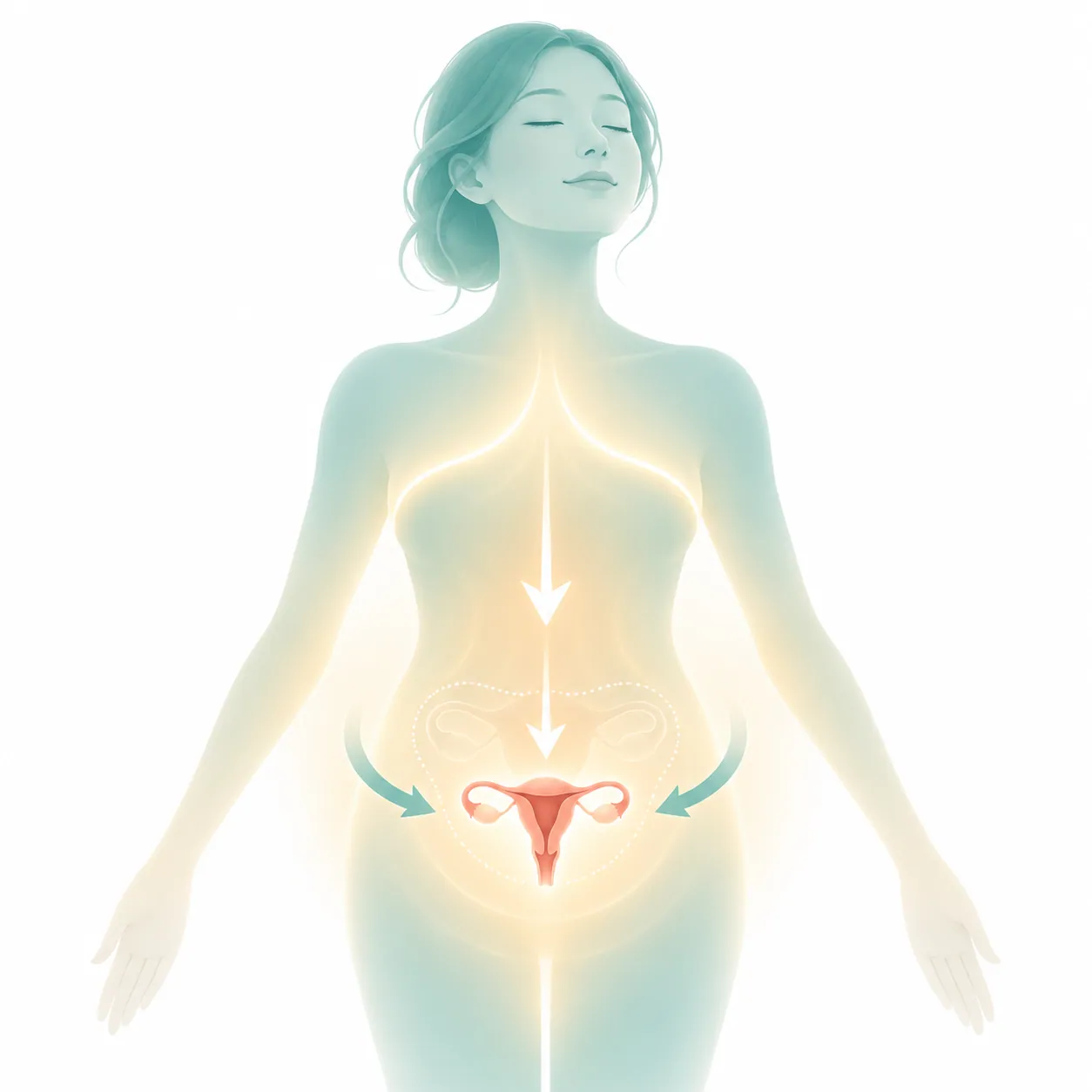
이런 증상이 있나요?
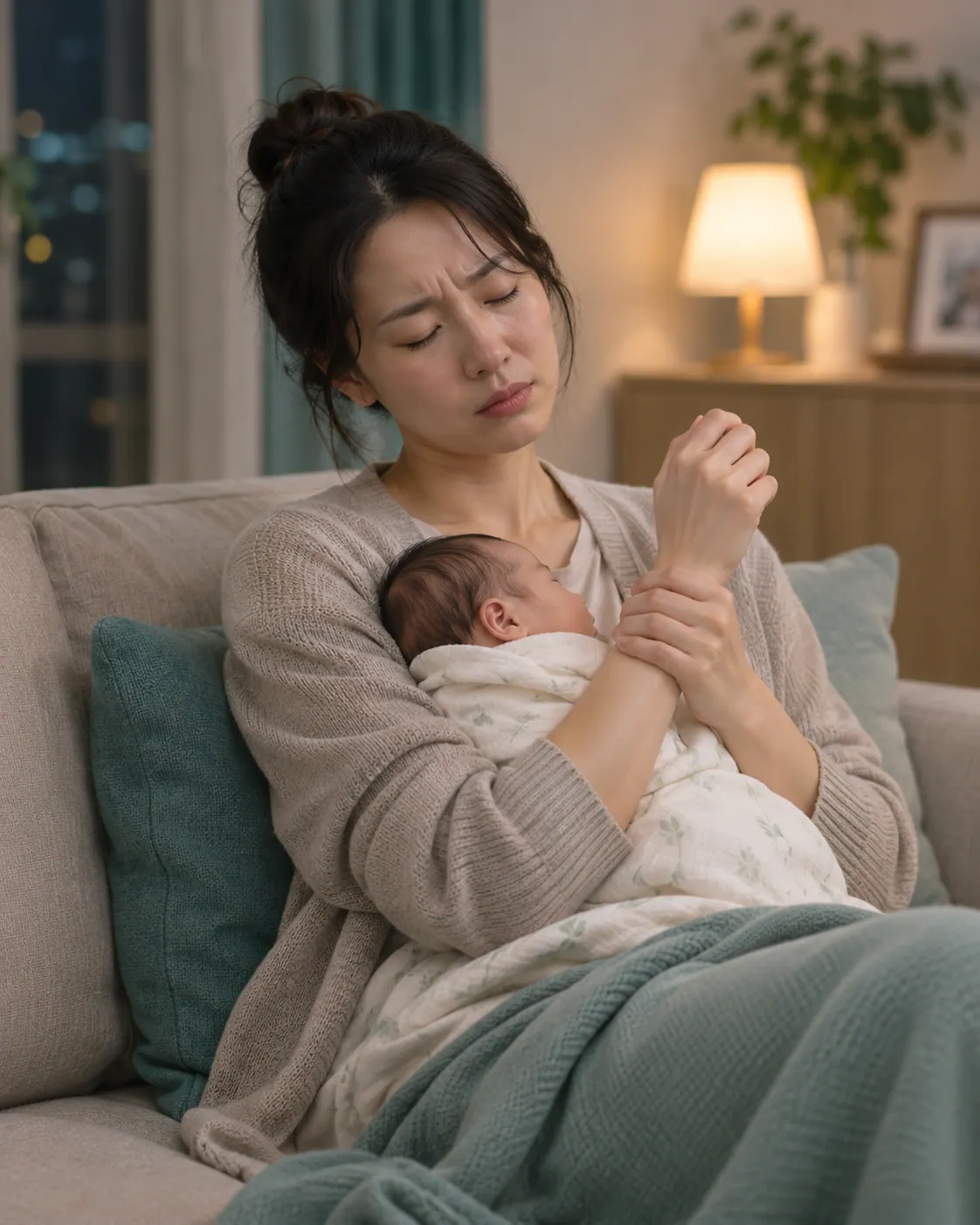
- 손목, 무릎, 뼈마디가 시리고 아프다
- 쉬어도 피로가 풀리지 않는다
- 조금만 먹어도 살이 찌고 몸이 붓는다
- 입맛이 없고 소화가 안 된다
- 아기가 자는데도 잠들지 못하고 두근거린다
- 이유 없이 눈물이 나고 감정 기복이 심하다
- 원래 있던 불면, 어지럼증, 소화불량이 더 심해졌다
한 가지가 아니라 여러 증상이 겹치는 것이 특징입니다. 회복이 더디다면 산부인과나 내과에서 빈혈과 갑상선을 확인해 보세요. 출산 1주 뒤 빈혈은 철분을 먹어도 14%, 먹지 않으면 24%입니다[3].
산후 회복의 표준 관리
출산 뒤에는 산부인과 검진으로 자궁 회복과 출혈, 상처를 확인합니다. 빈혈이 있으면 철분을 보충하고, 우울이 의심되면 선별 검사와 상담, 필요하면 약물 치료를 받습니다. 산후 관리의 기본은 충분한 잠과 식사, 주변의 도움입니다.
검사에서 이상이 없는데도 몸이 돌아오지 않는 분이 많습니다. 산후풍처럼 뼈마디가 시리고 아픈 증상은 대개 진통제로 그때그때 넘깁니다. 지친 자율신경과 소모된 기혈을 채워야 몸이 제자리를 찾습니다. 한의학 치료는 바로 이 바탕을 다스립니다.
산후 통증에 대한 연구도 있습니다. 산후풍을 다룬 무작위 연구 9편, 652명을 모은 분석에서 한약은 통증과 삶의 질을 개선했고 심각한 부작용은 없었습니다[6]. 산후우울증에도 한약 연구가 47편 있으나 결론을 내리기에는 이릅니다[7]. 산후보약 자체를 다룬 큰 연구는 적고, 우리나라에서도 안전성 자료를 모으는 연구가 진행되고 있습니다[8].
해움한의원은 이렇게 치료합니다
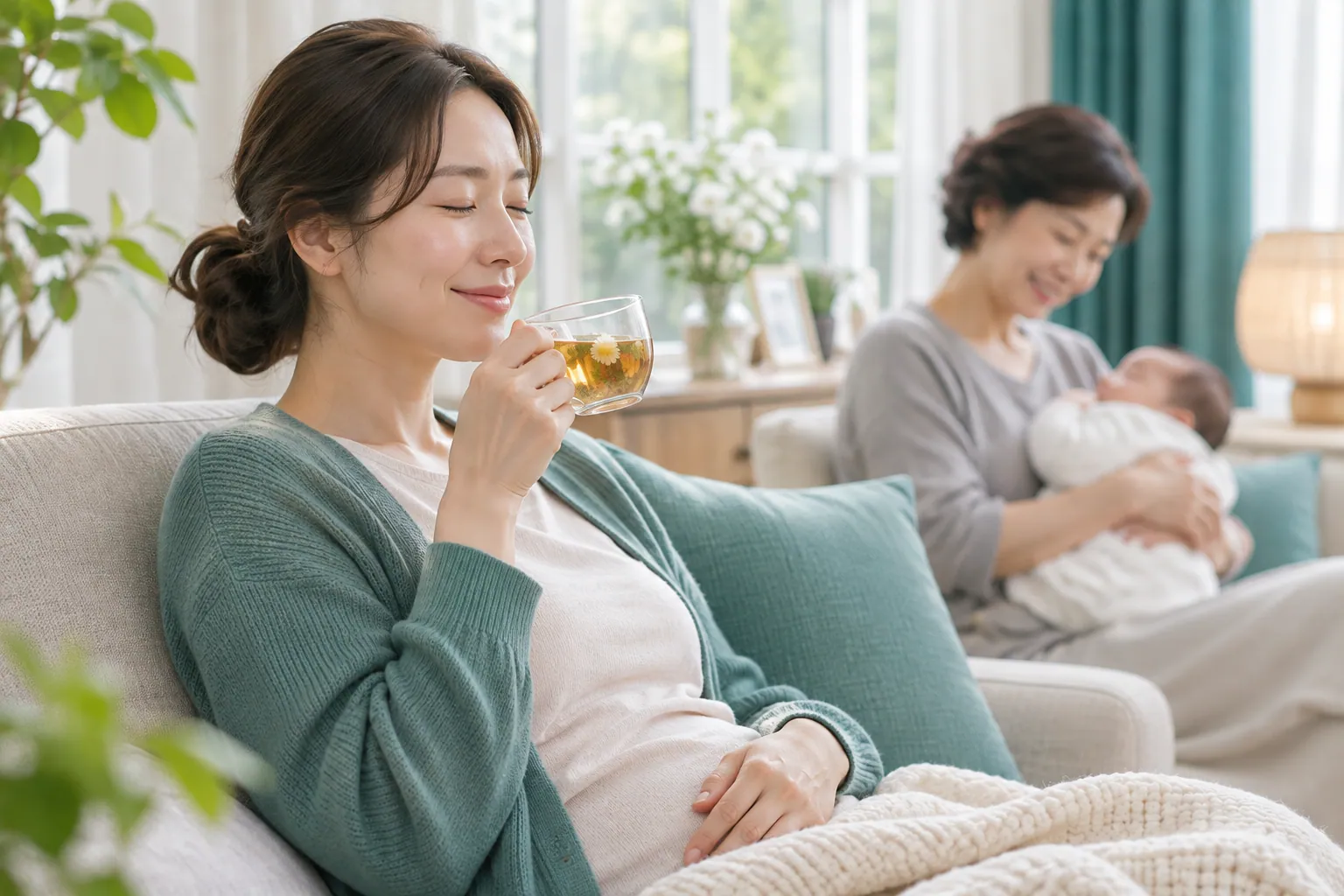
해움한의원은 모든 산모에게 같은 보약을 드리지 않습니다. 내 몸이 어느 방향으로 무너졌는지, 왜 회복되지 않는지를 먼저 봅니다.
1단계. 회복을 막는 원인을 찾습니다
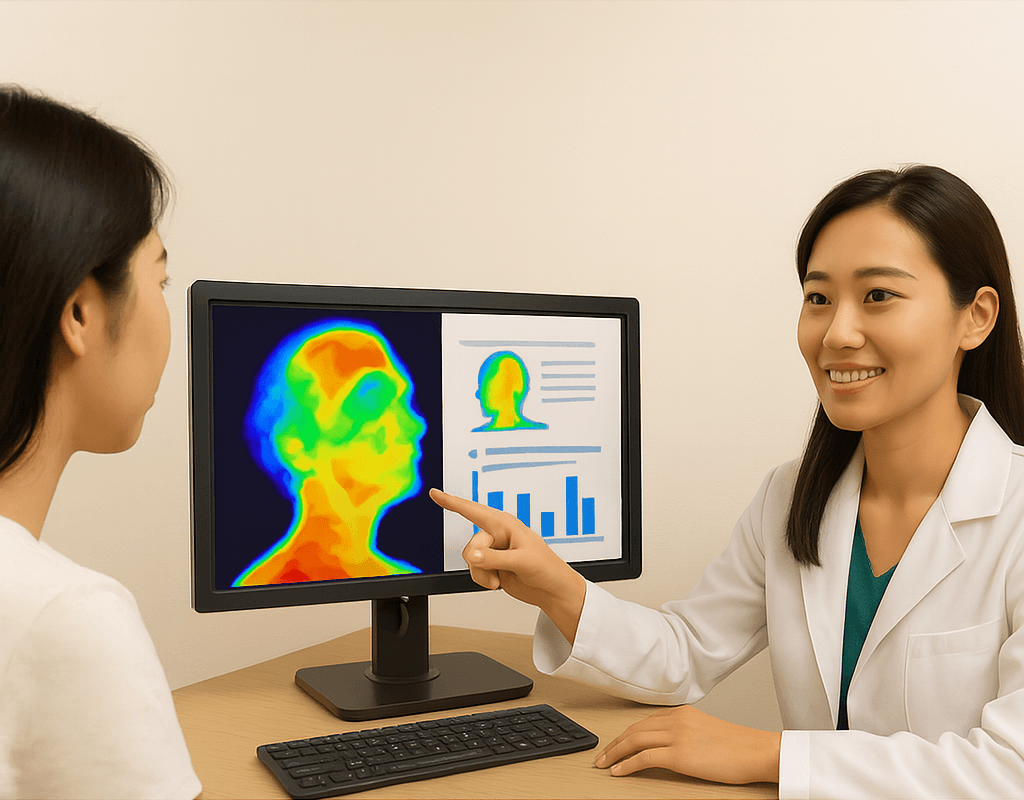
분만 방식과 출혈, 오로, 수유 여부, 수면과 소화를 자세히 살펴봅니다. 빈혈이나 우울이 의심되면 검사와 진료를 먼저 안내해 드립니다. 심박변이도로 자율신경의 상태를 확인합니다.
2단계. 곤두선 긴장과 통증을 풉니다
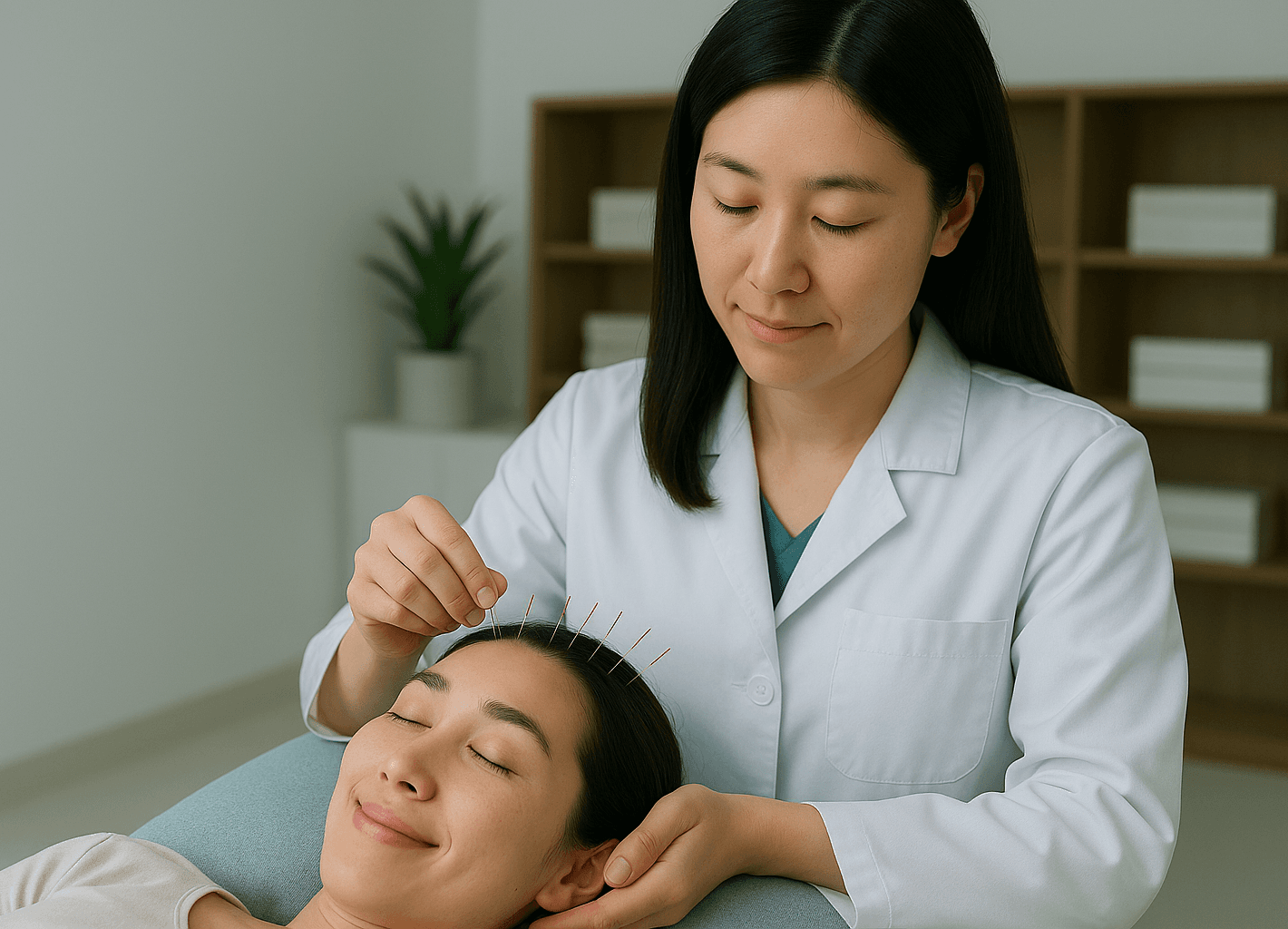
침과 뜸으로 자율신경을 안정시키고 손목, 허리, 골반의 통증을 돌봅니다. 몸 상태에 맞춰 식사와 수면, 쉬는 방법을 함께 정합니다.
3단계. 유형에 맞춰 바탕을 다스립니다
체질과 상태에 맞춰 한약을 짓습니다.
4만 건의 처방 사례가 말해주는, 한방 맞춤 치료의 힘
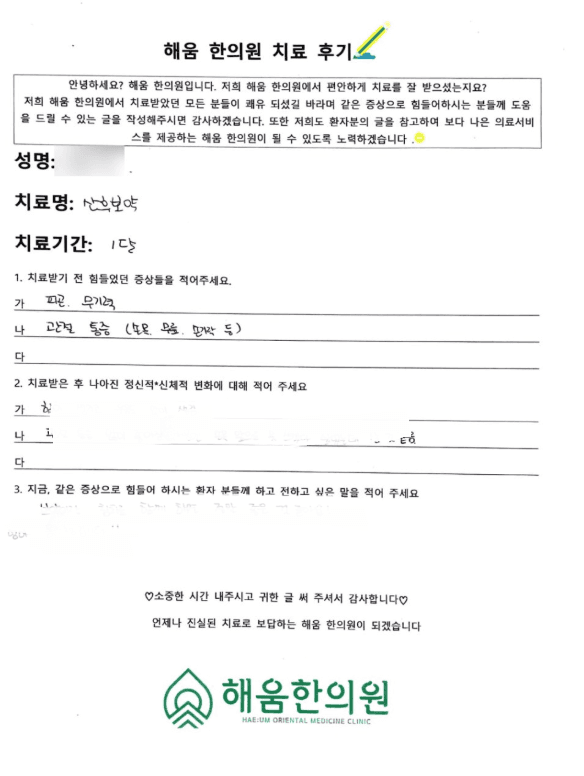
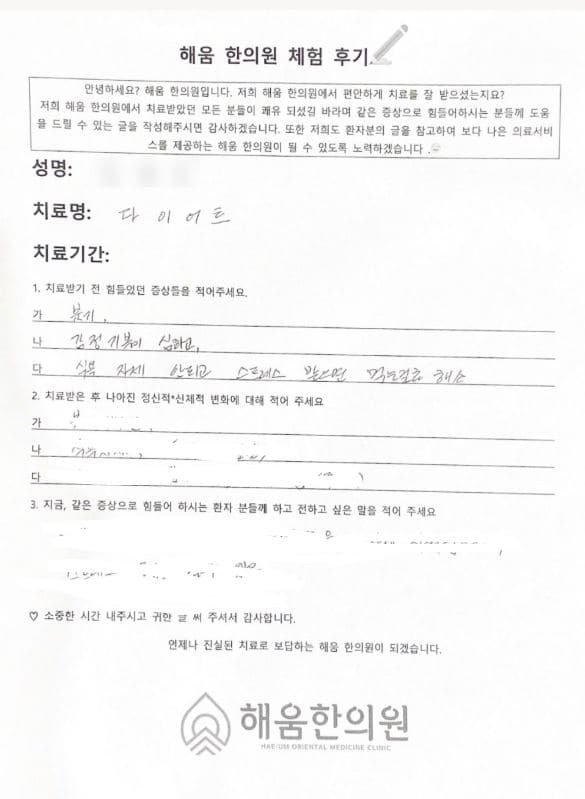
산후보약 치료후기 총 2건
환자분들이 남긴 치료후기입니다. 본문은 로그인 후 보실 수 있습니다.
산후보약, 누가 진료하나요?
담당 의료진
대표원장 박재은

“병이 아니라 그 뒤의 사람을 봅니다”
경희대학교 한의학박사이자 여한의사입니다. 심리상담사 1급 자격, 20만명 차트분석과 4만건 이상의 한약 처방 경험을 바탕으로 진료합니다.
의료진 소개 더보기산후보약, 자주 묻는 질문
산후보약은 언제 먹는 것이 좋나요?
모유 수유 중에도 먹을 수 있나요?
제왕절개를 했는데 먹어도 되나요?
보약을 먹으면 살이 찌나요?
유산 뒤에도 조리가 필요한가요?
치료 기간은 얼마나 걸리나요?
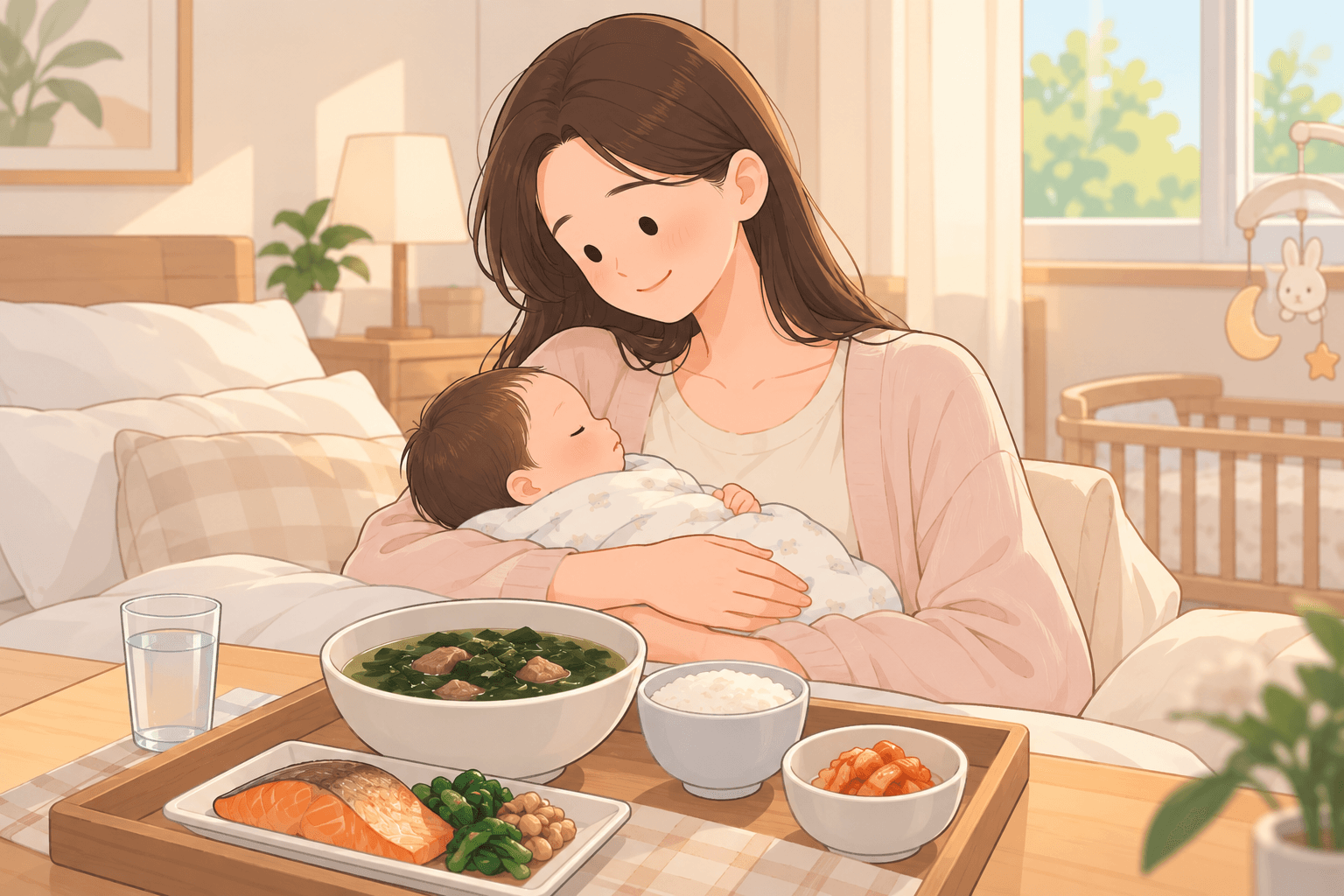
생활에서 어떻게 관리해야 하나요?
해움한의원에서 산후보약을 진료하나요?
산후보약으로 내원하려면 어떻게 하나요?
산후보약에 관해 알아두면 좋은 정보
1건산후보약과 관련해 정리한 건강정보입니다.

산후보약, 질문 있어요
4건환자분들이 남긴 온라인 상담 질문과 의료진 답변입니다.
이런 경우에는 바로 진료를 받으세요
아래 증상은 산후 출혈이나 혈전, 감염, 임신중독증, 산후 우울증의 신호일 수 있습니다. 지체하지 말고 응급실이나 산부인과를 먼저 찾으세요.
- 출혈이 갑자기 늘어 한 시간에 패드 한 장 이상을 적신다: 119
- 가슴이 아프고 숨이 차다: 119
- 심한 두통과 함께 시야가 흐려지거나 경련이 있다: 119
- 한쪽 다리가 붓고 아프거나 뜨겁다
- 고열이 나거나 오로에서 냄새가 나고 아랫배가 아프다
- 아이나 자신을 해치고 싶은 생각이 든다: 자살예방 상담전화 109
참고문헌 8편
[1]Henderson J, Alderdice F, Redshaw M. Factors associated with maternal postpartum fatigue: an observational study. BMJ Open. 2019;9(7):e025927. doi:10.1136/bmjopen-2018-025927. PMID: 31352411.
요약 영국 산모 4,578명의 설문입니다. 피로나 심한 지침을 겪은 비율은 출산 10일 뒤 38.8%, 1개월 뒤 27.1%, 3개월 뒤 11.4%였습니다. 우울, 불안, 수면 문제가 있거나 수유 중인 산모에서 위험이 높았습니다.원문은 출판사 저작권 자료로, 위 링크에서 확인하실 수 있습니다.
[2]Endres LK, Straub H, McKinney C, Plunkett B, Minkovitz CS, Schetter CD, et al. Postpartum weight retention risk factors and relationship to obesity at 1 year. Obstet Gynecol. 2015;125(1):144-152. doi:10.1097/aog.0000000000000565. PMID: 25560116.
요약 주로 저소득층인 미국 산모 774명의 코호트입니다. 약 75%가 출산 1년 뒤에도 임신 전보다 체중이 많았고, 47.4%는 10파운드(약 4.5kg) 넘게 남아 있었습니다.원문은 출판사 저작권 자료로, 위 링크에서 확인하실 수 있습니다.
[3]Milman N. Postpartum anemia I: definition, prevalence, causes, and consequences. Ann Hematol. 2011;90(11):1247-1253. doi:10.1007/s00277-011-1279-z. PMID: 21710167.
요약 산후 빈혈을 정리한 리뷰입니다. 건강한 산모의 출산 1주 뒤 빈혈은 철분을 먹은 경우 14%, 먹지 않은 경우 24%였습니다. 산후 빈혈은 삶의 질 저하, 인지 기능 저하, 정서 불안정, 우울과 관련됩니다.원문은 출판사 저작권 자료로, 위 링크에서 확인하실 수 있습니다.
[4]Wilson N, Lee JJ, Bei B. Postpartum fatigue and depression: A systematic review and meta-analysis. J Affect Disord. 2019;246:224-233. doi:10.1016/j.jad.2018.12.032. PMID: 30584956.
요약 35개 연구의 메타분석입니다. 출산 뒤 2년 안의 여성에서 피로와 우울 증상은 강한 상관을 보였습니다(r=0.52).원문은 출판사 저작권 자료로, 위 링크에서 확인하실 수 있습니다.
[5]Bai Y, Li Q, Cheng KK, Caine ED, Tong Y, Wu X, et al. Prevalence of Postpartum Depression Based on Diagnostic Interviews: A Systematic Review and Meta-Analysis. Depress Anxiety. 2023;2023:8403222. doi:10.1155/2023/8403222. PMID: 40224605.
요약 진단 면담을 쓴 54개 연구, 15,586명의 메타분석입니다. 출산 1년 안에 우울 상태는 12.1%, 주요우울증은 7.0%였습니다. 산모 8명 중 1명꼴입니다.원문은 출판사 저작권 자료로, 위 링크에서 확인하실 수 있습니다.
[6]Kwon NY, Lee HY, Hwang SI, Sung SH, Cho SJ, Yoon YJ, et al. Herbal Medicine for Postpartum Pain: A Systematic Review of Puerperal Wind Syndrome (Sanhupung). Healthcare (Basel). 2023;11(20):2743. doi:10.3390/healthcare11202743. PMID: 37893817.
초록 (Abstract)
Mothers in the postpartum period often experience musculoskeletal disorders and pain, impacting their ability to care for themselves and their infants. Conventional treatments have limitations, prompting interest in alternative options like herbal medicine. This systematic review aimed to confirm the effectiveness and safety of herbal medicine treatment to improve maternal health in patients with postpartum pain (puerperal wind syndrome). We searched eight electronic databases for randomized controlled trials (RCTs) to evaluate the effects of herbal medicines on puerperal wind syndrome. Nine RCTs, including 652 patients, were selected. Following a meta-analysis of RCTs, both herbal medicine and combination treatments improved the visual analog scale scores, total effective rate, scores of Traditional Chinese Medicine syndromes, Oswestry Disability Index, and quality of life in patients with role-emotional puerperal wind syndrome. All adverse events were minor, and the incidence rate was not high compared with that of the control group. In conclusion, herbal medicine supports the improvement in pain, other systemic symptoms, and the quality of life of patients with puerperal wind syndrome. Moreover, no serious side effects were observed; therefore, herbal medicines appear to be safe. It can be the preferred treatment option for puerperal wind syndrome, which is currently managed symptomatically.
결과 (Results)
3.1. Study Selection and Description: The database searches identified 1497 potentially related studies, and we identified 3 articles through other sources. After excluding 99 duplicated articles, 246 RCTs were considered for full-article assessment by reviewing titles and abstracts. Of them, 171 were not RCTs, 55 included interventions that were not herbal medicine, and 11 were unqualified control interventions; all of them were excluded for eligibility. In the end, nine RCTs were included in our review. All the studies were conducted in China and published in Chinese. Figure 1 presents a flowchart of the study selection process recommended by the Preferred Reporting Items for Systematic Reviews and Meta-Analyses guidelines. The specifics of the included studies are summarized in Table 1.
3.2. Participants: In total, 652 patients with puerperal wind syndrome were included. The experimental and control groups included 326 patients each. The final analyses included 324 and 323 patients from the experimental and control groups, respectively.
3.3. Intervention: We compared herbal medicine with conventional treatment, herbal medicine in combination with conventional treatment versus conventional treatment alone, and herbal medicine in combination with other traditional Korean treatments (e.g., moxibustion, warm needle acupuncture, or Chuna) versus other traditional Korean treatments alone. Five RCTs compared herbal medicines with conventional treatment. One study compared herbal medicine plus indomethacin cataplasm and indomethacin cataplasm alone. One study compared herbal medicine plus warm needle acupuncture and warm needle acupuncture alone, herbal medicine plus moxibustion and moxibustion alone, and herbal medicine plus Chuna and Chuna alone. Table 2 and Table 3 shows the characteristics of the herbal and conventional medicine interventions included in the RCTs.
3.3.1. Name of Prescription: The prescription names were noted in all the studies. The Wenjing decoction and Chanhoubi decoction were included in two studies. In addition, the Xiaoxuming Tang, Huangqi Guizhi Wuwu, Yangyuan Huoxue, Duhuo Jisheng, and Duhuo Jisheng decoctions were used in one study.
3.3.2. Herbs Used in the Included Studies: A total of nine studies used 50 herbs. The most frequently used herbs were Angelicae Gigantis Radix, Glycyrrhizae Radix et Rhizoma, and Paeoniae Radix Alba, which were used in eight studies; Asiasari Radix et Rhizoma was used in seven studies; Cinnamomi Ramulus and Cnidii Rhizoma were used in six studies; Acontii Lateralis Radix Preparata and Astragali Radix were used in five studies; Achyranthis Radix, Moutan Cortex, Poria Sclerotium, and Saposhnikoviae Radix were used in four studies; Araliae Continentalis Radix, Asini Corii Colla, Atractylodis Rhizoma Alba, Cinnamomi Cortex, Eucommiae Cortex, Gingseng Radix, Liriopis Tuber, and Zingiberis Rhizoma Recens were used in three studies (Figure 2).
3.3.3. Modified Herbs: In four studies, the herbs were modified according to symptoms. The first medicinal herb was added according to the part of the body where the pain was severe. For lower extremity pain, Achyranthis Radix, Araliae Continentalis Radix, Sinomeni Caulis et Rhizoma, and Piperis Kandsurae Caulis were applied. In the case of upper extremity pain, Osterici Radix, Curcumae Longae Rhizoma, and Gentianae Macrophyllae Radix were added. In cases of lower back pain, Loranthi Ramulus, Dipsaci Radix, and Eucommiae Cortex were added. In cases of chronic impediment disease, Scolopendrae Corpus and Asiasari Radix et Rhizoma were added. In cases of headaches, Cnidii Rhizoma was added. Considering the accompanying systemic symptoms, if a patient complained of aversion to wind, Araliae Continentalis Radix, Aconiti Tuber, and Saposhnikoviae Radix were added, and Cervi Cornus Colla was added for aversion to cold. In the case of spontaneous sweating, Trtici Levis Semen and Ephedrae Radix et Rhizoma were added; in the case of sleep inability, Zizyphi Spinosi Semen and Polygoni Multiflori Caulis were added; and in the case of reduced food intake, Galli Stomachichum Corium was added (Table 2).
3.3.4. Duration and Frequency of Taking Herbal Medicine: The duration of herbal medicine use varied from 7 days to 3 months. In three studies, most participants took herbal medicine for 1 month. The frequency of herbal medicine use was twice a day in five studies, three times a day in two studies, and once a day in two studies (Table 2).
3.3.5. Formulation of Herbal Medicine: The formulation of herbal medicine was a decoction in all nine studies.
3.4. Outcomes / 3.4.1. Pain (Visual Analog Scale [VAS]): We analyzed three RCTs comparing the degree of pain improvement using VAS between the herbal and Western medicine treatments. The pain reduction effect of the herbal medicine treatment group was statistically better than that of the Western medicine treatment group (n = 217, risk ratio (RR): −1.40, 95% CI −2.02 to −0.78, p < 0.00001; Figure 3).
One study reported a VAS score comparing herbal medicine plus warm needle acupuncture with warm needle acupuncture alone; herbal medicine plus warm needle acupuncture significantly improved the VAS score (p < 0.00001).
One study compared herbal medicine plus moxibustion with moxibustion alone and found that herbal medicine plus moxibustion resulted in a significantly better improvement in the VAS score (p < 0.05).
One RCT compared herbal medicine plus Chuna with Chuna and found that herbal medicine plus Chuna significantly improved the VAS score (p < 0.0001).
3.4.2. Total Effective Rate: Five RCTs compared the treatment effects of herbal medicine and Western medicine using the total effective rate; the total effective rate of the herbal medicine group was statistically higher than that of the Western medicine treatment group (n = 369, RR 1.19, 95% CI 1.10 to 1.29, p < 0.0001, Figure 4, Table 4).
One study reported that the total effective rate for puerperal wind syndrome was higher in the treatment group than in the control group; however, the difference was not significant (p = 0.11), (Table 4).
One study compared herbal medicine plus moxibustion with moxibustion alone and found that herbal medicine plus moxibustion was more effective than moxibustion in the control group; however, there was no significant difference in the total effective rate (p = 0.28), (Table 4).
One RCT compared herbal medicine plus Chuna with Chuna alone and found that herbal medicine plus Chuna significantly improved the total effective rate (p < 0.05), (Table 4).
3.4.3. Scores of TCM syndromes: Three RCTs comparing herbal medicine with conventional treatment reported significant effects in the herbal medicine group with respect to TCM syndrome scores for puerperal wind syndrome (n = 217, RR −4.05, 95% CI −6.05 to −2.05, p < 0.0001, Figure 5).
3.4.4. Oswestry Disability Index (ODI): One RCT comparing herbal medicine plus Chuna versus Chuna alone reported that herbal medicine plus Chuna significantly improved the ODI scores (p < 0.0001).
3.4.5. QOL: Three RCTs were used to evaluate the QOL. The 36-Item Short-Form Survey (SF-36) was used in two studies, and the World Health Organization Quality of Life Scale (WHOQOL-BREF) was used in one study. Lu’s RCT used SF-36 and physical functioning, bodily pain, social functioning, and role-emotional as indicators, and the treatment group showed significantly improved results (p < 0.00001). Chen’s RCT also used SF-36, role-physical (p < 0.001), general health (p = 0.002), vitality (p ≤ 0.0001), social functioning (p < 0.002), role-emotional (p = 0.0008), and mental health (p = 0.001), and all of them were more effective in the treatment group than in the control group. One RCT reported significant effects with respect to the WHOQOL-BRE for puerperal wind syndrome (p < 0.05).
As a result of a meta-analysis of two RCTs comparing herbal medicine versus conventional treatment, the role-emotional indicator of the herbal medicine group was significantly improved (n = 172, RR 14.33, 95% CI 13.13 to 15.53, p < 0.00001, Figure 6), and social functioning was also improved; however, there was no statistical significance (n = 172, RR 11.14, 95% CI −2.21 to 24.50, p = 0.10, Figure 7).
One study reported that herbal medicine plus conventional treatment significantly improved QOL scores (p < 0.00001).
In one study comparing herbal medicine plus warm needle acupuncture versus warm needle acupuncture alone, herbal medicine plus warm needle acupuncture significantly improved the SF-36 scores (p < 0.0001).
3.4.6. Adverse Events: Mild adverse events were reported in five studies. The adverse events in the treatment group included nausea, vomiting, gastrointestinal discomfort, headaches, pain, and fatigue. The pooled effects of the five studies were higher in the control group than in the experimental group; however, they were not statistically significant (n = 350, risk difference −0.06, 95% CI −0.13 to 0.01, p = 0.07, I2 = 35%, Figure 8).
원문 발췌 · Kwon NY, Lee HY, Hwang SI, Sung SH, Cho SJ, Yoon YJ, Park JK, Healthcare (Basel) 2023 · CC BY 4.0 라이선스에 따라 수정 없이 인용했습니다(본문 속 인용 번호는 생략).
[7]Li Y, Chen Z, Yu N, Yao K, Che Y, Xi Y, et al. Chinese Herbal Medicine for Postpartum Depression: A Systematic Review of Randomized Controlled Trials. Evid Based Complement Alternat Med. 2016;2016:5284234. doi:10.1155/2016/5284234. PMID: 27774110.
요약 산후우울증 한약을 다룬 무작위 연구 47편의 체계적 고찰입니다. 한약 단독 또는 병용으로 우울 점수가 줄었지만, 저자들은 효과를 확실히 증명할 수는 없다고 밝혔습니다.원문은 출판사 저작권 자료로, 위 링크에서 확인하실 수 있습니다.
[8]Kim A, Kim YE, Seo S, Kim S, Cho E, Kang YJ, et al. Safety of herbal medicine in the postpartum period of a Korean Medicine hospital and postpartum care centre: protocol of a registry study (SAFEHERE-PC). BMJ Open. 2024;14(8):e086645. doi:10.1136/bmjopen-2024-086645. PMID: 39181559.
요약 우리나라에서 흔히 쓰는 산후 한약의 안전성을 살피는 등록 연구의 계획서입니다. 한방병원 산후조리원 환자 1,000명의 처방과 이상반응을 모을 예정입니다.원문은 출판사 저작권 자료로, 위 링크에서 확인하실 수 있습니다.