

찢어지는 듯한 쓰라림이 두려워 자꾸 관계를 피하게 됩니다. 병원에서는 건조증이라며 윤활제를 쓰라고 하고, 배우자에게는 미안한 마음만 쌓입니다. 성교통, 혼자 참아야 하는 문제가 아닙니다.
성교통 한눈에 보기
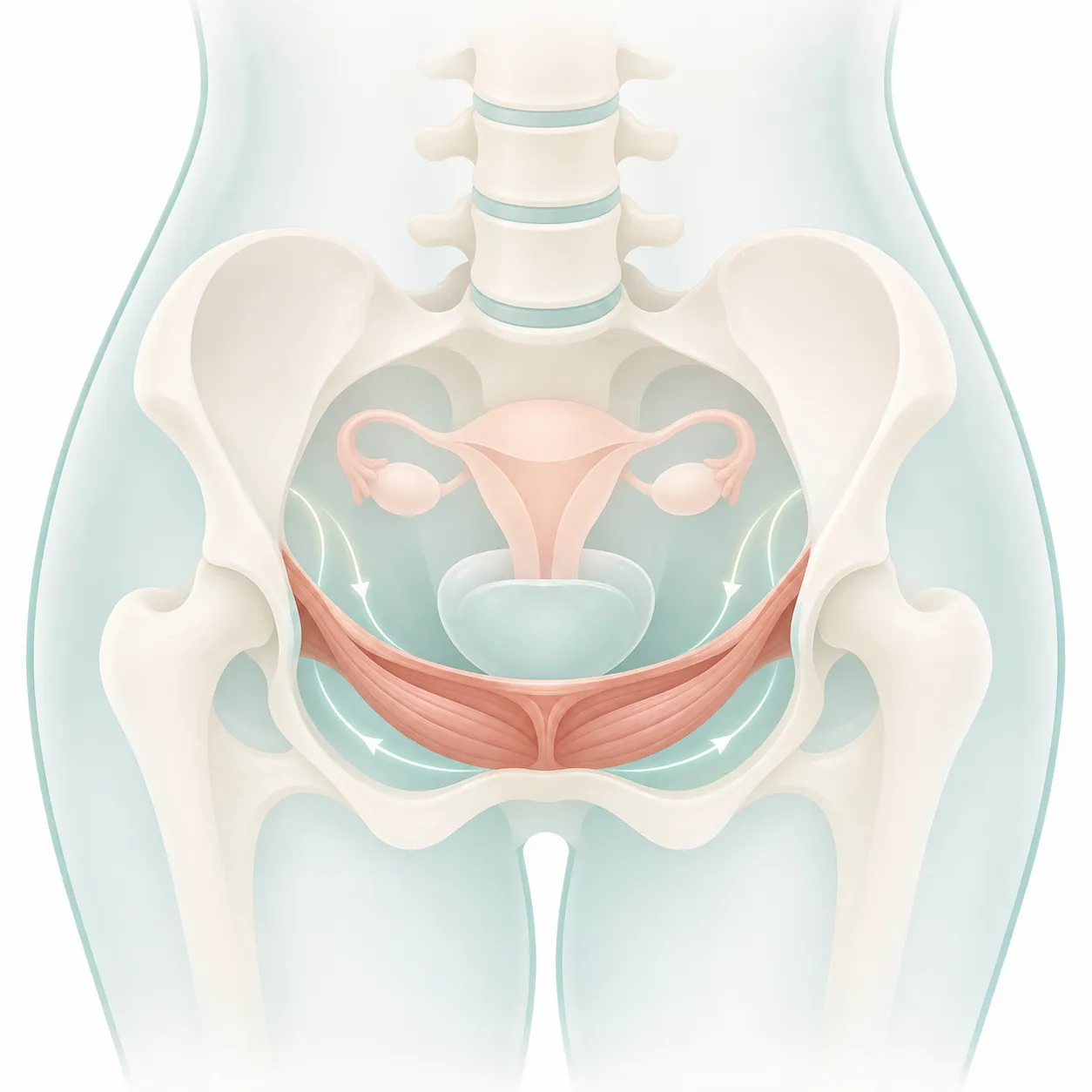
- 성교통은 성관계 때 질 입구나 골반 안쪽이 아픈 증상으로, 입구가 아픈지 깊은 곳이 아픈지에 따라 원인이 다릅니다.
- 성생활을 하는 여성의 7.5%가 겪고, 그중 4분의 1은 증상이 잦고 오래가며 고통스럽습니다. 염증, 건조, 자궁 질환이 있는지 먼저 확인해야 합니다.
- 검사에 이상이 없다면 스트레스와 자율신경의 긴장으로 골반저근이 굳어 있지 않은지 함께 살펴야 합니다.
- 의료진 칼럼 1편
이런 증상이 있나요?
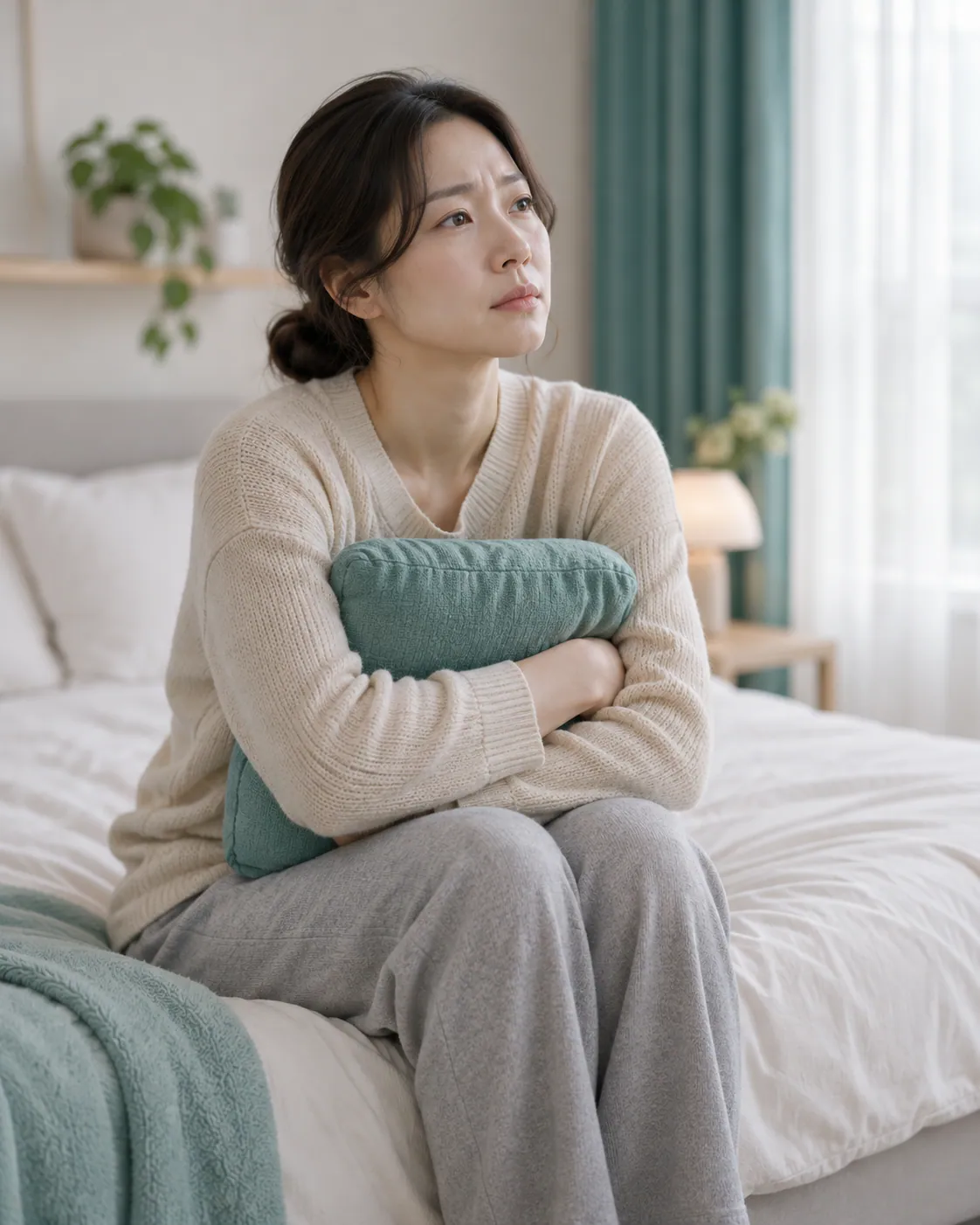
- 삽입할 때 찢어지는 듯 쓰리거나 따갑다
- 깊이 들어가면 골반 안쪽이 묵직하게 아프다
- 관계 뒤 며칠씩 화끈거리거나 욱신거린다
- 질이 건조하고 작은 마찰에도 아프다
- 질염이 자주 재발하고 치료해도 그때뿐이다
- 아플까 봐 몸에 힘이 들어가고 관계를 피하게 된다
산부인과에서 진찰과 분비물 검사, 초음파로 질염과 자궁·난소 질환을 확인합니다. 통증이 언제, 어디에서, 어떤 상황에서 생기는지가 진단의 실마리입니다. 깊은 통증은 자궁내막증, 자궁선근증, 난소낭종, 골반염 같은 골반 내 질환을 살핍니다.
성교통은 왜 생기나요?
- 질 건조: 건조함이 있으면 성교통이 7.9배 많음
- 질염과 반복되는 감염
- 폐경과 출산 뒤의 호르몬 변화
- 골반저근의 과도한 긴장, 질경련
- 자궁내막증, 자궁선근증, 자궁근종, 난소낭종
- 수술 뒤 유착과 흉터
- 불안과 통증에 대한 두려움: 성관계 불안이 있으면 6.3배 많음
건조와 불안은 성교통과 강하게 얽혀 있습니다[2]. 스트레스로 자율신경이 긴장하면 골반저근도 함께 굳습니다. 그러면 삽입할 때 아프고, 아팠던 기억이 두려움이 되어 다시 근육을 조입니다. 이 악순환이 이어지면 처음 원인이 나아도 통증이 남습니다.
성교통의 표준 치료
원인을 찾아 치료합니다. 감염은 항생제와 항진균제, 건조는 윤활제와 보습제를 쓰고, 폐경 뒤 질 위축에는 국소 에스트로겐을 씁니다[4]. 골반 내 질환은 호르몬 치료나 수술을 고려합니다. 골반저근 재활도 효과가 있어, 무작위 연구에서 재활을 받은 쪽은 대기군보다 통증 점수(VAS)가 7.32점 더 줄었습니다[5].
하지만 검사에서 뚜렷한 이상이 없는데 통증이 반복되는 분이 있습니다. 염증 치료를 받아도 그때뿐이고 점막은 더 예민해집니다. 왜 질이 건조하고 예민해졌는지, 왜 골반저근이 풀리지 않는지를 찾아야 합니다. 한의학 치료는 바로 이 바탕을 다스립니다.
해움한의원은 이렇게 치료합니다

해움한의원은 통증을 당연하게 여기지 않습니다. 말씀하시기 어려운 내용까지 편하게 들으면서, 왜 굳고 왜 예민해졌는지를 함께 찾습니다.
1단계. 통증의 위치와 원인을 가립니다
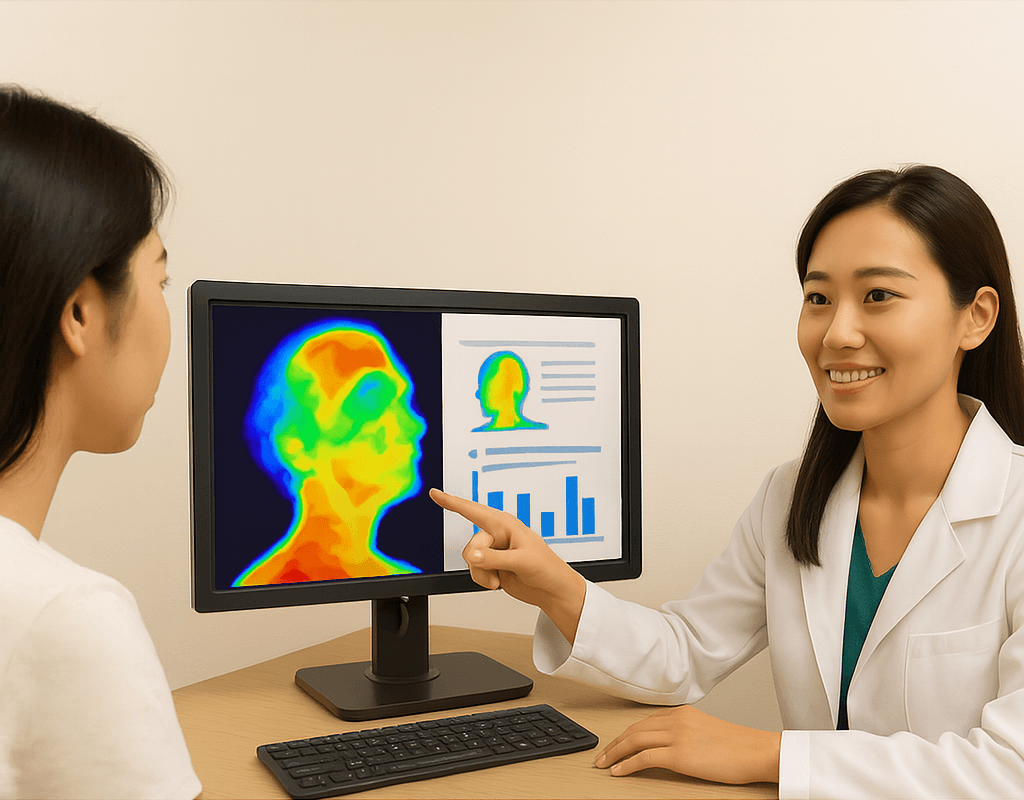
언제, 어디가, 어떻게 아픈지 자세히 살펴봅니다. 질염이나 자궁 질환이 의심되면 산부인과 검사를 먼저 안내해 드립니다. 심박변이도로 자율신경의 긴장을 확인합니다.
2단계. 굳은 골반을 풉니다
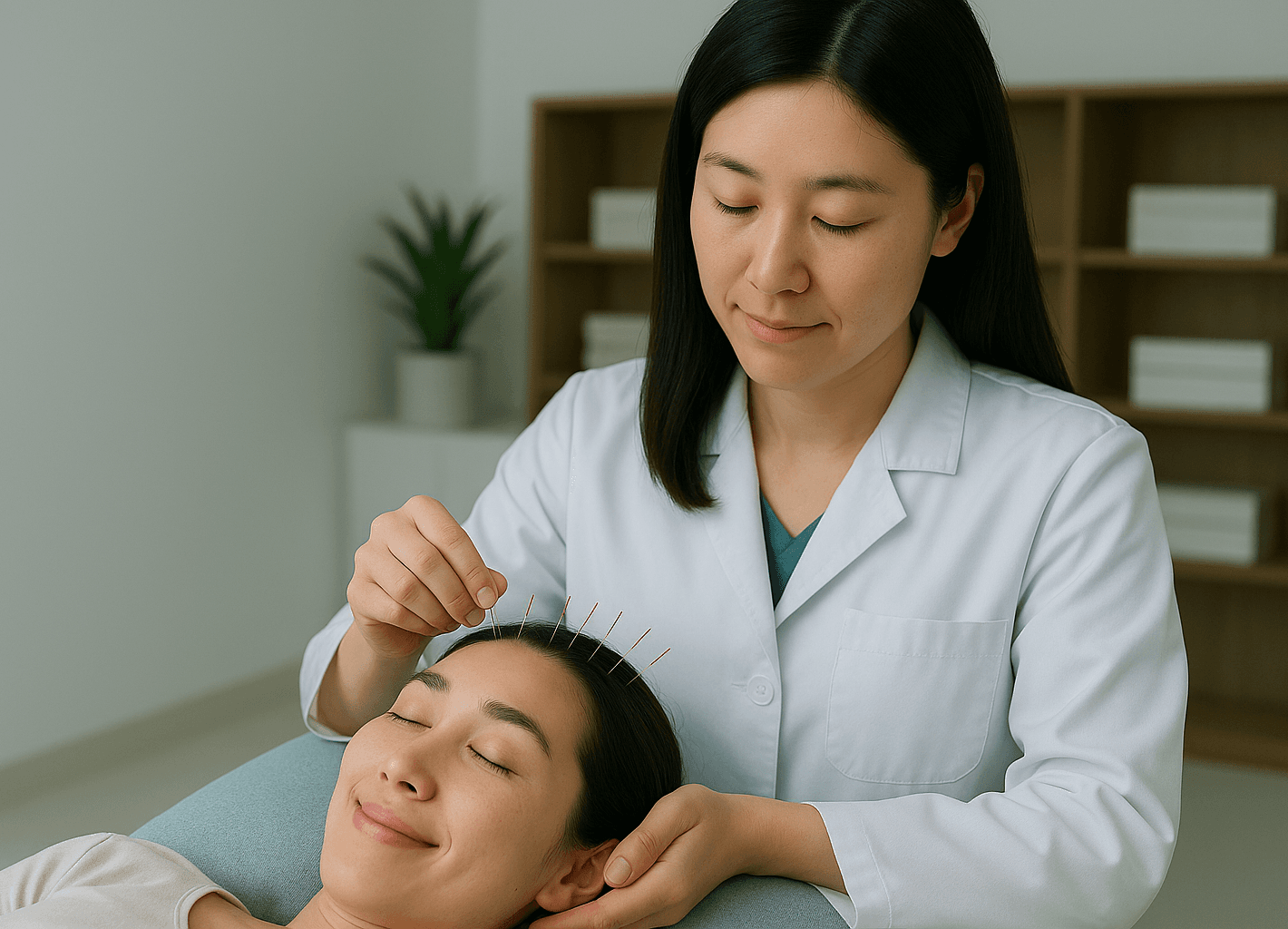
침과 약침, 뜸으로 아랫배와 사타구니, 허리 주변의 긴장을 풀고 순환을 돕습니다. 집에서 하실 수 있는 역케겔 호흡도 알려 드립니다.
3단계. 유형에 맞춰 바탕을 다스립니다
체질과 상태에 맞춰 한약을 짓습니다.
4만 건의 처방 사례가 말해주는, 한방 맞춤 치료의 힘
성교통, 누가 진료하나요?
담당 의료진
대표원장 박재은

“병이 아니라 그 뒤의 사람을 봅니다”
경희대학교 한의학박사이자 여한의사입니다. 심리상담사 1급 자격, 20만명 차트분석과 4만건 이상의 한약 처방 경험을 바탕으로 진료합니다.
의료진 소개 더보기성교통, 자주 묻는 질문
윤활제를 써도 아픈데 왜 그런가요?
케겔 운동을 하면 좋아지나요?
출산 뒤부터 아픈데 나아질까요?
폐경 뒤에는 어쩔 수 없나요?
산부인과 치료와 같이 받아도 되나요?
치료 기간은 얼마나 걸리나요?
생활에서 어떻게 관리해야 하나요?
해움한의원에서 성교통을 진료하나요?
성교통으로 내원하려면 어떻게 하나요?
이런 경우에는 미루지 말고 진료를 받으세요
아래 증상은 골반 감염이나 자궁외임신, 난소 질환, 자궁경부 질환의 신호일 수 있습니다. 지체하지 말고 응급실이나 산부인과를 먼저 찾으세요.
- 임신 가능성이 있는데 심한 복통이나 출혈이 있다: 119
- 갑자기 극심한 복통이 시작되어 움직일 수 없거나 정신이 아득하다: 119
- 고열과 함께 아랫배가 아프거나 냄새나는 분비물이 나온다
- 관계 뒤 출혈이 반복된다
- 없던 깊은 통증이 새로 생겼거나 점점 심해진다
참고문헌 5편
[1]Orr N, Wahl K, Joannou A, Hartmann D, Valle L, Yong P. Deep Dyspareunia: Review of Pathophysiology and Proposed Future Research Priorities. Sex Med Rev. 2020;8(1):3-17. doi:10.1016/j.sxmr.2018.12.007. PMID: 30928249.
요약 깊은 성교통의 원인을 정리한 리뷰입니다. 성교통은 얕은(입구) 통증과 깊은 삽입 때의 통증으로 나뉩니다. 깊은 통증의 원인에는 부인과, 비뇨기, 소화기, 신경계, 심리, 근골격계 문제가 있습니다.원문은 출판사 저작권 자료로, 위 링크에서 확인하실 수 있습니다.
[2]Mitchell KR, Geary R, Graham CA, Datta J, Wellings K, Sonnenberg P, et al. Painful sex (dyspareunia) in women: prevalence and associated factors in a British population probability survey. BJOG. 2017;124(11):1689-1697. doi:10.1111/1471-0528.14518. PMID: 28120373.
초록 (Abstract)
Objective: To estimate the prevalence of painful sex among women in Britain, and to explore associated sexual, relationship and health factors that should be considered in assessment.
Design: Multi‐stage, clustered and stratified population probability sample survey, using computer‐assisted self‐interview. Sample frame was the British Postcode Address File.
Setting: Participants interviewed at home between 2010 and 2012.
Sample: A total of 15 162 adults aged 16–74 years (8869 women). Data reported from 6669 sexually active women.
Methods: Age‐adjusted logistic regressions to examine associations between painful sex and indicators of sexual, relational, mental and physical health.
Main outcome measure: Physical pain as a result of sex for ≥3 months in the past year, plus measures of symptom severity.
Results: Painful sex was reported by 7.5% (95% CI 6.7–8.3) of sexually active women, of whom one‐quarter experienced symptoms very often or always, for ≥6 months, and causing distress. Reporting painful sex was strongly associated with other sexual function problems, notably vaginal dryness (age adjusted odds ratio 7.9; 6.17–10.12), anxiety about sex (6.34; 4.76–8.46) and lacking enjoyment in sex (6.12; 4.81–7.79). It was associated with sexual relationship factors [such as not sharing same level of interest in sex (2.56; 1.97–3.33)], as well as with adverse experiences such as non‐volitional sex (2.17; 1.68–2.80). Associations were also found with measures of psychological and physical health, including depressive symptoms (1.68; 1.28–2.21).
Conclusion: Painful sex is reported by a sizeable minority of women in Britain. Health professionals should be supported to undertake holistic assessment and treatment which takes account of the sexual, relationship and health context of symptoms.
Tweetable abstract: Painful sex—reported by 7.5% of women in Britain—is linked to poorer sexual, physical, relational and mental health.
결과 (Results)
Prevalence of painful sex and morbid painful sex: Table 1 shows the prevalence of reporting painful sex and morbid painful sex by age group. Among sexually active women aged 16–74 years, 7.5% (95% CI 6.7–8.3) reported painful sex; 4.6% (4.1–5.3) reported symptoms lasting ≥6 months, of whom around half were distressed about their symptoms. <2% (1.9%; 1.5–2.3) of all sexually active women reported morbid painful sex (i.e. met all three morbidity criteria). The proportion reporting painful sex was highest in the youngest women (16–24 years) and those aged 55–64 years, whereas morbid pain was highest (3.9%) in this latter age group.
Among women aged 16–74 years, 1505 were not sexually active in the last year and answered the item on avoidance of sex because of sexual difficulties. Of these, 211 (17.23%) reported avoiding sex, with 35 reporting pain, or fear of feeling pain, as a reason for avoidance (2.49% of all sexually inactive women). [Correction added on 7 April 2017, after first online publication: The number of non‐sexually active participants has been changed from 1708 to 1505, and therefore the percentage calculations have been corrected in the preceeding sentence.]
Association of painful sex with sexual function problems and sexual satisfaction: Many women reporting painful sex also reported another sexual function problem (Table 2): 62.0% reported lack of interest in sex (compared with 31.9% of women with no pain), 45.2% reported vaginal dryness (compared with 10.4%), 40.2% reported difficulty reaching climax (compared with 14.4%), and 40.1% reported lacking enjoyment (compared with 9.9%). Painful sex was strongly associated with all the sexual function problems we measured, and in particular, with vaginal dryness [age adjusted odds ratio (aOR) 7.9; 95% CI 6.17–10.12], feeling anxious during sex (aOR 6.34; 95% CI 4.76–8.46) and lacking enjoyment in sex (aOR 6.12; 95% CI 4.81–7.79).
Just under a third of women reporting painful sex said they were dissatisfied with their sex life (30.9%; compared with 10.1% of women not reporting painful sex; aOR 4.00; 95% CI 3.09–5.16) and 28.9% said they were distressed or worried about their sex life (compared with 9.2% of women not reporting painful sex; aOR 4.02; 95% CI 3.11–5.21). Women reporting painful sex were much more likely to say that they had avoided sex in the past year because of sexual difficulties (own or those of partner) (44.9 versus 10.7% of those not reporting pain; aOR 7.22; 95% CI 5.66–9.20).
Association of painful sex with socio‐demographic, general health, and sexual lifestyles and attitudes: Table 3 shows associations between reporting painful sex (lasting ≥3 months) and selected socio‐demographic and health factors. After adjusting for age, reporting painful sex was associated with higher educational attainment (aOR for further academic qualifications versus none 2.10; 1.39–3.16), and with being retired (aOR for retired versus full‐time employed 1.79; 1.10–2.90).
We found strong associations between reporting painful sex and poor health, including overall self‐reported health status (aOR for bad/very bad health versus good/very good 2.37; 1.45–3.89), reporting two or more chronic health conditions (aOR 2.31; 1.69–3.15) and depressive symptoms (aOR 1.68; 1.28–2.21). Reporting painful sex was also positively associated with menopausal status (aOR 3.20; 2.05–5.00).
Table 4 shows associations between reporting painful sex (≥3 months) and selected sexual behaviour, relationship and attitudinal factors. In relation to other aspects of sexual health, experiencing painful sex was associated with feeling like one ought to have known more about sexual matters at first sexual experience (aOR 1.81; 1.36–2.42), and with key adverse sexual health outcomes, specifically reporting an STI diagnosis in the past 5 years (aOR 1.85; 1.27–2.68) and previous experience of non‐volitional sex (aOR 2.17; 1.68–2.80). We found no association with frequency of intercourse (Table 4), or with number of partners reported in the last year (data not shown).
We did not find associations with relationship status, relationship duration or general happiness with the relationship (data not shown). However, reporting painful sex was strongly associated with sexual aspects of the relationship; including not sharing the same level of interest in sex (aOR 2.56; 1.97–3.33), not sharing the same sexual likes and dislikes (aOR 2.35; 1.59–3.47), and partner having a sexual difficulty (aOR 1.48; 1.06–2.06).
Finally, we found strong associations between reporting painful sex and finding it difficult to talk about sex with partners (aOR for easy versus not always easy 1.54; 1.18–2.02), as well as agreement with the statement that men have a higher sex drive than women (aOR 1.35; 1.09–1.67).
원문 발췌 · Mitchell KR, Geary R, Graham CA, Datta J, Wellings K, Sonnenberg P, Field N, Nunns D, Bancroft J, Jones KG, Johnson AM, Mercer CH, BJOG 2017 · CC BY 4.0 라이선스에 따라 수정 없이 인용했습니다(본문 속 인용 번호는 생략).
[3]Banaei M, Kariman N, Ozgoli G, Nasiri M, Ghasemi V, Khiabani A, et al. Prevalence of postpartum dyspareunia: A systematic review and meta-analysis. Int J Gynaecol Obstet. 2021;153(1):14-24. doi:10.1002/ijgo.13523. PMID: 33300122.
요약 22개 연구, 11,457명의 메타분석입니다. 출산 후 성교통은 35%였고, 2개월에 42%, 2~6개월에 43%, 6~12개월에 22%로 시간이 지나며 줄었습니다.원문은 출판사 저작권 자료로, 위 링크에서 확인하실 수 있습니다.
[4]Lethaby A, Ayeleke RO, Roberts H. Local oestrogen for vaginal atrophy in postmenopausal women. Cochrane Database Syst Rev. 2016:CD001500. doi:10.1002/14651858.cd001500.pub3. PMID: 27577677.
요약 폐경 여성의 질 위축에 대한 국소 에스트로겐 치료를 다룬 코크란 리뷰입니다. 30개 연구, 6,235명을 모았습니다. 에스트로겐 크림은 위약보다 증상 호전이 많았습니다(오즈비 4.10). 근거 수준은 낮음입니다.원문은 출판사 저작권 자료로, 위 링크에서 확인하실 수 있습니다.
[5]Ghaderi F, Bastani P, Hajebrahimi S, Jafarabadi MA, Berghmans B. Pelvic floor rehabilitation in the treatment of women with dyspareunia: a randomized controlled clinical trial. Int Urogynecol J. 2019;30(11):1849-1855. doi:10.1007/s00192-019-04019-3. PMID: 31286158.
초록 (Abstract)
Introduction and hypothesis: Dyspareunia, the symptom of painful sexual intercourse, is a common sexual dysfunction in reproductive-aged women. Because of its multifactorial etiology, a multidisciplinary approach may be required to treat it. Musculoskeletal factors play an important role; thus, rehabilitating the pelvic floor and modifying the tone of the pelvic floor muscles (PFMs) may be an effective way to treat this dysfunction. The aim of this randomized controlled clinical study was to evaluate the effects of pelvic floor rehabilitation techniques on dyspareunia.
Methods: Of 84 women, assessed for eligibility, 64 women with dyspareunia were randomized into two groups: the experimental group (n = 32) received electrotherapy, manual therapy, and PFM exercises and the control group (n = 32) had no treatment while on the waiting list. Evaluations of PFM strength and endurance, sexual function, and pain were made directly before and after 3 months of treatment and at the 3-month follow-up.
Results: Between-group changes showed significant improvement in the experimental group in comparison with control group. Mean difference in the PFM strength (according to the 0-5 Oxford scale) between groups was 2.01 and the mean difference of endurance was 6.26 s. Also, the mean difference in the Female Sexual Function Index score (the score ranges from 2 to 95) was 51.05, and the mean difference in the VAS score was 7.32. All of the changes were statistically significant (p < 0.05).
Conclusions: According to the results, pelvic floor rehabilitation is an important part of a multidisciplinary treatment approach to dyspareunia.
결과 (Results)
Sixty-four out of 84 eligible women were included and randomized to the experimental (n = 32) or to the control group (n = 32).
At the beginning of the study, the two groups had similar baseline characteristics, with the exception of the severity of pain and the PFM strength and endurance. Table 1 shows the baseline characteristics of the participants in the two groups.
Comparison of the two groups showed that there were significant differences between groups after treatment (Table 2).
According to the results, between-group changes showed significant improvement in the experimental group in comparison with the control group. Mean difference in the PFM strength (according to the 0-5 Oxford scale) between groups was 2.01 and the mean difference of endurance was 6.26 s. Also, the mean difference in the FSFI score (the score ranges from 2 to 95) was 51.05. All of the changes were statistically significant (p < 0.05).
The VAS changes decreased dramatically in the experimental group during the study, and the mean difference in the VAS score before and after treatment was 7.32. Three months after the last treatment session, the superiority of the experimental to control group in VAS continued (mean difference between groups was 7.57; Fig. 2).
원문 발췌 · Ghaderi F, Bastani P, Hajebrahimi S, Jafarabadi MA, Berghmans B, Int Urogynecol J 2019 · CC BY 4.0 라이선스에 따라 수정 없이 인용했습니다(본문 속 인용 번호는 생략).